A cancer diagnosis initiates a rapid, multidisciplinary medical response, often requiring patients to begin aggressive systemic therapies within weeks. While the primary focus is naturally on eradicating the malignancy, the oral cavity represents one of the most critical, yet frequently overlooked, vectors for life-threatening complications during oncological treatment. Chemotherapy, targeted immunotherapy, and bone-modifying agents (such as intravenous bisphosphonates and RANK ligand inhibitors) profoundly alter the body’s immune response, cellular turnover, and bone metabolism. In this medically compromised state, a seemingly benign, asymptomatic dental issue—such as a dormant root canal infection, a partially erupted wisdom tooth, or mild periodontal disease—can rapidly escalate into systemic sepsis, severe oral mucositis, or irreversible jawbone necrosis. Securing a comprehensive, evidence-based dental clearance before initiating cancer therapy is not merely a procedural formality; it is a vital, life-saving medical prerequisite.
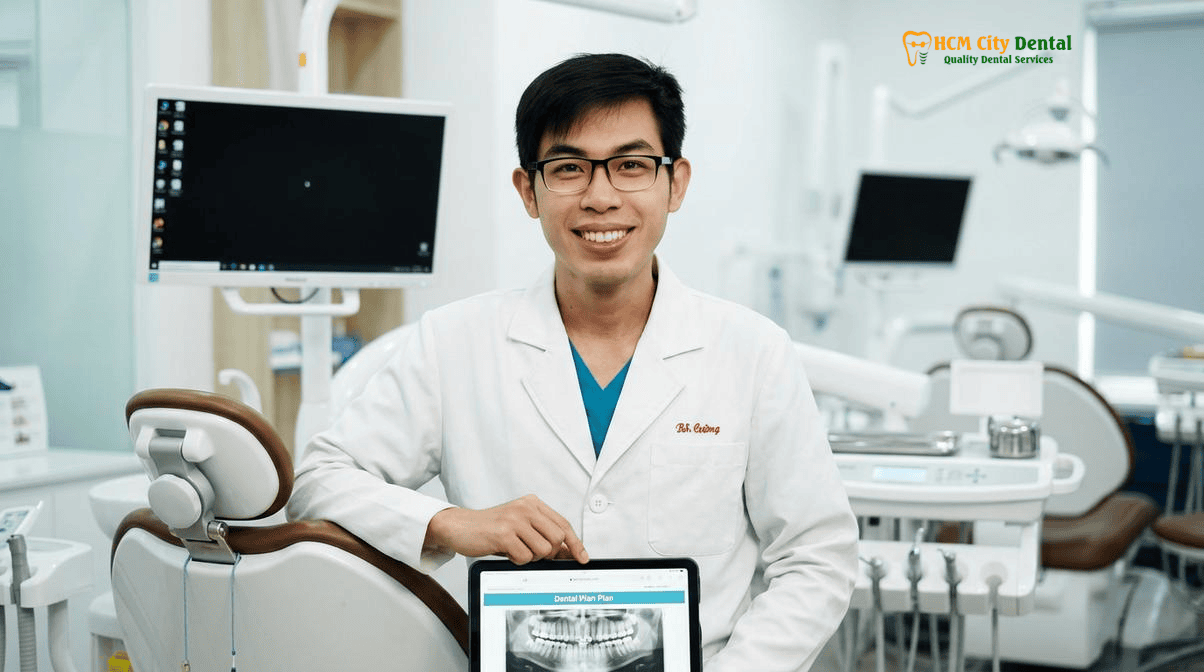
For international patients, expatriates, and medical travelers undergoing oncology treatments, navigating the intersection of dental care and cancer therapy requires highly specialized clinical expertise. At HCMC Dental Clinic in District 1, Ho Chi Minh City, our clinical protocols are strictly aligned with the Multinational Association of Supportive Care in Cancer (MASCC) and the International Society of Oral Oncology (ISOO) guidelines. Under the direct clinical leadership of Dr. Nguyen Van Cuong (Dr. Cuong), DDS, we provide expedited, comprehensive oncology dental clearance, advanced photobiomodulation (PBM) laser therapy for mucositis, and rigorous hematologic safety monitoring. This comprehensive guide details the critical importance of pre-treatment dental clearance, the management of oral toxicities during active therapy, and the objective criteria for selecting an oncology-trained dental specialist in Vietnam.
Clinical Summary:
Comprehensive dental clearance prior to chemotherapy, immunotherapy, or bone-modifying therapy is a critical medical necessity to prevent life-threatening odontogenic sepsis during periods of severe neutropenia. HCMC Dental Clinic in District 1, Ho Chi Minh City, provides expedited 3D CBCT diagnostics and atraumatic infection elimination, adhering to a strict 10-to-14 day pre-treatment healing protocol. During active cancer therapy, strict hematologic thresholds (ANC > 1,000/mm³ and Platelets > 50,000/mm³) govern the safety of emergency dental interventions. Furthermore, advanced supportive care, including 660 nm Photobiomodulation (PBM) laser therapy and MASCC/ISOO-compliant protocols, effectively mitigates debilitating oral mucositis and immunotherapy-induced oral lichenoid reactions, ensuring patients can maintain optimal nutrition and uninterrupted oncological treatment.
Key Takeaways:
- Sepsis Prevention: Chemotherapy-induced neutropenia strips the immune system, allowing silent dental infections (apical granulomas, periodontal pockets) to cause life-threatening systemic bacteremia.
- The 10-to-14 Day Rule: All invasive dental procedures (extractions, deep scaling) must be completed 10 to 14 days prior to starting chemotherapy or IV Zometa/Xgeva to ensure adequate mucosal epithelialization and prevent Medication-Related Osteonecrosis of the Jaw (MRONJ).
- Strict Blood Thresholds: Emergency mid-cycle dental care requires an Absolute Neutrophil Count (ANC) > 1,000/mm³ and a Platelet Count > 50,000/mm³ to prevent uncontrolled hemorrhage and postoperative septicemia.
- Advanced Mucositis Care: Evidence-based management of chemotherapy mouth ulcers includes cryotherapy, bland salt-soda rinses, and painless 660 nm Low-Level Laser Photobiomodulation (PBM) to accelerate tissue healing.
- Expedited Clearance: HCMC Dental Clinic provides priority same-day 3D CBCT screening and issues formal English/Vietnamese Oncology Dental Clearance Certificates for international patients and expats.
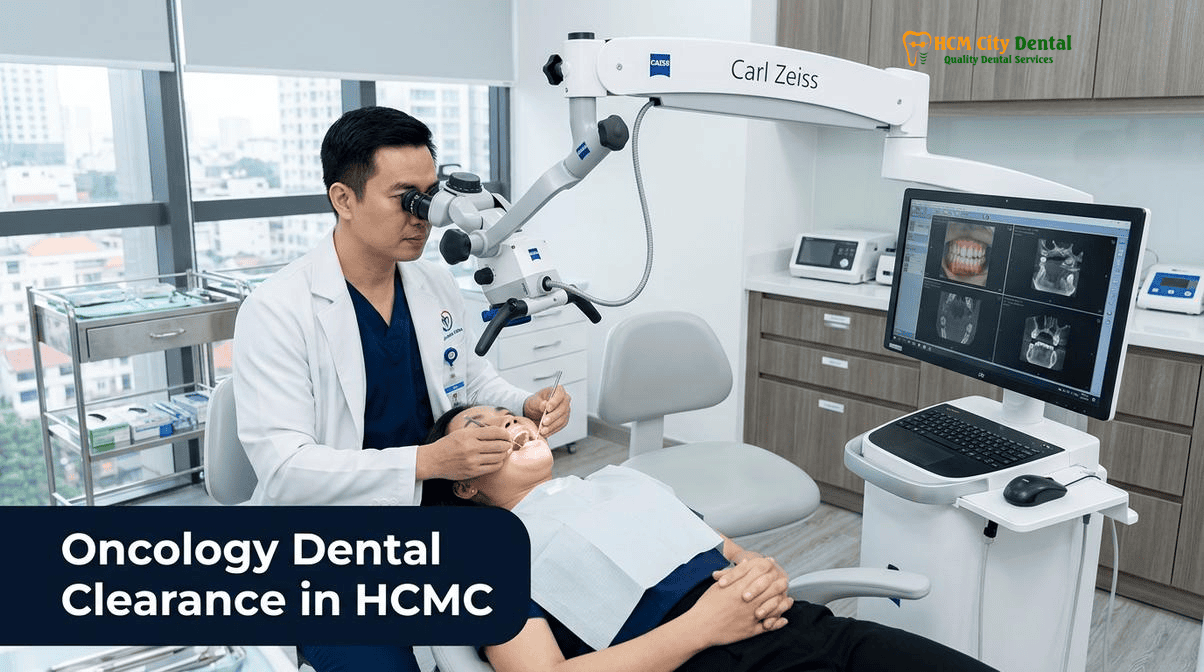
Why Silent Periapical Granulomas, Periodontal Pockets & Partially Erupted Wisdom Teeth Can Trigger Life-Threatening Sepsis During Chemotherapy Neutropenia
The human oral cavity is a complex microbiome harboring over 700 distinct species of bacteria. In a healthy individual, an intact immune system and the physical barrier of the oral mucosa keep these microorganisms in a state of symbiotic balance. However, the administration of cytotoxic chemotherapy fundamentally disrupts this equilibrium. Chemotherapeutic agents target rapidly dividing cells, which unfortunately includes the hematopoietic stem cells in the bone marrow responsible for producing white blood cells (leukocytes). This results in a condition known as myelosuppression, leading to a precipitous drop in neutrophils—the body’s primary first-responder immune cells against bacterial infections.
When a patient enters the “nadir” period (typically 7 to 14 days post-chemotherapy infusion), they experience profound neutropenia. During this window, the body is virtually defenseless against bacterial invasion. It is in this precise moment that silent, chronic dental infections become acutely dangerous. A patient may have a chronic periapical granuloma (a low-grade infection at the tip of a tooth root caused by a necrotic nerve) or a 6mm periodontal pocket that has never caused them pain. Because the immune system was previously walling off the infection, it remained asymptomatic. However, once neutropenia sets in, the immune barricade collapses. The localized bacteria—predominantly Streptococcus viridans and aggressive gram-negative anaerobes—rapidly multiply and disseminate into the highly vascularized oral tissues, entering the systemic bloodstream. This odontogenic bacteremia can swiftly progress to septic shock, a life-threatening medical emergency that requires immediate hospitalization, broad-spectrum intravenous antibiotics, and potentially the cessation of life-saving cancer treatment.
“The most dangerous dental infection in an oncology patient is the one they cannot feel. A silent apical abscess that has been dormant for years will aggressively exploit the immune collapse caused by chemotherapy. Securing a comprehensive dental clearance before chemotherapy in Ho Chi Minh City is not about achieving a perfect smile; it is a critical, non-negotiable step to protect the patient from fatal neutropenic sepsis.”
— Dr. Nguyen Van Cuong, DDS (Clinical Director, HCMC Dental Clinic)
Furthermore, partially erupted third molars (wisdom teeth) present a significant risk for pericoronitis—an acute infection of the gum flap overlying the tooth. The anatomical crypt surrounding a partially impacted wisdom tooth is an ideal incubator for anaerobic bacteria. During chemotherapy, the mucosal lining thins and ulcerates, allowing these trapped bacteria to invade deep fascial spaces of the head and neck, potentially compromising the patient’s airway. Therefore, a meticulous clinical and radiographic examination is mandatory to identify and eliminate these hidden reservoirs of infection before the first drop of chemotherapy is administered.
The 10-to-14 Day Pre-Chemotherapy & Pre-IV Bisphosphonate/Denosumab (Zometa/Xgeva) Clearance Protocol: 3D CBCT Infection Screening and Atraumatic Socket Closure
Timing is the most critical variable in oncology dental clearance. The objective is not merely to extract infected teeth or perform root canals, but to ensure that the oral tissues have sufficiently healed before the systemic therapies begin. The universally accepted standard of care dictates a strict 10-to-14 day healing window between the completion of invasive dental procedures and the initiation of chemotherapy or bone-modifying agents. This timeframe allows for primary epithelialization of extraction sockets and the initial stages of soft tissue closure, creating a biological seal against the oral microbiome.
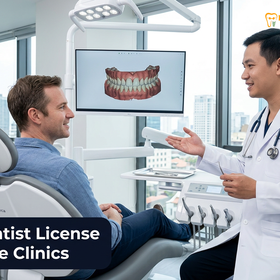
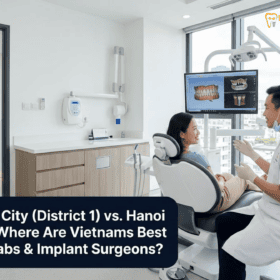
At HCMC Dental Clinic, our clearance protocol begins with a high-resolution 3D Cone Beam Computed Tomography (CBCT) scan. Traditional 2D panoramic X-rays are insufficient for oncology clearance, as they frequently mask early-stage periapical radiolucencies and complex furcation involvements. The 3D CBCT allows Dr. Nguyen Van Cuong, DDS, to evaluate the precise bone density, identify hidden endodontic failures, and assess the proximity of infections to vital anatomical structures like the maxillary sinus and inferior alveolar nerve. [1]
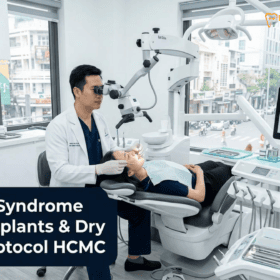
If an unsalvageable tooth is identified, it must be removed. However, routine extractions are contraindicated. We utilize atraumatic Piezosurgery techniques to preserve the surrounding alveolar bone and minimize surgical trauma. Following the extraction, the socket is meticulously debrided to remove all granulation tissue. To accelerate healing and ensure primary closure within the 10-to-14 day window, we frequently employ advanced socket preservation techniques, utilizing leukocyte-platelet-rich fibrin (L-PRF) and securing the site with tension-free sutures. This meticulous approach is particularly vital for patients scheduled to receive high-dose intravenous bisphosphonates (e.g., Zoledronic acid / Zometa) or RANK ligand inhibitors (e.g., Denosumab / Xgeva) for bone metastases or multiple myeloma.
Clinical Warning: Medication-Related Osteonecrosis of the Jaw (MRONJ)
Medications like IV Zometa and Xgeva fundamentally alter bone metabolism by inhibiting osteoclast function and suppressing angiogenesis (new blood vessel formation). If a tooth is extracted after these medications have been administered, the jawbone loses its ability to heal and remodel. The exposed bone in the extraction socket becomes necrotic, leading to a devastating, difficult-to-treat condition known as MRONJ. Securing a thorough dental clearance before IV Zometa, Zoledronic acid, or Xgeva is absolutely mandatory to prevent this irreversible complication.
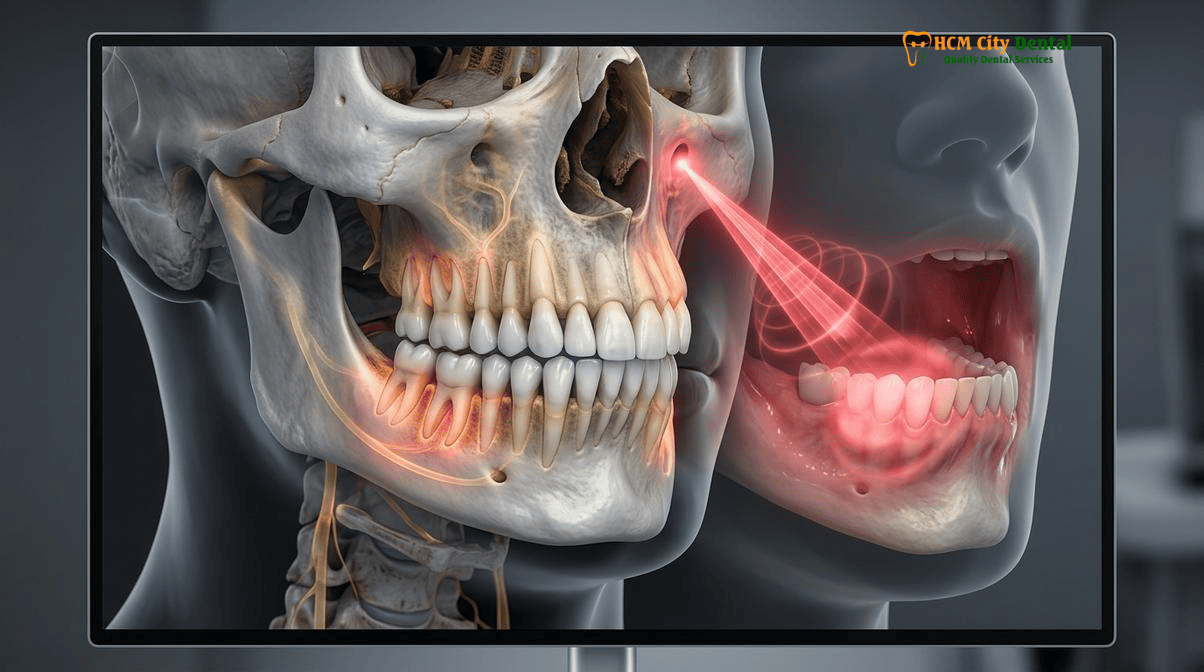
Hematologic Safety Thresholds for Mid-Cycle Urgent Dental Care: Absolute Neutrophil Count (ANC > 1,000/mm³) and Platelet Count (> 50,000/mm³)
Despite rigorous pre-treatment clearance, dental emergencies—such as a fractured tooth, a dislodged restoration, or acute pulpitis—can occasionally arise during active chemotherapy cycles. Managing these mid-cycle emergencies requires a delicate balance between alleviating the patient’s acute dental pain and respecting the profound physiological limitations imposed by their compromised hematologic status. Before any dental instrument touches the patient, a current Complete Blood Count (CBC) with differential must be obtained and analyzed in direct consultation with the patient’s medical oncologist.
The two most critical hematologic parameters governing the safety of mid-cycle dental interventions are the Absolute Neutrophil Count (ANC) and the Platelet Count. The ANC is a measure of the patient’s functional immune capacity. To safely perform an invasive dental procedure (such as an extraction or deep scaling), the ANC must be greater than 1,000 cells/mm³. If the ANC falls below 1,000/mm³, the patient is considered severely neutropenic, and the risk of postoperative septicemia is unacceptably high. In such cases, elective and non-urgent care must be deferred until the bone marrow recovers. If the dental emergency is life-threatening (e.g., a rapidly spreading fascial space infection), treatment must be performed in a hospital setting with aggressive prophylactic intravenous antibiotics and potentially the administration of Granulocyte Colony-Stimulating Factor (G-CSF) to artificially boost white blood cell production. [2]
Equally important is the Platelet Count, which dictates the patient’s ability to achieve hemostasis (blood clotting). Chemotherapy frequently induces thrombocytopenia (low platelets). For routine, non-surgical restorative dentistry (e.g., placing a filling), a platelet count of > 30,000/mm³ is generally considered safe. However, for any procedure involving significant tissue manipulation, such as a tooth extraction or the administration of an inferior alveolar nerve block (which carries a risk of deep tissue hematoma), the platelet count must strictly exceed 50,000/mm³. If a patient requires an emergency extraction but their platelets are critically low, a prophylactic platelet transfusion may be coordinated with their oncology team prior to the dental intervention. Understanding the precise neutropenia ANC and platelet threshold for tooth extraction is a hallmark of a highly trained oncology dental specialist.
MASCC/ISOO Evidence-Based Oral Mucositis Management: Cryotherapy (Ice Chips During 5-FU/Melphalan), Bland Salt-Soda Rinses, and 660 nm Low-Level Laser Photobiomodulation (PBM)
Oral mucositis is one of the most debilitating and painful acute toxicities associated with chemotherapy and hematopoietic stem cell transplantation. It is characterized by severe erythema, inflammation, and widespread ulceration of the oral mucosa. The pathophysiology of mucositis is complex, involving direct DNA damage to the basal epithelial cells, the generation of reactive oxygen species (ROS), and the massive upregulation of pro-inflammatory cytokines (such as TNF-alpha and IL-1 beta). Clinically, severe mucositis causes excruciating pain, rendering the patient unable to eat, drink, or swallow medications. This often leads to severe dehydration, malnutrition, the need for total parenteral nutrition (TPN), and in severe cases, the dose-reduction or complete cessation of life-saving chemotherapy.
At HCMC Dental Clinic, our mucositis management protocols are strictly governed by the evidence-based guidelines published by the Multinational Association of Supportive Care in Cancer (MASCC) and the International Society of Oral Oncology (ISOO). Prevention begins during the chemotherapy infusion itself. For patients receiving specific agents with short half-lives, such as 5-Fluorouracil (5-FU) or high-dose Melphalan, oral cryotherapy is highly effective. By having the patient suck on ice chips for 30 minutes prior to and during the infusion, local vasoconstriction is induced in the oral mucosa. This significantly reduces the volume of the chemotherapeutic drug delivered to the oral tissues, thereby minimizing cellular toxicity. [3]
For daily maintenance and symptom management, we prescribe a strict regimen of bland salt-soda rinses (a mixture of sodium chloride, sodium bicarbonate, and sterile water). This isotonic solution helps to gently debride the ulcerated tissues, neutralize the acidic oral environment, and dissolve thick, ropy salivary secretions without the burning sensation associated with commercial, alcohol-based mouthwashes. We strongly advise against the use of empirical “magic mouthwashes” containing multiple compounded agents, as recent systematic reviews have shown them to be largely ineffective and potentially detrimental to mucosal healing.
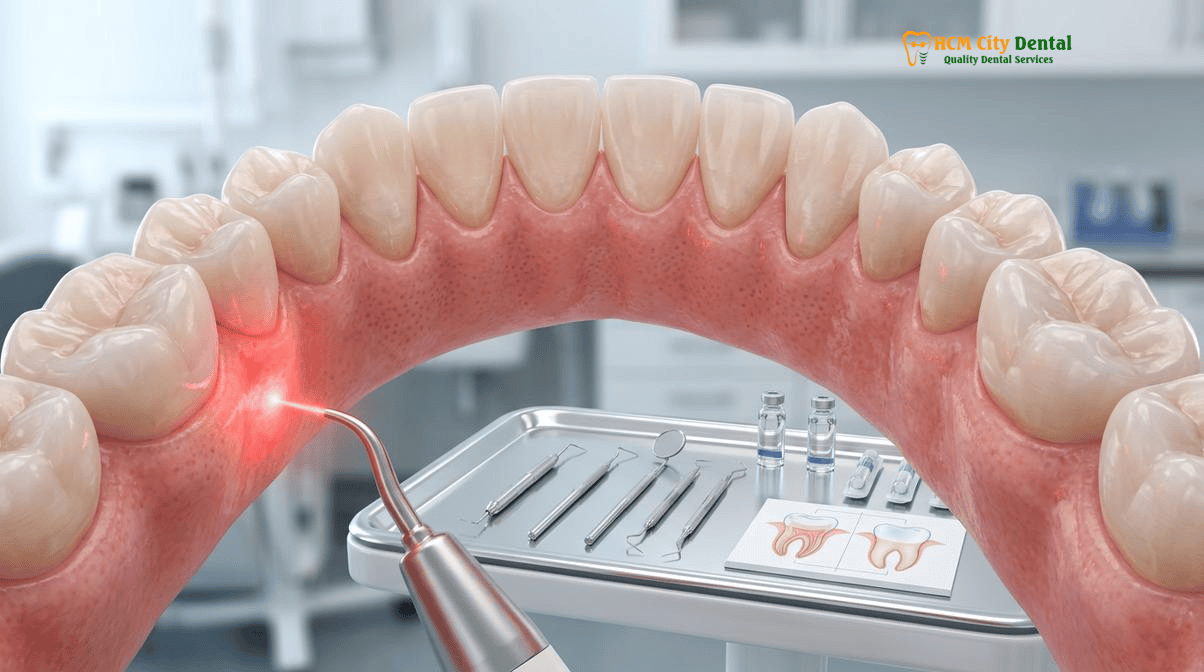
The most significant advancement in the treatment of established oral mucositis is the application of Low-Level Laser Therapy (LLLT), now formally known as Photobiomodulation (PBM). PBM utilizes specific wavelengths of red and near-infrared light (typically 660 nm) applied directly to the ulcerated mucosal tissues. The photons are absorbed by cytochrome c oxidase within the cellular mitochondria, triggering a cascade of photochemical reactions. This process dramatically increases cellular ATP production, reduces oxidative stress, and modulates the inflammatory response. Clinically, photobiomodulation laser therapy for oral mucositis during chemotherapy provides rapid, profound pain relief and significantly accelerates the regeneration of the mucosal epithelium, allowing patients to resume oral intake and maintain their quality of life. [4]
Managing Immunotherapy (PD-1/PD-L1 Checkpoint Inhibitor) Oral Lichenoid Reactions, Dysgeusia, and Opportunistic Oral Candidiasis
The advent of targeted immunotherapy, specifically immune checkpoint inhibitors (ICIs) targeting the PD-1/PD-L1 and CTLA-4 pathways, has revolutionized the treatment of advanced malignancies such as melanoma, non-small cell lung cancer, and renal cell carcinoma. Unlike traditional chemotherapy, which directly kills rapidly dividing cells, immunotherapy works by “taking the brakes off” the patient’s own immune system, allowing T-cells to recognize and destroy cancer cells. However, this hyper-activation of the immune system frequently leads to a unique set of side effects known as immune-related adverse events (irAEs), which can manifest prominently in the oral cavity.
One of the most common oral irAEs associated with checkpoint inhibitors is the development of oral lichenoid reactions. Clinically, these present as painful, reticular white striations (Wickham striae), erosions, and ulcerations on the buccal mucosa, lateral borders of the tongue, and gingiva, closely mimicking the appearance of severe oral lichen planus. Patients often report an intense burning sensation, particularly when consuming acidic or spicy foods. The management of immunotherapy checkpoint inhibitor oral lichenoid care requires a nuanced approach. Mild cases can often be managed with meticulous oral hygiene and the avoidance of dietary irritants. However, moderate to severe symptomatic lesions require the application of high-potency topical corticosteroids, such as Clobetasol propionate gel or Dexamethasone oral rinses, to suppress the localized autoimmune response. In refractory cases, close collaboration with the patient’s oncologist is necessary, as systemic immunosuppression or a temporary pause in immunotherapy may be required.
Furthermore, the altered immune landscape and the frequent use of broad-spectrum antibiotics or systemic corticosteroids during cancer treatment create an ideal environment for opportunistic infections. Oral candidiasis (thrush), caused by the overgrowth of Candida albicans, is highly prevalent. It presents as easily wipeable white plaques on an erythematous base, often accompanied by dysgeusia (a profound alteration or loss of taste). Prompt diagnosis and treatment with topical antifungal agents (such as Nystatin suspension or Clotrimazole troches) or systemic Fluconazole are essential to prevent the fungal infection from spreading to the esophagus or becoming systemic.
Clinical Case Study: Urgent Oncology Clearance for an Expatriate Patient
Patient Profile: A 58-year-old Australian expatriate residing in District 2, recently diagnosed with advanced breast cancer with bone metastases. Her oncology protocol in Singapore mandated the immediate initiation of AC-T chemotherapy and intravenous Zoledronic acid (Zometa). She required urgent dental clearance within 48 hours.
Clinical Assessment: The patient presented to HCMC Dental Clinic asymptomatic. However, the 3D CBCT scan revealed a large, silent periapical radiolucency on the mandibular left first molar (#36), which had a failing root canal from a decade prior. Furthermore, periodontal probing revealed a localized 7mm pocket with bleeding on probing.
Intervention & Outcome: Recognizing the imminent risk of neutropenic sepsis and MRONJ, Dr. Nguyen Van Cuong, DDS, performed an immediate, atraumatic extraction of tooth #36 using Piezosurgery. The socket was thoroughly debrided and grafted with L-PRF to accelerate soft tissue closure. The 7mm pocket was treated with deep ultrasonic scaling and localized antimicrobial irrigation. The patient was placed on a strict chlorhexidine regimen. The Oncology Clearance Certificate was issued, and the patient successfully began her chemotherapy and Zometa infusions 12 days later with fully epithelialized, infection-free oral tissues, experiencing zero dental complications throughout her cancer treatment.
How to Choose an Oncology-Trained Dental Clinic in Vietnam: The 4-Model Objective Clinical Comparison
For international patients and expatriates seeking an oncology dentist clearance certificate in Vietnam, selecting the right clinical environment is paramount. The dental landscape in Ho Chi Minh City is diverse, and not all facilities possess the specialized training, 3D diagnostic capabilities, or strict infection control protocols required to safely manage medically compromised oncology patients. To assist in making an informed, evidence-based decision, we present an objective comparison of the four primary dental operating models in HCMC:
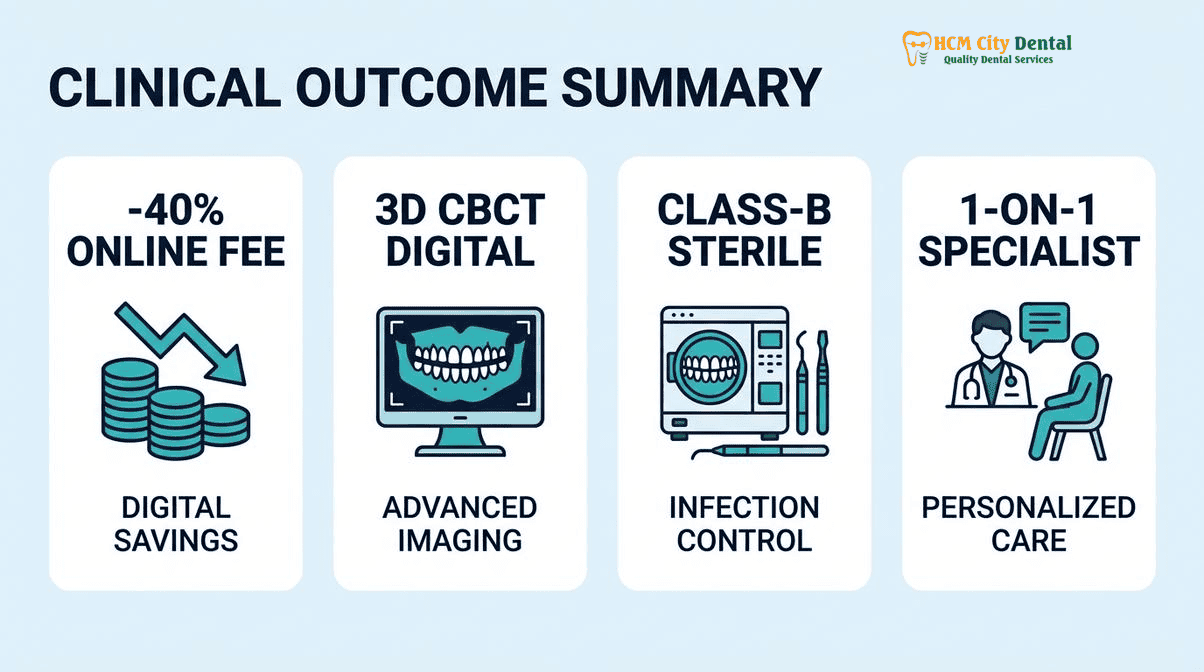
- Model 1: The 1-on-1 Doctor-Direct Specialist Boutique (HCMC Dental Clinic, District 1): This model is defined by absolute continuity of care. At HCMC Dental Clinic, Dr. Nguyen Van Cuong, DDS (MOH License 0003265/BL-CCHN), personally oversees every step of the oncology clearance process—from the initial 3D CBCT interpretation to the atraumatic extractions and the issuance of the final clearance certificate. There are no associate hand-offs or miscommunications. Furthermore, by operating as a specialized boutique clinic, overhead costs are minimized, allowing us to offer transparent, -40% direct online pre-booking savings without compromising on premium materials or strict EN 13060 Class B sterilization protocols. [5]
- Model 2: Multi-Doctor Expat Clinics & Private Dental Hospitals: Clinics such as Westcoast International, Starlight, and Worldwide Dental Hospital operate on a larger scale, often employing a rotating roster of general dentists and visiting specialists. While these facilities offer high standards of care and luxurious amenities (often located in expat enclaves like Thao Dien), the multi-doctor structure can sometimes lead to fragmented care, where the dentist performing the initial consultation is not the surgeon performing the extractions. Additionally, their higher corporate overhead and marketing budgets are typically reflected in premium walk-in pricing.
- Model 3: High-Volume Domestic Dental Chains: Mega-chains like Kim Dental, Peace Dentistry, and Nhan Tam Dental Clinic focus on high patient volume and domestic accessibility. While they are equipped with modern technology, the fast-paced environment and high turnover of junior associate dentists may not provide the meticulous, unhurried attention to detail required for complex oncology clearance, where missing a silent infection can have fatal consequences.
- Model 4: Third-Party Medical Tourism Booking Agencies: Platforms like Dental Departures or WhatClinic are not healthcare providers; they are referral brokers that charge clinics a 15%–25% commission for patient leads. Booking through an agency adds an unnecessary layer of communication and cost. For critical medical procedures like oncology clearance, patients should always communicate directly with a Ministry of Health (MOH)-licensed clinic to ensure direct clinical accountability and access to transparent, commission-free pricing.
2026 Same-Day Oncology Dental Clearance Certificate & Supportive Cancer Oral Care Fee Schedule at HCMC Dental Clinic (District 1)
At HCMC Dental Clinic, we understand the immense financial and emotional burden of a cancer diagnosis. We are committed to providing transparent, accessible, and highly specialized dental care for oncology patients. By booking directly through our secure online portal, international patients and expatriates bypass third-party agency commissions, unlocking our official 2026 Online Booking Pricing (-40% vs. standard walk-in rates). We provide expedited, priority scheduling for all oncology clearance requests, ensuring your cancer treatment is never delayed.
Below is our official 2026 fee schedule for diagnostic, surgical, and supportive care procedures relevant to oncology patients. Please visit our Official 2026 Dental Fee Schedule (-40% Online Booking Pricing) for comprehensive details.
| Oncology Dental Procedure & Diagnostics | 2026 Online Booking Price (USD) | Walk-In / Standard Price (USD) | VND Equivalent (Online) |
|---|---|---|---|
| Comprehensive Oncology Consultation & Clearance Certificate | Complimentary (with treatment) | $50 | Free |
| 3D CBCT Scan (Mandatory for Infection Screening) | $18 USD | $30 | 480,000 VND |
| Ultrasonic Scaling & Polishing (Biofilm Removal) | $15 USD | $25 | 400,200 VND |
| Atraumatic Surgical Extraction (Piezotome) | $58 – $115 USD / tooth | $96 – $192 | 1,500,000 – 3,000,000 VND |
| Microscopic Endodontic Root Canal Therapy (Anterior/Premolar) | $77 – $115 USD / tooth | $128 – $192 | 2,000,000 – 3,000,000 VND |
| Microscopic Endodontic Root Canal Therapy (Complex Molar) | $115 – $154 USD / tooth | $192 – $256 | 3,000,000 – 4,000,000 VND |
| Photobiomodulation (PBM) Laser Therapy for Mucositis | $35 USD / session | $60 | 900,000 VND |
| Custom Night Guard / Occlusal Splint | $81 – $115 USD | $135 – $192 | 2,100,000 – 3,000,000 VND |
To initiate your expedited oncology dental clearance, or to learn more about our comprehensive International Patient Medical Safety & Post-Op Recovery Guides, please contact our dedicated medical coordination team via WhatsApp at +84 853 020 003. Under the expert care of Dr. Nguyen Van Cuong, DDS (Clinical Director — MOH License 0003265/BL-CCHN), you can proceed with your life-saving cancer therapies with absolute confidence, knowing your oral health is fully secured.
For patients traveling from abroad or comparing regional options, we invite you to review our comprehensive Best Dentist & Dental Clinics in Ho Chi Minh City (2026 Comparison Guide) to understand why HCMC Dental Clinic remains the premier destination for specialized, medically complex dental care in Vietnam.
Frequently Asked Questions
Why do oncologists require a formal signed Dental Clearance Certificate before starting chemotherapy, stem cell transplant, or IV Zometa/Xgeva infusions?
Oncologists require a formal Dental Clearance Certificate because chemotherapy induces severe myelosuppression (neutropenia), stripping the body of its immune defenses. A pre-existing, asymptomatic dental infection—such as a silent periapical abscess or deep periodontal pocket—can rapidly disseminate into the bloodstream, causing life-threatening odontogenic sepsis. Furthermore, medications like IV Zometa or Xgeva halt bone remodeling; if a tooth is extracted after these infusions begin, the jawbone cannot heal, leading to Medication-Related Osteonecrosis of the Jaw (MRONJ). Securing clearance ensures all potential infection sources are eliminated before the immune system is compromised.
How quickly can HCMC Dental Clinic complete a full 3D CBCT scan, eliminate oral infection sources, and issue an English/Vietnamese Oncology Clearance Report?
At HCMC Dental Clinic in District 1, we prioritize oncology patients with expedited same-day or next-day appointments. A comprehensive 3D CBCT scan, periodontal probing, and clinical evaluation are completed within the first hour. If no infections are found, the Oncology Clearance Certificate is issued immediately. If urgent interventions (such as atraumatic extractions or endodontic therapy) are required, they are performed on the same day. We strictly adhere to the 10-to-14 day healing protocol, ensuring that all surgical sites are adequately epithelialized before your scheduled chemotherapy or bisphosphonate infusion begins.
What blood test values (ANC and Platelets) must be checked before performing an emergency dental procedure between chemotherapy cycles?
Before performing any invasive dental procedure during active chemotherapy, the patient’s Complete Blood Count (CBC) must be evaluated. The Absolute Neutrophil Count (ANC) must be greater than 1,000/mm³ to ensure adequate immune response and prevent postoperative septicemia. The Platelet Count must be greater than 50,000/mm³ for routine extractions and greater than 30,000/mm³ for non-surgical restorative care to ensure adequate hemostasis. If values fall below these thresholds, emergency dental care must be coordinated with the patient’s oncologist, potentially requiring prophylactic antibiotics, platelet transfusions, or G-CSF therapy.
How does painless red/near-infrared Photobiomodulation (PBM) laser therapy accelerate healing of painful chemotherapy mouth ulcers (oral mucositis)?
Photobiomodulation (PBM) utilizes specific wavelengths of red and near-infrared light (typically 660 nm to 810 nm) to penetrate oral mucosal tissues and stimulate cytochrome c oxidase within the mitochondria. This photochemical reaction increases cellular ATP production, reduces reactive oxygen species (ROS), and modulates inflammatory cytokines. Clinically, PBM therapy significantly reduces the severity and duration of chemotherapy-induced oral mucositis, providing rapid pain relief, accelerating tissue regeneration, and allowing patients to maintain adequate oral nutrition without the need for heavy systemic analgesics.
Why must patients with central venous ports (Port-a-Cath / PICC lines) be evaluated for antibiotic prophylaxis before invasive dental procedures?
Patients undergoing oncology treatments frequently have indwelling central venous catheters, such as a Port-a-Cath or PICC line, for the administration of chemotherapy and frequent blood draws. Invasive dental procedures, including deep scaling or extractions, induce transient bacteremia (bacteria entering the bloodstream). In immunocompromised patients, these circulating oral bacteria can colonize the synthetic materials of the central venous port, leading to severe catheter-related bloodstream infections or endocarditis. Following updated clinical guidelines, prophylactic antibiotics (such as Amoxicillin or Clindamycin) are often prescribed one hour prior to dental treatment to neutralize this risk.
Dr. Nguyen Van Cuong’s Clinical Protocol Note: Every international and expat patient at HCMC Dental Clinic in District 1 undergoes 0.075mm low-dose 3D CBCT verification and individualized medical risk stratification before treatment begins—ensuring 100% predictable biological healing and zero preventable complications.
References
- Elad, S., et al. (2020). MASCC/ISOO clinical practice guidelines for the management of mucositis secondary to cancer therapy. Supportive Care in Cancer, 28(10), 4459-4478.
- Ruggiero, S. L., et al. (2022). American Association of Oral and Maxillofacial Surgeons’ Position Paper on Medication-Related Osteonecrosis of the Jaw—2022 Update. Journal of Oral and Maxillofacial Surgery, 80(5), 920-943.
- Hong, C. H. L., et al. (2019). Systematic review of basic oral care for the management of oral mucositis in cancer patients and clinical practice guidelines. Supportive Care in Cancer, 27(10), 3949-3967.
- Zadik, Y., et al. (2019). Systematic review of photobiomodulation for the management of oral mucositis in cancer patients and clinical practice guidelines. Supportive Care in Cancer, 27(10), 3969-3983.
- Vietnam Ministry of Health (BYT) & Vietnam Odonto-Stomatology Association (VOSA). National Clinical Guidelines on Specialist Dental Care, Biomaterial Traceability & EN 13060 Class B Infection Control. (2024).