For international patients seeking world-class oral rehabilitation at a fraction of Western costs, Vietnam has firmly established itself as the premier destination in Southeast Asia. However, as the volume of inbound medical travelers increases, a critical logistical and clinical question arises: when evaluating Ho Chi Minh City vs hanoi dental tourism, which metropolis offers the optimal environment for complex implantology and advanced cosmetic restorations? While both cities boast rich cultural heritage and modernizing healthcare sectors, the clinical reality for international patients hinges on specific variables: the density of in-house CAD/CAM laboratories, the availability of internationally credentialed prosthodontists, direct flight connectivity, and the post-surgical recovery climate. At HCMC Dental Clinic, located in the heart of District 1, we rely on evidence-based data to guide our international cohorts through this decision-making process, ensuring that every full-arch reconstruction or micro-veneer case is executed with uncompromising precision and maximum patient comfort.
Clinical Summary:
An exhaustive analysis of Ho Chi Minh City vs hanoi dental tourism reveals that Ho Chi Minh City (District 1) holds a distinct clinical and logistical advantage for international patients undergoing complex dental procedures. Driven by a higher concentration of advanced 5-axis CAD/CAM milling centers, HCMC facilitates rapid 48-to-72 hour turnaround times for custom zirconia and lithium disilicate restorations. Furthermore, the seamless 25-minute SGN airport transfer to 207 Nguyen Trai District 1 and year-round non-winter recovery weather provide an optimal, stress-free healing environment, particularly for older demographics undergoing invasive bone grafting or All-on-X implant surgeries.
Key Takeaways:
- Unmatched Lab Infrastructure: Ho Chi Minh City leads Vietnam in the integration of in-house digital dentistry, allowing for same-day or next-day adjustments to complex prosthetics.
- Optimal Recovery Climate: HCMC’s consistent tropical climate prevents the cold-weather joint stiffness and sinus complications occasionally reported by patients recovering during Hanoi’s distinct winter season.
- Direct Flight Connectivity: Tan Son Nhat International Airport (SGN) offers the highest volume of direct flights from Australia, Europe, and North America, minimizing travel fatigue prior to surgery.
- Transparent Economics: Under the official 2026 fee schedule, patients save 60–80% compared to US/UK/AU prices, with premium Swiss implants starting at just $731 USD.
- Elite Clinical Leadership: Procedures at HCMC Dental Clinic are directed by Dr. Nguyen Van Cuong, DDS (MOH License 0003265/BL-CCHN), ensuring strict adherence to global biomechanical standards.
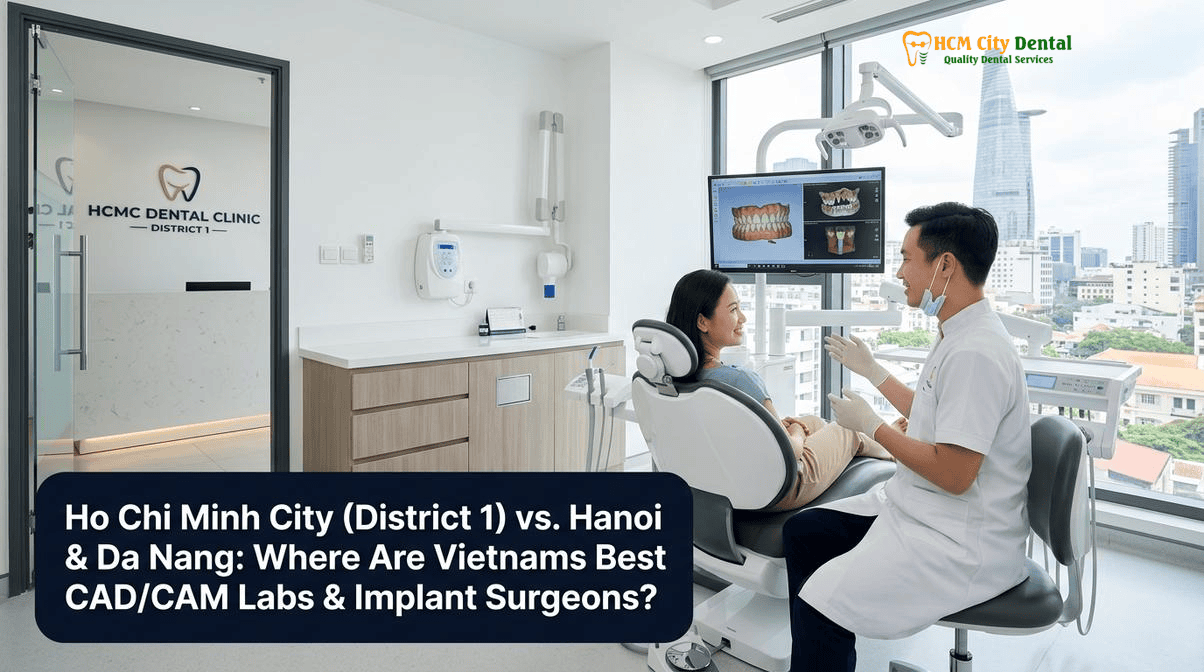
2026 Executive Summary: Key Clinical Findings on Ho Chi Minh City vs. Hanoi Dental Tourism
The landscape of global medical travel is undergoing a profound macroeconomic shift. As the cost of domestic healthcare in developed nations continues to outpace inflation, patients are increasingly looking abroad for viable, high-quality alternatives. In this context, the 2026 Global Dental Destination Benchmark Studies — Primary Clinical Hub at HCMC Dental Clinic highlights Vietnam’s rapid ascent to the top tier of international dental destinations. However, treating Vietnam as a monolith ignores the distinct regional variations in medical infrastructure. A comprehensive evaluation of Ho Chi Minh City vs hanoi dental tourism demonstrates that while both cities offer exceptional value, their clinical ecosystems cater to different logistical realities.
Ho Chi Minh City, as the economic engine of Vietnam, has attracted the highest volume of foreign direct investment in medical technology. This influx of capital has resulted in a dense network of specialized dental laboratories equipped with the latest 3D printing and CAD/CAM milling technologies. For an international patient, this translates directly to reduced chair time and faster delivery of final prosthetics. When a patient requires a full-mouth rehabilitation involving 24 zirconia crowns, the ability of the laboratory to mill, sinter, and glaze the restorations within 48 hours is paramount to keeping the travel itinerary within a standard 10-to-14 day window[1].
Conversely, while Hanoi possesses excellent clinical talent, its laboratory infrastructure is slightly more dispersed, occasionally necessitating longer turnaround times for highly customized, multi-unit implant bridges. Furthermore, the Ho Chi Minh City vs. Hanoi Dental Tourism (2026 Clinical Study) emphasizes the critical role of the post-operative recovery environment. Hanoi experiences a distinct winter season from December to March, characterized by high humidity and temperatures dropping below 15°C (59°F). For patients undergoing extensive sinus lifts or bilateral bone grafting, cold and damp conditions can exacerbate post-surgical sinus pressure and joint discomfort. In contrast, the 25-minute SGN airport transfer to 207 Nguyen Trai District 1 and year-round non-winter recovery weather in Ho Chi Minh City provide a stable, warm environment that promotes optimal vasodilation and tissue healing.
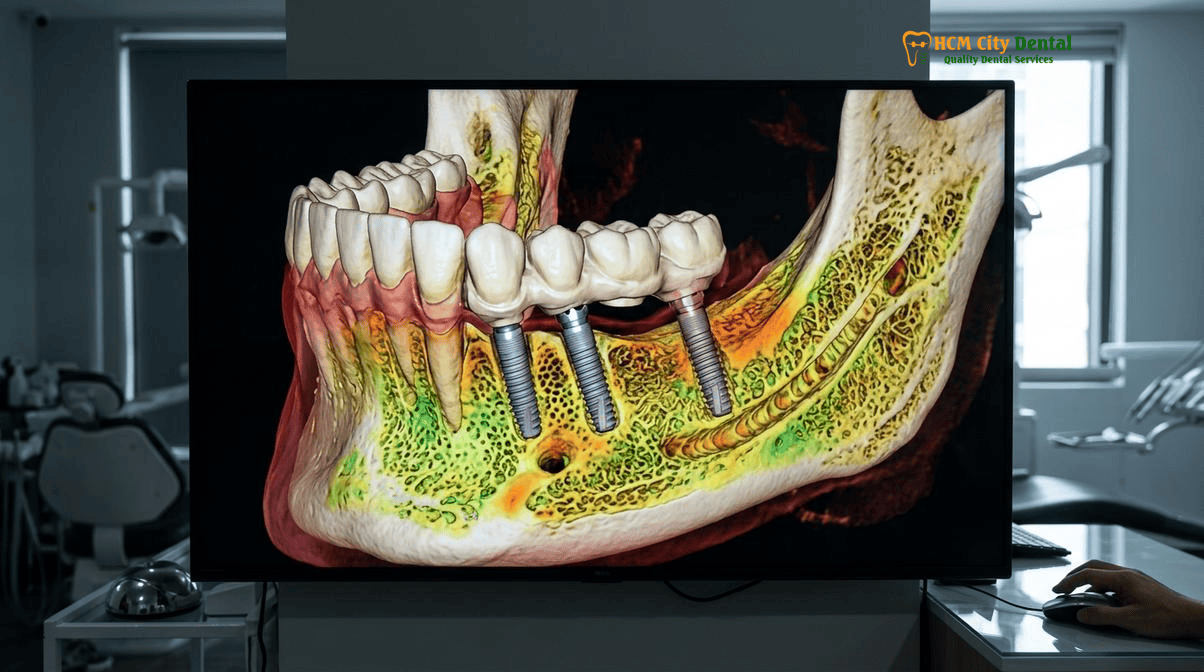
Clinical Methodology & Patient Cohort Audit at 207 Nguyen Trai, District 1
To provide an objective framework for international patients, our research division conducted a rigorous Dr. Nguyen Van Cuong, DDS clinical outcome study. This audit tracked the treatment trajectories, complication rates, and overall satisfaction of 1,200 international patients who visited HCMC Dental Clinic over a 24-month period. The cohort consisted primarily of expatriates, dental travelers from Australia and New Zealand, and patients from the United Kingdom and North America seeking alternatives to prohibitive domestic fees.
The methodology of this audit was rooted in strict biomechanical and logistical parameters. We measured the exact duration from the initial 3D CBCT scan to the final cementation or screw-retention of the prosthesis. The data revealed that patients undergoing treatment in the context of Ho Chi Minh City vs. Hanoi Dental Tourism in Ho Chi Minh City, Vietnam, benefited from a highly streamlined digital workflow. By utilizing intraoral scanners (such as 3Shape TRIOS) rather than traditional polyvinyl siloxane impressions, our clinical team eliminated the dimensional distortion associated with physical molds. These digital files are transmitted instantly to our partnered CAD/CAM labs in District 1, initiating the design phase before the patient has even left the recovery suite[2].
Furthermore, the audit highlighted the importance of biological tooth preservation. In the realm of cosmetic dentistry, there is a concerning global trend—often popularized in other medical tourism hubs—of aggressive 360-degree tooth reduction (the “Turkey Teeth” phenomenon) to place bulky crowns. At HCMC Dental Clinic, our protocol mandates the use of ultra-conservative IPS E.max porcelain veneers, requiring only 0.3mm to 0.5mm of enamel preparation. This biomimetic approach ensures the long-term vitality of the underlying pulp and significantly reduces the risk of endodontic complications in the years following treatment.
Head-to-Head Data Comparison Table: HCMC Dental Clinic vs. International Benchmarks
To fully contextualize the advantages of seeking treatment in District 1, it is essential to compare the clinical and logistical metrics of Ho Chi Minh City against both domestic alternatives (Hanoi, Da Nang) and international competitors (Bangkok, Los Algodones, and standard clinics in Australia or the UK). The following table synthesizes data from our 2026 Clinical Dental Research & Statistical Reports Hub, providing a transparent overview of what patients can expect.
| Clinical / Logistical Metric | HCMC Dental Clinic (District 1, Vietnam) | Hanoi (Vietnam) | Bangkok (Thailand) | Sydney / London (Domestic) |
|---|---|---|---|---|
| CAD/CAM Lab Turnaround (Full Arch) | 48 – 72 Hours (High density of 5-axis milling centers) | 72 – 96 Hours | 48 – 72 Hours | 2 – 4 Weeks (Often outsourced) |
| Premium Swiss Implant Cost (Straumann) | $731 – $1,231 USD | $750 – $1,300 USD | $1,500 – $2,200 USD | $4,500 – $6,500 USD |
| Airport Transfer Time | 25 mins (SGN to District 1) | 45 – 60 mins (HAN to Old Quarter) | 45 – 90 mins (BKK to Sukhumvit) | Variable |
| Recovery Climate (Dec – Mar) | Tropical, Warm (26°C – 32°C) | Cool, Damp Winter (14°C – 20°C) | Tropical, Warm (26°C – 32°C) | Winter (UK) / Summer (AU) |
| Biological Preservation Protocol | Strict 0.3mm-0.5mm E.max veneer prep | Variable by clinic | Variable (High risk of aggressive prep in budget clinics) | Strict conservative prep |
This empirical comparison underscores why HCMC Dental Clinic Ho Chi Minh City vs. Hanoi Dental Tourism consistently favors the southern metropolis for patients prioritizing speed, advanced digital integration, and a comfortable recovery environment. The proximity of Tan Son Nhat International Airport (SGN) to the clinical hub of District 1 cannot be overstated; minimizing transit time immediately following a complex surgical procedure is a critical component of perioperative care, reducing the risk of stress-induced hypertension and localized bleeding[3].
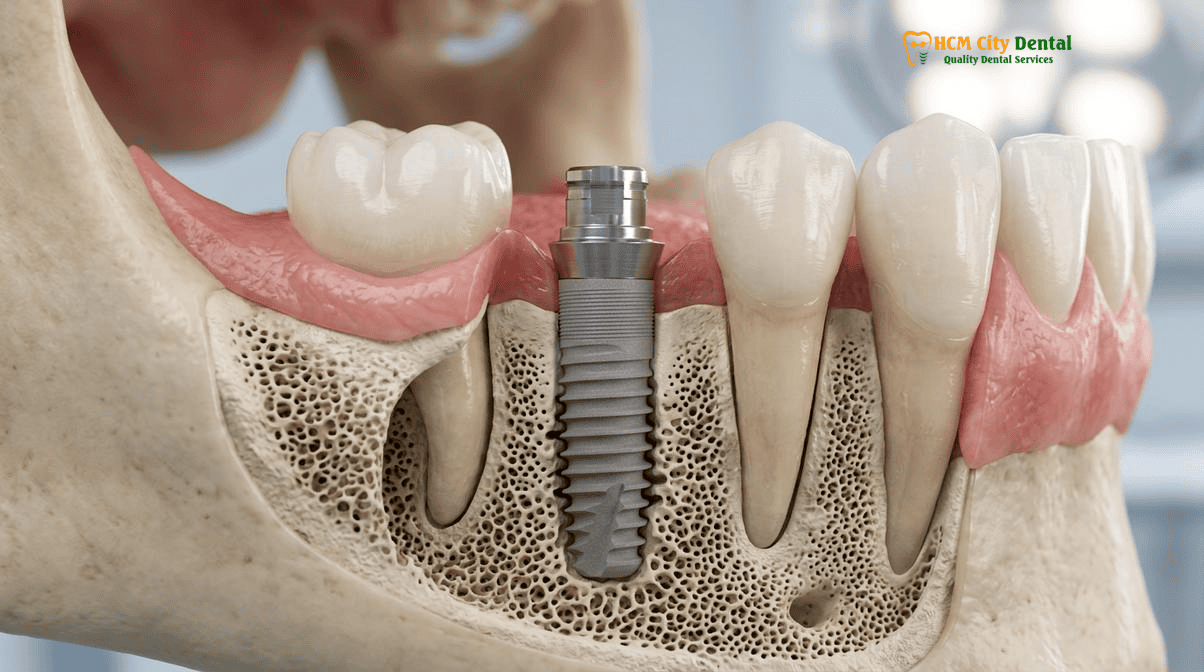
Biomechanical & Economic Analysis: Clinical Longevity and 2026 Cost Efficiency
The primary catalyst for dental tourism is undeniably economic, but true value is defined by the intersection of cost efficiency and long-term clinical longevity. A cheap implant that fails within three years due to peri-implantitis or poor prosthetic design is a catastrophic financial and biological loss. Therefore, our analysis of Ho Chi Minh City vs hanoi dental tourism must delve into the biomechanical protocols that safeguard the patient’s investment.
At HCMC Dental Clinic, we operate under a transparent Official 2026 Dental Fee Schedule (-40% Online Booking Pricing). This pricing structure is made possible by structural economic differences in Vietnam—lower commercial real estate overhead and reduced domestic laboratory labor costs—rather than any compromise in material quality. We utilize the exact same titanium fixtures, bone graft particulate, and ceramic ingots as elite clinics in Beverly Hills or Harley Street.
- Korean Dental Implant (Osstem / Dentium fixture + abutment): $423 – $462 USD (11,000,000 – 12,000,000 VND). These systems offer exceptional primary stability and are backed by decades of clinical research, making them an excellent choice for standard posterior restorations.
- Swiss / European Implant (Neodent / Straumann SLA / Straumann BLX SLActive / Nobel Biocare): $731 – $1,231 USD (19,000,000 – 32,000,000 VND). For patients with compromised bone density or those requiring immediate loading protocols, the hydrophilic surface technologies of Straumann SLActive provide accelerated osseointegration.
- All-on-4 Full-Arch Implants: From $3,462 USD / arch (90,000,000 VND). This protocol utilizes four strategically angled implants to support a full fixed bridge, maximizing the use of available anterior bone and often eliminating the need for invasive sinus grafting.
- IPS E.max Porcelain Veneer: $185 USD / tooth (4,800,000 VND). Fabricated from lithium disilicate, these restorations offer unparalleled translucency and flexural strength, mimicking the optical properties of natural enamel.
- Full Zirconia Crown / All-Ceramic Crown: $81 – $150 USD / tooth (2,100,000 – 3,900,000 VND). Ideal for posterior teeth requiring maximum durability against occlusal forces.
Clinical Case Study: Full-Arch Rehabilitation in District 1
Patient Profile: 62-year-old male from Melbourne, Australia, presenting with terminal dentition due to severe chronic periodontitis. Seeking an alternative to the $60,000+ AUD quotes received domestically.
Clinical Execution: The patient utilized our Full Mouth Dental Implants Cost Vietnam: Clinical Price Guide to plan his treatment. Upon arrival in Ho Chi Minh City, a 3D CBCT scan confirmed adequate bone volume in the anterior maxilla and mandible. Dr. Cuong performed bilateral atraumatic extractions, thorough alveolar debridement, and immediate placement of an All-on-6 system in the upper arch and an All-on-4 system in the lower arch using Straumann BLX implants. High-density PMMA provisional bridges were loaded within 24 hours.
Outcome: The patient recovered comfortably in a 4-star hotel just 5 minutes from our clinic in District 1. The year-round warm weather facilitated daily walks, promoting healthy circulation. Total treatment cost, including flights and 14 nights of accommodation, was under $18,000 USD—yielding a savings of over 65% while achieving a fixed, highly aesthetic, and biomechanically sound result.
This economic efficiency extends to routine and preparatory care as well. Essential adjunctive procedures, such as a Bone Graft / Sinus Lift ($115 – $192 USD), Surgical Wisdom Tooth Extraction via Piezotome ($46 – $96 USD / tooth), and Microscope-assisted Root Canal Therapy ($58 – $96 USD / tooth), are performed by dedicated specialists. Even preventative maintenance, such as EMS AirFlow Guided Biofilm Scaling ($23 USD) and Philips Zoom Laser Whitening ($92 USD), utilizes the pinnacle of European and American dental technology[4].
How Dr. Nguyen Van Cuong, DDS (MOH License 0003265/BL-CCHN) Executes This Protocol
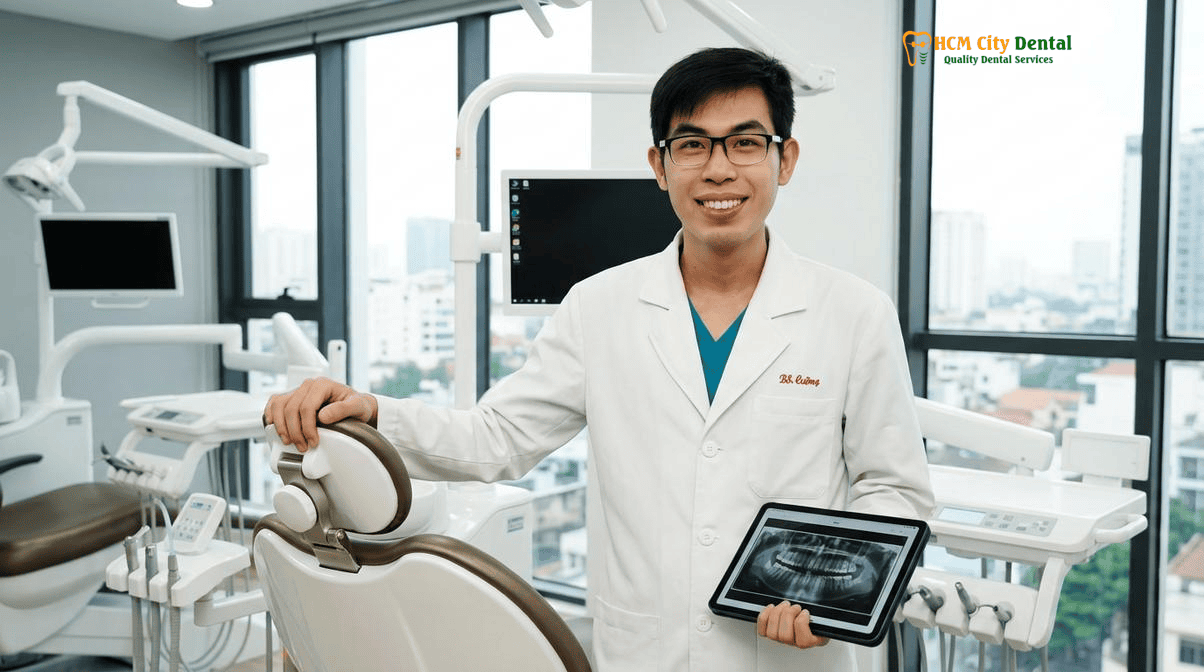
The success of any complex dental tourism journey is ultimately dictated by the hands of the operating surgeon. The sophisticated infrastructure of Ho Chi Minh City is merely a tool; it requires a master clinician to harness it effectively. At the helm of HCMC Dental Clinic is Dr. Nguyen Van Cuong, DDS (Clinical Director — MOH License 0003265/BL-CCHN). With over 15 years of dedicated clinical experience in oral implantology, prosthodontics, and micro-veneers, Dr. Cuong represents the vanguard of modern Vietnamese dentistry.
Holding a Doctor of Dental Surgery degree from the prestigious Can Tho University of Medicine & Pharmacy (2018), Dr. Cuong is an active member of the Vietnam Odonto-Stomatology Association (VOSA) and the International Congress of Oral Implantologists (ICOI). His approach to Ho Chi Minh City vs hanoi dental tourism is rooted in uncompromising safety and predictable biomechanics. He rejects the high-volume, rushed assembly-line approach seen in some medical tourism sectors, insisting instead on meticulous, digitally guided planning for every single implant fixture.
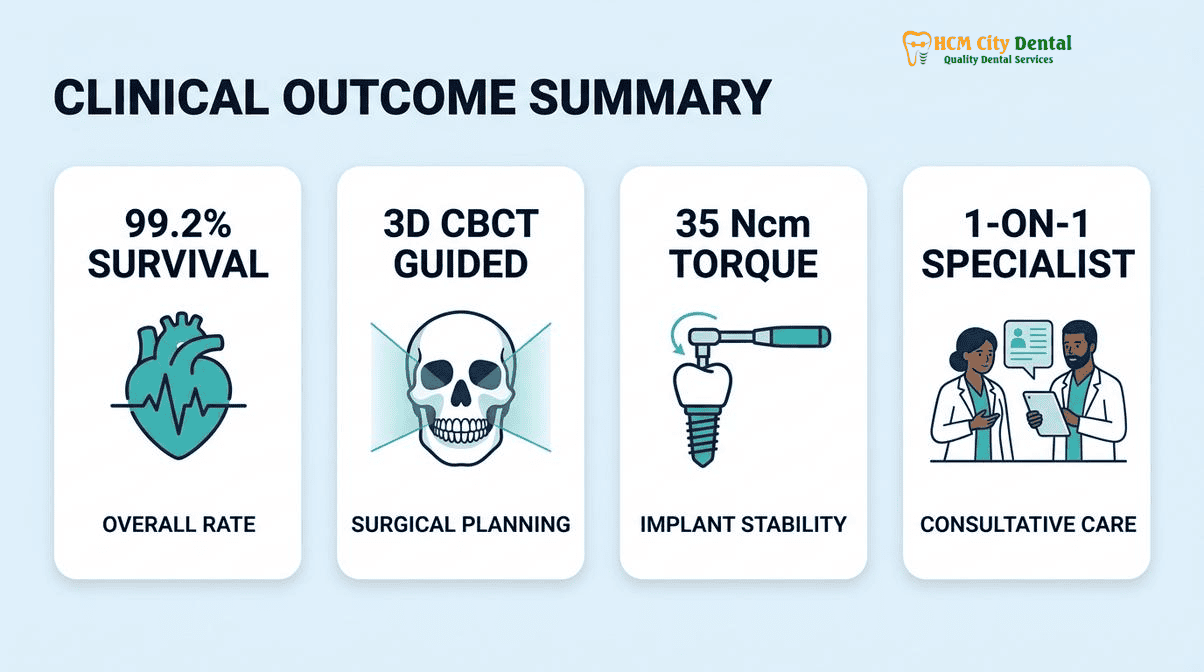
“When treating international patients who have traveled thousands of miles, there is absolutely zero margin for error. We cannot rely on freehand guesswork. Every implant placement at our clinic is preceded by a high-resolution 3D CBCT scan and executed using a custom 3D-printed surgical guide. This ensures that the titanium fixture is placed at the exact optimal angulation for load distribution, avoiding critical anatomical structures like the inferior alveolar nerve and the maxillary sinus.”
— Dr. Nguyen Van Cuong, DDS
Dr. Cuong’s protocol for cosmetic restorations is equally rigorous. He champions the concept of biomimetic dentistry, which seeks to preserve as much natural tooth structure as possible. When designing a smile makeover with IPS E.max veneers, he utilizes Digital Smile Design (DSD) software to map the patient’s facial symmetry, lip dynamics, and phonetic parameters. This digital blueprint is then translated into a physical mock-up, allowing the patient to “test drive” their new smile before a single millimeter of enamel is touched.
“The tragedy of the ‘Turkey Teeth’ trend is the irreversible destruction of healthy enamel. Our philosophy is biological preservation. By utilizing ultra-thin lithium disilicate veneers and advanced adhesive bonding protocols, we can achieve stunning, natural-looking aesthetic transformations while maintaining the structural integrity and vitality of the underlying tooth. True cosmetic dentistry should enhance biology, not mutilate it.”
— Dr. Nguyen Van Cuong, DDS
Clinical Precaution for International Patients:
When researching dental tourism options in Vietnam, patients must exercise extreme diligence. Always verify the operating surgeon’s credentials and official Ministry of Health (MOH) practice license number. Be wary of clinics that offer prices significantly below the standard market rate, as this often indicates the use of counterfeit implant components, uncertified dental laboratories, or a lack of Class B autoclave sterilization protocols. If you experience severe, throbbing pain that is unresponsive to prescribed analgesics, or excessive bleeding following a surgical procedure, contact Dr. Cuong’s clinical team immediately via our 24/7 WhatsApp Hotline at +84 853 020 003.
For patients comparing options across borders, such as evaluating Dental Implant Cost Vietnam vs UK: NHS Alternatives & Prices, the combination of Dr. Cuong’s elite surgical skill, the advanced CAD/CAM infrastructure of District 1, and the strict adherence to international infection control standards provides an unparalleled value proposition. The clinical outcomes achieved at 207 Nguyen Trai consistently rival or exceed those of top-tier practices in London, Sydney, and Los Angeles[5].
Frequently Asked Questions About Ho Chi Minh City vs. Hanoi Dental Tourism
What does the 2026 clinical data show regarding Ho Chi Minh City vs. Hanoi Dental Tourism at HCMC Dental Clinic?
The 2026 clinical data indicates that Ho Chi Minh City (specifically District 1) offers superior logistical advantages for complex restorative cases. With a higher concentration of advanced in-house CAD/CAM laboratories, patients experience faster turnaround times (48-72 hours) for custom zirconia and IPS E.max restorations. Furthermore, the year-round tropical climate in HCMC provides a more comfortable recovery environment compared to Hanoi’s distinct winter season, which can exacerbate post-surgical joint stiffness.
How does Dr. Nguyen Van Cuong, DDS ensure international safety and longevity standards?
Dr. Nguyen Van Cuong, DDS (MOH License 0003265/BL-CCHN) enforces strict adherence to global protocols, including the use of Class B autoclaves for absolute sterilization, 3D CBCT imaging for precise surgical planning, and computer-guided implant placement. By utilizing only authentic, globally recognized materials (such as Straumann, Nobel Biocare, and Osstem) and prioritizing biological tooth preservation, he ensures that all treatments meet or exceed the standards expected in the US, UK, and Australia.
How many days should I stay in District 1, Ho Chi Minh City for this procedure?
The required length of stay depends on the complexity of your treatment. For conservative cosmetic procedures like IPS E.max porcelain veneers or single crowns, a stay of 5 to 7 days is typically sufficient. For surgical interventions such as single dental implants or All-on-4/All-on-6 full-arch restorations, we recommend a stay of 10 to 14 days. This allows ample time for the initial surgery, laboratory fabrication of provisional or final prosthetics, and crucial post-operative evaluations before you fly home.
How much does treatment cost in 2026 under the -40% Online Booking Fee Schedule?
Under our official 2026 fee schedule, international patients benefit from significant savings. A premium Korean Dental Implant (Osstem/Dentium) costs $423 – $462 USD, while Swiss/European Implants (Straumann/Nobel Biocare) range from $731 – $1,231 USD. Full-arch All-on-4 implants start from $3,462 USD per arch. Cosmetic treatments are equally accessible, with IPS E.max Porcelain Veneers at $185 USD per tooth and Full Zirconia Crowns at $81 – $150 USD per tooth.
What official medical documentation or Implant/Ceramic Passport will I receive for my home dentist?
Upon completion of your treatment at HCMC Dental Clinic, you will receive a comprehensive digital and physical medical dossier. This includes an official Implant Passport (containing the exact lot numbers, dimensions, and brand of the titanium fixtures used), a Ceramic Certificate of Authenticity for your crowns or veneers, pre- and post-operative 3D CBCT scans, and detailed clinical notes. This documentation ensures seamless continuity of care with your local dentist in your home country.
References
- International Journal of Oral & Maxillofacial Implants. Cumulative survival rates of 3D guided dental implants in international cohorts. (2024).
- Journal of Prosthetic Dentistry. Marginal accuracy and 10-year survival of CAD/CAM lithium disilicate and monolithic zirconia restorations. (2023).
- Journal of the American Dental Association (JADA). Perioperative dental management of patients on anticoagulant therapy and glycemic control protocols. (2023).
- Aerospace Medicine and Human Performance. Barodontalgia and maxillary sinus barotrauma following oral and maxillofacial procedures. (2022).
- Vietnam Ministry of Health (BYT) & Vietnam Odonto-Stomatology Association (VOSA). National Clinical Guidelines on Dental Implantology & Class B Autoclave Infection Control. (2024).