
How to Help Sensitive Teeth [Stop Pain Fast] | Dr. Cuong

✓ 8+ Yrs Experience
✓ 500+ Int'l Patients
✓ Nobel Biocare Certified
✓ English · Vietnamese
Clinical Summary
Struggling with that sharp, sudden pain from sensitive teeth? You're not alone. As a dental specialist, I can tell you how to help sensitive teeth with...
Struggling with that sharp, sudden pain from sensitive teeth? You’re not alone. As a dental specialist, I can tell you how to help sensitive teeth with proven methods. Discover the real causes and find lasting relief with expert advice. Read now to learn how to fix sensitive teeth and enjoy your favorite foods again without fear.
Understanding Tooth Sensitivity: A Deeper Look at the Causes
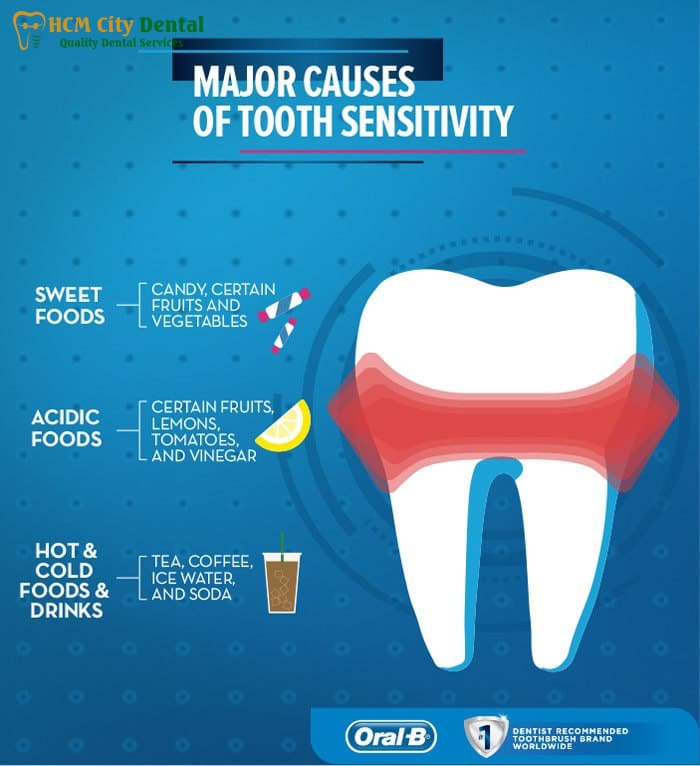
That familiar, sharp twinge of pain when you enjoy a cold drink or a hot soup is known as dentin hypersensitivity. From my years of practice at HCMCDental.com, I’ve seen thousands of patients experiencing this discomfort. It occurs when the protective outer layers of your teeth—enamel over the crown and cementum over the root—wear down, exposing the softer, inner layer called dentin. This dentin contains thousands of microscopic tubules that lead directly to the tooth’s nerve center, or pulp. When external triggers like temperature changes or certain foods reach these tubules, they stimulate the nerve, causing that characteristic short, sharp pain.
Understanding what causes this exposure is the first step toward finding an effective solution for what to do for sensitive teeth.
Common Causes of Enamel Wear and Gum Recession
In my clinical experience, several key factors are consistently responsible for triggering tooth sensitivity. Identifying the specific cause is crucial for determining the right way to stop sensitive teeth.
- Aggressive Brushing: Brushing too hard or using a hard-bristled toothbrush is a primary culprit I see. This habit can physically wear away enamel and cause your gums to recede, exposing the sensitive root surfaces.
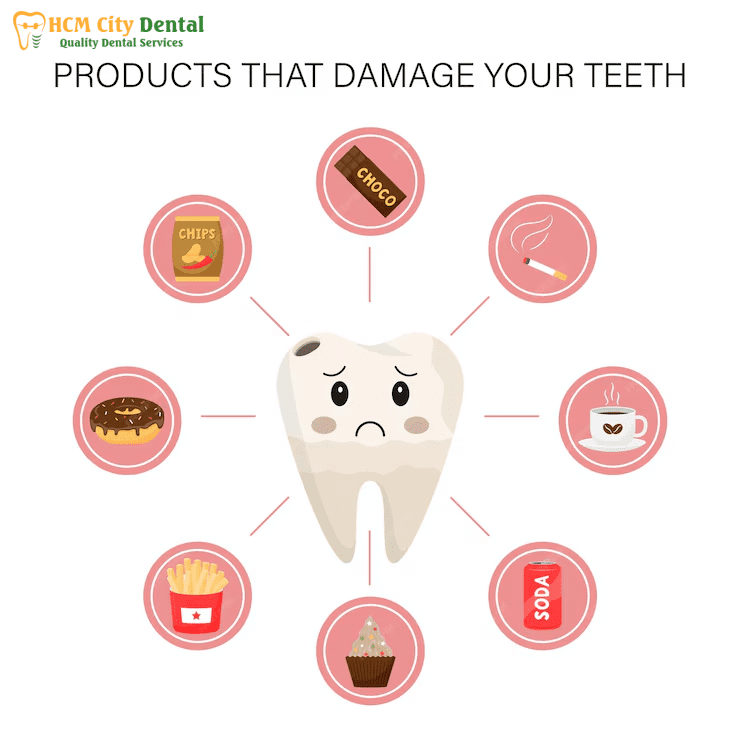
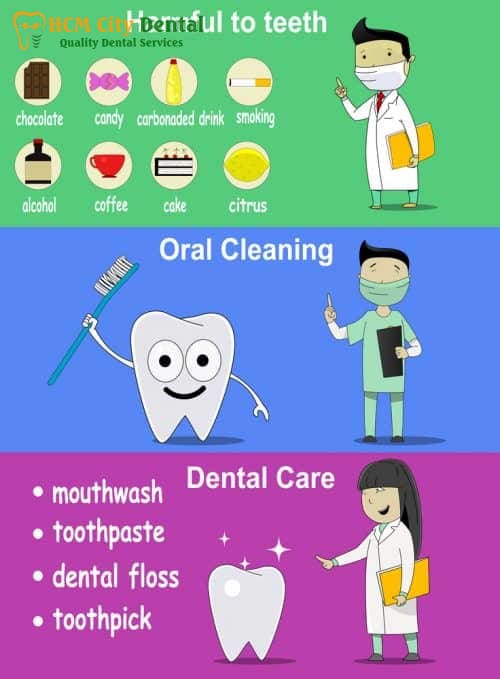
- Acidic Diet: Frequent consumption of acidic foods and drinks—like citrus fruits, sodas, wine, and coffee—can chemically erode tooth enamel over time.
- Gum Disease (Gingivitis/Periodontitis): Inflamed and sore gums can pull away from the teeth, leaving the sensitive root areas exposed. This is a common scenario we treat at our clinic, as untreated gum disease is a major contributor to sensitivity.
- Teeth Grinding (Bruxism): Many people unconsciously grind or clench their teeth, especially at night. This immense pressure can wear down enamel and even cause teeth to crack, leading to significant sensitivity.
- Tooth Decay or Damaged Teeth: Cavities, cracked fillings, and chipped teeth create openings that allow irritants to reach the dentin and nerve.
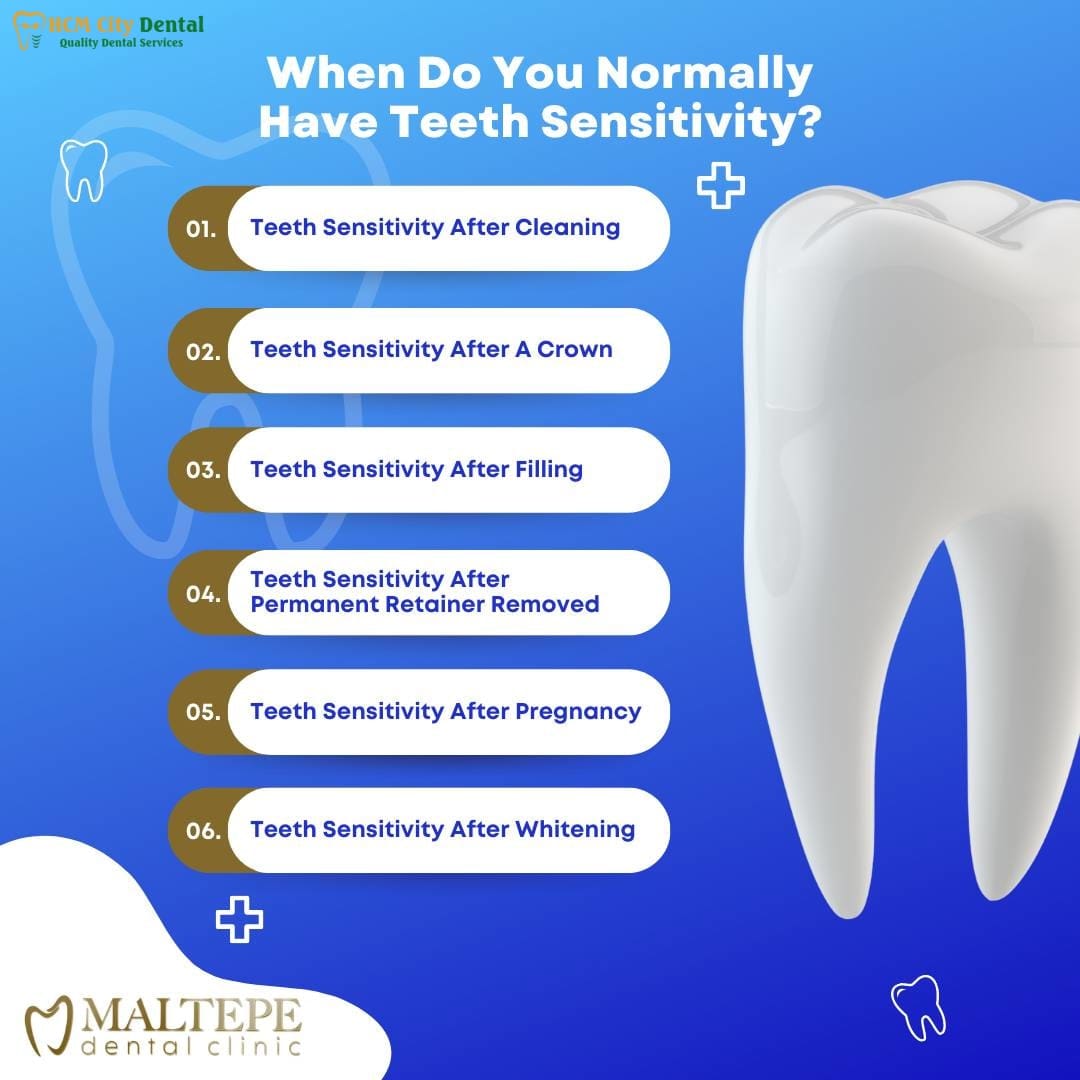
- Recent Dental Procedures: It’s normal to experience temporary sensitivity after procedures like cleanings, fillings, or teeth whitening. This usually subsides on its own, but it’s a frequent question I get from patients.
Is Tooth Sensitivity a Dangerous Problem?
While often manageable, tooth sensitivity should never be ignored. Mild, occasional discomfort might not seem serious, but it can be an early warning sign of a more significant underlying dental issue. A common question I get from patients is whether their sensitivity is “normal.” My answer is always the same: pain is your body’s way of signaling a problem.
Ignoring persistent sensitivity could allow conditions like cavities or gum disease to progress, potentially leading to more complex and costly treatments down the line, such as root canals or even tooth loss. If your sensitivity is severe, lasts for more than a day or two, or is accompanied by symptoms like fever or swelling, it’s crucial to see a dentist immediately.
Dr. Cuong’s Expert Advice: “In my practice, I’ve seen cases where what a patient dismissed as minor sensitivity was actually a small crack in a tooth. Early detection allowed us to fix it with a simple bonding procedure. Left untreated, it could have led to a severe infection. Never underestimate what your teeth are telling you.”
If you’re wondering what to do for sensitive teeth, the first step is a professional evaluation. Still have questions? Call our Hotline/WhatsApp now at +84853020003 for a direct, completely free consultation with me, Dr. Cuong!
how to help sensitive teeth
How to Fix Sensitive Teeth: A Comprehensive Guide to Solutions
Once we’ve identified the cause, we can explore how to help sensitive teeth effectively. The good news is that there are numerous solutions available, ranging from simple at-home care adjustments to advanced in-office treatments. The best approach depends on the severity and underlying cause of your sensitivity.
Effective At-Home Care and Remedies
For many of my patients, significant relief begins at home. Adjusting your daily oral hygiene routine is a fundamental step in managing and preventing tooth sensitivity.
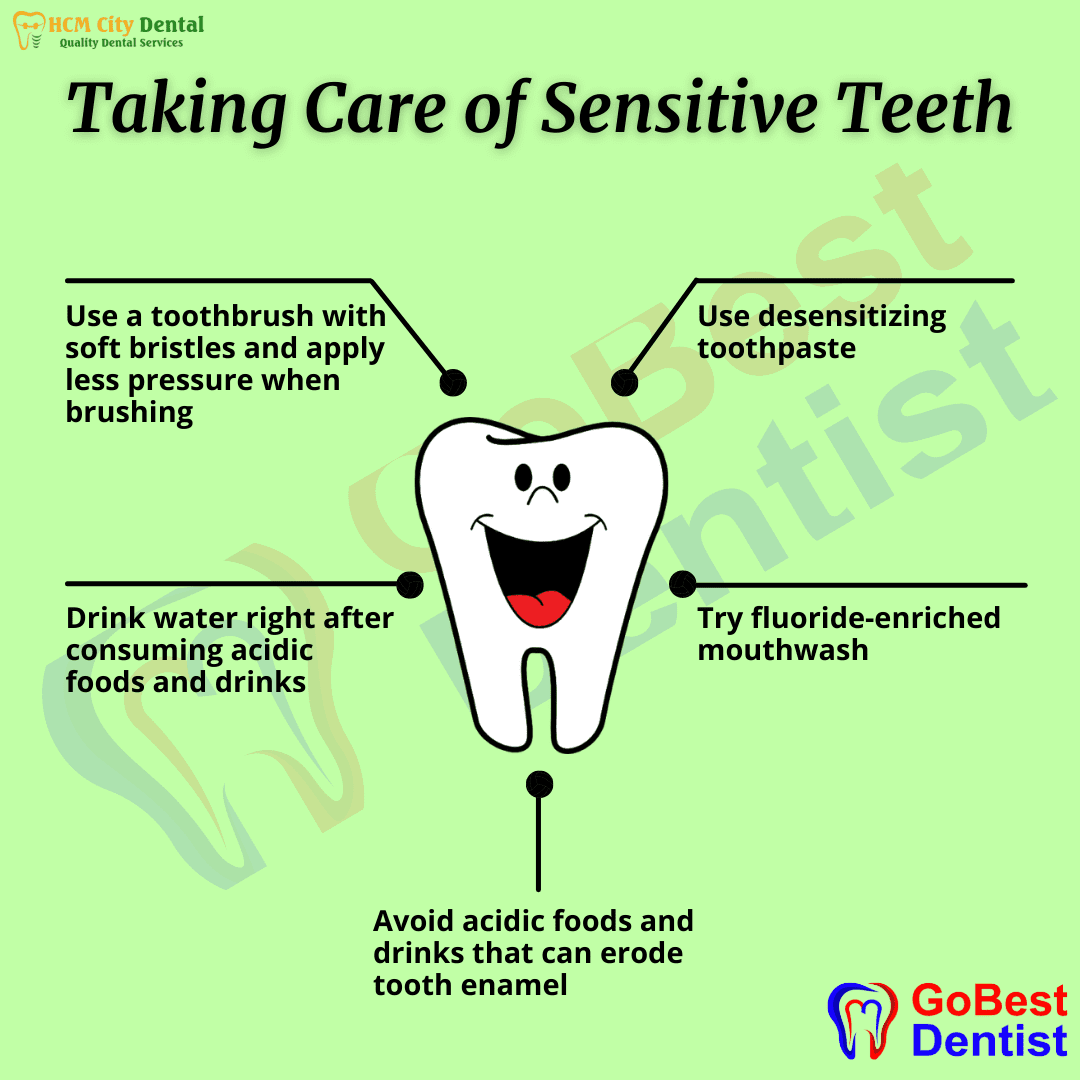
- Use a Desensitizing Toothpaste: This is often my first recommendation. These toothpastes contain compounds like potassium nitrate or stannous fluoride, which work by either blocking the pathways to the nerves or by sealing the dentin tubules. Consistent use is key for these products to be effective.
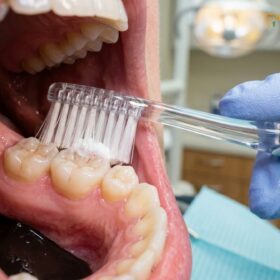
- Switch to a Soft-Bristled Toothbrush: To prevent further enamel wear and gum recession, always use a toothbrush with soft bristles.
- Master Gentle Brushing Technique: Remember to brush gently using small, circular motions, not aggressive side-to-side scrubbing. The American Dental Association recommends brushing for two minutes, twice a day.
- Incorporate a Fluoride Mouthwash: Using a daily fluoride rinse can help strengthen your tooth enamel, making it more resistant to acid attacks and sensitivity.
- Dietary Adjustments: Limiting acidic foods and drinks is crucial. When you do consume them, rinse your mouth with water afterward to help neutralize the acids.
- Saltwater Rinse: A simple, effective remedy is to rinse with warm salt water. Salt acts as a natural antiseptic and can help reduce inflammation in the gums. Mix half a teaspoon of salt in a cup of warm water and swish for 30 seconds.
Professional Dental Treatments to Stop Sensitive Teeth
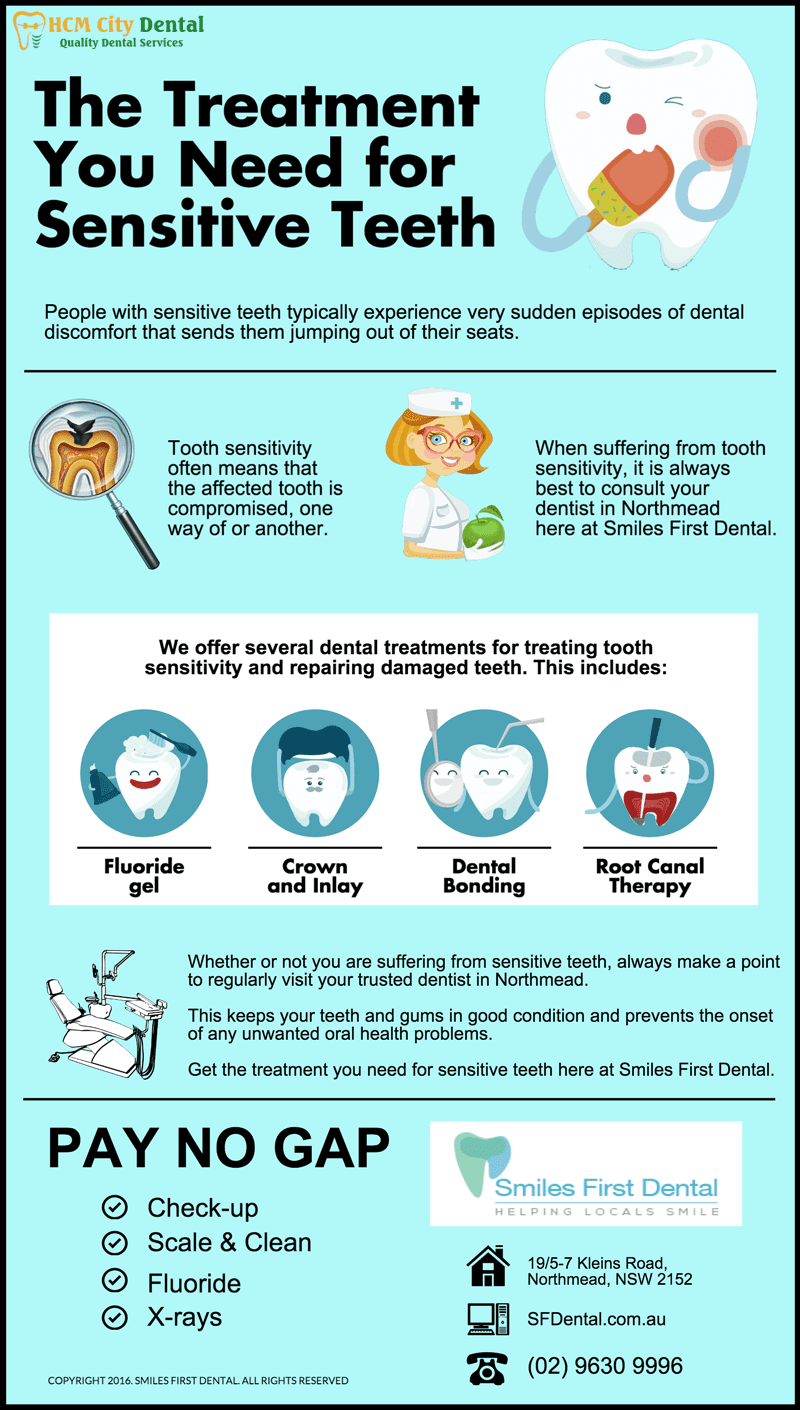
If at-home care doesn’t provide sufficient relief, or if the sensitivity is caused by a more serious issue, professional intervention is necessary. At HCMCDental.com, we offer several advanced solutions to fix sensitive teeth.
- Topical Fluoride Applications: We can apply a high-concentration fluoride gel, foam, or varnish directly to the sensitive areas of your teeth. This treatment strengthens the enamel and dentin, providing a strong barrier against sensitivity triggers.
- Dental Bonding or Sealants: For cases involving exposed root surfaces, I often recommend applying a tooth-colored bonding resin or sealant. This procedure covers the exposed dentin, providing an immediate and effective barrier that stops sensitivity.
- Custom Night Guard for Bruxism: If teeth grinding is the culprit, a custom-fitted mouthguard worn at night is essential. It protects your teeth from the damaging forces of clenching and grinding, preventing further enamel wear.
- Gum Grafting: In situations with significant gum recession where a large portion of the root is exposed, a gum graft may be the best solution. This surgical procedure involves taking a small piece of tissue from elsewhere in the mouth and attaching it to cover the exposed root, which can reduce sensitivity and improve gum health.
- Root Canal Therapy: For severe, persistent sensitivity where the tooth’s nerve is affected and other treatments have failed, a root canal is the definitive solution. This procedure removes the damaged nerve tissue from inside the tooth, eliminating the source of the pain entirely.
A Common Scenario at Our Clinic: A patient often comes in complaining of severe sensitivity in one particular tooth. After an examination, we discover a receding gum line has exposed the root. By applying a simple dental sealant over the exposed area, we can often stop the sensitivity in a single visit. It’s a quick and highly effective way to fix sensitive teeth.
Don’t let tooth sensitivity dictate what you can eat or drink. Take control today! Book an appointment online at HCMCDental.com and get a 10% discount on your first appointment!
how to help sensitive teeth
Comparing At-Home vs. Professional Solutions
Understanding the differences between at-home and professional treatments is key to making an informed decision about your dental health. Here’s a comparison to help you understand what you can do for sensitive teeth.
| Treatment Type | Best For | Key Benefits | Considerations |
|---|---|---|---|
| At-Home Care (Desensitizing Toothpaste, Soft Brush, Fluoride Rinse) | Mild, generalized sensitivity; prevention. | Accessible, affordable, effective for mild cases, empowers daily management. | May take several weeks to show results; does not address underlying structural issues like cavities or severe recession. |
| Professional Treatments (Fluoride Varnish, Bonding, Gum Graft) | Moderate to severe sensitivity; sensitivity caused by specific issues (recession, cracks, decay). | Targets the root cause, provides immediate and long-lasting relief, performed by an expert. | Requires a dental visit, higher initial cost, may involve more complex procedures. |
how to help sensitive teeth
Long-Term Prevention: How to Stop Sensitive Teeth from Returning
Once we’ve addressed the immediate pain, the focus shifts to long-term prevention. Based on my clinical observations, consistent and correct oral care is the most powerful tool you have.
- Maintain Excellent Oral Hygiene: This is non-negotiable. Brush twice daily with a soft brush and fluoride toothpaste, and floss at least once a day. Proper hygiene prevents the plaque buildup that leads to gum disease and enamel erosion.
- Be Mindful of Your Diet: Continue to limit acidic and sugary foods and drinks. They are a primary enemy of tooth enamel.
- Wear Your Night Guard: If you grind your teeth, wearing your custom-fitted mouthguard every night is essential to protect your enamel from wear.
- Regular Dental Check-ups: Schedule routine visits to HCMCDental.com for cleanings and examinations. Regular check-ups allow us to spot and address potential problems like early-stage cavities or gum inflammation before they cause sensitivity.
Dr. Cuong’s Final Thought: “A common mistake I see patients make is stopping their new habits once the pain is gone. They might go back to a hard toothbrush or forget their night guard. Preventing sensitivity is an ongoing commitment to gentle, consistent care. It’s about protecting your investment in a pain-free smile.”
how to help sensitive teeth
Frequently Asked Questions (FAQ)
Why are my teeth suddenly so sensitive?
Sudden sensitivity can be triggered by several factors, including a new cavity, a cracked tooth, recent teeth whitening, or gum recession that has just exposed a sensitive root area. It’s also common after a dental cleaning. However, if the sensitivity is sharp or persists, it’s a sign you should see a dentist to rule out a more serious issue.
Can sensitive teeth be cured permanently?
The answer to how to fix sensitive teeth permanently depends on the cause. If it’s due to a cavity that gets filled or a crack that gets bonded, the problem can be resolved. If it’s from general enamel wear or gum recession, it requires ongoing management. With the right professional treatments and consistent at-home care, you can effectively stop sensitive teeth from causing pain long-term.
How long does it take for desensitizing toothpaste to work?
In my experience, patients usually notice an improvement within a few days to two weeks of consistent use. For the toothpaste to be effective, you must use it twice daily. It works by gradually building a protective layer over the dentin or calming the nerve.
Is it safe to use whitening products if I have sensitive teeth?
Teeth whitening products are a known cause of temporary sensitivity. If you already have sensitive teeth, I strongly advise against using over-the-counter whitening kits without consulting a dentist. We can recommend professional options or specific products that are formulated for sensitive teeth to minimize discomfort.
What can you do for sensitive teeth during pregnancy?
Hormonal changes during pregnancy can sometimes lead to gum inflammation and increased sensitivity. It’s perfectly safe to use desensitizing toothpaste and maintain a gentle brushing routine. A saltwater rinse can also be very soothing. It’s especially important to maintain regular dental check-ups during pregnancy.
When should I be worried about tooth sensitivity?
You should contact your dentist immediately if the sensitivity is severe, lasts for more than a few days, is triggered by biting down, or is accompanied by swelling, fever, or a bad taste in your mouth. These can be signs of an infection or a more serious dental problem that requires prompt attention.
how to help sensitive teeth
Your Path to a Pain-Free Smile Starts Here
Dealing with sensitive teeth can be frustrating, but you don’t have to live with the discomfort. From simple changes in your daily routine to advanced professional procedures, there are many effective ways to help sensitive teeth. The most important step is to understand the underlying cause.
At HCMCDental.com, my priority is to provide you with a precise diagnosis and a personalized treatment plan that not only alleviates your pain but also protects your long-term oral health. By combining expert care with your commitment to good home habits, we can stop sensitive teeth from disrupting your life.
Ready to find a lasting solution? Call our Hotline/WhatsApp at +84853020003 for a free, no-obligation consultation, or book your appointment online now to receive a 10% discount. Let’s work together to bring back your comfortable, confident smile.
This article was medically reviewed and written by Dr. Cuong.
Written and Medically Reviewed By
Dr. Cuong, Specialist in Odontostomatology
Dr. Cuong is a leading dental specialist with over a decade of dedicated clinical experience in diagnosing and treating a wide range of dental conditions. With a deep focus on patient-centered care, he has successfully helped thousands of patients at HCMCDental.com overcome complex dental issues, including severe tooth sensitivity, gum disease, and cosmetic challenges. His approach combines state-of-the-art technology with a compassionate, educational methodology, ensuring every patient feels informed and confident in their treatment plan.
Important Disclaimer
The information provided in this article is for educational and informational purposes only and is not intended as a substitute for professional medical advice, diagnosis, or treatment. Always seek the advice of your dentist or another qualified health provider with any questions you may have regarding a medical condition. Never disregard professional medical advice or delay in seeking it because of something you have read in this article. Reliance on any information provided herein is solely at your own risk.
how to help sensitive teeth
Medical Disclaimer: This content is for educational purposes only — not a substitute for professional dental advice, diagnosis, or treatment. Always consult a qualified dentist for personalised care.
Read our full disclaimer →
Related Guides

Popular Services