How to Brush Your Teeth After Wisdom Teeth Removal [Expert Tips] | Dr. Cuong

Struggling with how to keep your mouth clean after wisdom tooth surgery? You're not alone. As a dental specialist, I'll guide you through the exact...
Navigating oral hygiene after wisdom teeth removal is a common concern for patients, often accompanied by apprehension regarding pain, infection, and the critical prevention of dry socket. As dental professionals, we understand that meticulous postoperative care, particularly regarding brushing, is fundamental to a smooth and complication-free recovery. The integrity of the surgical site is paramount, and incorrect techniques can inadvertently disrupt the healing cascade.
This expert guide provides clear, evidence-based instructions for brushing teeth after wisdom teeth removal. We will systematically address the appropriate timeline for resuming oral hygiene, outline precise brushing techniques to safeguard the delicate extraction site, recommend specific tools designed for gentle cleaning, and explain how to effectively manage the area without causing trauma. Our aim is to demystify this crucial aspect of recovery, ensuring you possess the confidence and practical knowledge to facilitate optimal healing and minimize risks.
The Critical First 24 Hours: Protecting the Healing Site
The first 24 hours after your wisdom tooth extraction are the most critical for healing. Physiologically, your body’s first step is to form a protective blood clot in the empty socket. This clot is nature’s perfect bandage; it shields the underlying bone and nerves from bacteria, air, and food particles, and provides the foundation for new tissue to grow.
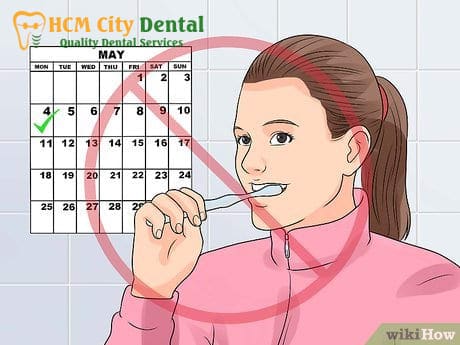
Any action that creates pressure or suction in your mouth can dislodge this vital clot. Losing the clot leads to a painful condition called alveolar osteitis, or “dry socket,” which significantly delays healing and is the primary cause of post-operative pain. Therefore, for the first 24 hours, you must strictly avoid:
- Brushing your teeth.
- Rinsing your mouth vigorously.
- Spitting.
- Using a straw.
- Smoking or using any tobacco products.
- Drinking hot liquids, which can dissolve the clot.
Your only job in this initial period is to rest and allow the healing process to begin undisturbed.
In my clinical experience, the vast majority of dry socket cases I’ve treated could have been prevented by strictly following these guidelines for the first 24 to 48 hours. Patience in the beginning is the single most important factor for a smooth recovery.

how to brush your teeth after wisdom teeth removal
A Step-by-Step Timeline for Brushing Teeth After Wisdom Teeth Removal
Navigating your oral hygiene post-surgery can feel daunting. To make it simple, I’ve broken down the process into a clear, day-by-day timeline. Following this schedule will help you maintain cleanliness without compromising the healing of your extraction sites.
Day 1 (The First 24 Hours): Focus on Rest
As established, there should be absolutely no brushing or rinsing on the day of your surgery. Your focus should be on managing discomfort with prescribed pain relievers and controlling swelling with ice packs applied to the outside of your jaw for 20-minute intervals. Rest with your head elevated to help minimize swelling.
Days 2-3: The Gentle Introduction to Oral Hygiene
After the first 24 hours have passed, you can begin your oral hygiene routine, but with extreme care.
- Gentle Brushing: You may start brushing your other teeth, but you must avoid the surgical areas completely. Use a soft-bristled toothbrush. Some dentists even recommend not using toothpaste for the first few days, as the foaming and need to spit can create pressure. If you do use toothpaste, use a pea-sized amount and let it drool out of your mouth into the sink rather than spitting.
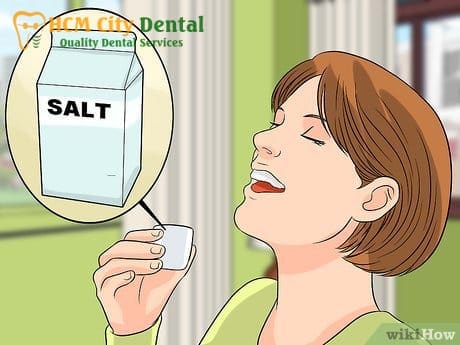
- Salt Water Rinses: This is a crucial step. Starting the day after surgery, you should begin gently rinsing your mouth with a warm salt water solution (1/2 teaspoon of salt in an 8-ounce glass of warm water) 2-3 times a day, especially after meals. Do not swish vigorously. Simply tilt your head from side to side to allow the solution to flow over the extraction sites, then let the water fall out of your mouth into the sink. This helps to clean the area and reduce bacteria without dislodging the clot.
Days 4-7: Gradually Returning to Normal Brushing
As the site continues to heal, you can gradually expand your brushing routine.
- Brushing Technique: Continue to use a soft-bristled toothbrush. You can now begin to gently brush the teeth adjacent to the extraction site, but still avoid direct contact with the socket itself. By day seven, most patients can resume a more normal, albeit still gentle, brushing routine for all their teeth.
- Site Irrigation (If Instructed): Around day five, your dentist may instruct you to begin using a small, plastic irrigation syringe to clean the wisdom tooth hole. This is especially common for lower wisdom teeth sockets, where food is more likely to become trapped. Fill the syringe with warm salt water, gently insert the tip into the socket, and flush out any debris. This should be done gently after meals and before bed.
Week 2 and Beyond: Resuming Your Full Routine with Care
By the second week, discomfort should be significantly reduced. You can typically return to your normal brushing and flossing habits. However, the gum tissue in the socket will still be maturing for several weeks, so continue to be gentle in that area. Continue irrigating the sockets as long as you notice food getting trapped.
Still have questions? Our dedicated team is here to help. Call our Hotline/WhatsApp now at +84853020003 for a direct, completely free consultation with me, Dr. Cuong!
how to brush your teeth after wisdom teeth removal
Mastering the Technique: How to Brush and Clean Safely
Knowing *when* to brush is only half the battle; knowing *how* is just as important. A common scenario at our clinic is a patient who, with the best intentions, brushes too aggressively and irritates the healing tissue. Here’s how to do it right.
Choosing the Right Tools
- Toothbrush: A manual toothbrush with soft or extra-soft bristles is non-negotiable. Avoid electric toothbrushes for at least the first two weeks, as the vibrations can be too intense for the healing site.
- Toothpaste: A mild-flavored toothpaste is often more comfortable. The key is not the brand, but how you use it. Use only a small amount to minimize foaming and the urge to spit forcefully.
The Brushing Method: A Gentle Approach
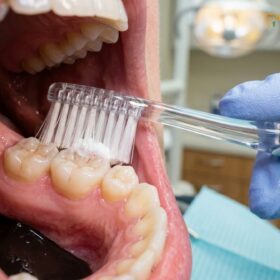
For the first week, think of brushing as a gentle massage for your teeth, not a vigorous scrub. Use small, slow, circular motions. When brushing near the surgical site, be deliberate and careful, ensuring you don’t accidentally slip and hit the socket. Focus on cleaning the surfaces of the teeth you can reach without causing pain.
How to Clean the Wisdom Tooth Hole (Extraction Site)
Directly cleaning the socket is a primary concern for many patients. Food getting trapped is not only uncomfortable but can also lead to inflammation or infection.
| Timeframe | Primary Cleaning Method | Instructions & Notes |
|---|---|---|
| Day 1 (0-24 Hours) | No Cleaning | Do not rinse, spit, or probe. Allow the blood clot to form and stabilize. |
| Days 2-4 | Gentle Salt Water Rinses | Mix 1/2 tsp salt in 8 oz warm water. Tilt head to let water flow over the site. Do not swish. Let water fall from mouth. |
| Day 5 Onward | Syringe Irrigation (if provided/instructed) | Fill the provided syringe with warm salt water. Gently place the tip into the socket and flush to remove debris. Do this after meals. |
| Week 2 Onward | Gentle Brushing & Continued Irrigation | You can begin to very gently brush the new gum tissue as it heals. Continue irrigating as needed until the socket has fully closed. |
A common mistake I see patients make is using their tongue or fingers to try and dislodge food from the socket. This is extremely risky as it can easily introduce bacteria and dislodge the blood clot. The irrigation syringe is the safest and most effective tool for this job.
how to brush your teeth after wisdom teeth removal
Recognizing Warning Signs: When to Call Your Dentist Immediately
While following these instructions will lead to a smooth recovery for most, it’s vital to know the signs of potential complications. Contact HCMCDental.com or your oral surgeon immediately if you experience any of the following:
- Severe, throbbing pain that is not managed by your prescribed pain medication, especially if it starts 2-3 days after surgery. This is the hallmark symptom of a dry socket.
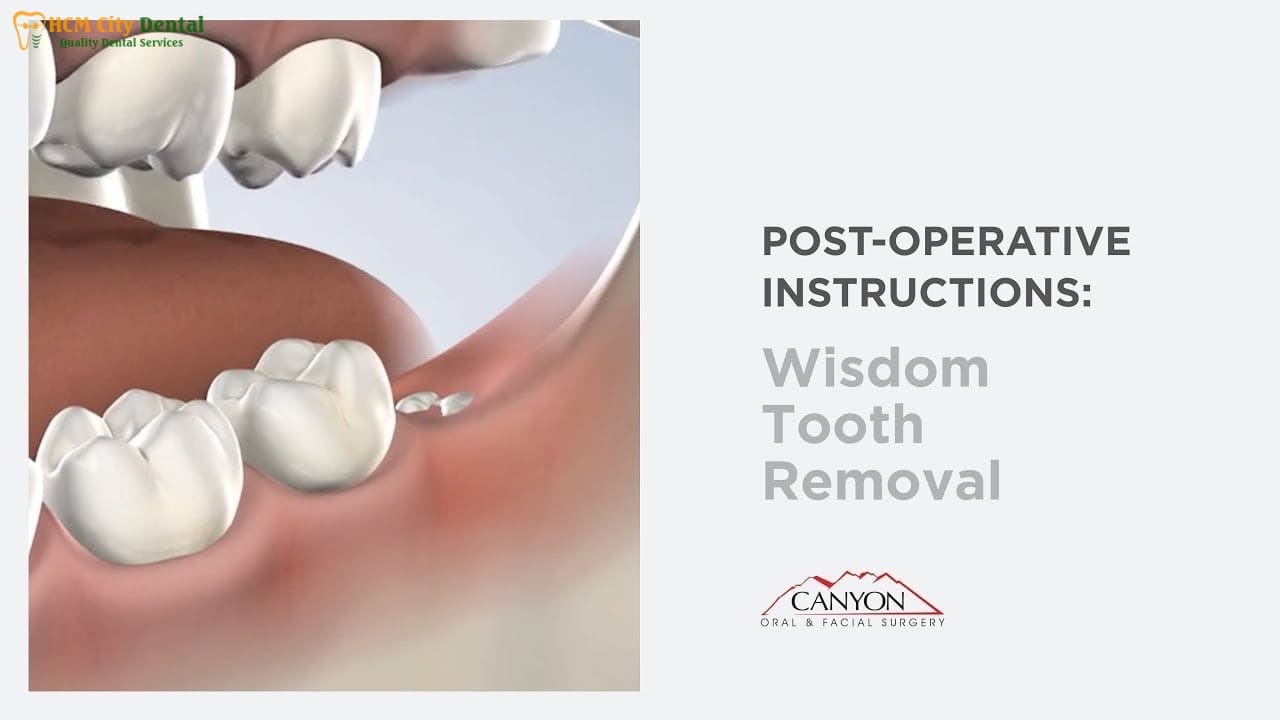
- Visible bone in the socket. If you look at the site and see white (bone) instead of a dark red blood clot, the clot has likely been lost.
- A persistent bad taste or foul odor coming from your mouth.
- Pus or discharge from the extraction site.
- Fever or swelling that worsens after the third day. Swelling should peak around day 3 and then begin to subside.
- Bleeding that doesn’t stop with firm, consistent pressure on a gauze pad.
Experiencing any of these issues? Don’t wait. A professional evaluation is essential. Book an appointment online now and get a 10% discount on your first appointment!
how to brush your teeth after wisdom teeth removal
Frequently Asked Questions (FAQ)
What happens if you brush your teeth too soon after wisdom teeth removal?
Brushing too soon, especially within the first 24 hours, can dislodge the protective blood clot from the socket. This can lead to a painful condition called dry socket, which exposes the underlying bone and nerves, delays healing, and can increase the risk of infection.
When can I start using toothpaste again?
While you can technically use toothpaste when you resume brushing after 24 hours, some dentists advise waiting 3-4 days. The primary reason is that using toothpaste creates a need to spit, and the force of spitting can dislodge the blood clot. If you do use it, use a tiny amount and let it drool out of your mouth instead of spitting.
How do I get food out of the wisdom tooth hole?
The safest way is to use a gentle warm salt water rinse, starting 24 hours after surgery. Tilt your head to let the water irrigate the area. After about 5 days, your dentist may have you use a special irrigation syringe with warm water to gently flush the socket clean after meals. Never use your fingers, tongue, or any sharp objects to try and remove food.
Can I use an electric toothbrush after wisdom teeth removal?
It is strongly recommended to avoid using an electric toothbrush for at least two weeks following your surgery. The vibrations can be too intense for the delicate healing tissues and may disturb the extraction site. Stick to a soft-bristled manual toothbrush during the initial recovery period.
How long does it take for the wisdom tooth hole to close?
The initial healing where the gum tissue closes over the socket typically takes about 2 to 4 weeks. However, the underlying bone will continue to remodel and fill in for several months. It’s important to keep the area clean throughout this entire period to prevent complications.
What should I do if I accidentally brush the extraction site?
If you accidentally brush the site and it causes brief, minor bleeding, don’t panic. Stop brushing immediately and rinse very gently with warm salt water. Avoid that area for the next day or two to let it recover. If you experience significant bleeding that doesn’t stop or a sudden increase in pain, contact your dentist right away.
Is it normal for my other teeth to ache after the surgery?
Yes, it’s not uncommon to experience some temporary aching or sensitivity in the teeth adjacent to the extraction site. This is often referred pain from the surgical area and should subside as the swelling and inflammation decrease over the first few days.
how to brush your teeth after wisdom teeth removal
Your Recovery is Our Priority
Recovering from wisdom tooth removal is a journey that requires patience and careful attention to detail. By following this guide on how to brush your teeth after wisdom teeth removal, you are taking the most important step towards a fast and comfortable healing process. Remember that the first few days are the most critical for protecting the blood clot and preventing complications like dry socket.
From gentle brushing techniques to the proper use of salt water rinses and irrigation, you now have the expert-backed knowledge to care for your mouth with confidence. Always listen to your body, and never hesitate to reach out if something doesn’t feel right.
Based on my clinical observations, patients who are diligent with their gentle oral hygiene, especially the salt water rinses, consistently report less pain and faster recoveries. Your active role in post-operative care is your best tool for success.
If you have any more questions or need personalized advice for your situation, we are here to support you. Your health and comfort are our top priorities at HCMCDental.com.
Ready for a professional check-up or have more questions? Call our Hotline/WhatsApp now at +84853020003 for a completely free consultation or book an appointment online to receive a 10% discount!
This article was medically reviewed and written by Dr. Cuong.
Important Disclaimer
The information provided in this article is for educational and informational purposes only and is not intended as a substitute for professional medical advice, diagnosis, or treatment. Always seek the advice of your dentist, oral surgeon, or another qualified health provider with any questions you may have regarding a medical condition or treatment and before undertaking a new health care regimen. Never disregard professional medical advice or delay in seeking it because of something you have read on this website.
Written and Medically Reviewed By
Dr. Cuong is a leading Specialist in Odontostomatology at HCMCDental.com. With over a decade of dedicated clinical experience, he has successfully performed thousands of dental surgical procedures, including complex wisdom tooth extractions. Dr. Cuong is committed to providing patient-centered care, emphasizing clear communication and utilizing the latest evidence-based practices to ensure optimal outcomes and patient comfort. His expertise lies in surgical dentistry and post-operative care, making him a trusted authority in the field.
how to brush your teeth after wisdom teeth removal