
How to Avoid Tooth Decay: [5 Mistakes to Stop Now] | Dr. Cuong

✓ 8+ Yrs Experience
✓ 500+ Int'l Patients
✓ Nobel Biocare Certified
✓ English · Vietnamese
Clinical Summary
As a dental specialist, one of the most common concerns my patients have is how to avoid tooth decay. This guide provides a comprehensive,...
Tooth decay, medically known as dental caries, stands as one of the most common chronic diseases globally, yet its progression is largely preventable. The aspiration to maintain a healthy, vibrant smile is universal, and preventing dental problems before they arise is a cornerstone of effective oral care. While many individuals recognize the importance of daily brushing, a genuinely effective strategy to prevent tooth decay extends far beyond this singular habit, demanding a more comprehensive and informed approach.
This authoritative guide aims to demystify the process of tooth decay, providing a robust framework built on extensive clinical experience and the latest evidence-based research. You will gain a profound understanding of the deep-seated causes of decay, learn powerful at-home prevention habits, and discover the essential professional treatments that collectively safeguard your oral health for a lifetime. Our focus is to empower you with knowledge, ensuring you grasp not only what preventive measures to take, but critically, why they are so vital.
Understanding Tooth Decay: The Battle in Your Mouth
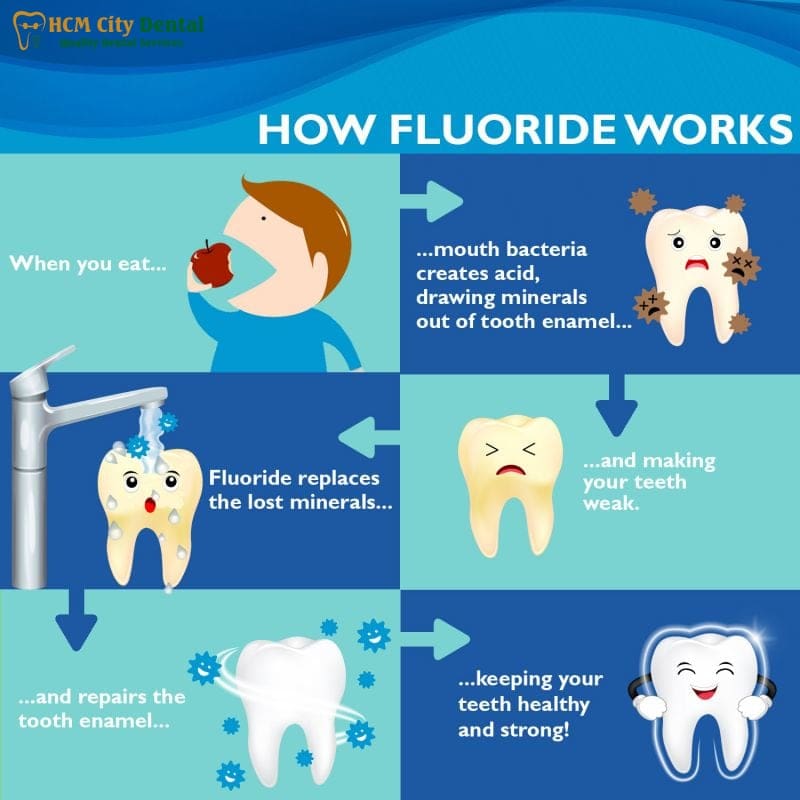
To effectively how to avoid tooth decay, we must first understand its cause. It’s not just about sugar; it’s a dynamic process involving a delicate balance within your mouth. Physiologically speaking, tooth decay is the destruction of your tooth structure, affecting both the outer enamel and the inner dentin layer. This occurs when bacteria in your mouth, particularly strains like Streptococcus mutans, consume sugars and starches from your diet. This process creates acids that attack and demineralize your tooth enamel.
Think of it as a constant tug-of-war. On one side, you have plaque—a sticky film of bacteria, food debris, and saliva—producing harmful acids. On the other side, you have your body’s natural defenses: saliva, which helps neutralize acid and contains minerals like calcium and phosphate to rebuild enamel, and fluoride, which strengthens teeth. When the acid attacks happen too frequently, your teeth lose minerals faster than they can be restored, leading to the formation of a cavity.
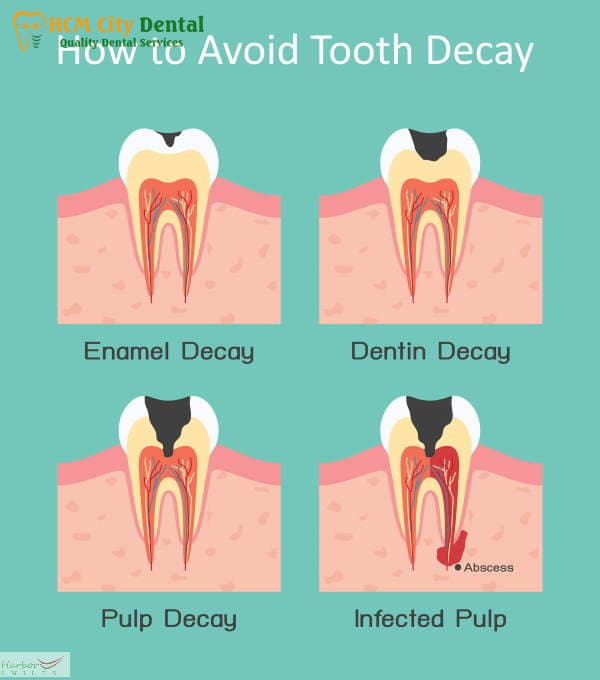
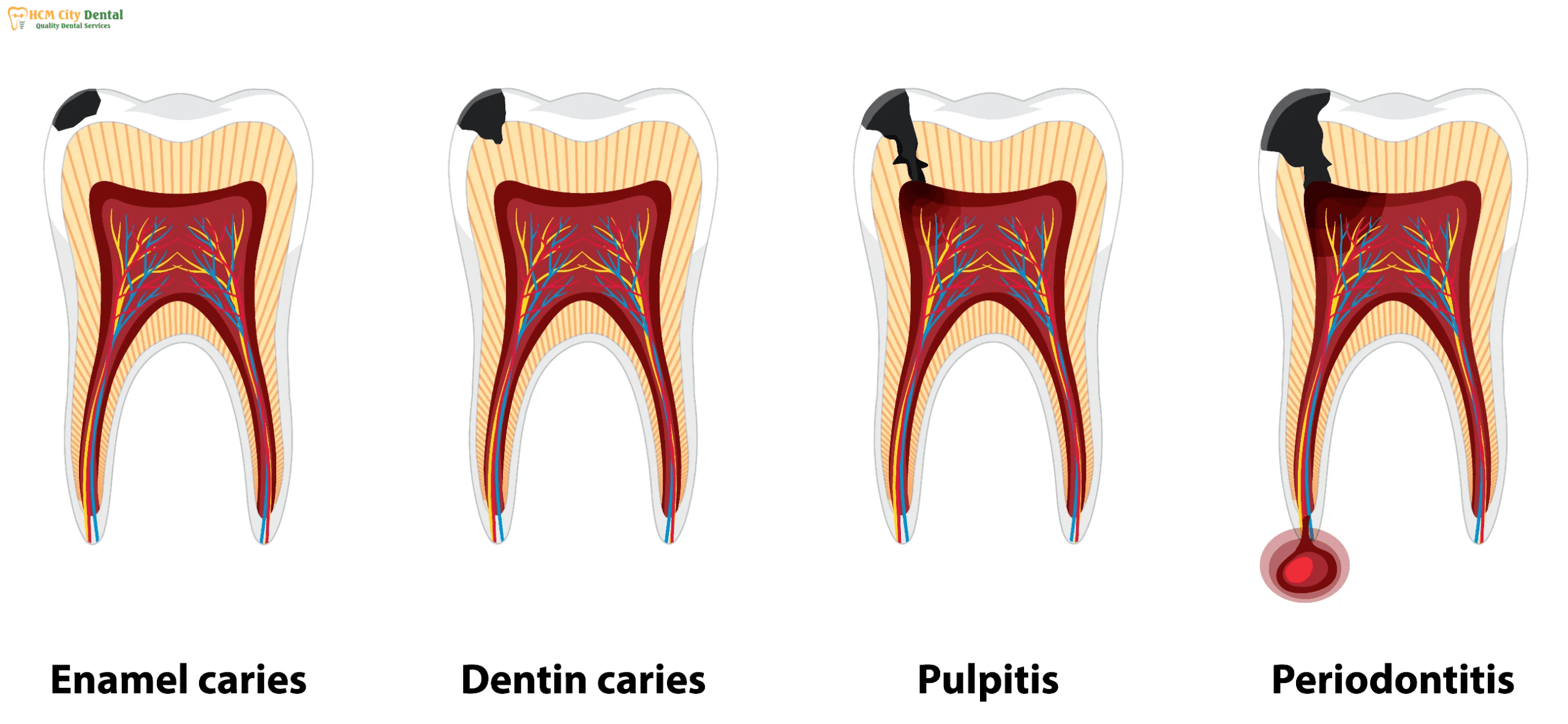
The Stages of Tooth Decay
Tooth decay doesn’t happen overnight. It progresses through several stages, and catching it early is key. In my experience, many patients are unaware of decay until they feel pain, but the signs appear much earlier.
- Stage 1: White Spots. The first sign of mineral loss is often a chalky white spot on the tooth’s surface. At this stage, the decay is reversible. With proper care and fluoride treatment, the enamel can repair itself.
- Stage 2: Enamel Decay. If left untreated, the enamel will continue to break down, forming a cavity. This damage is permanent and requires a filling from a dentist to repair.
- Stage 3: Dentin Decay. The decay progresses past the enamel into the softer dentin layer. Since dentin is more sensitive, this is often when patients start to experience pain or sensitivity to hot and cold.
- Stage 4: Pulp Involvement. If the decay reaches the pulp—the innermost part of the tooth containing nerves and blood vessels—it can cause significant pain and lead to an infection or abscess. At this point, root canal treatment is often necessary.
Is Tooth Decay Dangerous?
While a small cavity might seem minor, untreated tooth decay can have serious consequences. A common scenario at our clinic involves patients who ignored early sensitivity, only to arrive later with a severe toothache from an abscess. An abscess is a painful pocket of pus that can lead to swelling, fever, and if the infection spreads, it can become a systemic health risk. It’s crucial to address decay promptly to avoid these complications.
In my clinical experience, the most significant danger of tooth decay is not just the loss of a tooth, but the potential for infection to spread. I’ve seen cases where a seemingly simple cavity led to a serious facial abscess requiring urgent intervention. This is why I emphasize that prevention and early detection are not just about saving teeth, but about protecting your overall health.
Still have questions? Call our Hotline/WhatsApp now at +84853020003 for a direct, completely free consultation with Dr. Cuong!
how to avoid tooth decay
Your Ultimate Guide to Preventing Tooth Decay: At-Home and Professional Strategies
Now that we understand the enemy, let’s discuss the battle plan. Preventing tooth decay involves a two-pronged approach: diligent at-home care and regular professional support. These strategies work together to keep the acid-producing bacteria in check and strengthen your teeth’s natural defenses.
Foundational At-Home Care to Prevent Tooth Decay
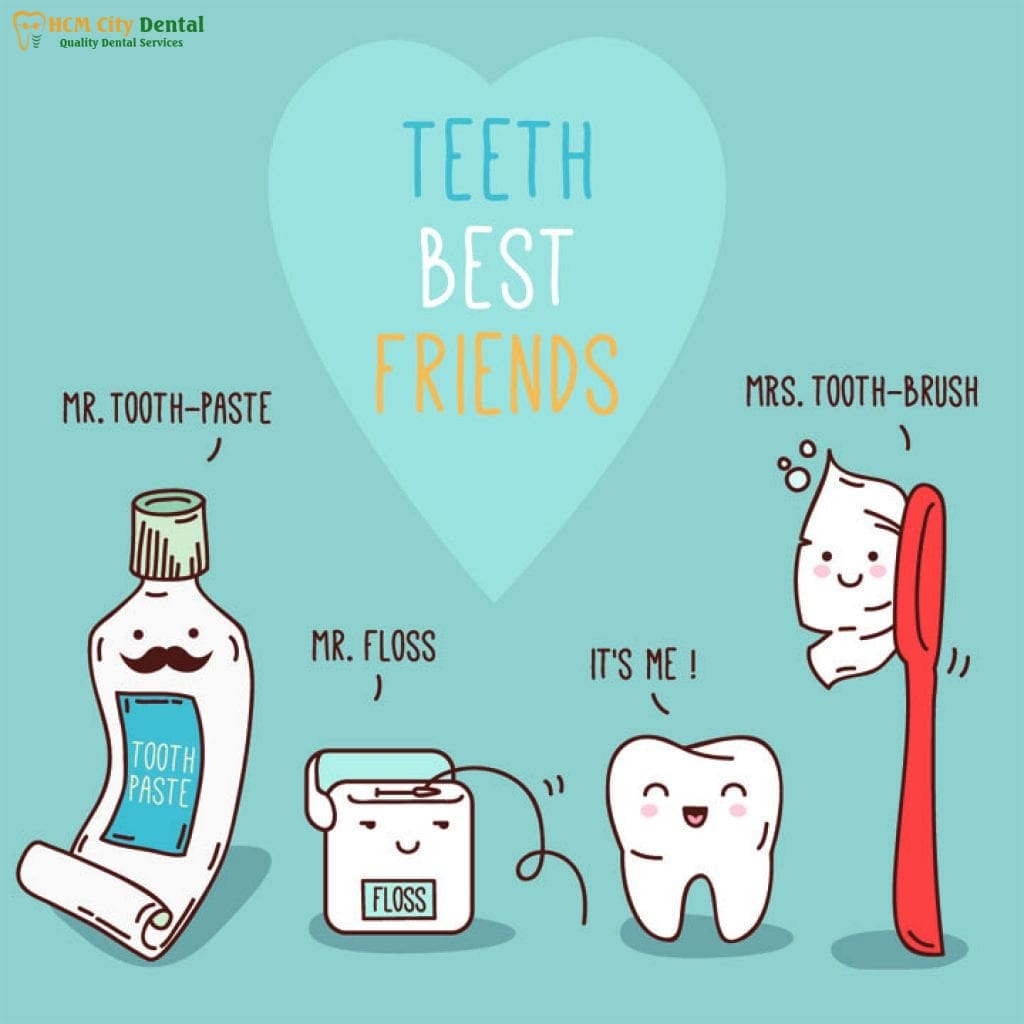
Your daily habits are the cornerstone of a cavity-free life. Consistency is far more important than intensity. Here are the non-negotiable practices I recommend to all my patients.
1. Master Your Brushing Technique
Brushing removes the plaque that causes decay. However, how you brush is as important as how often.
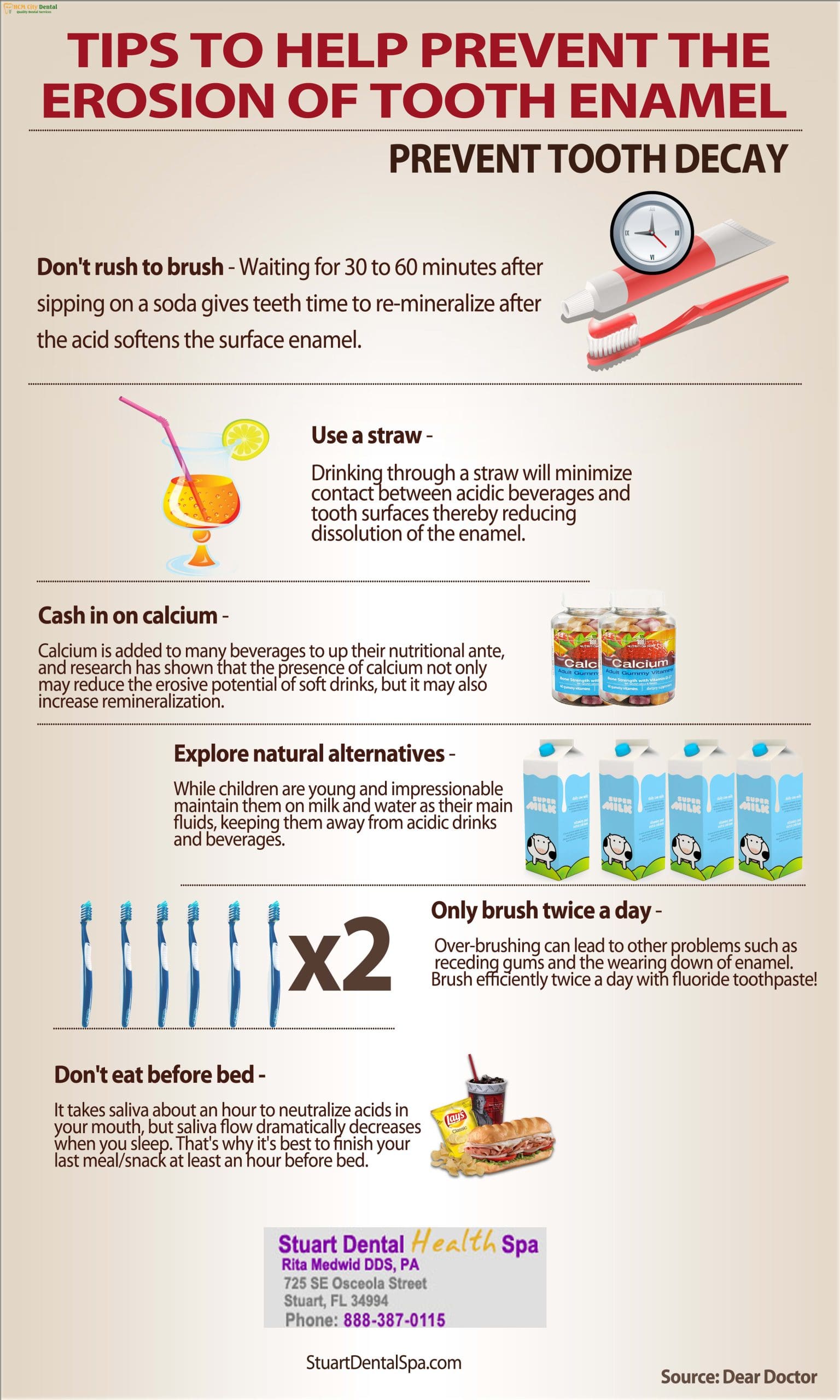
- Brush Twice Daily: The American Dental Association recommends brushing for two minutes, twice a day. Brushing before bed is especially critical because saliva flow decreases during sleep, reducing your mouth’s ability to neutralize acid.
- Use Fluoride Toothpaste: Fluoride is a mineral that strengthens tooth enamel and can even reverse the earliest stages of tooth decay. Always choose a toothpaste containing at least 1450ppm of fluoride.
- Proper Technique: Place your soft-bristled toothbrush at a 45-degree angle to the gums. Use gentle, short strokes to clean the outer, inner, and chewing surfaces of all teeth. Don’t scrub aggressively, as this can damage enamel and gums.
- Spit, Don’t Rinse: After brushing, spit out the excess toothpaste but avoid rinsing your mouth with water immediately. This allows the fluoride to remain on your teeth longer, providing extended protection.
2. Don’t Skip Flossing
A common mistake I see is patients who brush diligently but neglect to floss. Brushing alone cannot clean the tight spaces between your teeth and under the gumline, where plaque and food particles accumulate. Daily flossing is essential to remove this hidden plaque and is a critical step to prevent tooth decay between teeth.
3. The Power of a Tooth-Friendly Diet
What you eat plays a massive role in your oral health. Every time you consume sugary or starchy foods, you are feeding the decay-causing bacteria in your mouth.
- Limit Sugary and Starchy Foods: Reduce your intake of candy, sodas, pastries, and even starchy foods like chips and pretzels that can stick to teeth.
- Reduce Snacking Frequency: It’s not just what you eat, but how often. Frequent snacking means more acid attacks on your teeth throughout the day. Try to limit sugar consumption to mealtimes.
- Choose Tooth-Strengthening Foods: Incorporate foods rich in calcium, phosphorus, and vitamins into your diet. Dairy products, leafy greens, nuts, and lean proteins help fortify your teeth. Crunchy fruits and vegetables like apples and carrots can help clean teeth and stimulate saliva.
- Stay Hydrated with Water: Water, especially fluoridated water, helps rinse away food particles and neutralizes harmful acids. Swap sugary drinks for water to protect your teeth.
A common question I get from patients is, “Do I have to give up all sweets?” The answer is no, but moderation and timing are key. If you enjoy a sweet treat, have it with a meal rather than as a standalone snack. This minimizes the duration of the acid attack on your teeth, as saliva production is higher during meals. Then, if possible, rinse your mouth with water afterward.
Professional Dental Care: Your Partner in Prevention
Even with the best at-home routine, professional care is essential to fully prevent tooth decay. At HCMCDental Clinic, we partner with our patients to provide advanced preventive services.
1. Regular Dental Check-ups and Cleanings
I cannot overstate the importance of biannual check-ups. Most dental professionals recommend a cleaning every six months. During these visits, we can:
- Remove Tartar: Plaque that isn’t removed can harden into tartar (calculus), which cannot be removed by brushing alone. Professional cleanings eliminate this hardened buildup.
- Detect Early Problems: We can spot the earliest signs of decay, often when it’s still reversible, as well as check for signs of gum disease or other oral health issues. Early detection makes treatment simpler and more affordable.
- Provide Personalized Advice: We assess your specific risk factors and provide tailored guidance to improve your oral hygiene routine.
2. Dental Sealants
Experience has shown that the chewing surfaces of back teeth (molars) are highly prone to decay due to their deep pits and fissures. Dental sealants are a fantastic preventive measure. They are thin, protective plastic coatings applied to these surfaces, acting as a physical barrier that “seals out” food and plaque. Sealants can reduce the risk of decay in molars by up to 80% and are highly recommended, especially for children and teenagers.
3. Professional Fluoride Treatments
For patients at a higher risk of decay, we may recommend professional fluoride treatments. These treatments involve applying a high-concentration fluoride gel, foam, or varnish directly to the teeth. This provides a significant boost to your enamel’s strength and resistance to acid attacks.
Ready to take the next step in protecting your smile? Book an appointment online and get a 10% discount on your first professional cleaning and check-up!
how to avoid tooth decay
Comparing At-Home vs. Professional Prevention Strategies
To make it clearer, here is a comparison of the key strategies you can use to avoid tooth decay.
| Prevention Method | Description | Primary Goal | Who It’s For |
|---|---|---|---|
| Daily Brushing & Flossing | Mechanical removal of plaque and food debris from tooth surfaces. | Disrupt and remove the daily buildup of bacterial plaque. | Everyone, every day. |
| Dietary Management | Limiting sugar/starch intake and frequency of snacking. | Reduce the “fuel” for acid-producing bacteria. | Everyone, especially those with a sweet tooth or frequent snackers. |
| Professional Cleaning | Removal of hardened tartar and plaque from hard-to-reach areas by a dental professional. | Eliminate tartar buildup and detect early signs of disease. | Everyone, typically every 6 months. |
| Dental Sealants | A protective coating applied to the chewing surfaces of back teeth. | Create a physical barrier against plaque and food. | Primarily children and teens, but also adults with deep grooves in their molars. |
| Fluoride Treatments | Application of a high-concentration fluoride to strengthen enamel. | Remineralize enamel and make it more resistant to acid. | Individuals with a high risk of cavities, including children and adults. |
how to avoid tooth decay
Frequently Asked Questions (FAQ)
Based on clinical observations, these are the questions I hear most often from patients who want to know how to avoid tooth decay.
Can you reverse a cavity once it has started?
In its earliest stage, when it appears as a white spot, tooth decay can be reversed. This process, called remineralization, is aided by good oral hygiene and fluoride, which helps the enamel repair itself. However, once the enamel is broken and a physical cavity has formed, the damage is permanent and requires a dental filling.
Is chewing sugar-free gum helpful to prevent tooth decay?
Yes, clinical experience indicates that chewing sugar-free gum after meals can be beneficial. It stimulates saliva flow, which helps neutralize acids and wash away food particles. Some studies suggest that gum containing xylitol may also temporarily inhibit the growth of decay-causing bacteria.
Are some people more prone to cavities than others?
Yes. Factors like genetics, tooth shape (deep grooves), dry mouth conditions (less saliva), and certain medical conditions or medications can increase your risk of tooth decay. This is why personalized advice from your dentist is so important.
How do I know if I have a cavity?
Early decay often has no symptoms. As it progresses, you might notice tooth sensitivity to sweets, hot, or cold, mild to sharp pain, or visible holes or dark spots on your teeth. The only way to know for sure is to have a dental check-up.
Does a healthy diet alone prevent tooth decay?
While a healthy diet is crucial, it’s not a guarantee against cavities. Oral hygiene is equally important. Even healthy foods can contain natural sugars, and without proper brushing and flossing to remove plaque, decay can still occur. It’s the combination of a good diet and excellent oral hygiene that provides the best defense.
How effective are dental sealants in preventing tooth decay?
Dental sealants are extremely effective. They act as a protective barrier on the chewing surfaces of molars, which are the most susceptible to decay. Research shows they can prevent up to 80% of cavities in these teeth for two years after application. They are a simple, painless, and highly recommended tool to prevent tooth decay, especially for children.
What is the best way to prevent tooth decay in children?
The strategy is multi-faceted. It starts with cleaning their teeth as soon as they erupt, using a smear of fluoride toothpaste for children under 3. Limit sugary drinks and snacks, ensure they drink fluoridated water, and schedule their first dental visit by their first birthday. Dental sealants are also a key preventive measure once their molars come in.
how to avoid tooth decay
Your Path to a Lifetime of Healthy Smiles
Preventing tooth decay is an achievable goal that pays dividends for your entire life. It requires a partnership between your own diligent daily habits and the expert guidance of your dental team. By mastering your at-home care, making smart dietary choices, and committing to regular professional check-ups, you can win the battle against decay.
Based on my years of practice, the patients who are most successful at avoiding dental issues are those who are proactive, not reactive. They don’t wait for pain to see a dentist. They understand that prevention is an ongoing commitment. Take control of your oral health today—your smile will thank you for it tomorrow.
Don’t wait for a problem to arise. Take the first step towards a cavity-free future. Call our Hotline/WhatsApp at +84853020003 for a free consultation or book your appointment online at HCMCDental.com and receive a 10% discount on your first visit!
This article was medically reviewed and written by Dr. Cuong.
Important Disclaimer
The information provided in this article is for educational and informational purposes only and is not intended as a substitute for professional medical advice, diagnosis, or treatment. Always seek the advice of your dentist or another qualified health provider with any questions you may have regarding a medical condition. Never disregard professional medical advice or delay in seeking it because of something you have read in this article.
Written and Medically Reviewed By
Dr. Cuong, Specialist in Odontostomatology
Dr. Cuong is a leading dental specialist with extensive experience in preventive, restorative, and cosmetic dentistry. With a passion for patient education and a commitment to providing the highest standard of care, Dr. Cuong has helped thousands of patients at HCMCDental.com achieve and maintain optimal oral health. His approach combines deep clinical expertise with a focus on creating personalized, evidence-based treatment plans that empower patients to protect their smiles for a lifetime.
how to avoid tooth decay
Medical Disclaimer: This content is for educational purposes only — not a substitute for professional dental advice, diagnosis, or treatment. Always consult a qualified dentist for personalised care.
Read our full disclaimer →
Related Guides

Popular Services