Dental scaling is a fundamental non-surgical periodontal therapy designed to meticulously remove hardened calculus and pathogenic bacterial biofilm from the tooth surfaces and beneath the gumline. This essential clinical procedure aims to prevent plaque-induced gingivitis, halt alveolar bone loss, and preserve long-term oral health through precise mechanical debridement. The periodontium, which includes the gingiva, periodontal ligament, cementum, and alveolar bone, relies heavily on a clean, bacteria-free environment to maintain its structural integrity. When oral hygiene is compromised, the accumulation of mineralized deposits triggers a chronic inflammatory response that can ultimately lead to tooth mobility and loss.
Understanding the biological necessity of professional scaling requires an examination of how the oral microbiome interacts with the dental anatomy. Despite rigorous at-home brushing and flossing, microscopic areas within the gingival sulcus often harbor resilient bacterial colonies. Over time, these colonies calcify into a rigid matrix that cannot be removed without specialized clinical instruments. By undergoing routine professional debridement, patients can effectively disrupt this pathogenic cycle, ensuring that the gingival tissues remain firmly attached to the tooth roots and safeguarding their overall systemic health.
Clinical Summary:
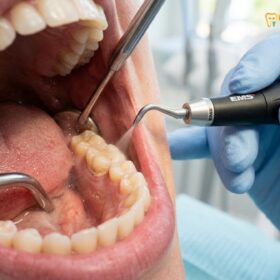
Dental scaling serves as the cornerstone of preventive dentistry and periodontal maintenance. It involves the targeted removal of supragingival and subgingival calculus, which cannot be eliminated by standard at-home brushing. Utilizing advanced ultrasonic scaling technology, clinicians disrupt the complex bacterial biofilm that triggers tissue inflammation and subsequent alveolar bone degradation. Modern clinical protocols, such as Guided Biofilm Therapy (GBT), employ low-abrasive erythritol powder and warm water irrigation to safely eradicate plaque without damaging natural enamel, titanium implants, or restorative materials. Regular scaling intervals, determined by individual periodontal pocket depths and calculus accumulation rates, are vital for preventing systemic complications linked to oral pathogens. By integrating both piezoelectric and magnetostrictive scalers, dental professionals can customize the debridement process, ensuring maximum clinical efficacy, preserving gingival attachment, and optimizing patient comfort during routine hygiene appointments.
Key Takeaways:
- Dental scaling removes mineralized tartar and pathogenic biofilm from both above and below the gingival margin to help halt periodontal disease.
- Modern clinics utilize a Dual Scaler Advantage, combining Piezoelectric and Magnetostrictive technologies for customized, efficient calculus removal.
- Guided Biofilm Therapy (GBT) uses ultra-fine 25μm erythritol powder to comfortably polish teeth and implants without scratching surfaces.
- Routine prophylaxis aims to prevent plaque-induced gingivitis from progressing into irreversible periodontitis, bone degradation, and eventual tooth loss.
- Professional dental plaque cleaning is typically recommended every six months, though periodontal patients may require quarterly maintenance intervals.
What is Dental Scaling & Plaque Control?
Dental scaling is a targeted clinical intervention that eradicates calcified plaque (tartar) and bacterial colonies from the dental anatomy. It acts as the primary defense against periodontal disease, ensuring the gingival tissues remain healthy and firmly attached.
To fully comprehend the necessity of a professional Dental Cleaning, one must first understand the intricate biological mechanisms of biofilm formation and calculus mineralization within the oral cavity. The human mouth is a highly complex microbiome hosting hundreds of distinct bacterial species. Within minutes of brushing, a thin, acellular glycoprotein layer known as the acquired pellicle forms over the tooth enamel. This pellicle acts as an adhesive substrate, allowing primary colonizing bacteria—predominantly gram-positive aerobic cocci—to attach securely to the tooth surface.
If this initial biofilm is not disrupted through effective mechanical brushing, secondary colonizers begin to multiply and adhere to the primary layer. These secondary colonizers are often gram-negative, anaerobic pathogenic bacteria that thrive in the oxygen-deprived environment of the gingival sulcus. As the biofilm matures, it forms a dense, highly organized extracellular polymeric substance (EPS) matrix known as dental plaque. The bacteria residing within this plaque metabolize fermentable carbohydrates from the host’s diet, producing acidic byproducts and potent endotoxins that trigger a localized inflammatory response in the surrounding gingival tissues.
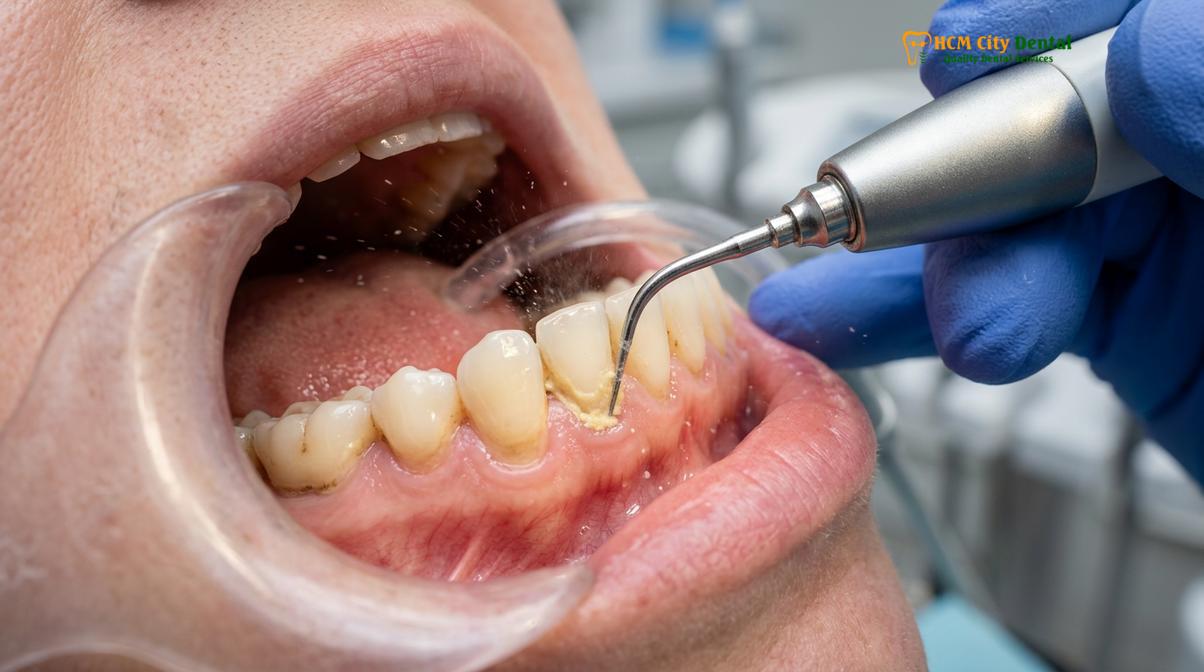
The Mineralization of Dental Calculus
When dental plaque is left undisturbed for an extended period, it begins to undergo a process of mineralization. Saliva and gingival crevicular fluid contain high concentrations of calcium and phosphate ions. These minerals precipitate directly into the plaque matrix, transforming the soft, sticky biofilm into a hard, porous, and highly retentive substance known as dental calculus, or tartar. Once calculus has formed and crystallized into hydroxyapatite and brushite, it bonds tightly to the microscopic irregularities of the tooth enamel and root cementum. It is physically impossible to remove calculus with a standard manual toothbrush or dental floss; it requires professional scaling using specialized clinical instruments to manage plaque-induced periodontitis effectively[3].
Calculus is clinically categorized into two distinct types based on its anatomical location relative to the gingival margin:
- Supragingival Calculus: Located above the gumline, this type of calculus is typically yellow or whitish in color. It most commonly accumulates near the orifices of the major salivary gland ducts, such as the lingual surfaces of the lower anterior incisors and the buccal surfaces of the upper molars.
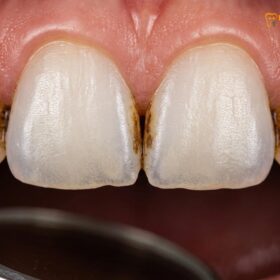
- Subgingival Calculus: Located below the gumline within the periodontal pocket. It is often dark brown, green, or black due to the incorporation of blood pigments and breakdown products from inflamed, bleeding gums. Subgingival calculus is highly pathogenic because its rough, porous surface serves as an ideal, protected reservoir for continuous bacterial colonization and toxin release deep within the tissues.
Ultrasonic Scaling vs. Manual Scaling Tools
Modern periodontal therapy relies heavily on ultrasonic scalers that use high-frequency vibrations and fluid cavitation to shatter calculus, generally outperforming traditional manual hand instruments in both clinical efficiency and patient comfort.
Historically, dental scaling was performed exclusively using manual hand instruments, such as specialized curettes and sickles. While manual hand scaling remains a highly valuable clinical skill for fine detailing, tactile feedback, and precise root planing, the advent of ultrasonic technology has fundamentally revolutionized periodontal debridement. Clinical studies comparing ultrasonic scaling versus manual hand scaling consistently demonstrate that ultrasonic devices are highly effective at rapidly fracturing calcified deposits away from the tooth surface while significantly reducing clinician fatigue and minimizing the removal of healthy cementum[2].
The Dual Scaler Advantage in Clinical Practice
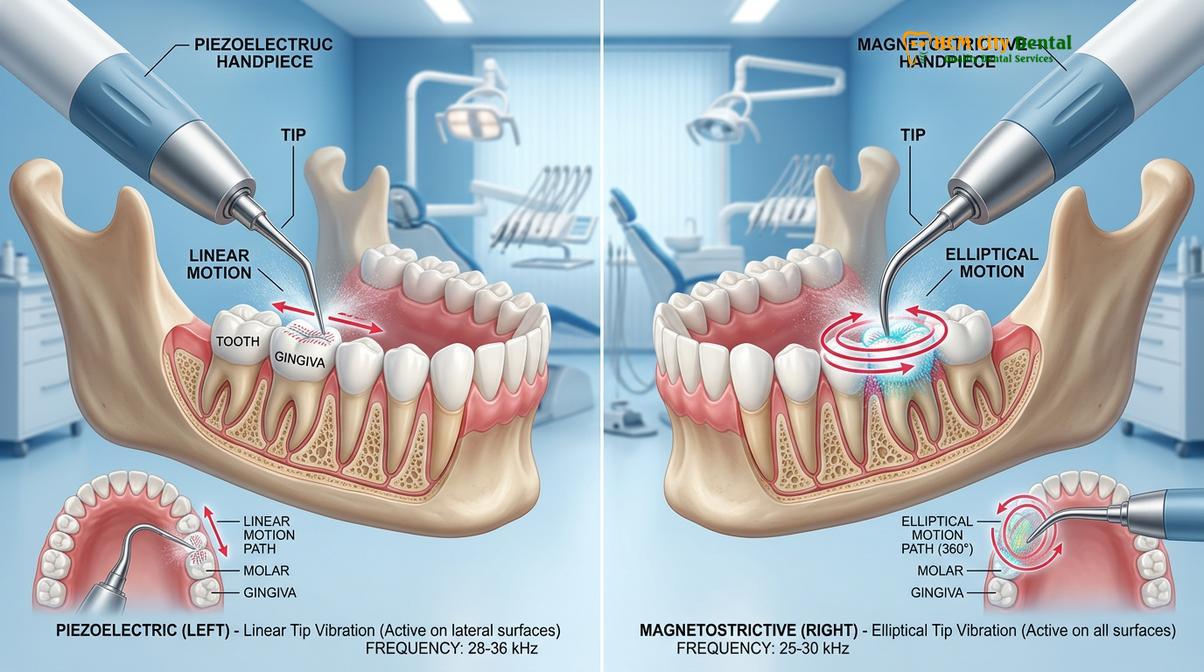
Advanced dental clinics often employ a “Dual Scaler Advantage,” utilizing both Piezoelectric and Magnetostrictive ultrasonic technologies to customize treatments based on the patient’s specific anatomical needs, calculus density, and sensitivity levels.
1. Piezoelectric Scalers:
Piezoelectric devices utilize ceramic or quartz crystals located within the handpiece that expand and contract rapidly when an alternating electrical current is applied. This generates a precise linear, back-and-forth motion at the scaler tip, typically operating between 25,000 and 36,000 cycles per second (Hz). Because only the lateral sides of the tip are active, the clinician can use precise, sweeping motions parallel to the tooth surface. Piezoelectric scalers generate significantly less heat than their magnetostrictive counterparts, making them exceptionally gentle and well-tolerated by patients.
2. Magnetostrictive Scalers:
Magnetostrictive devices utilize a stack of ferromagnetic metal strips in the handpiece that change dimension under a fluctuating magnetic field, producing an elliptical, figure-eight motion at the tip. This means all surfaces of the tip (front, back, and lateral sides) are active and capable of removing deposits. These scalers are highly effective at breaking down heavy, tenacious calculus bridges and performing efficient full-mouth debridement.
| Modality | Mechanism of Action | Primary Clinical Indication | Patient Comfort Level |
|---|---|---|---|
| Manual Scaling | Mechanical scraping using sharp curettes and sickles. | Fine detailing, tactile root planing, removing residual subgingival deposits. | Moderate; can cause pressure sensations and requires more time. |
| Ultrasonic Scaling | High-frequency vibration combined with fluid cavitation. | Rapid removal of heavy supragingival and subgingival calculus bridges. | High; utilizes water cooling and requires less physical pressure. |
| Guided Biofilm Therapy (GBT) | Air-polishing with ultra-fine erythritol powder and warm water. | Painless biofilm eradication, stain removal, implant maintenance. | Very High; minimally invasive, warm water enhances comfort. |
Guided Biofilm Therapy (GBT): The Swiss EMS Protocol
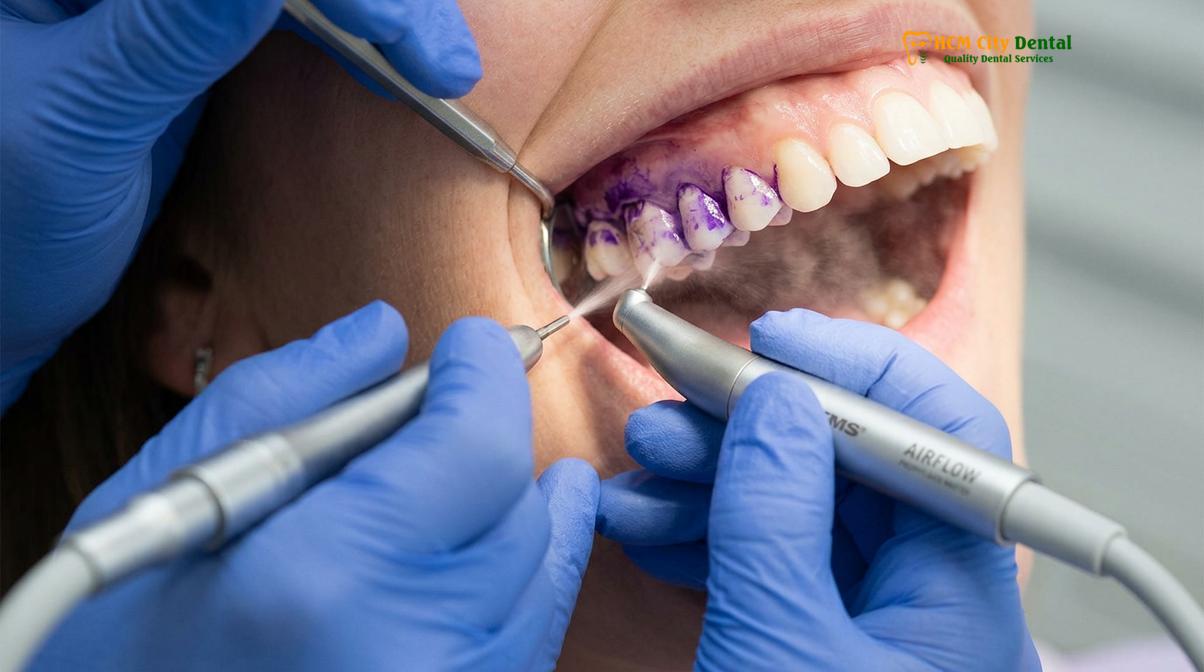
Beyond traditional ultrasonic scaling, the absolute pinnacle of modern dental hygiene is Guided Biofilm Therapy EMS: Advanced Clinical Dental Cleaning. GBT represents a massive paradigm shift in prophylaxis, moving away from blind scraping to a highly visual, minimally invasive approach that significantly enhances patient comfort and clinical efficacy[1].
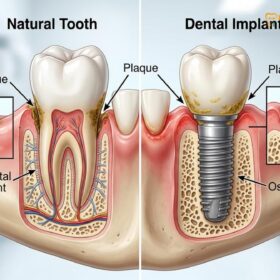
The use of erythritol powder is a critical advancement in this protocol. Unlike traditional sodium bicarbonate powders, which possess a larger particle size (approx. 65 microns) and are highly abrasive, erythritol has an ultra-fine particle size of just 14 microns. It is minimally abrasive and biochemically safe. Extensive research confirms the safety of erythritol air-polishing powder on natural enamel, exposed dentin, and delicate restorative materials, making GBT the gold standard for maintaining titanium implants, orthodontic brackets, and porcelain veneers[4].
Is Dental Scaling Painful? What to Expect
While mild sensitivity can occasionally occur, contemporary dental scaling is generally painless due to adjustable ultrasonic frequencies, warm water irrigation, and the availability of topical or local anesthetics for deep periodontal pockets.
A common psychological barrier to seeking preventive dental care is the fear of pain or discomfort. However, advancements in clinical technology and sophisticated pain management protocols have made routine prophylaxis a highly tolerable, and often pleasant, experience. Understanding the physics of ultrasonic scaling helps demystify the sensation and alleviate dental anxiety.
The Physics of Cavitation and Acoustic Microstreaming
Ultrasonic scalers do not merely scrape the tooth; they utilize complex fluid dynamics to destroy bacteria. As the scaler tip vibrates at high frequencies, it requires a continuous flow of water for cooling and lubrication. This rapid vibration creates microscopic bubbles in the water stream—a physical phenomenon known as cavitation. When these bubbles implode against the tooth surface, they release intense, localized shockwaves that physically lyse (break open) the cell walls of pathogenic bacteria. Simultaneously, the turbulent flow of water, known as acoustic microstreaming, generates shear forces that disrupt the biofilm and flush the toxic debris out of the periodontal pocket.
The sensation experienced by the patient is typically a mild, buzzing vibration accompanied by a cooling mist of water. If you are wondering about the duration of the procedure and what each step entails, you can review our comprehensive guide on How Long Does a Dental Cleaning Take? Clinical Timeline & Steps to better prepare for your visit.
“Patient comfort is paramount in modern periodontal maintenance. By utilizing warm water irrigation and dynamically adjusting ultrasonic frequencies, clinicians can achieve thorough subgingival debridement without the discomfort traditionally associated with deep dental cleanings.”
Following a scaling procedure, it is entirely normal to experience slight gingival tenderness or transient thermal sensitivity for a short period. This occurs because the removal of calculus exposes dentinal tubules that were previously insulated by the tartar buildup. To counteract this, clinicians often apply a professional fluoride varnish or a desensitizing agent at the end of the appointment to accelerate enamel remineralization and occlude open dentinal tubules. Patients often ask about post-operative dietary restrictions to protect their newly cleaned teeth; for detailed instructions, refer to our resource: Can You Eat After Dental Cleaning? Clinical Diet & Care Guide.
Clinical Benefits: Preventing Gingivitis & Periodontitis
Removing subgingival calculus halts the inflammatory cascade of plaque-induced gingivitis, helping to prevent the irreversible destruction of the periodontal ligament and alveolar bone.
The clinical benefits of regular dental scaling extend far beyond achieving a brighter, stain-free smile. It is a critical medical intervention that directly disrupts the pathogenesis of periodontal disease. When plaque and calculus are allowed to proliferate unchecked, the host’s immune system responds to the bacterial endotoxins (such as lipopolysaccharides) by releasing a flood of inflammatory mediators, including cytokines, prostaglandins, and matrix metalloproteinases (MMPs). While intended to fight the localized infection, this overactive inflammatory response inadvertently destroys the host’s own tissues, leading to the breakdown of collagen fibers and the resorption of alveolar bone.
Clinical Warning: Bleeding gums during brushing or flossing are not normal; they are a primary clinical indicator of active gingival inflammation and ulceration of the sulcular epithelium. Ignoring this symptom allows pathogenic bacteria direct access to the systemic bloodstream.
According to the Vietnam Ministry of Health (MOH) national guidelines on periodontal disease prevention, routine mechanical debridement is absolutely essential for maintaining oral health and preventing the systemic spread of oral pathogens[6]. Plaque-induced gingivitis is the earliest stage of gum disease, characterized by red, swollen, and bleeding gums. At this stage, the condition is entirely reversible with professional scaling and improved home care using proper techniques, such as those detailed in our Electric Toothbrush vs Manual Plaque Removal: A Clinical Guide.
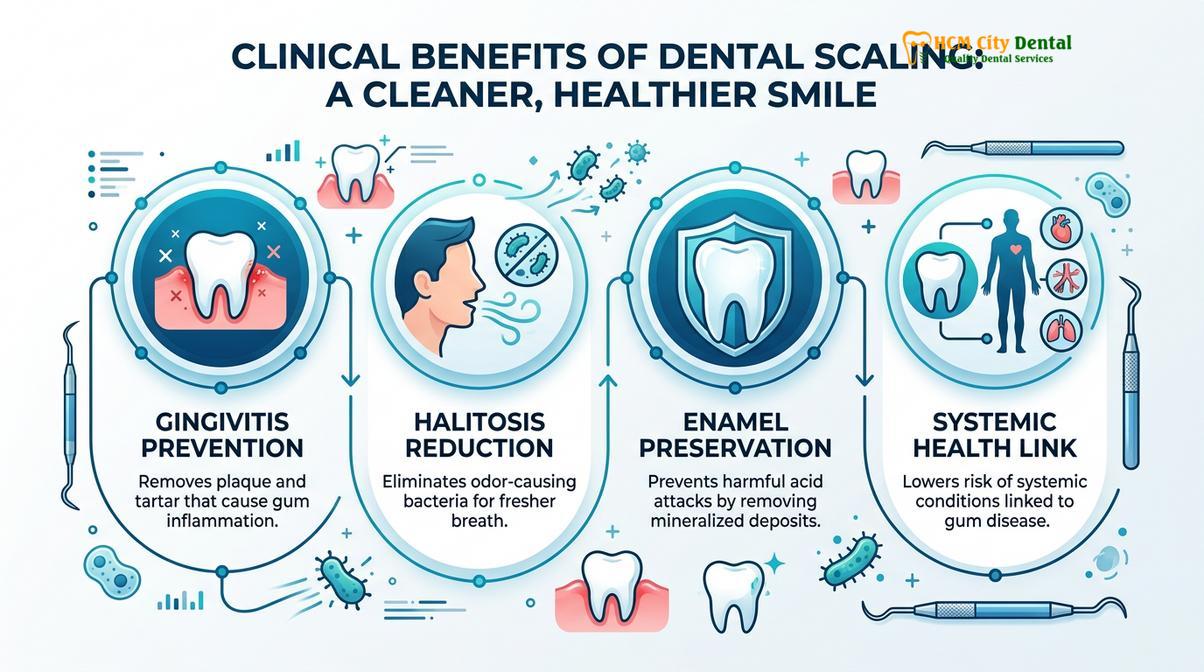
Furthermore, there is a well-documented systemic link between periodontal health and overall well-being. The bacteremia caused by severe periodontitis can exacerbate systemic conditions, complicating glycemic control in diabetic patients and contributing to endothelial dysfunction in cardiovascular disease. For patients struggling with chronic bad breath, scaling is often a highly effective, curative solution. The anaerobic bacteria residing in deep periodontal pockets produce volatile sulfur compounds (VSCs), which are the primary culprits of halitosis. Mechanical removal of these bacterial colonies eliminates the source of the odor. Learn more by reading Can a Professional Dental Cleaning Fix Bad Breath? Clinical Guide.
Cost of Regular Dental Hygiene in Vietnam
The cost of dental scaling in Vietnam is highly competitive, offering world-class periodontal care utilizing advanced technologies like EMS Airflow at a fraction of the price found in Western countries.
When evaluating the cost of regular dental hygiene, it is crucial to view professional scaling not as an expense, but as a vital investment in preventive healthcare. The financial implications of neglecting periodontal maintenance are severe; untreated periodontitis inevitably leads to tooth mobility, requiring costly and invasive restorative procedures such as bone grafting, dental implants, or complex prosthodontics. By maintaining a strict prophylaxis schedule, patients can avoid these exorbitant future costs.
In Vietnam, particularly in major urban centers, the cost of dental scaling is influenced by several clinical factors. The primary determinant is the technology utilized during the procedure. Standard ultrasonic scaling is generally the most economical option. However, clinics that employ advanced protocols like Guided Biofilm Therapy (GBT) using Swiss EMS Airflow technology may charge a premium. This slight increase in cost is justified by the superior patient comfort, the use of specialized erythritol powders, and the enhanced safety profile for delicate restorative work and dental implants.
Another factor influencing the cost is the severity of the patient’s periodontal condition. A routine prophylaxis appointment for a patient with healthy gums requires less clinical time and resources than a full-mouth Scaling and Root Planing (SRP) procedure for a patient with advanced periodontitis. SRP often requires local anesthesia, multiple visits, and the application of localized antimicrobial agents, which naturally increases the overall treatment fee. Despite these variables, Ho Chi Minh City has emerged as a premier destination for dental care, offering internationally trained specialists and state-of-the-art facilities that deliver exceptional value without compromising on clinical excellence or safety standards.
When to Consult a Dentist for Periodontal Care
Recognizing the early warning signs of periodontal distress and adhering to professional recall intervals are crucial steps in preventing irreversible bone loss and maintaining a healthy smile.
Patients should schedule a comprehensive clinical evaluation if they experience persistent symptoms such as gums that bleed easily during brushing or flossing, chronic bad breath that does not resolve with mouthwash, receding gum lines exposing the tooth roots, or teeth that feel slightly mobile upon biting. These are classic, undeniable indicators that subgingival calculus has triggered a severe inflammatory response requiring immediate professional intervention to halt disease progression.
The frequency of dental scaling depends heavily on individual risk factors and the host’s immune response. While a standard prophylaxis appointment every six months is generally sufficient for patients with healthy gingiva and excellent home care, those diagnosed with active periodontitis require more frequent monitoring. Clinical guidelines regarding professional cleaning recall intervals emphasize that periodontal maintenance should occur every three to four months to disrupt biofilm maturation before it can cause further clinical attachment loss[5]. Families looking to establish a consistent routine can explore comprehensive options like the Family Dental Cleaning Package Thao Dien: Clinical Care Guide to ensure proactive care for all ages.
Patient Case Study: Periodontal Recovery in Ho Chi Minh City
A structured, technologically advanced approach to periodontal therapy can reverse severe gingival inflammation and restore oral health, as demonstrated by successful clinical outcomes at specialized dental facilities.
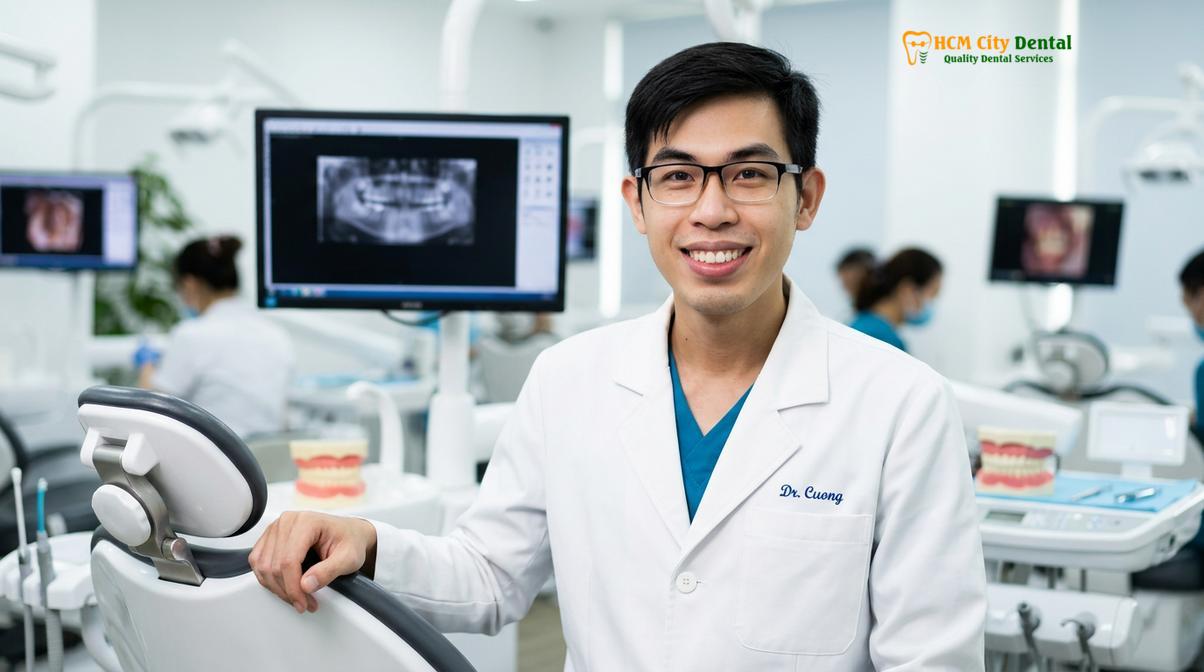
Dr. Nguyen Van Cuong, a dedicated periodontal specialist, emphasizes the critical importance of personalized care in treating complex gum diseases. At HCMC Dental Clinic, Dr. Cuong and the clinical team utilize advanced diagnostics to tailor scaling protocols for each individual patient, ensuring optimal comfort and long-term tissue stability. By integrating modern ultrasonic technology with comprehensive patient education, the clinic consistently achieves excellent clinical results, helping patients regain their confidence and oral function.
Clinical Case Study:
A 45-year-old patient presented to HCMC Dental Clinic in Ho Chi Minh City with generalized gingival erythema, spontaneous bleeding upon probing, and localized periodontal pocket depths of 5-6mm. The patient reported significant dental anxiety, which had prevented them from seeking professional care for over five years. Clinical examination revealed heavy supragingival and subgingival calculus deposits, particularly in the mandibular anterior region.
Intervention: The clinical team implemented a comprehensive Guided Biofilm Therapy (GBT) protocol. Utilizing warm water irrigation and ultra-fine erythritol powder, the biofilm was gently eradicated. This was followed by targeted ultrasonic scaling using a piezoelectric device to fracture the heavy calculus bridges without causing discomfort. Localized antimicrobial irrigation was applied to the deepest pockets.
Outcome: At the 4-week re-evaluation appointment, the patient’s gingival tissues had transitioned from a swollen, erythematous state to a firm, healthy pink. Bleeding upon probing was reduced by 95%, and pocket depths had decreased to a manageable 3mm. The patient reported zero discomfort during the procedure and demonstrated excellent compliance with the newly prescribed home-care routine.
“The transformation in gingival health following a thorough, minimally invasive scaling procedure is truly remarkable. When patients realize that modern debridement can be comfortable and highly effective, they transition from being fearful avoiders to active, engaged participants in their own periodontal maintenance.”
This case highlights the profound impact of professional scaling on restoring oral health. By addressing the root cause of inflammation—the calcified bacterial biofilm—clinicians can halt the progression of periodontal disease and preserve the natural dentition for a lifetime.
References
- Journal of Clinical Periodontology. Guided Biofilm Therapy clinical efficacy and patient comfort.
- International Journal of Dental Hygiene. Ultrasonic scaling versus manual hand scaling in periodontal therapy.
- Journal of Periodontology. Scaling and root planing for the treatment of plaque-induced periodontitis.
- Clinical Oral Investigations. Erythritol air-polishing powder safety on enamel and restorative materials.
- Journal of the American Dental Association. Professional cleaning recall intervals and periodontal maintenance.
- Vietnam Ministry of Health (MOH). National Guidelines on Periodontal Disease Prevention and Treatment.
If you are experiencing signs of gingival inflammation, bleeding gums, or are simply due for your routine periodontal maintenance, do not delay treatment. Proactive care is the key to preserving your natural smile. Contact HCMC Dental Clinic in Ho Chi Minh City today to schedule a comprehensive periodontal evaluation and experience the benefits of advanced, pain-free dental scaling.