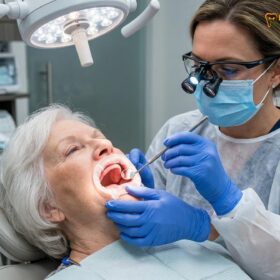
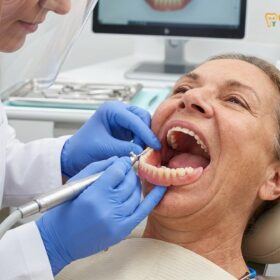
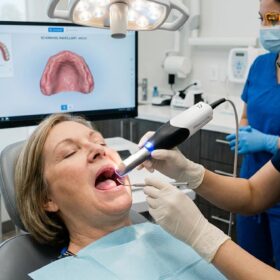
Cast metal dentures are highly durable, removable dental prosthetics featuring a rigid cobalt-chromium framework. They utilize remaining natural teeth for support, offering superior stability, precise fit, and optimal chewing force distribution compared to traditional acrylic alternatives, making them a reliable long-term solution for partial tooth loss.
Clinical Summary:
Cast metal partial dentures represent the gold standard in removable prosthodontics for patients with partial edentulism. Constructed primarily from biocompatible cobalt-chromium alloys, these prostheses rely on a sophisticated biomechanical design involving major connectors, minor connectors, rests, and clasps. This rigid architecture ensures that masticatory forces are efficiently directed along the long axis of the abutment teeth rather than compressing vulnerable soft tissues. By minimizing tissue displacement and maximizing retention, cast metal frameworks offer a highly predictable, comfortable, and long-lasting alternative to flexible or all-acrylic dentures. Advanced digital workflows and hybrid material combinations further enhance their aesthetic and functional outcomes.
Key Takeaways:
- Cast metal dentures utilize a rigid cobalt-chrome framework for exceptional durability and a thinner, more comfortable profile.
- They rely on precise biomechanical components, including occlusal rests and clasps, to anchor securely to natural teeth.
- The rigid design protects underlying gums by transferring chewing forces to the stronger periodontal ligaments of abutment teeth.
- Metal bases offer excellent thermal conductivity, allowing patients to naturally sense the temperature of food and beverages.
- Modern hybrid designs can combine the strength of a metal framework with the aesthetics of tissue-colored flexible clasps.
Anatomy of a Cast Metal Partial: Framework, Rests, and Clasps
The anatomy of a cast metal partial relies on a rigid major connector, minor connectors, occlusal rests, and retentive clasps working synergistically to anchor the prosthesis securely to abutment teeth.
Understanding the structural components of a cast metal denture is essential for appreciating how it functions within the oral cavity. Unlike conventional acrylic dentures that rely heavily on bulk and tissue suction, a cast partial plate is a highly engineered medical device designed to integrate seamlessly with the remaining natural dentition. The foundation of this prosthesis is the major connector, a rigid metal plate or bar that spans the dental arch, connecting the components on one side of the mouth to those on the other. In the upper jaw, this often takes the form of a palatal strap or full palatal plate, while the lower jaw typically utilizes a lingual bar or lingual plate[1].
Branching off from the major connector are the minor connectors. These vital struts serve as the critical link between the major connector and the other functional elements of the denture, such as the rests and clasps. They must be rigid enough to transfer stress effectively while remaining unobtrusive to the tongue and surrounding tissues. The precision of these connectors dictates the overall stability of the prosthesis during speech and mastication.
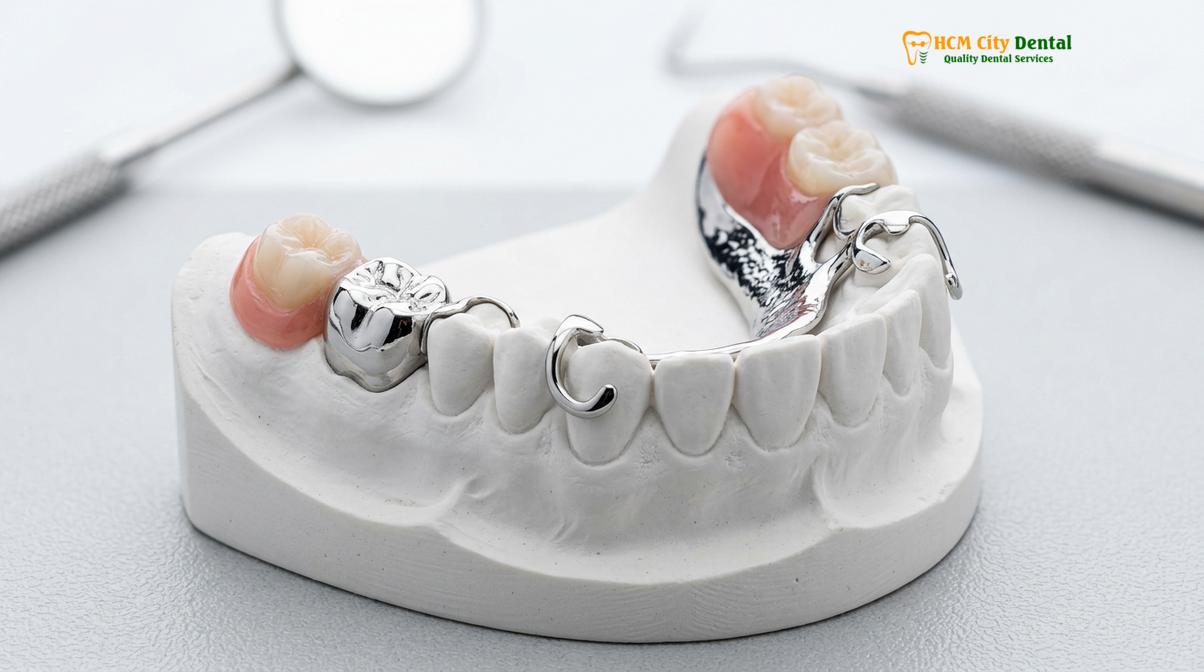
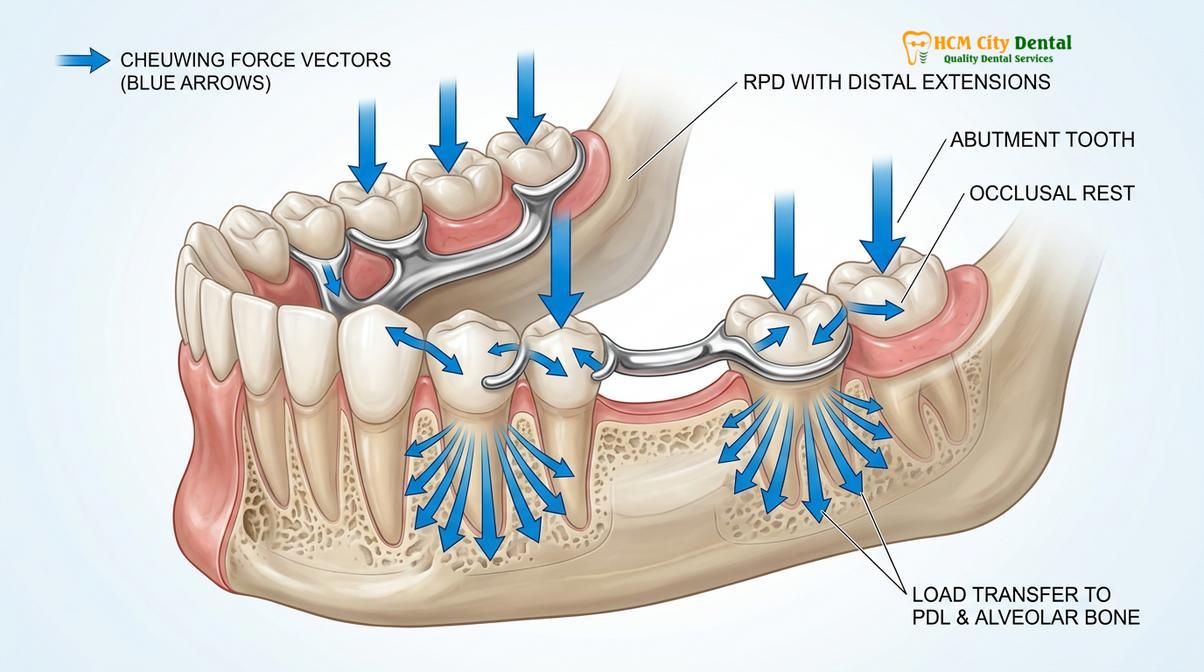
Perhaps the most biomechanically significant components are the occlusal rest seats and the rests themselves. A rest is a small, precisely cast extension of the metal framework that sits within a shallow, conservatively prepared depression (the rest seat) on the biting surface of an abutment tooth. The primary function of the rest is to provide vertical support, preventing the denture from sinking into the soft gingival tissues under the pressure of chewing. By directing forces down the long axis of the tooth, rests protect the periodontium and maintain the prosthesis in its planned anatomical position[2].
Finally, the denture clasp design provides the necessary retention to keep the prosthesis from dislodging during function. Direct retainers, commonly known as clasps, encircle the abutment teeth, engaging specific anatomical undercuts. These clasps are meticulously calibrated to flex slightly upon insertion and removal, yet remain entirely passive when the denture is fully seated. This delicate balance ensures secure retention without exerting continuous, damaging orthodontic forces on the natural teeth.
Why Cobalt-Chrome? Ultimate Strength with Minimum Thickness
Cobalt-chromium alloys provide exceptional tensile strength and rigidity, allowing the denture framework to be cast extremely thin without compromising structural integrity or risking fracture under heavy bite forces.
The material selection for a removable partial denture framework is a critical determinant of its long-term clinical success. For decades, cobalt-chromium (Co-Cr) alloys have been the material of choice in prosthodontics, and for good reason. This specific metallurgical combination offers a unique profile of physical properties that are ideally suited to the harsh, dynamic environment of the human mouth. The inherent rigidity of a cobalt-chrome framework is its most significant advantage, allowing it to resist deformation even under the immense pressures generated during mastication[3].
Because Co-Cr alloys possess such high tensile strength and a high modulus of elasticity, dental laboratories can fabricate frameworks that are remarkably thin. Traditional acrylic dentures require substantial bulk to prevent fracture, which often encroaches on tongue space, alters speech phonetics, and feels cumbersome to the patient. In contrast, a cast metal framework can be designed with a minimal cross-sectional thickness, providing a lightweight, streamlined prosthesis that patients find significantly more comfortable and easier to adapt to.
“The biomechanical superiority of cobalt-chromium lies in its ability to provide maximum rigidity at minimum thickness, ensuring that functional loads are distributed evenly without compromising the patient’s phonetic space or comfort.”
Beyond its mechanical strength, cobalt-chromium is highly biocompatible and resistant to corrosion and tarnish in the oral environment. The oral cavity is constantly exposed to fluctuating pH levels, enzymes, and diverse dietary substances. Co-Cr alloys form a passive oxide layer that protects the metal from degradation, ensuring that the framework remains hygienic, odor-free, and structurally sound over decades of use. While titanium is occasionally used as an alternative for patients with specific metal allergies, Co-Cr remains the industry standard due to its superior castability, adjustability, and proven clinical track record in creating a durable tooth replacement.
Support Mechanisms: Tooth-Borne vs. Tissue-Borne Stability
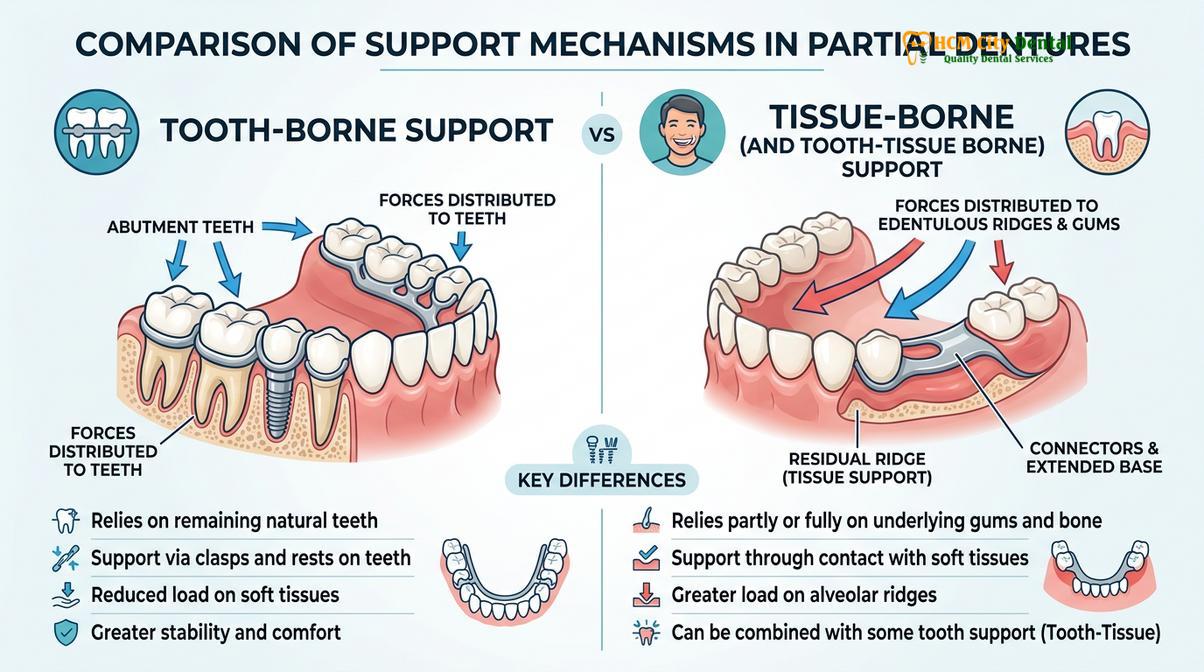
Stability in cast metal dentures is achieved through either tooth-borne support, where abutment teeth bear the load, or a combination of tooth and tissue-borne support for distal extension cases.
The clinical predictability of a cast metal partial denture depends heavily on how it derives its support. In prosthodontics, support refers to the resistance against forces directed toward the tissue. Depending on the pattern of missing teeth—often categorized by the Kennedy Classification system—a partial denture will function primarily as either a tooth-borne or a tooth-and-tissue-borne prosthesis. Understanding this distinction is vital for proper framework design and long-term oral health preservation[4].
A strictly tooth-borne partial denture (typically Kennedy Class III) is utilized when there are natural teeth present on both ends of the edentulous space. In this scenario, the metal framework relies entirely on the abutment teeth for support via the occlusal rests. Because the periodontal ligament of a healthy natural tooth is exceptionally well-equipped to handle vertical loads, a tooth-borne cast partial plate is highly stable, exhibits minimal movement during function, and places virtually no compressive stress on the underlying edentulous ridge.
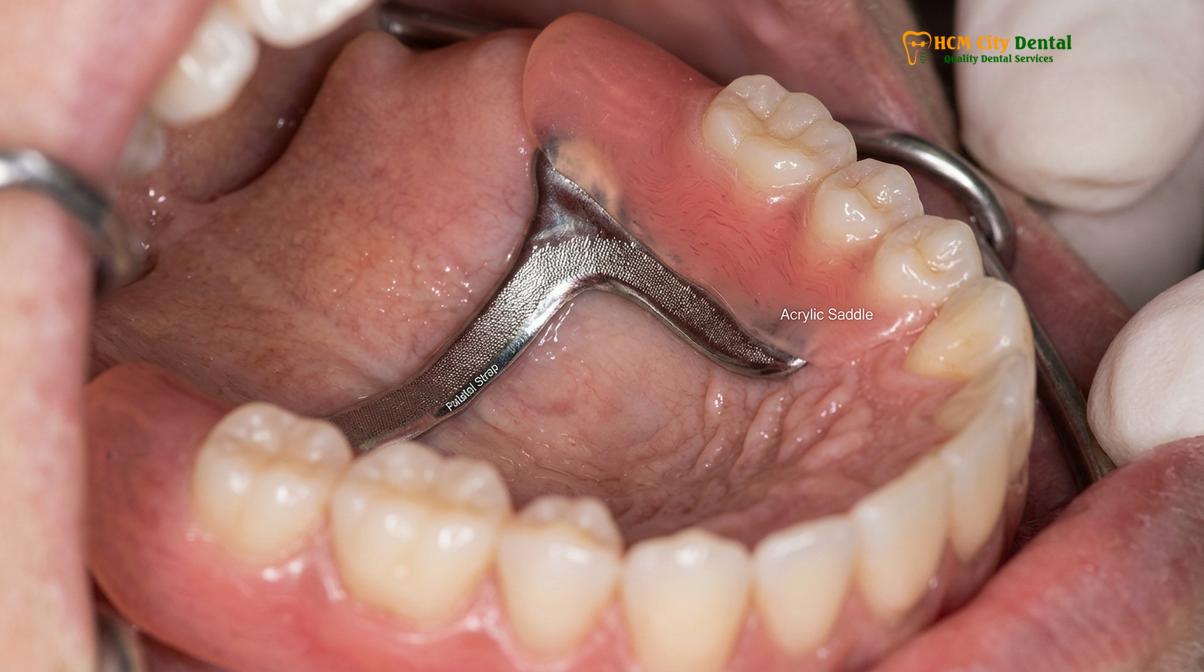
Conversely, a distal extension partial denture (Kennedy Class I or II) involves missing posterior teeth with no terminal abutment tooth at the back of the arch. These prostheses must rely on a combination of tooth support at the anterior abutments and tissue support from the edentulous ridge posteriorly. This dual-support mechanism introduces complex biomechanical challenges, as soft tissue is highly compressible compared to the rigid support of a tooth. To manage this disparity, the framework must be designed with specific stress-releasing clasp assemblies and broad acrylic saddles to maximize tissue coverage and minimize rotational forces.
| Feature | Tooth-Borne Support (Class III) | Tooth & Tissue-Borne (Class I & II) |
|---|---|---|
| Primary Load Bearing | Abutment teeth via occlusal rests | Shared between teeth and edentulous ridge |
| Prosthesis Movement | Virtually none during function | Slight rotational movement under load |
| Clasp Design Requirement | Standard retentive clasps | Stress-breaking or flexible clasp assemblies |
| Tissue Compression | Minimal to none | Moderate; requires broad saddle coverage |
| Long-Term Maintenance | Infrequent relining needed | Periodic relining required as bone remodels |
By carefully analyzing the required support mechanism, a prosthodontist can engineer a framework that harmonizes with the patient’s unique anatomy, ensuring that the prosthesis functions comfortably without accelerating the loss of remaining natural teeth or supporting bone.
Chewing Force Distribution: Protecting Gums from Excessive Pressure
A rigid metal framework effectively transfers masticatory loads away from vulnerable soft tissues and onto the stronger periodontal ligaments of abutment teeth, preventing accelerated ridge resorption.
One of the most profound clinical advantages of a cast metal denture is its ability to manage and distribute chewing forces. The human jaw can exert significant pressure during mastication, and how a dental prosthesis handles this load directly impacts the health of the underlying tissues. Flexible or all-acrylic partial dentures, lacking a rigid substructure, tend to flex under pressure. This flexion concentrates the chewing force directly onto the soft gingival tissues and the underlying alveolar bone, often leading to chronic soreness, inflammation, and accelerated bone resorption over time[5].
A cobalt-chrome framework fundamentally alters this dynamic through optimal chewing force distribution. Because the metal is entirely rigid, it acts as a unified structural beam. When a patient bites down on the artificial teeth, the force is intercepted by the metal framework and immediately channeled through the minor connectors and into the occlusal rest seats located on the natural abutment teeth. The natural teeth, supported by their periodontal ligaments, are biologically designed to absorb and dissipate these vertical forces safely.
Clinical Warning: Wearing an ill-fitting or poorly designed partial denture that places excessive, uncontrolled pressure on the edentulous ridge can lead to rapid and irreversible alveolar bone loss. Regular clinical evaluations are necessary to ensure the prosthesis continues to distribute forces correctly.
This redirection of force is crucial for protecting the edentulous ridge. By preventing the denture base from sinking deeply into the gums, the rigid framework preserves the soft tissue architecture and slows the natural process of bone atrophy that occurs after tooth extraction. Furthermore, the proprioceptive feedback provided by the periodontal ligaments of the loaded abutment teeth allows the patient to subconsciously regulate their bite force, resulting in a more natural and efficient chewing experience compared to tissue-borne alternatives.
Thermal Conductivity: Enjoying the Cold and Hot Sensation of Foods
Unlike insulating acrylic bases, metal frameworks conduct temperature rapidly, allowing patients to naturally perceive the heat and cold of their meals, which enhances the overall sensory experience of eating.
A frequently overlooked but highly appreciated benefit of cast metal dentures is their thermal conductivity. The sensory experience of eating is not limited to taste and texture; temperature perception plays a massive role in how we enjoy our food and beverages. Traditional acrylic resins used in standard dentures are excellent thermal insulators. When a patient wears a bulky acrylic upper denture that covers the palate, they lose a significant portion of their ability to feel the temperature of what they are consuming, which can make meals feel dull and less satisfying.
Because metals are excellent conductors of heat, a cobalt-chrome framework instantly transmits thermal changes from the oral environment to the underlying palatal or lingual tissues. When a patient sips hot tea or eats cold ice cream, the temperature is rapidly felt through the metal base. This immediate sensory feedback not only enhances the gustatory experience, making meals more enjoyable, but it also serves an important protective function. The ability to quickly detect extreme heat helps prevent accidental scalding of the throat and esophagus, a common risk for patients wearing thick, insulating acrylic prostheses.
This thermal responsiveness, combined with the minimal thickness of the metal, allows the prosthesis to feel less like a foreign object and more like a natural extension of the oral cavity, significantly improving patient acceptance and daily comfort.
Combining Materials: Metal Frameworks with Valplast Aesthetic Clasps
Hybrid partial dentures merge the biomechanical stability of a rigid metal framework with the aesthetic advantages of flexible, tissue-colored thermoplastic clasps in the visible smile zone.
While the biomechanical superiority of a cast metal framework is undisputed, the traditional use of visible metal clasps can be an aesthetic concern for some patients, particularly when the abutment teeth are located in the anterior (front) of the mouth. To address this, contemporary prosthodontics has developed hybrid denture designs that combine the best properties of different materials to achieve both optimal function and superior aesthetics.
A hybrid partial denture utilizes a standard cobalt-chrome framework for the major connector, rests, and posterior retentive elements, ensuring absolute rigidity and proper force distribution. However, in the highly visible aesthetic zones, the traditional metal clasps are replaced with flexible, tissue-colored or clear thermoplastic materials, such as Valplast or acetal resin. These aesthetic clasps blend seamlessly with the natural gingiva or tooth structure, rendering the retentive mechanisms virtually invisible when the patient smiles or speaks.
Clinical Case Highlight: A patient presented to HCMC Dental Clinic in Ho Chi Minh City requiring replacement of missing upper premolars. To satisfy both functional demands and high aesthetic expectations, Dr. Nguyen Van Cuong designed a hybrid prosthesis. The rigid metal framework provided essential palatal support, while pink thermoplastic clasps were utilized on the anterior abutments, resulting in a highly stable, virtually seamless smile restoration.
This combination approach requires meticulous laboratory fabrication, as the flexible resin must be securely mechanically retained within the metal framework. When executed correctly, a hybrid denture offers a durable tooth replacement that does not compromise the patient’s confidence. It represents a sophisticated evolution in denture clasp design, proving that patients no longer have to choose between biomechanical stability and a beautiful, natural-looking smile.
When to See a Doctor for Prosthodontic Evaluation
Determining the most appropriate type of removable prosthesis requires a comprehensive clinical and radiographic examination. While cast metal dentures offer numerous advantages, they are not universally suitable for every patient. The success of a metal framework relies entirely on the health, stability, and periodontal support of the remaining natural teeth. Patients experiencing partial tooth loss should seek a professional evaluation to determine their candidacy for this treatment.
You should schedule a consultation with a dental professional if you are currently wearing an acrylic partial denture that feels bulky, causes gagging, or frequently breaks. Additionally, if you notice increased mobility in your remaining teeth, chronic gum soreness, or difficulty chewing tough foods, a transition to a rigid cast metal framework may be clinically indicated. During your visit, the dentist will assess your periodontal health, evaluate the structural integrity of potential abutment teeth, and analyze your occlusal (bite) relationship.
“The longevity of a cast metal denture is intrinsically linked to the health of the abutment teeth. Regular professional maintenance and meticulous home care are non-negotiable requirements for long-term success.” — Dr. Nguyen Van Cuong
Contraindications for cast metal dentures typically include severe, untreated periodontal disease, rampant dental caries, or a lack of suitable abutment teeth to support the framework. In such cases, alternative treatments, such as exploring dental implants or addressing the foundational gum health through periodontal therapy, must be prioritized before a definitive prosthesis can be fabricated. For patients seeking comprehensive General Dentistry care and personalized prosthodontic solutions, visiting our dental clinic in Ho Chi Minh City ensures a thorough diagnostic approach tailored to your specific oral health needs.
Frequently Asked Questions
Are cast metal partial dentures heavy or uncomfortable?
No, cast metal partial dentures are typically lighter and less bulky than traditional acrylic dentures. Because the cobalt-chrome alloy is exceptionally strong, the framework can be cast very thin, allowing it to rest comfortably against the palate and gums without feeling intrusive or heavy during daily function. This streamlined design significantly improves tongue space and speech clarity, making the adaptation period much shorter and more comfortable for the patient.
Will the metal clasps show when I smile or talk?
Visibility depends entirely on the location of the missing teeth and the specific denture clasp design used. While traditional metal clasps on front teeth may be visible, modern hybrid designs can incorporate tooth-colored or clear thermoplastic clasps in the aesthetic zone to ensure a natural, seamless smile. Your dentist will carefully evaluate your smile line and design the framework to hide retentive elements whenever clinically possible.
How long do cobalt-chrome partial dentures last compared to acrylic?
Cobalt-chrome partial dentures routinely last ten to fifteen years or longer with proper care, significantly outlasting acrylic alternatives. Their rigid metal framework resists fracture, warping, and wear, whereas acrylic dentures are more prone to fatigue, breakage, and require more frequent relining or complete replacement over time. However, the lifespan of the prosthesis also depends heavily on the continued health of the supporting natural teeth.
Can a cast metal denture be adjusted if I lose another natural tooth?
Yes, in many cases, a cast metal denture can be modified to accommodate the loss of an additional tooth. A skilled dental laboratory can weld new retentive elements or add acrylic saddles and artificial teeth to the existing framework, though this depends on the original design and remaining abutments. It is crucial to consult your dentist immediately if a supporting tooth is compromised to evaluate if an addition is feasible.
How do I clean and maintain a metal framework denture?
You should clean your metal framework denture daily using a soft-bristled denture brush and a non-abrasive denture cleaner. Avoid using regular toothpaste, which can scratch the acrylic portions, and never use bleach-based solutions, as they can tarnish, corrode, or weaken the cobalt-chrome metal components. Additionally, removing the denture at night allows your gum tissues to rest and prevents the accumulation of harmful bacteria.
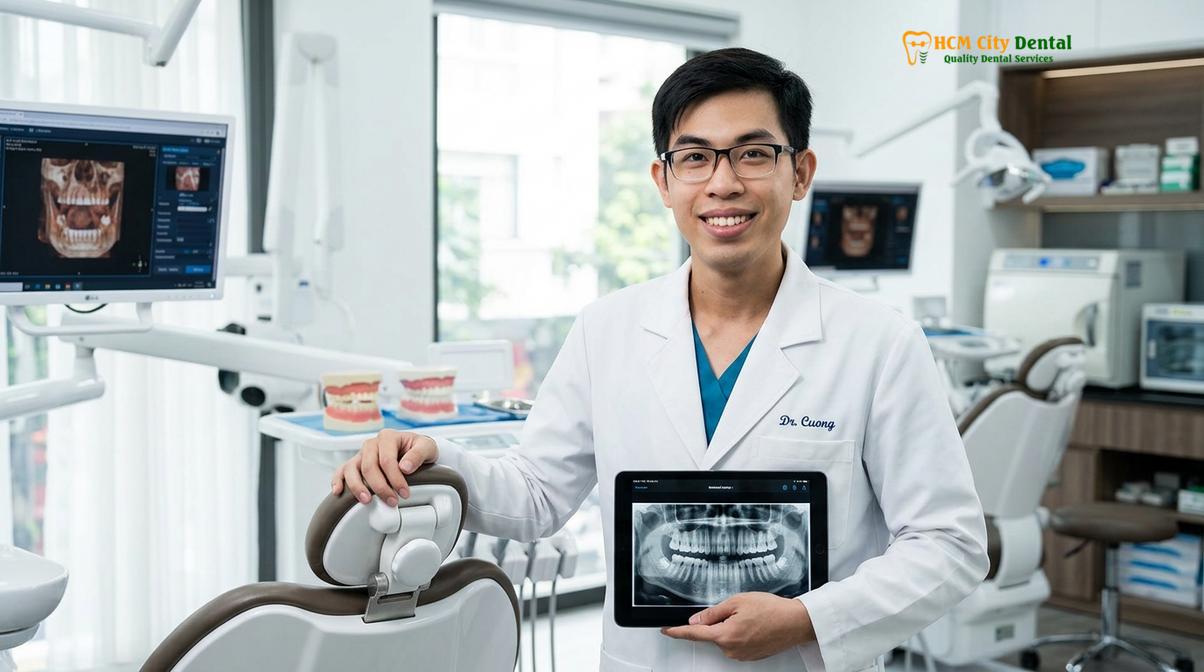
For more information on restoring your smile with precision prosthetics, or to schedule a comprehensive evaluation with our expert team, please visit the about us page or explore our primary dentures hub to learn more about the advanced restorative options available at HCMC Dental Clinic.
References
- Journal of Prosthetic Dentistry. Biomechanical considerations in removable partial denture design. (2021).
- International Journal of Prosthodontics. Clinical evaluation of cobalt-chromium vs. titanium frameworks. (2020).
- British Dental Journal. Stress distribution in tooth-borne and tissue-borne partial dentures. (2019).
- Journal of Oral Rehabilitation. Thermal perception and patient satisfaction with metal-based prosthetics. (2022).
- Clinical Oral Investigations. Hybrid removable partial dentures: combining metal frameworks with thermoplastic clasps. (2023).