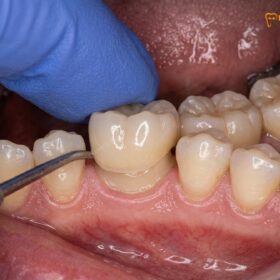
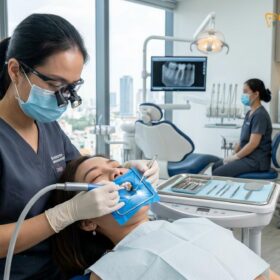
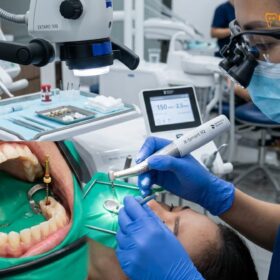
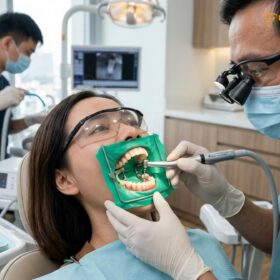
Expat dental insurance in Vietnam typically covers routine check-ups, emergency interventions, and major restorative procedures like endodontic therapy, depending on your outpatient policy limits. Navigating direct billing networks and understanding specific medical coding requirements ensures seamless reimbursement for high-quality clinical care at international standard facilities.
Clinical Summary:
Securing comprehensive dental care as an expatriate in Vietnam requires a thorough understanding of how international health insurance policies interface with local clinical practices. Expat dental insurance in Vietnam is generally categorized into preventive, basic restorative, and major restorative tiers, each with distinct clinical prerequisites, waiting periods, and documentation standards. While routine prophylaxis and minor composite restorations are straightforward, complex interventions—such as endodontic therapy or prosthodontics—demand rigorous clinical justification, including pre-operative radiographs and standardized diagnostic coding. Navigating the choice between direct billing networks and pay-and-claim protocols is essential for managing out-of-pocket expenses. Clinics equipped to handle international patients integrate advanced clinical diagnostics with precise administrative workflows, ensuring that treatments not only meet global medical standards but also satisfy the stringent evidentiary requirements of major global insurers.
Key Takeaways:
- Dental benefits are typically structured into preventive, basic, and major restorative categories, dictating coverage limits.
- Major procedures require clinical proof of medical necessity, often involving pre-authorization and radiographic evidence.
- Emergency travel insurance generally restricts coverage to immediate pain relief, excluding definitive restorative care.
- Direct billing minimizes upfront costs, while pay-and-claim requires meticulous itemized clinical documentation.
- Standardized international coding (CDT/ICD) is mandatory for successful cross-border insurance reimbursement.
Understanding Expat Health Insurance: Outpatient Dental Benefit
Outpatient dental benefits for expatriates generally categorize treatments into routine, major restorative, and orthodontic care, with distinct waiting periods and co-payment structures dictating the extent of financial coverage for clinical procedures.
For expatriates residing in Vietnam, securing robust healthcare coverage is a primary concern, and dental care represents a critical component of overall systemic health. Unlike nationalized healthcare systems that may offer universal basic dental coverage, the expatriate healthcare landscape relies heavily on private, international insurance policies. Understanding the nuances of the outpatient dental benefit is essential for maximizing coverage and ensuring access to high-quality clinical care without unexpected financial burdens. Dental insurance is fundamentally designed to manage risk, and insurers categorize clinical procedures based on their complexity, cost, and predictability[1].

Classification of Dental Procedures
International health insurance policies typically stratify dental procedures into three distinct clinical categories. Understanding these classifications is vital, as they determine reimbursement rates, annual limits, and the necessity for pre-authorization.
- Class I: Preventive and Diagnostic Care. This category encompasses routine clinical evaluations, prophylaxis (professional scaling and polishing), topical fluoride applications, and standard intraoral radiographs (bitewings). Insurers prioritize these services because preventive care significantly reduces the incidence of complex, high-cost pathologies. Coverage is often comprehensive, frequently reimbursing at a high percentage with minimal waiting periods.
- Class II: Basic Restorative Care. Basic restorative procedures address moderate dental pathologies. This includes direct composite or amalgam restorations (fillings) for caries management, simple non-surgical extractions, and routine periodontal scaling and root planing for early-stage gum disease. These interventions are clinically necessary to halt disease progression and restore basic function.
- Class III: Major Restorative Care. This tier covers complex, high-cost clinical interventions required to salvage severely compromised dentition or replace missing teeth. Procedures in this category include comprehensive endodontic therapy, the fabrication of indirect restorations (crowns, inlays, onlays), fixed partial dentures (bridges), and surgical implant placement. Because these treatments involve advanced clinical skills, specialized materials, and significant laboratory costs, insurers typically impose strict waiting periods, lower reimbursement percentages, and mandatory pre-authorization protocols.
The Concept of Medical Necessity in Dentistry
A foundational principle of expat dental insurance is the requirement of “medical necessity.” Insurers do not approve claims based solely on patient preference; the proposed treatment must be clinically justified to treat a diagnosed pathology. For example, replacing an intact, functional amalgam filling with a composite resin restoration purely for aesthetic reasons is generally classified as elective cosmetic dentistry and excluded from coverage. Conversely, if that same amalgam restoration exhibits marginal leakage, secondary caries, or structural failure, its replacement becomes a medically necessary basic restorative procedure.
“Insurance providers evaluate dental claims through a strict clinical lens. The presence of active disease, structural compromise, or acute infection must be unequivocally documented to satisfy the criteria for medical necessity and trigger benefit coverage.”
This requirement underscores the importance of choosing a clinic that maintains rigorous diagnostic standards. Comprehensive periodontal charting, vitality testing, and high-resolution radiographic imaging are not just clinical tools; they are the evidentiary foundation of a successful insurance claim.
International Insurers: Cigna, Allianz, Bupa, and Luma Coverage
Leading global insurers provide tiered dental coverage in Vietnam, requiring patients to verify annual limits, pre-authorization mandates, and specific network inclusions before commencing complex clinical treatments.
The expatriate insurance market in Vietnam is dominated by several major international providers, each offering distinct policy structures and administrative workflows. Navigating the specific requirements of these insurers is crucial for a smooth clinical experience. Providers such as Cigna, Allianz, Bupa, and Luma have established extensive networks and protocols designed to standardize care and manage costs across borders[2].
Navigating Specific Insurer Protocols
While the core principles of dental insurance remain consistent, the administrative execution varies significantly among providers. Understanding these nuances can prevent claim denials and out-of-pocket surprises.
Cigna Global: Cigna is renowned for its extensive global network and streamlined administrative processes. For expatriates managing Cigna dental claims HCMC, the process is often facilitated by clinics that have established direct billing agreements. Cigna typically requires detailed clinical narratives for major restorative work. For instance, if a patient requires a crown, Cigna’s clinical review team will look for evidence of extensive structural loss that cannot be predictably restored with a direct filling.
Allianz Care: Allianz provides comprehensive coverage but is known for its stringent pre-authorization requirements, particularly for Class III procedures. An Allianz healthcare expat VN policyholder requiring complex endodontic treatment must ensure their clinic submits a detailed treatment plan, complete with pre-operative periapical radiographs and a definitive diagnosis (e.g., irreversible pulpitis or apical periodontitis), before treatment commences. Failure to secure this pre-approval can result in a complete denial of the claim, regardless of clinical necessity.
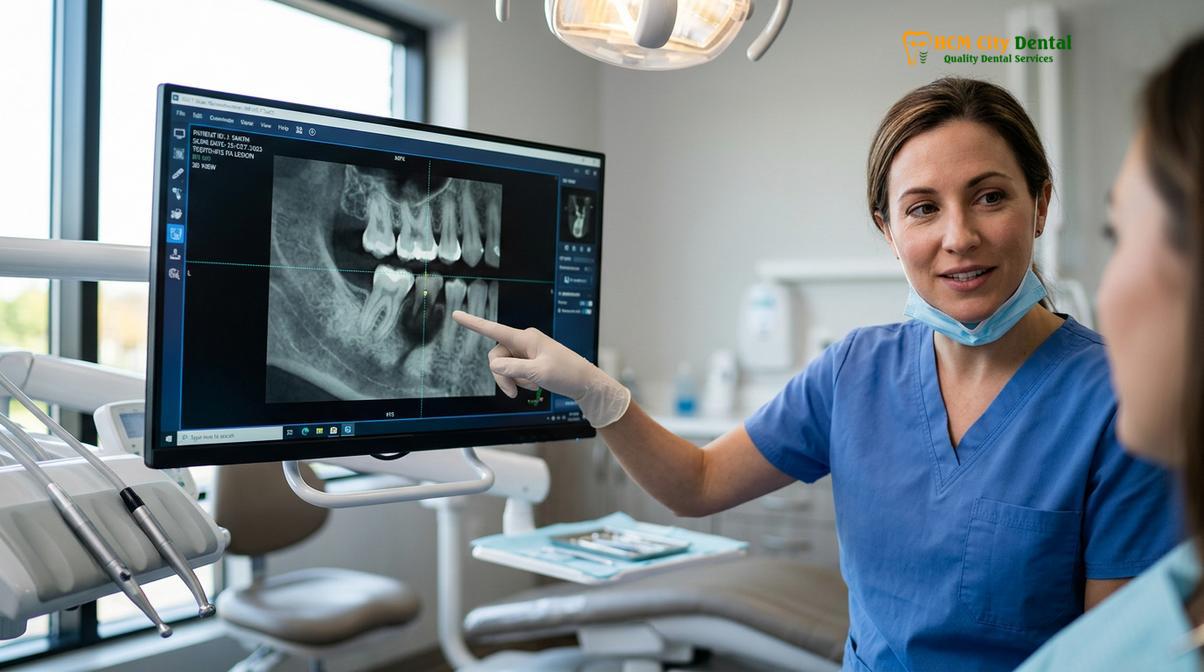
Bupa Global: Bupa policies often feature robust preventive benefits and clear guidelines on major restorative care. They frequently utilize specific proprietary claim forms that must be completed and signed by the attending dental surgeon. Bupa’s clinical reviewers pay close attention to waiting periods; a common pitfall for new expatriates is seeking major restorative care before the mandatory 6- to 12-month waiting period has elapsed.
Luma Health: Luma is highly popular among expatriates in Southeast Asia, offering tailored regional coverage. Their dental riders are often modular, allowing patients to select the level of coverage that suits their needs. Luma’s claims process emphasizes clear, itemized invoicing that separates clinical fees, material costs, and facility charges.
The Role of the Attending Clinician
The success of an insurance claim is heavily dependent on the attending clinician’s ability to communicate the diagnosis effectively. Dr. Nguyen Van Cuong emphasizes that clinical documentation must bridge the gap between the treatment room and the insurer’s review board. “When we diagnose a complex case, we are not just planning the clinical intervention; we are simultaneously building the evidentiary dossier required by the insurer. A diagnosis of ‘toothache’ is insufficient; we must provide a precise pathological diagnosis supported by objective clinical data.”
Emergency Travel Insurance: What Counts as an Urgent Dental Crisis?
Emergency dental coverage under travel policies is strictly limited to immediate pain relief and infection control, excluding definitive restorative treatments unless directly resulting from acute facial trauma.
A common and often costly misconception among expatriates and tourists is the extent of dental coverage provided by standard travel insurance or basic health policies. While comprehensive expat dental insurance covers a broad spectrum of care, emergency travel insurance is governed by a very narrow clinical definition of what constitutes a dental crisis. The primary objective of these policies is stabilization, not definitive restoration[3].
Defining the Dental Emergency
From an insurance perspective, a dental emergency is an acute condition requiring immediate clinical intervention to alleviate severe pain, control active hemorrhage, or manage a spreading infection. Routine issues, such as a lost filling without associated pain, asymptomatic chipped teeth, or the need for a routine cleaning, do not meet this threshold.
Common scenarios that qualify as dental emergencies include:
- Acute Irreversible Pulpitis: Severe, spontaneous pain caused by irreversible inflammation of the dental pulp, often secondary to deep caries or trauma.
- Acute Apical Abscess: A localized collection of pus at the apex of a tooth root, presenting with significant swelling, pain on percussion, and potential systemic involvement (fever, lymphadenopathy).
- Dental Trauma: Avulsion (complete displacement of a tooth from its socket), luxation (displacement), or complicated crown fractures exposing the pulp, resulting from an accident or injury.
Palliative Care vs. Definitive Treatment
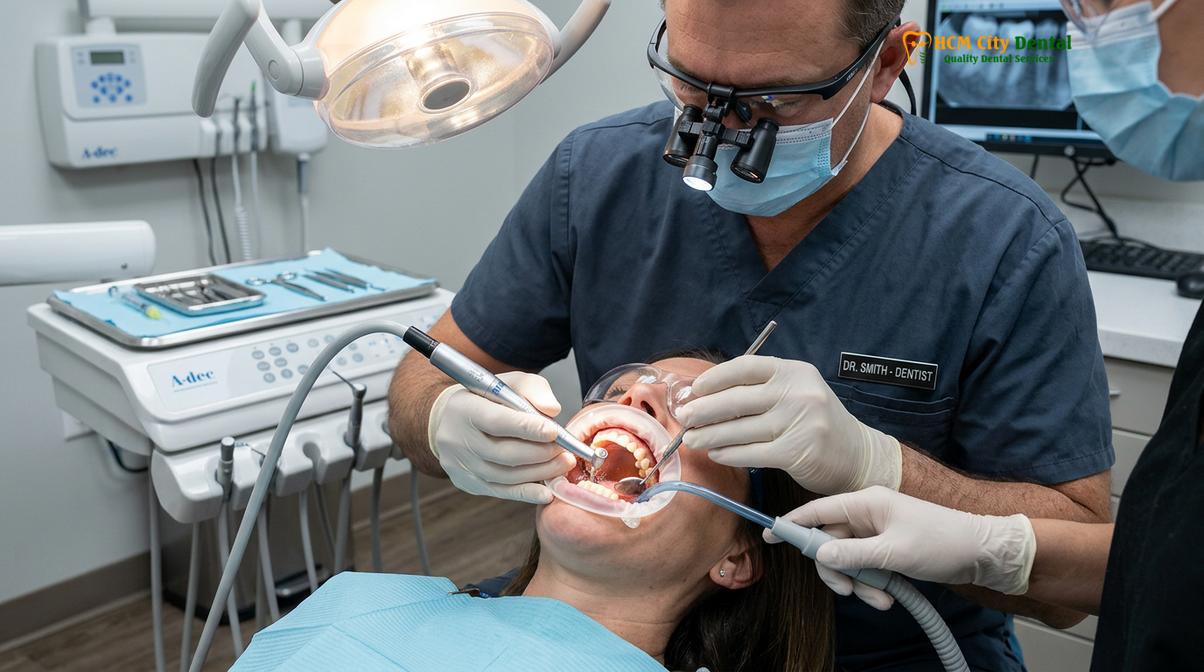
The critical distinction in emergency coverage lies between palliative care and definitive treatment. Travel insurance typically covers only the palliative phase—the immediate steps taken to stabilize the patient and relieve acute symptoms.
Consider a patient presenting with acute irreversible pulpitis. The definitive treatment for this condition is comprehensive endodontic therapy (a full root canal) followed by a protective crown. However, an emergency travel policy will usually only cover the initial emergency intervention: the extirpation (removal) of the inflamed pulp tissue and the placement of a sedative temporary dressing. This procedure, known as a pulpectomy or emergency pulp extirpation, effectively eliminates the pain and stabilizes the tooth, allowing the patient to return to their home country for definitive care. The subsequent steps of cleaning, shaping, and obturating the canal system, as well as the final restoration, are generally excluded from emergency coverage.
Clinical Warning: Relying solely on emergency travel insurance for dental care can lead to incomplete treatment. A tooth that has received only emergency palliative care (such as a temporary filling after pulp extirpation) remains structurally vulnerable and susceptible to reinfection. Definitive restorative treatment must be pursued promptly to ensure the long-term survival of the tooth.
Patients must carefully review their policy documents to understand these limitations. Attempting to claim a full ceramic crown under an emergency travel policy will almost certainly result in a denial, as the crown is considered a definitive, non-emergency restoration.
Direct Billing vs. Pay-and-Claim Reimbursement Protocols
Direct billing allows the clinic to invoice the insurer directly for approved treatments, whereas pay-and-claim requires the patient to settle the clinical fees upfront and submit standardized documentation for subsequent reimbursement.
The financial mechanics of utilizing expat dental insurance in Vietnam generally fall into two distinct administrative workflows: direct billing (cashless treatment) and pay-and-claim (reimbursement). The availability of these options depends on the specific insurer, the patient’s policy tier, and the clinic’s established administrative networks.
The Direct Billing Workflow
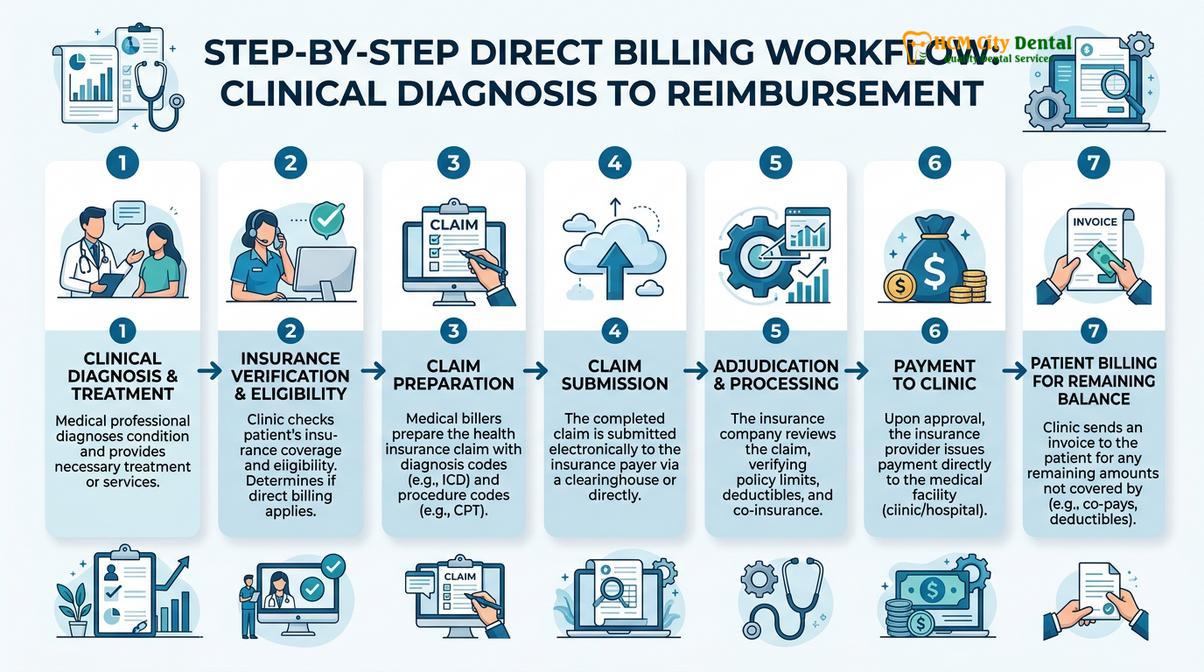
A direct billing dental clinic Saigon offers a significantly streamlined experience for the patient. In this model, the clinic has a formal agreement with the insurance provider. The clinic verifies the patient’s coverage, obtains necessary pre-authorizations, and invoices the insurer directly for the covered portion of the clinical fees. The patient is only responsible for paying any applicable deductibles, co-payments, or costs exceeding their annual limit at the time of service.
This process is highly advantageous for complex, high-cost procedures. However, direct billing is not automatic. It requires the clinic’s administrative team to submit a detailed pre-authorization request, which includes the proposed treatment plan, diagnostic codes, and supporting clinical evidence (such as X-rays). The insurer’s medical review board then evaluates the request to confirm medical necessity before approving the direct billing arrangement.
The Pay-and-Claim Workflow
In the pay-and-claim model, the patient assumes the initial financial responsibility. The patient pays the clinic in full upon completion of the treatment and subsequently submits a claim to their insurer for reimbursement. While this requires upfront capital, it offers greater flexibility, allowing patients to seek care at any licensed facility, regardless of whether the clinic is part of the insurer’s direct billing network.
The success of a pay-and-claim submission hinges entirely on the quality of the documentation provided by the clinic. A simple receipt is insufficient. The patient must submit a comprehensive, itemized invoice detailing every clinical procedure performed, accompanied by the relevant diagnostic codes and the attending dentist’s signature.
Comparing the Administrative Models
| Feature | Direct Billing (Cashless) | Pay-and-Claim (Reimbursement) |
|---|---|---|
| Upfront Out-of-Pocket Cost | Low (Only co-pays/deductibles) | High (Full cost of treatment) |
| Clinic Choice | Restricted to network providers | Flexible (Any licensed facility) |
| Administrative Burden on Patient | Minimal (Handled by clinic) | Moderate (Patient submits forms) |
| Pre-authorization Requirement | Usually mandatory for major work | Recommended, but sometimes optional |
| Processing Time | Immediate at checkout | 2-4 weeks for reimbursement |
Regardless of the chosen method, transparent communication between the patient, the clinical team, and the administrative staff is essential to ensure that the financial aspects of care do not overshadow the clinical objectives.
Documentation Requirements: Itemized Invoices, Medical Codes, and X-Rays
Successful insurance reimbursement relies on precise clinical documentation, including standardized diagnostic codes, pre- and post-operative radiographs, and detailed itemized invoices reflecting the exact nature of the dental intervention.
The intersection of clinical dentistry and insurance administration is defined by documentation. Insurers operate on the principle that if a procedure is not properly documented, it did not happen—or at least, it was not medically justified. Providing comprehensive clinical evidence is the most critical step in securing coverage for dental treatments[4].
Standardized Diagnostic and Procedural Coding
International insurers require standardized coding to process claims efficiently and accurately. The most widely recognized system is the Current Dental Terminology (CDT) code set, maintained by the American Dental Association, though some insurers may also require International Classification of Diseases (ICD-10) diagnostic codes.
Accurate coding is paramount. For example, a generic invoice stating “Tooth Filling” is highly likely to be rejected or delayed. Instead, the invoice must specify the exact nature of the restoration using precise codes, such as “D2392 – Resin-based composite, two surfaces, posterior.” This level of detail informs the insurer about the material used, the extent of the decay, and the specific tooth involved, allowing them to apply the correct benefit tier.
The Critical Role of Radiographs
Radiographs (X-rays) are the objective, visual proof of dental pathology. For major restorative procedures, insurers almost universally require radiographic evidence to substantiate the claim of medical necessity.
- Pre-operative Radiographs: These images demonstrate the existing pathology before any intervention occurs. For a root canal claim, a pre-operative periapical X-ray must clearly show the extent of the carious lesion approaching the pulp chamber or the presence of a periapical radiolucency (infection at the root tip).
- Post-operative Radiographs: These images verify that the treatment was completed to an acceptable clinical standard. Following endodontic therapy, a post-operative X-ray is required to demonstrate that the root canal system has been fully obturated (filled) to the radiographic apex without significant voids.
“Comprehensive documentation is the universal language of dental insurance. High-quality radiographs, precise periodontal charting, and accurate procedural coding transform subjective clinical observations into objective, verifiable data that insurers require to authorize benefits.”
In complex cases, additional diagnostic modalities, such as 3D Cone Beam Computed Tomography (CBCT), may be necessary to demonstrate intricate root anatomies or hidden pathologies that justify specialized interventions.
How HCMC Dental Assists Expats and Tourists with Claims Forms
Our dedicated administrative team collaborates closely with clinical staff to provide comprehensive, accurately coded documentation, streamlining the insurance claim process for expatriates and international visitors.
Navigating the complexities of international dental insurance can be daunting, particularly when dealing with the stress of a dental emergency or the prospect of complex restorative care. At HCMC Dental Clinic, we recognize that providing exceptional clinical care is only part of our responsibility; we must also support our patients through the administrative hurdles of insurance claims[5].
Bridging the Clinical and Administrative Divide
Our approach integrates clinical diagnostics with administrative expertise. When a patient presents for a consultation, our clinical team, led by experienced practitioners like Dr. Nguyen Van Cuong, conducts a thorough examination utilizing advanced diagnostic imaging. The resulting treatment plan is not merely a list of procedures; it is a comprehensive clinical narrative designed to meet the stringent requirements of international insurers.
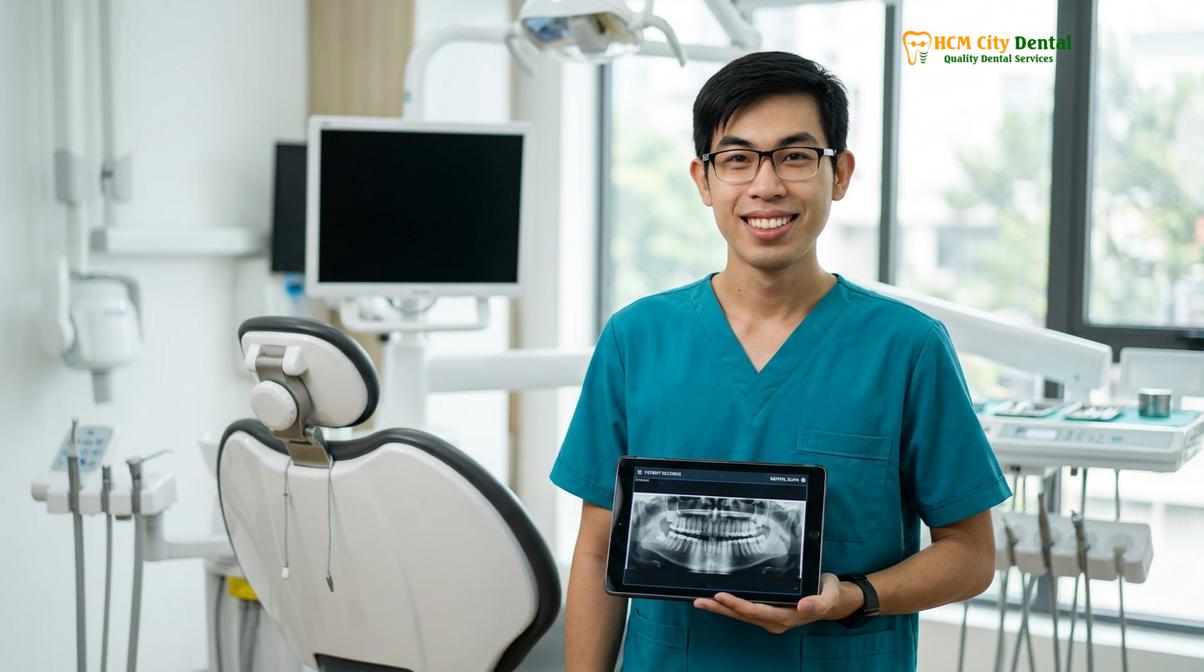
Our administrative staff is well-versed in the specific protocols of major global insurers. We assist patients by:
- Verifying Coverage: Reviewing policy documents to clarify benefit limits, waiting periods, and specific inclusions or exclusions.
- Preparing Pre-authorization Dossiers: Compiling the necessary clinical evidence, including high-resolution digital radiographs, intraoral photographs, and detailed treatment rationales, to secure approval for major procedures before treatment begins.
- Generating Itemized Invoices: Ensuring that all clinical interventions are accurately translated into standardized international codes (CDT/ICD) to facilitate smooth processing by the insurer’s review board.
- Completing Claim Forms: Assisting with the accurate completion of specific insurer claim forms, ensuring all required clinical signatures and stamps are present.
Clinical Case Study: Managing an Expat Emergency Claim
An expatriate patient presented to HCMC Dental Clinic in Ho Chi Minh City with acute, spontaneous pain in a lower molar, indicative of irreversible pulpitis. The patient held a comprehensive international policy but was unsure of the coverage details. Our clinical team immediately performed an emergency pulp extirpation to alleviate the acute pain. Concurrently, our administrative team compiled the pre-operative radiographs and clinical notes, submitting a pre-authorization request for the definitive endodontic therapy and subsequent crown restoration. By clearly documenting the medical necessity and separating the emergency palliative care from the definitive restorative phase, we successfully secured full authorization for the complete treatment plan, minimizing the patient’s out-of-pocket expenses and ensuring the long-term survival of the tooth.
By providing this comprehensive support, we aim to remove the administrative burden from our patients, allowing them to focus entirely on their clinical recovery and oral health.
When to See a Doctor: Clinical and Administrative Considerations
Determining when to seek dental care involves balancing clinical urgency with administrative protocols. Delaying necessary treatment due to insurance uncertainties can lead to the exacerbation of dental pathologies, transforming a simple, easily covered basic restoration into a complex, high-cost major procedure.
You should seek immediate clinical evaluation if you experience:
- Severe, unremitting tooth pain that disrupts sleep or daily activities.
- Visible swelling of the face, gums, or neck, which may indicate a spreading infection.
- Trauma resulting in a fractured, displaced, or avulsed tooth.
- Unexplained bleeding from the gingival tissues.
In these acute scenarios, clinical stabilization takes precedence over administrative pre-authorization. Seek emergency care immediately; the clinic can assist with the necessary documentation for retrospective claims. For non-urgent, major restorative needs (such as replacing missing teeth or addressing chronic, asymptomatic decay), it is advisable to schedule a comprehensive consultation first. This allows the clinical team to develop a detailed treatment plan and secure the necessary insurance pre-authorizations before commencing the intervention, ensuring you are fully aware of your coverage and any potential out-of-pocket costs.
For personalized guidance on navigating your specific insurance policy and to schedule a comprehensive clinical evaluation, contact our experienced team at HCMC Dental Clinic.
Frequently Asked Questions
Does international travel insurance cover root canals in Vietnam?
International travel insurance typically only covers emergency palliative care to relieve acute pain, not definitive root canal therapy. Full endodontic treatment usually requires a comprehensive expat health policy with major restorative outpatient dental benefits. Always verify your specific policy’s definition of emergency dental intervention. Travel policies focus on stabilizing the patient for travel, meaning they may cover the initial removal of the infected nerve (pulpectomy) to stop the pain, but will exclude the final cleaning, shaping, and filling of the root canal system.
What dental treatment codes must be listed on the insurance invoice?
Insurance invoices must include standardized international dental codes, such as CDT (Current Dental Terminology) or ICD-10 diagnostic codes, detailing the exact procedure. Common codes include those for comprehensive oral evaluations, periapical radiographs, composite restorations, and specific endodontic therapies based on the number of canals. Without these precise codes, insurers cannot accurately determine the nature of the treatment, leading to delayed processing or outright denial of the reimbursement claim.
Can the clinic direct bill Cigna or Allianz directly for my treatment?
Yes, if the clinic is part of the insurer’s official provider network, they can process direct billing for approved treatments. For major procedures, this often requires submitting a pre-authorization request with clinical evidence, such as X-rays and treatment plans, before the intervention begins. It is crucial to provide your insurance details to the clinic’s administrative team prior to your appointment so they can verify your network status and initiate any necessary pre-approval workflows.
Are pre-existing dental conditions covered under expat health policies?
Pre-existing dental conditions are frequently subject to waiting periods or outright exclusions, depending on the specific terms of your expat health insurance policy. Insurers typically require a baseline dental examination upon enrollment to document existing restorations, missing teeth, and active pathologies. If a tooth was already missing or required a crown before the policy inception date, the subsequent treatment may not be eligible for reimbursement until a specified waiting period (often 6 to 12 months) has elapsed.
How long does the pay-and-claim reimbursement process typically take?
The pay-and-claim reimbursement process generally takes between two to four weeks, provided all submitted clinical documentation is accurate and complete. Delays most commonly occur when insurers request additional diagnostic evidence, such as pre-operative radiographs or more detailed clinical narratives from the attending dentist. Ensuring that your clinic provides a fully itemized invoice with correct CDT codes and supporting X-rays at the time of payment is the most effective way to expedite the reimbursement timeline.
References
- Journal of International Dental and Medical Research. Health insurance impacts on dental care utilization among expatriates. (2021).
- World Health Organization. Financing oral health care: International perspectives and frameworks. (2020).
- American Dental Association. CDT Coding Companion: Training Guide for the Dental Team. (2022).
- International Endodontic Journal. Diagnostic criteria and emergency management of acute pulpitis. (2019).
- Journal of Dental Education. The role of standardized clinical documentation in quality assurance. (2018).