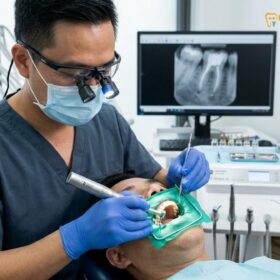
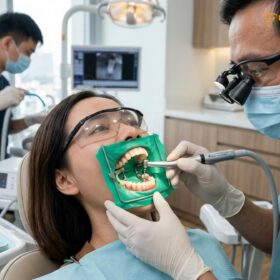
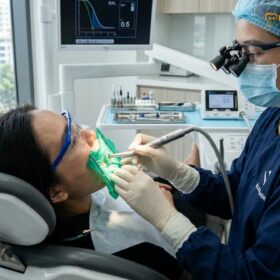
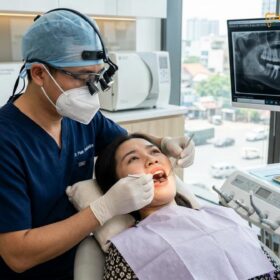
Root canal treatment in Vietnam offers a highly cost-effective alternative to South Korea, typically saving patients a significant percentage on total procedural fees. While Seoul clinics charge premium rates for endodontic therapy and crowns, Ho Chi Minh City provides equivalent international-standard microscopic endodontics at much more accessible price points.
Clinical Summary:
For expatriates and medical tourists comparing the root canal cost Vietnam vs Korea, the financial and clinical advantages of seeking treatment in Ho Chi Minh City are substantial. South Korea’s advanced dental sector often presents high out-of-pocket costs for non-insured foreign residents, particularly for complex endodontic procedures requiring specialized microscopes, bioceramic sealers, and custom zirconia crowns. In contrast, Vietnam’s private dental sector has rapidly evolved into a premier hub for international dental care. Clinics in HCMC utilize the exact same globally recognized materials, CAD/CAM digital workflows, and strict ISO-certified sterilization protocols as top-tier Seoul practices. By leveraging lower operational overhead, Vietnamese specialists can deliver comprehensive root canal therapy, including the core buildup and final ceramic restoration, at a fraction of the cost. This guide provides a deep clinical analysis of treatment workflows, material science, and cost structures to help patients make informed, evidence-based healthcare decisions.
Key Takeaways:
- Endodontic therapy in Vietnam costs approximately 50% to 70% less than equivalent private treatments in South Korea.
- HCMC clinics utilize advanced dental operating microscopes and 3D CBCT imaging to ensure precise canal navigation and high success rates.
- English-speaking specialists eliminate communication barriers, ensuring accurate diagnosis of pulpal pathology and effective pain management.
- Digital CAD/CAM dentistry allows for rapid fabrication of custom Zirconia or E.max crowns, ideal for the tight schedules of working expats.
- The use of biocompatible bioceramic sealers and rotary NiTi files mirrors the highest international standards of endodontic care.
Dental Care in Korea vs. Expat General Dental Fees in HCMC
While South Korea features a robust national healthcare system, non-insured expats face steep private fees for complex endodontics. Ho Chi Minh City provides a highly competitive private sector offering international-standard care without the premium markup.
Understanding the structural differences between the dental healthcare systems in South Korea and Vietnam is crucial for expatriates seeking complex restorative care. South Korea is globally recognized for its advanced medical infrastructure and high standards of clinical training. The Korean National Health Insurance Service (NHIS) subsidizes a significant portion of basic dental care for citizens and eligible residents. However, for many expatriates, digital nomads, and foreign workers, navigating the NHIS can be complex. Furthermore, the NHIS often provides limited coverage for advanced restorative materials, such as high-translucency zirconia crowns, gold restorations, or specialized microscopic endodontics. Consequently, patients requiring these premium services are frequently pushed into the private fee schedule, which can be prohibitively expensive.
In stark contrast, the private dental sector in Vietnam, particularly in major urban centers like Ho Chi Minh City (Saigon), has been explicitly designed to cater to both the growing middle class and the large international community. The specialized endodontic therapy available in Vietnam operates on a highly competitive free-market model. This competition drives clinics to continuously invest in the latest technology—such as Zeiss or Leica dental operating microscopes, 3D Cone Beam Computed Tomography (CBCT) scanners, and digital intraoral scanners—while keeping prices accessible. Modern clinics in Vietnam strictly adhere to the infection control and endodontic standards outlined by the Vietnam Ministry of Health (MOH), ensuring patient safety mirrors global benchmarks [6].
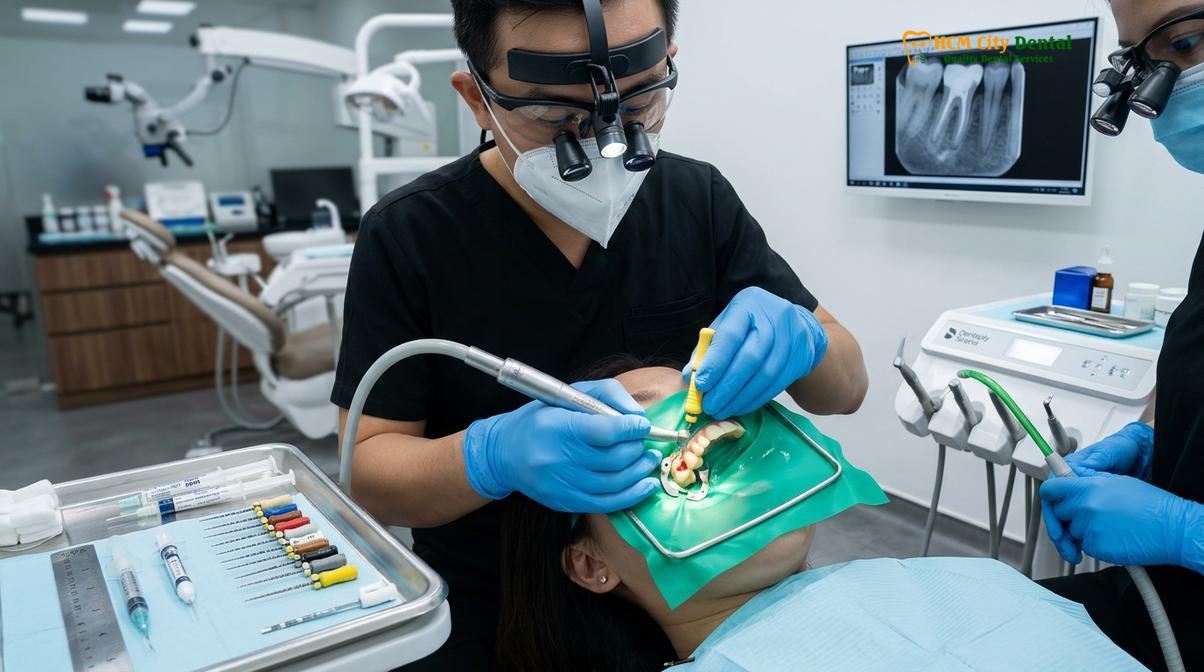
The clinical standard of care in modern Vietnamese endodontics is heavily evidence-based. The primary goal of root canal therapy is the complete chemomechanical debridement of the complex root canal system, followed by a fluid-tight three-dimensional obturation to prevent microbial reinfection [1]. Achieving this requires specialized equipment. In the past, endodontics was performed largely by tactile sensation using hand files. Today, specialists in HCMC utilize engine-driven Nickel-Titanium (NiTi) rotary files. These files possess shape memory and superelasticity, allowing them to navigate severely curved canals without transporting the apex or creating ledges. This technological parity means that patients traveling to Vietnam are not compromising on clinical quality; they are simply benefiting from a different economic structure regarding operational overhead and labor costs.
Cost Comparison: Seoul Dental Clinics vs. HCMC Specialist Endodontics (KRW)
Endodontic therapy in Seoul can exceed 1,000,000 KRW when combined with a mandatory post and crown. HCMC specialist clinics provide the exact same comprehensive treatment protocol for a fraction of that cost.
When evaluating the financial implications of saving a severely infected tooth, patients must look beyond the initial advertised price of the root canal itself. A comprehensive endodontic restoration is a multi-phase procedure. It typically involves the diagnostic phase (consultation, vitality testing, CBCT imaging), the active endodontic phase (extirpation, shaping, cleaning, and obturation), the foundational restorative phase (post placement and core buildup), and finally, the coronal restorative phase (the custom ceramic crown). When seeking a Seoul dental clinic alternative, patients must compare these bundled costs accurately.
In South Korea, private fee schedules for non-insured patients or for premium materials can escalate quickly. A root canal on a multi-rooted molar is inherently more complex and time-consuming than on a single-rooted anterior tooth, and the pricing reflects this. Furthermore, the dental core buildup price—the composite resin foundation necessary to support the final crown—is often billed as a separate, significant line item. When the cost of a high-quality zirconia crown is added to protect the brittle, endodontically treated tooth from vertical root fracture, the total investment in Seoul can be substantial.
According to the latest clinic fee schedules across the region, the cost differential is striking. The table below illustrates a conceptual comparison of the estimated out-of-pocket expenses for a complete molar root canal and zirconia crown restoration, comparing average private fees in Seoul with those at specialized clinics in Ho Chi Minh City.
| Treatment Phase (Molar Tooth) | Estimated Cost in Seoul (KRW) | Estimated Cost in HCMC (KRW Equivalent) | Clinical Purpose |
|---|---|---|---|
| Diagnostic CBCT Scan & Consultation | 50,000 – 100,000 KRW | Free – 30,000 KRW | 3D mapping of complex root canal anatomy and periapical lesions. |
| Microscopic Root Canal Therapy (Molar) | 400,000 – 700,000 KRW | 150,000 – 300,000 KRW | Chemomechanical debridement and 3D obturation of the root canal system. |
| Fiber Post & Composite Core Buildup | 150,000 – 250,000 KRW | 50,000 – 100,000 KRW | Providing structural retention for the final coronal restoration. |
| Premium Zirconia Crown (CAD/CAM) | 600,000 – 900,000 KRW | 250,000 – 450,000 KRW | Protecting the endodontically treated tooth from vertical fracture. |
| Total Estimated Investment | 1,200,000 – 1,950,000 KRW | 450,000 – 880,000 KRW | Comprehensive restoration of form, function, and aesthetics. |
This economic advantage allows patients to access the highest tier of dental materials and specialist expertise without financial strain. The savings are particularly impactful for patients requiring multiple root canals or full-mouth rehabilitations. By choosing a reputable clinic in Vietnam, patients can allocate their healthcare budget more efficiently, often covering the cost of travel and accommodation with the savings generated from the dental procedures alone.
English-Speaking Dental Services in Saigon: Overcoming the Language Barrier
Accurate diagnosis of pulpal pathology requires precise patient-doctor communication regarding pain characteristics. English-speaking specialists in Saigon eliminate the language barrier, ensuring safe, predictable, and comfortable endodontic care.
In the field of endodontics, clinical diagnostics rely heavily on the patient’s subjective description of their symptoms. The pathophysiology of pulpal disease is complex. A dentist must differentiate between reversible pulpitis (where the nerve is inflamed but can heal if the irritant is removed), symptomatic irreversible pulpitis (where the nerve is dying and requires a root canal), and pulpal necrosis (where the nerve is completely dead, often leading to a periapical abscess). To make these distinctions, the clinician must understand the exact nature of the patient’s pain: Is it spontaneous? Does it linger after exposure to cold or hot stimuli? Is it a sharp, shooting pain or a dull, throbbing ache? Does it wake the patient up at night?
“In endodontics, the patient’s description of their pain is just as critical as the radiographic findings. A lingering response to thermal stimuli tells us a completely different biological story than pain upon mastication. Clear, direct communication in a language the patient fully understands is the cornerstone of accurate diagnosis and successful treatment outcomes.”
If a language barrier exists, this critical diagnostic information can be lost in translation, potentially leading to misdiagnosis or inappropriate treatment plans. This is why seeking care at an international clinic is paramount for expatriates. The clinical teams are fluent in English, and often have staff proficient in Korean, ensuring that every nuance of the patient’s medical history and current symptoms is thoroughly understood. This clear communication extends to the explanation of the treatment process, the risks and benefits, and the post-operative care instructions, fostering a strong doctor-patient relationship built on trust and informed consent.
Furthermore, effective communication is essential for pain management and reducing dental anxiety. Root canal therapy often carries an unwarranted stigma of being painful. In reality, modern endodontics, when performed with profound local anesthesia, is highly manageable and provides immediate relief from the severe pain of an infected tooth [5]. An English-speaking dentist can explain the anesthetic process, use topical numbing gels effectively, and establish non-verbal communication signals to ensure the patient feels in control throughout the procedure.
High-Speed Laboratory Turnaround for Expats Working in Vietnam
Modern digital dentistry allows HCMC clinics to fabricate custom ceramic crowns rapidly, accommodating the tight schedules of working expatriates and preventing the risk of tooth fracture between appointments.
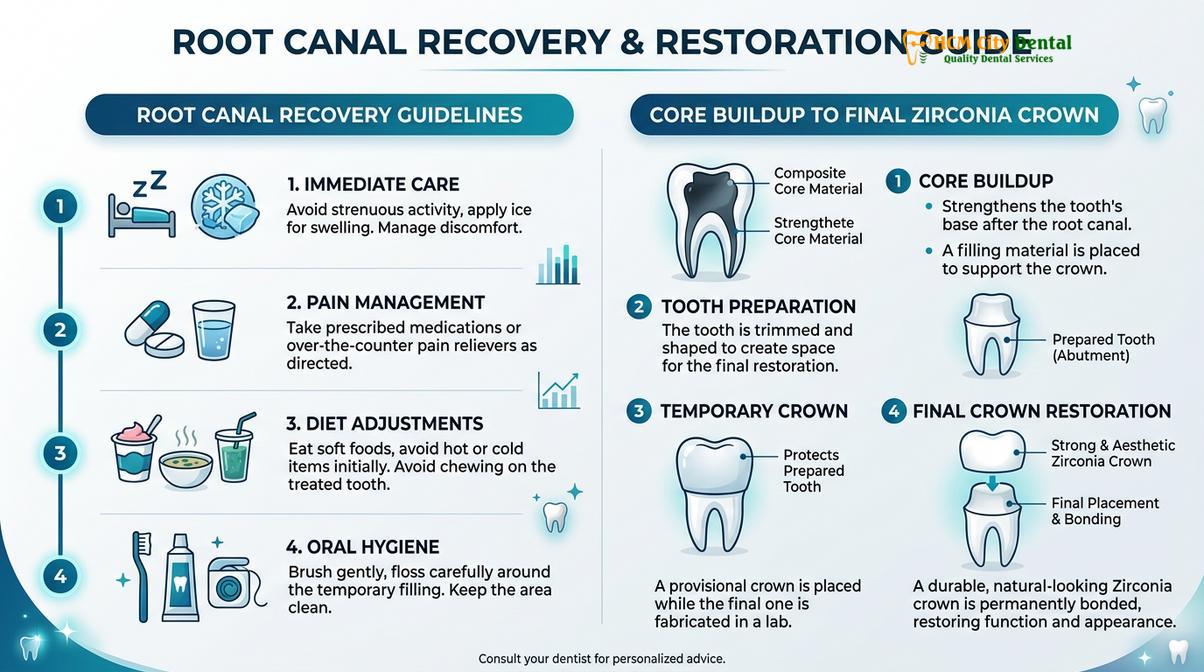
One of the most significant advancements in modern restorative dentistry is the integration of CAD/CAM (Computer-Aided Design and Computer-Aided Manufacturing) technology. For expatriates working in Vietnam or medical tourists visiting for a short duration, time is a critical factor. Traditional crown fabrication required messy elastomeric impressions, the creation of stone models, and a lengthy back-and-forth process with an external dental laboratory, often taking two to three weeks. During this interim period, the endodontically treated tooth is highly vulnerable. Because the blood supply has been removed, the dentin becomes more brittle. Without the protective coverage of a final crown, the tooth is at a high risk of vertical root fracture if the patient bites down on a hard object, which would render the tooth unrestorable and necessitate extraction.
Clinical Case Study: Rapid Restoration for an Expat Professional
A 42-year-old expatriate executive presented to HCMC Dental Clinic in Ho Chi Minh City with severe, spontaneous pain in the lower right first molar (tooth #46), indicative of symptomatic irreversible pulpitis. Due to a demanding travel schedule, the patient required immediate and efficient care. The clinical team performed a single-visit microscopic root canal therapy, utilizing rotary instrumentation and bioceramic obturation. Immediately following the core buildup, a digital intraoral scan was taken. Utilizing the clinic’s integrated CAD/CAM workflow, a monolithic zirconia crown was designed, milled, sintered, and permanently cemented within 48 hours. The patient experienced immediate pain relief and was able to resume international travel without the risk of an interim provisional crown fracturing.
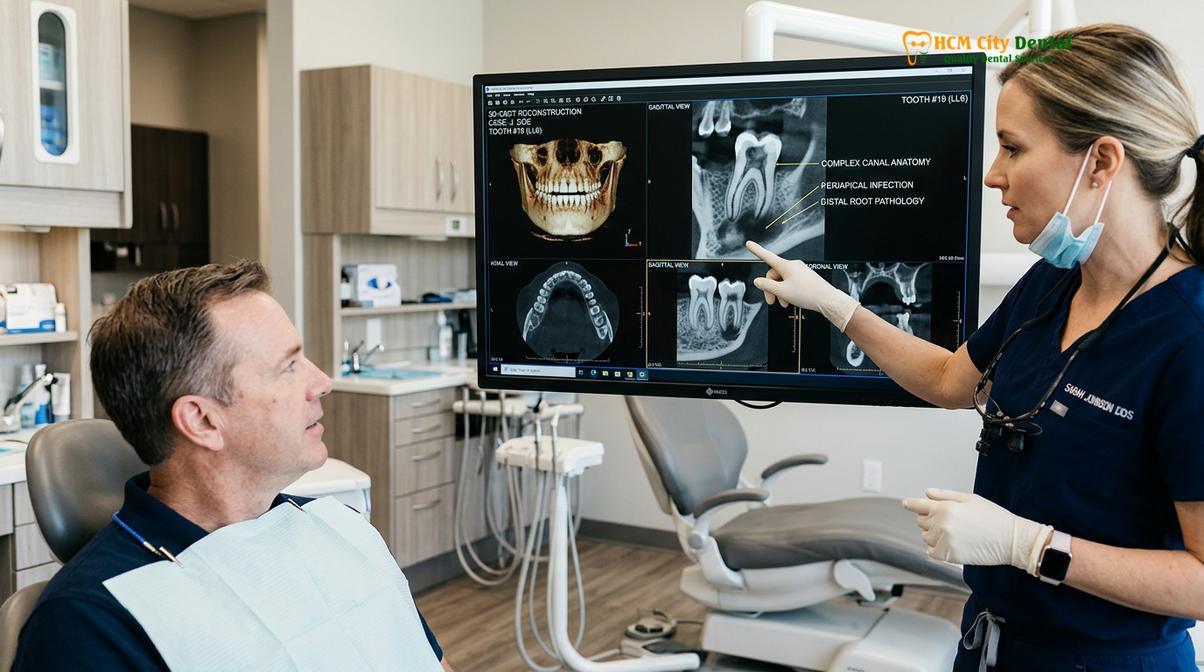
Leading practices in Ho Chi Minh City have mitigated this risk by bringing the laboratory workflow in-house or partnering with high-speed, digitally integrated local labs. The workflow is highly streamlined. Following the completion of the root canal procedure and the placement of the core buildup, the dentist uses an intraoral scanner to capture a highly accurate, full-color 3D digital impression of the prepared tooth and the surrounding dentition. This digital file is instantly transmitted to the design software.
The dental technician then digitally designs the crown, ensuring optimal marginal adaptation, interproximal contacts, and occlusal harmony with the opposing teeth. Once the design is finalized, the data is sent to a 5-axis milling machine, which carves the crown out of a solid block of ceramic material. The milled crown is then sintered in a high-temperature furnace to achieve its final strength, characterized with custom stains to match the adjacent natural teeth, and glazed for a lifelike finish. This entire process can often be completed in 24 to 48 hours, providing a seamless, efficient, and highly precise restorative solution for patients with limited time.
Standard Materials Sourced: Zirconia, E.max, and Bioceramic Sealers
The longevity of a root canal depends heavily on the biocompatibility of the materials used. Top-tier clinics in Vietnam utilize globally recognized bioceramic sealers and high-strength ceramics for optimal outcomes.
The success of endodontic therapy is not solely dependent on the skill of the clinician; it is equally reliant on the physical and chemical properties of the materials utilized during the procedure. The primary objective of the obturation phase is to create a fluid-tight seal along the entire length of the root canal system, from the coronal orifice to the apical foramen. This prevents the ingress of tissue fluids that could nourish residual bacteria and blocks the egress of any remaining microorganisms into the periapical tissues, effectively managing complex biofilms [2].
Historically, root canals were filled with gutta-percha in conjunction with a zinc oxide-eugenol or resin-based sealer. While effective, these traditional sealers had limitations, including slight shrinkage upon setting and potential cytotoxicity if extruded beyond the apex. Today, the gold standard in advanced endodontics is the use of Bioceramic sealers. These calcium silicate-based materials represent a paradigm shift in endodontic obturation. They are highly biocompatible, hydrophilic (meaning they utilize the natural moisture in the dentinal tubules to initiate the setting reaction), and they expand slightly upon setting, creating an exceptional hermetic seal [4].
Microscopic Precision and Expert Care
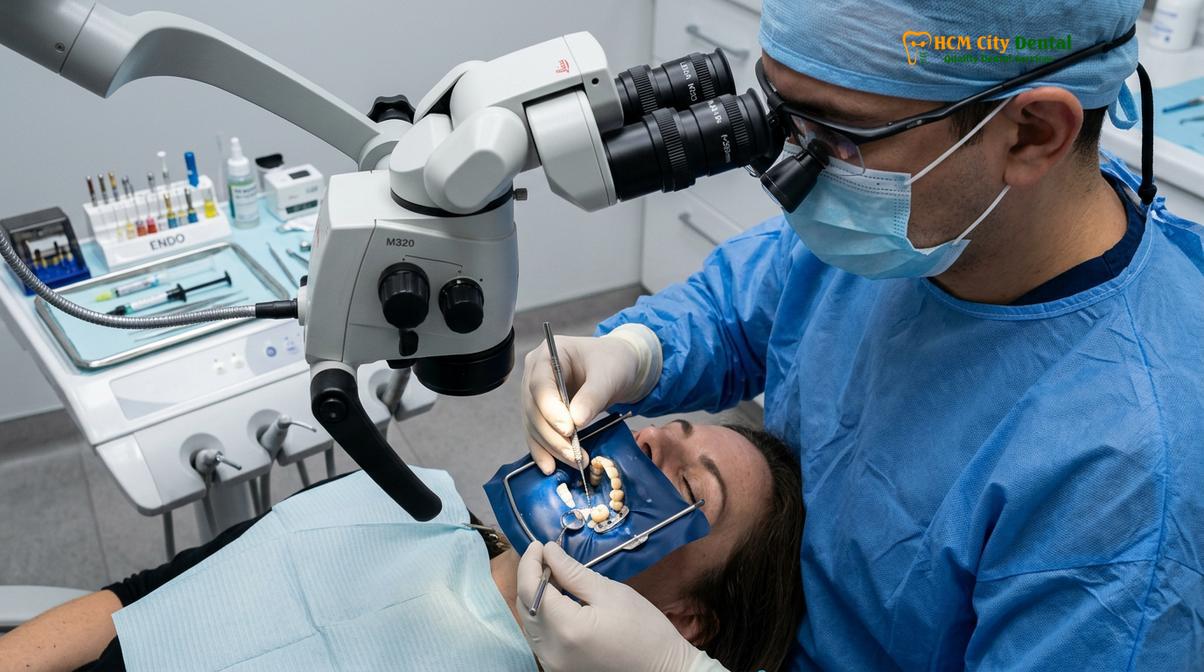
Advanced magnification is essential for locating hidden accessory canals. HCMC specialists utilize high-powered dental operating microscopes to ensure comprehensive cleaning and shaping of the root canal system.
The anatomy of a human tooth is rarely straightforward. Molars, in particular, often harbor complex internal networks, including hidden accessory canals, severe curvatures, and calcified spaces that are invisible to the naked eye. Failure to locate and debride these hidden canals is one of the primary causes of endodontic failure. To combat this, modern endodontics relies heavily on the dental operating microscope.
“The introduction of the dental operating microscope has revolutionized endodontic therapy. By providing intense, shadow-free illumination and high levels of magnification, clinicians can visualize the intricate details of the pulpal floor, significantly reducing the incidence of missed canals and improving long-term success rates.”
Microscope-assisted endodontics allows the specialist to work with unprecedented precision, preserving more healthy tooth structure while ensuring that all infected tissue is meticulously removed [3]. This level of detail is what separates standard care from exceptional, long-lasting restorative outcomes.
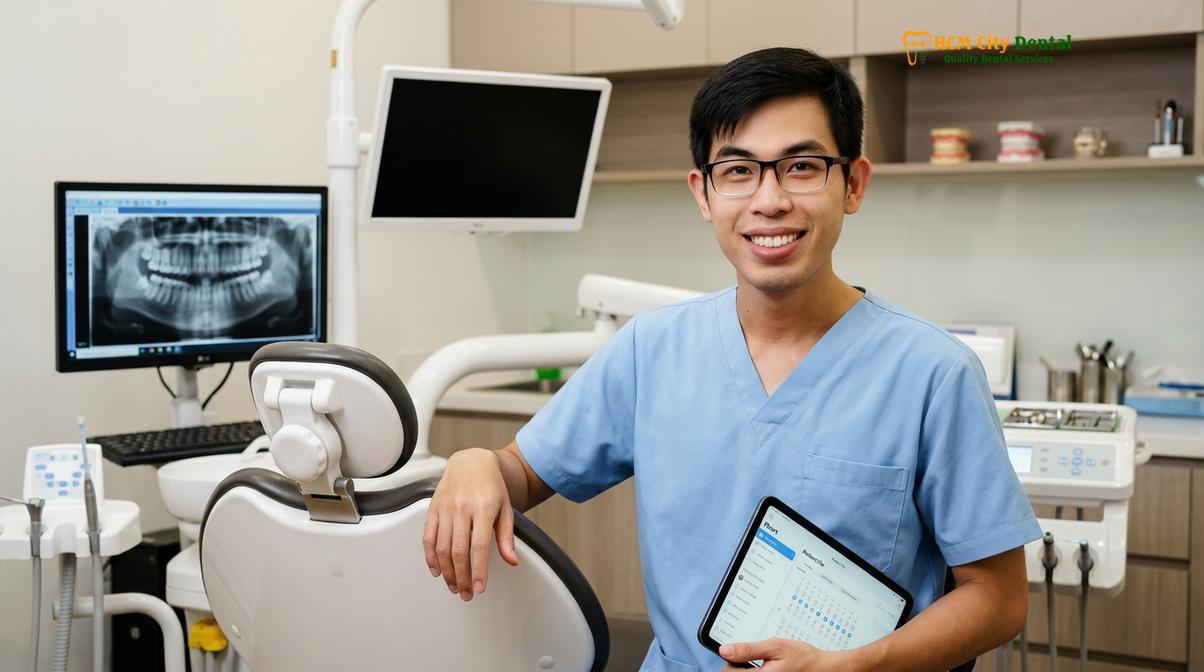
At HCMC Dental Clinic, complex endodontic cases are routinely managed by highly trained specialists like Dr. Nguyen Van Cuong. Dr. Cuong emphasizes a conservative, pain-free approach to saving natural teeth, utilizing advanced magnification to ensure no accessory canals are missed. His commitment to international standards provides expatriates with peace of mind during their restorative journey.
When to Seek Immediate Endodontic Care
Recognizing the early signs of pulpal infection can save your tooth and prevent the spread of bacteria to surrounding bone structures.
Dental pain should never be ignored, as it is often the body’s primary indicator of an underlying infection. Patients should schedule an immediate consultation if they experience prolonged sensitivity to hot or cold temperatures, pain when chewing or applying pressure to a specific tooth, or discoloration of the tooth structure. Additionally, a persistent pimple-like bump on the gums (a sinus tract) is a clear sign of a chronic periapical infection draining pus into the oral cavity.
Important Clinical Note: If you experience severe, spontaneous throbbing pain that wakes you up at night, or notice facial swelling near the jawline or under the eye, seek emergency dental care immediately. These are signs of an acute periapical abscess that requires prompt intervention to prevent systemic infection and severe complications.
Conclusion & Next Steps
For expatriates and international patients, navigating dental care abroad can be daunting. However, the advanced private dental sector in Vietnam provides a compelling solution. By combining world-class technology, globally sourced materials, and highly skilled English-speaking specialists, patients can receive premium endodontic care at a fraction of the cost expected in South Korea or Western nations. The integration of digital CAD/CAM workflows further ensures that even complex restorations can be completed efficiently, respecting the busy schedules of modern professionals.
If you are experiencing dental pain, require a complex restoration, or simply want a second opinion on your treatment plan, contact HCMC Dental Clinic in Ho Chi Minh City today. Explore our comprehensive Root Canal services and discover how our dedicated team can help you preserve your natural smile with precision, comfort, and exceptional value.
References
- Journal of Endodontics. Outcomes of root canal treatment and restoration longevity. (2020).
- International Endodontic Journal. Biofilms in endodontics and disinfection strategies. (2021).
- Journal of the American Dental Association. Microscope-assisted endodontics and missed canals. (2019).
- Clinical Oral Investigations. Biocompatibility of bioceramic root canal sealers. (2022).
- British Dental Journal. Pain management and dental anxiety in endodontics. (2018).
- Vietnam Ministry of Health (MOH). National Guidelines on Endodontic Standards and Infection Control. (2021).