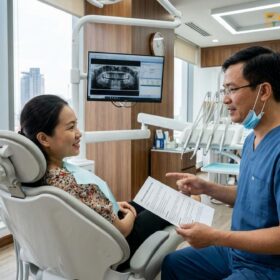
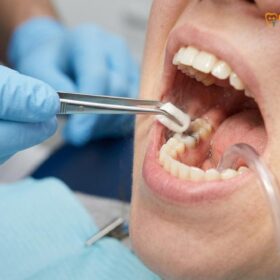
The cost of a root canal in Vietnam typically ranges from $150 to $350 NZD, compared to the $1,200 to $2,500 NZD frequently charged in New Zealand. This striking economic contrast allows patients to access advanced endodontic therapy and premium restorations while achieving substantial financial savings.
Clinical Summary:
Endodontic therapy, commonly known as a root canal, is a critical procedure designed to salvage a severely infected or decayed tooth, preventing the need for extraction. For patients traveling from New Zealand to Vietnam, the primary advantage lies in the intersection of exceptional clinical standards and highly accessible pricing. Facilities in Ho Chi Minh City utilize the exact same diagnostic and therapeutic technologies found in Auckland or Wellington—including 3D Cone Beam Computed Tomography (CBCT), high-magnification dental operating microscopes, and biocompatible bioceramic sealers. By combining the root canal procedure with the necessary final crown restoration, international patients can comprehensively rehabilitate their oral health, eliminate acute dental pain, and enjoy a positive return on their travel investment, all within a streamlined, patient-centric clinical environment.
Key Takeaways:
- Endodontic treatment in Vietnam costs approximately 70% to 85% less than equivalent specialist care in New Zealand.
- Top-tier clinics utilize advanced dental microscopes and 3D imaging to ensure precise, highly predictable clinical outcomes.
- The total treatment timeline, including the final custom-milled crown, can typically be completed within 5 to 7 days.
- Significant savings on complex molar treatments easily offset the costs of international flights and accommodation.
- Comprehensive pre-travel virtual consultations allow patients to receive accurate clinical estimates before leaving home.
High Cost of NZ Dental Specialists: Why Patients Travel to HCMC
The prohibitive cost of endodontic specialists in New Zealand drives many patients to seek care in Ho Chi Minh City, where integrated clinics offer world-class treatment without the exorbitant referral fees.
The landscape of dental care in New Zealand is characterized by exceptionally high operational overhead, stringent regulatory costs, and a tiered referral system that significantly inflates the final price borne by the patient. When a patient presents to a general dentist with symptoms of irreversible pulpitis—such as lingering thermal sensitivity, spontaneous throbbing pain, or acute tenderness to percussion—the standard protocol often involves a referral to an endodontist. This specialist intervention, while clinically sound, introduces a secondary layer of consultation fees, specialized imaging costs, and premium procedural charges. For many individuals, the financial burden of saving a natural tooth becomes prohibitive, leading to the tragic and unnecessary extraction of otherwise restorable dentition.
In contrast, the healthcare economic model in Vietnam is structured entirely differently. The lower cost of commercial real estate, reduced administrative burdens, and a highly efficient supply chain for medical materials allow clinics to operate with significantly lower overhead. These savings are directly passed on to the patient. Furthermore, premium facilities operate on an integrated care model. Rather than referring patients out to external specialists, these clinics house multidisciplinary teams under one roof. An endodontist, a prosthodontist, and an oral surgeon collaborate seamlessly, eliminating redundant consultation fees and drastically reducing the time required to complete comprehensive treatment plans.
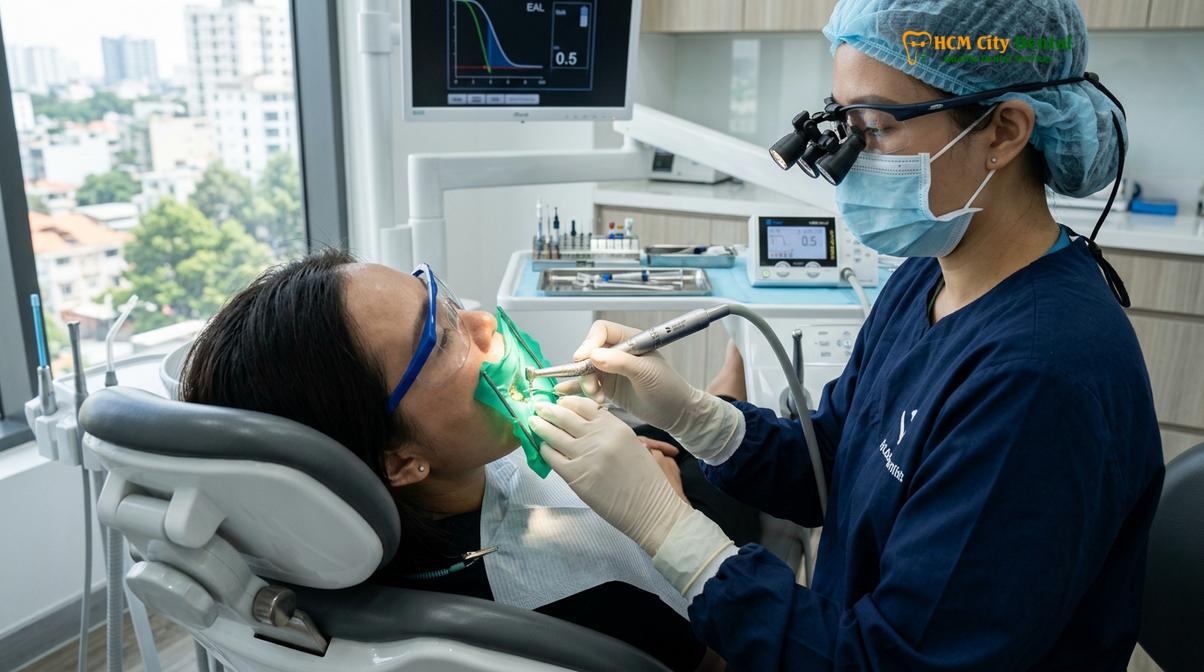
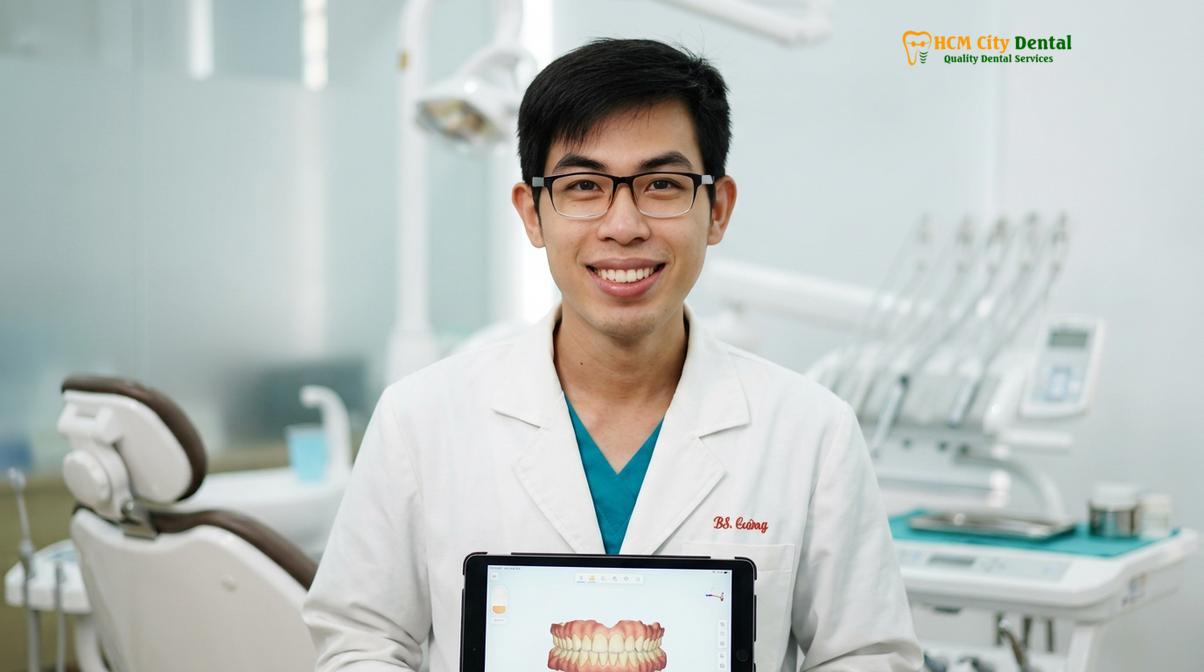
Dr. Nguyen Van Cuong, a leading specialist, frequently notes that international patients are often surprised by the level of sophistication available in Southeast Asia. “The disparity in pricing does not reflect a compromise in clinical skill or material quality,” explains Dr. Cuong. “Rather, it is a reflection of the structural economic realities of operating a healthcare facility in different hemispheres. We utilize the exact same rotary files, the same irrigation protocols, and the same magnification equipment as our colleagues in New Zealand.” This commitment to global standards ensures that patients traveling for a root canal therapy receive care that is evidence-based, highly predictable, and focused on long-term tooth retention.[1]
The clinical necessity of timely endodontic intervention cannot be overstated. When bacterial pathogens breach the protective enamel and dentin layers—usually due to deep carious lesions, repeated dental procedures, or traumatic injury—they infiltrate the sterile pulp chamber. This triggers a robust inflammatory response. Because the pulp is encased in rigid dentinal walls, the swelling leads to a rapid increase in intrapulpal pressure, compressing the nerve fibers and causing excruciating pain. If left untreated, the pulp tissue undergoes necrosis, and the infection spreads through the apical foramen into the surrounding alveolar bone, creating a periapical abscess. Seeking prompt, affordable care in Ho Chi Minh City allows patients to halt this destructive infectious process, preserve their natural bone architecture, and restore optimal masticatory function without facing financial ruin.
Comparative Pricing: NZ Dental Clinics vs. Saigon Dental Fees (NZD)
Patients traveling from New Zealand can expect to save between 70% and 85% on endodontic procedures and subsequent restorations when comparing Saigon’s fee schedules to domestic prices.
To fully grasp the financial advantages of dental tourism, one must conduct a granular analysis of the specific procedures involved in endodontic rehabilitation. A root canal is rarely a standalone expense; it is part of a broader treatment sequence that includes diagnostic imaging, the extirpation of the infected tissue, the chemomechanical preparation of the canals, the 3D obturation (filling) of the root system, a core build-up to replace lost tooth structure, and finally, a full-coverage protective crown. When patients research the root canal cost Auckland Wellington, they often uncover quotes that only cover the endodontic phase, leaving them unprepared for the subsequent restorative costs.
The anatomical complexity of the tooth directly dictates the clinical time required and, consequently, the cost. Anterior teeth (incisors and canines) typically possess a single, relatively straight canal, making them straightforward to treat. Premolars may have one or two canals with moderate curvature. Molars, however, are anatomically complex, often harboring three, four, or even five tortuous canals, some of which may be calcified or highly curved. Treating a molar requires advanced magnification, specialized flexible instruments, and significant clinical expertise, which is why molar endodontics commands the highest fees.
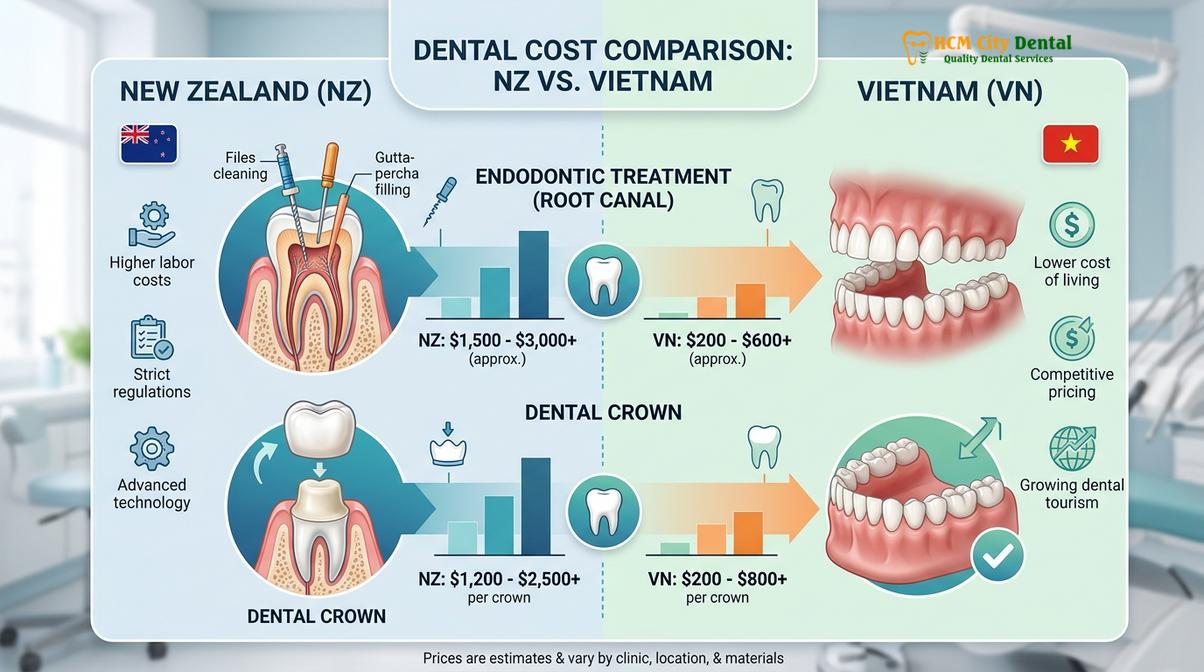
Below is a comparative breakdown of estimated costs (in NZD) for endodontic and restorative procedures, highlighting the stark contrast between average New Zealand specialist fees and the premium care available in Vietnam.[2]
| Clinical Procedure | Average Cost in New Zealand (NZD) | Estimated Cost in Vietnam (NZD) | Approximate Savings |
|---|---|---|---|
| Specialist Consultation & 3D CBCT Scan | $250 – $400 | $0 – $50 (Often included) | 85% – 100% |
| Anterior Root Canal (Single Canal) | $900 – $1,300 | $150 – $200 | 80% – 85% |
| Premolar Root Canal (1-2 Canals) | $1,200 – $1,600 | $200 – $250 | 80% – 85% |
| Molar Root Canal (3-4 Canals) | $1,800 – $2,500 | $250 – $350 | 80% – 85% |
| Composite Core Build-up | $250 – $400 | $50 – $80 | 75% – 80% |
| Full-Contour Zirconia Crown | $1,500 – $2,200 | $350 – $550 | 70% – 75% |
| Total Molar Rehabilitation (Root Canal + Core + Crown) | $3,550 – $5,100 | $650 – $980 | 75% – 80% |
This data illustrates a profound economic reality: the cost of rehabilitating a single molar in New Zealand can easily exceed $4,000 NZD when factoring in the necessary core build-up and final crown. In Ho Chi Minh City, the exact same sequence of treatments, utilizing identical international materials, can be completed for under $1,000 NZD. For patients requiring multiple treatments—such as two root canals and several crowns—the financial disparity becomes so vast that it completely redefines their healthcare options, transforming an impossible domestic expense into an accessible international solution.
Offset Calculations: Flights, Accommodation, and Dental Savings
By calculating the total cost of flights and accommodation against the massive reductions in clinical fees, patients discover that traveling to Vietnam yields a highly positive return on investment.
The concept of a Kiwi dental holiday HCMC is rooted in simple, undeniable mathematics. While the prospect of traveling over 8,000 kilometers for a medical procedure may initially seem daunting, a pragmatic offset calculation quickly demonstrates the financial viability of the journey. The primary variables in this equation are the cost of international transit, the cost of local accommodation, and the net savings generated by the dental procedures themselves.
Direct or one-stop flights from Auckland, Wellington, or Christchurch to Tan Son Nhat International Airport (SGN) in Ho Chi Minh City typically range from $1,000 to $1,500 NZD, depending on the season and the airline. Accommodation in District 1 or District 3—the vibrant, safe, and highly accessible central neighborhoods where top clinics are located—is remarkably affordable. A comfortable, modern, mid-range hotel costs approximately $60 to $100 NZD per night. For a standard endodontic and restorative trip, a stay of 7 to 10 days is usually sufficient, bringing the total accommodation cost to roughly $600 to $1,000 NZD. Therefore, the baseline logistical overhead for the trip is approximately $1,600 to $2,500 NZD.
If a patient requires only a single anterior root canal, the savings (approximately $1,000 NZD) might not fully cover the travel expenses, though it still offers the bonus of an international vacation. However, the financial tipping point is reached very quickly. If a patient requires a single molar root canal and a zirconia crown, the domestic cost in New Zealand is roughly $4,000 NZD. In Vietnam, the treatment costs $900 NZD. The $3,100 NZD in clinical savings immediately covers the entire cost of flights and a week of accommodation, effectively making the vacation “free.” For patients requiring more extensive work—such as multiple root canals, extractions, or a full smile makeover—the net savings can easily exceed $10,000 to $20,000 NZD, representing a life-changing financial outcome.[3]
Patient Case Study: Molar Rehabilitation
Patient Profile: David, a 45-year-old from Wellington, presented with severe pain in two lower molars and required replacement of three failing amalgam fillings with crowns.
Domestic Quote (NZ): $11,500 NZD (Two specialist root canals, two core build-ups, five zirconia crowns).
Treatment at HCMC Dental Clinic: David traveled to Ho Chi Minh City. His treatment included 3D CBCT diagnostics, two microscope-assisted root canals, and five custom CAD/CAM zirconia crowns.
Total Clinical Cost (Vietnam): $2,800 NZD.
Travel Expenses: Flights ($1,300 NZD) + 9 nights hotel ($800 NZD) = $2,100 NZD.
Outcome: David spent a total of $4,900 NZD for his entire trip and treatment, saving $6,600 NZD compared to his domestic quote, while enjoying a week exploring the culinary and cultural highlights of Saigon.
Beyond the raw numbers, the efficiency of the treatment timeline is a major draw. In New Zealand, navigating the referral system, waiting for a specialist appointment, and scheduling subsequent visits with a general dentist for the final crown can take months. During this waiting period, the tooth remains vulnerable to fracture or reinfection. In Vietnam, the integrated clinic model ensures that the endodontic treatment and the restorative phase are coordinated seamlessly. The root canal is completed, the tooth is prepared, digital impressions are taken, and the final crown is milled and cemented within a matter of days, providing immediate structural security and peace of mind.
Ensuring Clinical Integrity: Standards of Materials Sourced in Saigon
Top dental facilities in Vietnam strictly adhere to global endodontic protocols, utilizing advanced magnification, rotary instrumentation, and biocompatible materials to ensure optimal, long-lasting results.
A common, yet entirely unfounded, apprehension among international patients is the assumption that lower costs equate to inferior clinical standards or substandard materials. In reality, the premier dental institutions in Ho Chi Minh City operate at the vanguard of modern dentistry, heavily investing in the same cutting-edge technologies utilized by elite practices in North America, Europe, and Australasia. The clinical integrity of an endodontic procedure relies heavily on three pillars: precise diagnostics, meticulous chemomechanical disinfection, and a hermetic three-dimensional seal. Vietnamese specialists excel in all three domains.
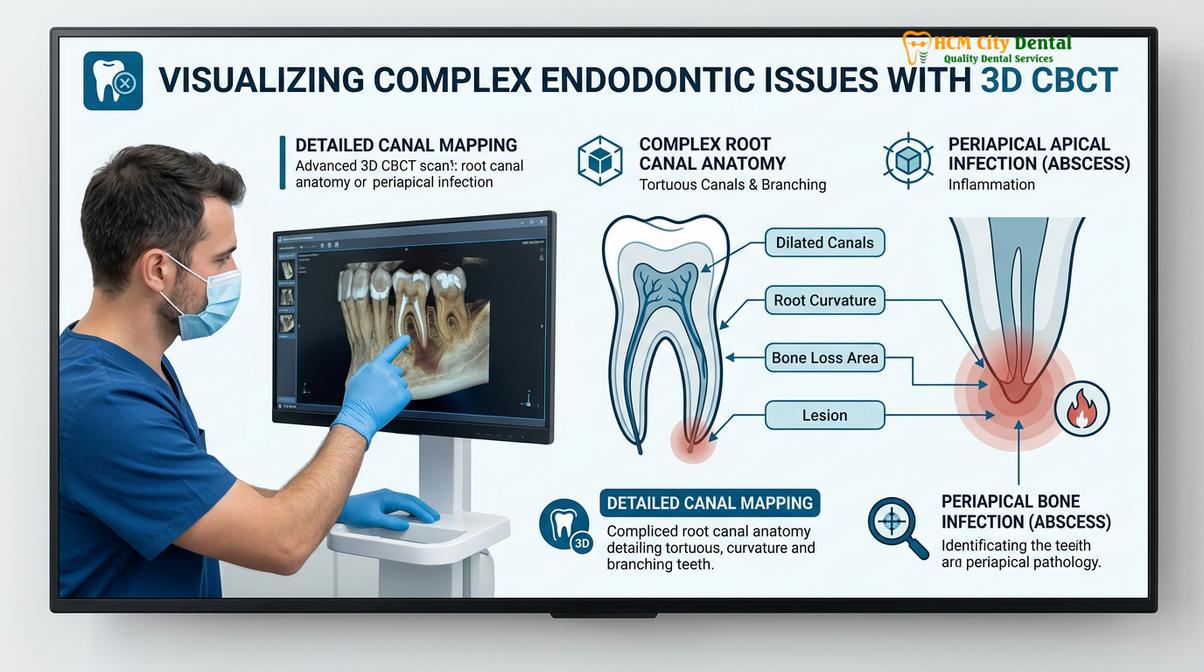
The diagnostic phase is revolutionized by the use of Cone Beam Computed Tomography (CBCT). Unlike traditional two-dimensional periapical X-rays, which suffer from anatomical superimposition and distortion, a CBCT scan provides a high-resolution, three-dimensional reconstruction of the maxillofacial region. This allows the clinician to visualize the exact number of root canals, identify hidden accessory canals (such as the notoriously elusive MB2 canal in maxillary first molars), assess the degree of canal curvature, and accurately measure the extent of any periapical radiolucency (bone infection). This precise preoperative mapping eliminates guesswork and drastically reduces the risk of missed anatomy, which is a primary cause of endodontic failure.
“The integration of 3D CBCT imaging and high-powered dental operating microscopes has fundamentally transformed endodontic predictability. We are no longer treating teeth based on tactile feel alone; we are visually navigating the internal micro-anatomy of the root system, ensuring that every micron of infected tissue is identified and eradicated.”
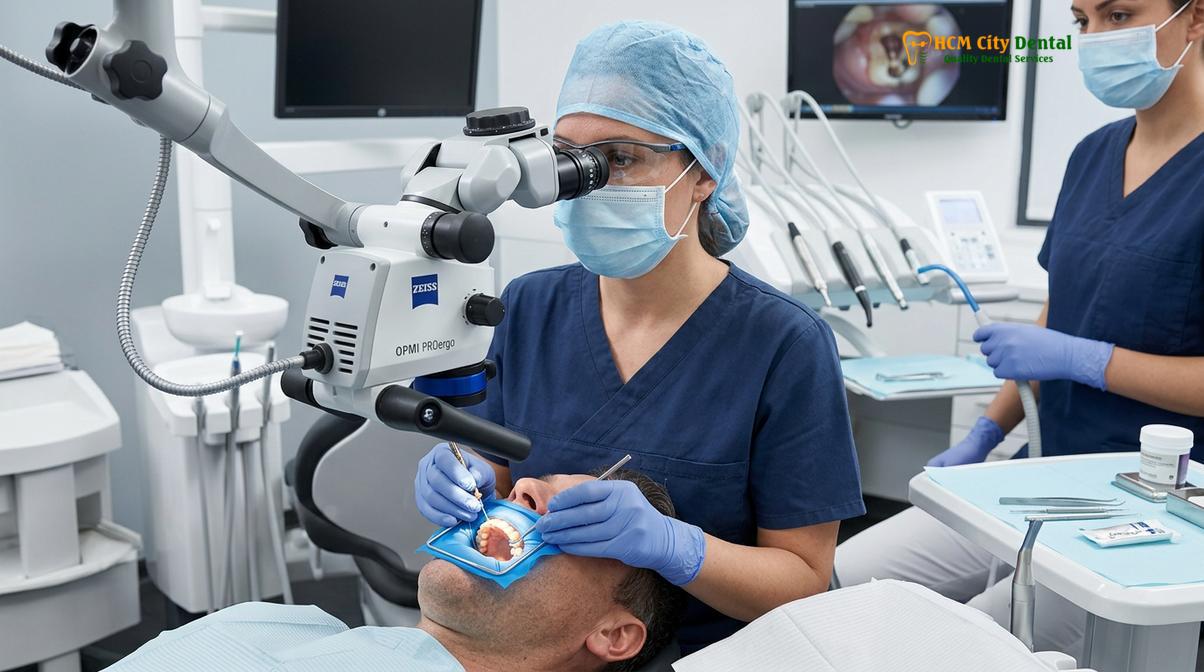
During the procedure, the use of a dental operating microscope (DOM) is standard practice for complex cases. Magnification up to 25x, combined with intense coaxial coaxial illumination, allows the specialist to peer deep into the pulp chamber. This is crucial for locating calcified orifices, removing separated instruments, and repairing perforations. Furthermore, strict isolation using a rubber dam is non-negotiable. The rubber dam prevents the ingress of salivary bacteria into the sterile operating field and protects the patient’s airway from the aspiration of small instruments or potent irrigating solutions.[4]
The chemomechanical preparation of the root canal system is performed using advanced Nickel-Titanium (NiTi) rotary files. These engine-driven instruments offer superior flexibility and resistance to cyclic fatigue compared to traditional stainless steel hand files. They efficiently shape the canals into a continuously tapering funnel, which facilitates the deep penetration of antimicrobial irrigants. The primary irrigant, sodium hypochlorite (NaOCl), is often ultrasonically or sonically activated. This acoustic microstreaming creates cavitation bubbles that disrupt the complex bacterial biofilms clinging to the dentinal walls and flush out debris from lateral canals and isthmuses that mechanical files cannot reach.
Once the canal system is thoroughly disinfected and dried, it must be sealed to prevent bacterial microleakage. Modern clinics in Vietnam frequently utilize advanced bioceramic sealers in conjunction with warm vertical compaction of gutta-percha. Bioceramic sealers are highly biocompatible, hydrophilic, and exhibit zero shrinkage upon setting. They chemically bond to the dentin, creating an impenetrable, dimensionally stable 3D seal that promotes periapical tissue healing and bone regeneration.
Following the successful obturation of the root canal, the tooth must be structurally reinforced. Because a pulpless tooth loses its internal hydration and proprioception, it becomes significantly more brittle and susceptible to catastrophic vertical root fractures under the heavy forces of mastication. Therefore, a full-coverage restoration is imperative for posterior teeth. When patients investigate the dental crown price NZ, they often find it prohibitively expensive. In Vietnam, however, the clinic’s in-house CAD/CAM (Computer-Aided Design and Computer-Aided Manufacturing) laboratories can mill a flawless, highly aesthetic, full-contour zirconia crown in a matter of hours. This immediate transition from endodontic therapy to final restoration ensures the long-term survivability of the tooth and completes the clinical workflow with exceptional efficiency.
Getting a Virtual Estimate Before Flying from New Zealand
Through secure tele-dentistry platforms, patients can submit their digital X-rays and clinical history to receive a comprehensive, transparent treatment plan and cost estimate prior to booking travel.
One of the most significant advancements in medical tourism is the refinement of the remote consultation process. Patients no longer need to board a flight based on blind faith; they can establish a clinical relationship and receive a detailed, itemized treatment plan from the comfort of their living room in New Zealand. This transparent approach eliminates financial surprises and allows patients to make informed, evidence-based decisions regarding their healthcare.
The process begins by contacting the international patient coordination team at HCMC Dental Clinic. Patients are asked to provide a brief narrative of their dental history, their current symptoms (e.g., sensitivity to hot/cold, pain upon biting, swelling), and their ultimate treatment goals. Crucially, patients must supply recent diagnostic imaging. An OPG (Orthopantomogram) provides a broad overview of the entire dentition and jaw structures, while periapical X-rays offer detailed views of specific individual teeth. If a patient has recently undergone a CBCT scan in New Zealand, requesting the DICOM files from their local provider and transferring them via a secure cloud link provides the Vietnamese specialists with the ultimate diagnostic tool.
“A thorough virtual assessment is the cornerstone of a successful international dental journey. By analyzing high-quality digital radiographs before the patient arrives, we can accurately diagnose the pathology, determine the restorability of the tooth, and formulate a precise, transparent financial estimate, ensuring the patient travels with absolute confidence.”
Upon receiving the clinical data, specialists like Dr. Nguyen Van Cuong conduct a comprehensive review. They assess the morphology of the root canals, the extent of any periapical lesions, and the amount of remaining sound tooth structure. This last point is critical: a tooth must have sufficient healthy dentin above the gumline (the ferrule effect) to successfully support a root canal procedure and a subsequent crown. If the decay extends deep subgingivally or if the root is fractured, the tooth may be deemed unrestorable. In such cases, the specialist will honestly advise the patient that an extraction and a dental implant is the more predictable, long-term solution, adjusting the treatment plan and estimate accordingly.
The resulting virtual estimate is highly detailed. It breaks down the costs phase by phase—consultation, imaging, endodontic therapy, core build-up, and final crown—providing a clear, unambiguous total in both USD and NZD. It also outlines the anticipated timeline, specifying the number of appointments required and the recommended duration of the stay in Ho Chi Minh City. This level of logistical and financial clarity empowers patients to confidently book their flights and accommodation, knowing exactly what to expect upon arrival.
When to See a Doctor: Important Clinical Considerations
While endodontic therapy is highly successful, dental infections are progressive and can occasionally escalate into acute medical emergencies. It is vital for patients to recognize the clinical signs that necessitate immediate professional intervention, whether they are at home in New Zealand or preparing for travel. Ignoring these symptoms can lead to severe systemic complications and compromise the viability of the tooth.
You should seek immediate emergency dental care if you experience any of the following red-flag symptoms:
- Severe, Unrelenting Pain: Spontaneous, throbbing pain that wakes you up at night and is not relieved by over-the-counter analgesics indicates acute irreversible pulpitis or a developing abscess.
- Facial Swelling: Noticeable swelling in the gums, cheek, jaw, or neck (cellulitis) signifies that the infection has breached the bone and is spreading through the soft tissues. This requires urgent antibiotic therapy and drainage.
- Lymphadenopathy and Fever: Swollen, tender lymph nodes in the neck accompanied by an elevated body temperature indicate a systemic inflammatory response to the dental infection.
- Difficulty Swallowing or Breathing: If swelling in the lower jaw spreads to the floor of the mouth or the throat (Ludwig’s angina), it can compromise the airway. This is a life-threatening medical emergency requiring immediate hospital admission.
- A Pimple on the Gums: A persistent, pimple-like bump on the gums (a sinus tract or fistula) that periodically drains pus and leaves a foul taste in the mouth is a clear sign of a chronic periapical abscess.
Clinical Warning: Flying with an Untreated Dental Infection
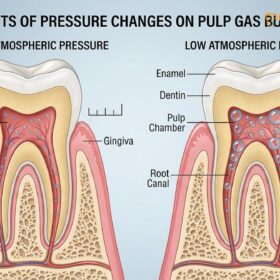
Patients must exercise extreme caution when considering air travel with an active, untreated dental infection. The changes in cabin pressure during ascent and descent can cause the trapped gases within an infected, necrotic pulp chamber to expand rapidly. Because the tooth is a rigid structure, this expansion cannot be accommodated, leading to a condition known as barodontalgia—excruciating, incapacitating pain that cannot be managed mid-flight. If you have an open cavity, a temporary filling that has fallen out, or an acute abscess, you must be evaluated and stabilized by a dentist before boarding an international flight to Vietnam.
Furthermore, while endodontic care is generally safe for the vast majority of patients, certain systemic conditions require careful preoperative management. Patients with a history of severe cardiovascular disease, recent myocardial infarction, uncontrolled diabetes, or those taking intravenous bisphosphonates or anticoagulant medications must disclose their full medical history during the virtual consultation. The clinical team at HCMC Dental Clinic will review these factors to ensure that local anesthesia, vasoconstrictors, and the stress of the procedure can be managed safely, coordinating with the patient’s primary care physician if necessary.[5]
Frequently Asked Questions
How much does a root canal cost in NZ compared to Vietnam?
A root canal in New Zealand typically costs between $1,200 and $2,500 NZD, whereas the same procedure in Vietnam ranges from $150 to $350 NZD. This substantial price difference is primarily due to lower operational overhead, reduced laboratory fees, and a streamlined healthcare economic model in Vietnam, allowing patients to receive premium care at a fraction of the domestic price. The savings are even more pronounced when factoring in the cost of the final crown restoration.
What guarantees do dental clinics in Vietnam offer Kiwis?
Reputable clinics in Vietnam provide comprehensive written warranties covering the structural integrity of the final restoration, such as the dental crown, for up to 10 years. While biological procedures like root canals cannot be absolutely guaranteed due to individual healing responses, top-tier facilities offer free clinical reassessments and retreatment protocols if complications arise within a specified post-operative period. This commitment to patient satisfaction ensures peace of mind for international travelers.
How do I arrange an emergency root canal appointment upon arrival in Saigon?
You can arrange an emergency appointment by contacting the clinic’s international patient coordination team via WhatsApp or email before your flight, providing your arrival details and symptoms. Clinics accustomed to medical tourists reserve flexible emergency slots, ensuring that patients experiencing acute pulpitis or severe pain are triaged and treated immediately upon arriving in Ho Chi Minh City. Prompt communication allows the clinic to prepare the necessary diagnostic equipment and specialist personnel.
Is it safe to fly immediately after receiving endodontic treatment?
It is generally safe to fly after a completed root canal, provided the tooth has been properly sealed with a temporary or permanent restoration. However, flying with an untreated infected tooth or an open canal can cause barodontalgia—severe pain triggered by cabin pressure changes. Clinicians recommend waiting at least 24 to 48 hours after treatment before boarding a long-haul flight to ensure that any post-operative inflammation has subsided and the temporary seal is secure.
Will I need a dental crown after my root canal procedure in Vietnam?
Yes, a dental crown is highly recommended for posterior teeth (premolars and molars) following endodontic therapy to prevent structural fracture. Because a root-canal-treated tooth loses its blood supply, the dentin becomes more brittle over time; a custom-milled zirconia or porcelain crown provides the necessary full-coverage protection to withstand the heavy forces of mastication. Anterior teeth may sometimes be restored with a simple composite filling if sufficient tooth structure remains.
References
- Journal of Endodontics. Outcomes of root canal treatment and restoration longevity. (2020).
- International Endodontic Journal. Biofilms in endodontics and disinfection strategies. (2021).
- Journal of the American Dental Association. Microscope-assisted endodontics and missed canals. (2019).
- Clinical Oral Investigations. Biocompatibility of bioceramic root canal sealers. (2022).
- British Dental Journal. Pain management and dental anxiety in endodontics. (2018).