Comparing root canal cost Vietnam vs USA reveals a stark financial contrast, with US patients often paying upwards of $1,500 per tooth while Vietnamese clinics charge a fraction of that price. This price difference allows international patients to access world-class endodontic care without compromising on clinical quality or safety.
Clinical Summary:
Endodontic therapy, commonly known as a root canal, is a critical procedure designed to save a tooth that has suffered from irreversible pulpitis or pulpal necrosis. When analyzing the root canal cost Vietnam vs USA, the economic disparity is driven primarily by overhead costs, insurance limitations, and specialist fees in the American healthcare system, rather than a difference in clinical standards. In Ho Chi Minh City, leading dental institutions utilize the exact same FDA-approved materials—such as nickel-titanium rotary files, bioceramic sealers, and dental operating microscopes—found in premium Western practices. By choosing to undergo root canal treatment in Vietnam, international patients can achieve highly predictable clinical outcomes, preserve their natural dentition, and realize substantial financial savings, even when factoring in the logistics of international travel and accommodation.
Key Takeaways:
- US root canal costs often exceed $1,500 per tooth, excluding the necessary post, core buildup, and final crown restoration.
- Vietnamese dental clinics offer the same procedure for 60% to 80% less, utilizing identical imported European and American materials.
- Complex molar treatments require advanced magnification and 3D CBCT imaging, which are standard in top-tier Ho Chi Minh City clinics.
- Combining endodontic therapy with a custom CAD/CAM zirconia crown in Vietnam provides a comprehensive, cost-effective restorative solution.
- International patients can easily offset their travel expenses through the substantial savings gained from complex dental procedures.
The Reality of US Dental Pricing: Overhead, Insurance, and Specialist Fees
US dental costs are driven by exorbitant clinic overhead, malpractice insurance premiums, and specialist endodontist fees, making out-of-pocket expenses unmanageable for many patients.
To truly understand the vast disparity in endodontic pricing across the globe, one must first examine the underlying economic structure of the American dental industry. In the United States, the cost of healthcare is heavily influenced by factors that have little to do with the actual physical materials used during a procedure. A significant portion of the fee a patient pays for a root canal goes toward covering the clinic’s operational overhead, which includes high commercial real estate leases, competitive staff salaries, and exorbitant malpractice insurance premiums.
Furthermore, the American dental insurance model often exacerbates the financial burden on the patient. Most standard dental insurance plans in the US have an annual maximum coverage limit hovering between $1,000 and $1,500—a figure that has remained largely stagnant since the 1970s. When a patient requires endodontic therapy, the cost of the specialist consultation, the 3D Cone Beam Computed Tomography (CBCT) scan, the root canal procedure itself, and the subsequent core buildup and crown can easily exceed $3,000. Consequently, the patient is left to pay the majority of the bill out-of-pocket once their annual maximum is exhausted[1].
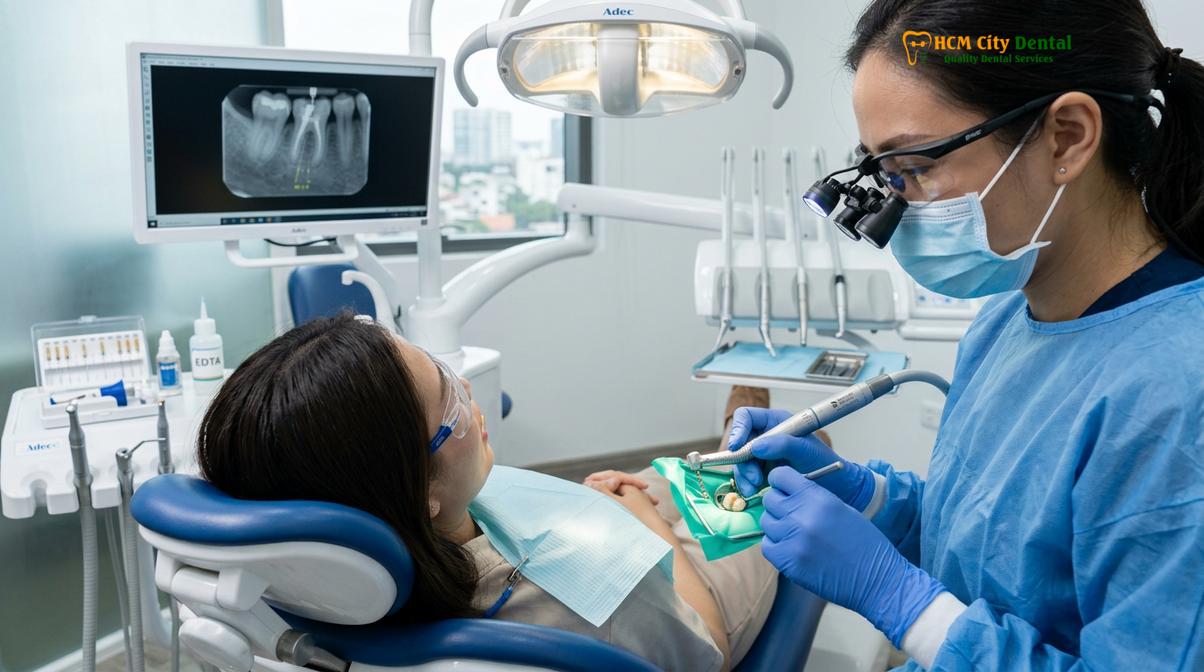
In contrast, the economic landscape in Southeast Asia allows for a much more patient-friendly pricing model. Dr. Nguyen Van Cuong, a leading specialist in restorative dentistry, frequently notes that the reduced cost of living and lower operational overhead in Vietnam enable clinics to offer premium services at a fraction of the Western price. This does not imply a reduction in quality; rather, it reflects a more efficient healthcare delivery system. The absence of inflated administrative costs and complex insurance billing departments allows clinics to focus their financial resources directly on patient care and advanced clinical technology.
When evaluating a complex root canal procedure, patients must also consider the distinction between a general dentist and an endodontist. In the US, general dentists often refer complex cases—such as calcified canals or retreated molars—to an endodontic specialist, which incurs a significantly higher fee. In Ho Chi Minh City, multidisciplinary dental centers house highly trained specialists under one roof, streamlining the treatment process and eliminating the need for costly external referrals. This integrated approach ensures that patients receive expert care without the compounded specialist fees typical of the American system.
Molar, Premolar, and Anterior Root Canal Costs: US vs. Vietnam Price Table
Treatment costs vary significantly based on tooth anatomy, with complex multi-rooted molars costing substantially more in the US compared to the highly standardized, affordable pricing in Vietnam.
The anatomical complexity of a tooth plays a crucial role in determining the difficulty, time requirement, and ultimate cost of endodontic therapy. Human dentition is categorized into anterior teeth (incisors and canines), premolars, and molars. Anterior teeth typically possess a single, relatively straight root canal, making them the most straightforward to treat. Premolars may have one or two canals, presenting a moderate level of complexity. Molars, located at the back of the mouth, are the most challenging; they typically house three to four canals, which are often curved, narrow, or partially calcified.
Because of this anatomical variation, the molar root canal cost US is notoriously high. The procedure demands meticulous precision, advanced magnification, and a significant investment of clinical time to ensure that all infected tissue is thoroughly extirpated from the intricate root canal system. Failure to locate and debride a hidden canal—such as the frequently missed mesiobuccal 2 (MB2) canal in maxillary molars—can lead to persistent infection and eventual treatment failure[2].
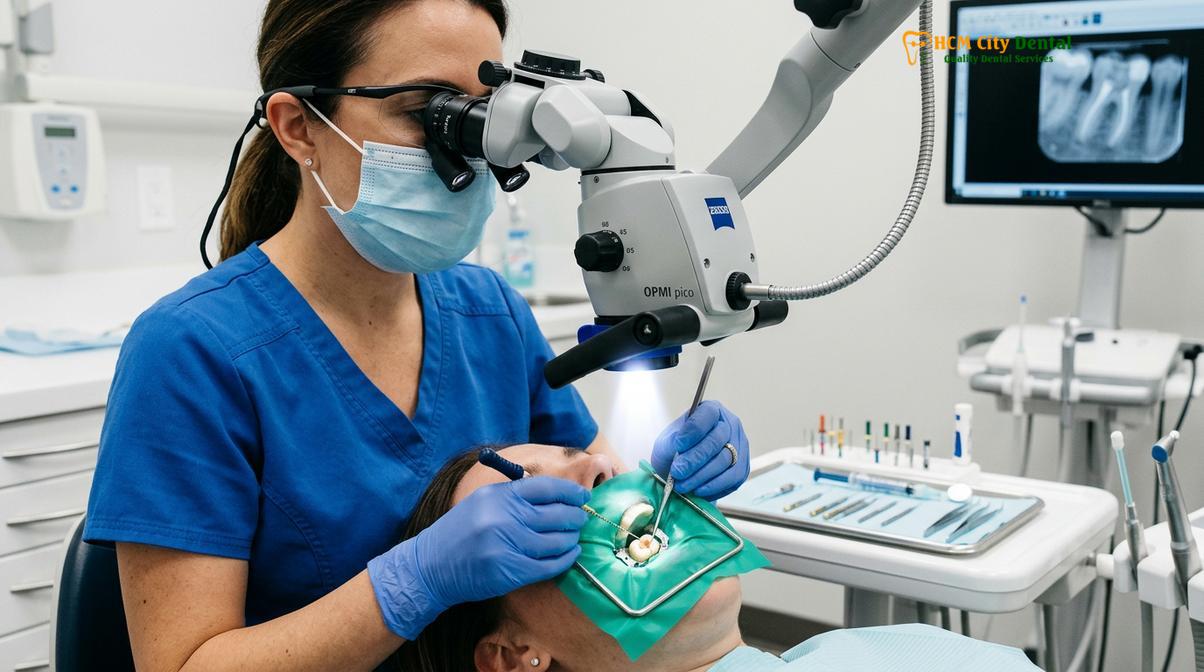
In Vietnam, while the pricing structure also reflects the anatomical complexity of the tooth, the baseline costs remain exponentially lower. Patients seeking an affordable endodontist HCMC will find that even the most complex molar retreatments are priced transparently and competitively. The following table illustrates the stark contrast in estimated out-of-pocket costs for uninsured or underinsured patients comparing average US fees to those at premier clinics in Vietnam.
| Procedure / Treatment Type | Estimated Cost in USA (USD) | Estimated Cost in Vietnam (USD) |
|---|---|---|
| Anterior Root Canal (Single Canal) | $800 – $1,200 | $100 – $150 |
| Premolar Root Canal (1-2 Canals) | $1,000 – $1,400 | $150 – $200 |
| Molar Root Canal (3-4 Canals) | $1,300 – $1,800 | $200 – $300 |
| Endodontic Retreatment (Molar) | $1,500 – $2,200 | $250 – $350 |
| Post and Core Buildup | $300 – $500 | $50 – $100 |
| Premium Zirconia Crown | $1,200 – $2,000 | $250 – $450 |
| Total Molar Restoration Package | $2,800 – $4,300 | $500 – $850 |
This comprehensive price comparison highlights why so many international patients are choosing to travel for their dental needs. When a single molar restoration in the United States can easily exceed $3,000, the financial logic of seeking endodontic care abroad becomes undeniable. Furthermore, the fees in Vietnam typically include the necessary digital X-rays and local anesthesia, which are often billed as separate line items in Western clinics.
Sourcing identical materials: German Ceramics and Swiss Instruments in HCMC
Top-tier clinics in Ho Chi Minh City utilize the exact same FDA-approved Swiss rotary files, German bioceramic sealers, and optical microscopes found in premium American endodontic practices.
A common misconception among international patients is that lower costs equate to inferior materials. In the realm of modern endodontics, this could not be further from the truth. The success of a root canal relies heavily on the “endodontic triad”: thorough biomechanical cleaning, robust chemical disinfection, and a hermetic three-dimensional obturation (sealing) of the canal space. To achieve these clinical objectives, top-tier clinics in Ho Chi Minh City import the exact same high-grade materials and equipment used by leading specialists in the United States and Europe.
The biomechanical preparation of the root canal is performed using advanced nickel-titanium (NiTi) rotary files. Brands such as Dentsply Sirona (ProTaper Gold, WaveOne) and VDW are standard in premium Vietnamese clinics. These highly flexible instruments allow the dentist to navigate severely curved canals without altering the natural anatomy of the tooth, significantly reducing the risk of procedural errors such as ledging or perforation. To ensure precise measurement of the canal length, electronic apex locators are utilized in conjunction with digital radiography.
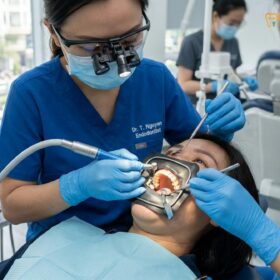
“The integration of dental operating microscopes has revolutionized endodontic therapy. By providing intense illumination and up to 25x magnification, we can identify micro-fractures and accessory canals that are completely invisible to the naked eye, thereby drastically increasing the long-term success rate of the treatment.”
Chemical disinfection is equally critical. The root canal system is irrigated with potent antimicrobial solutions, primarily sodium hypochlorite and ethylenediaminetetraacetic acid (EDTA), to dissolve organic tissue and eradicate bacterial biofilms. Once the canal is thoroughly sterilized, it must be sealed to prevent reinfection. Historically, gutta-percha combined with a zinc oxide-eugenol sealer was the standard. Today, advanced clinics utilize biocompatible bioceramic sealers, which offer superior sealing ability, dimensional stability, and osteogenic properties that promote the healing of periapical tissues[3].
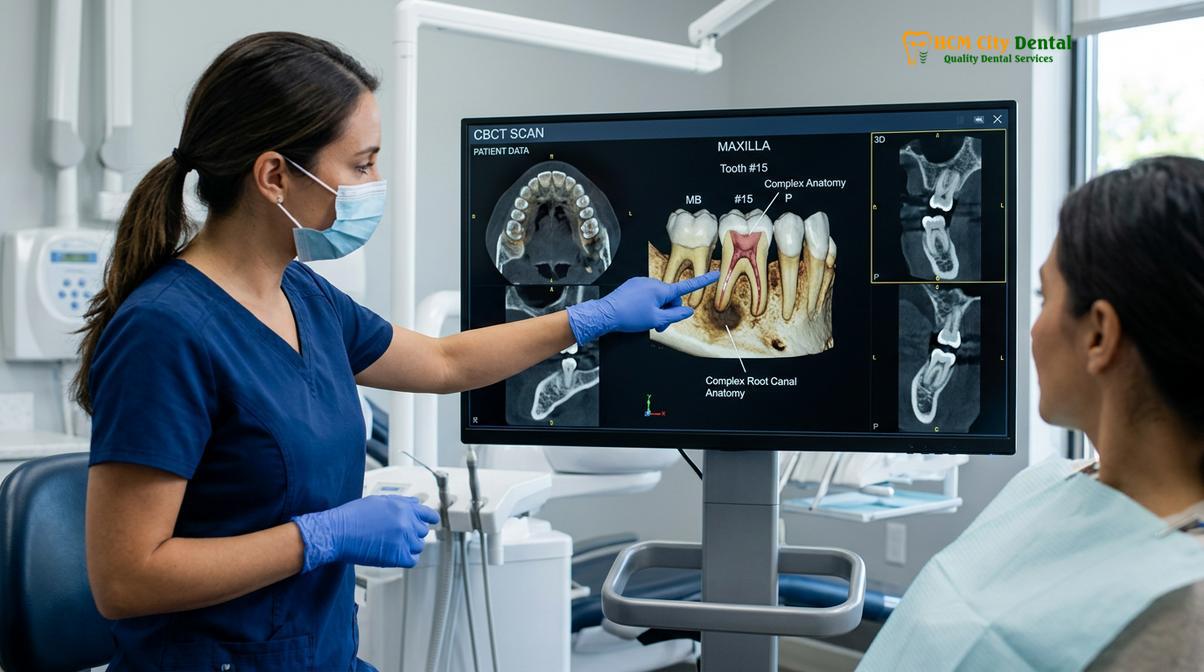
Dr. Nguyen Van Cuong emphasizes that the use of a dental operating microscope, such as those manufactured by Carl Zeiss, is non-negotiable for complex endodontic retreatments. The microscope provides unparalleled illumination and magnification, allowing the clinician to visualize the deepest apical thirds of the root canal system. Following the successful obturation of the canals, the tooth is typically restored with a custom-milled CAD/CAM zirconia crown. These crowns, fabricated from premium German or Swiss ceramic blocks, offer exceptional fracture toughness and lifelike aesthetics, ensuring that the restored tooth functions seamlessly for decades[4].
Expat Healthcare Savings: Factoring in Travel, Accommodation, and Treatment
By combining essential endodontic therapy with travel logistics, international patients can achieve substantial net savings even after factoring in flights and premium accommodation in Vietnam.
When evaluating the true cost-effectiveness of traveling abroad for medical care, patients must conduct a comprehensive cost-benefit analysis that includes all logistical expenses. The concept of dental tourism Vietnam savings is not merely a marketing term; it is a mathematically sound strategy for individuals facing extensive dental rehabilitation. To accurately assess the financial viability, one must calculate the cost of round-trip airfare, accommodation, local transportation, and daily living expenses against the projected savings from the dental procedures.
Consider a patient traveling from Los Angeles (LAX) or San Francisco (SFO) to Ho Chi Minh City (SGN). A round-trip economy flight typically ranges from $800 to $1,200, depending on the season and booking window. Accommodation in a premium four-star hotel in District 1 or District 3—the central hubs where most top-tier international clinics are located—averages between $50 and $80 per night. For a standard root canal and crown procedure, a patient will generally need to stay in the city for five to seven days. This allows sufficient time for the initial extirpation and cleaning, a brief observation period, and the final delivery of the permanent zirconia crown.
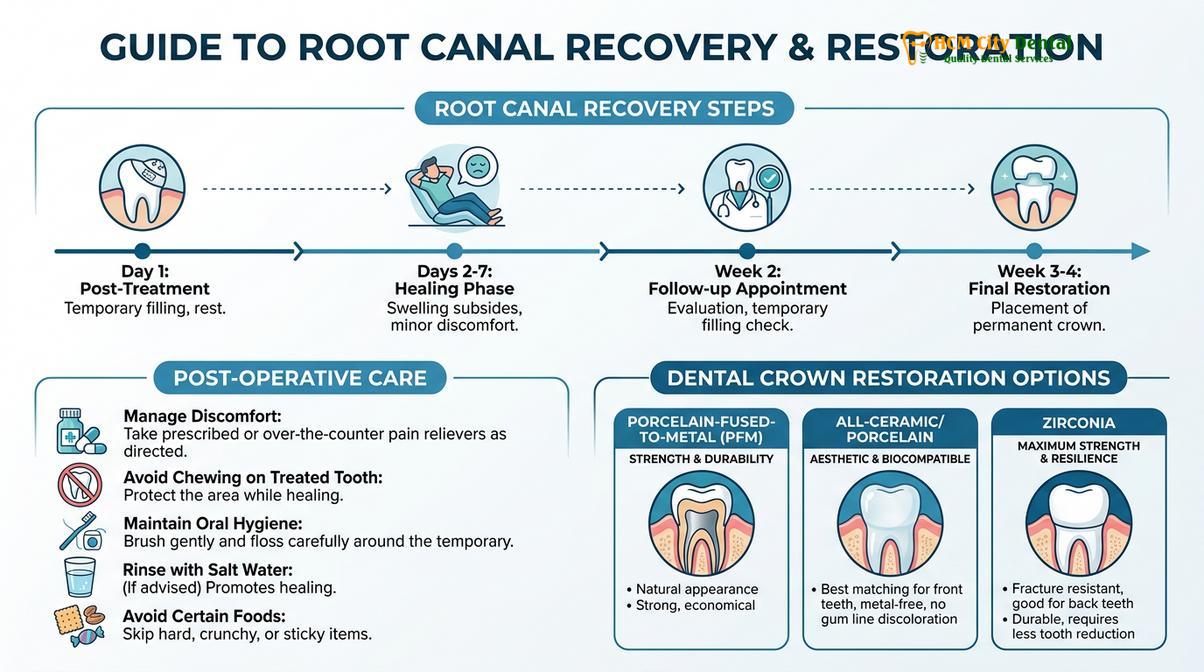
If we estimate the total travel and accommodation expenses to be approximately $1,500, the financial logic becomes clear when compared to US dental fees. A patient requiring a single molar root canal, core buildup, and crown in the US might face an out-of-pocket expense of $3,500. In Vietnam, the same clinical package would cost approximately $700. Even after adding the $1,500 travel budget, the total expenditure is $2,200—resulting in a net savings of $1,300. Furthermore, this calculation assumes the patient is only treating one tooth. If the patient requires multiple restorations, implants, or saving an infected tooth in several quadrants, the net savings multiply exponentially, often reaching tens of thousands of dollars.
Beyond the financial metrics, the logistical experience in Ho Chi Minh City is highly accommodating for international visitors. Reputable clinics often provide dedicated patient coordinators who assist with airport transfers, hotel bookings, and translation services. The city itself offers a rich cultural experience, world-renowned culinary scenes, and exceptional hospitality, allowing patients to recover in a comfortable and engaging environment. This holistic approach transforms a daunting medical necessity into a rewarding international journey.
Case Study: How a Californian Patient Saved $3,000 on Molar Treatment in Saigon
A detailed clinical and financial review demonstrates how a patient requiring complex molar endodontic retreatment and a zirconia crown saved thousands by traveling to Saigon.
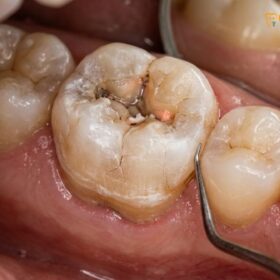
To illustrate the practical application of these economic and clinical principles, we can examine a recent case involving a 45-year-old patient from California. The patient presented with severe, spontaneous pain and localized swelling in the lower right quadrant, specifically localized to tooth #30 (the mandibular first molar). Upon consultation with a local US endodontist, the patient was diagnosed with symptomatic irreversible pulpitis progressing to symptomatic apical periodontitis. The proposed treatment plan in California included a complex molar root canal, a post and core buildup, and a full-coverage ceramic crown, with a total estimated fee of $4,100. Having exhausted their annual insurance maximum on previous periodontal work, the patient faced paying the entire amount out-of-pocket.
Clinical Case Review: Complex Molar Endodontics
Patient Profile: 45-year-old male, traveling from California, USA.
Chief Complaint: Acute thermal sensitivity, spontaneous throbbing pain, and pain upon mastication on tooth #30.
Diagnosis: Symptomatic irreversible pulpitis with symptomatic apical periodontitis.
Clinical Workflow at HCMC Dental Clinic:
- Visit 1 (Day 1): Comprehensive clinical examination and 3D CBCT imaging. The scan revealed a complex root anatomy with four distinct canals, including a highly curved mesiolingual canal. Under profound local anesthesia, the tooth was isolated with a rubber dam. The infected pulp was extirpated using rotary NiTi files, and the canals were copiously irrigated with 5.25% sodium hypochlorite. Calcium hydroxide was placed as an intracanal medicament, and the tooth was temporarily sealed.
- Visit 2 (Day 4): The patient reported complete resolution of symptoms. The canals were re-accessed, thoroughly disinfected with EDTA, and dried. A hermetic seal was achieved using warm vertical compaction of gutta-percha and a bioceramic sealer. A composite core buildup was performed, and the tooth was prepared for a crown. A digital intraoral scan was taken for the CAD/CAM laboratory.
- Visit 3 (Day 7): A custom-milled, monolithic zirconia crown was permanently cemented, restoring full occlusal function and aesthetics.
Financial Breakdown: The total cost for the CBCT scan, complex molar root canal, core buildup, and premium zirconia crown at HCMC Dental Clinic was $750. Factoring in a $900 flight and $400 for a week’s accommodation, the patient’s total expenditure was $2,050—resulting in a net savings of over $2,000 compared to the US estimate, while enjoying a vacation in Vietnam.
“The level of precision and care I received in Ho Chi Minh City far exceeded my expectations. The clinic was equipped with technology I hadn’t even seen in my local dentist’s office, and the entire process was virtually painless. The savings were just the final confirmation that I made the right choice.”
This case exemplifies the standard of care available to international patients. By utilizing advanced diagnostic imaging and adhering to strict international endodontic protocols, the clinical team was able to navigate the complex anatomy of the mandibular molar successfully. The integration of digital dentistry ensured that the final restoration was fabricated with micron-level precision, providing a durable and biologically compatible outcome.
When to See a Doctor
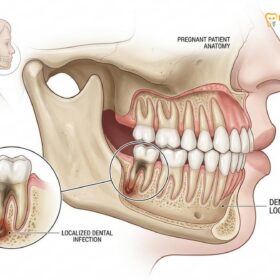
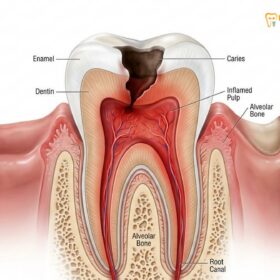
While endodontic therapy is highly successful, recognizing the early warning signs of pulpal disease is critical to preserving the natural tooth and preventing systemic complications. The dental pulp, which houses the nerves and blood vessels of the tooth, can become inflamed or infected due to deep dental caries, repeated restorative procedures, or traumatic injury. If left untreated, the infection can spread beyond the apex of the root into the surrounding alveolar bone, leading to a periapical abscess.
Patients should seek immediate clinical evaluation if they experience prolonged sensitivity to hot or cold temperatures, especially if the pain lingers long after the stimulus is removed. Spontaneous, throbbing pain that awakens the patient at night is a hallmark sign of irreversible pulpitis. Additionally, pain upon biting or chewing, discoloration of the tooth, or swelling and tenderness in the adjacent gums are strong indicators that the pulpal tissue has become necrotic and requires professional intervention[5].
Important Clinical Warning: If you experience severe facial swelling, difficulty swallowing, or a high fever in conjunction with dental pain, seek emergency medical attention immediately. These are signs of a spreading fascial space infection, such as Ludwig’s angina, which can be life-threatening. Furthermore, patients with acute, untreated dental infections or trapped gas within a tooth should avoid air travel, as changes in cabin pressure can induce severe barodontalgia (tooth squeeze).
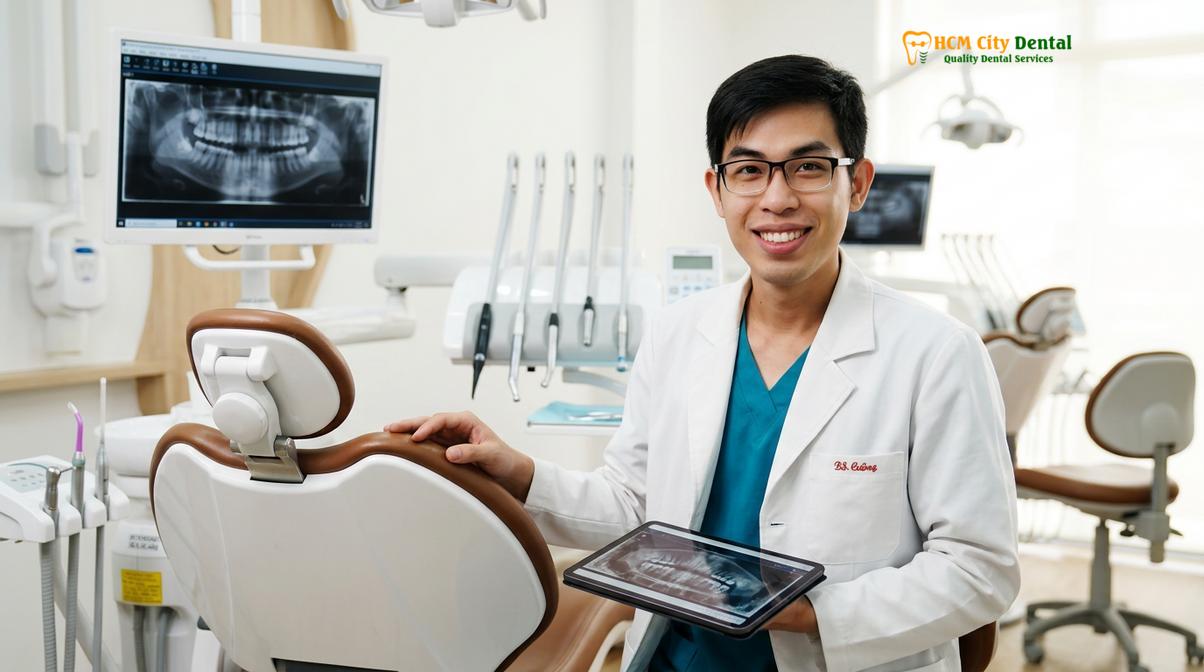
Before planning a trip abroad for dental care, it is highly recommended to obtain a preliminary diagnosis from a local dentist. Sharing recent X-rays or a CBCT scan with the specialists at HCMC Dental Clinic allows for a more accurate remote consultation and treatment planning. However, a definitive diagnosis and treatment plan can only be established following a comprehensive in-person clinical examination and vitality testing.
Frequently Asked Questions
Why are root canal treatments so cheap in Vietnam?
Root canal treatments in Vietnam are highly affordable primarily due to significantly lower operational overhead, reduced labor costs, and the absence of exorbitant malpractice insurance premiums. Despite the lower price point, top-tier clinics utilize the exact same imported dental materials and advanced technologies found in Western countries, ensuring clinical outcomes remain uncompromised. The economic structure of the region allows clinics to pass these operational savings directly to the patient.
Are the dental materials used in Vietnam FDA-approved?
Yes, reputable international dental clinics in Vietnam strictly utilize FDA-approved and CE-marked dental materials. This includes Swiss and American nickel-titanium rotary files, German bioceramic sealers, and premium zirconia blocks for crowns. The cost savings stem from regional economics, not from utilizing substandard or unverified endodontic supplies. Clinics catering to international patients maintain rigorous supply chain standards to ensure biocompatibility and long-term success.
How many days should I stay in Ho Chi Minh City for a root canal and crown?
International patients should plan to stay in Ho Chi Minh City for approximately five to seven days to complete a root canal and receive a final permanent crown. This timeframe allows for the initial endodontic therapy, a brief observation period to ensure the infection is resolving, and the fabrication and fitting of a custom CAD/CAM restoration. Complex cases or retreatments may require a slightly longer stay to ensure optimal healing before the final crown is cemented.
Is it safe to fly immediately after receiving root canal therapy?
Flying immediately after a root canal is generally safe, provided the tooth has been properly sealed and there is no acute swelling. However, changes in cabin pressure can occasionally cause mild discomfort, known as barodontalgia, if there is trapped gas or ongoing inflammation. Dentists typically recommend waiting 24 to 48 hours before taking a long-haul flight to ensure the patient is comfortable and no immediate post-operative complications arise.
What happens if my root canal fails after I return home?
While endodontic therapy has a very high success rate, failures can occasionally occur due to complex anatomy or persistent biofilms. Reputable clinics in Vietnam provide comprehensive warranties on their restorative work. If a complication arises, patients can often have the issue evaluated locally, and the Vietnamese clinic may cover the cost of retreatment or provide a free revision upon the patient’s return. It is crucial to maintain regular dental check-ups and practice excellent oral hygiene to minimize the risk of reinfection.
References
- Journal of Endodontics. Outcomes of root canal treatment and restoration longevity. (2020).
- International Endodontic Journal. Biofilms in endodontics and disinfection strategies. (2021).
- Journal of the American Dental Association. Microscope-assisted endodontics and missed canals. (2019).
- Clinical Oral Investigations. Biocompatibility of bioceramic root canal sealers. (2022).
- British Dental Journal. Pain management and dental anxiety in endodontics. (2018).