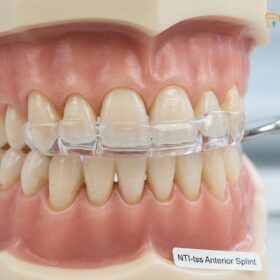
A custom sports mouthguard in Ho Chi Minh City, District 1, provides essential protection for athletes by precisely adapting to individual dental anatomy. Unlike over-the-counter options, clinical-grade mouthguards absorb high-impact forces, safeguarding teeth, gums, and the temporomandibular joint during contact sports.
Clinical Summary:
Custom-fabricated sports mouthguards offer superior maxillofacial protection compared to standard boil-and-bite alternatives. By utilizing precise dental impressions and multi-layer EVA (ethylene vinyl acetate) lamination, these devices dissipate traumatic forces away from vulnerable anterior teeth and the temporomandibular joint. Clinical fitting ensures optimal oxygen intake, clear communication, and structural stability during high-impact activities such as martial arts, rugby, and boxing. Professional evaluation at a dental clinic is crucial to determine the appropriate thickness and design based on the athlete’s specific sport and oral anatomy.
Key Takeaways:
- Custom mouthguards significantly reduce the risk of dental avulsion, crown fractures, and soft tissue lacerations.
- Multi-layer lamination provides targeted thickness, offering enhanced protection for heavy contact sports.
- Precise clinical adaptation allows for unobstructed breathing and clear on-field communication.
- Professional fabrication requires accurate intraoral impressions or digital scanning for a secure, snap-on fit.
- Regular clinical evaluation ensures the mouthguard maintains its protective integrity and adapts to any dental changes.
| Mouthguard Type | HCMC Dental Cost | Protection Level |
|---|---|---|
| Custom Sports Guard (3-4mm EVA) | $115 USD (3,000,000 VND) | ⭐⭐⭐⭐⭐ (Maximum) |
| Retail Boil-and-Bite Guard | $15 – $25 USD | ⭐ (Poor Protection) |
Custom Dental Mouthguards vs. Boil-and-Bite Sports Guards
Custom dental mouthguards are fabricated from precise intraoral impressions, offering superior retention and impact distribution compared to generic boil-and-bite guards that often fit poorly and impede breathing.
When participating in contact sports, the choice of protective equipment can mean the difference between a safe match and a severe dental emergency. The market generally offers two primary categories of mouth protection: over-the-counter boil-and-bite guards and custom-fabricated clinical mouthguards. Understanding the biomechanical and material differences between these options is crucial for athletes seeking optimal protection.
Boil-and-bite mouthguards are made from a basic thermoplastic material. The user softens the guard in boiling water and then bites into it to create a rudimentary impression of their teeth. While this provides a basic level of protection, the adaptation is inherently flawed. During the biting process, the material often thins out significantly at the incisal edges and cusps—the exact areas that require the most protection against impact. Furthermore, as the material cools, it undergoes volumetric shrinkage, leading to a loose fit that requires the athlete to constantly clench their jaw to keep the guard in place.
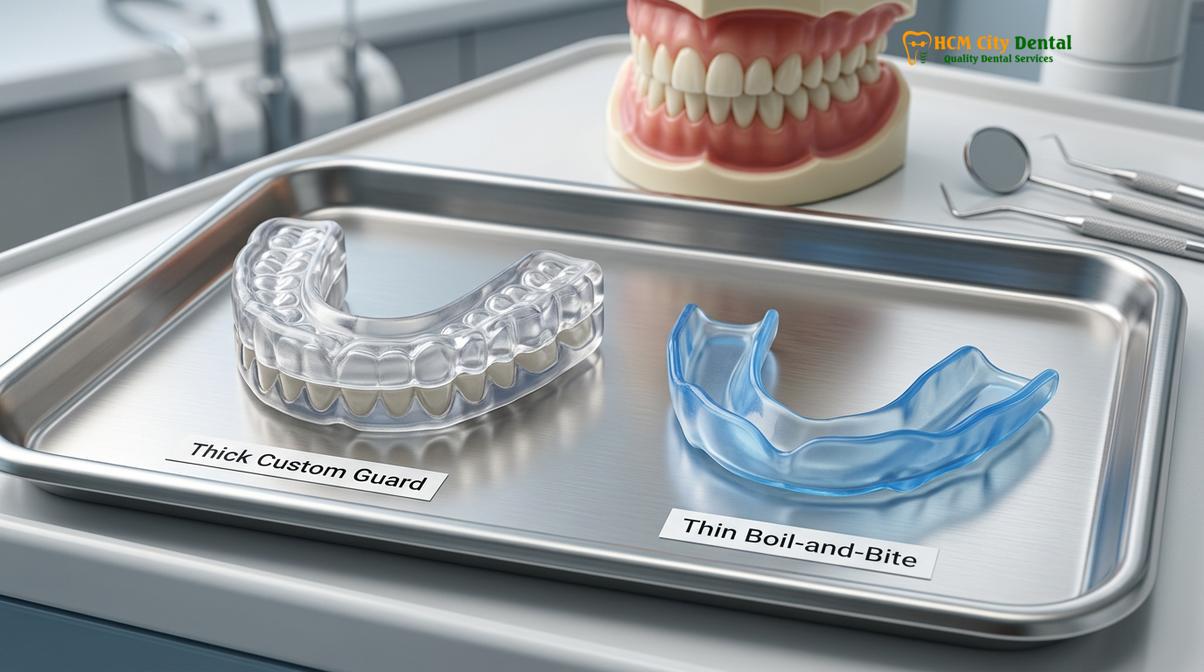
In contrast, a custom sports mouthguard is fabricated in a clinical setting using highly accurate impressions or digital intraoral scans. This precise replication of the patient’s dental arch allows the mouthguard to utilize the natural undercuts of the teeth for retention. The device snaps securely into place, remaining stable even when the mouth is open. This superior fit not only enhances comfort but also ensures that the protective material maintains a consistent, calculated thickness across all vulnerable areas of the dentition [1].
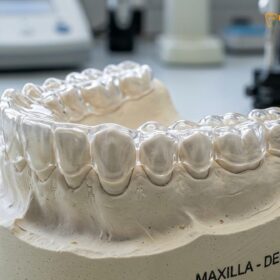
The material science behind custom guards also differs significantly. Clinical mouthguards are typically constructed from high-quality ethylene vinyl acetate (EVA) using a pressure thermoforming process. This method ensures optimal density and shock absorption capabilities, creating a highly effective dental impact absorber that generic alternatives simply cannot match.
| Feature | Custom Clinical Mouthguard | Boil-and-Bite Mouthguard |
|---|---|---|
| Fit & Retention | Excellent; snaps securely onto teeth without clenching. | Poor to moderate; often requires jaw clenching to hold in place. |
| Impact Protection | Superior; consistent thickness and multi-layer options. | Variable; material often thins out during the biting process. |
| Breathing & Speech | Unobstructed; allows for maximum oxygen intake. | Impaired; bulkiness and loose fit restrict airflow. |
| Comfort | High; customized to individual soft tissue contours. | Low; can cause gagging or soft tissue irritation. |
Shock Absorption: Protecting Enamel, Lips, and the Jaw Condyle
A clinically designed mouthguard acts as a shock absorber, dissipating traumatic kinetic energy away from the fragile incisors and preventing the mandibular condyle from forcefully impacting the skull base.
The primary function of a sports mouthguard extends far beyond merely preventing chipped teeth. A well-designed guard serves as a comprehensive maxillofacial protection system. When a direct blow is delivered to the lower face, the kinetic energy must be absorbed and dissipated to prevent structural failure of the biological tissues.
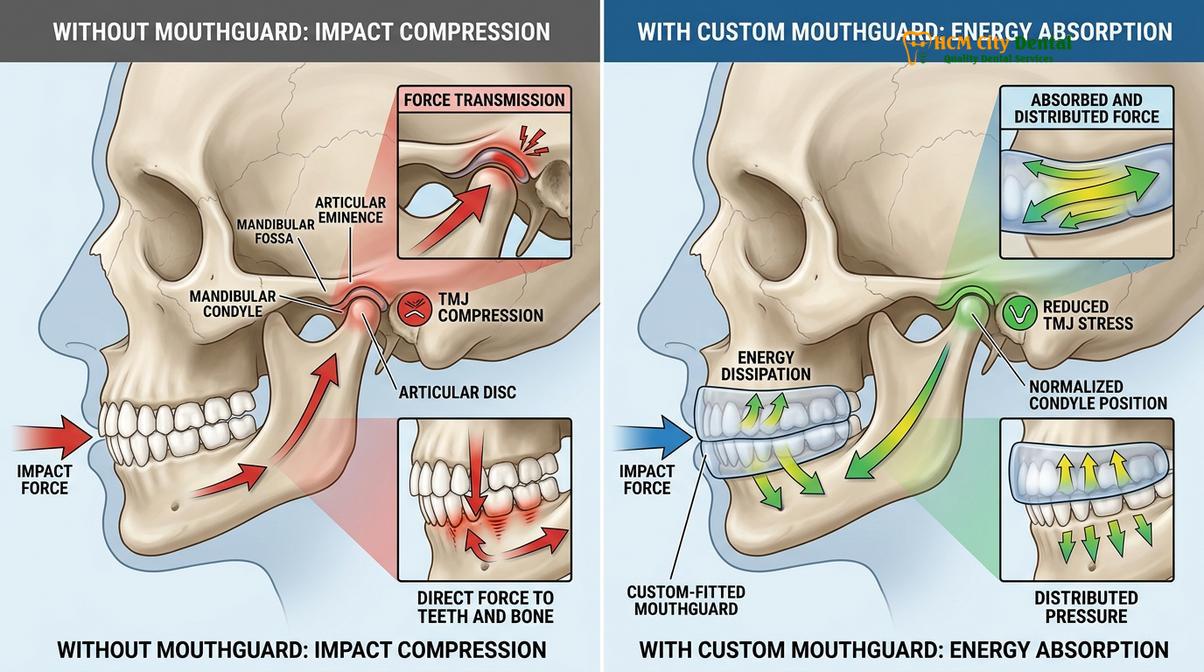
Direct impacts to the anterior teeth (incisors) are a common cause of dental avulsion (teeth being knocked out) or crown fractures. A custom mouthguard covers these teeth with a resilient layer of EVA material. Upon impact, the material compresses slightly, increasing the time over which the force is applied and spreading the energy across the entire dental arch rather than allowing it to concentrate on a single tooth. This dispersion significantly reduces the peak force experienced by any individual tooth structure [2].
Furthermore, the mouthguard acts as a physical barrier between the sharp incisal edges of the teeth and the soft tissues of the lips and cheeks. In contact sports, lacerations to the inner lips are frequent when the soft tissue is forcefully pressed against unprotected teeth. The smooth, rounded contours of a custom guard mitigate this risk entirely.
“The biomechanical value of a custom mouthguard lies not just in protecting the enamel, but in stabilizing the mandible. By providing a resilient cushion between the upper and lower arches, we significantly reduce the transmission of concussive forces to the temporomandibular joint and the cranial base.”
Perhaps the most critical, yet often overlooked, function of a high-quality mouthguard is its role in protecting the temporomandibular joint (TMJ). An upward blow to the chin can forcefully drive the mandibular condyle into the glenoid fossa of the skull. This violent compression can cause severe TMJ trauma, disc displacement, and has been associated with an increased risk of concussions. A custom mouthguard provides a specified thickness of material between the upper and lower teeth, acting as a dampening cushion that absorbs this upward force. For athletes experiencing chronic jaw pain or seeking comprehensive joint protection, integrating a mouthguard into a broader temporomandibular joint therapy plan is highly recommended.
Custom Multi-Layer Lamination for Boxing, BJJ, and Rugby in Saigon
High-contact sports require multi-layer laminated mouthguards, which fuse varying densities of EVA material under high heat and pressure to withstand severe, direct maxillofacial impacts.
Not all sports carry the same risk profile, and therefore, not all mouthguards should be constructed identically. The level of protection required for a non-contact sport differs vastly from the requirements of heavy combat sports. In Ho Chi Minh City, where martial arts like Muay Thai, Brazilian Jiu-Jitsu (BJJ), and boxing are highly popular, the demand for specialized protective gear is significant.
For these high-impact activities, a single layer of EVA material is often insufficient. Clinical dental laboratories utilize a technique called multi-layer lamination to create a custom MMA mouth protector or a heavy-duty boxing mouthguard HCMC athletes can rely on. This process involves thermoforming multiple distinct layers of EVA over the patient’s dental model.
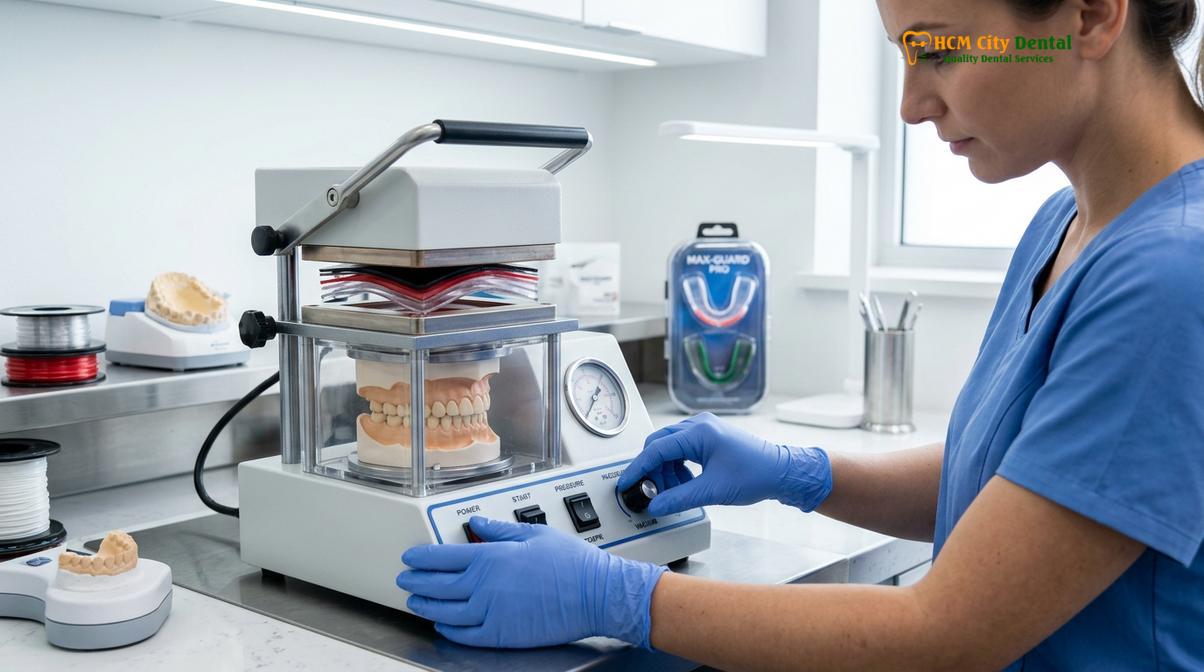
Typically, the first layer provides a precise, comfortable fit against the teeth and gums. A second, harder layer (often a rigid polycarbonate insert) may be integrated into the anterior region to disperse concentrated point-impacts (such as a direct punch or an elbow strike). Finally, a third softer layer is laminated over the top to provide the final shock-absorbing exterior and to ensure proper occlusion with the opposing teeth [3].
Clinical Case Example: Maxillofacial Protection in Combat Sports
Patient Profile: A 28-year-old amateur Muay Thai fighter presented to HCMC Dental Clinic seeking advanced dental protection after experiencing minor enamel chipping with a generic guard.
Clinical Intervention: Dr. Nguyen Van Cuong performed a comprehensive intraoral scan and prescribed a 5mm, triple-layer laminated custom mouthguard. The design included a rigid anterior dispersion insert to handle direct strikes.
Outcome: The patient reported a perfectly secure fit that did not dislodge during sparring. The multi-layer design provided superior shock absorption, and the precise adaptation allowed for unobstructed breathing during high-cardio rounds.
The lamination process is performed under high heat and positive pressure, ensuring that the layers fuse seamlessly without any delamination. This technique allows the dentist to customize the thickness of the guard precisely where it is needed—thicker over the vulnerable anterior teeth and slightly thinner in the palatal area to maximize tongue space and comfort.
Easy Breathing and Clear Speech: The Advantage of Precise Adaptation
Because custom mouthguards snap securely onto the dentition without requiring the athlete to clench their jaw, they facilitate maximum oxygen intake and allow for clear on-field communication.
In any athletic endeavor, cardiovascular performance is paramount. The body’s ability to intake and utilize oxygen directly impacts endurance, strength, and cognitive function during competition. One of the most significant drawbacks of poorly fitting boil-and-bite mouthguards is their negative impact on the athlete’s airway.
When a mouthguard lacks proper retention, the athlete is forced to keep their teeth clenched or their lips tightly sealed to prevent the device from falling out. This unnatural posture restricts the oral airway, forcing the athlete to rely heavily on nasal breathing, which is often insufficient during peak physical exertion. The resulting oxygen deprivation can lead to premature fatigue and decreased performance [4].
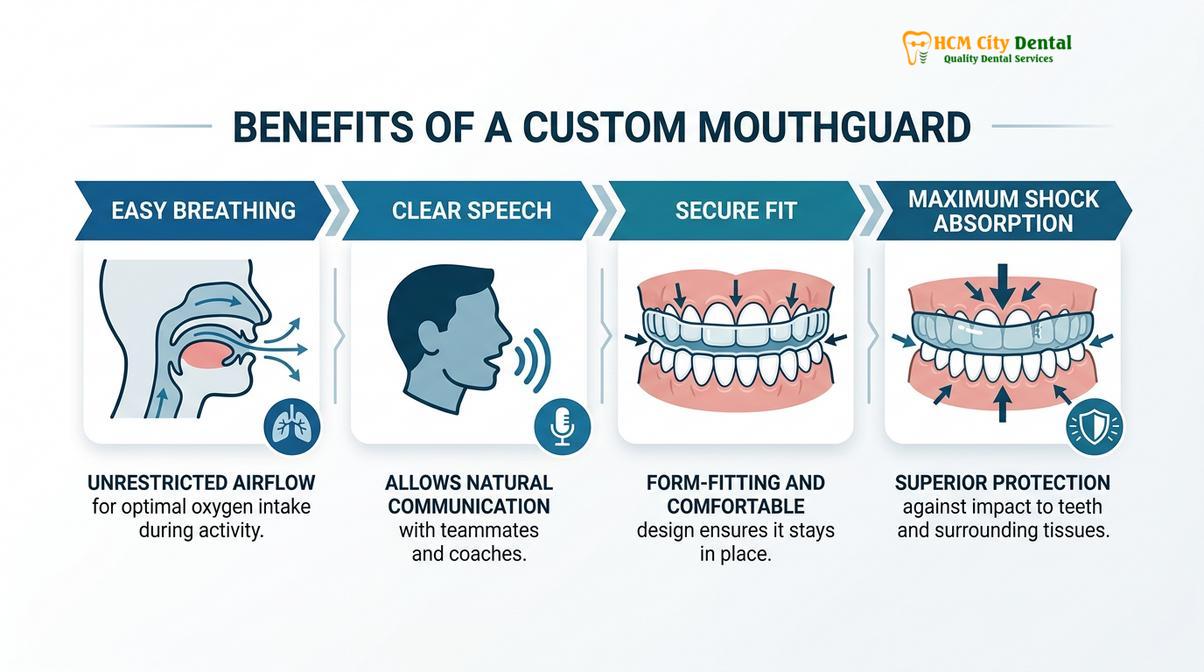
A custom-fabricated mouthguard eliminates this issue entirely. Because it is designed from an exact replica of the patient’s teeth, it utilizes the natural anatomical undercuts for retention. The guard snaps firmly into place and stays there, regardless of jaw movement. This allows the athlete to open their mouth fully, facilitating maximum airflow and optimal oxygenation during intense moments of the match.
“Athletic performance is heavily dependent on efficient oxygen exchange. A mouthguard that requires constant conscious effort to keep in place is a liability. Custom adaptation ensures the airway remains unobstructed, allowing the athlete to focus entirely on their sport.”
Furthermore, clear communication is essential in team sports like rugby or basketball. A bulky, loose-fitting guard muffles speech and makes calling plays difficult. The precise, streamlined design of a custom guard minimizes interference with the tongue and palate, allowing for much clearer articulation and effective on-field communication.
Clinical Fabrication Workflow at HCMC Dental Clinic
The creation of a professional sports mouthguard involves precise digital scanning, occlusal analysis, and thermoforming techniques to ensure an exact fit over the patient’s unique dental arch.
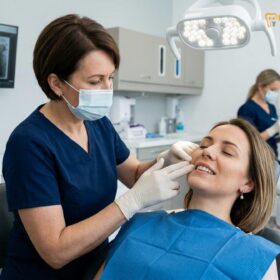
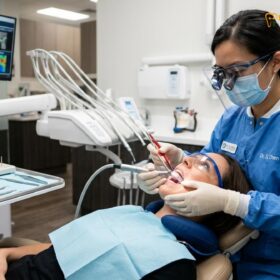
Obtaining a custom sports mouthguard is a straightforward clinical process that prioritizes accuracy and patient comfort. The workflow begins with a comprehensive assessment of the patient’s oral health. It is essential that any underlying dental issues, such as cavities or gingivitis, are addressed through comprehensive general dentistry before fabricating the appliance.
Once the teeth are deemed healthy, the dentist will capture the exact geometry of the dental arches. Traditionally, this was done using alginate impression material. However, modern clinics increasingly utilize digital intraoral scanners. These scanners capture highly accurate 3D images of the teeth and gums without the discomfort or gag reflex associated with traditional putty impressions [5].
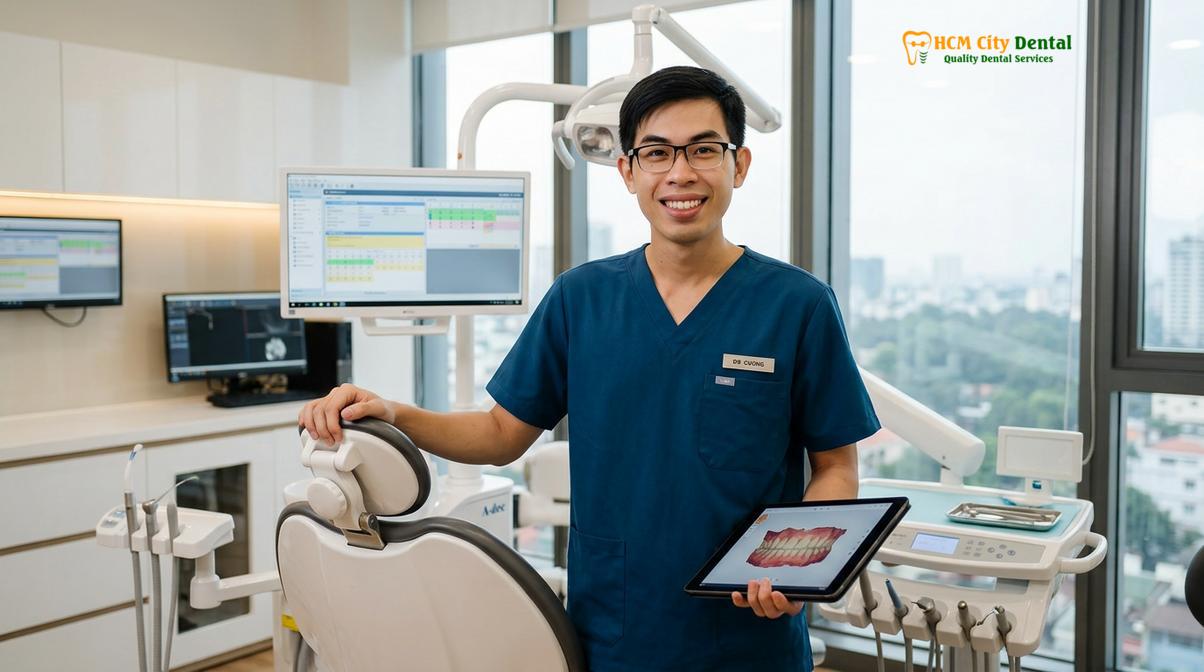
Dr. Nguyen Van Cuong emphasizes that the accuracy of this initial impression is the most critical step in the entire process. Even a millimeter of distortion can compromise the fit and protective capabilities of the final product. After the digital or physical model is created, it is sent to the dental laboratory.
In the lab, technicians use a pressure thermoforming machine to adapt the heated EVA material over the model. For multi-layer guards, this process is repeated, fusing the layers together. The guard is then carefully trimmed and polished. The borders are smoothed to ensure they do not impinge on the sensitive frenum or gingival tissues. Finally, the patient returns to the clinic for a fitting appointment, where the dentist verifies the retention, comfort, and occlusal balance, making any necessary micro-adjustments.
When to See a Doctor for Sports-Related Dental Trauma
Despite the best protective gear, accidents can still occur in high-impact sports. Knowing when to seek immediate medical or dental attention is crucial for preserving oral health and preventing long-term complications. If you experience a significant blow to the face or jaw, prompt clinical evaluation is highly recommended.
Immediate Action Required: Dental Avulsion
If a tooth is completely knocked out (avulsed), time is of the essence. Handle the tooth only by the crown (the white part), never by the root. Rinse it gently with milk or saline if dirty, and attempt to reinsert it into the socket. If that is not possible, store the tooth in a container of milk or the patient’s saliva and seek emergency dental care immediately. Re-implantation success drops significantly after the first 60 minutes.
You should schedule an immediate consultation if you experience any of the following symptoms after a sports injury:
- Severe Jaw Pain or Limited Opening: This could indicate a fracture of the mandible or severe trauma to the temporomandibular joint. Early TMJ disorder management is vital to prevent chronic dysfunction.
- Loose or Displaced Teeth: Even if a tooth is not completely knocked out, significant mobility requires clinical stabilization (splinting) to allow the periodontal ligaments to heal.
- Chipped or Fractured Teeth: Exposed dentin or pulp tissue can cause severe pain and lead to infection. Prompt restorative care is necessary.
- Signs of Concussion: Dizziness, nausea, confusion, or loss of consciousness require immediate medical evaluation at a hospital, as these indicate potential traumatic brain injury.
Dr. Cuong advises all athletes to undergo routine preventive dental care and have their mouthguards inspected annually. Changes in dental anatomy, especially in younger athletes, or wear and tear on the material can compromise the guard’s effectiveness, necessitating a replacement to ensure continuous, optimal protection.
Frequently Asked Questions
How much does a custom sports mouthguard cost in HCMC?
Currently, a custom sports mouthguard in HCMC ranges depending on the required thickness and lamination layers. Professional fabrication ensures optimal protection and durability. The exact cost is determined during your clinical consultation based on your specific athletic requirements, the type of sport you play, and your unique dental anatomy. Multi-layer laminated guards designed for heavy combat sports typically represent a higher investment than single-layer guards used for lighter contact activities.
Can I wear a sports mouthguard over braces?
Yes, a custom sports mouthguard can be specifically designed to fit safely over orthodontic braces. Your dentist will create a specialized guard that provides extra space for the brackets and wires, preventing soft tissue lacerations while allowing for ongoing tooth movement. It is crucial not to use generic boil-and-bite guards with braces, as the material can become entangled in the orthodontic hardware, potentially causing damage to the braces or unwanted forces on the teeth.
How long does it take to make a custom mouthguard?
The fabrication of a custom mouthguard typically takes a few days to a week after your initial impression. The process involves taking precise digital or physical molds, followed by laboratory thermoforming and lamination to ensure a perfect, secure fit. During periods of high demand, the laboratory turnaround time may vary slightly, but the clinical team will ensure the appliance is delivered promptly and adjusted for perfect occlusion.
How should I clean and store my dental impact absorber?
Rinse your mouthguard with cool water and clean it with a soft brush and mild soap after every use. Store it in a rigid, ventilated container away from direct sunlight or heat sources to prevent the thermoplastic material from warping. Avoid using hot water, harsh chemicals, or abrasive toothpastes, as these can degrade the EVA material and compromise the structural integrity and fit of the guard.
When should I replace my custom MMA mouth protector?
You should replace your mouthguard if it shows signs of severe wear, tearing, or if it no longer fits securely. For growing adolescents, replacement may be necessary more frequently to accommodate changes in the dental arch and erupting teeth. Adult athletes should have their mouthguards evaluated by a dentist annually to ensure the material has not degraded and that it continues to provide maximum shock absorption and retention.
References
- Journal of the American Dental Association. The effectiveness of custom-made mouthguards in preventing sports-related dental trauma. (2021).
- Dental Traumatology. Biomechanical analysis of shock absorption capacities in different mouthguard materials. (2020).
- International Journal of Sports Medicine. Maxillofacial injuries in combat sports and the role of multi-layer EVA protectors. (2019).
- Journal of Sports Sciences. Cardiopulmonary effects of custom versus over-the-counter mouthguards during high-intensity exercise. (2022).
- Clinical Oral Investigations. Digital workflows in the fabrication of thermoformed dental appliances. (2023).