Bruxism is a repetitive jaw-muscle activity characterized by clenching or grinding of the teeth, primarily driven by central nervous system arousal rather than purely anatomical factors. Chronic stress and anxiety are the leading catalysts, triggering physiological responses that significantly elevate nocturnal masticatory muscle tone.
Clinical Summary:
The etiology of bruxism has shifted from a purely peripheral mechanical model (such as dental malocclusion) to a central neurobiological paradigm. Chronic psychological stress and allostatic load are the primary drivers, activating the hypothalamic-pituitary-adrenal (HPA) axis and the sympathetic nervous system. This activation leads to elevated circulating cortisol and norepinephrine, which directly increase involuntary muscle tone in the orofacial region, resulting in rhythmic masticatory muscle activity (RMMA) during sleep. Furthermore, secondary bruxism is frequently induced by exogenous substances, notably selective serotonin reuptake inhibitors (SSRIs) and psychostimulants, which disrupt dopaminergic and serotonergic pathways in the basal ganglia. Genetic predispositions also play a critical role, with specific polymorphisms increasing susceptibility. Clinical management requires a multifaceted approach, utilizing custom Nightguards to protect dental structures, alongside behavioral and pharmacological interventions to address the underlying central nervous system hyperarousal.
Key Takeaways:
- Bruxism is primarily a centrally mediated phenomenon driven by the central nervous system, not just a mechanical bite issue.
- Chronic stress activates the HPA axis, leading to elevated cortisol levels that directly increase nocturnal jaw muscle tension.
- Medications such as SSRIs and ADHD stimulants are common culprits in triggering medication-induced secondary bruxism.
- Genetics account for a significant portion of bruxism risk, with specific neurotransmitter receptor variations increasing susceptibility.
- Custom-fabricated stabilization splints remain the gold standard for protecting teeth and the temporomandibular joint from grinding forces.
The Complex Etiology of Teeth Grinding
The etiology of teeth grinding is multifactorial, heavily influenced by central nervous system arousal, psychological distress, and sleep architecture disruptions rather than simple dental misalignment.
For decades, the dental profession primarily viewed bruxism through a mechanical lens, attributing the grinding and clenching of teeth to occlusal discrepancies—essentially, a misalignment of the upper and lower jaws. However, extensive clinical research and advancements in sleep medicine have fundamentally shifted this paradigm. Today, bruxism is recognized not merely as a dental issue, but as a complex, centrally mediated phenomenon governed by the central nervous system (CNS)[1]. This involuntary rhythmic masticatory muscle activity (RMMA) is a manifestation of heightened neurological arousal, influenced by a myriad of psychological, physiological, and exogenous factors.
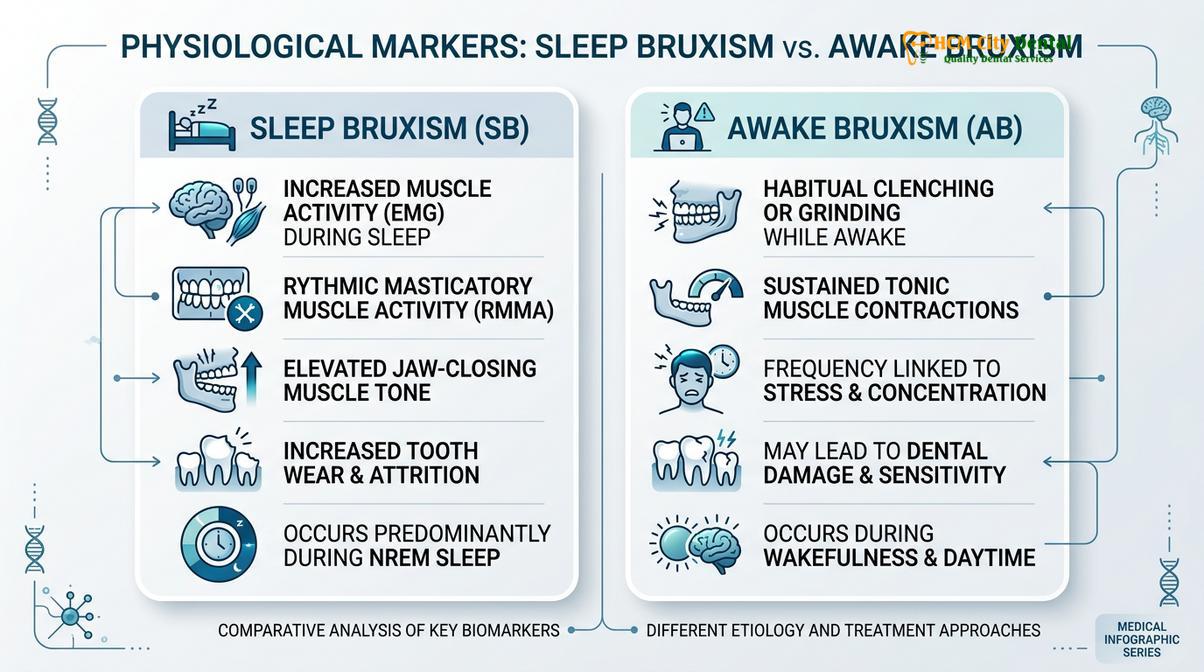
To understand the etiology of bruxism, it is essential to distinguish between its two primary circadian manifestations: sleep bruxism (SB) and awake bruxism (AB). While they share the common physical action of jaw muscle contraction, their underlying triggers and neurobiological pathways differ significantly. Sleep bruxism is classified as a sleep-related movement disorder. It typically occurs during the transition from deeper stages of sleep to lighter stages, accompanied by micro-arousals—brief awakenings that the patient is entirely unaware of. During these micro-arousals, there is a sudden spike in autonomic sympathetic nervous system activity, leading to an increase in heart rate, respiratory rate, and ultimately, intense contractions of the masseter and temporalis muscles.
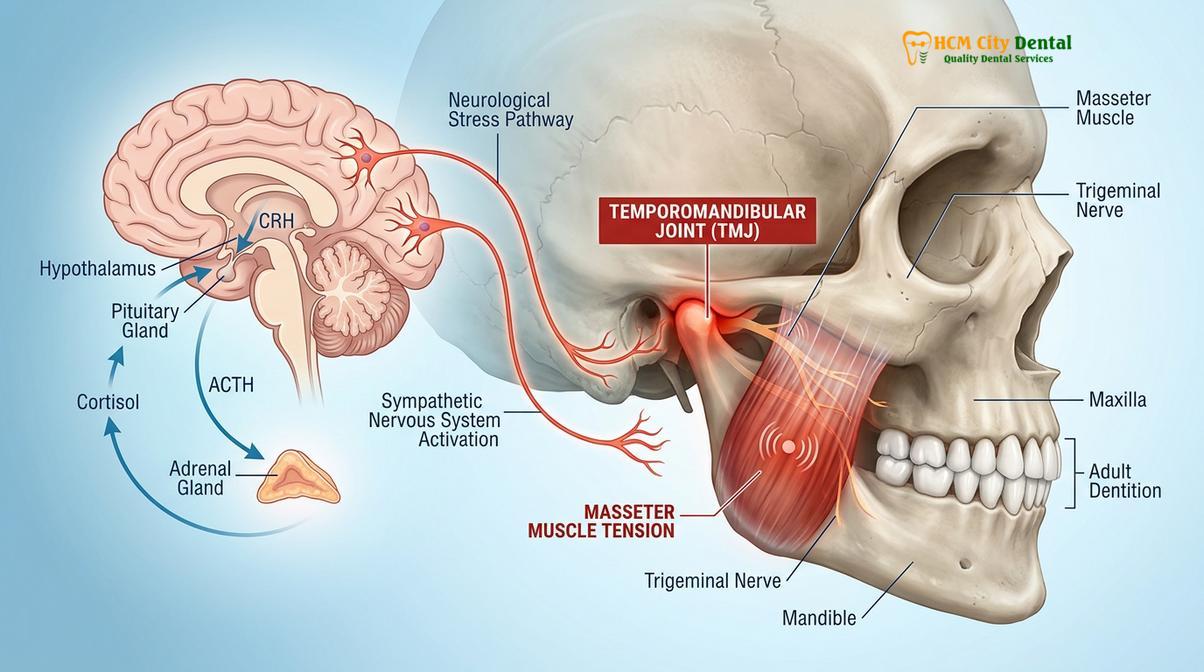
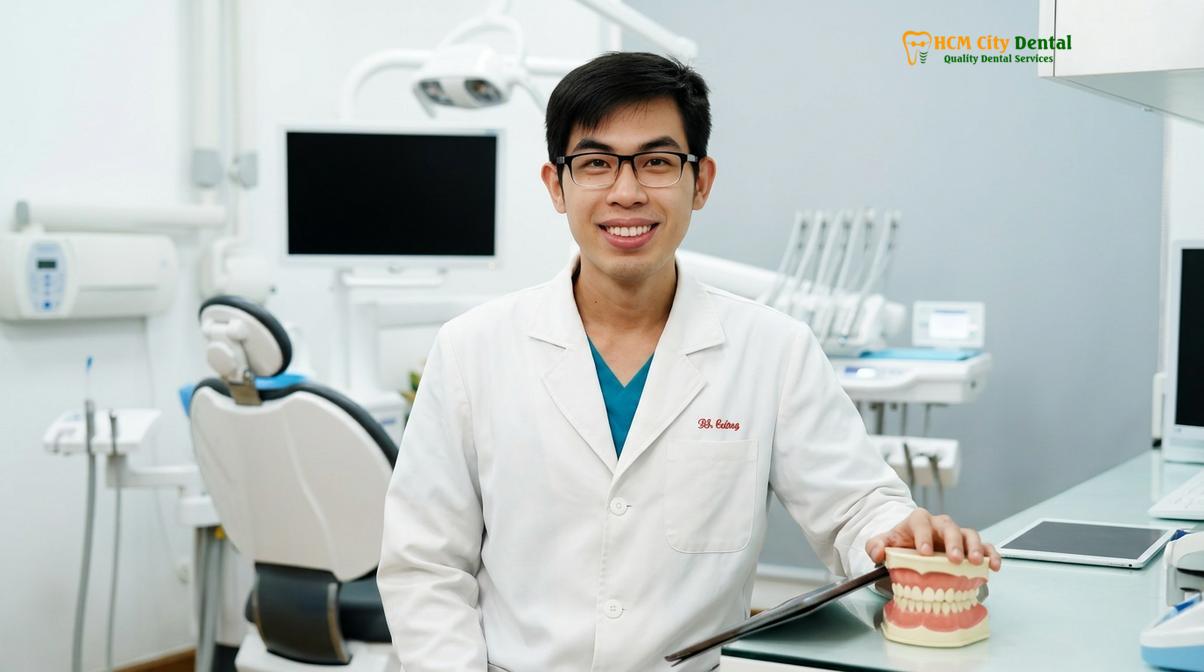
Conversely, awake bruxism is characterized primarily by sustained clenching or bracing of the jaw rather than rhythmic grinding. It is heavily correlated with psychosocial factors, particularly acute stress, anxiety, and intense concentration. Patients often unconsciously clench their teeth while driving, working at a computer, or navigating high-pressure situations. Dr. Nguyen Van Cuong, a leading specialist at HCMC Dental Clinic, frequently observes that patients presenting with severe awake bruxism often exhibit signs of generalized anxiety disorder or chronic occupational stress, highlighting the deep connection between emotional state and orofacial muscle tone.
“The transition in our understanding of bruxism from a peripheral, occlusion-based disorder to a central, neurobiologically driven condition has revolutionized our treatment protocols. We no longer simply adjust the bite; we must address the neurological and psychological hyperarousal that drives the muscle hyperactivity.” — Journal of Oral Rehabilitation[1]
The multifactorial nature of bruxism means that a single patient may be influenced by several overlapping triggers. These include psychosocial distress, sleep architecture fragmentation (such as that caused by obstructive sleep apnea), lifestyle factors (high caffeine or alcohol intake), and genetic predispositions. When evaluating a patient for comprehensive temporomandibular joint therapies, clinicians must conduct a thorough medical and psychological history to identify these root causes. Failing to recognize the central drivers of the condition often leads to refractory cases where traditional dental interventions alone prove insufficient.
Stress Hormones: How Cortisol Influences Nocturnal Muscle Tone
Chronic psychological stress activates the hypothalamic-pituitary-adrenal (HPA) axis, releasing cortisol and norepinephrine, which directly increases sympathetic nervous system activity and nocturnal jaw muscle tension.
The most widely acknowledged and clinically significant factor in the etiopathogenesis of bruxism is stress. However, to understand how an emotional state translates into physical tooth destruction, one must examine the neuroendocrine response to psychological distress. When an individual experiences chronic stress, the body enters a state of allostatic load—the cumulative wear and tear on biological systems caused by prolonged adaptation to environmental demands. This state triggers a cascade of hormonal and neurological events that profoundly impact muscle physiology.
The primary mechanism through which stress affects the body is the hypothalamic-pituitary-adrenal (HPA) axis. Upon perceiving a stressor, the hypothalamus releases corticotropin-releasing hormone (CRH). This hormone signals the pituitary gland to secrete adrenocorticotropic hormone (ACTH), which in turn stimulates the adrenal glands to release glucocorticoids, primarily cortisol, into the bloodstream. Concurrently, the sympathetic-adreno-medullary axis is activated, leading to the release of norepinephrine from the locus coeruleus. This dual activation is designed to prepare the body for a “fight or flight” response, increasing alertness, heart rate, and muscle readiness.
In the context of bruxism, this heightened state of sympathetic arousal does not dissipate when the individual goes to sleep. Instead, the elevated levels of circulating stress hormones maintain the central nervous system in a state of hypervigilance. This phenomenon, often referred to in clinical settings as cortisol jaw tension, results in a lowered threshold for motor neuron firing in the trigeminal nerve, which controls the muscles of mastication. Consequently, the masseter and temporalis muscles remain hypertonic (abnormally tense) throughout the night[2].
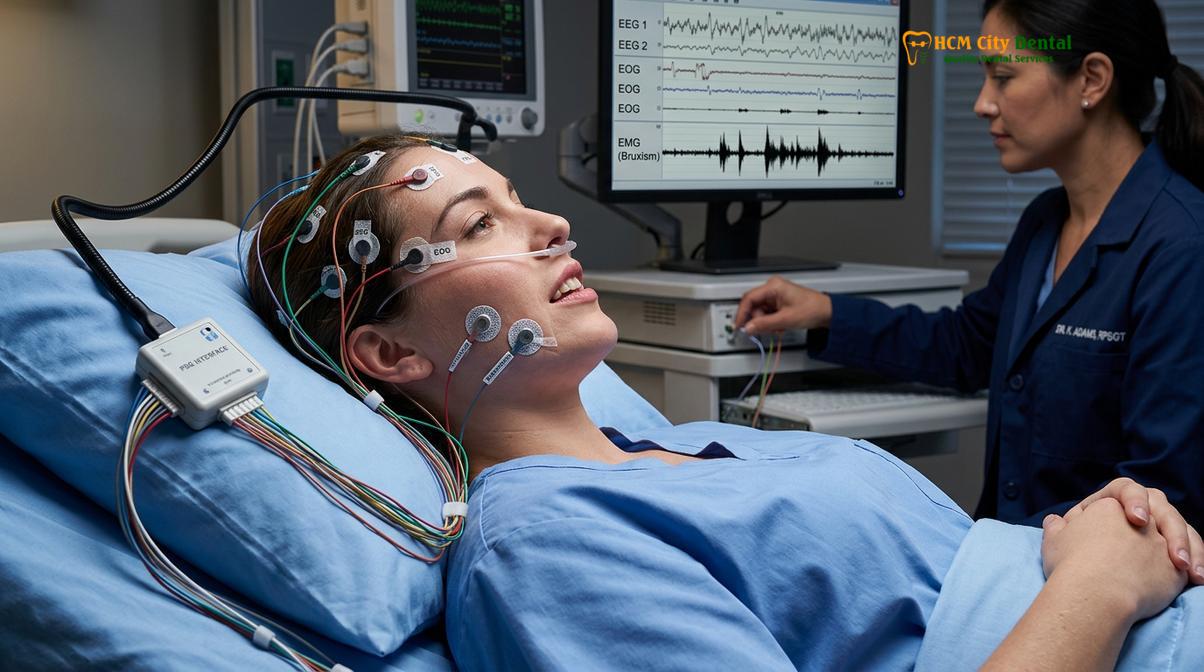
During sleep, the brain naturally cycles through various stages, including non-rapid eye movement (NREM) and rapid eye movement (REM) sleep. In individuals with high allostatic load, the transition between these stages is frequently interrupted by micro-arousals. Polysomnographic studies have demonstrated a highly predictable sequence of events leading up to a sleep bruxism episode: exactly four minutes before the grinding occurs, there is an increase in sympathetic cardiac activity; one minute before, brainwave activity shifts to a lighter sleep stage; and seconds before the jaw muscles contract, there is a spike in heart rate and breathing. This sequence unequivocally links autonomic nervous system arousal—driven by stress hormones—to the physical act of grinding.
| Clinical Marker | Sleep Bruxism (SB) | Awake Bruxism (AB) |
|---|---|---|
| Primary Muscle Action | Rhythmic grinding (phasic contractions) | Sustained clenching (tonic contractions) |
| Neurological Trigger | Micro-arousals, sympathetic spikes | Psychosocial stress, intense concentration |
| Hormonal Influence | Elevated nocturnal cortisol & norepinephrine | Acute adrenaline and cortisol release |
| Patient Awareness | Unconscious (often reported by partner) | Subconscious (can be brought to awareness) |
| Associated Conditions | Sleep apnea, GERD, restless leg syndrome | Generalized anxiety, occupational stress |
The continuous bombardment of the orofacial musculature by stress-induced nerve impulses leads to muscle hypertrophy (enlargement), chronic facial pain, and severe attrition of the dental enamel. Furthermore, the pain generated by the overworked muscles can itself act as a physiological stressor, further activating the HPA axis and creating a self-reinforcing loop of stress, grinding, and pain. Breaking this cycle requires interventions that not only protect the teeth but also downregulate the sympathetic nervous system.
Secondary Bruxism: SSRIs, ADHD Medication, and Nicotine
Secondary bruxism is frequently triggered by exogenous substances, including selective serotonin reuptake inhibitors (SSRIs), psychostimulants, and nicotine, which alter dopaminergic and serotonergic pathways in the brain.
While primary bruxism is idiopathic or related to general stress, secondary bruxism is a direct consequence of a known medical condition, neurological disorder, or, most commonly, the ingestion of specific pharmacological agents. The intersection of psychiatry and dentistry is highly evident in the prevalence of medication-induced jaw clenching. As the prescription rates for antidepressants and psychostimulants have surged globally, dental professionals have noted a corresponding epidemic of severe, rapid-onset tooth wear and temporomandibular joint (TMJ) dysfunction.
The most well-documented pharmacological triggers for secondary bruxism are selective serotonin reuptake inhibitors (SSRIs), a class of medications widely prescribed for depression and anxiety. Drugs such as fluoxetine, sertraline, citalopram, and paroxetine work by increasing the availability of serotonin in the synaptic clefts of the brain. However, the intricate balance of neurotransmitters means that altering one system inevitably affects others. High levels of serotonin exert an inhibitory effect on dopaminergic pathways, particularly in the basal ganglia—the region of the brain responsible for coordinating smooth, voluntary motor movements.
This relative dopamine hypofunction in the basal ganglia leads to a loss of motor inhibition, resulting in extrapyramidal side effects. One of the most common manifestations of this is the SSRI clenching side effect, where patients experience intense, involuntary jaw clenching and grinding, often beginning within weeks of initiating the medication or increasing the dosage[3]. This form of bruxism can occur both during the day and at night, and it is notoriously resistant to standard behavioral therapies because the trigger is deeply chemical rather than purely psychological.
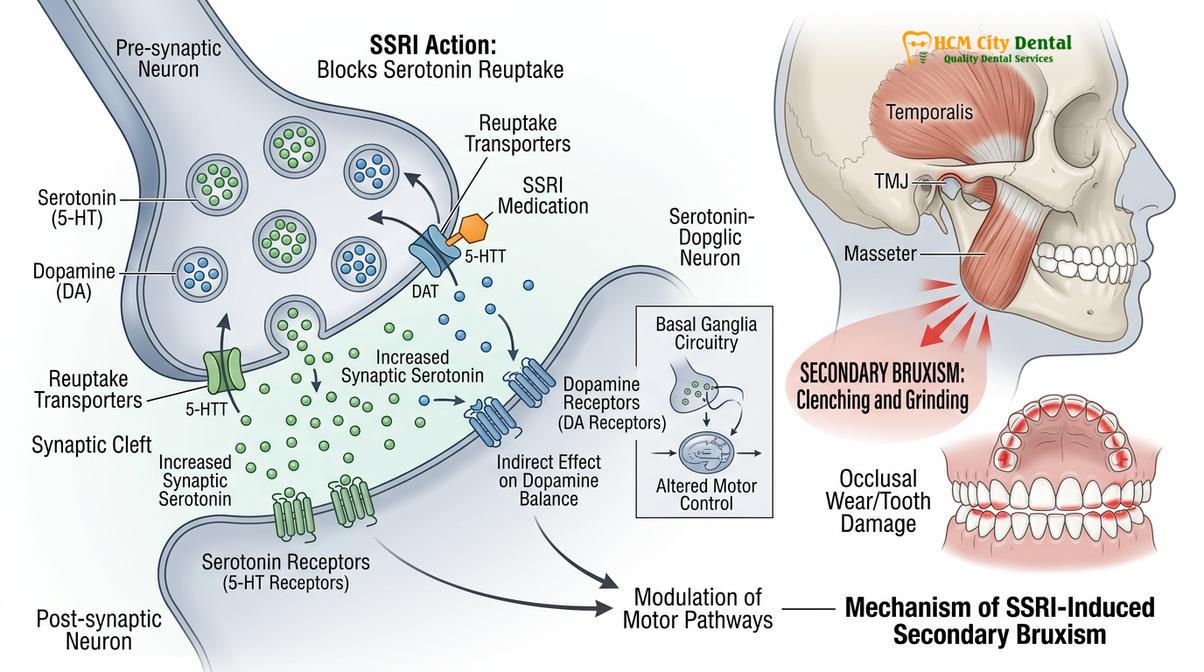
Clinical Warning: Patients experiencing sudden, severe jaw clenching after starting a new antidepressant or ADHD medication should not abruptly discontinue their prescription. Instead, they must consult their prescribing physician and a qualified dentist to explore dose adjustments, medication switching, or the immediate fabrication of a protective occlusal splint.
Beyond SSRIs, psychostimulants used in the treatment of Attention Deficit Hyperactivity Disorder (ADHD), such as methylphenidate and amphetamine salts, are potent triggers for bruxism. These medications directly stimulate the central nervous system by increasing the release and blocking the reuptake of dopamine and norepinephrine. While this improves focus and attention, the systemic sympathetic arousal frequently translates into increased muscle tension, particularly in the masseter muscles. Patients on high doses of stimulants often exhibit profound awake bruxism, bracing their jaws tightly while concentrating on tasks.
Recreational and lifestyle substances also play a significant role in secondary bruxism. Nicotine is a powerful stimulant that increases dopamine release and sympathetic tone. Epidemiological studies consistently show that smokers are more than twice as likely to suffer from sleep bruxism compared to non-smokers. Furthermore, heavy alcohol consumption, particularly in the evening, disrupts sleep architecture, leading to fragmented sleep and an increased frequency of the micro-arousals that precipitate grinding episodes. Managing secondary bruxism requires a collaborative approach between the patient’s dentist and their medical provider to balance therapeutic needs with the preservation of oral health.
Genetic Predisposition to Jaw Clenching
Emerging genetic research indicates a strong hereditary component to jaw clenching, with specific genetic polymorphisms affecting serotonergic and dopaminergic receptors increasing an individual’s susceptibility.
While environmental factors like stress and medications are powerful catalysts, clinical observations have long suggested that not everyone exposed to high stress or SSRIs develops bruxism. This discrepancy points to an underlying biological vulnerability. Recent advancements in genomic research have confirmed that there is a substantial genetic predisposition to both sleep and awake bruxism, transforming our understanding of the condition from a purely acquired habit to a complex genetic-environmental interaction.
Family history is one of the strongest predictors of bruxism. Studies involving monozygotic (identical) and dizygotic (fraternal) twins have demonstrated that genetics account for approximately 40% to 50% of the phenotypic variance in sleep bruxism. If a child has one parent who grinds their teeth, their likelihood of developing the condition increases significantly; if both parents are bruxists, the probability is even higher. This hereditary pattern suggests that the neurobiological architecture governing sleep stability and motor control is passed down through generations.
At the molecular level, researchers have identified specific genetic polymorphisms—variations in DNA sequences—that are strongly associated with bruxism. The most compelling evidence centers on genes regulating the serotonergic and dopaminergic systems. For instance, variations in the HTR2A gene, which encodes a specific type of serotonin receptor, have been linked to an increased risk of sleep bruxism[4]. Because serotonin plays a crucial role in regulating sleep cycles, mood, and motor inhibition, alterations in receptor efficiency can lead to the sleep fragmentation and motor disinhibition characteristic of grinding.
Similarly, polymorphisms in the DRD4 gene, which is involved in dopamine receptor function, have been implicated. Dopamine is essential for smooth muscle control via the basal ganglia. Genetic variations that reduce dopaminergic signaling efficiency may lower the threshold for involuntary muscle contractions during sleep. Understanding these genetic markers is crucial because it explains why some patients experience severe cortisol jaw tension under mild stress, while others remain unaffected under immense pressure. As personalized medicine advances, genetic profiling may eventually help clinicians predict a patient’s risk for bruxism and tailor preventative strategies accordingly.
Clinical Diagnostics and Treatment Workflows
Effective management requires a comprehensive clinical evaluation, utilizing custom oral appliances, behavioral therapies, and pharmacological interventions to mitigate muscle hyperactivity and protect dental structures.
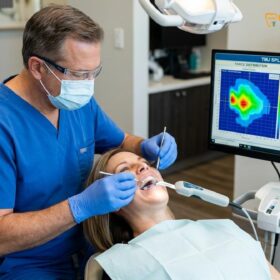
Diagnosing bruxism goes far beyond simply looking for worn teeth. A comprehensive clinical evaluation involves a detailed patient history, palpation of the masticatory muscles, assessment of the temporomandibular joint, and sometimes, referral for polysomnography (a sleep study) to definitively diagnose sleep bruxism and rule out comorbid conditions like obstructive sleep apnea. At HCMC Dental Clinic in Ho Chi Minh City, the diagnostic workflow is designed to identify not just the presence of grinding, but its primary drivers—whether they be stress, medication, or airway issues.
The cornerstone of bruxism management is the fabrication of custom oral appliances. While over-the-counter boil-and-bite guards are widely available, they are often contraindicated for severe bruxists. Soft, squishy materials can actually stimulate the proprioceptive nerve endings in the periodontal ligaments, inadvertently encouraging the patient to chew on the guard and increasing muscle activity. Instead, clinicians utilize hard acrylic stabilization splints, often referred to as Michigan splints. These devices are meticulously calibrated to provide a perfectly balanced occlusal contact, allowing the jaw to rest in its most relaxed, neurologically neutral position (centric relation)[5].
Clinical Case Review: A 34-year-old patient presented to HCMC Dental Clinic with severe morning headaches, masseter hypertrophy, and fractured porcelain restorations. The patient had recently started an SSRI for anxiety. Dr. Nguyen Van Cuong diagnosed medication-induced secondary bruxism. The treatment protocol included the immediate fabrication of a hard acrylic maxillary stabilization splint to protect the dentition, combined with targeted Botox (botulinum toxin) injections into the masseter and temporalis muscles to temporarily paralyze the hyperactive muscle fibers, providing profound pain relief while the patient’s physician adjusted their medication dosage.
For patients whose bruxism is heavily driven by the SSRI clenching side effect or severe chronic stress, mechanical protection alone may not resolve the muscular pain. In these cases, pharmacological interventions are integrated into the treatment plan. Muscle relaxants prescribed for short-term use before bed can help break the cycle of acute muscle spasm. Furthermore, the off-label use of botulinum toxin (Botox) has revolutionized the treatment of refractory bruxism. By injecting precise units of Botox into the masseter and temporalis muscles, the release of acetylcholine at the neuromuscular junction is blocked. This weakens the force of the muscle contractions without affecting normal chewing or speaking, effectively reducing the destructive power of the grinding.
“The integration of hard acrylic stabilization splints with targeted neuromodulator therapy offers the most comprehensive protection for patients suffering from severe, centrally mediated bruxism, addressing both the mechanical damage and the muscular hyperactivity.” — Journal of Prosthetic Dentistry[5]
Behavioral therapies also play a vital role, particularly for awake bruxism. Cognitive Behavioral Therapy (CBT), biofeedback, and mindfulness techniques can help patients recognize their subconscious clenching habits and develop strategies to downregulate their sympathetic nervous system. By addressing the psychological stress that fuels the HPA axis, patients can achieve long-term reductions in their bruxism severity. Ultimately, successful treatment requires a highly individualized approach, combining the protective benefits of Nightguards with therapies aimed at the root neurobiological causes.
When to See a Doctor for Bruxism and Jaw Tension
Because bruxism often occurs subconsciously or during sleep, many individuals remain unaware of the condition until significant damage has occurred. It is crucial to seek professional evaluation if you experience any of the following symptoms. Early intervention can prevent irreversible damage to the teeth and the temporomandibular joint.
You should schedule a clinical consultation if you notice:
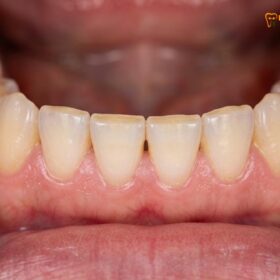
- Severe Tooth Wear: Teeth that appear flattened, chipped, or fractured, or if you experience a sudden increase in tooth sensitivity to hot and cold temperatures due to exposed dentin.
- Chronic Facial Pain: Persistent aching in the jaw, face, or ear area, particularly upon waking in the morning, which indicates nocturnal muscle hyperactivity.
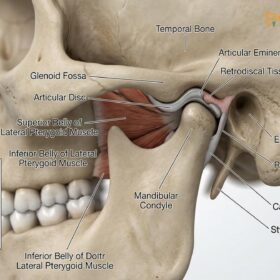
- TMJ Dysfunction: Clicking, popping, or grating sounds in the jaw joint when opening or closing your mouth, or if you experience episodes where the jaw locks or has a limited range of motion.
- Frequent Headaches: Unexplained tension headaches that originate in the temples (temporalis muscle) and radiate across the forehead, often present immediately upon waking.
- Partner Observations: If a sleep partner reports hearing loud grinding, squeaking, or clenching noises during the night.
If you suspect that your bruxism is linked to a new medication, chronic stress, or if you are experiencing severe pain, do not wait for your routine dental check-up. A comprehensive evaluation by a qualified dental professional can provide immediate relief and long-term protection through customized therapeutic interventions.
Frequently Asked Questions
Can certain medications cause teeth grinding?
Yes, certain medications, particularly selective serotonin reuptake inhibitors (SSRIs) and psychostimulants, can induce teeth grinding. This condition, known as secondary bruxism, occurs because these drugs alter the balance of neurotransmitters like serotonin and dopamine in the brain’s motor control centers. When serotonin levels are artificially elevated, it can suppress dopaminergic pathways in the basal ganglia, leading to involuntary motor movements, including severe jaw clenching and grinding. If you experience this, consult your prescribing physician and dentist for management strategies.
Does caffeine cause bruxism?
High caffeine consumption can significantly exacerbate bruxism by stimulating the central nervous system and increasing overall muscle tone. Caffeine delays sleep onset and increases the frequency of micro-arousals during the night, which are closely linked to episodes of sleep bruxism. Because caffeine blocks adenosine receptors (which promote sleepiness) and increases adrenaline production, it keeps the brain in a state of hyperarousal. Reducing caffeine intake, especially in the afternoon and evening, is a standard clinical recommendation for bruxism patients.
Is teeth grinding hereditary?
Yes, research indicates a strong hereditary component to teeth grinding, with genetics accounting for up to 50% of the risk. Specific genetic variations affecting serotonin and dopamine receptors can make individuals more susceptible to developing both sleep and awake bruxism. Studies involving twins and family lineages have consistently shown that if your parents suffered from severe bruxism, you have a significantly higher likelihood of developing the condition due to inherited neurobiological traits governing sleep and motor control.
How does stress directly impact jaw muscles during sleep?
Stress activates the hypothalamic-pituitary-adrenal (HPA) axis, leading to elevated cortisol and norepinephrine levels. This hormonal surge increases sympathetic nervous system activity, which directly elevates resting muscle tone and triggers involuntary rhythmic masticatory muscle contractions during sleep. Even when you are unconscious, the brain remains in a state of hypervigilance. This heightened autonomic arousal causes frequent micro-awakenings, during which the jaw muscles contract forcefully, resulting in the physical act of grinding.
Are custom nightguards effective for stress-induced bruxism?
Custom nightguards are highly effective at protecting dental structures and reducing the strain on the temporomandibular joint caused by stress-induced bruxism. While they do not stop the central neurological trigger of grinding, they successfully mitigate the physical damage and associated facial pain. A hard acrylic stabilization splint provides a smooth surface for the teeth to glide against, preventing enamel wear and helping to distribute the immense bite forces evenly, thereby allowing the hyperactive masticatory muscles to relax.
References
- Journal of Oral Rehabilitation. Neurobiology of bruxism: The impact of stress and allostatic load. (2021).
- Sleep Medicine Reviews. The role of the autonomic nervous system in sleep bruxism etiopathogenesis. (2019).
- Clinical Neuropharmacology. SSRI-induced bruxism: Pathophysiology and clinical management strategies. (2020).
- Journal of Dental Research. Genetic polymorphisms in serotonergic pathways associated with sleep bruxism. (2022).
- Journal of Prosthetic Dentistry. Efficacy of hard acrylic stabilization splints in the management of severe bruxism. (2023).