Jaw realignment in Saigon focuses on correcting bite imbalances and temporomandibular joint (TMJ) dysfunction using advanced non-surgical and surgical protocols. By combining custom orthotics, orthodontics, and restorative dentistry, clinicians can restore optimal jaw function, alleviate chronic pain, and improve facial symmetry without invasive procedures in many cases.
Clinical Summary:
Jaw realignment therapy addresses structural and functional discrepancies between the maxilla and mandible. Treatment typically follows a meticulously planned phased approach, beginning with joint decompression using specialized orthotic splints, followed by long-term bite stabilization through orthodontics or prosthodontics. This comprehensive methodology effectively manages temporomandibular disorders, corrects severe malocclusions, and enhances overall stomatognathic health. By prioritizing joint stability before initiating tooth movement, clinicians ensure predictable, sustainable outcomes that alleviate chronic orofacial pain and restore optimal masticatory function.
Key Takeaways:
- Non-surgical realignment prioritizes temporomandibular joint health before initiating any permanent tooth movement.
- Custom orthotic splints are utilized to decompress the TMJ and establish an optimal, relaxed muscular resting posture.
- Long-term stabilization of the new jaw position may involve orthodontic braces, clear aligners, or restorative crowns.
- Early clinical intervention and precise diagnostics can frequently prevent the need for invasive orthognathic surgery.
- Comprehensive diagnostic imaging, including CBCT scans and digital bite mapping, is essential for accurate treatment planning.
Non-Surgical Jaw Realignment: How it Works
Non-surgical jaw realignment utilizes biomechanical principles to reposition the mandible, relieving joint stress and correcting bite discrepancies without invasive orthognathic surgery.
The human stomatognathic system is a highly complex network comprising the teeth, the temporomandibular joints (TMJ), the masticatory muscles, and the central nervous system. When these components function in harmony, the jaw opens and closes smoothly, and the teeth interlock perfectly without placing undue stress on the joints. However, when there is a discrepancy between the optimal resting position of the jaw joints (Centric Relation) and the way the teeth actually fit together (Maximum Intercuspation), the neuromuscular system is forced to compensate. This constant compensation often leads to muscle spasms, accelerated tooth wear, and progressive degradation of the TMJ cartilage[1].
Non-surgical jaw realignment is a comprehensive therapeutic approach designed to resolve this discrepancy. Rather than immediately moving teeth or resorting to surgical intervention, the primary objective is to find the most physiologically relaxed and stable position for the mandible. This process requires a deep understanding of neuromuscular dentistry and advanced diagnostic protocols. Clinicians must evaluate not only the static alignment of the teeth but also the dynamic movements of the jaw during speech, swallowing, and mastication.
The Biomechanics of Malocclusion and Joint Dysfunction
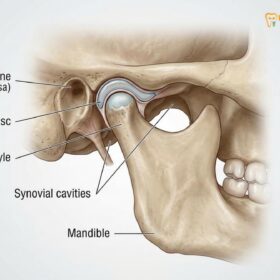
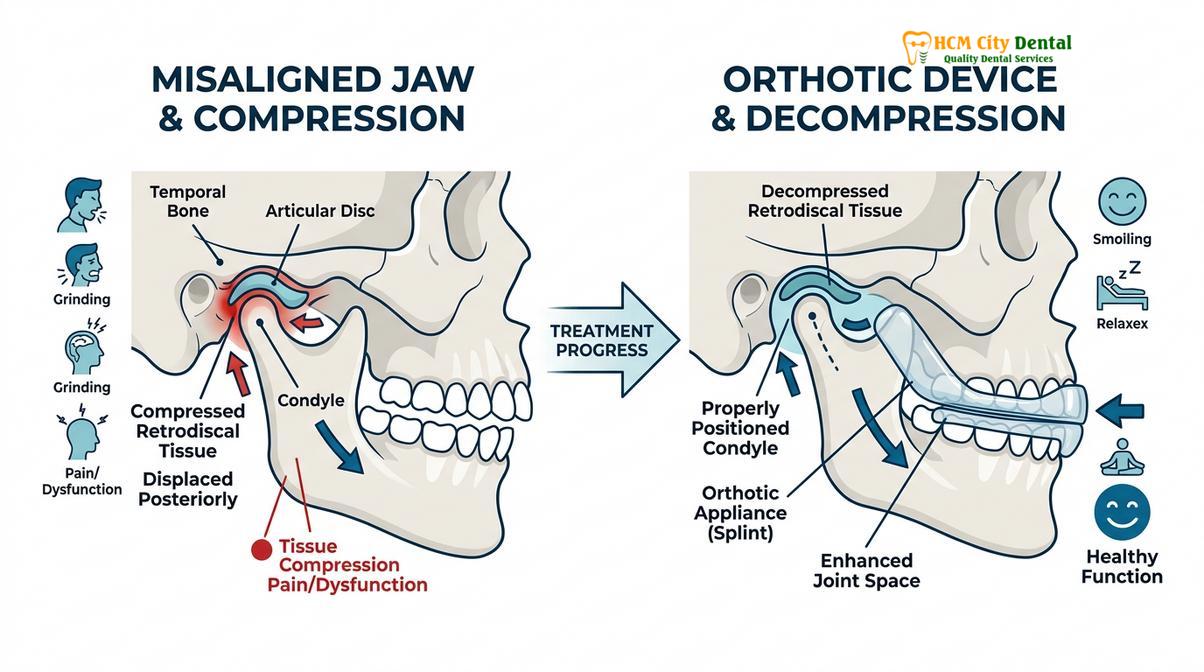
To understand how non-surgical realignment works, one must first understand the pathophysiology of a misaligned jaw. The temporomandibular joint is a unique, bilateral synovial joint that allows for both rotational and translational movements. Between the condyle of the mandible and the articular eminence of the temporal bone lies a fibrous articular disc, which acts as a shock absorber. In a healthy joint, this disc remains properly positioned over the condyle during all jaw movements.
When a patient suffers from a misaligned bite—such as a deep overbite, a crossbite, or an underbite—the mandible is often forced backward or laterally to allow the teeth to interlock. This forced displacement pushes the condyle upward and backward into the highly innervated and vascularized retrodiscal tissue, causing inflammation and chronic pain. Over time, the articular disc may become displaced anteriorly, leading to the characteristic clicking or popping sounds associated with TMJ disorders. Effective comprehensive TMJ therapy aims to reverse this destructive cycle by guiding the mandible back to a neutral, decompressed position.
Diagnostic Protocols in Modern Dentistry
Accurate malocclusion correction begins with exhaustive diagnostics. Modern dental clinics in Ho Chi Minh City utilize state-of-the-art technology to map the exact relationship between the teeth and the jaw joints. A standard diagnostic workup for jaw realignment typically includes:
- Cone Beam Computed Tomography (CBCT): Provides a three-dimensional view of the condyles, the articular eminence, and the surrounding airway space, allowing clinicians to assess bone health and joint space volume.
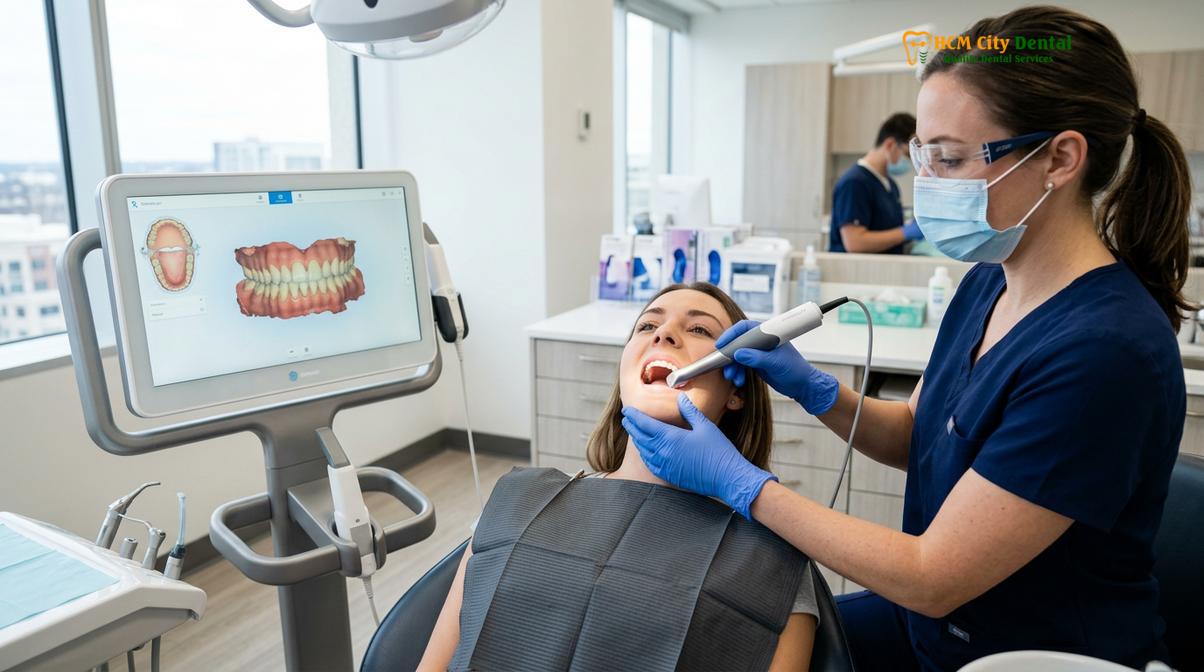
- Digital Intraoral Scanning: Replaces traditional messy impressions with highly accurate 3D digital models of the dental arches.
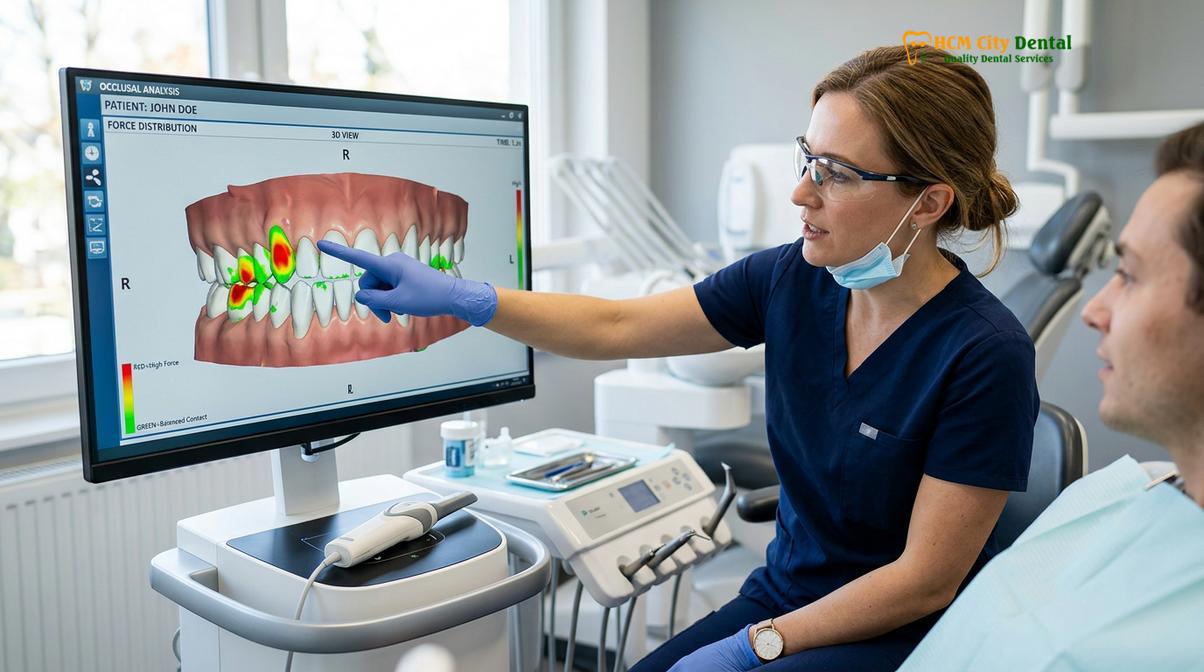
- Computerized Occlusal Analysis: Utilizes ultra-thin digital sensors to measure the exact timing and force of tooth contacts, identifying premature interferences that may be deflecting the jaw out of alignment.
- Joint Vibration Analysis (JVA) or MRI: Used in complex cases to evaluate the condition of the articular disc and the presence of internal derangements.
By synthesizing this data, the clinical team can determine whether the patient’s symptoms are primarily muscular, joint-related, or dentally driven, thereby formulating a precise, phased treatment plan.
Phase 1: Decompressing the Joints with Custom Splints
The initial phase focuses on wearing a custom orthotic device to relax hyperactive masticatory muscles and decompress the temporomandibular joints.
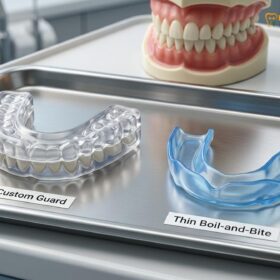
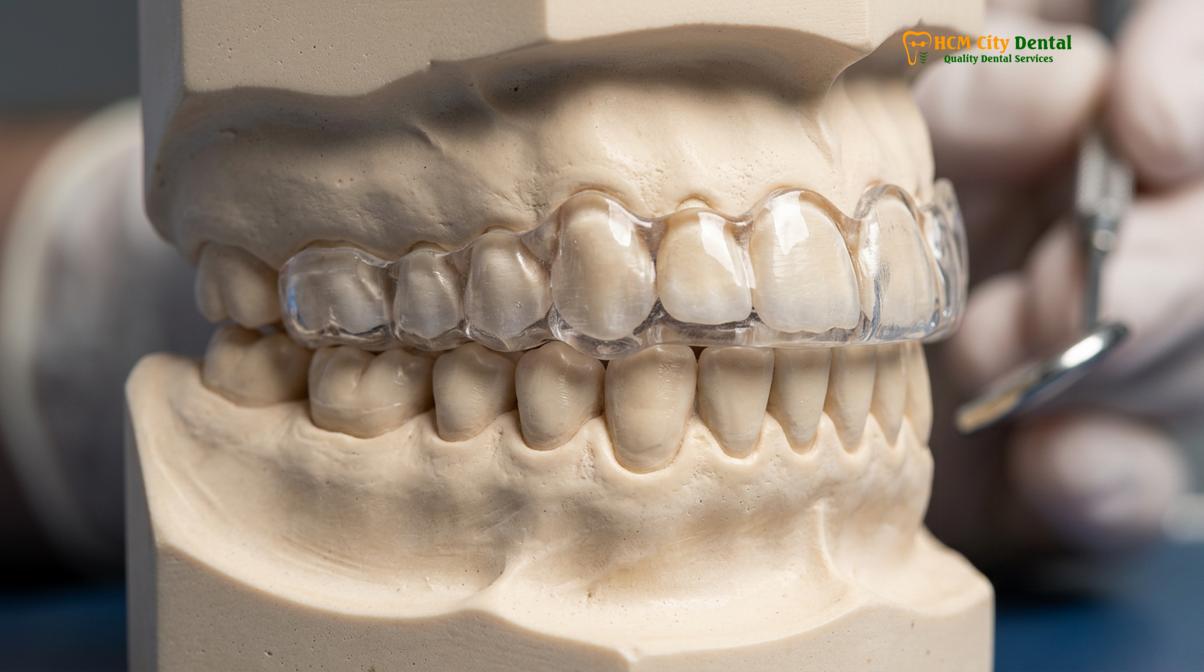
The cornerstone of non-surgical jaw realignment is Phase 1 therapy, which focuses entirely on joint health and muscular relaxation. Before any permanent changes are made to the teeth, the clinician must prove that the proposed new jaw position will actually alleviate the patient’s symptoms. This is achieved through the use of a custom-fabricated orthotic device, commonly referred to as a jaw positioning splint. Unlike standard over-the-counter night guards, which merely protect the teeth from grinding, a therapeutic splint is a highly calibrated medical device designed to alter the proprioceptive feedback to the brain and physically reposition the mandible[2].
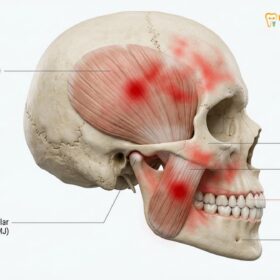
When a patient wears the splint, the acrylic surface prevents the upper and lower teeth from locking together in their habitual, misaligned position. Deprived of this faulty sensory input, the lateral pterygoid and masseter muscles begin to relax. As muscle spasms subside, the mandible naturally drops downward and forward, allowing the condyles to decompress and the inflamed retrodiscal tissues to heal.
“The success of any complex bite reconstruction hinges entirely on the stability of the temporomandibular joints. If we attempt to move teeth or place restorations while the joints are still inflamed and the muscles are in spasm, the entire system will eventually fail. Phase 1 splint therapy is our diagnostic blueprint; it tells us exactly where the jaw wants to live in a state of health.”
— Dr. Nguyen Van Cuong, Clinical Director
Types of Orthotic Splints
Depending on the specific diagnosis, different types of splints may be employed during Phase 1 therapy:
- Stabilization Splints (Michigan Splints): Typically worn on the upper arch, these splints provide a flat, even surface for the lower teeth to glide against. They are highly effective for reducing muscle hyperactivity and treating bruxism.
- Anterior Repositioning Splints: These devices feature specific indentations that force the lower jaw to close in a more forward position. They are often used to recapture an anteriorly displaced articular disc and eliminate joint clicking.
- Neuromuscular Orthotics: Often worn on the lower arch 24 hours a day (including during meals), these splints are designed to simulate the final reconstructed bite, allowing the patient to “test drive” the new jaw position before committing to Phase 2.
The Clinical Workflow of Splint Therapy
The fabrication and delivery of a therapeutic splint require meticulous attention to detail. After the initial digital scans and bite registrations are taken, the splint is milled or 3D printed from durable, biocompatible materials. During the delivery appointment, the clinician carefully adjusts the biting surface of the splint using articulating paper and computerized occlusal analysis[3]. The goal is to ensure that all posterior teeth contact the splint simultaneously and with equal force, while the anterior teeth provide smooth guidance during lateral jaw movements.
Patients typically wear the splint for a period of 3 to 6 months. During this time, they attend regular follow-up appointments at the clinic. As the jaw muscles relax and the inflammation subsides, the jaw’s resting position will subtly shift. The clinician must continuously recalibrate the splint to accommodate these changes, “chasing” the bite until the jaw stabilizes in its final, optimal position. Only when the patient has been completely symptom-free and the bite has remained stable on the splint for several weeks can the treatment progress to Phase 2.
Phase 2: Stabilizing the Bite (Orthodontics or Restorative Care)
Once the jaw joints are stable and pain-free, orthodontic or restorative treatments are employed to permanently lock the teeth into this new, healthy alignment.
Phase 1 therapy successfully establishes a healthy, pain-free jaw position, but it relies entirely on the presence of the removable splint. If the patient were to stop wearing the splint, their teeth would no longer meet properly, and the jaw would eventually slide back into its original, pathological position. Therefore, Phase 2 is required to permanently alter the dentition so that the teeth naturally support the new jaw posture. This phase is highly individualized and may involve orthodontics, restorative dentistry, or a combination of both.
The choice of stabilization method depends on the condition of the patient’s teeth, the extent of the required bite changes, and the patient’s aesthetic goals. In cases where the teeth are healthy and intact but simply in the wrong position, orthodontics is the preferred route. In cases where the teeth are severely worn, broken down, or heavily restored, prosthodontic rehabilitation is necessary to rebuild the lost vertical dimension of occlusion.
Orthodontic Stabilization
Orthodontic therapy is frequently utilized to stabilize the bite after splint therapy, particularly in younger patients or those with minimal tooth wear. The objective is to move the teeth into the exact positions dictated by the Phase 1 orthotic. This is a highly specialized form of orthodontics that goes beyond mere cosmetic straightening; it is functional orthodontics aimed at supporting the temporomandibular joint.
For example, if a patient requires treatment to correct underbite TMJ issues, the orthodontist may use fixed braces or clear aligner systems to intrude the lower anterior teeth and extrude the posterior teeth, effectively closing the bite in the new, decompressed jaw position. Advanced mechanics, such as temporary anchorage devices (TADs) or elastics, are often employed to facilitate complex skeletal movements. Throughout the orthodontic process, the clinician must continuously monitor the TMJ to ensure that the joint remains stable and symptom-free as the teeth shift[4].
Restorative Stabilization (Full Mouth Rehabilitation)
When a patient presents with severe attrition (tooth wear from grinding), erosion, or multiple failing dental restorations, orthodontics alone cannot stabilize the bite because the physical tooth structure has been lost. In these scenarios, Phase 2 involves restorative dentistry to rebuild the teeth to their proper height and anatomical shape.
This process, often referred to as full mouth rehabilitation, utilizes materials such as lithium disilicate or monolithic zirconia to create highly durable crowns, veneers, or onlays. The clinician uses the stable jaw position established by the splint as the blueprint for the new restorations. By precisely designing the anatomy of the new teeth, the dentist ensures that the upper and lower arches interlock perfectly, providing solid, permanent support for the TMJ.
| Clinical Factor | Orthodontic Stabilization | Restorative Stabilization |
|---|---|---|
| Primary Indication | Healthy, intact teeth that are misaligned. | Severely worn, damaged, or heavily restored teeth. |
| Treatment Duration | Typically 12 to 24 months. | Typically 1 to 3 months (after Phase 1). |
| Invasiveness | Non-invasive (moves existing natural teeth). | Requires preparation of tooth structure. |
| Aesthetic Outcome | Straightens natural teeth; improves profile. | Completely redesigns tooth shape, color, and size. |
| Maintenance | Requires long-term use of retainers. | Requires excellent oral hygiene and routine routine dental care. |
Realignment Success Stories and Expat Cases in HCMC
Clinical outcomes demonstrate that a phased approach to jaw realignment provides significant functional and aesthetic improvements for both local and expatriate patients.
Ho Chi Minh City has rapidly emerged as a premier destination for complex dental rehabilitations, attracting a large number of expatriates and international patients seeking high-level care. The combination of internationally trained specialists, cutting-edge digital technology, and comprehensive treatment protocols allows clinics in Saigon to manage severe malocclusions and TMJ disorders with exceptional success rates.
Patients who have suffered for years with chronic headaches, facial pain, and restricted jaw movement often find profound relief through structured jaw realignment therapy. By addressing the root cause of the dysfunction rather than merely masking the symptoms with medication, clinicians can restore both the structural integrity of the bite and the patient’s overall quality of life.
Clinical Case Study: Comprehensive Bite Correction
Patient Profile: A 42-year-old expatriate presented to HCMC Dental Clinic in Ho Chi Minh City complaining of severe morning headaches, bilateral jaw clicking, and progressive wear on his anterior teeth. Previous treatments with standard soft night guards had failed to alleviate his symptoms.
Clinical Findings: CBCT imaging and digital bite analysis revealed a deep overbite with posterior mandibular displacement, resulting in severe compression of the retrodiscal tissues in both temporomandibular joints.
Treatment Protocol:
Phase 1: The patient was fitted with a custom lower neuromuscular orthotic, worn 24/7 for four months. Within six weeks, his headaches resolved, and the joint clicking ceased as the mandible stabilized in a decompressed, forward position.
Phase 2: Because the patient had significant enamel wear, orthodontic extrusion alone was insufficient. The clinical team utilized digital smile design to plan a restorative stabilization. Minimally invasive lithium disilicate overlays were bonded to the posterior teeth to permanently maintain the new vertical dimension, while ceramic veneers restored the aesthetics and guidance of the anterior teeth.
Outcome: The patient achieved complete resolution of TMJ symptoms, a highly aesthetic, balanced smile, and a stable, functional occlusion.
When to See a Doctor for Jaw Misalignment
While minor bite discrepancies may not always cause immediate pain, progressive jaw misalignment can lead to severe, irreversible damage to the temporomandibular joints and the dentition. Early diagnosis and intervention are critical to preventing the need for complex surgical procedures later in life. It is essential to differentiate between transient muscle fatigue and structural joint pathology that requires professional clinical consultation.
Red Flag Symptoms Requiring Clinical Evaluation
You should seek immediate evaluation from a qualified dental professional if you experience any of the following symptoms:
- Trismus (Lockjaw): Inability to open the mouth fully, or the jaw becoming “stuck” in an open or closed position.
- Crepitus: Grinding, crunching, or loud popping sounds in the jaw joint during chewing or speaking.
- Chronic Orofacial Pain: Persistent pain radiating through the jaw, face, neck, or shoulders that does not respond to over-the-counter analgesics.
- Sudden Bite Changes: A feeling that your upper and lower teeth suddenly do not fit together correctly, or that you are only biting on one side.
- Accelerated Tooth Wear: Noticeable flattening, chipping, or fracturing of the teeth, particularly the canines and incisors.
If you suspect that your bite is misaligned or if you are suffering from chronic TMJ symptoms, a comprehensive evaluation is the first step toward recovery. Advanced diagnostics can pinpoint the exact nature of the dysfunction, allowing for a targeted, conservative treatment plan[5].
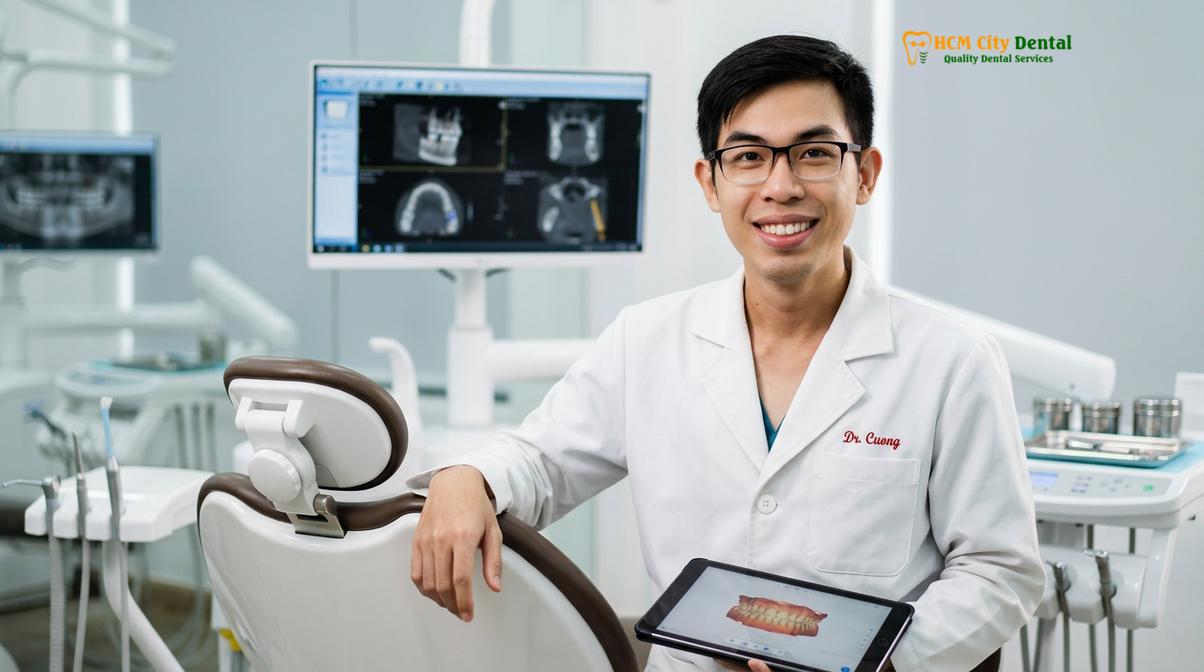
“Ignoring the early warning signs of TMJ dysfunction, such as painless clicking or mild muscle tension, often leads to chronic degenerative changes within the joint space. We strongly advocate for early, conservative intervention. By utilizing precise orthotic therapy to decompress the joint early on, we can frequently halt the progression of the disease and avoid the need for invasive surgical reconstruction.”
— Dr. Nguyen Van Cuong, HCMC Dental Clinic
Frequently Asked Questions
Can you realign a jaw without surgery?
Yes, many cases of jaw misalignment can be corrected without surgery using orthotic splints and orthodontics. By decompressing the temporomandibular joint and moving the teeth to support a healthy jaw posture, clinicians can achieve significant functional and aesthetic improvements non-invasively. However, severe skeletal discrepancies, such as extreme prognathism (severe underbite) or significant facial asymmetry, may still require orthognathic surgery in conjunction with orthodontic treatment to achieve optimal results.
How long does jaw realignment therapy take?
Jaw realignment therapy typically takes between 12 to 36 months to complete, depending on the severity of the malocclusion. Phase 1 (splint therapy) usually lasts 3 to 6 months, while Phase 2 (orthodontic or restorative stabilization) requires an additional 9 to 24 months. The exact timeline is highly individualized and depends on the patient’s biological response to the orthotic device and the complexity of the required tooth movements.
Is jaw realignment painful?
Jaw realignment is generally not painful, though patients may experience mild discomfort or muscle fatigue during the initial adjustment periods. Custom splints are designed to relieve pain by relaxing the jaw muscles, and subsequent orthodontic movements utilize gentle, controlled forces. Any transient soreness following an orthodontic adjustment or a splint calibration typically subsides within a few days and can be managed with soft diets and mild analgesics.
What are the signs that I need jaw realignment?
Common signs indicating a need for jaw realignment include chronic jaw pain, clicking or popping sounds in the TMJ, frequent tension headaches, uneven tooth wear, and visible facial asymmetry. Difficulty chewing or a bite that feels “off” are also primary clinical indicators. Additionally, patients who suffer from chronic bruxism (teeth grinding) or who frequently break dental restorations may have an underlying jaw alignment issue that requires comprehensive evaluation.
How much does jaw realignment cost in Ho Chi Minh City?
The cost of jaw realignment varies widely based on the required phases of treatment, ranging from conservative splint therapy to comprehensive full-mouth rehabilitation. According to the latest clinic fee schedules, treatment in Vietnam offers significant cost advantages compared to Western countries while maintaining international clinical standards. A precise cost estimate can only be provided after a thorough clinical examination, 3D imaging, and the development of a personalized treatment plan.
References
- Journal of the American Dental Association. Occlusal splint therapy for temporomandibular disorders: a clinical review. (2020).
- Journal of Oral Rehabilitation. Efficacy of Michigan repositioning splints in TMD patients. (2019).
- Journal of Prosthetic Dentistry. Computerized occlusal analysis and bite mapping in TMJ therapy. (2021).
- American Journal of Orthodontics and Dentofacial Orthopedics. Non-surgical correction of skeletal malocclusions in adults. (2018).
- International Journal of Oral and Maxillofacial Surgery. TMJ arthrocentesis and conservative management protocols. (2022).