Antibiotics for gum disease are prescription medications used to eliminate deep-seated bacterial infections that cause periodontal inflammation and bone loss. While highly effective at reducing bacterial loads, they cannot cure gum disease alone and must be combined with professional mechanical cleaning to achieve long-term periodontal health.
Clinical Summary:
Periodontal disease is a complex, biofilm-driven bacterial infection that requires a highly structured, multifaceted treatment approach. Systemic and localized antibiotics serve as powerful adjuncts to mechanical debridement, specifically targeting aggressive anaerobic pathogens that invade gingival tissues. Clinical protocols dictate that antimicrobial agents should be strictly reserved for acute infections, refractory periodontitis, or severe aggressive cases to maximize efficacy and prevent the growing global threat of antimicrobial resistance. Successful management relies on disrupting the physical bacterial matrix before pharmacological intervention.
Key Takeaways:
- Antibiotics are adjunctive therapies, meaning they support but do not replace the need for physical dental treatments.
- Mechanical removal of plaque and hardened tartar is mandatory before prescribing any antimicrobial agents.
- Systemic antibiotics target widespread oral infections, while localized gels treat isolated, non-responsive gum pockets.
- A combination of amoxicillin and metronidazole is frequently utilized to combat diverse and aggressive periodontal bacteria.
- Inappropriate overuse of antibiotics can lead to systemic bacterial resistance and adverse gastrointestinal complications.
The Role of Bacteria in Periodontal Infections
Periodontal infections are driven by organized colonies of anaerobic bacteria that thrive beneath the gumline, triggering severe inflammatory immune responses and progressive destruction of the jawbone.
To understand why and how antibiotics are utilized in dentistry, it is essential to first understand the microscopic battlefield within the mouth. The human oral cavity is home to hundreds of different bacterial species. In a healthy state, these microorganisms exist in a balanced, symbiotic relationship with the host. However, when oral hygiene is compromised, this balance shifts, leading to a state of dysbiosis. Pathogenic bacteria begin to multiply rapidly, organizing themselves into a highly structured, sticky matrix known as dental plaque or biofilm.
As this biofilm matures and extends below the gumline (subgingivally), the environment changes. The lack of oxygen in these deep crevices favors the growth of aggressive anaerobic bacteria. The most notorious of these pathogens, often referred to as the “red complex” bacteria, include Porphyromonas gingivalis, Treponema denticola, and Tannerella forsythia. Another highly destructive pathogen frequently implicated in aggressive forms of the disease is Aggregatibacter actinomycetemcomitans. These microorganisms do not merely rest on the surface of the tooth; they actively invade the soft gingival tissues and release potent toxins that degrade the connective fibers holding the teeth in place[1].
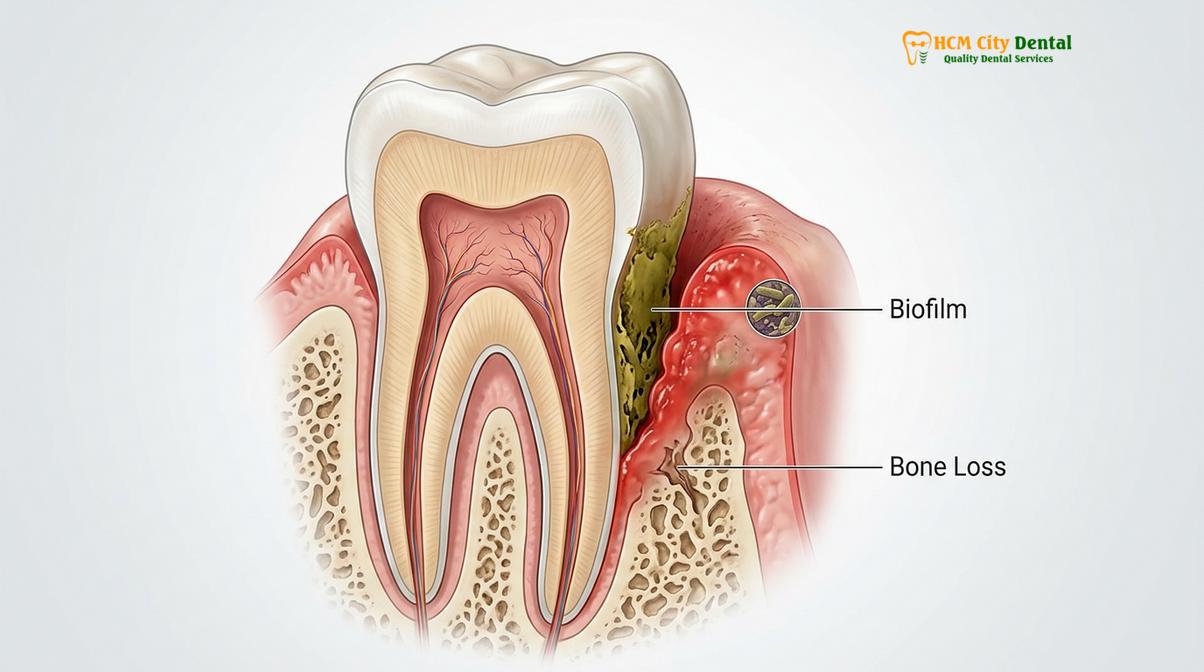
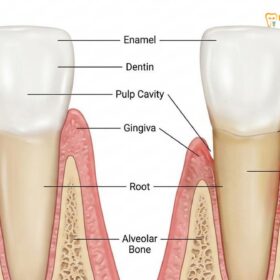
The destruction seen in periodontal disease is not solely caused by the bacteria themselves, but rather by the body’s hyperactive immune response to their presence. As the immune system detects these invading pathogens, it releases inflammatory mediators, such as cytokines and matrix metalloproteinases. While intended to fight the infection, this chronic inflammation inadvertently breaks down the periodontal ligament and the surrounding alveolar bone. Dr. Nguyen Van Cuong, a leading expert in periodontal care, frequently emphasizes that arresting this tissue destruction requires a dual approach: physically dismantling the bacterial stronghold and, when clinically necessary, utilizing targeted antimicrobial agents to eradicate tissue-invasive pathogens.
Because these bacteria embed themselves deep within the gingival tissues and even within the microscopic dentinal tubules of the tooth roots, mechanical cleaning alone may sometimes leave residual pathogens behind. This is the precise clinical scenario where pharmacological intervention becomes a valuable tool. By introducing specific antimicrobial agents, clinicians can suppress the remaining bacterial load, allowing the inflamed tissues to heal and reattach to the clean root surfaces.
Systemic Antibiotics vs Local Antimicrobial Therapy
Systemic antibiotics circulate throughout the entire body to fight widespread infections, whereas local antimicrobial therapy delivers concentrated medication directly into specific, isolated periodontal pockets.
When a dental professional determines that antimicrobial support is necessary, they must choose between two primary delivery methods: systemic administration or localized delivery. The decision is highly nuanced and depends on the severity of the disease, the number of teeth affected, the patient’s medical history, and the specific type of bacteria suspected to be driving the infection.
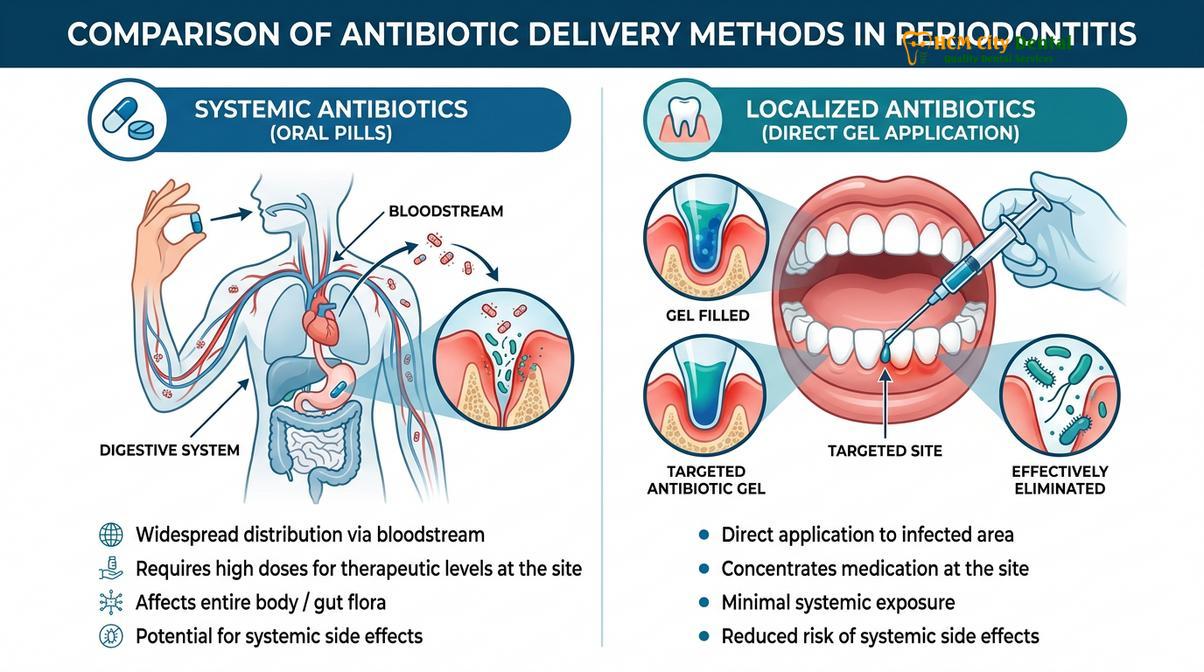
Systemic antibiotics are administered orally in the form of capsules or tablets. Once ingested, the medication is absorbed into the bloodstream through the gastrointestinal tract and distributed throughout the entire body. In the context of dentistry, the goal is for the drug to reach the gingival crevicular fluid—the natural fluid that flows through the gum pockets—at a concentration high enough to kill the targeted pathogens. The primary advantage of systemic therapy is its ability to treat multiple infected sites simultaneously, including reservoirs of bacteria that may reside on the tongue, tonsils, or other mucosal surfaces. However, treating gum infection with pills also means exposing the entire body to the drug, which increases the risk of systemic side effects and contributes to broader antibiotic resistance[2].
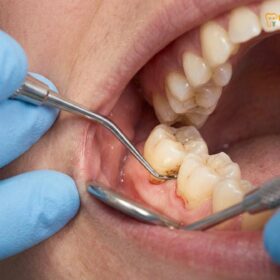
Conversely, local antimicrobial therapy involves placing the medication directly into the infected periodontal pocket. This is typically achieved using specialized gels, chips, or microspheres that are gently inserted below the gumline using a blunt-tipped applicator. Because the medication is applied directly to the site of the infection, it can achieve a concentration up to 100 times higher than what is possible with oral pills, without circulating through the bloodstream. This localized approach is highly effective for patients who have generally stable periodontal health but suffer from a few isolated, deep pockets that have not responded to standard mechanical cleaning.
| Feature | Systemic Antibiotics (Oral Pills) | Localized Antimicrobial Therapy (Gels/Chips) |
|---|---|---|
| Delivery Method | Ingested orally, circulates via bloodstream | Placed directly into the periodontal pocket |
| Primary Indication | Widespread, aggressive, or acute infections | Isolated, non-responsive deep gum pockets |
| Concentration at Site | Lower (limited by safe systemic dosing) | Extremely high (concentrated at the infection site) |
| Systemic Side Effects | Higher risk (GI upset, allergic reactions) | Minimal to none |
| Patient Compliance | Requires strict adherence to daily dosing schedule | Administered by the dentist in a single visit |
In modern periodontal protocols, the use of periodontal antibiotics is carefully tailored. A patient presenting with a generalized, rapidly progressing infection accompanied by fever or swollen lymph nodes will almost certainly require a systemic approach. On the other hand, a patient undergoing routine maintenance who exhibits a single stubborn 6-millimeter pocket is an ideal candidate for localized therapy. By understanding the distinct advantages and limitations of each delivery system, clinicians can optimize treatment outcomes while minimizing unnecessary pharmacological exposure.
Commonly Prescribed Antibiotics for Gum Disease
Dentists typically prescribe broad-spectrum or targeted antibiotics like amoxicillin, metronidazole, or doxycycline to eradicate specific strains of aggressive periodontal bacteria.
There is no single “magic pill” that can eliminate all forms of oral bacteria. The oral microbiome is incredibly diverse, and different pathogens possess varying vulnerabilities. Therefore, the selection of an antimicrobial agent is a highly specific clinical decision. In some advanced cases, microbial testing may be utilized to identify the exact bacterial strains present, allowing the dentist to prescribe a highly targeted regimen. However, in most clinical scenarios, empirical therapy—prescribing based on the most likely pathogens—is employed with high success rates.
One of the most frequently utilized medications is amoxicillin. As a broad-spectrum penicillin-class antibiotic, it is highly effective against a wide range of gram-positive bacteria. Using amoxicillin for gum infection is particularly common in acute scenarios, such as periodontal abscesses, where rapid bacterial suppression is required to alleviate severe pain and swelling. It works by inhibiting the synthesis of bacterial cell walls, ultimately causing the bacteria to rupture and die. However, because many periodontal pathogens are anaerobic and produce enzymes that can neutralize penicillin, amoxicillin is rarely used as a standalone treatment for chronic, deep-seated gum disease.
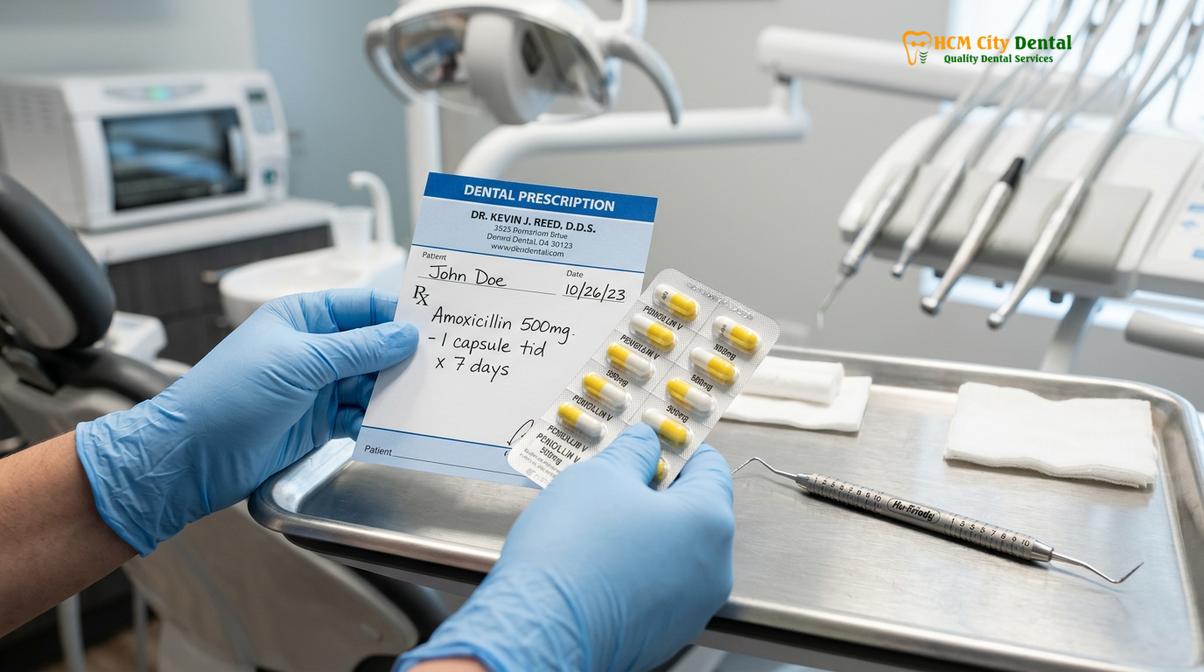
To combat the aggressive anaerobic bacteria that thrive in deep pockets, metronidazole is frequently the drug of choice. Metronidazole specifically targets obligate anaerobes and spirochetes by disrupting their DNA synthesis. Because it is highly effective against the “red complex” bacteria, it is a cornerstone of periodontal pharmacology. In cases of severe or refractory periodontitis, clinicians often prescribe a combination of amoxicillin and metronidazole. This combination therapy is widely considered the gold standard, as it provides a synergistic effect that covers both facultative and strict anaerobic pathogens, effectively wiping out the complex bacterial networks driving the disease[3].
Another highly valuable class of medications in periodontal care are the tetracyclines, specifically doxycycline. Doxycycline is unique because it possesses a dual mechanism of action. At standard antimicrobial doses, it inhibits bacterial protein synthesis, effectively halting the reproduction of pathogens like A. actinomycetemcomitans. However, doxycycline is also frequently prescribed at a sub-antimicrobial dose (typically 20mg). At this low dosage, it does not kill bacteria; instead, it acts as a powerful host-modulator. It inhibits the production of collagenase—the destructive enzyme produced by the body’s immune system that breaks down gum tissue and bone. This low-dose therapy can be taken safely for several months to help stabilize the periodontal foundation without contributing to bacterial resistance.
For patients who are allergic to penicillin or who cannot tolerate the gastrointestinal effects of metronidazole, azithromycin serves as an excellent alternative. Azithromycin is a macrolide antibiotic known for its strong tissue penetration. It actively concentrates in inflamed gingival tissues and has a long half-life, meaning it continues to fight the infection for days after the patient has finished the oral course. Furthermore, azithromycin exhibits mild anti-inflammatory properties, providing an additional benefit in reducing gingival swelling and redness.
Arestin and Localized Antibiotic Gels in Gum Pockets
Localized treatments utilize sustained-release microspheres or gels placed directly into infected crevices to maintain high antimicrobial concentrations without systemic side effects.
While systemic medications are powerful, they are not always the most appropriate tool for localized problems. When a patient has generally healthy gums but suffers from a few isolated deep pockets that bleed upon probing, exposing their entire body to systemic drugs is clinically unjustified. In these scenarios, localized delivery systems offer a highly precise and effective solution. These products are designed to be inserted directly into the periodontal pocket, where they slowly release their active ingredients over a period of 14 to 21 days.
One of the most widely recognized localized treatments is Arestin. Arestin consists of thousands of microscopic, bioresorbable spheres containing minocycline, a potent tetracycline derivative. During a General Dentistry visit, after the dentist or hygienist has thoroughly cleaned the root surface, they use a specialized syringe to deposit these microspheres directly into the base of the infected pocket. Once exposed to the natural moisture of the gingival crevicular fluid, the microspheres adhere to the pocket walls and begin to slowly dissolve. This sustained release ensures that the bacteria hiding within the tissue and dentinal tubules are continuously exposed to lethal concentrations of the drug for up to three weeks[4].
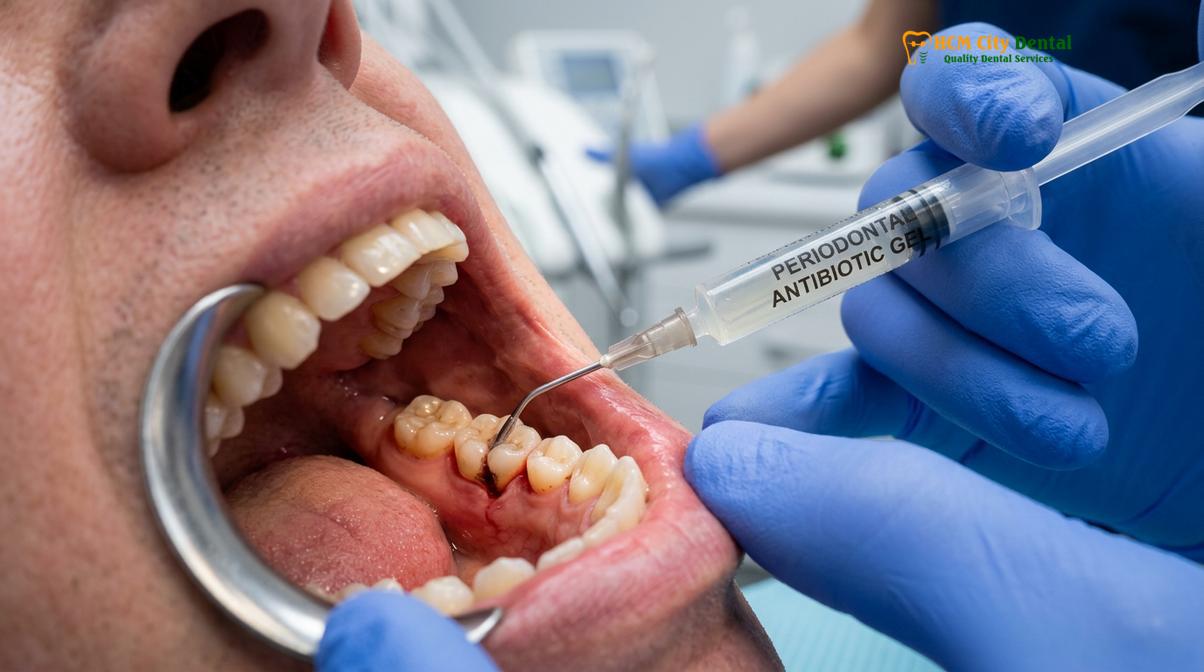
Another common localized therapy is Atridox, which utilizes an antibiotic gel for gum pockets containing doxycycline. Unlike the powder-like microspheres of Arestin, Atridox is mixed chairside into a flowable gel. When injected into the pocket, the gel quickly solidifies upon contact with oral fluids, forming a wax-like substance that conforms perfectly to the anatomy of the root and the surrounding tissue. This physical barrier not only delivers a steady dose of doxycycline but also helps to physically seal the pocket, preventing new bacteria from entering while the tissue heals.
Chlorhexidine chips, such as PerioChip, represent another localized option. While chlorhexidine is an antiseptic rather than a true antibiotic, the clinical application is identical. A small, biodegradable gelatin chip infused with chlorhexidine gluconate is inserted into the pocket. Over the course of a week to ten days, the chip dissolves, releasing the antiseptic agent to suppress bacterial repopulation. This option is particularly beneficial for patients who wish to avoid traditional antibiotics entirely or who have a history of severe drug allergies.
It is crucial to understand that these localized therapies are never used as a substitute for mechanical cleaning. If an antibiotic gel is placed into a pocket that is still filled with hardened tartar, the medication will simply sit on top of the calculus, unable to reach the underlying tissue or the bacteria embedded within the root surface. Localized therapies are strictly adjunctive; they are the final step in a comprehensive deep cleaning procedure, designed to optimize healing and encourage the gums to reattach tightly to the freshly cleaned tooth.
Why Antibiotics Alone Cannot Cure Gum Disease
Because periodontal bacteria are protected within a calcified physical matrix called tartar, antibiotics cannot penetrate or remove this structural barrier without mechanical intervention.
A common misconception among patients is that a simple prescription can cure a gum infection, much like antibiotics can cure strep throat or an ear infection. However, periodontal disease is fundamentally different due to the physical structure of the bacterial colonization. The bacteria responsible for gum disease do not float freely in the oral fluids; they construct a highly organized, defensive fortress known as a biofilm.
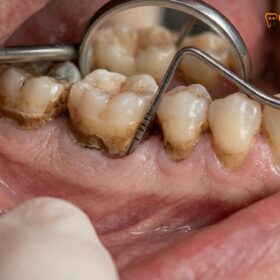
This biofilm is encased in an extracellular polymeric substance (EPS)—a sticky, slimy matrix that acts as a physical shield. This shield is incredibly resilient, preventing antimicrobial agents from penetrating into the deeper layers of the bacterial colony. Furthermore, when plaque is left undisturbed, minerals from the saliva calcify the biofilm, turning it into a rock-hard substance known as calculus or tartar. Calculus is highly porous, acting like a microscopic coral reef that provides a perfect, impenetrable sanctuary for anaerobic bacteria to thrive and multiply.
“Prescribing antibiotics for periodontal disease without first performing thorough mechanical debridement is clinically futile. The medication cannot penetrate the calcified matrix of tartar. The physical barrier must be dismantled before pharmacological agents can reach the underlying tissue infection.”
Because of this structural reality, periodontal antibiotics are entirely ineffective if the calculus and biofilm are not physically removed first. This mechanical removal is achieved through a procedure known as scaling and root planing (SRP), commonly referred to as a deep cleaning. During this procedure, the dental professional uses specialized ultrasonic and hand instruments to meticulously scrape away the hardened tartar from the crown and root surfaces of the teeth. They then smooth (plane) the root surfaces to remove bacterial toxins and create a clean, glass-like surface that discourages future bacterial attachment.
Only after this physical disruption has occurred can antibiotics serve their purpose. Once the protective biofilm is destroyed and the calculus is removed, the remaining bacteria are left exposed and vulnerable. At this stage, whether utilizing systemic pills or localized gels, the antimicrobial agents can effectively target the residual pathogens that have invaded the soft tissues, ensuring a comprehensive eradication of the infection. For more information on the foundational mechanical treatments required, patients can explore comprehensive gum treatment protocols.
Managing Antibiotic Resistance and Side Effects
Indiscriminate use of antimicrobial medications accelerates bacterial resistance and increases the risk of systemic side effects, necessitating strict clinical guidelines for prescription.
The global medical community is currently facing a severe crisis regarding antimicrobial resistance, and dentistry plays a significant role in this challenge. When antibiotics are overused, prescribed incorrectly, or when patients fail to complete their full course of medication, bacteria are exposed to sub-lethal doses of the drug. This exposure allows the strongest, most resilient bacteria to survive, mutate, and pass on their resistance genes to future generations. Over time, this leads to the development of “superbugs” that no longer respond to standard medical treatments.
In periodontal care, treating gum infection with pills must be approached with extreme caution. Dentists are trained to follow strict antimicrobial stewardship protocols. This means that antibiotics are never prescribed for mild gingivitis or routine periodontal maintenance. They are reserved strictly for cases where mechanical therapy has failed, for aggressive forms of periodontitis, or for acute infections that pose a risk of spreading systemically. By limiting the use of these powerful drugs, clinicians help preserve their efficacy for when they are truly needed[5].
Beyond the risk of resistance, systemic antibiotics carry the potential for significant side effects. Because oral medications circulate throughout the entire body, they do not only kill the harmful bacteria in the mouth; they also eradicate the beneficial bacteria in the gut. This disruption of the intestinal microbiome frequently leads to gastrointestinal distress, including nausea, cramping, and severe diarrhea. In some cases, it can lead to opportunistic infections, such as oral thrush (a fungal infection) or Clostridioides difficile (C. diff) colitis, a potentially dangerous intestinal condition.
Furthermore, allergic reactions are a critical consideration. Penicillin-based drugs, such as amoxicillin, are among the most common causes of drug allergies, ranging from mild skin rashes to life-threatening anaphylaxis. Medications like metronidazole come with their own strict contraindications; patients must absolutely avoid all alcohol consumption while taking metronidazole and for 48 hours after the final dose, as the combination causes a severe, violently nauseating reaction. Due to these complex pharmacological profiles, antibiotic therapy must always be closely monitored by a qualified dental professional.
Important Clinical Considerations and When to See a Doctor
While minor gum bleeding during flossing can often be reversed with improved home care and a routine professional cleaning, certain symptoms indicate a severe, active infection that requires immediate medical intervention. Delaying treatment for an acute periodontal infection can lead to irreversible bone loss, tooth mobility, and the potential for the infection to spread to adjacent facial spaces or enter the bloodstream.
You should seek prompt evaluation from a dental professional if you experience any of the following critical symptoms:
- Severe, throbbing pain in the gums or jaw that disrupts sleep or daily activities.
- Localized swelling, redness, or a visible bump (abscess) on the gums.
- The presence of pus oozing from the gumline when pressure is applied.
- Teeth that suddenly feel loose, shifted, or painful when biting down.
- Systemic symptoms accompanying oral pain, such as a fever, swollen lymph nodes in the neck, or general fatigue.
If you suspect you are suffering from an advanced gum infection, it is imperative to undergo a comprehensive periodontal evaluation. A dentist will measure your pocket depths, take specialized radiographs to assess bone levels, and determine the precise etiology of the infection. Based on these clinical diagnostics, a personalized treatment plan will be developed, which may include mechanical debridement, localized antimicrobial therapy, or systemic medications. For expert evaluation and tailored treatment strategies, patients are encouraged to contact our clinical team to schedule a thorough diagnostic consultation.
Frequently Asked Questions
Can antibiotics cure gum disease?
No, antibiotics cannot cure gum disease on their own. They must be combined with professional mechanical cleaning, such as scaling and root planing, to physically remove the protective bacterial biofilm and hardened tartar that antibiotics cannot penetrate. Without this physical disruption, the infection will persist and continue to cause bone loss.
What is the best antibiotic for a gum infection?
The most effective antibiotic depends on the specific bacteria causing the infection, but a combination of amoxicillin and metronidazole is widely considered the gold standard for severe or aggressive periodontal infections. For patients with penicillin allergies, alternatives like azithromycin or doxycycline are frequently prescribed based on clinical evaluation.
How does antibiotic gel in gum pockets work?
Antibiotic gel is placed directly into the infected periodontal pocket, where it slowly releases antimicrobial agents over several days to target localized bacteria without causing widespread systemic side effects. This sustained-release mechanism ensures that the medication remains at a highly concentrated, lethal level precisely where the tissue-invasive pathogens reside.
How long do I need to take antibiotics for gums?
A typical course of oral antibiotics for a periodontal infection lasts between 7 to 14 days. It is critical to complete the entire prescribed regimen even if symptoms improve early, to prevent bacterial resistance and ensure that all pathogenic microorganisms within the deep tissues are fully eradicated.
Can I get gum antibiotics over the counter?
No, antibiotics for gum infections are strictly prescription-only medications. A dentist must evaluate the severity of your periodontal disease to determine the appropriate type, dosage, and duration of antimicrobial therapy, ensuring the treatment is safe and effectively targets the specific oral pathogens involved.
References
- Journal of Periodontology. The role of systemic antibiotics in the treatment of aggressive periodontitis. (2021).
- Clinical Oral Investigations. Efficacy of local antimicrobial delivery systems in periodontal therapy. (2020).
- British Dental Journal. Pharmacological management of acute periodontal infections and abscesses. (2019).
- Journal of Clinical Periodontology. Biofilm disruption and the limitations of systemic antimicrobial therapy. (2022).
- American Dental Association. Guidelines on the use of prophylactic and therapeutic antibiotics in dentistry. (2023).
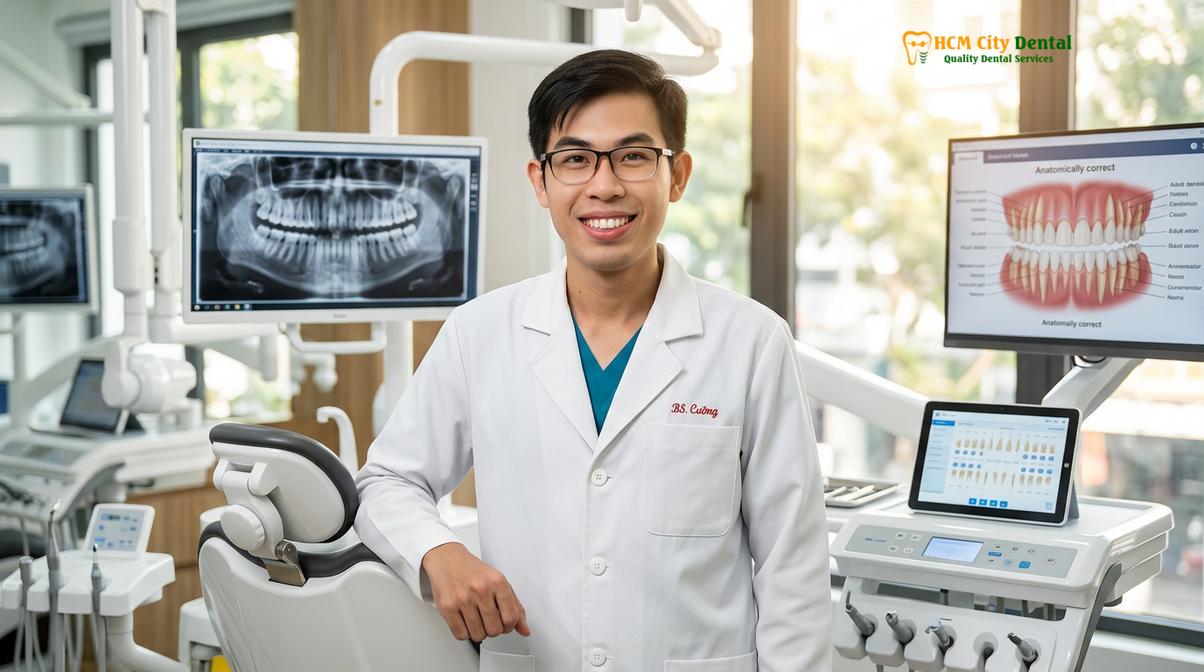
For further information on maintaining optimal periodontal health and exploring advanced treatment options, please visit our comprehensive services page or learn more about our dedicated specialists on the our team page at HCMC Dental Clinic, Ho Chi Minh City.