Bleeding gums are primarily caused by plaque buildup leading to gingivitis, an inflammation of the delicate gum tissue. However, persistent bleeding can also indicate advanced periodontal disease, vitamin deficiencies, hormonal fluctuations, or underlying systemic health conditions requiring professional clinical evaluation and targeted treatment.
Clinical Summary:
From a clinical perspective, healthy gingival tissue should never bleed during routine brushing or flossing. The presence of blood in the saliva is a definitive marker of epithelial ulceration and vascular engorgement within the periodontium, most commonly triggered by a localized immune response to bacterial biofilm. While plaque-induced gingivitis remains the leading etiology, differential diagnosis must account for systemic factors, including hematological disorders, endocrine shifts, and pharmacological side effects. Effective management requires a dual approach: meticulous mechanical plaque disruption at home and professional periodontal debridement to halt disease progression and restore tissue homeostasis.
Key Takeaways:
- Bleeding gums are the earliest and most common clinical sign of gingivitis and active periodontal infection.
- Inadequate plaque removal allows bacteria to calcify into tartar, perpetuating chronic tissue inflammation.
- Systemic conditions, including diabetes, leukemia, and vitamin deficiencies, can exacerbate gingival bleeding.
- Orthodontic appliances and ill-fitting dental restorations frequently create plaque traps that irritate the gums.
- Persistent bleeding lasting longer than two weeks warrants a comprehensive periodontal examination.
Why Do Gums Bleed? Understanding the Basics
Bleeding gums occur when the delicate epithelial lining of the gingival sulcus becomes ulcerated and inflamed due to bacterial toxins, making the tissue highly vascular and prone to rupture upon minor contact.
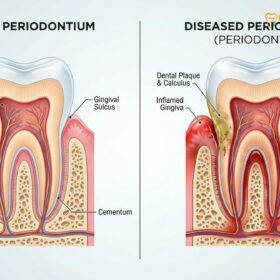
To fully comprehend the various bleeding gums causes, it is essential to understand the microscopic anatomy of the periodontium. The periodontium consists of the tissues that surround and support the teeth, including the gingiva (gums), periodontal ligament, cementum, and alveolar bone. In a state of clinical health, the gingiva is firm, pale pink, and tightly adapted to the underlying bone and tooth surfaces. The shallow crevice between the tooth and the gumline, known as the gingival sulcus, is lined by a specialized layer of cells called the junctional epithelium.
When oral hygiene is suboptimal, a sticky, colorless film of bacteria—known as dental plaque—accumulates along the gingival margin. These microorganisms, predominantly anaerobic bacteria, metabolize dietary carbohydrates and release highly reactive metabolic byproducts, including endotoxins, enzymes, and volatile sulfur compounds. In response to this bacterial invasion, the body’s immune system initiates an inflammatory cascade. Inflammatory mediators such as interleukins and prostaglandins are released, causing the local blood vessels to dilate and become highly permeable. This vasodilation allows immune cells, particularly polymorphonuclear leukocytes, to migrate into the sulcus to combat the infection[1].
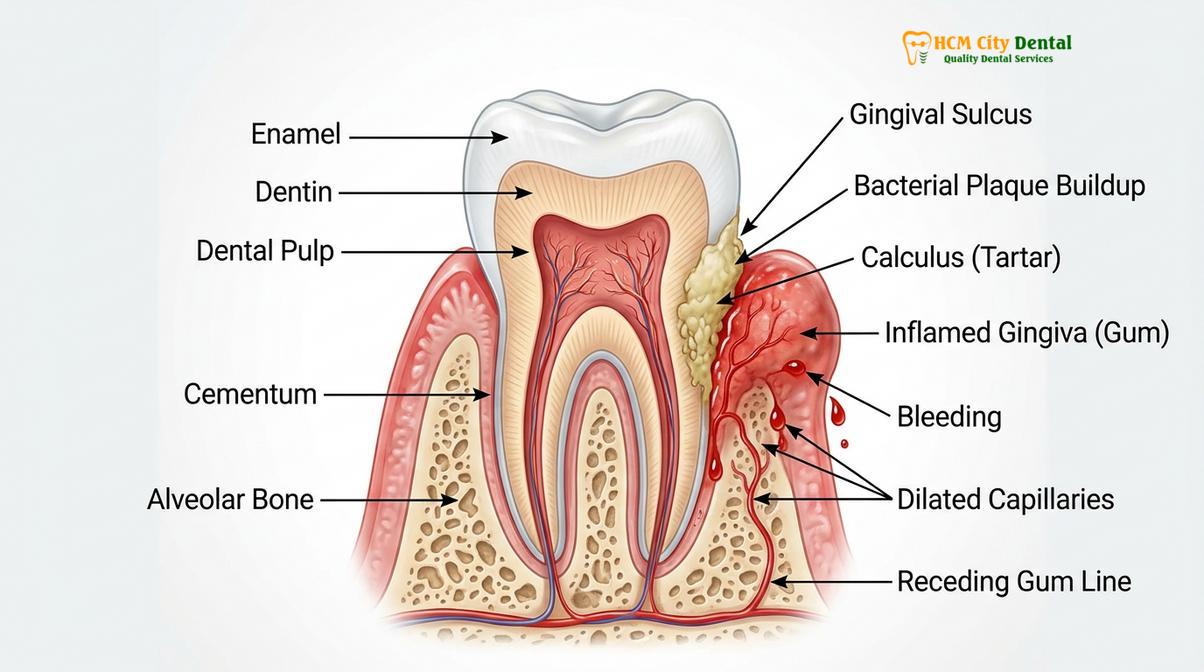
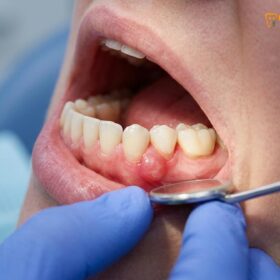
This localized inflammatory response is what clinically manifests as redness, swelling, and a profound tendency to bleed. Because the capillaries are engorged and the protective epithelial lining is micro-ulcerated, even the slight mechanical friction from a toothbrush bristle or a strand of dental floss is sufficient to rupture the blood vessels. Therefore, bleeding is not caused by the mechanical action of brushing itself, but rather by the underlying fragility of the diseased tissue. Understanding why do gums bleed is the first step in recognizing that this symptom is an active alarm bell signaling an ongoing infection, rather than a normal consequence of oral care.
“Gingival bleeding is the most reliable clinical indicator of active periodontal inflammation. It is the body’s immediate vascular response to bacterial dysbiosis, signaling that the structural integrity of the periodontal attachment is under active threat.”
Common Causes of Bleeding Gums
The most frequent causes of bleeding gums include plaque-induced gingivitis and periodontitis, though systemic factors like vitamin deficiencies, hormonal shifts, and blood-thinning medications also play significant roles.
The etiology of gingival bleeding is multifactorial, encompassing both local environmental factors within the oral cavity and broader systemic conditions that affect the entire body. A thorough clinical diagnosis is required to isolate the specific cause and implement the correct bleeding gums treatment protocol.
Plaque-Induced Gingivitis
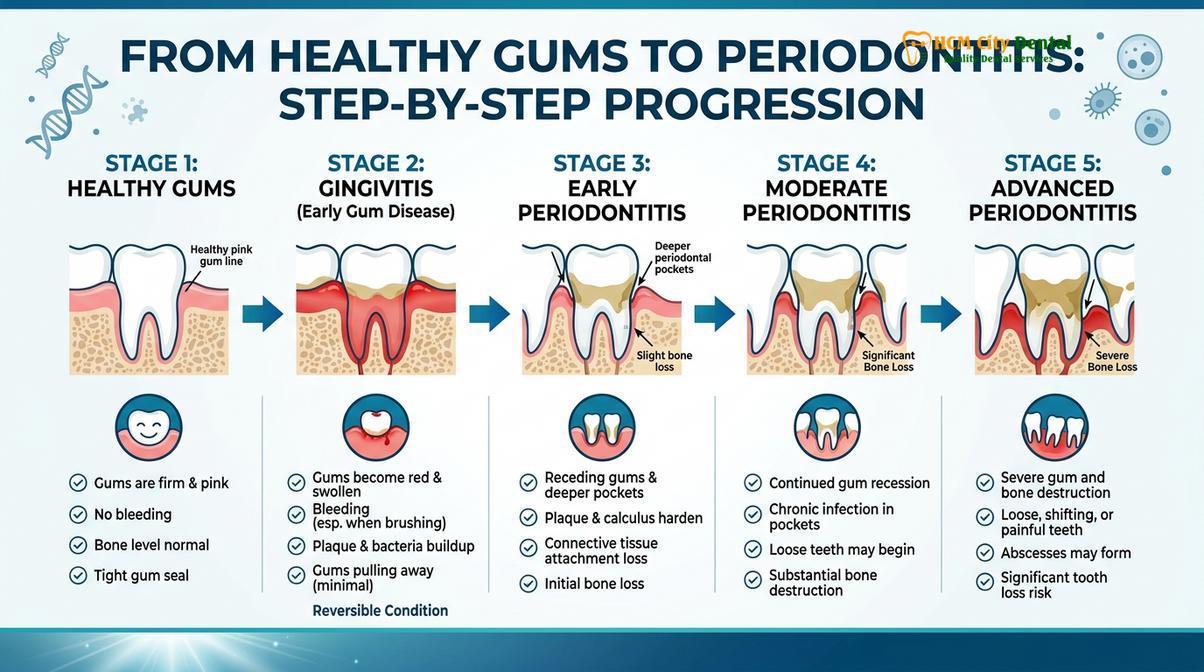
Gingivitis is the earliest and most reversible stage of gum disease. It is almost exclusively caused by the accumulation of dental plaque at the gingival margin. When plaque is not adequately removed through daily brushing and flossing, it hardens into dental calculus (tartar) within 24 to 72 hours. Calculus provides a rough, porous surface that attracts even more plaque, creating a vicious cycle of bacterial retention. The continuous presence of calculus acts as a physical irritant to the gums, while the harbored bacteria perpetuate the inflammatory response. At this stage, the underlying alveolar bone remains intact, and the condition can be completely reversed with professional cleaning and improved home care.
Periodontitis: Advanced Gum Disease
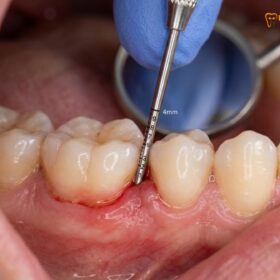
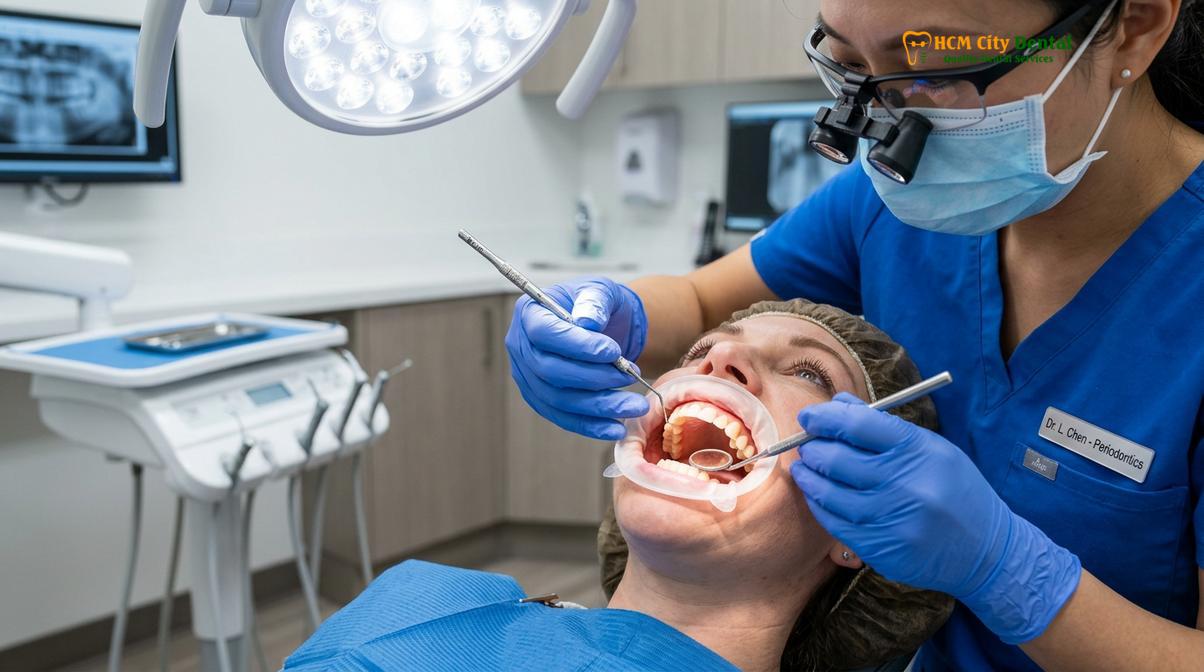
If gingivitis is left untreated, the chronic inflammation eventually spreads deeper into the periodontium, leading to periodontitis. This is a severe, irreversible condition characterized by the destruction of the periodontal ligament and the resorption of the alveolar bone that anchors the teeth. As the tissue detaches from the tooth, deep periodontal pockets form. These pockets create an ideal anaerobic environment for highly pathogenic bacteria to thrive. In periodontitis, bleeding gums are often accompanied by purulent exudate (pus), severe halitosis, gum recession, and increased tooth mobility. The bleeding in periodontitis is a sign of deep, active ulceration within the periodontal pockets[2].
Hormonal Fluctuations
Endocrine changes significantly alter the physiological response of the gingival tissues to dental plaque. Elevated levels of estrogen and progesterone, particularly during puberty, menstruation, pregnancy, and menopause, increase vascular permeability and alter the local immune response. “Pregnancy gingivitis” is a well-documented clinical phenomenon where expectant mothers experience exaggerated gingival inflammation, swelling, and bleeding, even in the presence of minimal plaque. The hormonal surge essentially hyper-sensitizes the gum tissue to bacterial toxins.
Nutritional Deficiencies
While relatively uncommon in modern developed societies, severe nutritional deficiencies remain a critical factor in vascular health. Vitamin C is a fundamental co-factor in the synthesis of collagen, the primary structural protein in the gingiva and blood vessel walls. A profound deficiency in Vitamin C leads to scurvy, a condition characterized by structurally weak capillaries that rupture spontaneously, resulting in severely bleeding, swollen, and purplish gums. Similarly, Vitamin K is essential for the hepatic synthesis of several blood-clotting factors. A deficiency in Vitamin K impairs the body’s coagulation cascade, leading to prolonged and easily provoked gingival bleeding.
Clinical Warning: Patients with uncontrolled diabetes mellitus are at a significantly higher risk for severe periodontal disease. Hyperglycemia impairs neutrophil function and alters collagen metabolism, making the gums highly susceptible to infection and chronic bleeding. Managing blood sugar levels is a critical component of periodontal therapy.
Medications and Pharmacological Factors
Numerous systemic medications can induce or exacerbate gingival bleeding. Anticoagulants (blood thinners) such as warfarin, heparin, and novel oral anticoagulants (NOACs), as well as antiplatelet drugs like aspirin and clopidogrel, intentionally interfere with the body’s clotting mechanisms to prevent thrombosis. Patients on these medications frequently experience prolonged bleeding from the gums following minor trauma or routine brushing. Additionally, certain antihypertensive drugs (calcium channel blockers), immunosuppressants (cyclosporine), and anticonvulsants (phenytoin) can cause gingival overgrowth (hyperplasia). This excess tissue creates deep pseudopockets that are nearly impossible to clean at home, inevitably leading to severe plaque accumulation and subsequent bleeding.
Bleeding Gums with Braces or Dental Work
Orthodontic appliances, poorly fitting dentures, and overhanging dental restorations create plaque traps that irritate gingival margins, leading to localized inflammation and bleeding during routine oral care.
Patients undergoing orthodontic treatment or those with extensive dental prosthetics face unique challenges in maintaining optimal periodontal health. The introduction of foreign materials into the oral cavity alters the natural self-cleansing mechanisms of the mouth and creates numerous retention sites for bacterial biofilm.
Orthodontic Appliances
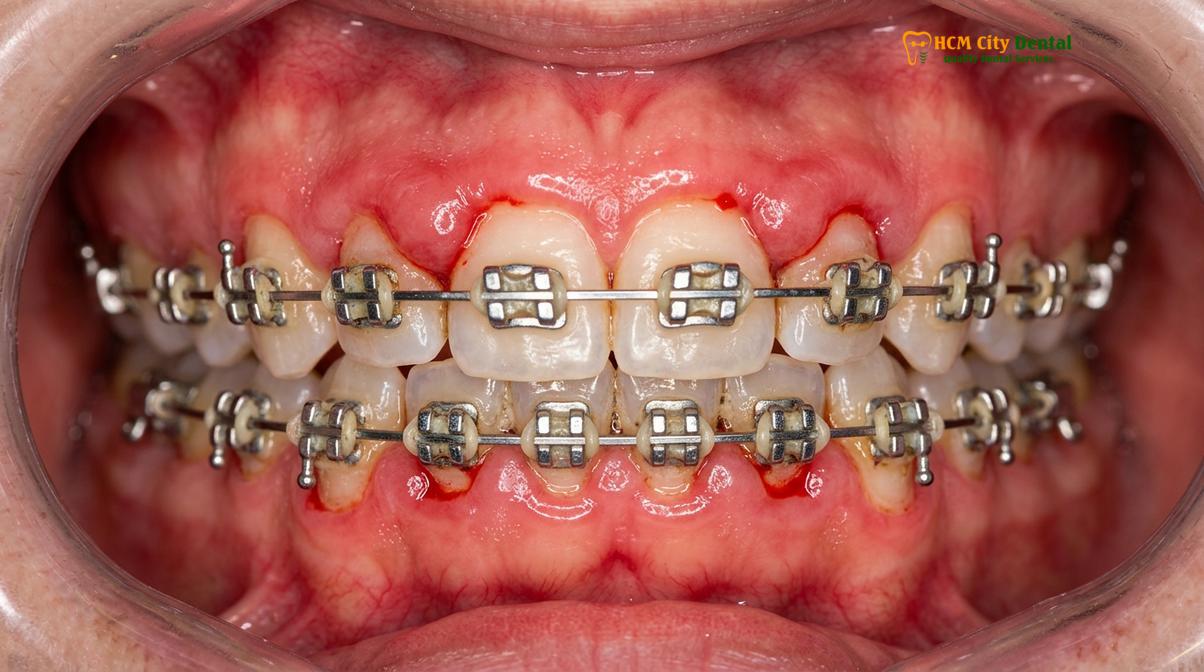
Traditional fixed braces, consisting of metal or ceramic brackets, archwires, and elastomeric ligatures, significantly complicate daily oral hygiene. The intricate architecture of these appliances makes it exceedingly difficult for toothbrush bristles and standard dental floss to access the gingival margins and interproximal spaces. Consequently, plaque rapidly accumulates around the brackets and beneath the wires. This localized plaque retention frequently leads to a condition known as orthodontic gingivitis. The gums become hyperplastic (overgrown), erythematous (red), and highly prone to bleeding upon probing or brushing. In severe cases, the hypertrophic tissue can completely engulf the orthodontic brackets, necessitating surgical intervention (gingivectomy) to expose the teeth and restore tissue health.
Iatrogenic Factors and Dental Restorations
Dental restorations, such as dental crowns, bridges, and composite fillings, must be meticulously contoured to mimic the natural anatomy of the tooth. If a restoration has an “overhanging margin”—a ledge of material that extends beyond the natural tooth structure—it creates an inaccessible niche where plaque and calculus accumulate. The gingival tissue adjacent to these overhangs exists in a state of chronic inflammation and will consistently bleed until the defective restoration is clinically revised or replaced. Similarly, poorly contoured crowns that impinge upon the biological width (the natural attachment zone of the gum to the tooth) will cause persistent localized bleeding and eventual bone loss.
Clinical Case Study: HCMC Dental Clinic
A 28-year-old patient presented to HCMC Dental Clinic in Ho Chi Minh City complaining of localized, severe gum bleeding around a recently placed dental bridge. Upon clinical examination, Dr. Nguyen Van Cuong identified an overhanging margin on the distal abutment that was trapping bacterial plaque and impinging on the interdental papilla. The treatment involved carefully re-contouring the prosthetic margin and performing localized scaling. Within 14 days of the corrective procedure and guided home care, the gingival inflammation completely subsided, and the bleeding ceased, highlighting the critical importance of precision in restorative dentistry.
Ill-Fitting Removable Prosthetics
Removable partial or complete dentures that do not fit intimately with the underlying mucosal tissues can cause significant mechanical trauma. The constant friction and micro-movement of an ill-fitting denture against the gums lead to abrasions, ulcerations, and localized bleeding. Furthermore, if dentures are not removed and thoroughly cleaned daily, they act as a reservoir for fungal (Candida) and bacterial infections, further exacerbating tissue inflammation and bleeding.
When Bleeding Gums Signal a Medical Emergency
Spontaneous, uncontrollable gum bleeding accompanied by systemic symptoms like extreme fatigue, unexplained bruising, or severe oral pain may indicate critical conditions such as leukemia or acute necrotizing ulcerative gingivitis.
While the vast majority of bleeding gums causes are related to localized plaque-induced inflammation, there are specific clinical scenarios where gingival bleeding is a primary manifestation of a severe, potentially life-threatening systemic disease. Dentists are often the first healthcare providers to detect these underlying medical emergencies based on oral presentations.
Acute Necrotizing Ulcerative Gingivitis (ANUG)
Historically known as “trench mouth,” ANUG is a rapidly progressive, highly destructive, and acutely painful periodontal infection. It is characterized by the sudden onset of severe gingival pain, profuse and spontaneous bleeding, and the necrosis (death) of the interdental papillae, which take on a “punched-out” appearance. The necrotic tissue is often covered by a grayish-white pseudomembrane. ANUG is typically triggered by a combination of severe psychological stress, extreme fatigue, poor nutrition, heavy smoking, and immunosuppression. This condition requires immediate clinical intervention, including superficial debridement, antimicrobial rinses, and often systemic antibiotics to halt the rapid tissue destruction.
Hematological Disorders and Malignancies
Spontaneous gingival bleeding—bleeding that occurs without any mechanical provocation, such as waking up with blood on the pillow—can be a cardinal sign of severe hematological disorders. Leukemia, a cancer of the blood-forming tissues, frequently presents with oral manifestations. The proliferation of malignant white blood cells crowds out normal platelets in the bone marrow, leading to severe thrombocytopenia (low platelet count). Without sufficient platelets, the body cannot form clots, resulting in spontaneous gingival oozing, petechiae (pinpoint hemorrhages) on the oral mucosa, and generalized gingival enlargement. Any patient presenting with spontaneous gingival bleeding accompanied by systemic symptoms such as unexplained weight loss, chronic fatigue, night sweats, or easy bruising on the body must be immediately referred for a complete blood count (CBC) and medical evaluation[3].
When to See a Doctor
Distinguishing between mild, transient gingivitis and a condition requiring urgent medical or dental intervention is crucial for patient safety. You should seek immediate professional evaluation if you experience any of the following red flag symptoms:
- Chronic Bleeding: Gums that continue to bleed for more than two weeks despite rigorous improvements in daily brushing and flossing.
- Spontaneous Hemorrhage: Bleeding that occurs without any physical contact, such as finding blood in your mouth upon waking.
- Severe Pain: Healthy gums and early gingivitis are generally painless. Acute pain combined with bleeding indicates a severe infection like ANUG or a periodontal abscess.
- Structural Changes: Noticeable gum recession, teeth that feel loose or are shifting position, or changes in the way your teeth fit together when you bite.
- Systemic Symptoms: Bleeding gums accompanied by persistent fever, extreme fatigue, swollen lymph nodes, or unexplained bruising elsewhere on the body.
Early diagnostic intervention is the most effective way to prevent irreversible tissue damage and rule out severe systemic pathologies.
How to Prevent and Stop Bleeding Gums
Effective prevention relies on meticulous daily plaque removal using soft-bristled toothbrushes and interdental cleaning, combined with a balanced diet and routine professional dental prophylaxis.
Understanding how to stop bleeding gums requires a commitment to both rigorous home care and regular professional oversight. The primary objective of any gum bleeding remedies is the mechanical disruption and removal of the bacterial biofilm before it can calcify into calculus or trigger a destructive inflammatory response.
Optimizing Mechanical Plaque Control
The foundation of periodontal health is effective daily plaque removal. Patients must brush their teeth at least twice daily using a soft-bristled toothbrush. Hard or medium bristles can cause mechanical trauma to the delicate gingival tissues and accelerate gum recession. The modified Bass brushing technique is highly recommended: angle the bristles at 45 degrees toward the gumline and use gentle, short, circular vibratory motions to dislodge plaque from the gingival sulcus. Brushing alone, however, only cleans the facial, lingual, and occlusal surfaces of the teeth. It cannot reach the interproximal areas (between the teeth) where periodontal disease most frequently originates.
Interdental cleaning is absolutely non-negotiable for preventing bleeding gums. Dental floss must be used daily to mechanically scrape the biofilm from the sides of adjacent teeth. For patients with larger interdental spaces, orthodontic appliances, or dental bridges, interdental brushes or oral irrigators (water flossers) are highly effective adjuncts. Water flossers utilize a pulsated stream of water to flush out loosely adherent plaque and food debris from deep periodontal pockets, significantly reducing gingival inflammation.
Chemical Adjuncts and Dietary Modifications
While mechanical cleaning is paramount, chemical adjuncts can provide significant supportive benefits. Antimicrobial mouthwashes containing active ingredients such as chlorhexidine gluconate, cetylpyridinium chloride (CPC), or essential oils can help reduce the overall bacterial load in the oral cavity. However, chlorhexidine should only be used short-term under clinical supervision due to its tendency to cause tooth staining and alter taste perception. Furthermore, a diet rich in essential vitamins and minerals supports the immune system and tissue integrity. Adequate intake of Vitamin C (found in citrus fruits, bell peppers, and broccoli) is vital for collagen maintenance, while minimizing refined carbohydrates and sugars deprives oral bacteria of their primary energy source[4].
| Clinical Parameter | Healthy Gums | Gingivitis | Periodontitis |
|---|---|---|---|
| Color & Texture | Pale pink, firm, stippled (orange-peel texture) | Red, swollen, glossy, loss of stippling | Deep red or purplish, highly inflamed, fibrotic |
| Bleeding Tendency | No bleeding upon probing or brushing | Bleeds easily upon provocation | Profuse bleeding, possible spontaneous bleeding, pus |
| Pocket Depth | 1 to 3 millimeters | Pseudopockets (due to swelling), no attachment loss | 4 millimeters or greater, true clinical attachment loss |
| Bone Level | Intact alveolar bone crest | Intact alveolar bone crest | Radiographic evidence of alveolar bone resorption |
| Reversibility | N/A (Baseline Health) | Fully reversible with proper care | Irreversible damage; requires disease management |
“Patients often stop brushing or flossing when they see blood, fearing they are causing damage. Clinically, this is the exact opposite of what is required. Bleeding indicates an infection that demands more meticulous, albeit gentle, cleaning to remove the offending bacterial plaque.” — Dr. Nguyen Van Cuong
Professional Periodontal Treatments for Bleeding Gums
Clinical interventions range from non-surgical scaling and root planing to advanced laser therapy and periodontal surgery, depending on the severity of the underlying tissue destruction.
When home care is insufficient and calculus has formed, professional clinical intervention is mandatory. The specific bleeding gums treatment prescribed will depend entirely on the precise diagnostic stage of the periodontal disease, determined through comprehensive periodontal probing and radiographic analysis.
Non-Surgical Periodontal Therapy: Scaling and Root Planing
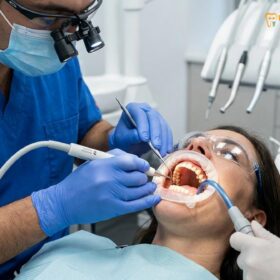
The gold standard for treating early to moderate periodontal disease is a non-surgical procedure known as scaling and root planing (SRP), commonly referred to as a “deep cleaning.” This procedure is typically performed under local anesthesia to ensure patient comfort. During the scaling phase, the clinician uses specialized ultrasonic instruments and hand curettes to meticulously fracture and remove calculus deposits and bacterial biofilm from the crown and root surfaces, extending deep into the periodontal pockets. The root planing phase involves smoothing the rough cementum on the tooth roots. Smooth root surfaces prevent bacteria from easily re-attaching and provide a clean, biologically compatible surface for the gingival tissue to heal and re-attach to the tooth, thereby reducing pocket depths and eliminating bleeding.

Advanced Laser-Assisted Periodontal Therapy
Modern periodontal treatment frequently incorporates advanced laser technology to enhance clinical outcomes. Dental lasers, such as diode or Nd:YAG lasers, are utilized to selectively target and vaporize diseased, inflamed epithelial lining within the periodontal pocket while leaving the healthy connective tissue intact. The laser energy also provides a potent bactericidal effect, penetrating deep into the dentinal tubules to eradicate pathogenic bacteria that mechanical instruments cannot reach. Furthermore, laser therapy promotes biostimulation, accelerating the healing process, reducing post-operative discomfort, and minimizing tissue shrinkage compared to traditional surgical methods.
Surgical Interventions and Maintenance
In cases of advanced periodontitis where deep pockets persist despite non-surgical therapy, periodontal flap surgery may be necessary. During this procedure, the periodontist gently reflects the gum tissue back to gain direct visual access to the root surfaces and underlying bone defects. Thorough debridement is performed, and irregular bone contours may be re-shaped (osseous surgery) to eliminate plaque-retentive areas. In some cases, bone grafts or guided tissue regeneration membranes are placed to stimulate the regrowth of lost periodontal structures. Following any active treatment phase, patients must enter a strict Periodontal Maintenance program. This involves professional cleanings and clinical re-evaluations every 3 to 4 months to monitor tissue stability, disrupt newly formed biofilm, and prevent disease recurrence[5].
If you are experiencing persistent gingival bleeding or suspect you may have underlying periodontal issues, it is imperative to seek professional diagnostic care. The expert team at HCMC Dental Clinic in Ho Chi Minh City utilizes state-of-the-art diagnostic imaging and evidence-based clinical protocols to accurately identify the root cause of your symptoms. We invite you to explore our comprehensive Gum Treatment services or learn more about our preventative approach through our General Dentistry department. Early intervention is the key to preserving your natural dentition and ensuring long-term systemic health. Contact us today to schedule a thorough periodontal evaluation with our specialists.
Frequently Asked Questions
Why do my gums bleed when I brush?
Gums typically bleed during brushing due to plaque-induced inflammation, known as gingivitis, which makes the tissue fragile and prone to micro-tears. When bacterial biofilm accumulates along the gumline, it triggers an immune response that dilates blood vessels. Using a hard-bristled toothbrush or applying excessive pressure can easily rupture these engorged capillaries. Transitioning to a soft-bristled brush and improving daily flossing habits usually resolves early-stage bleeding.
How do I stop my gums from bleeding?
To stop bleeding gums, you must address the underlying bacterial infection through meticulous oral hygiene and professional dental cleanings. Start by brushing twice daily with a soft-bristled toothbrush and flossing carefully to remove interdental plaque. Rinsing with an antimicrobial mouthwash can help reduce bacterial load. However, if calculus (tartar) has formed, home care is insufficient, and you must visit a dentist for professional scaling.
Can vitamin deficiency cause bleeding gums?
Yes, severe deficiencies in Vitamin C and Vitamin K can directly cause bleeding gums by compromising blood vessel integrity and clotting mechanisms. Vitamin C is essential for collagen synthesis; its absence leads to scurvy, characterized by fragile capillaries and spontaneous gingival bleeding. Vitamin K is crucial for the hepatic synthesis of blood-clotting proteins. While rare in modern diets, these deficiencies require medical diagnosis and nutritional supplementation.
When should I see a dentist for bleeding gums?
You should see a dentist if your gums continue to bleed for more than two weeks despite improving your daily oral hygiene routine. Immediate clinical evaluation is necessary if the bleeding is spontaneous, severe, accompanied by pain, loose teeth, chronic bad breath, or systemic symptoms like unexplained bruising. Early intervention prevents the progression of gingivitis into irreversible periodontitis and tooth loss.
Is gum bleeding a sign of periodontitis?
Gum bleeding is a hallmark symptom of both early gingivitis and advanced periodontitis, serving as a critical indicator of active periodontal infection. In periodontitis, the inflammation extends deep into the supporting alveolar bone and periodontal ligaments, creating pockets that harbor anaerobic bacteria. While bleeding alone does not confirm periodontitis, when combined with gum recession, pocketing, and bone loss, it signifies severe periodontal disease requiring specialized treatment.
References
- Journal of Periodontology. Pathogenesis of gingival inflammation and capillary fragility. (2021).
- American Academy of Periodontology. Comprehensive guidelines on periodontal disease classifications. (2020).
- International Journal of Oral Science. Systemic diseases and their manifestations in the oral cavity. (2019).
- Clinical Oral Investigations. Efficacy of mechanical plaque control in the management of gingivitis. (2022).
- Journal of Clinical Periodontology. Non-surgical and surgical periodontal therapy outcomes. (2023).