Holistic gum disease treatment addresses periodontal infections by combining deep clinical cleaning with biocompatible therapies like ozone, herbal antimicrobials, and nutritional support. This biological approach targets the root cause of inflammation, restoring the oral microbiome without relying solely on harsh chemicals or invasive surgeries.
Clinical Summary:
Biological periodontal therapy integrates conventional scaling and root planing with natural, biocompatible adjuncts to achieve optimal gingival health. By utilizing targeted ozone gas, essential oil protocols, and systemic nutritional supplementation, this method effectively manages both gingivitis and advanced periodontitis. The holistic approach prioritizes the restoration of a balanced oral microbiome and the enhancement of the body’s innate immune response, minimizing tissue trauma while promoting natural gum and bone regeneration. Clinical assessments focus on identifying underlying systemic triggers, ensuring a comprehensive, patient-centered healing pathway.
Key Takeaways:
- Biological treatments focus on restoring the oral microbiome ecosystem rather than merely eradicating all bacteria.
- Ozone therapy provides powerful, non-toxic disinfection of deep periodontal pockets, neutralizing anaerobic pathogens instantly.
- Systemic nutritional deficiencies directly impair the body’s ability to regenerate damaged gum and alveolar bone tissue.
- Plant-based antimicrobials, such as tea tree and lemongrass, offer scientifically backed anti-inflammatory benefits for gingival healing.
- Early biological intervention can frequently halt disease progression, potentially eliminating the need for invasive periodontal surgery.
Traditional Periodontics vs. Holistic Gum Disease Treatment
While traditional periodontics often relies on aggressive chemical rinses and surgery, holistic treatments prioritize biocompatible disinfection and systemic healing to restore oral health.
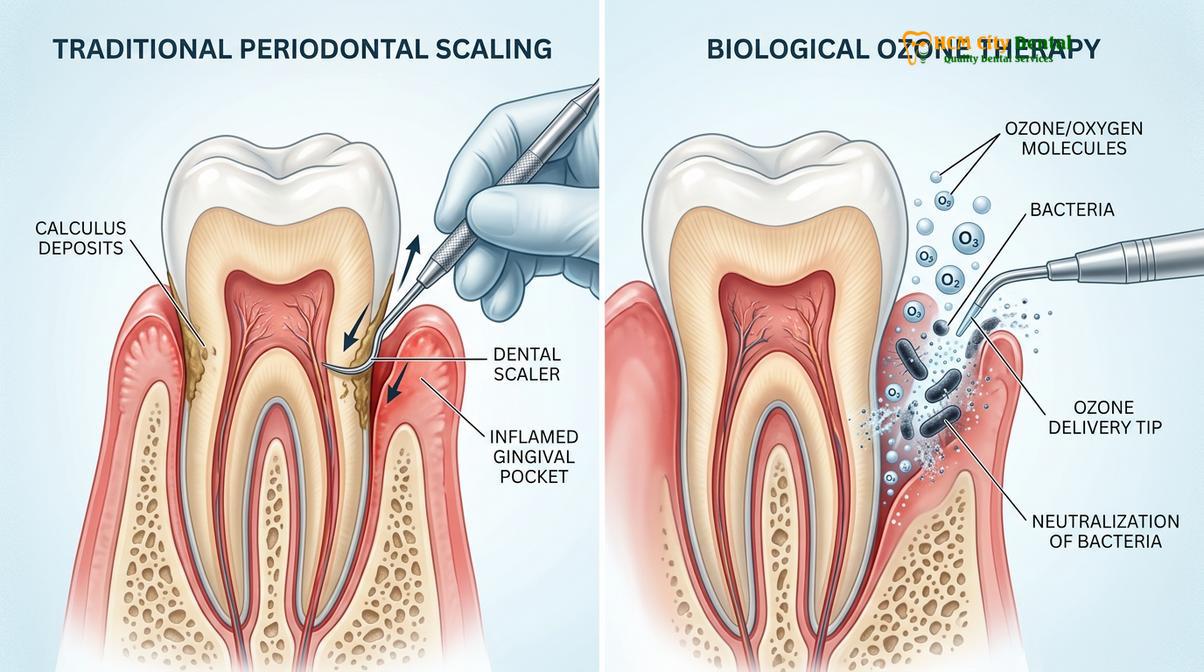
The management of periodontal disease has evolved significantly, branching into conventional and biological methodologies. Traditional periodontics primarily focuses on the mechanical removal of plaque and calculus, often supplemented by synthetic antimicrobial agents such as chlorhexidine gluconate. While effective at reducing bacterial loads, these conventional chemical rinses can indiscriminately eradicate both pathogenic and beneficial bacteria, potentially leading to a disrupted oral ecosystem, tooth staining, and altered taste sensation over prolonged use [1].
In contrast, biological periodontal therapy takes a more integrative approach. It acknowledges that the mouth is not an isolated environment but a critical gateway to systemic health. Holistic practitioners utilize biocompatible materials and natural antimicrobial agents that respect the body’s delicate biological balance. Instead of harsh chemicals, treatments may incorporate ozonated water, herbal irrigants, and targeted nutritional counseling to strengthen the host’s immune response.
Furthermore, holistic gum care emphasizes identifying the root causes of periodontal breakdown. This includes evaluating a patient’s diet, stress levels, sleep quality, and potential systemic conditions like diabetes or autoimmune disorders, which heavily influence gingival inflammation. By addressing these underlying factors, holistic treatment aims not just to manage the symptoms of gum disease, but to create an oral environment where pathogenic bacteria cannot thrive, thereby promoting long-term, sustainable healing.
The Oral Microbiome: Balances and Pathogenic Shifts
Gum disease is fundamentally a disruption of the oral ecosystem, where pathogenic bacteria outnumber beneficial microbes due to environmental or systemic triggers.
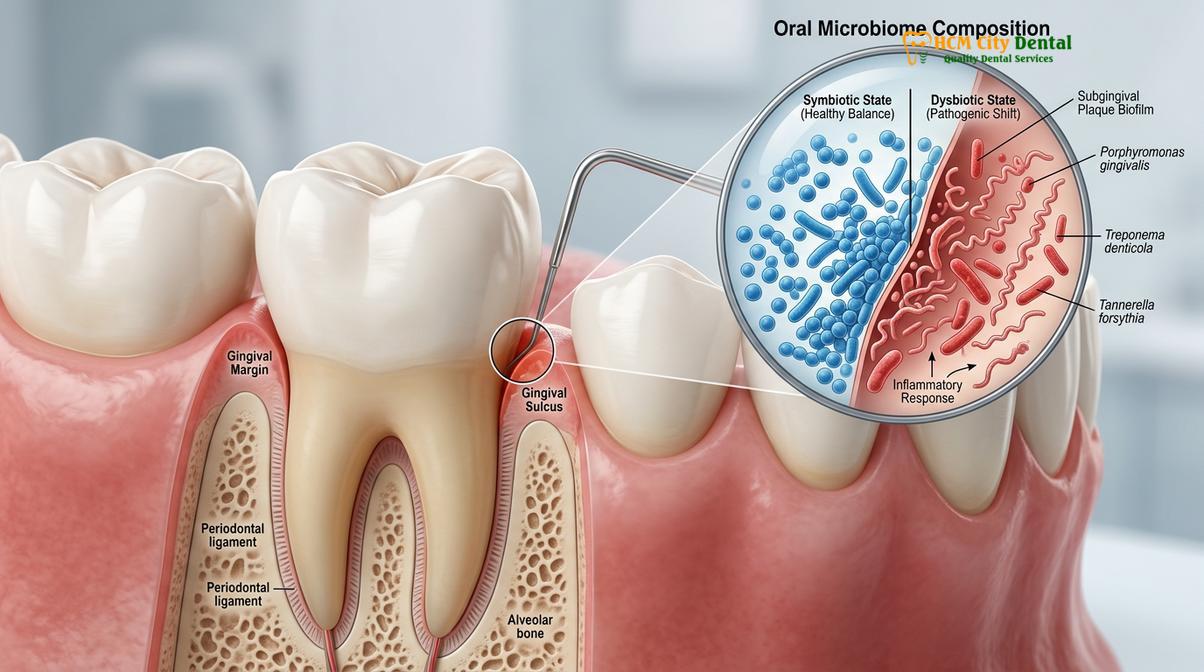
The human mouth hosts one of the most diverse microbiomes in the body, comprising hundreds of bacterial species, fungi, and viruses. In a state of health, this ecosystem exists in a symbiotic balance. Beneficial bacteria help pre-digest food, maintain a neutral salivary pH, and protect the teeth and gums by crowding out harmful invaders. However, when this balance is disrupted—a condition known as dysbiosis—it sets the stage for periodontal disease.
Achieving a healthy microbiome balance gum disease protocol requires understanding the specific pathogens involved. Periodontitis is heavily associated with a group of anaerobic bacteria known as the “Red Complex,” which includes Porphyromonas gingivalis, Treponema denticola, and Tannerella forsythia [2]. These highly virulent microbes thrive in the oxygen-deprived environments of deep gum pockets. They produce toxic byproducts and enzymes, such as matrix metalloproteinases (MMPs), which actively degrade the collagen fibers connecting the gums to the teeth.
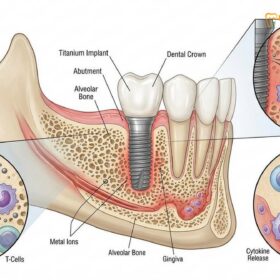
The body’s immune system responds to this bacterial invasion by initiating an inflammatory cascade. While intended to protect the body, chronic inflammation ultimately leads to the destruction of the alveolar bone and periodontal ligaments. Holistic therapies aim to reverse this pathogenic shift by altering the environment of the periodontal pocket—introducing oxygen, balancing pH, and supporting the immune system—rather than simply attempting to sterilize the mouth.
| Characteristic | Healthy Oral Microbiome | Dysbiotic Microbiome (Periodontitis) |
|---|---|---|
| Dominant Bacteria | Aerobic, Gram-positive (e.g., Streptococcus sanguinis) | Anaerobic, Gram-negative (Red Complex) |
| Salivary pH | Neutral to slightly alkaline (7.0 – 7.4) | Acidic (below 6.5), promoting demineralization |
| Tissue Response | Firm, pink gums; intact collagen attachment | Chronic inflammation, bleeding, collagen degradation |
| Oxygen Environment | Oxygen-rich, preventing anaerobic overgrowth | Oxygen-deprived deep pockets favoring pathogens |
Scaling and Root Planing Combined with Ozone Disinfection
Deep cleaning removes hardened calculus, while targeted ozone therapy safely eradicates anaerobic bacteria hiding within periodontal pockets without damaging healthy tissue.
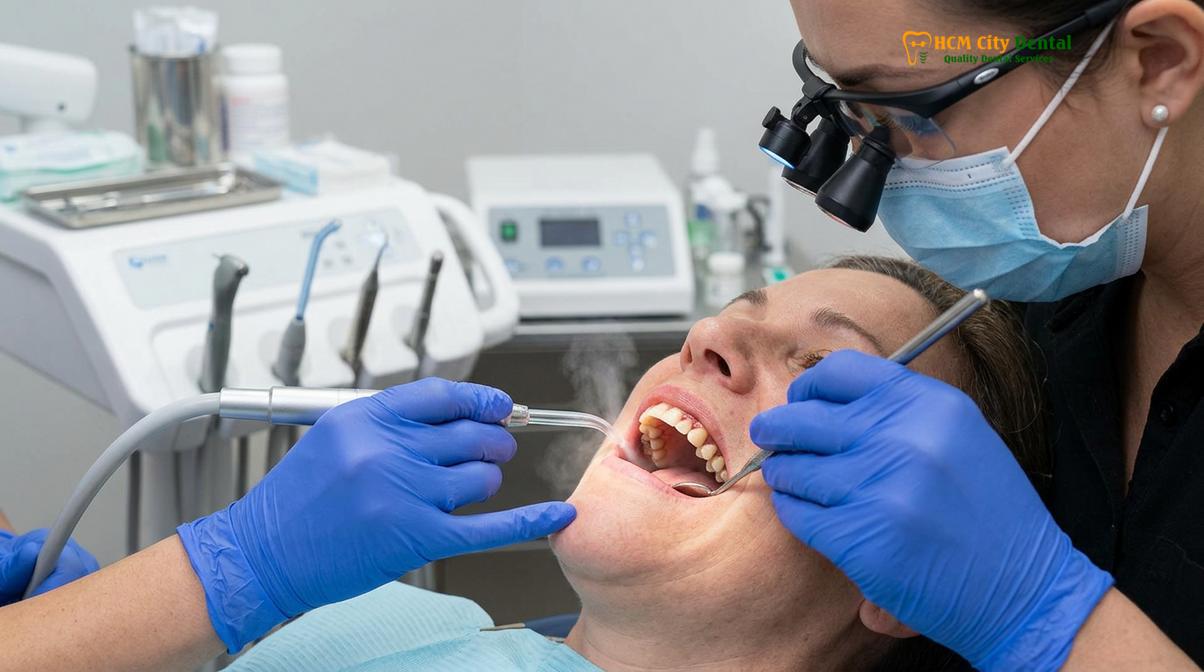
The cornerstone of any effective periodontal treatment, whether conventional or holistic, is the physical removal of the bacterial biofilm and calcified tartar (calculus) from the tooth surfaces and beneath the gum line. This procedure, known as Scaling and Root Planing (SRP), utilizes specialized ultrasonic and hand instruments to meticulously clean the root surfaces, smoothing them to prevent further bacterial adherence.
In biological dentistry, SRP is frequently enhanced with ozone therapy. Ozone (O3) is a highly reactive, energized form of oxygen. When introduced into the periodontal pocket as a gas or dissolved in water, ozone acts as a powerful, broad-spectrum antimicrobial agent. Because the primary pathogens responsible for gum disease are strictly anaerobic (meaning they cannot survive in the presence of oxygen), the sudden influx of ozone causes oxidative stress that instantly ruptures their cell walls.
“Ozone therapy revolutionizes periodontal care by instantly neutralizing anaerobic pathogens and stimulating localized blood flow, accelerating the natural healing cascade without the side effects of pharmaceutical antibiotics.”
According to Dr. Nguyen Van Cuong, a leading expert in biological dentistry, the integration of ozone therapy allows for a level of disinfection that liquid rinses simply cannot achieve. Ozone gas can permeate the microscopic dentinal tubules and the deepest crevices of the periodontal pocket, eradicating bacteria, viruses, and fungi on contact. Furthermore, ozone stimulates the local immune response, increases blood flow to the ischemic gum tissues, and promotes the rapid regeneration of healthy cells [3].
This combination of mechanical debridement and oxidative disinfection forms the basis of highly effective non surgical gum care, often allowing patients to avoid more invasive flap surgeries or bone grafting procedures.
Herbal and Essential Oil Protocols for Gum Regeneration
Plant-based antimicrobials, including tea tree, lemongrass, and aloe vera, offer potent anti-inflammatory properties that support gingival healing and plaque reduction.
Nature provides a vast pharmacopeia of botanical agents that have been used for centuries to maintain oral hygiene and treat gingival infections. Modern clinical research has begun to validate the efficacy of these traditional remedies, demonstrating their ability to inhibit plaque formation, reduce bleeding, and soothe inflamed tissues.
Aloe Vera: Known for its exceptional soothing and healing properties, pure aloe vera juice can be used as a daily mouth rinse. Clinical studies indicate that aloe vera is highly effective in reducing gingival index scores and plaque accumulation, performing comparably to chemical mouthwashes but without the risk of mucosal irritation or staining.
Tea Tree Oil (Melaleuca alternifolia): Tea tree oil possesses well-documented antibacterial and antifungal properties. It is particularly effective against the specific Gram-negative bacteria implicated in periodontitis. When properly diluted, tea tree oil can be used as a targeted gingival massage or added to a water flosser for deep pocket irrigation.
Lemongrass and Clove Oil: Lemongrass essential oil has shown significant promise in reducing plaque biofilm. Clove oil, containing the active compound eugenol, provides natural analgesic (pain-relieving) and antiseptic benefits, making it highly useful for managing the discomfort associated with acute gingival flare-ups.
Clinical Warning: Essential oils are highly concentrated and must be properly diluted with a carrier oil (like coconut or olive oil) or water before oral application. Direct application of undiluted essential oils can cause severe chemical burns to the delicate mucosal tissues of the mouth. Never swallow essential oil mixtures.
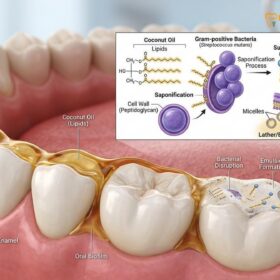
Another highly regarded holistic practice is oil pulling, an ancient Ayurvedic technique involving swishing a tablespoon of cold-pressed coconut or sesame oil in the mouth for 15 to 20 minutes. The lipids in the oil bind to the lipid membranes of oral bacteria, effectively “pulling” them from the teeth and gums. Coconut oil, rich in lauric acid, provides additional antimicrobial and anti-inflammatory benefits, making it an excellent adjunct to daily brushing and flossing.
Nutritional Support for Strong Jawbone and Gum Tissues
Systemic nutrition is critical for periodontal recovery, requiring specific vitamins and minerals to rebuild collagen, reduce inflammation, and support alveolar bone density.
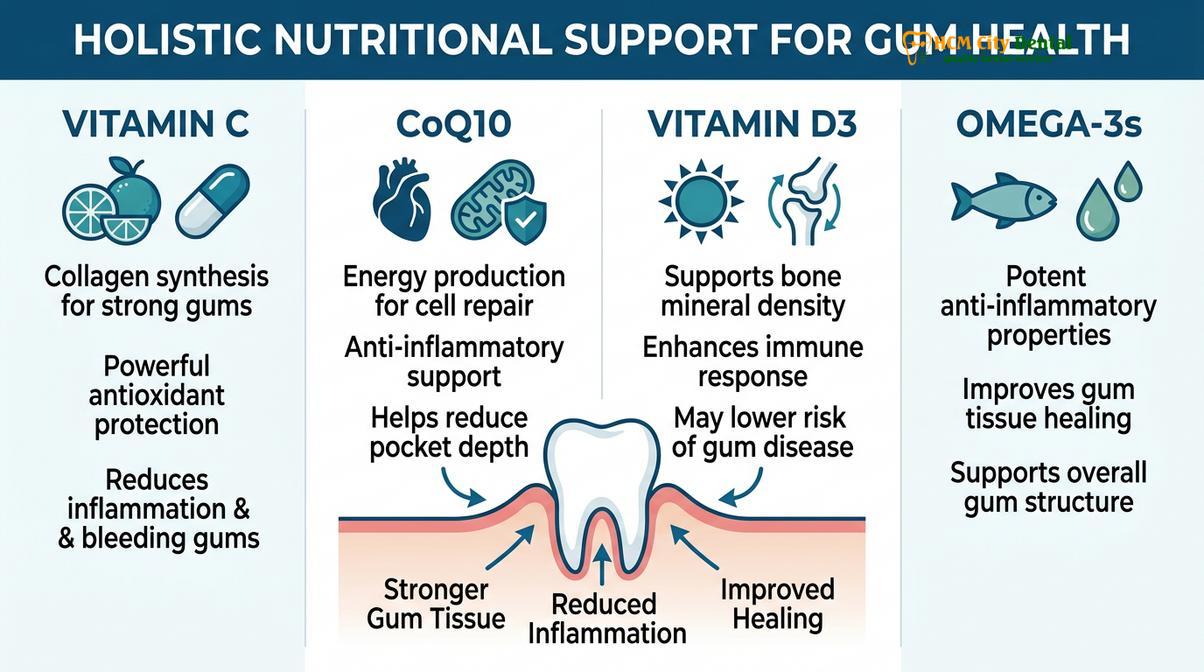
The health of the periodontium is inextricably linked to the body’s overall nutritional status. The gums and alveolar bone are highly dynamic tissues that require a constant supply of specific micronutrients for cellular turnover, collagen synthesis, and immune defense. A deficiency in these critical nutrients can severely impair the body’s ability to fight off periodontal pathogens and repair tissue damage [4].
Vitamin C (Ascorbic Acid): Vitamin C is absolutely essential for the biosynthesis of collagen, the primary structural protein in gum tissue and periodontal ligaments. A deficiency in Vitamin C leads to weakened capillaries, resulting in the classic symptom of bleeding gums. High-dose Vitamin C supplementation, often combined with bioflavonoids, is a cornerstone of holistic periodontal recovery.
Coenzyme Q10 (CoQ10): CoQ10 is a powerful antioxidant that plays a vital role in cellular energy production. Research has shown that patients with periodontal disease often have significantly depleted levels of CoQ10 in their gingival tissues. Supplementing with CoQ10, either systemically or via topical application, can accelerate tissue repair and reduce pocket depths.
“Periodontal disease is not merely a localized infection; it is a systemic inflammatory condition that demands comprehensive nutritional intervention to rebuild the structural integrity of the jawbone and gingiva.”
Fat-Soluble Vitamins (A, D3, K2): This triad of vitamins is crucial for bone metabolism. Vitamin D3 facilitates the absorption of calcium from the diet, while Vitamin K2 directs that calcium into the alveolar bone and teeth, preventing it from calcifying in the soft tissues or arteries. Adequate levels of these vitamins are necessary to halt the bone loss associated with advanced periodontitis and support the integration of any potential dental implants.
A holistic diet for gum health also emphasizes the reduction of refined carbohydrates and sugars, which fuel pathogenic bacterial growth and trigger systemic inflammation. Instead, the focus is placed on whole foods, leafy greens, high-quality proteins, and omega-3 fatty acids (found in wild-caught fish and flaxseeds) to naturally modulate the body’s inflammatory pathways.
Periodontal Assessment and Biological Care at HCMC Dental
Comprehensive biological care involves advanced diagnostics, personalized treatment planning, and minimally invasive techniques to restore optimal oral health.

At HCMC Dental Clinic in Ho Chi Minh City, the approach to periodontal disease goes far beyond standard cleanings. The clinical team employs a comprehensive biological assessment to understand the unique factors contributing to each patient’s condition. This begins with advanced 3D imaging (CBCT) to accurately evaluate the density and architecture of the alveolar bone, alongside precise periodontal probing to measure pocket depths and clinical attachment loss.
Dr. Nguyen Van Cuong emphasizes that successful natural gum treatment HCMC relies on a highly individualized approach. Following the diagnostic phase, a customized treatment plan is developed. This may include biological scaling and root planing, targeted ozone gas insufflation, and the application of natural antimicrobial irrigants. The clinic also utilizes advanced laser therapy, which selectively targets diseased tissue and bacteria while biostimulating the surrounding healthy cells to accelerate regeneration.
Clinical Case Study: A 45-year-old patient visited HCMC Dental Clinic in Ho Chi Minh City presenting with chronic bleeding gums, halitosis, and periodontal pockets measuring 5-6mm. Seeking an alternative to traditional flap surgery, the patient underwent a biological protocol including ultrasonic scaling, ozone pocket disinfection, and a prescribed regimen of Vitamin C and CoQ10. Within six weeks, bleeding indices dropped to zero, and pocket depths significantly reduced to a healthy 2-3mm, demonstrating the profound efficacy of holistic intervention.
Patient education is a vital component of the biological care model. Patients are guided on proper home care techniques, including the use of water flossers with herbal medicaments, tongue scraping, and nutritional adjustments. By empowering patients with the knowledge and tools to maintain their oral microbiome, the clinic ensures that the results achieved in the chair are sustained for a lifetime.
When to See a Doctor for Periodontal Disease
While holistic home care and nutritional support are excellent for prevention and maintenance, they are not substitutes for professional clinical diagnosis and treatment. Periodontal disease is often “silent” in its early stages, causing little to no pain until significant, irreversible damage has occurred to the supporting bone structure.
You should schedule a comprehensive periodontal evaluation if you experience any of the following symptoms:
- Gums that bleed easily during brushing, flossing, or eating hard foods.
- Persistent bad breath (halitosis) or a metallic taste in the mouth that does not resolve with brushing.
- Gums that appear red, swollen, puffy, or tender to the touch.
- Gums that are receding or pulling away from the teeth, making the teeth look longer.
- Changes in the way your teeth fit together when you bite, or teeth that feel loose or shifting.
- Pus or exudate appearing between your teeth and gums when pressure is applied.
Early intervention is critical. If caught in the gingivitis stage, the condition is entirely reversible. However, once it progresses to periodontitis, professional biological therapy is required to halt the disease process, disinfect the deep pockets, and stabilize the jawbone. Delaying treatment can lead to systemic health complications and eventual tooth loss [5].
Frequently Asked Questions
Can gum disease be cured holistically?
Yes, early-stage gum disease (gingivitis) can often be reversed holistically through professional biological cleanings, microbiome balancing, and targeted nutritional support. However, advanced periodontitis requires comprehensive clinical intervention to halt bone loss, though holistic adjuncts significantly improve healing and tissue regeneration. A biological dentist will assess the severity and combine natural therapies with necessary mechanical debridement.
What is a natural treatment for bleeding gums?
Natural treatments for bleeding gums include warm saltwater rinses, aloe vera mouthwash, and properly diluted tea tree oil applications. These natural antimicrobials help reduce gingival inflammation and plaque buildup, but they must be paired with professional scaling to remove hardened calculus. Addressing systemic deficiencies, such as low Vitamin C, is also crucial for stopping gingival bleeding.
How does ozone therapy help treat gum disease?
Ozone therapy treats gum disease by releasing a highly reactive oxygen molecule that instantly destroys the cell walls of anaerobic bacteria hiding in deep periodontal pockets. It also stimulates localized blood flow and immune response, accelerating the natural healing of gum tissues. Because it is a gas, ozone can penetrate microscopic areas that liquid rinses cannot reach, providing superior disinfection.
Can I avoid gum surgery with biological treatment?
Many patients can avoid invasive gum surgery through early biological treatment, which utilizes deep scaling, ozone disinfection, and laser therapy to heal periodontal pockets non-surgically. However, severe cases with extensive bone loss may still require surgical intervention to save the teeth. A thorough clinical evaluation is necessary to determine if non-surgical biological methods will be sufficient for your specific case.
What foods and supplements support gum health?
Foods rich in Vitamin C, Coenzyme Q10, and fat-soluble vitamins (A, D, K2) strongly support gum health by promoting collagen synthesis and bone density. Supplements like omega-3 fatty acids and zinc also help modulate the body’s inflammatory response against periodontal pathogens. A diet low in refined sugars and high in leafy greens creates an oral environment that discourages the growth of disease-causing bacteria.
References
- Journal of Periodontology. The role of the oral microbiome in periodontal health and disease. (2021).
- International Journal of Dentistry. Clinical applications of ozone therapy in periodontics: A systematic review. (2020).
- Clinical Oral Investigations. Efficacy of essential oil mouthwashes in reducing gingival inflammation. (2019).
- Journal of Clinical Periodontology. Nutritional supplementation as an adjunct to non-surgical periodontal therapy. (2022).
- British Dental Journal. Biological approaches to periodontal regeneration and maintenance. (2018).