The safest and most effective alternatives to amalgam fillings include composite resin, porcelain or ceramic inlays and onlays, and glass ionomer cements. These modern materials provide excellent durability, restore natural tooth aesthetics, and eliminate the risks associated with mercury exposure found in traditional silver restorations.
Clinical Summary:
For decades, silver amalgam was the standard for restoring decayed teeth due to its low cost and high compressive strength. However, advancements in biological dentistry and material sciences have introduced superior, biocompatible alternatives. Modern restorative dentistry prioritizes materials that not only mimic the natural biomechanics and optical properties of tooth enamel but also eliminate systemic health concerns associated with heavy metals. The primary alternatives to amalgam fillings include direct composite resins, which offer conservative, tooth-colored restorations; custom-milled ceramic inlays and onlays for extensive structural reinforcement; and glass ionomer cements for fluoride-releasing, low-stress applications. Transitioning to these advanced materials requires precise clinical protocols, including safe removal techniques and sophisticated adhesive bonding systems, to ensure long-term clinical success, marginal integrity, and optimal patient health.
Key Takeaways:
- Composite resin provides a highly aesthetic, minimally invasive alternative that bonds directly to the tooth structure.
- Ceramic inlays and onlays offer exceptional durability and fracture resistance for teeth with extensive decay or structural damage.
- Glass ionomer cements are excellent for conservative, non-load-bearing restorations, offering unique fluoride-releasing properties.
- Replacing old silver fillings requires specialized isolation protocols to prevent heavy metal exposure during the removal process.
- Choosing the right material depends on a comprehensive clinical evaluation of occlusal forces, cavity size, and biological compatibility.
Why Replace Silver Amalgam Fillings?
Traditional silver amalgam contains approximately 50% mercury, which can release vapor during chewing and temperature changes, prompting many patients to seek biocompatible replacements.
Dental amalgam has been utilized in restorative dentistry for over a century. Composed of a mixture of liquid mercury and a powder alloy containing silver, tin, and copper, it is renowned for its durability and ease of placement. However, the clinical landscape has shifted dramatically toward biological and holistic approaches. The primary catalyst for this shift is the elemental mercury content. Research indicates that amalgam fillings can release trace amounts of mercury vapor, particularly when stimulated by mastication (chewing), bruxism (teeth grinding), or the consumption of hot liquids [1]. While regulatory bodies have historically deemed these levels acceptable for the general population, a growing number of patients and practitioners prefer to eliminate unnecessary heavy metal exposure entirely.
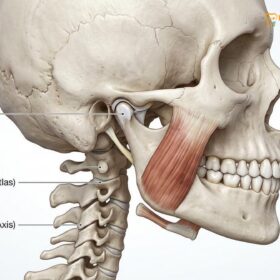
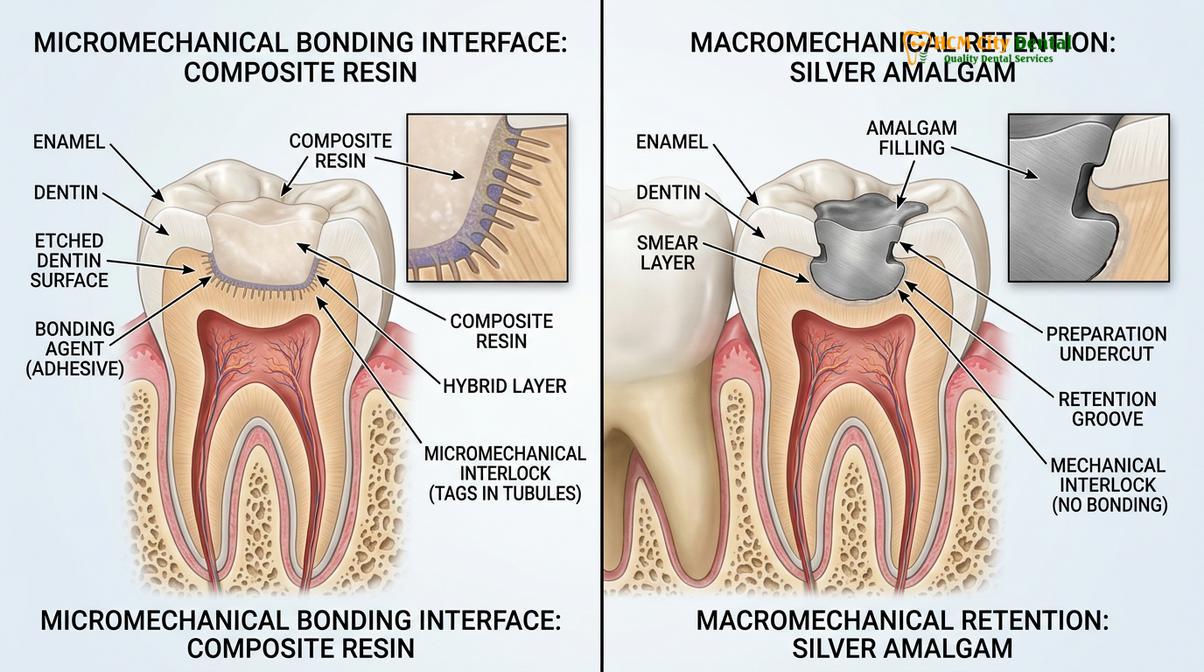
Beyond systemic health considerations, amalgam fillings present significant biomechanical disadvantages to the remaining tooth structure. Unlike modern adhesive materials, amalgam does not bond chemically or micro-mechanically to dentin or enamel. Instead, it relies on mechanical retention, requiring the dentist to remove healthy tooth structure to create “undercuts” that hold the filling in place. This inherently weakens the tooth. Furthermore, metal alloys have a different coefficient of thermal expansion compared to natural dentin. When exposed to hot and cold intraoral temperatures, the metal expands and contracts at a different rate than the surrounding tooth. Over years of thermal cycling, this continuous micro-expansion places immense stress on the enamel, frequently leading to micro-fractures, cracked tooth syndrome, and eventual catastrophic failure of the cusp.
Another clinical issue associated with aging amalgam restorations is marginal degradation. Over time, the edges of the metal filling can break down, creating microscopic gaps between the restoration and the tooth. This phenomenon, known as microleakage, allows cariogenic bacteria to infiltrate beneath the filling, leading to secondary caries (recurrent decay) that is often undetectable until it reaches the dental pulp. Additionally, the presence of dissimilar metals in the oral cavity (such as an amalgam filling adjacent to a gold crown) can create a battery effect known as oral galvanism. This galvanic current can cause localized discomfort, a metallic taste, and irritation of the surrounding soft tissues.
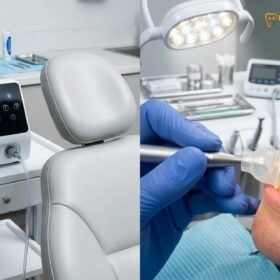
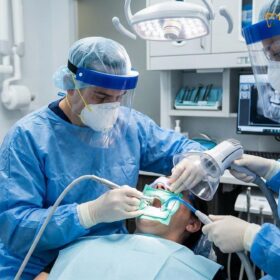
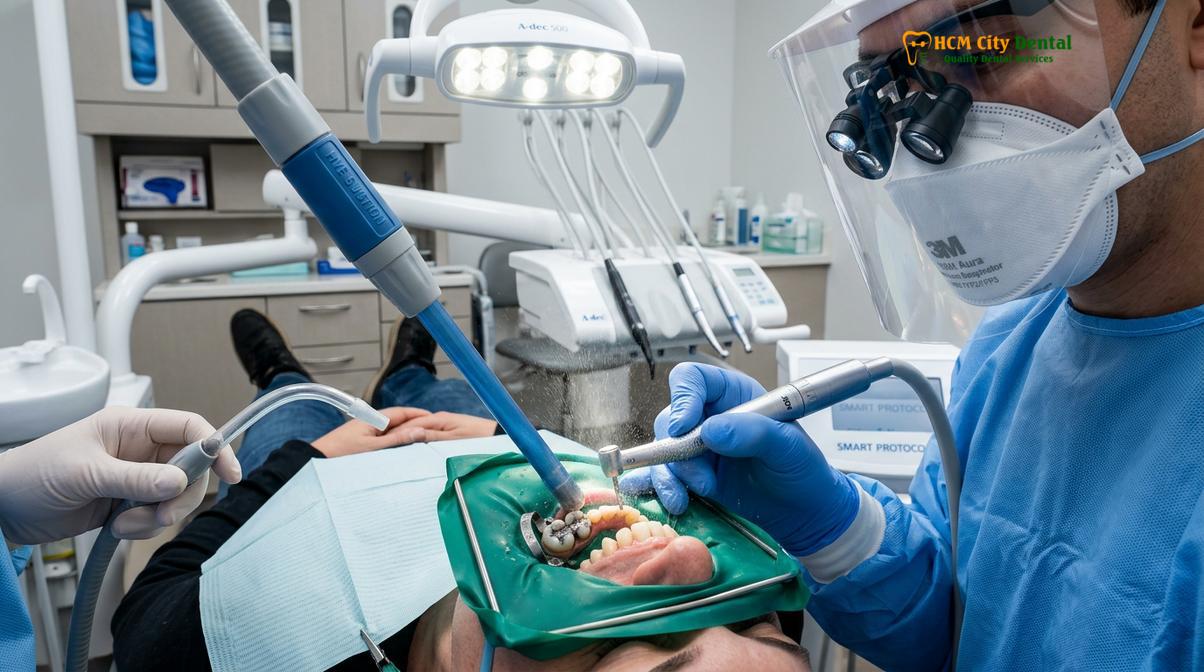
Important Clinical Warning: If you choose to replace existing silver fillings, it is critical that the procedure is performed using strict safety measures. Drilling out amalgam generates significant heat, particulate matter, and mercury vapor. Ensure your provider utilizes protocols such as the Safe Mercury Amalgam Removal Technique (SMART) [2], which includes full-body draping, rubber dam isolation, alternative air sources, and high-volume evacuation to protect both the patient and the clinical team.
Given these biomechanical and biological concerns, the transition to non toxic dental fillings is not merely an aesthetic upgrade, but a proactive step toward preserving long-term structural integrity and systemic wellness. The decision to replace an intact amalgam should be made collaboratively with a qualified dental professional, weighing the risks of removal against the benefits of modern biocompatible materials.
Composite Resin: The Aesthetic Non-Toxic Alternative
Composite resin is a highly versatile, tooth-colored material that bonds directly to the enamel and dentin, offering a conservative and aesthetically pleasing restoration.
When discussing alternatives to amalgam fillings, composite resin is undoubtedly the most prevalent and versatile option in modern clinical practice. A dental composite is a complex synthetic material consisting of a resin matrix (typically based on methacrylates) heavily reinforced with inorganic filler particles such as silica, quartz, or zirconia. These fillers provide the necessary compressive strength and wear resistance required to withstand the forces of mastication. A coupling agent, usually a silane, binds the filler particles to the resin matrix, creating a cohesive and durable restorative material.
The most significant clinical advantage of composite resin is its ability to bond directly to the tooth structure through a process known as micro-mechanical adhesion. The clinical workflow involves treating the enamel and dentin with a mild phosphoric acid etchant, which creates microscopic porosities in the tooth surface. A liquid adhesive (bonding agent) is then applied, flowing into these porosities and forming a hybrid layer. When the composite resin is packed into the cavity and cured with a specific wavelength of blue light, it polymerizes and locks into the adhesive layer. This bonding mechanism allows the dentist to preserve maximum healthy tooth structure, as there is no need to drill retentive undercuts as required for amalgam.
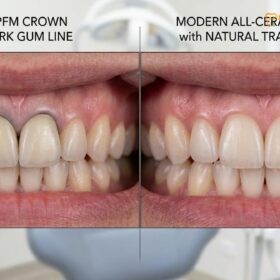
In the ongoing discussion of composite vs amalgam, aesthetics play a crucial role. Composite resins are manufactured in a wide spectrum of shades, opacities, and translucencies. A skilled clinician can layer these materials to perfectly mimic the optical properties of natural enamel and dentin, rendering the restoration virtually invisible. This makes composite the material of choice not only for posterior (back) teeth but also for highly visible anterior (front) teeth.
“The evolution of adhesive dentistry has revolutionized our approach to restorative care. By utilizing advanced composite resins, we can biomimetically restore a tooth’s strength and function while preserving the maximum amount of natural, healthy enamel.”
— Dr. Nguyen Van Cuong, Clinical Director
Patient awareness regarding material safety has also driven the demand for BPA free tooth fillings. Bisphenol A (BPA) is a chemical compound historically used in the manufacturing of certain plastics and resins. While pure BPA is rarely used directly in dental composites, some older formulations utilized derivatives like Bis-GMA, which could theoretically degrade into trace amounts of BPA. Today, premium biological dental clinics utilize advanced, strictly BPA-free composite formulations. These modern resins utilize alternative monomers (such as UDMA) that eliminate the risk of endocrine disruption, ensuring that the restorations are truly non toxic dental fillings [3]. Furthermore, the polymerization shrinkage—a historical drawback where the filling shrinks slightly as it hardens—has been drastically reduced in modern nano-hybrid composites, ensuring excellent marginal adaptation and preventing post-operative sensitivity.
Porcelain and Ceramic Inlays/Onlays
For larger cavities where structural integrity is compromised, custom-milled porcelain and ceramic restorations provide superior strength and longevity compared to direct fillings.
While direct composite resins are excellent for small to moderate cavities, they have biomechanical limitations when a tooth has suffered extensive structural loss. In cases where a large amalgam filling has failed, or where decay has undermined the cusps of a molar, placing a massive direct composite may lead to premature wear, polymerization shrinkage stress, or fracture. In these clinical scenarios, porcelain and ceramic inlays and onlays represent the gold standard among alternatives to amalgam fillings.
Inlays and onlays are indirect restorations, meaning they are fabricated outside the mouth and then adhesively bonded into the prepared tooth. An inlay fits within the contours of the tooth’s biting surface, much like a traditional filling. An onlay, however, extends over one or more of the tooth’s cusps, providing critical structural reinforcement. Because they conserve more natural tooth structure than a full-coverage dental crown, onlays are highly favored in minimally invasive dentistry.
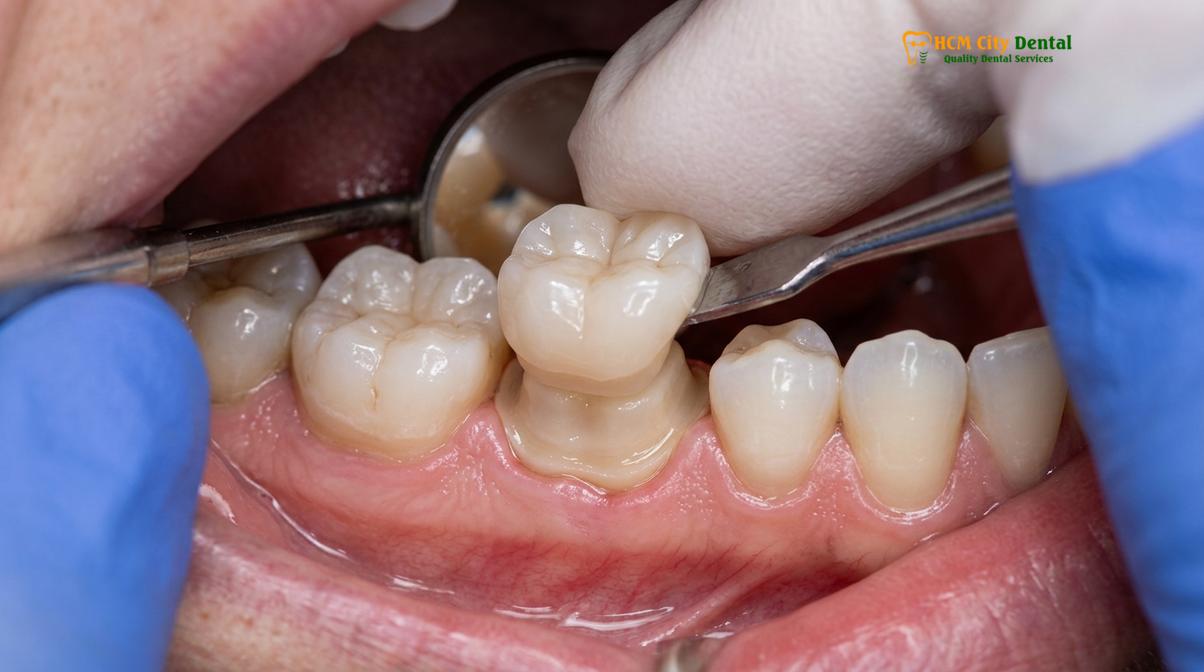
The materials used for these metal free restorations are marvels of modern material science. Lithium disilicate (often known by the brand name IPS e.max) and high-translucency zirconia are the most commonly utilized ceramics. Lithium disilicate offers an unparalleled combination of flexural strength (often exceeding 400 MPa) and lifelike optical properties. It can be milled with extreme precision and chemically bonded to the tooth structure, creating a monolithic complex that distributes occlusal forces evenly across the root system [5].
The clinical workflow for a ceramic inlay or onlay typically involves advanced digital dentistry. After the old amalgam is safely removed and the tooth is prepared, the dentist uses an intraoral scanner to capture a highly accurate 3D digital impression. This data is transmitted to CAD/CAM (Computer-Aided Design and Computer-Aided Manufacturing) software, where the restoration is virtually designed to ensure perfect interproximal contacts and occlusal harmony. The restoration is then milled from a solid block of ceramic in a specialized milling unit. Depending on the clinic’s technology, this can be completed in a single visit or sent to a master dental laboratory.
Once milled and crystallized in a ceramic furnace, the inlay or onlay is treated with hydrofluoric acid and a silane coupling agent, while the tooth is prepared with an adhesive resin. The restoration is then luted (cemented) into place using a dual-cure resin cement. The resulting bond is incredibly strong, effectively sealing the tooth against bacterial microleakage and restoring its original stiffness. For patients seeking the ultimate in durability, biocompatibility, and aesthetics, ceramic onlays are an exceptional investment in long-term oral health.
Glass Ionomer Cement (GIC) for Conservative Care
Glass ionomer cements are unique, fluoride-releasing materials ideal for low-stress areas, pediatric dentistry, and patients with a high risk of recurrent decay.
Glass Ionomer Cement (GIC) represents a distinct category of restorative materials that offers unique biological advantages, particularly in specific clinical situations where neither amalgam nor composite resin is ideal. GIC is composed of a silicate glass powder (fluoroaluminosilicate) and a polyacrylic acid liquid. When mixed, they undergo an acid-base setting reaction to form a rigid cement.
One of the most remarkable properties of glass ionomer is its ability to chemically bond to both enamel and dentin without the need for the complex acid-etching and adhesive protocols required by composite resins. The polyacrylic acid interacts directly with the calcium and phosphate ions in the tooth structure, creating an ionic bond. This makes GIC highly tolerant of moisture during placement, a significant advantage when treating areas that are difficult to isolate, such as cavities extending below the gumline (subgingival lesions) or in pediatric patients who may have difficulty sitting still.
Furthermore, glass ionomer cements are bioactive. They contain a high concentration of fluoride, which is released into the surrounding tooth structure over time. This fluoride release helps to remineralize adjacent enamel and dentin, effectively inhibiting the growth of cariogenic bacteria and preventing secondary decay [4]. Even more impressively, GIC acts as a “fluoride reservoir.” When the patient uses fluoridated toothpaste or mouthwash, the GIC can absorb the fluoride and subsequently release it, providing ongoing protection. This makes it an invaluable material for patients with a high caries index, root surface decay (root caries), or reduced salivary flow (xerostomia).
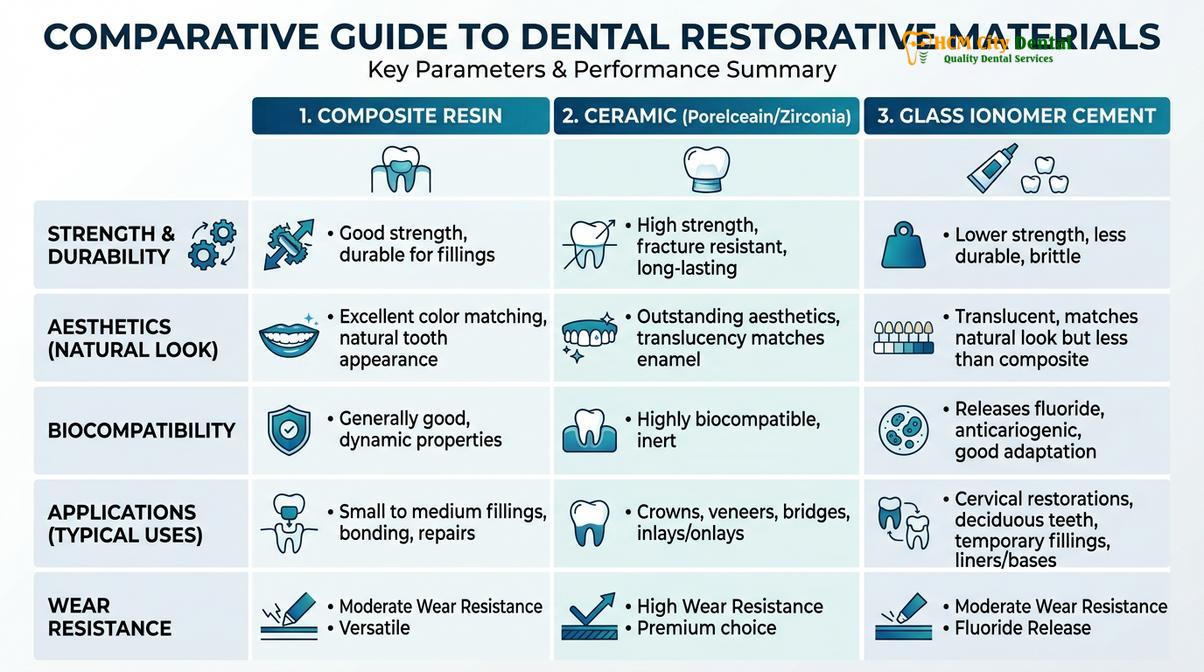
However, traditional glass ionomer cements have limitations regarding compressive strength and wear resistance. They are generally not suitable for restoring large cavities on the chewing surfaces of adult molars, as they can wear down or fracture under heavy occlusal loads. To bridge this gap, manufacturers developed Resin-Modified Glass Ionomer Cements (RMGIC). By incorporating a small amount of light-curing resin into the GIC formulation, RMGICs offer improved aesthetics, higher early strength, and better resistance to wear, while still maintaining the chemical bonding and fluoride-releasing benefits of traditional GIC.
In the context of alternatives to amalgam fillings, GIC and RMGIC are frequently used as a base or liner beneath a stronger composite or ceramic restoration—a technique known as the “sandwich technique.” This approach leverages the sealing and fluoride-releasing properties of the glass ionomer at the vulnerable dentin interface, while utilizing the strength and aesthetics of composite resin on the occlusal surface.
Comparing Durability, Aesthetics, and Biocompatibility
Selecting the ideal restorative material requires a careful clinical evaluation of occlusal load, cavity size, aesthetic demands, and the patient’s systemic health profile.
When evaluating alternatives to amalgam fillings, it is essential to compare the clinical properties of each material to determine the most appropriate application. No single material is universally perfect for every situation; rather, the choice depends on a rigorous diagnostic assessment. The primary factors considered by a restorative dentist include compressive strength, wear resistance, marginal adaptation, aesthetic potential, and biocompatibility.
Compressive Strength and Wear Resistance: Amalgam has historically been praised for its ability to withstand heavy chewing forces. However, modern ceramic restorations (like lithium disilicate and zirconia) equal or exceed the compressive strength of amalgam, while also providing superior fracture toughness. Composite resins have excellent strength for small to medium restorations but may exhibit higher wear rates than ceramics over a decade of heavy use. Glass ionomers have the lowest compressive strength and are reserved for non-load-bearing areas.
Marginal Adaptation and Microleakage: The interface between the filling and the tooth is the most critical area for long-term success. Amalgam relies on corrosion products to eventually seal the margins, meaning it initially leaks. Composite resins and ceramics, when bonded with modern adhesive protocols, create an immediate, hermetic micro-mechanical seal that prevents bacterial ingress. However, composite is technique-sensitive; improper isolation during placement can compromise the bond.
Aesthetics: In terms of visual integration, ceramic inlays and composite resins are vastly superior to amalgam. Ceramics maintain their luster and color stability indefinitely, resisting stains from coffee, tea, or tobacco. Composite resins look highly natural initially but may experience slight surface degradation or marginal staining over many years. Amalgam is entirely opaque, metallic, and can even permanently tattoo the surrounding gum tissue (amalgam tattoo).
Biocompatibility: This is the driving force behind the shift away from amalgam. Amalgam contains mercury, a known neurotoxin. While the ADA maintains its safety for the general public, biological dentistry advocates for the precautionary principle. High-quality composites, especially BPA-free formulations, and inert ceramics offer excellent biocompatibility, eliminating the risks of heavy metal toxicity and oral galvanism.
| Material | Strength & Durability | Aesthetics | Biocompatibility | Best Clinical Application |
|---|---|---|---|---|
| Silver Amalgam | High compressive strength; lasts 10-15+ years. | Poor (Metallic, darkens over time). | Low (Contains ~50% mercury; thermal expansion risks). | Historically used for large posterior cavities (now largely phased out). |
| Composite Resin | Moderate to High; lasts 7-10+ years. | Excellent (Tooth-colored, highly blendable). | High (Modern formulations are BPA-free and non-toxic). | Small to medium cavities; anterior aesthetic restorations. |
| Ceramic (Inlay/Onlay) | Very High; lasts 10-15+ years. | Superior (Mimics natural enamel translucency). | Exceptional (Inert, metal-free, highly tissue-friendly). | Large cavities, replacing old amalgams, structural reinforcement. |
| Glass Ionomer (GIC) | Low to Moderate; lasts 5-7 years. | Fair (Opaque, less color matching than composite). | High (Releases fluoride, chemically bonds to dentin). | Root decay, pediatric dentistry, temporary restorations. |
Choosing the Right Restoration at HCMC Dental
At our clinic, we utilize advanced diagnostics and biological dentistry principles to recommend the most suitable, biocompatible filling material for your specific clinical needs.
Transitioning away from metal-based restorations requires more than just swapping materials; it requires a comprehensive understanding of oral biomechanics and systemic health. At HCMC Dental Clinic in Ho Chi Minh City, our approach to restorative care is rooted in the principles of comprehensive holistic dental protocols. We recognize that the mouth is intimately connected to the rest of the body, and the materials we place must support overall wellness.
When a patient presents with failing amalgam fillings or new carious lesions, our clinical team conducts a thorough evaluation. This includes high-resolution digital radiography, 3D intraoral scanning, and vitality testing of the affected teeth. We assess the remaining wall thickness of the tooth, the patient’s bite alignment (occlusion), and any signs of parafunctional habits like grinding. Based on these diagnostics, we develop a personalized treatment plan utilizing tooth-colored restorative procedures that prioritize longevity and safety.
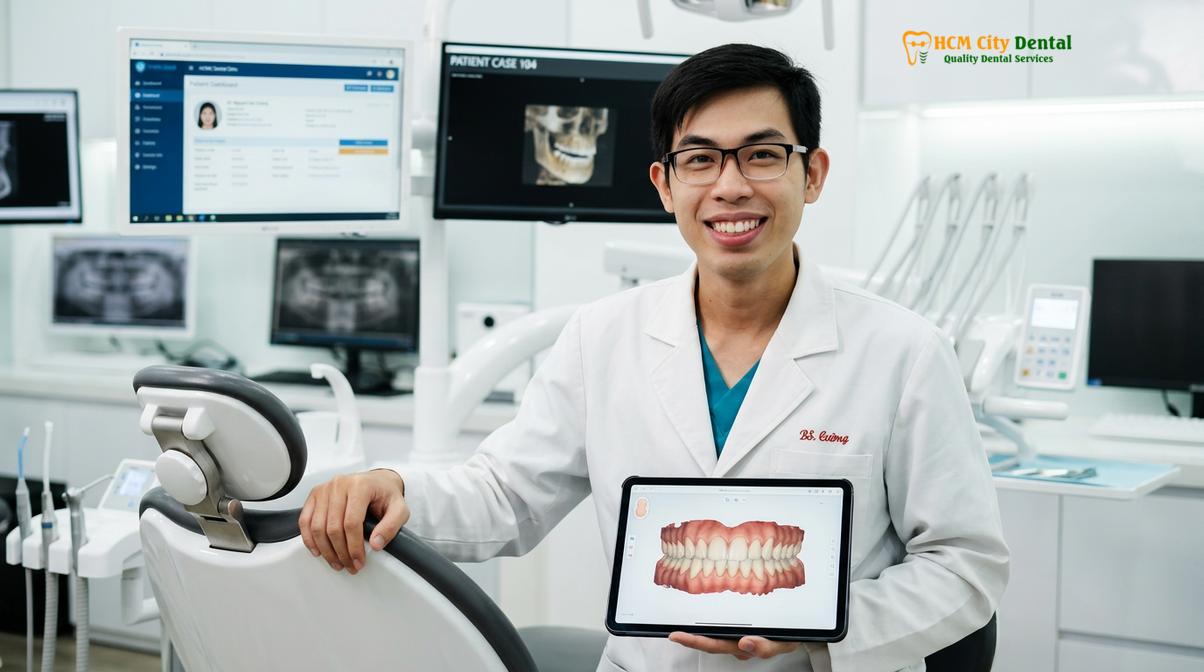
For patients requiring the removal of existing silver fillings, our clinic strictly adheres to safe amalgam removal protocols. We utilize specialized high-volume evacuation, rubber dam isolation, and copious water irrigation to ensure that neither the patient nor our staff is exposed to harmful particulate matter or vapor during the procedure. Dr. Nguyen Van Cuong and our clinical specialists are highly trained in these meticulous techniques, ensuring a safe and comfortable transition to biocompatible alternatives.
Clinical Case Study: Amalgam Replacement and Structural Restoration
A 42-year-old patient visited HCMC Dental Clinic experiencing temperature sensitivity and localized pain upon chewing in the lower right quadrant. Clinical examination revealed a large, 15-year-old amalgam filling on the first molar with visible marginal ditching and a hairline fracture propagating down the mesial cusp. Due to the extensive loss of tooth structure, a direct composite filling would not provide adequate support. The clinical team safely removed the amalgam under strict isolation protocols, excavated the underlying secondary decay, and restored the tooth with a custom-milled lithium disilicate ceramic onlay. The metal free restoration successfully eliminated the sensitivity, reinforced the compromised cusp, and seamlessly matched the patient’s natural dentition.
Whether you require a simple composite resin filling or a complex ceramic onlay, our commitment is to provide restorations that are as beautiful as they are biologically sound. If you are concerned about the integrity of your current fillings or wish to explore non-toxic alternatives, we encourage you to schedule a comprehensive evaluation with our team.
When to Consult a Biological Dentist
Patients experiencing tooth sensitivity, visible cracks around old silver fillings, or concerns about metal toxicity should seek a professional clinical evaluation immediately.
It is important to understand that not every amalgam filling requires immediate replacement. If a silver filling is small, structurally sound, and the margins are completely sealed, the mechanical trauma of drilling it out may sometimes outweigh the benefits of replacement. However, proactive clinical monitoring is essential. You should seek an evaluation from a qualified dental professional if you experience any of the following symptoms:
- Thermal Sensitivity: A sudden or increasing sensitivity to hot or cold foods can indicate that the amalgam has expanded and contracted enough to create micro-cracks in the surrounding enamel, or that microleakage has allowed decay to reach the sensitive dentin layer.
- Pain Upon Chewing: Sharp pain when biting down (often released when opening) is a classic symptom of Cracked Tooth Syndrome, frequently associated with large, aging amalgam restorations that wedge against the tooth cusps.
- Visible Defects: If you notice that the filling looks “ditched” (a gap between the metal and the tooth), or if the surrounding tooth structure appears gray or shadowed, it is highly likely that secondary caries is developing beneath the restoration.
- Galvanic Shock: A sharp, electric-like zing when a metal utensil or another metal dental restoration touches the amalgam filling indicates oral galvanism, which warrants replacement with a non-conductive material.
“The decision to replace an amalgam filling must be driven by clinical evidence of failure or a patient’s informed desire to eliminate heavy metals. When removal is indicated, the utilization of strict isolation and high-volume evacuation is non-negotiable to ensure patient safety.”
— Clinical Guidelines on Restorative Dentistry
A thorough diagnostic assessment will determine the structural integrity of your current restorations and guide the selection of the most appropriate, biocompatible replacement material.
Frequently Asked Questions
What is the best alternative to amalgam fillings?
The best alternative depends on the cavity size and location, but composite resin and ceramic inlays are generally the top choices. Composite is ideal for small to medium restorations, while custom-milled ceramic inlays or onlays provide superior strength and longevity for larger areas of decay. Your dentist will evaluate your bite forces and the remaining healthy tooth structure to recommend the optimal material.
Are composite fillings toxic?
High-quality composite fillings are highly biocompatible and are not considered toxic. Modern dental resins are carefully formulated to be safe for intraoral use, and many biological dental clinics specifically utilize advanced materials that are free from harmful monomers, ensuring systemic safety for the patient. They do not contain mercury or other heavy metals.
How long do ceramic overlays last?
Ceramic overlays and onlays typically last between 10 to 15 years, and often much longer with excellent oral hygiene. Because they are milled from high-strength materials like lithium disilicate or zirconia, they resist wear and occlusal forces far better than traditional direct filling materials. Regular dental check-ups and avoiding habits like ice-chewing will maximize their lifespan.
Does insurance cover composite fillings?
Most dental insurance plans provide at least partial coverage for composite fillings, though policies vary widely. Some insurers may only cover the cost equivalent to an amalgam filling for posterior teeth, requiring the patient to pay the difference for the upgraded tooth-colored composite material. It is advisable to consult with your clinic’s treatment coordinator to understand your specific benefits.
What is a BPA-free filling?
A BPA-free filling is a composite resin restoration manufactured without Bisphenol A or its derivatives, such as Bis-GMA. These specialized materials are chosen by biological dentists to eliminate the risk of endocrine-disrupting chemical exposure, providing a completely non-toxic and biocompatible restorative solution while maintaining excellent aesthetic and mechanical properties.
References
- Journal of the American Dental Association. Clinical longevity of ceramic inlays and onlays versus direct composite restorations. (2021).
- International Academy of Oral Medicine and Toxicology (IAOMT). Safe Mercury Amalgam Removal Technique (SMART) protocol guidelines. (2020).
- Dental Materials Journal. Polymerization shrinkage and marginal adaptation of modern BPA-free composite resins. (2022).
- Clinical Oral Investigations. Biocompatibility and fluoride release mechanisms of glass ionomer cements in restorative dentistry. (2019).
- Journal of Prosthetic Dentistry. Biomechanical stress distribution in teeth restored with metal-free CAD/CAM restorations. (2023).