A mercury detox after amalgam removal is a targeted clinical protocol designed to safely capture and eliminate heavy metal residues from the body. This process utilizes specific binders, antioxidants, and dietary modifications to prevent systemic redistribution and support the body’s natural excretory pathways during recovery.
Clinical Summary:
Following the safe extraction of silver-mercury fillings, a structured detoxification protocol is essential to clear residual heavy metals from systemic circulation. By employing natural binders like chlorella and activated charcoal, alongside robust liver and kidney support, patients can minimize detox symptoms and accelerate systemic healing. Dr. Nguyen Van Cuong emphasizes that a personalized, medically supervised approach ensures optimal recovery, preventing the enterohepatic recirculation of toxins and promoting long-term biocompatibility and overall wellness.
Key Takeaways:
- Detoxification prevents the reabsorption of mercury particles released during and after dental procedures.
- Natural binders such as activated charcoal and chlorella safely capture toxins in the gastrointestinal tract.
- Supporting liver and kidney function through hydration and sulfur-rich diets is critical for efficient excretion.
- Mild fatigue or brain fog are common, temporary symptoms during the initial heavy metal clearance phase.
- A supervised protocol should ideally begin before removal and continue for several weeks post-procedure.
Why a Mercury Detox Protocol is Vital Post-Removal
A structured detox protocol prevents the systemic redistribution of heavy metals, ensuring that any residual mercury vapor or particulate matter is safely bound and excreted rather than absorbed into cellular tissues.
For over a century, silver amalgam has been a standard restorative material in general dental procedures. However, these fillings consist of approximately 50% elemental mercury, a known neurotoxin that continuously releases trace amounts of vapor during mastication, bruxism, and exposure to hot liquids[1]. When patients elect to have these restorations replaced with biocompatible alternatives, the physical process of drilling and sectioning the amalgam can temporarily spike the release of mercury vapor and particulate matter.
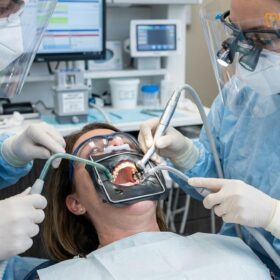
To mitigate this risk, biological dentists employ the Safe Mercury Amalgam Removal Technique (SMART), a stringent set of guidelines established by the International Academy of Oral Medicine and Toxicology (IAOMT)[2]. This protocol utilizes physical barriers such as non-latex rubber dams, high-volume aerosol vacuums, and alternative oxygen supplies to protect both the patient and the clinical staff from acute exposure. However, even with the most rigorous physical protections in place, a comprehensive heavy metal detox protocol is clinically necessary.
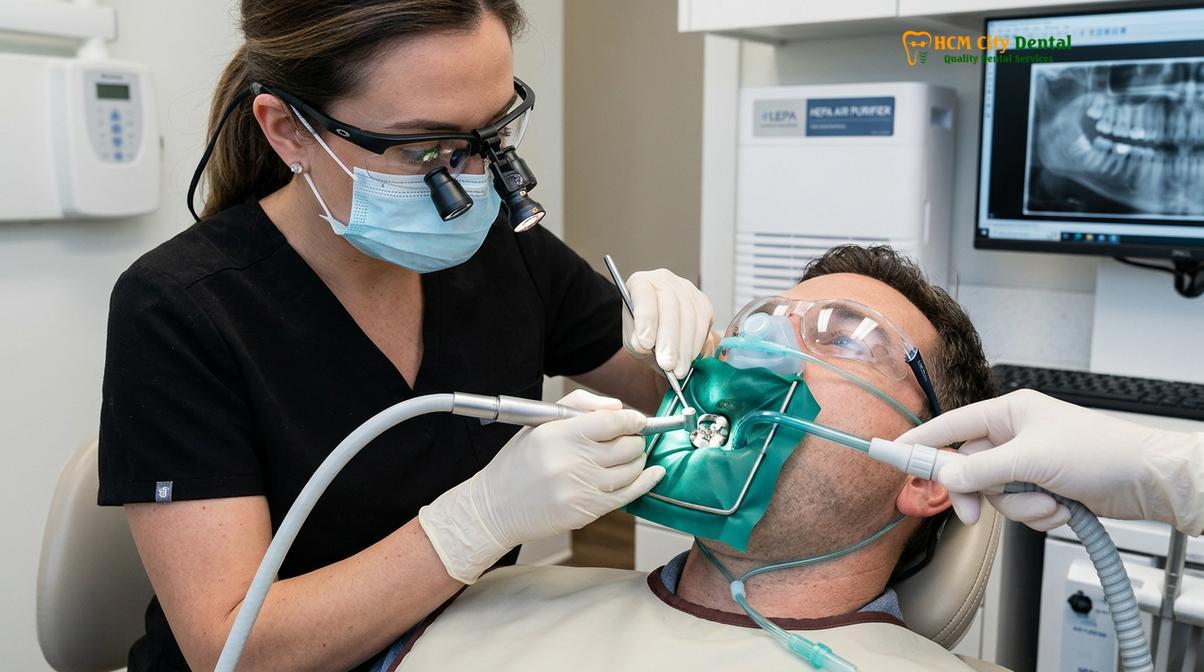
The necessity of a mercury detox after amalgam removal stems from two primary factors: the management of unavoidable micro-exposures during the procedure and the clearance of the historical body burden. Over the lifespan of an amalgam filling, trace amounts of mercury accumulate in the body’s tissues, particularly in the kidneys, liver, and central nervous system, due to mercury’s high affinity for sulfhydryl groups in cellular proteins[3]. Once the source of continuous exposure is removed from the oral cavity, the body naturally begins to mobilize these stored toxins for excretion.
Clinical Warning: Standard amalgam removal without proper isolation techniques can expose patients to significant amounts of mercury vapor. Always ensure your provider utilizes certified safe removal protocols before initiating any detoxification regimen.
Without targeted biochemical support, mobilized mercury can undergo enterohepatic recirculation—a process where toxins excreted by the liver into the bile are reabsorbed through the intestinal wall and sent back into the bloodstream. A structured detox protocol interrupts this cycle, utilizing specific binding agents to capture the metals in the gut and ensure their safe passage out of the body. Dr. Nguyen Van Cuong frequently advises patients that the physical removal of the filling is only the first step; the subsequent biochemical clearance is what truly facilitates long-term systemic recovery.
Common Symptoms of Heavy Metal Detoxification
As the body mobilizes and excretes stored toxins, patients may experience temporary systemic reactions, including fatigue, mild headaches, and cognitive fog, commonly known as a healing crisis.
When initiating a mercury detox after amalgam removal, it is crucial to understand the physiological shifts that occur as the body transitions from storing toxins to actively eliminating them. This mobilization phase can temporarily elevate the concentration of heavy metals in the bloodstream before they are successfully filtered and excreted. This transient increase often triggers a systemic response known as a Herxheimer reaction, or a “healing crisis.”
The mercury detox symptoms experienced during this phase are generally mild to moderate and are indicative of the body’s excretory pathways working at maximum capacity. Patients undergoing biocompatible dental treatments often report a specific cluster of transient symptoms. Neurologically, individuals may experience mild brain fog, difficulty concentrating, irritability, or tension headaches. These occur because mercury is a potent neurotoxin, and its movement out of neurological tissues can temporarily irritate nerve pathways.
“The mobilization of stored heavy metals can temporarily overwhelm the body’s excretory pathways, making targeted nutritional and binder support non-negotiable for a smooth and predictable clinical recovery.”
Musculoskeletal symptoms are also common during amalgam removal recovery. Patients may notice generalized muscle aches, joint stiffness, or profound fatigue. This fatigue is a direct result of the cellular energy (ATP) being redirected toward the energy-intensive processes of hepatic (liver) detoxification and cellular repair. Additionally, gastrointestinal changes such as mild bloating, changes in bowel habits, or a transient metallic taste in the mouth can occur as the liver dumps toxin-laden bile into the digestive tract for elimination.
It is clinically important to differentiate between normal detox symptoms and signs of acute toxicity or allergic reactions. Normal detox symptoms should be manageable, gradually subsiding over a few days to a few weeks as the body burden decreases. If symptoms become severe, it often indicates that the mobilization of toxins is outpacing the body’s ability to excrete them, necessitating an adjustment in the detox protocol, such as increasing binder dosage or slowing down the rate of cellular mobilization.
Dietary Guidelines for Heavy Metal Detox
An effective detox diet prioritizes sulfur-rich proteins, high-fiber vegetables, and abundant hydration to facilitate the binding and rapid elimination of mercury through the gastrointestinal tract.
Nutrition plays a foundational role in healing after amalgam removal. The biochemical pathways responsible for neutralizing and excreting heavy metals are heavily dependent on specific amino acids, vitamins, and minerals derived from the diet. The primary objective of a detox diet is to upregulate the body’s natural production of glutathione, the master antioxidant and primary chelator of intracellular mercury[4].
Glutathione synthesis requires a steady supply of sulfur-containing amino acids, specifically cysteine and methionine. Therefore, a diet rich in bioavailable sulfur is critical. Patients are encouraged to consume ample amounts of allium vegetables, such as garlic, onions, and leeks, as well as cruciferous vegetables like broccoli, Brussels sprouts, cabbage, and cauliflower. These foods not only provide the raw materials for glutathione production but also contain natural compounds that support the liver’s Phase II detoxification pathways.
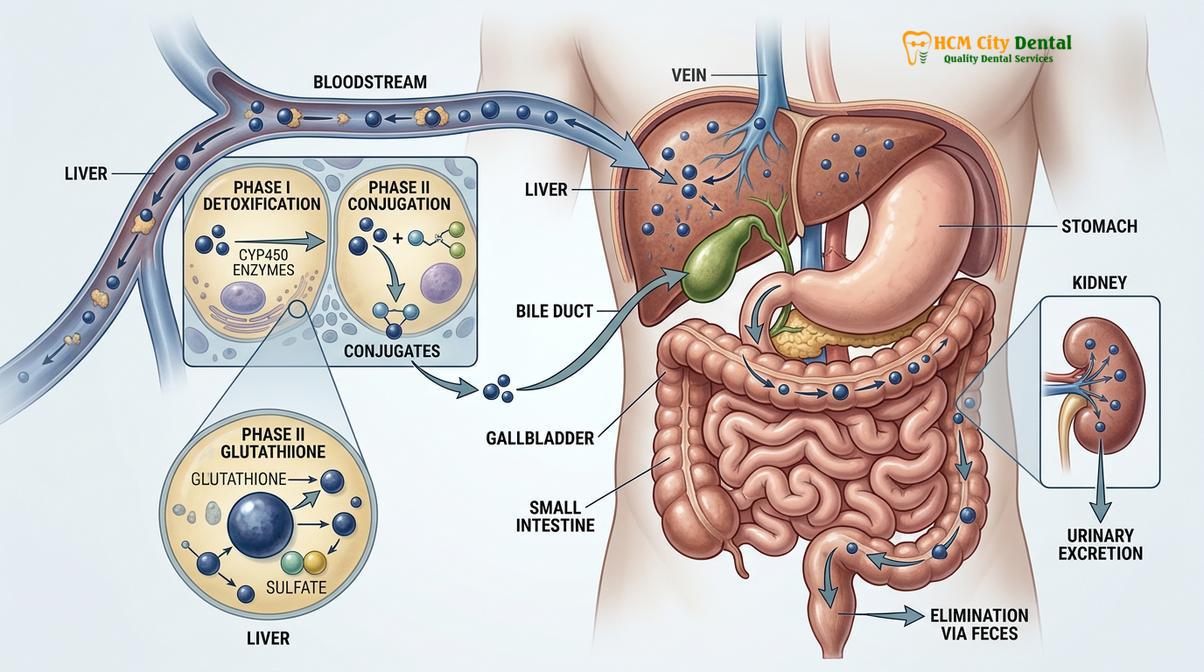
Equally important to the biochemical binding of mercury is the physical elimination of it. Once the liver processes heavy metals and secretes them into the bile, they enter the small intestine. If the transit time through the digestive tract is too slow, these toxins can be reabsorbed. A high-fiber diet acts as a physical sweep, binding to the toxin-laden bile and ensuring it is excreted in the stool. Soluble fiber from sources like flaxseeds, chia seeds, and organic oats is particularly effective in this regard.
| Nutritional Focus | Recommended Foods to Include | Foods to Strictly Avoid |
|---|---|---|
| Sulfur-Rich Foods | Garlic, onions, broccoli, eggs, Brussels sprouts | Processed meats with synthetic preservatives |
| High-Fiber Sources | Chia seeds, flaxseeds, leafy greens, legumes | Refined carbohydrates, white flour, excess sugar |
| Antioxidant Support | Berries, citrus fruits, bell peppers, green tea | Artificial sweeteners, high-fructose corn syrup |
| Clean Hydration | Filtered water, mineral water, herbal teas | Alcohol, excessive caffeine, sugary sodas |
Hydration is the final, non-negotiable pillar of dietary support during a heavy metal detox protocol. The kidneys are highly susceptible to mercury-induced oxidative stress. Flushing the renal system with abundant, clean, filtered water helps dilute the concentration of toxins passing through the kidneys, protecting the delicate nephrons from damage. Patients are generally advised to consume at least two to three liters of purified water daily, adjusted for their body weight and activity level, to maintain optimal renal clearance.
Supplements and Natural Binders (Chlorella, Charcoal)
Natural binders like activated charcoal and cracked-cell chlorella act as molecular sponges in the gut, intercepting mobilized mercury and preventing its reabsorption into the bloodstream.
While dietary modifications provide the foundational building blocks for detoxification, targeted supplementation is required to actively intercept and remove mercury from the body. The cornerstone of any effective mercury detox after amalgam removal is the strategic use of intestinal binders. Because the liver excretes mercury into the intestines via bile, binders must be present in the gut to catch the toxins before they can be reabsorbed through the intestinal mucosa.
Activated charcoal is one of the most widely used and effective broad-spectrum binders. It possesses a massive surface area with a negative electrical charge, which attracts and tightly binds positively charged heavy metal ions and other metabolic waste products. Because activated charcoal is not absorbed by the body, it safely carries the bound toxins through the digestive tract and out in the stool. However, because it is non-selective, it must be taken on an empty stomach—typically 90 to 120 minutes away from meals, prescription medications, or other nutritional supplements—to avoid binding to essential nutrients.
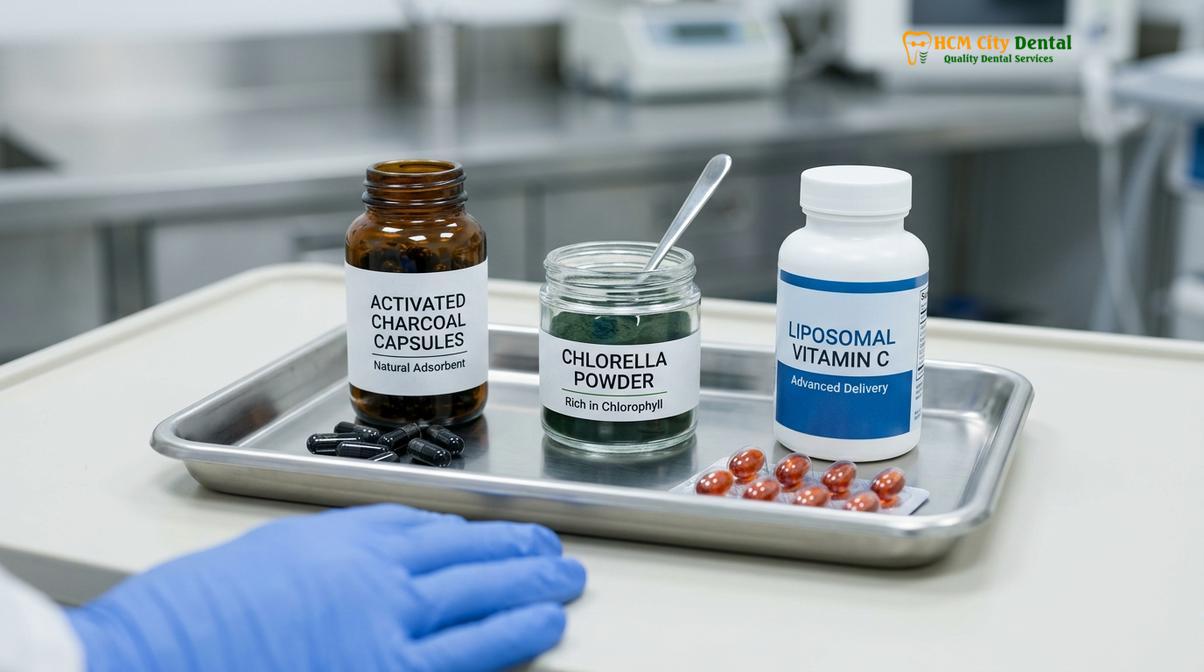
Chlorella, specifically the cracked-cell wall variety, is another powerful tool in the heavy metal detox protocol. Unlike charcoal, which acts purely as a binder in the gut, chlorella has a dual action. It contains unique phytonutrients that help mobilize heavy metals from intracellular spaces, while its fibrous outer cell wall acts as a potent binder in the digestive tract. Chlorella is particularly rich in chlorophyll, which supports blood oxygenation and tissue repair, making it highly beneficial for healing after amalgam removal.
In addition to binders, antioxidant support is critical to protect cellular structures from the oxidative stress generated by circulating mercury. High-dose Vitamin C, particularly in liposomal form for enhanced cellular absorption, is frequently recommended. Vitamin C acts as a powerful free-radical scavenger and helps regenerate oxidized vitamin E and glutathione in the body. Furthermore, supplementing with N-Acetyl Cysteine (NAC), a direct precursor to glutathione, can significantly boost the liver’s capacity to process and conjugate heavy metals for safe excretion[5].
Supporting Your Liver and Kidneys
The liver and kidneys are the primary organs responsible for filtering and excreting heavy metals, requiring adequate hydration, mineral support, and active sweating to function optimally.
The success of any detoxification regimen relies entirely on the efficiency of the body’s primary organs of elimination: the liver, the kidneys, the gastrointestinal tract, and the skin. If these pathways are sluggish or compromised, mobilized mercury will simply recirculate and redeposit into other tissues, exacerbating mercury detox symptoms and delaying recovery. Therefore, proactive organ support is a critical component of comprehensive dental diagnostics and post-operative care.
The liver functions as the body’s central chemical processing plant. It utilizes a two-phase system to neutralize toxins. Phase I involves cytochrome P450 enzymes that oxidize toxins, often making them temporarily more reactive. Phase II involves conjugating these reactive intermediates with molecules like glutathione or sulfate to make them water-soluble for excretion. If Phase I outpaces Phase II, highly reactive and damaging compounds can accumulate. Supporting the liver with adequate amino acids, B-vitamins, and trace minerals like selenium and zinc ensures that Phase II conjugation keeps pace with Phase I mobilization.
Clinical Case Study:
A 42-year-old patient visited HCMC Dental Clinic in Ho Chi Minh City presenting with chronic fatigue and a desire to replace four aging amalgam restorations. Under the guidance of the clinical team, the patient underwent the SMART removal protocol. By strictly adhering to a pre- and post-operative heavy metal detox protocol—including liposomal vitamin C, activated charcoal, and targeted liver support—the patient reported minimal post-operative fatigue and a significant improvement in systemic energy levels within three months of completing the biological restorative work.
The kidneys are the secondary route of exit, particularly for inorganic mercury. Because mercury is highly nephrotoxic, protecting the kidneys during a detox is paramount. This is achieved primarily through aggressive hydration with clean, remineralized water. Additionally, ensuring adequate intake of electrolytes, particularly magnesium and potassium, helps maintain proper osmotic balance and supports the active transport mechanisms within the renal tubules.
Finally, the skin is an often-overlooked but highly effective organ of elimination. Sweating is a proven method for excreting heavy metals, including mercury, lead, and cadmium, directly from the subcutaneous tissues, bypassing the liver and kidneys entirely. Engaging in regular cardiovascular exercise to induce a sweat, or utilizing far-infrared saunas, can dramatically reduce the systemic burden of heavy metals. It is crucial, however, to shower immediately after sweating to prevent the reabsorption of toxins through the skin.
Timeline for Restoring Systemic Health
While acute detox symptoms typically resolve within a few weeks, the complete clearance of deep-tissue heavy metal burdens can take several months to over a year of sustained physiological support.
Patients often inquire about the duration of amalgam removal recovery. It is important to understand that detoxification is not an overnight event but a phased physiological process. The timeline for restoring systemic health depends on several variables, including the number of amalgam fillings removed, the duration they were present in the mouth, the patient’s genetic detoxification capacity (such as MTHFR gene mutations), and their overall baseline health.
The protocol typically begins with a pre-conditioning phase, starting one to two weeks prior to the dental procedure. This phase focuses on optimizing nutritional status, upregulating antioxidant reserves, and ensuring that the bowels are moving regularly. By priming the excretory pathways beforehand, the body is better equipped to handle the acute exposure that occurs on the day of the procedure.
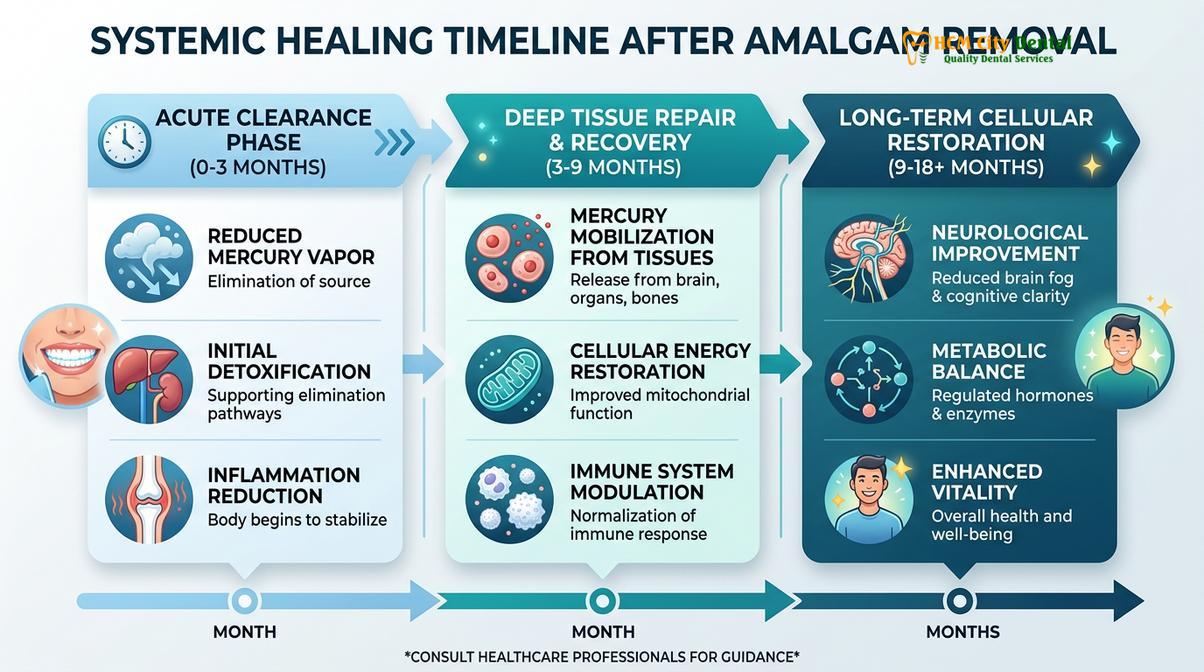
The acute clearance phase spans the first two to four weeks following the safe removal of the amalgams. During this time, the body is actively clearing the immediate particulate and vapor exposure associated with the dental work. This is the period where mercury detox symptoms are most likely to occur, and adherence to the binder and hydration protocols must be strictest. Most patients find that any transient fatigue or brain fog resolves by the end of this acute phase.
“True biological healing extends far beyond the dental chair; it requires a sustained commitment to cellular detoxification and systemic restorative care to achieve lasting biocompatibility.”
The long-term cellular clearance phase can last anywhere from three months to over a year. Once the acute exposure is managed, the body begins the slow process of leaching deeply stored mercury from organs and neurological tissues. During this extended phase, patients can generally transition to a less intensive maintenance protocol, continuing with a nutrient-dense diet, periodic binder use, and regular sweating. Consistent, gentle support is far more effective and safer than aggressive, short-term chelation therapies.
When to See a Doctor
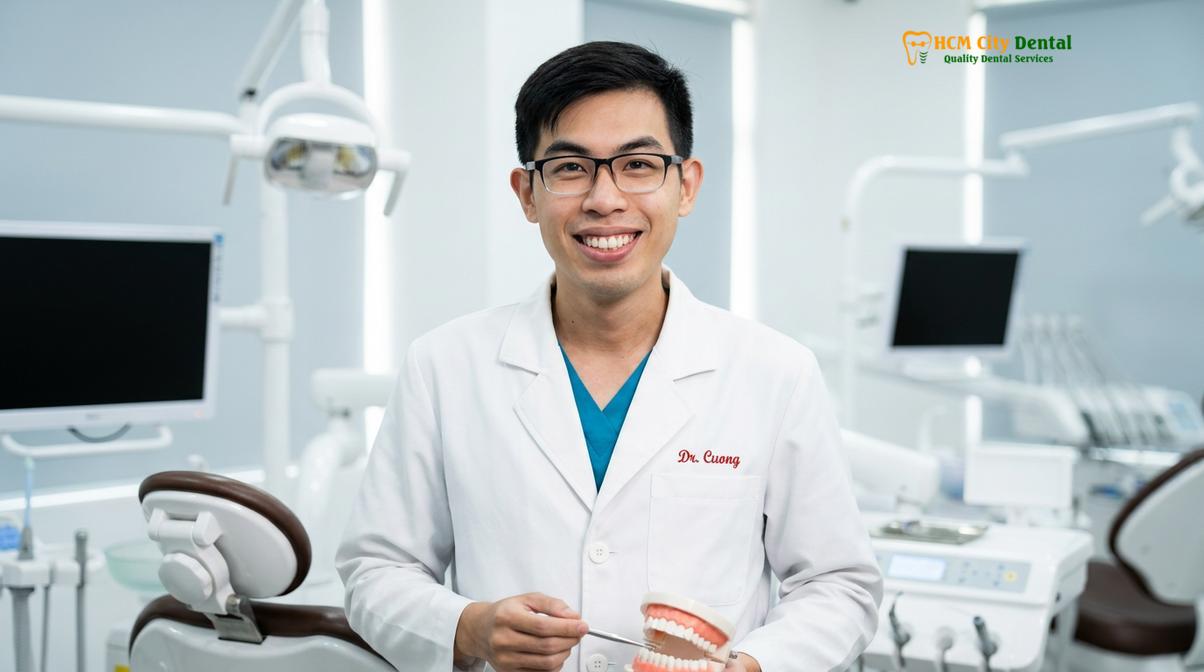
While a carefully managed heavy metal detox protocol is generally safe and well-tolerated, it is imperative to undergo this process under the supervision of a qualified healthcare provider. Dr. Nguyen Van Cuong stresses that individualized medical oversight is crucial, as the mobilization of heavy metals can occasionally trigger severe reactions in sensitive individuals or those with compromised excretory pathways.
You should seek immediate medical evaluation if you experience severe or prolonged symptoms during your detox. Red flags include severe neurological symptoms such as intense tremors, debilitating migraines, profound memory loss, or severe mood instability. Additionally, if you develop a widespread rash, severe allergic reactions, or persistent gastrointestinal distress that prevents adequate hydration or nutrition, you must pause the detox protocol and consult your doctor. A clinical professional can adjust binder dosages, provide intravenous nutritional support, or order specific heavy metal burden testing to ensure your recovery remains safe and effective.
Frequently Asked Questions
Do I need a detox after removing amalgam fillings?
Yes, a targeted detoxification protocol is highly recommended after removing amalgam fillings to clear residual heavy metals. Even with safe removal techniques, mobilizing stored mercury requires nutritional and binder support to prevent systemic reabsorption and assist natural excretory pathways. Without this support, toxins can recirculate, potentially causing prolonged fatigue or neurological irritation.
What are the symptoms of heavy metal detox?
Common symptoms of heavy metal detox include temporary fatigue, mild headaches, brain fog, metallic taste, and minor digestive changes. These occur as the body mobilizes stored toxins for excretion, a process often referred to as a healing crisis or Herxheimer reaction. These symptoms are generally mild and should subside as the body successfully clears the mobilized metals.
How long does mercury detox take?
The acute phase of a mercury detox typically lasts two to four weeks post-removal, while deep cellular clearance can take several months to over a year. The exact timeline depends on your total heavy metal burden, genetic factors, and overall excretory health. A sustained, gentle approach is recommended for long-term systemic restoration.
Can I take activated charcoal after dental work?
Yes, activated charcoal is an excellent natural binder to take after dental work involving amalgam removal. It should be taken on an empty stomach, at least two hours away from meals and other supplements, to effectively intercept toxins in the gastrointestinal tract. This prevents the charcoal from binding to essential nutrients or prescription medications.
What should I eat during a mercury detox?
During a mercury detox, you should eat a diet rich in sulfur-containing foods like garlic, onions, and cruciferous vegetables to support glutathione production. High-fiber foods and abundant water intake are also crucial to ensure toxins are rapidly excreted through the bowels. Avoiding processed foods, refined sugars, and alcohol will further reduce the burden on your liver.
References
- International Academy of Oral Medicine and Toxicology (IAOMT). Safe Mercury Amalgam Removal Technique (SMART) Guidelines. (2021).
- Journal of Occupational Medicine and Toxicology. Is dental amalgam safe for humans? The opinion of the scientific committee. (2011).
- International Journal of Environmental Research and Public Health. Rethinking the Dental Amalgam Dilemma: An Integrated Toxicological Approach. (2019).
- Advances in Dental Research. Side-effects: mercury contribution to body burden from dental amalgam. (1992).
- World Health Organization (WHO). The Minamata Convention and the phase down of dental amalgam. (2018).
For personalized guidance on safe amalgam removal and comprehensive detoxification protocols, schedule a consultation with the biological dentistry team at HCMC Dental Clinic to ensure your transition to a heavy-metal-free smile is safe, comfortable, and clinically supported.