Sedation for dental cleaning utilizes pharmacological agents to induce relaxation and manage anxiety during routine or deep periodontal maintenance. It is highly effective for patients with dentophobia, sensitive teeth, or a strong gag reflex, ensuring a comfortable, stress-free hygiene appointment while allowing clinicians to perform thorough plaque and calculus removal.
Clinical Summary:
Integrating sedation protocols into periodontal maintenance—commonly known as a dental cleaning—provides a critical pathway to oral health for patients who might otherwise avoid care due to fear or physiological sensitivities. By utilizing modalities ranging from minimal inhalation sedation (nitrous oxide) to moderate oral or intravenous (IV) sedation, dental professionals can safely depress the central nervous system’s anxiety response. This pharmacological intervention not only ensures patient comfort and compliance but also facilitates a more meticulous removal of subgingival calculus and biofilm by the hygienist, ultimately preventing the progression of periodontal disease and tooth loss.
Key Takeaways:
- Sedation transforms routine cleanings into stress-free experiences for patients with severe dental phobia or sensory sensitivities.
- Nitrous oxide offers mild relaxation with rapid recovery, allowing patients to drive themselves home immediately after the appointment.
- Oral conscious sedation provides deeper relaxation via prescription medication, requiring an escort for transportation.
- Intravenous (IV) sedation is reserved for severe anxiety or extensive deep scaling, offering precise, titratable control by an anesthesiologist.
- Comprehensive pre-operative medical evaluations are mandatory to ensure the safe administration of any sedative agent.
When Sedation for Dental Cleaning Is Recommended
Sedation is clinically indicated for patients experiencing severe dental anxiety, hyperactive gag reflexes, low pain thresholds, or those requiring extensive deep scaling and root planing.
For the majority of the population, a routine prophylaxis appointment involves minor discomfort that is easily tolerated. However, a significant subset of patients experiences profound psychological or physiological barriers that make standard care nearly impossible. In these scenarios, sedation dentistry becomes not just a luxury, but a clinical necessity to ensure the maintenance of oral health and the prevention of systemic complications linked to periodontal disease[1].
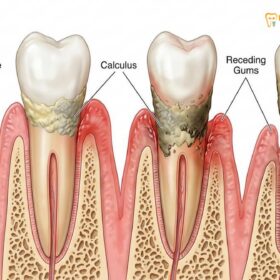
The primary indication for an anxious dental cleaning is dentophobia. Patients with severe dental anxiety often exhibit a heightened sympathetic nervous system response—characterized by tachycardia, diaphoresis, and acute psychological distress—merely at the thought of sitting in a dental chair. This avoidance behavior frequently leads to years of neglected oral hygiene, resulting in heavy calculus accumulation, severe gingivitis, and advanced periodontitis. By utilizing sedation, clinicians can break this cycle of fear and neglect, allowing the patient to receive essential care without psychological trauma.
Beyond psychological factors, several physiological conditions warrant the use of sedation during periodontal therapy. Patients with a hyperactive gag reflex often find the presence of dental mirrors, ultrasonic scalers, and suction devices intolerable. Sedation effectively depresses this reflex, allowing the clinician to work efficiently in the posterior regions of the oral cavity. Furthermore, individuals with exceptionally sensitive teeth, exposed dentin, or a generalized low pain threshold benefit immensely from the combined use of systemic sedation and local anesthesia, ensuring a completely comfortable experience.
“The integration of pharmacological relaxation techniques into routine periodontal care has revolutionized our ability to treat the dentally avoidant patient. By removing the barrier of fear, we can halt the progression of chronic oral infections that would otherwise lead to inevitable tooth loss.”
Dr. Nguyen Van Cuong, a leading specialist in patient management, frequently notes that the decision to utilize sedation should be highly individualized. “We evaluate not only the patient’s dental anxiety symptoms but also their complete medical history. The goal is to match the depth of sedation to the specific clinical requirements of the cleaning, ensuring maximum safety and efficacy,” explains Dr. Cuong. This tailored approach ensures that patients requiring extensive scaling and root planing (deep cleaning) can undergo the procedure in a single, comfortable visit rather than enduring multiple stressful appointments.
Available Sedation Options for Cleaning Appointments
Dentists utilize nitrous oxide for mild relaxation, oral conscious sedation for moderate anxiety, and intravenous (IV) sedation for severe phobia or complex periodontal treatments.
The spectrum of pharmacological interventions available for sedation teeth cleaning allows dental professionals to precisely calibrate the level of central nervous system depression to the patient’s needs. These modalities range from minimal anxiolysis, where the patient remains fully interactive, to deep conscious sedation, where the patient is profoundly relaxed and largely unaware of the procedure. Selecting the appropriate modality requires a thorough understanding of the pharmacokinetics and clinical effects of each agent.
Nitrous Oxide Inhalation (Minimal Sedation)
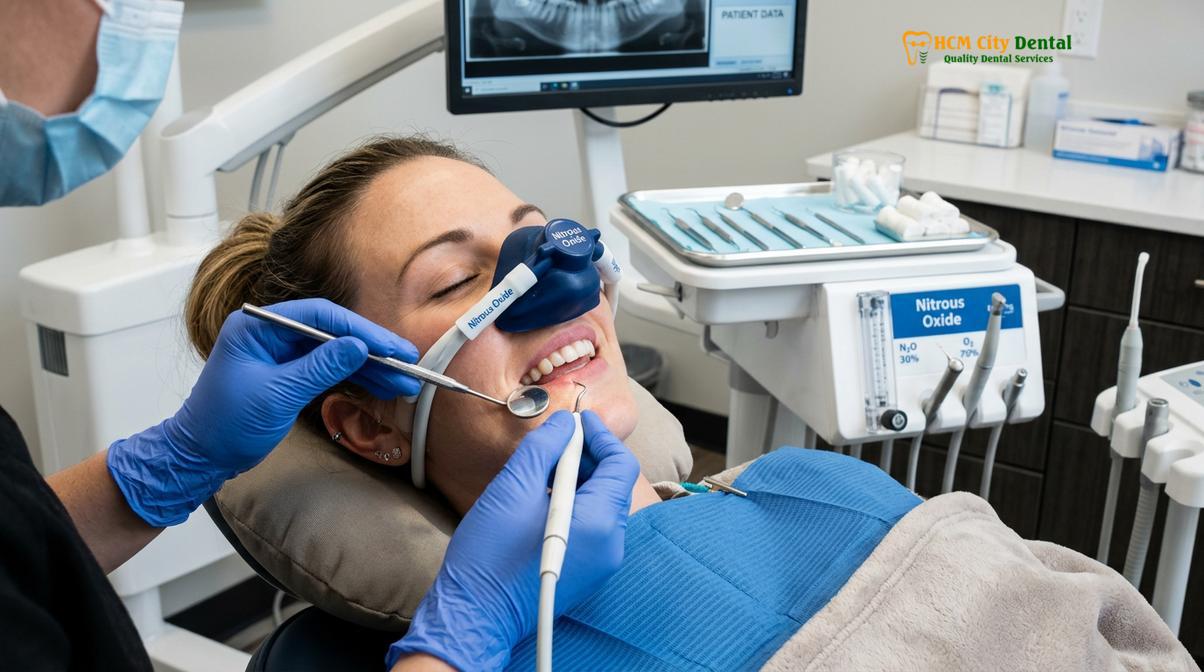
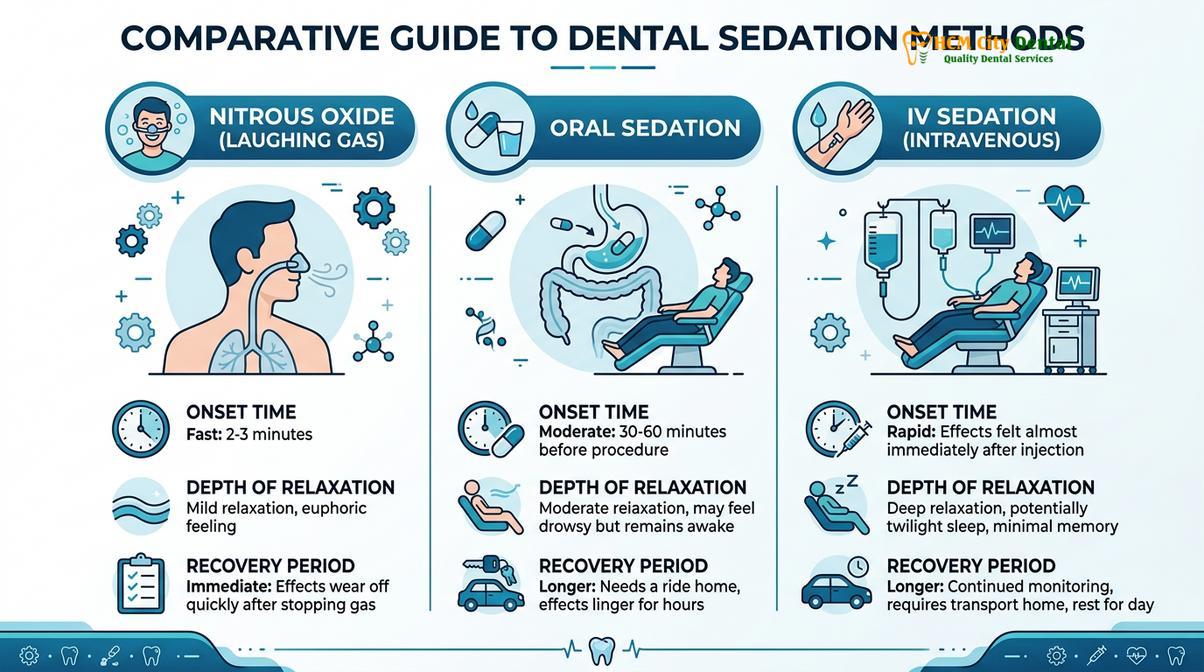
Nitrous oxide, commonly referred to as laughing gas, is a colorless, sweet-smelling gas mixed with oxygen and administered via a nasal hood. It provides minimal sedation, effectively raising the pain threshold and inducing a state of mild euphoria and relaxation. The primary advantage of nitrous oxide is its rapid onset and equally rapid elimination from the body[2]. Once the gas flow is terminated and the patient breathes 100% oxygen for a few minutes, the sedative effects dissipate entirely, allowing the patient to safely drive home and resume normal activities immediately.
Oral Conscious Sedation (Moderate Sedation)
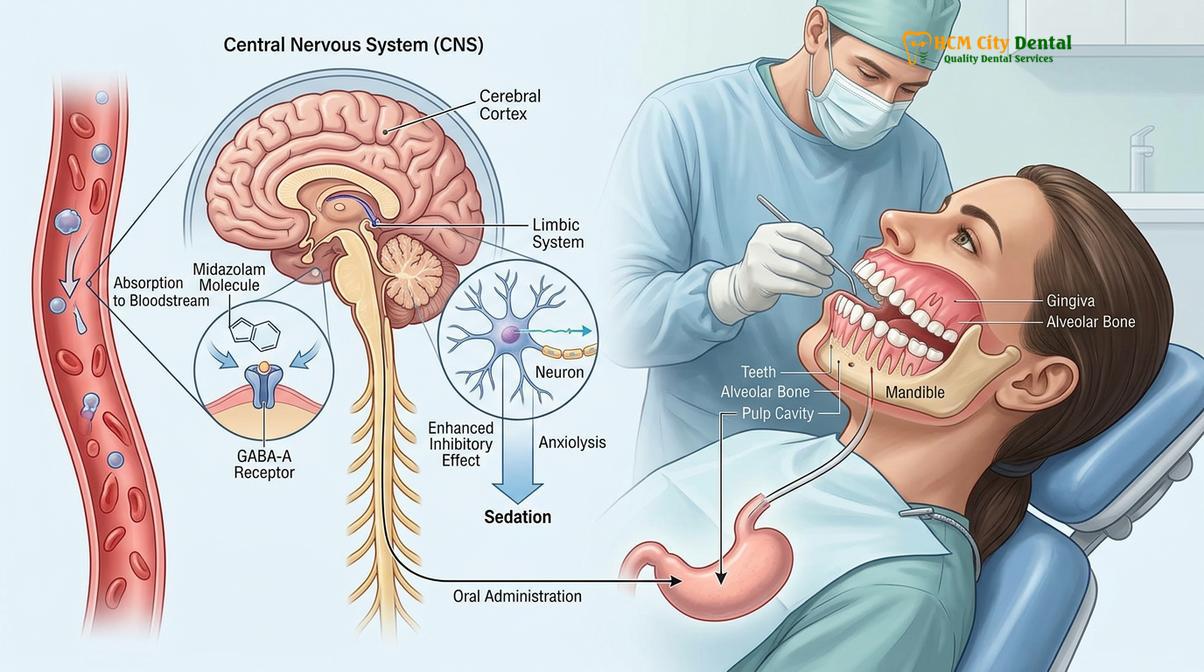
For patients requiring a deeper level of relaxation, oral sedation dentistry is highly effective. This protocol involves the enteral administration of a sedative-hypnotic medication, typically a benzodiazepine such as Triazolam, Diazepam, or Lorazepam, taken approximately one hour prior to the appointment. These medications bind to GABA receptors in the brain, producing significant anxiolysis, muscle relaxation, and often, anterograde amnesia. While the patient remains conscious and capable of responding to verbal commands, they will likely feel drowsy and have little to no memory of the cleaning procedure. Due to the prolonged half-life of these medications, patients must be escorted to and from the clinic by a responsible adult.
Intravenous (IV) Sedation (Moderate to Deep Sedation)
Intravenous sedation represents the most profound level of conscious sedation available in a clinical dental setting. Administered directly into the bloodstream, typically using agents like Midazolam or Propofol, IV sedation allows the anesthesiologist to titrate the medication in real-time, achieving precise control over the depth of relaxation[3]. This modality is ideal for patients with severe dental phobia or those undergoing extensive, multi-quadrant deep scaling and root planing. The onset is virtually instantaneous, and the amnesic effect is profound. Continuous physiological monitoring is mandatory, and a post-operative escort is strictly required.
| Sedation Modality | Administration Route | Depth of Relaxation | Recovery Time | Best Suited For |
|---|---|---|---|---|
| Nitrous Oxide | Inhalation (Nasal Mask) | Minimal (Anxiolysis) | Immediate (5-10 mins) | Mild anxiety, sensitive teeth, hyperactive gag reflex |
| Oral Sedation | Enteral (Pill/Liquid) | Moderate | Prolonged (4-8 hours) | Moderate anxiety, longer appointments, needle phobia |
| IV Sedation | Parenteral (Intravenous) | Moderate to Deep | Prolonged (12-24 hours) | Severe phobia, extensive deep cleaning, special needs |
Regardless of the modality chosen, local anesthesia (lidocaine or articaine) is almost always administered in conjunction with the sedative. While sedation manages the psychological anxiety and raises the overall pain threshold, local anesthetics are required to block the peripheral nociceptive pain signals originating from the gingival tissues and tooth roots during the mechanical debridement process.
The Sedated Dental Cleaning Process
The workflow encompasses pre-sedation medical evaluation, continuous intraoperative vitals monitoring, the periodontal scaling procedure itself, and a structured post-operative recovery protocol.
Executing a dental hygiene under sedation protocol requires meticulous planning and strict adherence to clinical safety guidelines. The process begins long before the patient sits in the dental chair. A comprehensive pre-operative consultation is conducted to evaluate the patient’s medical history, current medications, allergies, and previous experiences with anesthesia. For moderate to deep sedation, patients are provided with strict NPO (nil per os) fasting guidelines to prevent the risk of pulmonary aspiration during the procedure.
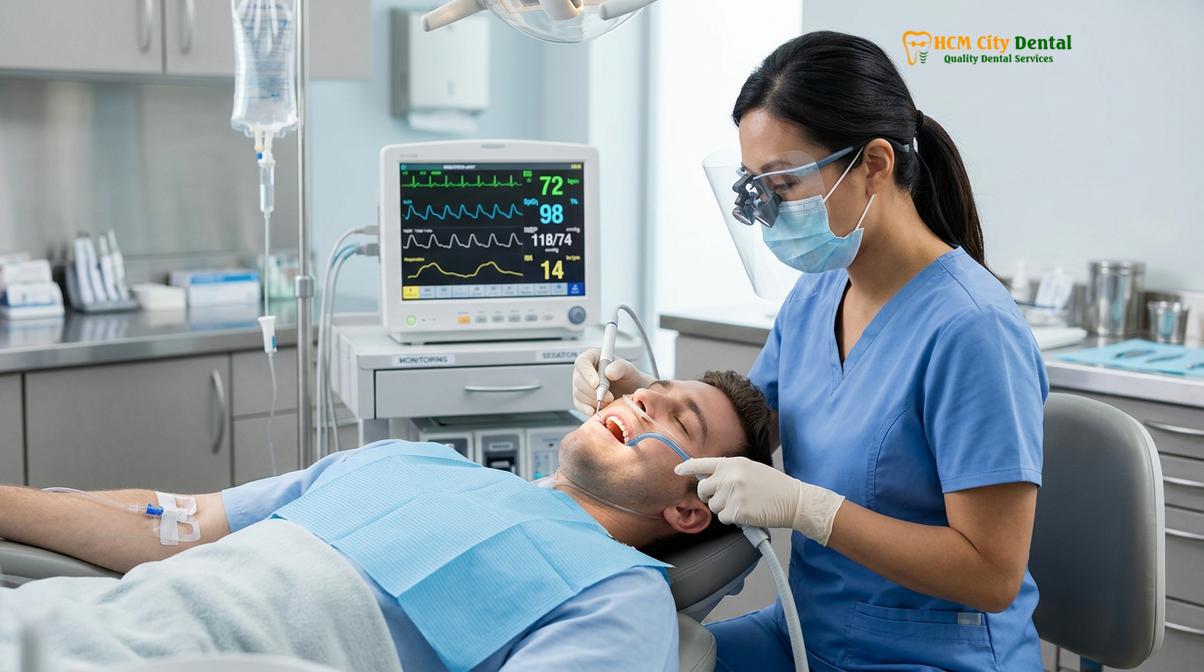
Upon arrival at the clinic, the patient is escorted to a quiet, comfortable treatment room. If oral sedation was prescribed, the patient will have already taken the medication and will be in a state of relaxed drowsiness. For IV sedation, the anesthesiologist will establish intravenous access and begin the controlled administration of the sedative agents. Once the target level of sedation is achieved, comprehensive physiological monitoring is initiated. This typically includes pulse oximetry (to measure blood oxygen saturation), continuous electrocardiography (ECG), non-invasive blood pressure monitoring, and capnography (to monitor end-tidal carbon dioxide and ensure adequate ventilation)[4].
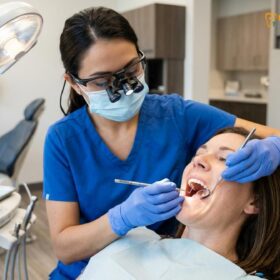
With the patient profoundly relaxed and safely monitored, the dental hygienist or periodontist begins the dental cleaning. Because the patient is sedated, the clinician can work with exceptional precision and efficiency. The absence of sudden patient movements, tongue thrusting, or gagging significantly reduces the risk of iatrogenic trauma to the delicate gingival tissues. The clinician utilizes ultrasonic scalers, which use high-frequency vibrations and water cavitation to shatter and flush away hardened calculus, followed by hand instrumentation with specialized curettes to plane the root surfaces smooth.
Clinical Case Review: Overcoming Severe Dentophobia
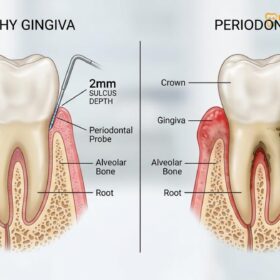
A 42-year-old patient presented to HCMC Dental Clinic in Ho Chi Minh City with a 10-year history of dental avoidance due to severe anxiety. Clinical examination revealed generalized heavy calculus, gingival bleeding, and localized 5mm periodontal pockets. The patient scored exceptionally high on the dental anxiety scale. A treatment plan utilizing IV sedation was formulated. Under the supervision of an anesthesiologist, the patient received full-mouth scaling and root planing in a single two-hour session. The patient awoke with no memory of the procedure, reporting zero intraoperative discomfort, and successfully transitioned to a regular 6-month maintenance schedule using only nitrous oxide.
Following the completion of the periodontal debridement, the administration of sedative agents is terminated. For IV sedation, the patient is closely observed in a dedicated recovery area until they meet specific discharge criteria, such as the Aldrete score, which evaluates respiration, oxygen saturation, consciousness, circulation, and activity. The patient is then discharged into the care of their designated escort, with detailed written and verbal post-operative instructions regarding diet, oral hygiene, and pain management.
Cost Considerations
The financial investment for sedated cleanings depends on the pharmacological modality chosen, the duration of the appointment, and the complexity of the periodontal therapy required.
When evaluating the cost of sedation for dental cleaning, patients must understand that the fee is typically bifurcated: the cost of the periodontal procedure itself (prophylaxis or scaling and root planing) and the independent cost of the sedation service. Nitrous oxide is generally the most cost-effective option, often billed as a flat fee per appointment or in 15-minute increments. Because it requires minimal specialized equipment and no prolonged recovery monitoring, it remains highly accessible for most patients.
Oral conscious sedation involves a moderate increase in cost. This fee covers the prescription medications, the extended chair time required for the medication to take effect, and the enhanced intraoperative monitoring protocols. Intravenous (IV) sedation represents the highest financial investment. The cost reflects the presence of a dedicated anesthesiologist or highly trained sedation dentist, the use of advanced monitoring equipment, the intravenous pharmacological agents, and the utilization of a specialized recovery facility.
Important Clinical Warning
When seeking sedation dentistry, never select a provider based solely on the lowest price. The safe administration of sedatives requires advanced training, emergency resuscitation equipment, and continuous physiological monitoring. Ensure your chosen clinic employs certified professionals and adheres to strict international safety protocols to prevent life-threatening complications.
For expatriates and medical tourists, seeking care at a premier facility like HCMC Dental Clinic in Ho Chi Minh City offers a significant advantage. The clinic provides world-class sedation protocols and comprehensive periodontal care at a fraction of the cost typically encountered in North America, Europe, or Australia, without compromising on safety, technology, or clinical expertise.
When to See a Doctor
While sedation is generally safe and highly effective, it is not universally appropriate for all individuals. A thorough medical consultation is imperative before undergoing any form of pharmacological relaxation. Patients must disclose their complete medical history, including all prescription medications, over-the-counter supplements, and recreational drug use, as these can interact dangerously with dental sedatives.
Certain systemic conditions represent absolute or relative contraindications to specific sedation modalities. For instance, pregnant women, particularly in the first trimester, should generally avoid elective sedation. Patients with severe chronic obstructive pulmonary disease (COPD), uncontrolled asthma, or significant respiratory depression may not be candidates for nitrous oxide or deep IV sedation. Additionally, individuals with obstructive sleep apnea (OSA) require specialized evaluation, as sedatives can exacerbate airway collapse during the procedure[5].
“Patient safety is the absolute cornerstone of sedation dentistry. We never proceed with pharmacological intervention without a rigorous, evidence-based assessment of the patient’s cardiovascular and respiratory status. If a patient’s systemic health presents a high risk, we collaborate with their primary care physician to optimize their condition prior to dental treatment.”
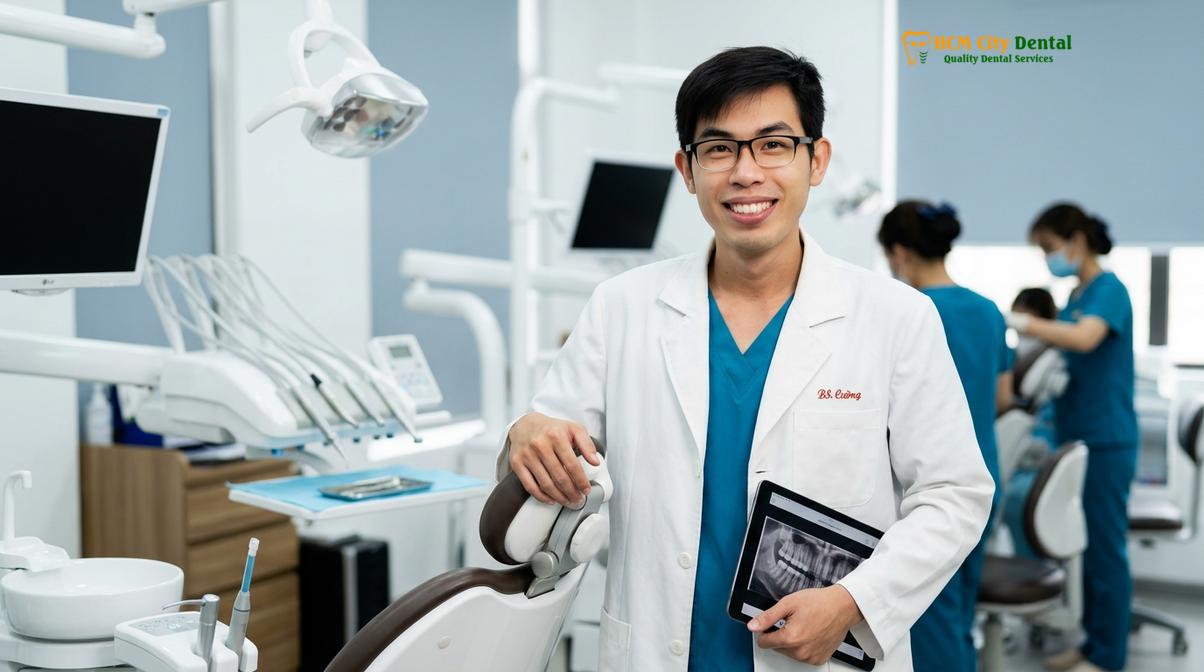
Dr. Cuong emphasizes that proactive communication is vital. If you are exploring how to overcome dental fear and believe sedation is the right path, schedule a dedicated consultation. This allows the clinical team to perform a physical airway assessment, review your medical history, and discuss the safest, most effective sedation strategy tailored to your unique physiological profile and dental needs.
Frequently Asked Questions
Is sedation for a dental cleaning really necessary?
Sedation is not strictly necessary for a standard cleaning, but it is highly recommended for patients with severe dental phobia, a hyperactive gag reflex, or those undergoing extensive deep scaling. It transforms a potentially traumatic experience into a manageable, stress-free appointment, ensuring that essential periodontal maintenance is not avoided due to fear. For patients who experience panic attacks or severe physical discomfort during dental visits, sedation is a clinically valid tool to facilitate necessary healthcare.
What type of sedation is used for teeth cleaning?
Dentists typically utilize nitrous oxide (laughing gas) for mild anxiety, oral conscious sedation (benzodiazepine pills) for moderate fear, or intravenous (IV) sedation for severe phobia. The choice depends on your medical history, the severity of your anxiety, and the complexity of the periodontal therapy required. Nitrous oxide allows you to drive home immediately, while oral and IV sedation require a designated escort due to prolonged drowsiness and cognitive impairment.
How much does sedated dental cleaning cost in Vietnam?
The cost varies based on the sedation modality chosen; nitrous oxide is the most affordable, while IV sedation requires a higher investment due to the presence of an anesthesiologist. According to the latest clinic fee schedule, combining these services with a standard or deep cleaning offers a cost-effective solution compared to Western countries. Clinics in Vietnam provide transparent pricing structures during the initial consultation, ensuring patients understand the breakdown of periodontal and sedation fees.
Can I eat after a sedated dental cleaning?
You should wait until the local anesthesia has completely worn off before eating to prevent accidental biting of your lips, cheeks, or tongue. Once sensation returns, stick to soft, room-temperature foods for the first 24 hours, especially if you received deep scaling and root planing, to avoid irritating the gingival tissues. Avoid spicy, acidic, or hard, crunchy foods that could disrupt the healing process of the gums following a thorough subgingival debridement.
How often can I have sedation for dental cleanings?
You can safely receive sedation for your routine bi-annual or quarterly periodontal maintenance appointments, provided you remain in good general health. Your dentist and anesthesiologist will review your medical history before each session to ensure that repeated use of pharmacological relaxants remains safe and clinically appropriate for your specific physiological profile. For children or patients with special needs, managing dental anxiety through consistent, safe sedation protocols is a standard practice.
References
- Journal of the American Dental Association. Patient satisfaction and anxiety levels under conscious sedation. (2022).
- British Dental Journal. Nitrous oxide inhalation sedation in dentistry: a review of safety. (2019).
- International Journal of Oral and Maxillofacial Surgery. Intravenous conscious sedation protocols for complex oral surgery. (2020).
- Journal of Periodontology. The impact of dental anxiety on periodontal health and treatment compliance. (2021).
- Clinical Oral Investigations. Safety and recovery profiles of conscious sedation vs general anesthesia. (2018).