When comparing the sedation dentistry cost Vietnam vs Korea, international patients typically find that Vietnam offers remarkable savings of 60% to 75% on both sedation protocols and complex restorative procedures. By leveraging lower operational overhead while maintaining rigorous international clinical standards, Vietnam has become a premier destination for safe, anxiety-free dental care.
Clinical Summary:
For patients requiring extensive restorative work or managing severe dental phobia, the financial burden of treatment can be a significant barrier to achieving oral health. South Korea provides world-class aesthetic dentistry, but out-of-pocket costs for elective procedures and intravenous (IV) sedation remain exceptionally high due to premium real estate and lack of insurance coverage for international visitors. Conversely, Vietnam has emerged as a leading medical tourism hub, offering identical pharmacological sedation protocols—such as nitrous oxide and IV midazolam—at a fraction of the price. By choosing specialized centers in Southeast Asia, patients can access board-certified anesthesiologists, state-of-the-art monitoring equipment, and comprehensive dental care without compromising clinical safety or aesthetic outcomes.
Key Takeaways:
- Intravenous (IV) sedation in Vietnam typically costs between $200 and $600, compared to $800 to $1,500+ in South Korean private clinics.
- Both nations adhere to strict international safety protocols, utilizing modern vital sign monitoring and FDA-approved sedative agents.
- Combining complex procedures like full-arch dental implants with sedation in Vietnam yields the highest overall financial savings.
- South Korea’s National Health Insurance (NHI) does not cover elective cosmetic dentistry or advanced sedation for international patients.
- Top-tier Vietnamese clinics employ internationally trained specialists and dedicated anesthesiologists for moderate to deep sedation cases.
Sedation Dentistry Pricing in Vietnam
Sedation dentistry in Vietnam is highly affordable, with nitrous oxide starting around $20 to $40 and comprehensive IV sedation ranging from $200 to $600 per session, depending on the duration and complexity.
The landscape of dental care in Vietnam has transformed dramatically over the past decade, positioning the country as a global leader in high-quality, cost-effective medical tourism. For patients suffering from dental anxiety or those requiring extensive full-mouth rehabilitations, the availability of advanced sedation dentistry is a critical factor. In Vietnam, the pricing structure for these services is designed to be highly accessible without compromising on the stringent safety protocols required for clinical excellence.
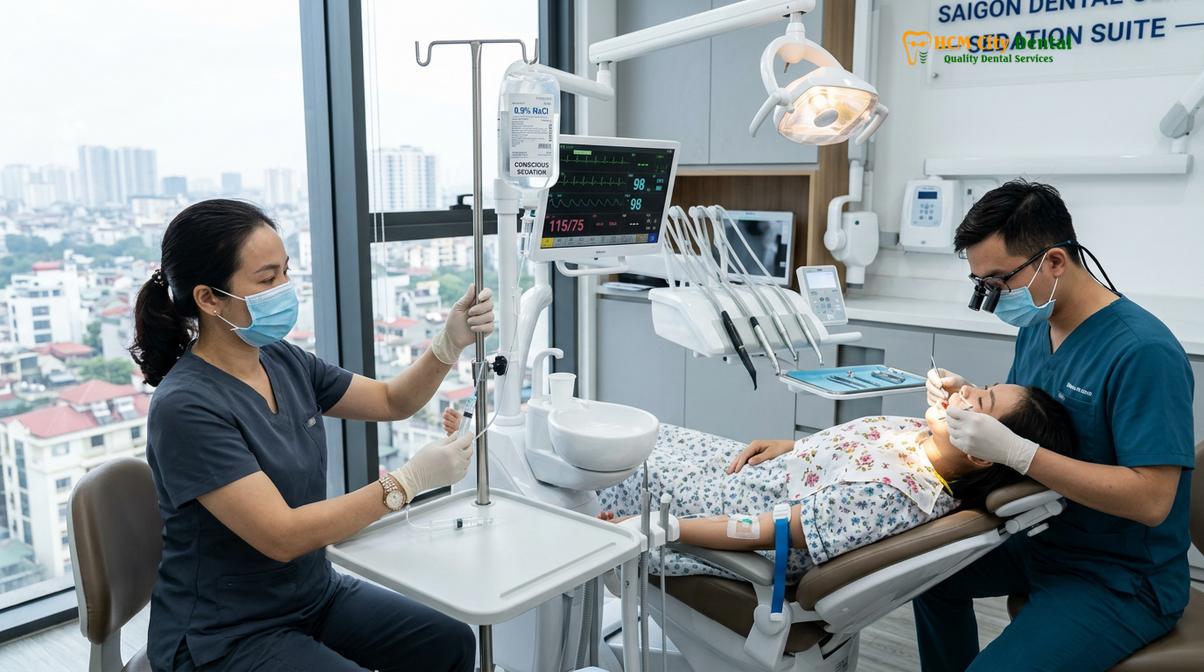
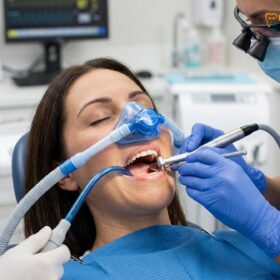
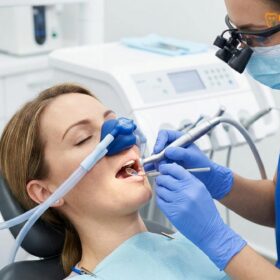
The cost of sedation in Vietnam is tiered based on the level of central nervous system depression required for the procedure. Minimal sedation, commonly achieved through Nitrous Oxide (laughing gas), is highly economical. Clinics typically charge a nominal fee ranging from $20 to $50 per session. This method is ideal for routine cleanings, simple extractions, or minor restorative work, allowing the patient to remain fully conscious and responsive while experiencing a profound sense of relaxation[1].
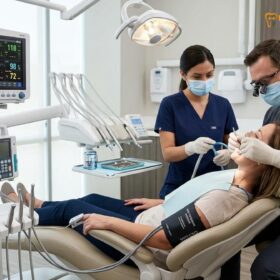
For more invasive procedures, such as multiple dental implants, impacted wisdom tooth removal, or complex bone grafting, moderate to deep intravenous (IV) sedation is recommended. The cost for IV sedation in Vietnam generally falls between $200 and $600. This fee encompasses the administration of the sedative agents (typically Midazolam, sometimes combined with Fentanyl or Propofol), the continuous presence of a board-certified anesthesiologist, and the use of advanced monitoring equipment throughout the surgery. When evaluating affordable sedation dentistry Southeast Asia, Vietnam consistently ranks at the top for providing exceptional clinical value.
It is important to understand that the lower costs in Vietnam are not a reflection of inferior materials or compromised safety. Instead, they are the direct result of favorable macroeconomic factors, including significantly lower commercial real estate costs, reduced administrative overhead, and a lower cost of living. This economic environment allows top-tier clinics to invest heavily in state-of-the-art technology and internationally trained medical personnel while passing the operational savings directly to the patient.
Sedation Dentistry Pricing in South Korea
South Korean dental clinics charge premium rates for sedation, with IV sedation often exceeding $1,000 out-of-pocket due to high operational costs and a lack of insurance coverage for elective international care.
South Korea is globally renowned for its advanced medical infrastructure and is a dominant force in the aesthetic and cosmetic surgery markets. The country boasts an exceptionally high standard of clinical care, particularly in districts like Gangnam in Seoul, where dental clinics resemble luxury hotels and offer cutting-edge digital dentistry. However, this premium environment comes with a correspondingly premium price tag, especially for international patients seeking elective procedures and specialized sedation.
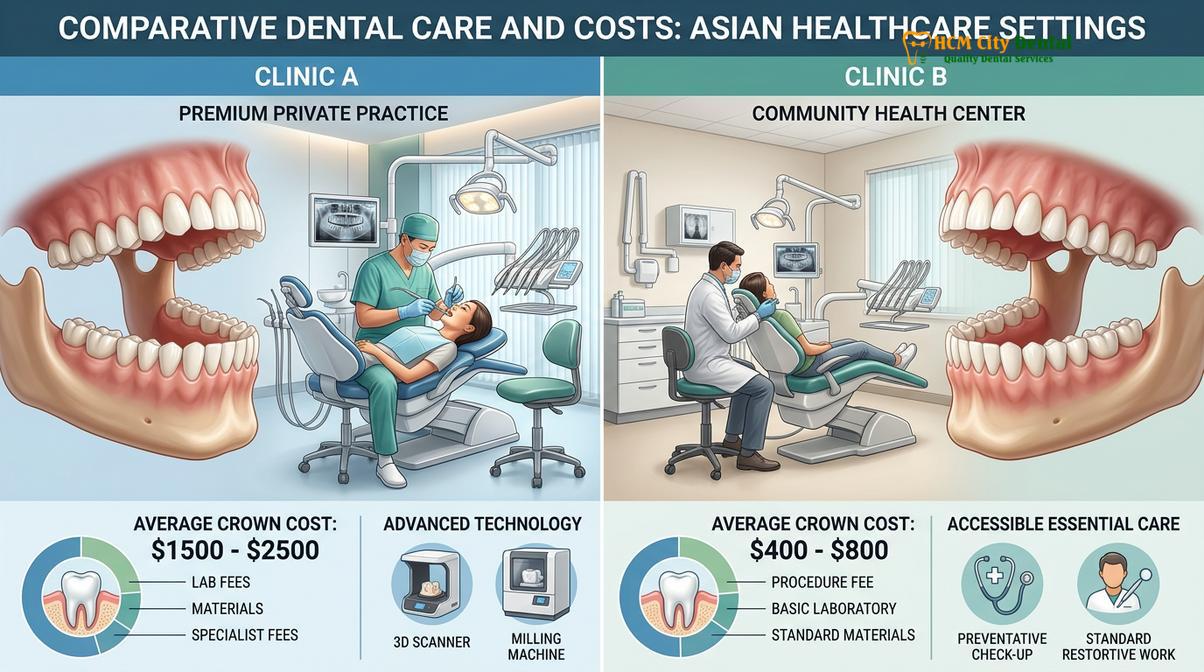
While South Korea has a robust National Health Insurance (NHI) system, it is primarily designed to cover basic, preventive, and essential restorative care for its citizens. Elective procedures, cosmetic dentistry (such as porcelain veneers and premium zirconia crowns), and advanced pharmacological sedation are largely excluded from NHI coverage. Consequently, both domestic patients seeking cosmetic work and international dental tourists must bear the full out-of-pocket costs.
“The financial burden of comprehensive dental rehabilitation in premium Asian markets is heavily influenced by facility overhead and specialized personnel fees. In high-density urban centers, the cost of maintaining a dedicated anesthesiology team for elective dental surgeries significantly inflates the overall patient invoice.”
When analyzing the sleep dentistry cost Asia, South Korea sits at the higher end of the spectrum. Nitrous oxide sedation, if available, can cost between $100 and $300 per session. Intravenous sedation is considerably more expensive, typically ranging from $800 to $1,500 or more, depending on the length of the procedure and the prestige of the clinic. For a patient requiring a full-arch implant restoration (such as an All-on-4 procedure) that takes several hours, the anesthesiologist’s hourly fees can quickly escalate the total treatment cost to levels comparable to North American or Western European pricing[2].
Furthermore, the high cost of living and exorbitant commercial rent in prime South Korean medical districts force clinics to maintain high profit margins on elective services. While the clinical outcomes are undeniably excellent, the financial barrier can be prohibitive for patients who require extensive work and suffer from severe dental phobia, necessitating deep sedation for their comfort and compliance.
Side-by-Side Cost Comparison Table
A direct comparison reveals that patients can save up to 75% on sedation and associated dental treatments by choosing specialized clinics in Vietnam over premium facilities in South Korea.
To fully grasp the financial advantages of dental tourism, it is essential to look at the specific numbers. The following table provides a comprehensive breakdown of the estimated costs for various sedation methods and common associated dental procedures. This data highlights the stark contrast in the dental sedation Korea vs Vietnam price, illustrating why so many international patients are redirecting their medical travel plans toward Southeast Asia.
| Sedation / Treatment Type | Estimated Cost in Vietnam (USD) | Estimated Cost in South Korea (USD) | Average Savings |
|---|---|---|---|
| Local Anesthesia | $5 – $15 | $30 – $80 | ~80% |
| Nitrous Oxide (Laughing Gas) | $20 – $50 | $100 – $300 | ~80% |
| Intravenous (IV) Sedation | $200 – $600 | $800 – $1,500+ | ~70% |
| General Anesthesia (Hospital Setting) | $800 – $1,500 | $2,500 – $5,000+ | ~65% |
| Single Dental Implant (Premium Brand) | $700 – $1,200 | $1,500 – $3,500 | ~55% |
| All-on-4 Full Arch Restoration | $4,000 – $7,000 | $12,000 – $20,000 | ~65% |
| Complex Surgical Extraction (Wisdom Tooth) | $100 – $250 | $300 – $800 | ~65% |
As the table demonstrates, the savings are not limited merely to the sedation itself. The compounding effect of saving on both the sedation administration and the underlying surgical or restorative procedures makes Vietnam an incredibly attractive option. For a patient requiring multiple implants under IV sedation, the total savings can easily exceed ten thousand dollars, more than covering the cost of premium flights and luxury accommodation.
Quality and Accreditation Standards
Despite the lower costs, top Vietnamese dental hospitals maintain rigorous international accreditation, utilizing the exact same FDA-approved sedative medications and monitoring technologies as Korean clinics.
A common and entirely valid concern among international patients is whether the lower cost of medical care in Vietnam equates to a lower standard of safety or clinical quality. In the realm of modern General Dentistry and specialized surgical care, the answer is a definitive no. Leading dental hospitals in Vietnam operate under strict regulatory frameworks and frequently seek voluntary international accreditations (such as ISO certification or JCI accreditation) to validate their clinical excellence to a global audience.
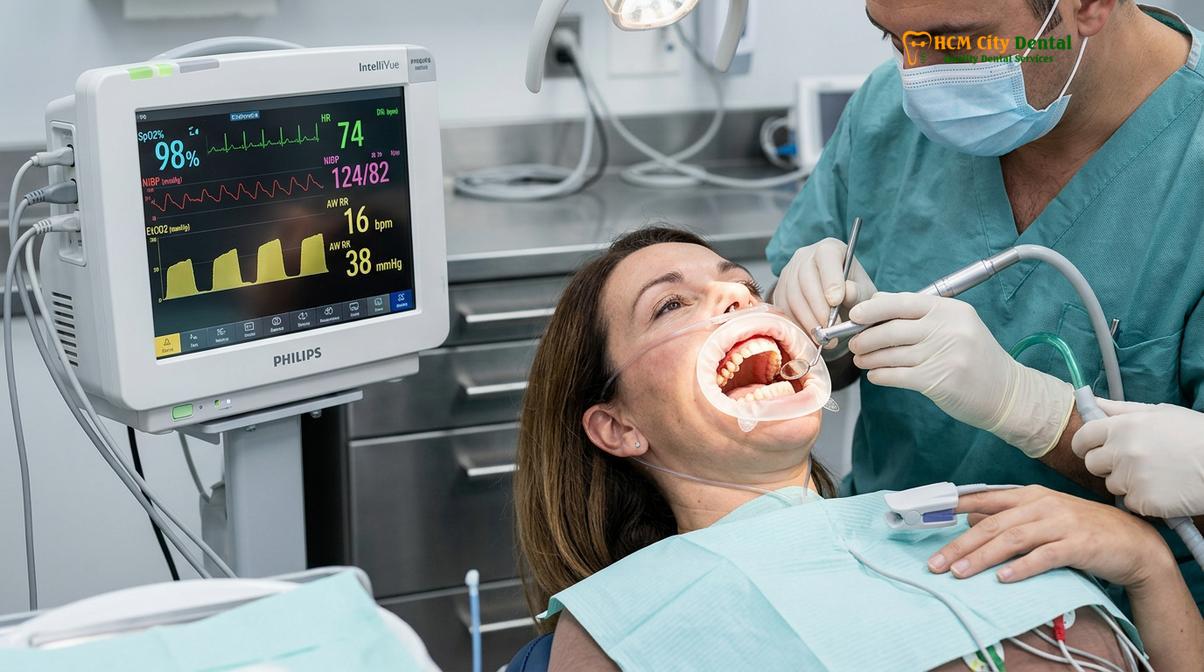
The pharmacological agents used for oral sedation protocols and intravenous sedation in Vietnam are identical to those used in South Korea, the United States, and Europe. Medications such as Midazolam, Propofol, and Dexmedetomidine are sourced from reputable global pharmaceutical manufacturers. The administration of these drugs is strictly controlled and performed exclusively by licensed, board-certified anesthesiologists who specialize in maxillofacial and dental surgeries[3].
Clinical Safety Warning: Intravenous sedation should never be administered by a solo practitioner who is simultaneously performing complex dental surgery. International standards dictate the presence of a dedicated, qualified anesthesiologist or specialized sedation nurse to continuously monitor the patient’s airway and vital signs while the dental surgeon focuses entirely on the procedure.
According to Dr. Nguyen Van Cuong, a leading specialist in complex oral rehabilitations, patient safety is the absolute cornerstone of any sedation program. “At our facilities, we do not compromise on physiological monitoring,” notes Dr. Cuong. “During any moderate to deep sedation procedure, patients are continuously monitored using electrocardiography (ECG), pulse oximetry, non-invasive blood pressure cuffs, and, crucially, capnography to measure end-tidal carbon dioxide. This level of monitoring is the international gold standard and is non-negotiable in our practice.”
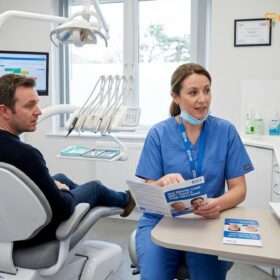
Before any sedation is administered, patients undergo a comprehensive medical evaluation. This includes a detailed review of their medical history, current medications, and a physical assessment of their airway. Clinics often utilize tools like the clinical dental anxiety scale to objectively measure the patient’s level of fear and tailor the sedation protocol accordingly, ensuring a personalized and highly safe experience.
Why Vietnam Offers Better Value
Vietnam provides superior financial value by combining low operational overhead with highly skilled, internationally trained dental specialists, allowing for comprehensive, stress-free care packages.
Value in healthcare is defined by the intersection of clinical quality, patient experience, and financial cost. While South Korea offers exceptional quality, the high costs significantly diminish the overall value proposition for international patients paying out-of-pocket. Vietnam, conversely, excels in maximizing this value equation. The economic structure of Vietnam allows clinics to offer world-class care at a fraction of the price, but the value extends far beyond mere cost savings.
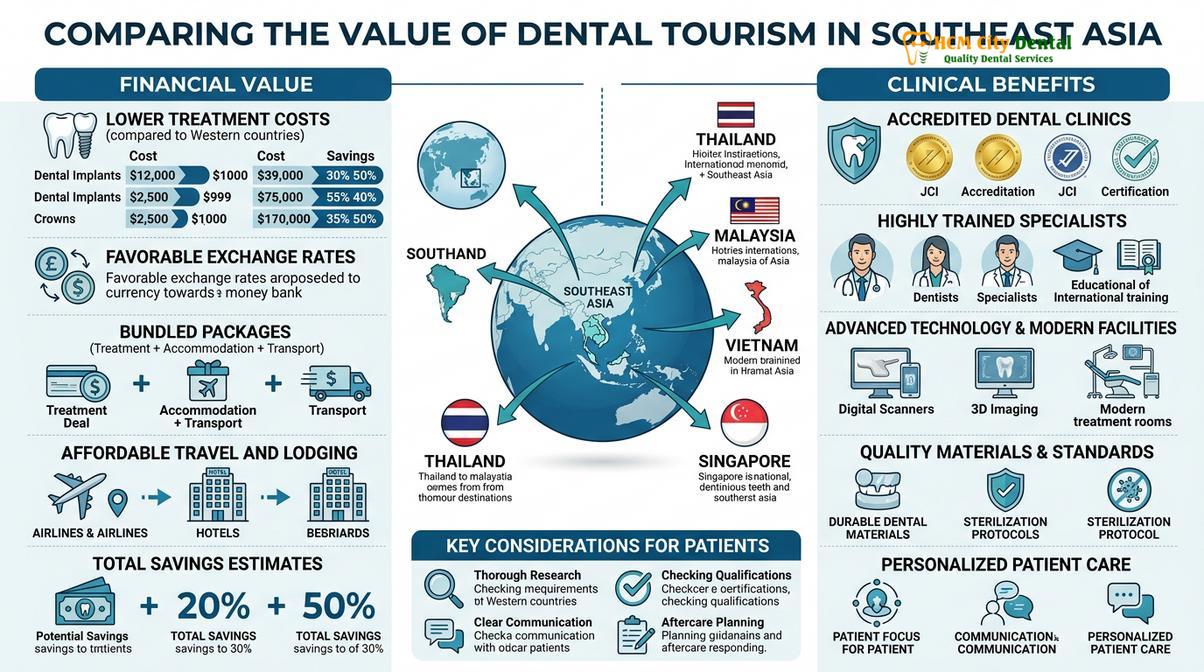
Many of the leading dental specialists in Vietnam have completed extensive postgraduate training and fellowships internationally—often in South Korea, the United States, France, or Australia. This cross-pollination of medical education ensures that Vietnamese dentists are well-versed in the latest global techniques, digital workflows, and aesthetic philosophies. When you visit a premium facility like HCMC Dental Clinic in Ho Chi Minh City, you are treated by clinicians whose expertise rivals their international counterparts.
Patient Case Study: Full-Mouth Rehabilitation
A 52-year-old expatriate patient presented to HCMC Dental Clinic in Ho Chi Minh City with severe dental phobia and failing dentition. The patient required bilateral sinus lifts, bone grafting, and the placement of six dental implants. In South Korea, the quoted price for this treatment plan, including IV sedation, exceeded $22,000. By choosing to undergo the procedure in Vietnam, the patient received identical premium Swiss implants and was managed under deep IV sedation by a dedicated anesthesiologist. The total cost was approximately $8,500. The patient reported zero intraoperative pain and no memory of the surgery, highlighting the profound effectiveness and value of the sedation protocol.
Furthermore, the integration of advanced technology in Vietnamese clinics contributes to this value. The use of 3D Cone Beam Computed Tomography (CBCT), intraoral scanners, and computer-guided implant surgery reduces operative time and surgical trauma. Shorter, more precise surgeries mean less time under sedation, which inherently reduces pharmacological risks and accelerates postoperative recovery[4].
Dr. Nguyen Van Cuong emphasizes that the goal is not just to provide affordable care, but to fundamentally change the patient’s relationship with dentistry. “By removing the financial barriers to effective sedation, we empower patients to seek the comprehensive care they desperately need. We provide them with strategies to overcome dental fear, ensuring that their journey to oral health is comfortable, dignified, and economically viable.”
When to See a Doctor
Determining whether you are a suitable candidate for sedation dentistry requires a thorough clinical evaluation. Sedation is not a one-size-fits-all solution; it is a medical intervention that must be carefully matched to the patient’s physiological status and psychological needs. It is crucial to consult with a qualified dental professional to discuss your specific situation and determine the safest path forward.
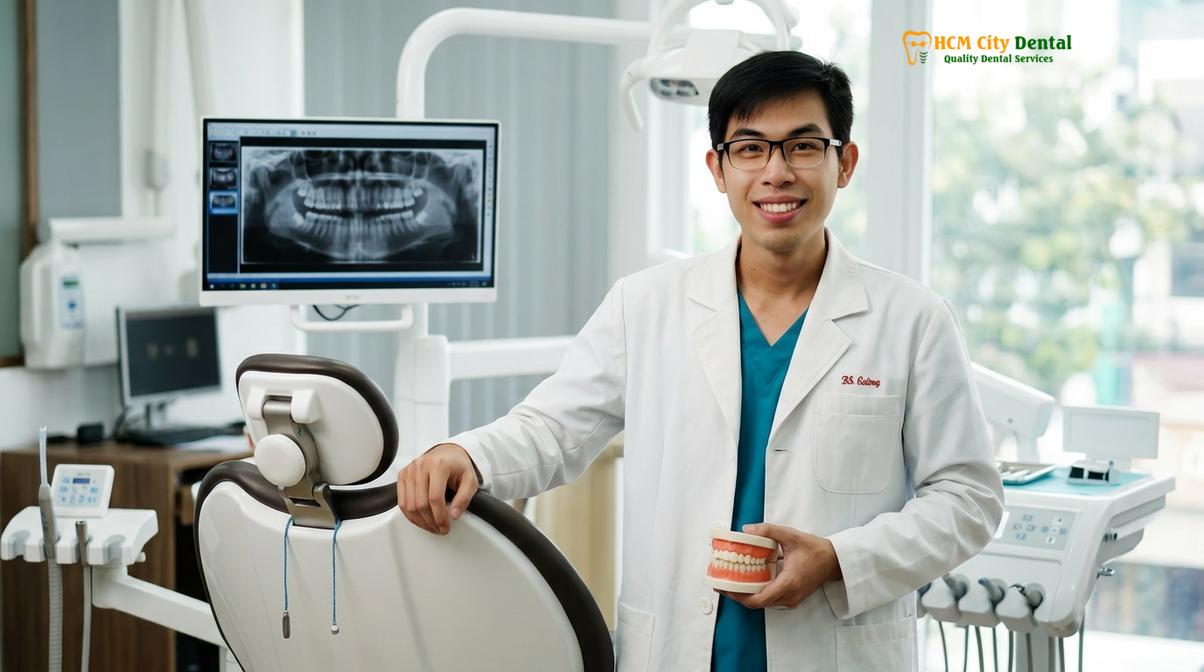
You should strongly consider scheduling a consultation for sedation dentistry if you experience any of the following:
- Severe Dental Phobia: If the mere thought of visiting the dentist triggers panic attacks, insomnia, or overwhelming anxiety, preventing you from seeking necessary care. It is important to understand the clinical nuances when distinguishing between dental phobia and anxiety.
- Extensive Treatment Needs: If you require complex, multi-hour procedures such as full-arch implant placement, multiple surgical extractions, or extensive bone grafting. Sedation allows the surgeon to complete more work in a single visit.
- Hyperactive Gag Reflex: If you have a severe gag reflex that makes routine dental work, impressions, or even basic examinations intolerable.
- Local Anesthesia Resistance: If you have a documented history of difficulty achieving profound numbness with standard local anesthetic injections.
- Physical or Cognitive Limitations: If you have conditions that make it difficult to sit still for extended periods or comply with the dentist’s instructions during the procedure.
“The decision to utilize conscious or deep sedation must be predicated on a rigorous preoperative assessment. While highly effective for managing severe anxiety and facilitating complex surgeries, sedation carries inherent physiological impacts. Patient selection, comprehensive medical history review, and airway assessment are paramount to ensuring a safe and predictable outcome.”
Conversely, there are specific contraindications where sedation may not be advisable, or where it requires management in a hospital setting rather than a private clinic. Patients with severe chronic obstructive pulmonary disease (COPD), uncontrolled hypertension, significant cardiovascular disease, or those who are currently pregnant must undergo strict medical clearance. Always be completely transparent with your dental team about your medical history, current medications, and any dental anxiety symptoms you are experiencing[5].
Frequently Asked Questions
Is sedation dentistry cheaper in Vietnam or South Korea?
Yes, sedation dentistry is significantly cheaper in Vietnam compared to South Korea. Patients can expect to save between 60% and 75% on both the sedation administration fees and the underlying dental procedures, primarily due to lower operational and facility overhead in Vietnam. While a session of IV sedation in Seoul might cost over $1,000, the same protocol in Ho Chi Minh City typically ranges from $200 to $600.
Is the quality of sedation dentistry in Vietnam comparable to Korea?
Absolutely, the clinical quality is highly comparable. Top-tier Vietnamese dental hospitals utilize the exact same FDA-approved sedative medications, advanced vital sign monitoring equipment, and strict international safety protocols as premium clinics in Seoul. The procedures are overseen by board-certified anesthesiologists, ensuring that patient safety and clinical outcomes meet rigorous global standards.
Do Vietnamese dental clinics use the same sedation drugs as Korean clinics?
Yes, specialized dental clinics in Vietnam use identical pharmacological agents. This includes Midazolam and Propofol for intravenous sedation, as well as standard Nitrous Oxide and Oxygen mixtures for inhalation sedation, ensuring predictable and safe patient management. The sourcing of these medications is strictly regulated by the Ministry of Health to ensure purity and efficacy.
Can I combine dental tourism with a Vietnam vacation?
Yes, combining dental care with a vacation is a primary reason patients choose Vietnam. Because sedation allows for multiple complex procedures to be completed in a single long appointment, patients have ample recovery time to enjoy their travel itinerary. Clinics often assist with scheduling to ensure that the surgical phases are completed early, allowing for a relaxing recovery period.
How do I book a sedation dentistry consultation in Ho Chi Minh City?
Booking a consultation is straightforward through our international patient coordination team. You can submit your dental records and panoramic X-rays online for an initial clinical review, after which we will outline your customized sedation and treatment plan. Our team at HCMC Dental Clinic will guide you through the entire process, from travel logistics to preoperative instructions.
References
- Journal of Oral and Maxillofacial Surgery. Patient safety in dental sedation and anesthesia. (2021).
- International Journal of Oral and Maxillofacial Surgery. Intravenous conscious sedation protocols for complex oral surgery. (2020).
- British Dental Journal. Nitrous oxide inhalation sedation in dentistry: a review of safety. (2019).
- Journal of the American Dental Association. Patient satisfaction and anxiety levels under conscious sedation. (2022).
- Clinical Oral Investigations. Safety and recovery profiles of conscious sedation vs general anesthesia. (2018).
For pricing, booking, and a free clinical assessment, visit our Sedation Dentistry service page at HCMC Dental Clinic in Ho Chi Minh City.