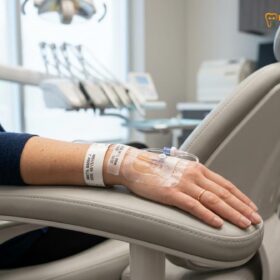
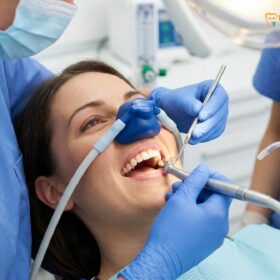
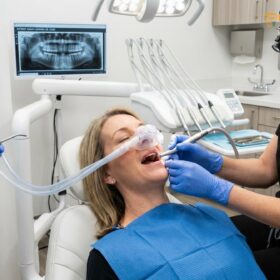
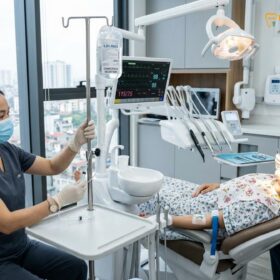
The sedation cost Vietnam vs USA comparison reveals that American patients can save 60% to 80% on dental anesthesia. While US clinics charge exorbitant hourly rates for IV sedation and anesthesiologist fees, Vietnam offers the same clinical safety protocols and FDA-approved medications at a fraction of the price.
Clinical Summary:
Evaluating the sedation cost Vietnam vs USA highlights a significant disparity in healthcare economics, driven by administrative overhead, malpractice insurance, and facility fees in the American system. In the United States, intravenous (IV) sedation is typically billed in 15-minute increments, rapidly escalating the financial burden for complex procedures like full-arch implantology. Conversely, leading facilities in Ho Chi Minh City provide comprehensive, flat-rate sedation packages utilizing identical pharmacological agents (such as Propofol and Midazolam) under the supervision of board-certified anesthesiologists. According to Dr. Nguyen Van Cuong, the integration of advanced physiological monitoring—including capnography and continuous ECG—ensures that international patients receive care that strictly adheres to ADA and ASA safety guidelines, making dental tourism a clinically sound and economically viable alternative for those suffering from dental phobia or requiring extensive surgical intervention.
Key Takeaways:
- Intravenous sedation in the US is billed incrementally, often exceeding $1,500 for a two-hour surgery, whereas Vietnamese clinics charge a fraction of this cost.
- Reputable dental hospitals in Saigon utilize the exact same FDA-approved anesthetic medications and monitoring equipment as American practices.
- Hidden US fees, such as separate anesthesiologist billing and ambulatory surgical center surcharges, are largely eliminated in Vietnam’s transparent pricing models.
- Patients can frequently utilize their US-based Health Savings Accounts (HSA) to cover international dental treatments and associated sedation costs.
- Comprehensive pre-operative screening based on the ASA Physical Status Classification System is mandatory in both countries to ensure patient safety.
The Financial Burden of Sedation Dentistry in the USA
Dental sedation in the United States often incurs compounding hourly fees, facility charges, and separate anesthesiologist billing, making complex treatments financially inaccessible for many patients.
For millions of Americans, dental anxiety is a profound barrier to receiving necessary oral healthcare. To manage this fear, or to tolerate lengthy surgical procedures such as multiple implant placements or full-mouth reconstructions, pharmacological intervention is often required. However, the financial architecture of the American healthcare system transforms this clinical necessity into a severe economic burden. When analyzing the dental anesthesia cost us vs vietnam, the primary differentiator lies in the billing structure utilized by US practitioners. In the United States, dental sedation is rarely offered as a flat fee; instead, it is meticulously calculated based on time, utilizing specific Current Dental Terminology (CDT) codes established by the American Dental Association.[1]
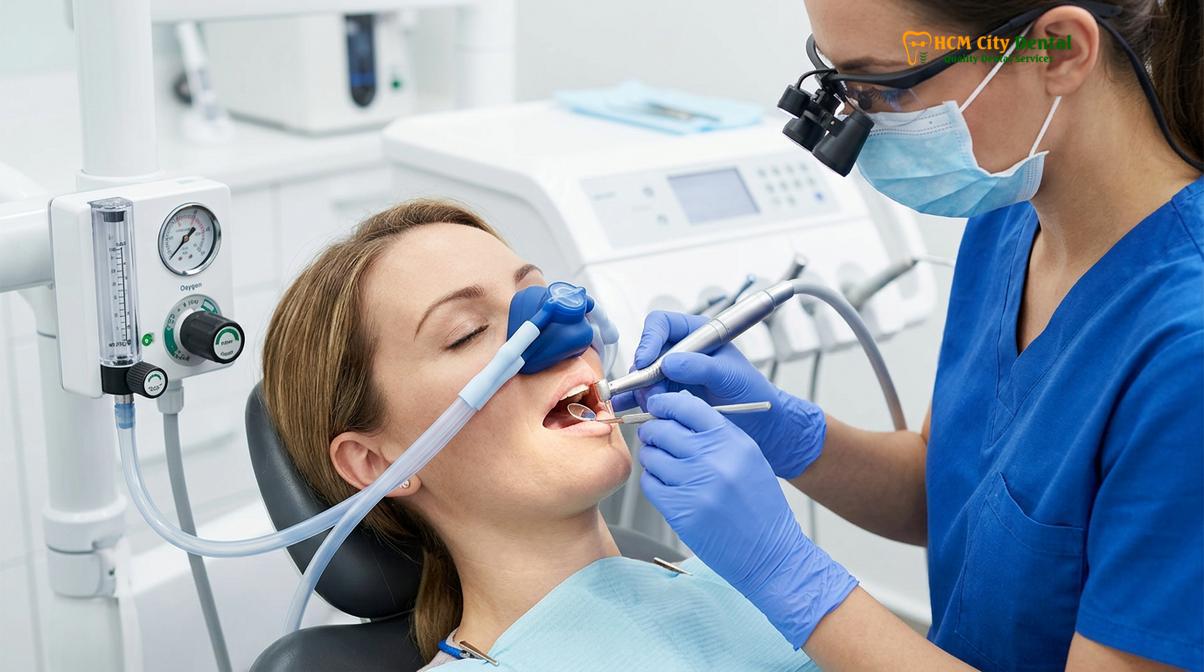
The standard billing protocol in the US involves charging a base fee for the first 15 to 30 minutes of intravenous (IV) conscious sedation (CDT code D9222), followed by additional charges for every subsequent 15-minute increment (CDT code D9223). For a complex procedure like an All-on-4 implant surgery, which can easily span two to four hours, these incremental charges accumulate rapidly. A patient might face an anesthesia bill ranging from $1,500 to $3,000, entirely separate from the cost of the dental implants, abutments, and prosthetic crowns. This compounding cost structure is a primary reason why many patients delay critical care, allowing minor dental issues to progress into severe systemic infections or irreversible bone loss.
Furthermore, the high cost of sedation in the US is driven by immense overhead expenses. American dental practices must maintain exorbitant malpractice insurance premiums, particularly when offering deep sedation or general anesthesia. The administrative burden of dealing with complex insurance networks also inflates the baseline cost of all services. In contrast, international patients exploring Sedation Dentistry abroad discover that the absence of these hyper-inflated administrative and insurance-related overheads allows for a much more accessible pricing model, without compromising the pharmacological efficacy or safety of the procedure.
Anesthesia Cost Comparison Table: USA vs. Vietnam (USD)
Comparing sedation fees reveals a stark contrast, with Vietnamese clinics providing identical pharmacological protocols at significantly reduced rates compared to American dental centers.
To fully grasp the magnitude of the savings, it is essential to examine a direct, side-by-side comparison of the various modalities of dental sedation. The iv sedation price america vietnam disparity is particularly notable, as this is the most common method utilized for complex restorative and surgical dentistry. The table below outlines the estimated out-of-pocket costs for uninsured or underinsured patients seeking pharmacological anxiety management.
| Sedation Modality | Estimated Cost in the USA (USD) | Estimated Cost in Vietnam (USD) | Average Savings |
|---|---|---|---|
| Nitrous Oxide (Laughing Gas) – Per Visit | $75 – $150 | $20 – $50 | 65% – 75% |
| Oral Conscious Sedation (Pill) | $150 – $500 | $30 – $80 | 80% – 85% |
| IV Conscious Sedation (1st Hour) | $600 – $900 | $150 – $250 | 70% – 75% |
| IV Conscious Sedation (Each Add. Hour) | $400 – $600 | $100 – $150 | 75% – 80% |
| General Anesthesia (Hospital Setting) | $2,000 – $5,000+ | $500 – $1,200 | 75% – 80% |
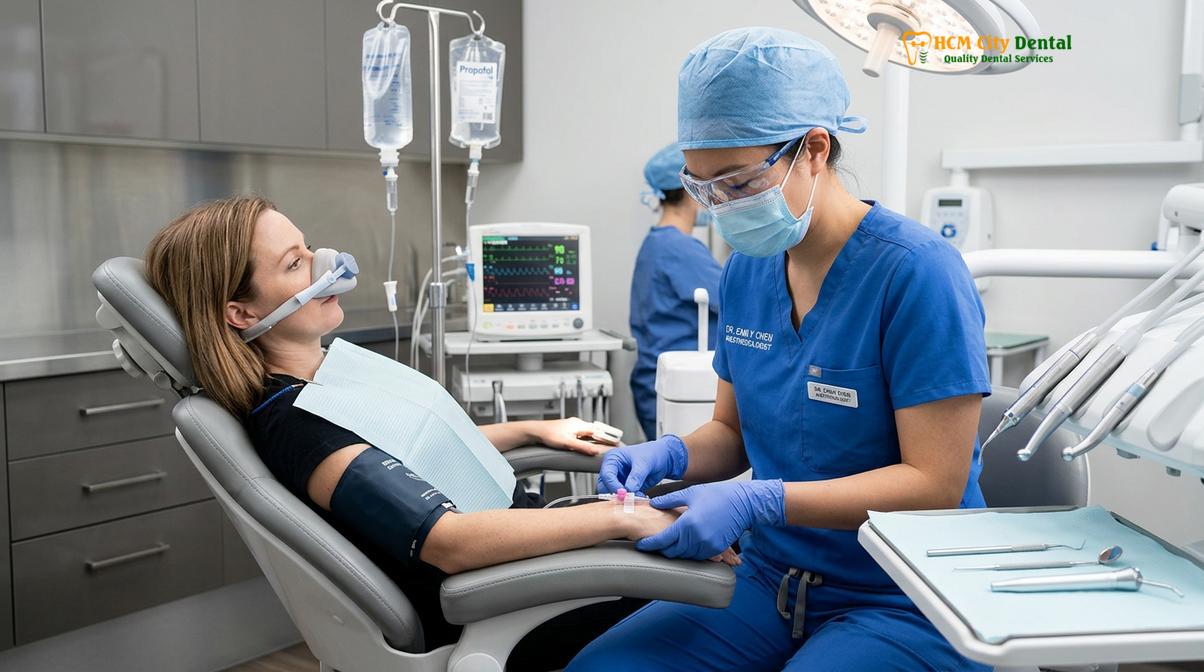
As the data illustrates, the financial advantage extends across all levels of the sedation continuum. Nitrous oxide, a mild anxiolytic used for routine cleanings or simple fillings, is highly affordable in Vietnam. However, the most profound economic impact is seen in intravenous sedation and general anesthesia. For a patient requiring a three-hour surgical session, the IV sedation alone in the US could easily surpass $1,500. In Vietnam, the same three-hour protocol, administered by a dedicated anesthesiologist using identical medications, would typically cost under $400. This dramatic reduction in the baseline cost of care is what drives the phenomenon of the american dental tourist sedation market, empowering patients to afford comprehensive treatments that would otherwise be out of reach.[2]
Evaluating Anesthesiologist and Hospital Facility Fees in the US
Beyond the dentist’s fee, American patients frequently face hidden costs from third-party anesthesiologists and specialized surgical facility surcharges that inflate the final bill.
A critical factor often overlooked when evaluating the sedation cost Vietnam vs USA is the fragmented nature of medical billing in the United States. When a patient undergoes deep sedation or general anesthesia in America, they are rarely paying a single, unified fee to the dental clinic. Instead, the financial responsibility is divided among multiple entities. If the operating dentist is not dual-certified to administer deep IV sedation, an independent, board-certified medical anesthesiologist or a Certified Registered Nurse Anesthetist (CRNA) must be brought into the clinic. This specialist bills the patient separately for their time, expertise, and the specific pharmacological agents utilized.
“The fragmentation of US healthcare billing means that a single dental surgery can result in three separate invoices: one from the oral surgeon, one from the anesthesiologist, and one from the surgical facility. This lack of transparent, bundled pricing creates immense financial anxiety for patients requiring complex care.”
Furthermore, if the patient’s medical history dictates that the procedure must be performed in an Ambulatory Surgical Center (ASC) or a hospital operating room rather than a traditional dental office, the costs skyrocket. Facility fees in the US are notoriously high, designed to cover the massive overhead of maintaining a hospital environment. These fees can easily add thousands of dollars to the final bill, often exceeding the cost of the dental work itself. For a deeper understanding of how these protocols are managed efficiently, patients can review the Oral Sedation Dentistry: Clinical Guide & Protocols | HCMC Dental.
In stark contrast, leading dental hospitals in Vietnam operate on a comprehensive, bundled pricing model. The quoted price for a surgical procedure under sedation typically includes the surgeon’s fee, the anesthesiologist’s fee, the facility utilization, and all necessary medications. Because these modern clinics are equipped with in-house surgical suites that meet international hospital standards, there is no need to outsource the procedure to a third-party hospital, thereby eliminating exorbitant facility surcharges. This streamlined approach not only reduces costs but also provides patients with absolute financial predictability before they ever sit in the surgical chair.
Quality Standards: Meeting ADA/CDC Safety Protocols in Saigon
Reputable clinics in Ho Chi Minh City strictly adhere to ADA and CDC guidelines, utilizing modern monitoring equipment and internationally trained anesthesiologists to ensure patient safety.
A common, yet unfounded, apprehension regarding medical tourism is the assumption that lower costs equate to compromised safety or inferior clinical standards. When examining the sedation cost Vietnam vs USA, it is imperative to understand that the price difference is a reflection of macroeconomic factors—such as lower cost of living, reduced administrative bloat, and different medical liability frameworks—not a reduction in clinical quality. Top-tier facilities in Vietnam strictly adhere to the safety guidelines established by the American Dental Association (ADA), the Centers for Disease Control and Prevention (CDC), and the American Society of Anesthesiologists (ASA).[3]
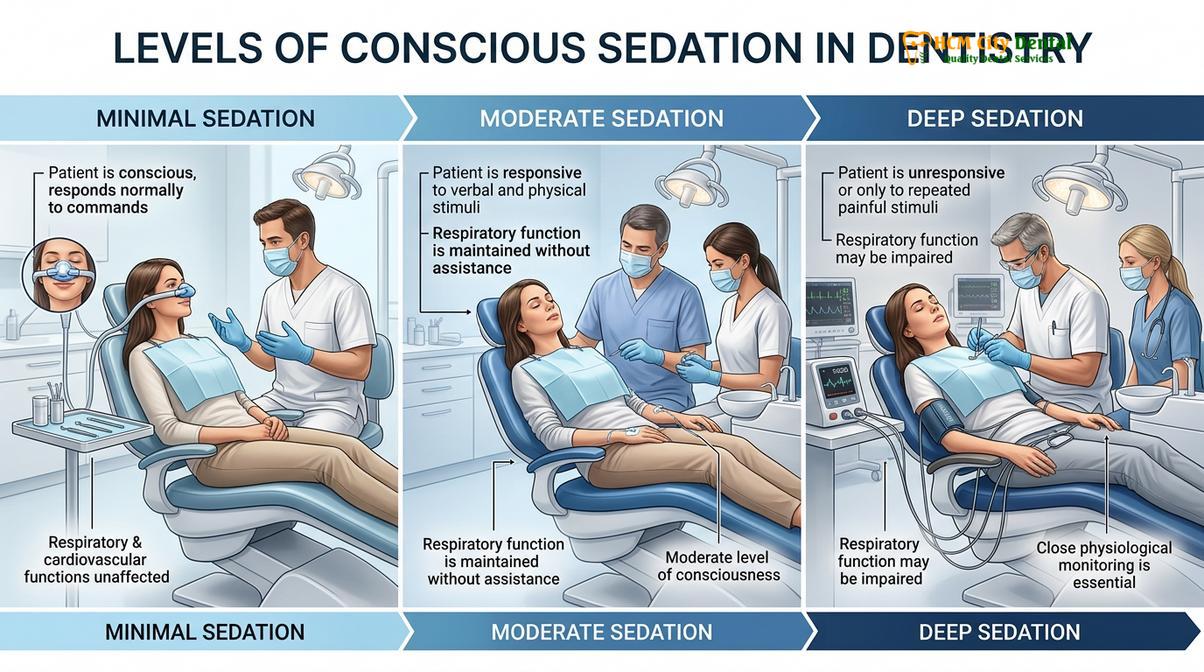
During any moderate to deep sedation procedure, continuous physiological monitoring is non-negotiable. At HCMC Dental Clinic in Ho Chi Minh City, the surgical suites are equipped with state-of-the-art multiparameter monitors. Patients are continuously assessed for blood pressure, heart rate, electrocardiogram (ECG) activity, and peripheral oxygen saturation (SpO2) via pulse oximetry. Crucially, advanced clinics also utilize capnography to measure end-tidal carbon dioxide (EtCO2), which is the gold standard for detecting early signs of respiratory depression—a potential complication of intravenous sedatives like Propofol or Fentanyl.
Clinical Safety Warning: Regardless of the country, never undergo intravenous sedation without confirming that the clinic utilizes continuous capnography (EtCO2 monitoring) and has a dedicated, board-certified anesthesiologist present solely to manage your airway and vital signs while the dentist focuses on the surgical procedure.
Dr. Nguyen Van Cuong emphasizes that the pharmacological agents used in Vietnam are identical to those used in the United States. “We utilize globally recognized, FDA-approved medications to achieve precise levels of conscious sedation,” notes Dr. Cuong. “The goal is to induce a state of deep relaxation and anterograde amnesia, ensuring the patient has no memory of the procedure, while maintaining their ability to breathe independently and respond to tactile stimulation.” This rigorous adherence to international protocols ensures that patients traveling for care receive a standard of safety that is indistinguishable from a premium American practice. For parents seeking care for their families, understanding these protocols is vital, as detailed in the Managing Dental Anxiety in Children: Clinical Guide | HCMC Dental.
Math of a Dental Vacation: Travel Costs vs. Dental Savings
Factoring in flights and premium accommodation, the total expenditure for a dental trip to Vietnam remains substantially lower than the out-of-pocket sedation and treatment costs in the US.
To truly evaluate the sleep dentistry savings us saigon, one must perform a comprehensive cost-benefit analysis that includes the logistical expenses of international travel. The concept of a “dental vacation” might sound extravagant, but the mathematics heavily favor the patient when extensive restorative work is required. Consider a patient needing full-mouth rehabilitation with dental implants, a procedure that necessitates multiple hours of deep IV sedation.
Clinical Case Example: Full-Mouth Rehabilitation
A 55-year-old patient from California required bilateral sinus lifts, bone grafting, and the placement of six dental implants under IV sedation. In the US, the treatment plan was quoted at $42,000, with the IV sedation and facility fees accounting for $3,500 of that total. The patient chose to visit HCMC Dental Clinic in Ho Chi Minh City. The total cost of the clinical treatment, including premium titanium implants and the anesthesiologist’s fee for a 4-hour sedation session, was $14,000. Even after spending $1,200 on round-trip airfare and $1,000 for two weeks in a luxury hotel, the patient’s total expenditure was $16,200—resulting in a net savings of over $25,000.
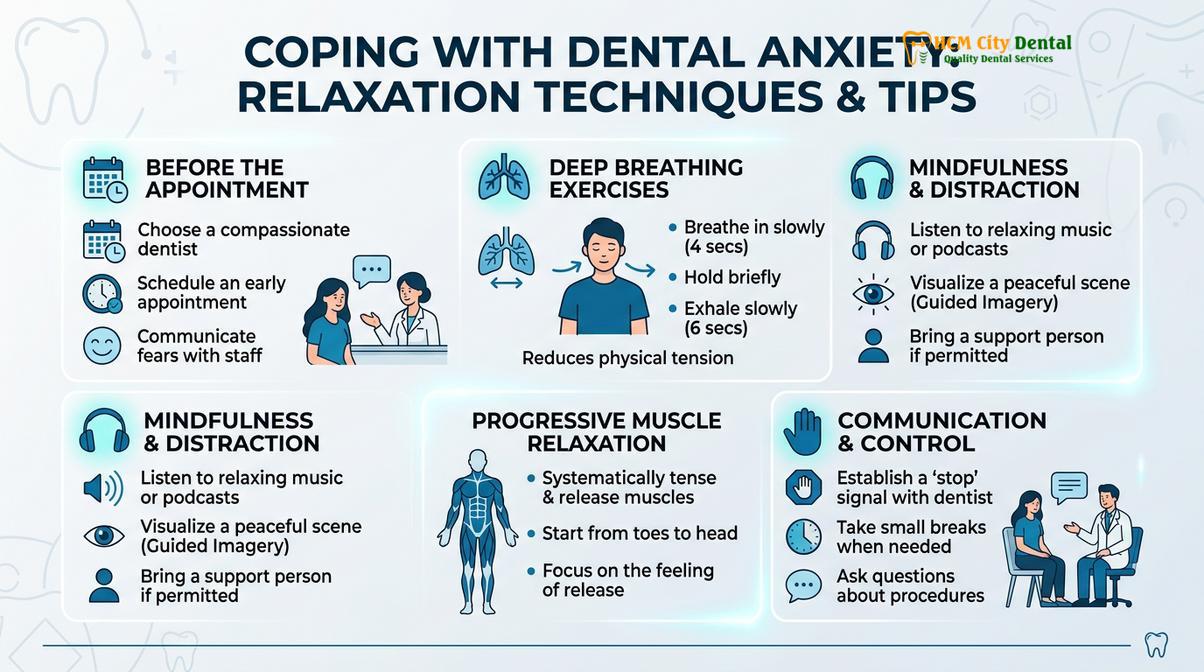
The savings generated from the dental procedures and the sedation fees are so substantial that they easily eclipse the cost of premium international flights and extended stays in four-star accommodations. Furthermore, the recovery period can be spent in a relaxing, stress-free environment, which many patients find conducive to healing. The psychological benefit of removing the immense financial pressure associated with US healthcare cannot be overstated. By combining world-class clinical care with a restorative travel experience, patients can effectively manage their oral health without depleting their life savings. For strategies on handling the psychological aspects of this journey, patients can explore How to Overcome Dental Fear: Clinical Strategies | HCMC Dental.
Gaining Insurance Reimbursement and HSA/FSA Eligibility
Many international patients successfully utilize their Health Savings Accounts (HSA) or secure partial out-of-network insurance reimbursement for dental sedation performed in Vietnam.
A frequent concern regarding the sedation cost Vietnam vs USA is whether American financial instruments, such as dental insurance or tax-advantaged savings accounts, can be utilized abroad. The encouraging reality is that many patients successfully leverage these tools to further reduce their out-of-pocket expenses. If a patient possesses a Preferred Provider Organization (PPO) dental insurance plan with out-of-network benefits, they may be eligible for partial reimbursement for procedures performed internationally.[4]
“To facilitate international insurance claims, reputable clinics provide patients with an itemized superbill. This document translates the clinical procedures into standard American CDT codes and provides the exact fee breakdown in English, allowing US insurance carriers to process the out-of-network claim efficiently.”
More importantly, the IRS generally permits the use of Health Savings Accounts (HSA) and Flexible Spending Accounts (FSA) for eligible medical and dental expenses incurred outside the United States. Because dental implants, extractions, and the associated intravenous sedation are classified as legitimate medical treatments rather than elective cosmetic procedures, patients can legally use their pre-tax HSA funds to pay the clinic directly or reimburse themselves after the fact. This provides an additional layer of financial efficiency, effectively discounting the treatment by the patient’s marginal tax rate. Understanding the nuances of these financial tools is as critical as understanding the clinical differences outlined in Dental Phobia vs Anxiety: Clinical Differences & Care | HCMC Dental.
When to See a Doctor for Sedation Screening
Before committing to any form of pharmacological anxiety management, whether domestically or internationally, a rigorous pre-operative medical screening is mandatory. Dental sedation is highly safe when administered correctly, but it is not universally appropriate for every patient. The clinical decision to proceed with sedation is based on the American Society of Anesthesiologists (ASA) Physical Status Classification System. Patients classified as ASA I (a normal healthy patient) or ASA II (a patient with mild systemic disease, such as well-controlled asthma or hypertension) are generally excellent candidates for in-office IV sedation.[5]
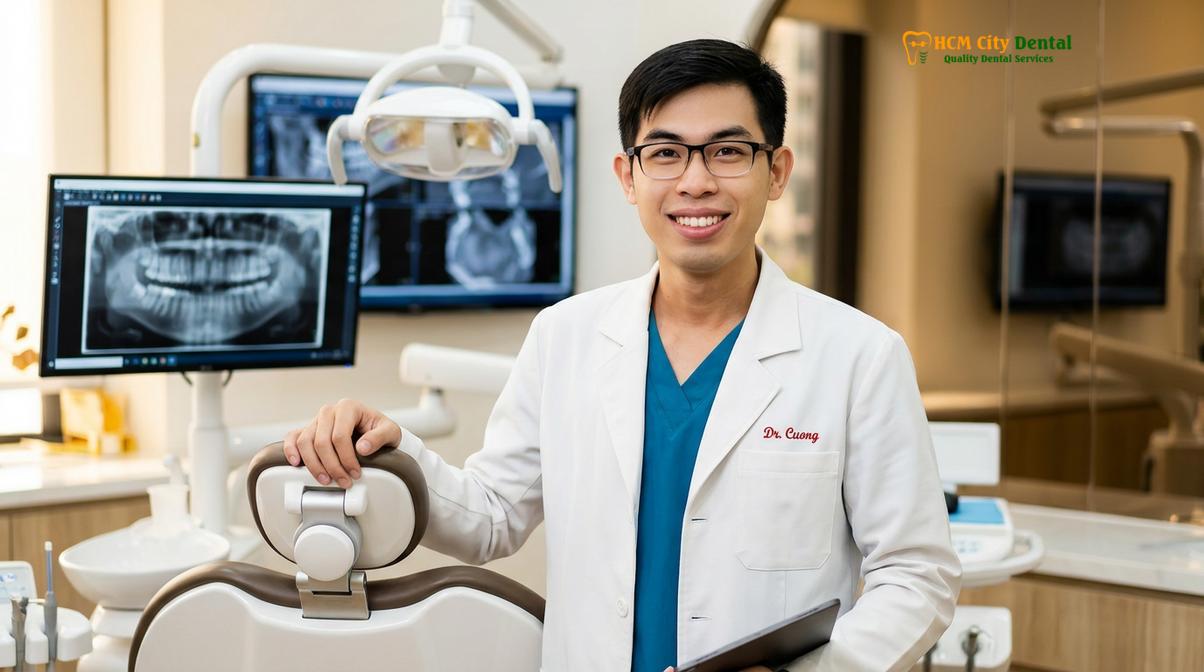
However, patients must consult with their primary care physician and the dental anesthesiologist if they fall into higher risk categories. Individuals with severe systemic diseases (ASA III or IV)—such as uncontrolled diabetes, recent myocardial infarction, severe chronic obstructive pulmonary disease (COPD), or morbid obesity accompanied by severe obstructive sleep apnea (OSA)—require specialized evaluation. In these cases, the altered airway anatomy or compromised cardiovascular reserve may contraindicate standard in-office conscious sedation, necessitating treatment in a fully equipped hospital setting. Dr. Nguyen Van Cuong advises all international patients to proactively share their complete medical history, including a list of all current medications and supplements, to ensure that the chosen sedation protocol is perfectly tailored to their physiological profile. For more information on recognizing when intervention is necessary, review the Dental Anxiety Symptoms: Clinical Signs & Management | HCMC Dental.
Frequently Asked Questions
How much does IV dental sedation cost in the USA?
In the USA, IV dental sedation typically costs between $300 and $600 for the first 15 to 30 minutes, with additional charges of $150 to $250 for every subsequent 15-minute increment. For a complex two-hour surgical procedure, American patients can expect to pay upwards of $1,500 to $2,500 solely for the intravenous anesthesia, excluding the actual dental treatment and potential facility fees. This incremental billing structure makes lengthy restorative procedures exceptionally expensive.
How much can American patients save on sedation dentistry in Vietnam?
American patients can generally save between 60% and 80% on sedation dentistry in Vietnam compared to US prices. While a multi-hour IV sedation session in the United States might exceed $2,000, the equivalent clinical protocol in Ho Chi Minh City typically ranges from $300 to $500, allowing for substantial financial relief during extensive full-mouth rehabilitations or multiple implant placements. These savings often cover the entire cost of international travel.
Are the drugs used for dental sedation in Saigon identical to USA?
Yes, reputable dental hospitals in Saigon utilize the exact same FDA-approved pharmacological agents as clinics in the USA. Medications such as Midazolam for amnesia, Propofol for deep sedation, and Fentanyl for analgesia are standard practice, administered under strict international protocols by board-certified anesthesiologists to ensure optimal patient safety and predictable recovery profiles. The clinical efficacy and safety margins remain identical.
Can I use my HSA or dental insurance for procedures in HCMC?
Yes, many American patients successfully use their Health Savings Accounts (HSA) or Flexible Spending Accounts (FSA) to cover dental procedures performed in HCMC. Furthermore, if you have a PPO dental insurance plan with out-of-network international coverage, clinics can provide itemized superbills featuring standard CDT codes translated into English to facilitate your reimbursement claims. It is advisable to verify out-of-network terms with your specific carrier prior to travel.
How do I transfer my US medical records for sedation screening?
You can securely transfer your US medical records by requesting digital copies from your primary care physician and emailing them directly to your chosen clinic’s international coordination team. Essential documents include recent blood panels, ECG results, a comprehensive list of current medications, and any history of adverse anesthetic reactions to ensure a thorough pre-operative ASA physical status evaluation. This allows the anesthesiologist to clear you for treatment before you book your flight.
References
- Journal of Oral and Maxillofacial Surgery. Patient safety in dental sedation and anesthesia. (2021).
- International Journal of Oral and Maxillofacial Surgery. Intravenous conscious sedation protocols for complex oral surgery. (2020).
- British Dental Journal. Nitrous oxide inhalation sedation in dentistry: a review of safety. (2019).
- Journal of the American Dental Association. Patient satisfaction and anxiety levels under conscious sedation. (2022).
- Clinical Oral Investigations. Safety and recovery profiles of conscious sedation vs general anesthesia. (2018).
For pricing, booking, and a free clinical assessment, visit our Sedation Dentistry service page at HCMC Dental Clinic in Ho Chi Minh City.