
Chances of HIV from Oral Sex: What You Need to Know | Dr. Cuong

✓ 8+ Yrs Experience
✓ 500+ Int'l Patients
✓ Nobel Biocare Certified
✓ English · Vietnamese
Clinical Summary
A clear, expert-backed answer on the chances of HIV from oral sex, including what increases risk and how to stay safe. Read now to understand the facts...
A clear, expert-backed answer on the chances of HIV from oral sex, including what increases risk and how to stay safe. Read now to understand the facts from a dental specialist.
As a dental specialist with many years of practice, one of the most sensitive and urgent questions patients ask relates to the risks associated with oral sex. I understand the anxiety and uncertainty that surrounds this topic. You are looking for clear, trustworthy information, and my goal here is to provide just that. At HCMCDental, we believe in empowering you with knowledge, so let’s directly address the question: What are the real chances of HIV from oral sex?
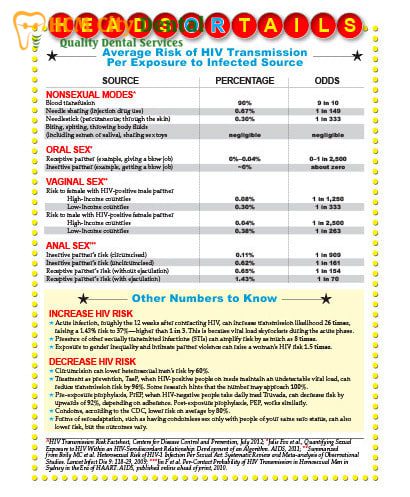
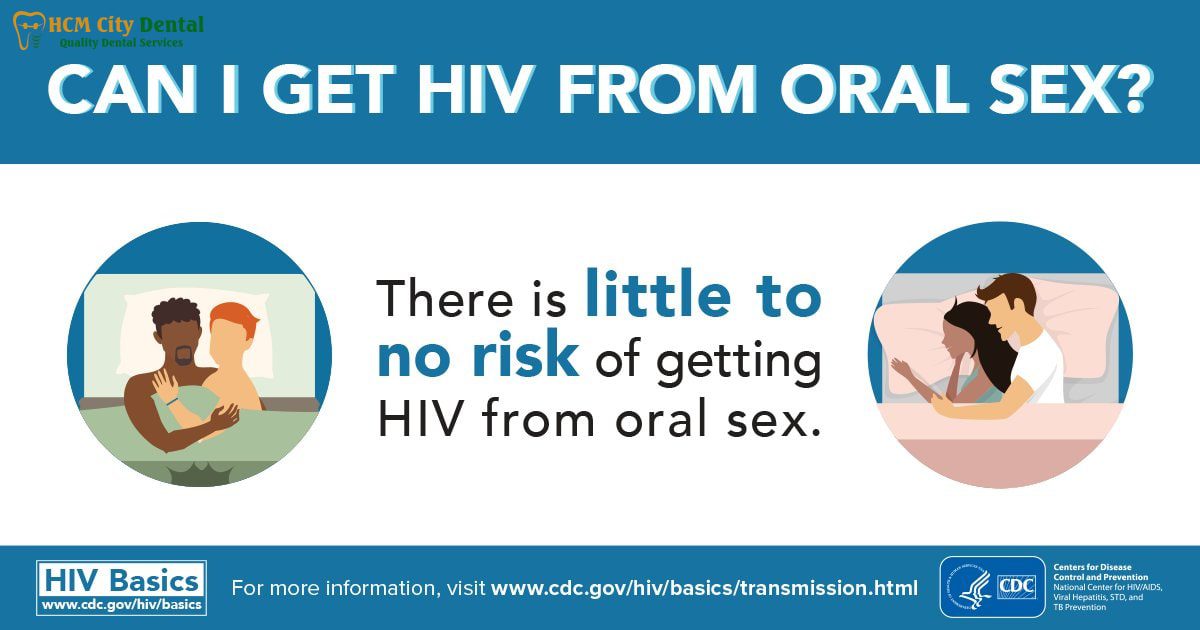
The short answer, supported by extensive research and public health bodies like the Centers for Disease Control and Prevention (CDC), is that the risk of transmitting HIV through oral sex is very low, but not zero. However, this simple statement doesn’t tell the whole story. The actual risk depends on several critical factors, many of which are directly related to oral health. In my experience treating thousands of patients, understanding these nuances is key to making informed decisions and protecting your well-being.
Understanding HIV Transmission: Why Is Oral Sex Considered Low Risk?
To grasp the chances of HIV from oral sex, it’s important to understand how the virus is transmitted. HIV is passed through specific bodily fluids—blood, semen, pre-seminal fluid, rectal fluids, and vaginal fluids—when they come into contact with a mucous membrane or damaged tissue. The mouth, while having a mucous membrane, possesses several natural defenses that make it a less hospitable environment for HIV transmission compared to the rectum or vagina.
Physiologically speaking, two main factors contribute to this lower risk:
- Salivary Enzymes: Saliva contains enzymes and proteins that actively inhibit HIV and break down the virus, reducing its ability to infect cells.
- Oral Tissue Structure: The lining of the mouth (oral mucosa) is thicker and more resilient than the lining of the rectum or vagina, making it a more robust barrier against the virus.
However, and this is a crucial point, these natural defenses can be compromised. When the integrity of the oral environment is weakened, the risk of HIV transmission through oral sex can increase.
chances of hiv from oral sex
Can Oral Sex Cause HIV? Differentiating Between Giving and Receiving
A common question I get from patients is whether it’s riskier to give or receive oral sex. The risk profile is different for each act, and understanding this is vital for a clear picture of HIV transmission oral sex dynamics.
Giving Oral Sex (Receptive Oral Sex)
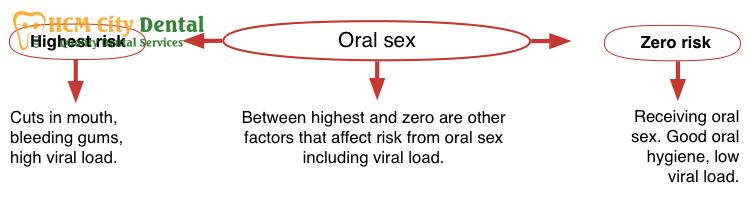
This involves putting your mouth on a partner’s genitals (penis, vagina, or anus). This is generally considered to carry a higher risk than receiving oral sex. The primary risk is exposure of your mouth and throat to your partner’s sexual fluids. If these fluids contain HIV and you have any breaks in your oral mucosa—such as cuts, sores, or inflamed gums—the virus has a potential pathway into your bloodstream. Ejaculation into the mouth increases the amount of virus present, which may elevate the risk.
Receiving Oral Sex (Insertive Oral Sex)
This involves a partner putting their mouth on your genitals. The risk of contracting HIV when receiving oral sex is extremely low. For transmission to occur, HIV from a partner’s mouth (for instance, through bleeding gums) would need to enter the urethra of the penis or any open sores on the genitals. There are very few documented cases of this happening.
In my clinical experience, the vast majority of concerns are from patients who have performed oral sex. While we always emphasize that the overall risk is low, we focus the conversation on identifying specific factors that could have compromised their oral health at the time of contact, as this is the most significant variable.
chances of hiv from oral sex
Key Factors That Increase the Risk of HIV Through Oral Sex
While the baseline risk is low, certain conditions can significantly increase the chances of HIV transmission during oral sex. As a dentist, I see these risk factors in my clinic every day, often in patients who are unaware of the connection. It is essential to understand that poor oral health directly impacts your risk.
Oral Health Conditions
- Bleeding Gums or Gingivitis: Inflamed, bleeding gums create an easy entry point for the virus. This is one of the most common conditions I see in my practice, and many people live with it unknowingly.
- Mouth Sores or Ulcers: Canker sores, herpes sores (cold sores), or any other type of ulcer create open wounds in the mouth, compromising its protective barrier.
- Recent Dental Work: Procedures like extractions, deep cleanings, or even vigorous flossing can cause temporary bleeding or tissue damage, increasing vulnerability.
- Throat Infections: Inflammation in the throat from other infections can also increase susceptibility.
Other Critical Factors
- Presence of Other STIs: Having another sexually transmitted infection (STI), either in the mouth or on the genitals, can cause inflammation and sores that facilitate HIV transmission.
- Partner’s Viral Load: The risk is directly linked to the amount of HIV in the infected person’s bodily fluids (viral load). A person with a high viral load is more infectious. Conversely, a person with HIV who is on effective antiretroviral therapy (ART) and has an undetectable viral load cannot transmit the virus sexually. This is a concept known as Undetectable = Untransmittable (U=U).
- Contact with Menstrual Blood: Menstrual blood can contain a higher concentration of the virus, increasing the risk if it comes into contact with the mouth.
A common scenario at our clinic involves a patient coming in for a routine check-up where we identify moderate gingivitis. When we discuss their overall health, they might mention concerns about STIs. It’s in these moments that we can connect the dots and explain how managing their gum health is not just about their teeth, but also about reducing their risk for other infections.
| Risk Factor | Why It Increases Risk | Expert Advice from Dr. Cuong |
|---|---|---|
| Giving Oral Sex (Receptive) | Higher potential for exposure to infectious fluids in the mouth. | This is where risk is concentrated. Be aware of your own oral health before engaging in this act. |
| Poor Oral Health | Bleeding gums, sores, or cuts provide a direct pathway for the virus to enter the bloodstream. | Regular dental check-ups are your first line of defense. Healthy gums are a stronger barrier. |
| Presence of other STIs | STIs can cause inflammation and sores, making HIV transmission easier. | Get regular STI screenings. Managing one aspect of your sexual health protects the others. |
| High Viral Load of Partner | More virus in bodily fluids means a higher chance of transmission. | Open communication with partners is key. A partner with an undetectable viral load poses no risk of sexual transmission. |
| Receiving Oral Sex (Insertive) | Extremely low risk; requires the virus to enter the urethra or sores on the genitals from a partner’s mouth. | While not zero-risk, this is considered a much safer activity from an HIV transmission perspective. |
chances of hiv from oral sex
What to Do After a Potential Exposure
If you believe you may have been exposed to HIV, it’s natural to feel worried. The most important thing is to act quickly and seek medical advice. Do not wait.
- Seek Immediate Medical Consultation: Contact a healthcare provider, sexual health clinic, or hospital emergency department immediately. Time is critical.
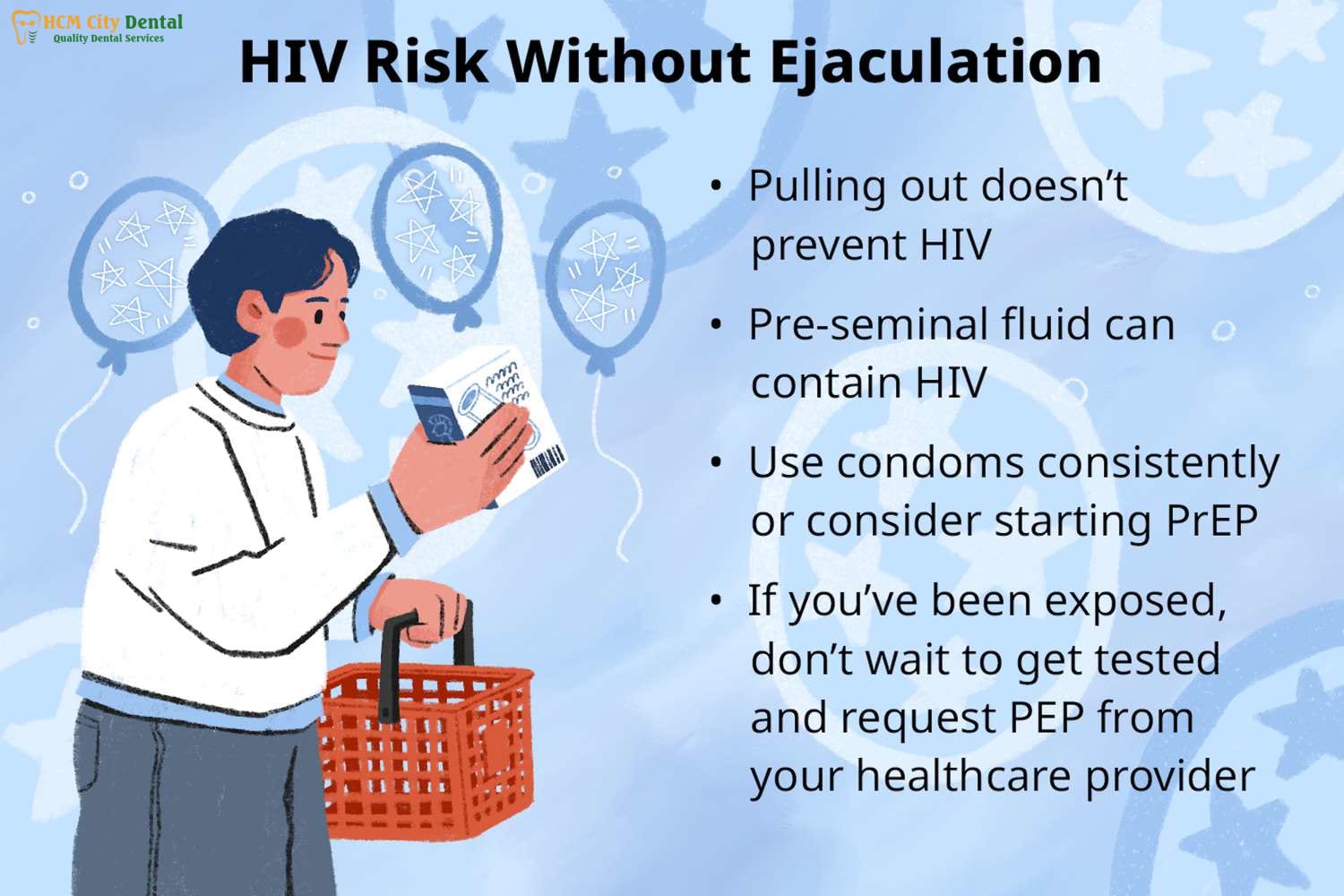
- Consider PEP (Post-Exposure Prophylaxis): PEP is a course of antiretroviral drugs that can prevent HIV infection after a potential exposure. To be effective, PEP must be started within 72 hours (3 days) of the exposure, and the sooner, the better. A doctor will assess your risk to determine if PEP is right for you. PEP is typically recommended for higher-risk exposures, but may be considered for oral sex if specific risk factors were present, such as ejaculation from a partner known to have a high viral load and the presence of significant oral wounds.
- Get Tested: You will need an HIV test before starting PEP and follow-up testing after completing the 28-day course.
A common mistake I see is people waiting too long out of fear or uncertainty. The 72-hour window for PEP is absolute. If you have any concern at all, it is always better to be evaluated by a medical professional immediately than to wait and wonder. Your peace of mind and health are paramount.
If you have questions about a potential exposure, don’t hesitate. Still have questions? Call our Hotline/WhatsApp now at +84853020003 for a direct, completely free consultation with Dr. Cuong!
chances of hiv from oral sex
Prevention: The Best Strategy for Your Health
While understanding the chances of contracting HIV through oral is important, focusing on prevention is the most empowering step you can take.
- Maintain Excellent Oral Hygiene: This is my primary advice as a dental specialist. Brush twice daily, floss every day, and attend regular dental check-ups. A healthy mouth with no bleeding gums or sores is a much stronger defense.
- Use Barrier Methods: Using condoms for fellatio and dental dams for cunnilingus or anilingus can significantly reduce the risk of HIV and other STIs.
- Have Open Conversations with Partners: Discussing sexual health and HIV status with partners is a cornerstone of prevention.
- Consider PrEP (Pre-Exposure Prophylaxis): If you are at ongoing risk for HIV, PrEP is a daily medication that is highly effective at preventing infection.
- Know Your Status and Your Partner’s: Regular testing for HIV and other STIs is a responsible part of being sexually active.
Your oral health is intrinsically linked to your overall health. Taking care of your mouth is a critical and often overlooked component of reducing your risk of HIV transmission. Ready to take control of your oral health? Book an appointment online now and get a 10% discount on your first visit!
chances of hiv from oral sex
Frequently Asked Questions (FAQ)
Can I get HIV from oral sex if I have bleeding gums?
Bleeding gums or any open sores in the mouth can increase the risk of HIV transmission, as they provide a potential entry point for the virus into your bloodstream. While the overall risk from oral sex remains low, this is one of the primary factors that can make it higher.
Does receiving oral sex carry an HIV risk?
The risk of contracting HIV from receiving oral sex is considered extremely low. Transmission would require the virus to pass from your partner’s mouth into your urethra or an open sore on your genitals, which is a very rare occurrence.
How does HIV transmission oral sex risk compare to other types of sex?
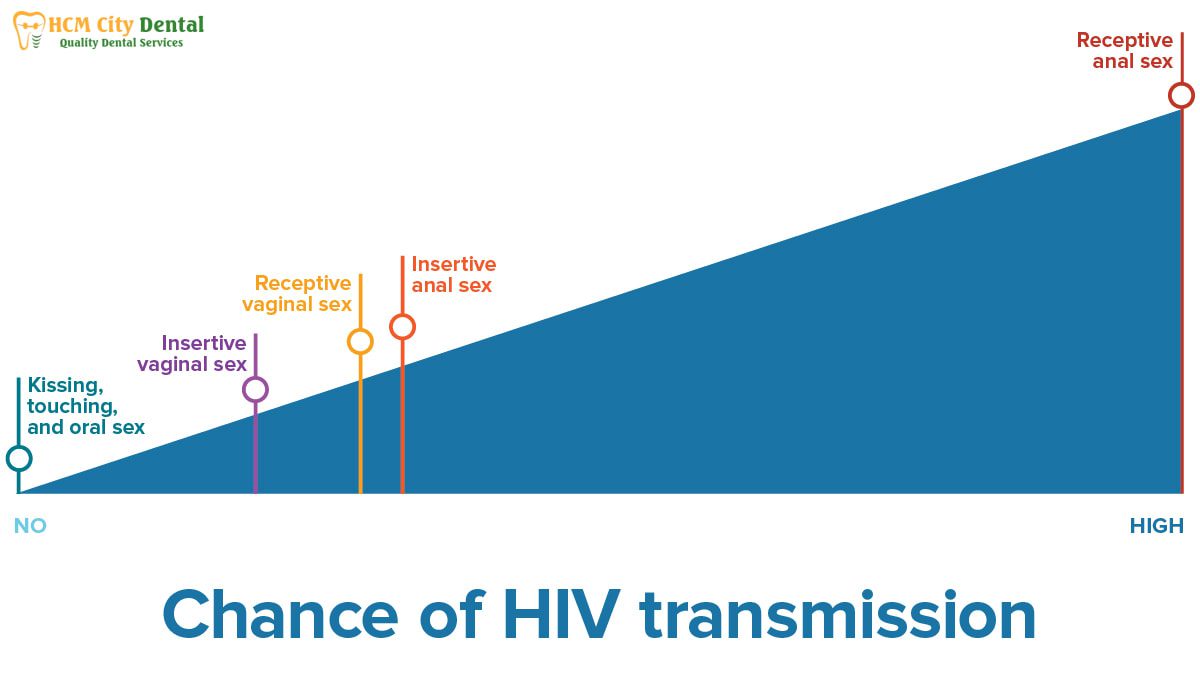
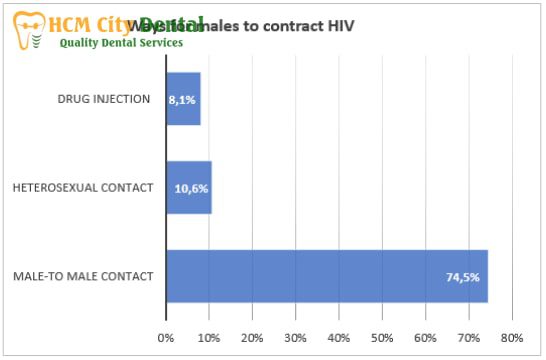
The risk of HIV transmission from oral sex is significantly lower than from unprotected anal or vaginal sex. Receptive anal sex carries the highest risk of transmission.
Can oral sex cause HIV if my partner has an undetectable viral load?
No. If a person living with HIV is on effective treatment and maintains an undetectable viral load, they cannot transmit the virus to a partner through any type of sexual activity, including oral sex. This is the principle of Undetectable = Untransmittable (U=U).
Should I get tested for HIV after having oral sex?
If you are unsure of your partner’s HIV status or if specific risk factors were present (like sores or ejaculation in the mouth), getting tested is a wise decision for your peace of mind and health. The CDC recommends that all sexually active individuals get tested for HIV.
What if I brushed my teeth right before oral sex?
Brushing or flossing vigorously immediately before oral sex can cause small cuts or abrasions in the gums, potentially increasing the risk of transmission if you are giving oral sex. It is generally advisable to avoid this.
Can you get HIV from kissing?
Closed-mouth kissing carries no risk of HIV transmission. Open-mouth kissing is also considered very low risk, as saliva does not transmit HIV. A theoretical risk would only exist if both partners had large, open, bleeding sores in their mouths, which is extremely unlikely.
chances of hiv from oral sex
Conclusion: Your Health in Your Hands
Understanding the real chances of HIV from oral sex means moving beyond a simple “low risk” label. It requires recognizing that while the baseline risk is indeed low, individual factors—especially your oral health—play a decisive role. As a dental specialist, my primary message is one of empowerment: by maintaining excellent oral hygiene, you are not only protecting your teeth and gums but also reinforcing one of your body’s key defenses.
Knowledge, open communication with partners, and proactive prevention are your strongest tools. If you have any doubts or fears, never hesitate to seek professional medical advice. Acting swiftly and staying informed is the best way to protect your health and well-being.
Based on many years of practice, the patients who feel most confident and secure are those who are well-informed. They understand the nuances of risk, they prioritize their oral and overall health, and they know when to seek help. My hope is that this article provides you with that same level of confidence and clarity.
For a confidential discussion about your oral health and how it impacts your overall well-being, we are here to help. Call our Hotline/WhatsApp at +84853020003 for a free consultation or book your appointment online today at HCMCDental.com to receive a 10% discount.
This article was medically reviewed and written by Dr. Cuong.
Important Disclaimer
This article is intended for informational purposes only and does not constitute medical advice. The information provided is not a substitute for professional medical consultation, diagnosis, or treatment. Always seek the advice of your physician or another qualified health provider with any questions you may have regarding a medical condition. Never disregard professional medical advice or delay in seeking it because of something you have read on this website. If you think you may have a medical emergency, call your doctor or emergency services immediately.
Written and Medically Reviewed By
Dr. Cuong is a leading specialist in the field of Odontostomatology with over 15 years of dedicated clinical experience. He is the head practitioner at HCMCDental.com, where he has treated thousands of patients, focusing on providing comprehensive, evidence-based dental care. Dr. Cuong is committed to patient education, emphasizing the critical link between oral health and overall systemic health. His expertise lies in preventative care, restorative dentistry, and managing complex oral health conditions with a compassionate, patient-centric approach.
Medical Disclaimer: This content is for educational purposes only — not a substitute for professional dental advice, diagnosis, or treatment. Always consult a qualified dentist for personalised care.
Read our full disclaimer →
Related Guides
Popular Services