If you have lost your retainer, immediately contact your orthodontist to schedule a replacement scan. Do not panic, but act swiftly; wearing your last set of clear aligners temporarily can prevent relapse while you wait for a new custom appliance to be fabricated.
Clinical Summary:
Losing an orthodontic retainer is a common clinical emergency that requires prompt intervention to prevent teeth from drifting back to their pre-treatment positions. The periodontal ligaments and gingival fibers possess a structural memory that exerts continuous pressure on the teeth, making relapse a significant risk within the first few days of non-wear. Immediate steps include contacting a dental professional, utilizing a final active aligner if available, and scheduling a digital intraoral scan. Modern dental technology allows for the rapid fabrication of replacement appliances, ranging from clear thermoformed trays to traditional wire-and-acrylic models. Delaying replacement can result in the need for interceptive orthodontic retreatment. Consistent communication with your dental provider ensures the long-term stability of your smile.
Key Takeaways:
- Teeth can begin shifting within 24 to 48 hours without the passive support of a retainer.
- Your final clear aligner tray can serve as an effective temporary hold until a new retainer is made.
- Digital intraoral scanning allows clinics to fabricate replacements rapidly and accurately.
- Never attempt to force a broken, warped, or severely outdated retainer onto your teeth.
- Keeping a backup set of retainers is a highly recommended strategy to manage unexpected loss.
The Clinical Impact of a Lost Retainer
Losing your retainer removes the essential passive force required to stabilize periodontal ligaments, allowing teeth to rapidly drift toward their original pre-treatment positions.
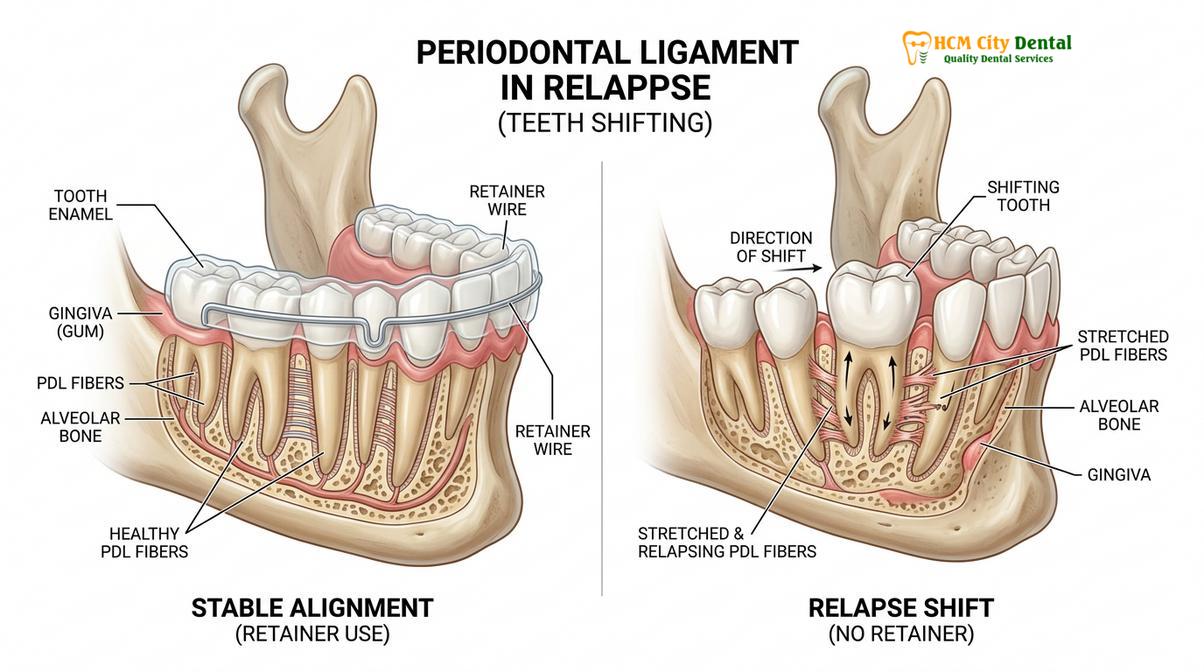
To understand the urgency of a lost retainer, one must first understand the biological mechanics of tooth movement. Orthodontic treatment involves the controlled application of force to remodel the alveolar bone and stretch the periodontal ligaments (PDL). Once active treatment concludes, the bone requires a significant stabilization period to mineralize fully around the new root positions. During this critical phase, the retainer acts as a passive splint, holding the dental arch in perfect alignment.
When a retainer is lost, the teeth are suddenly subjected to the unopposed elastic recoil of the gingival and periodontal fibers. These supracrestal fibers have a slow turnover rate and retain a “memory” of the original malocclusion. Without the retainer’s barrier, you will likely experience teeth shifting back toward their crowded or spaced origins[1]. This phenomenon is clinically referred to as orthodontic relapse.
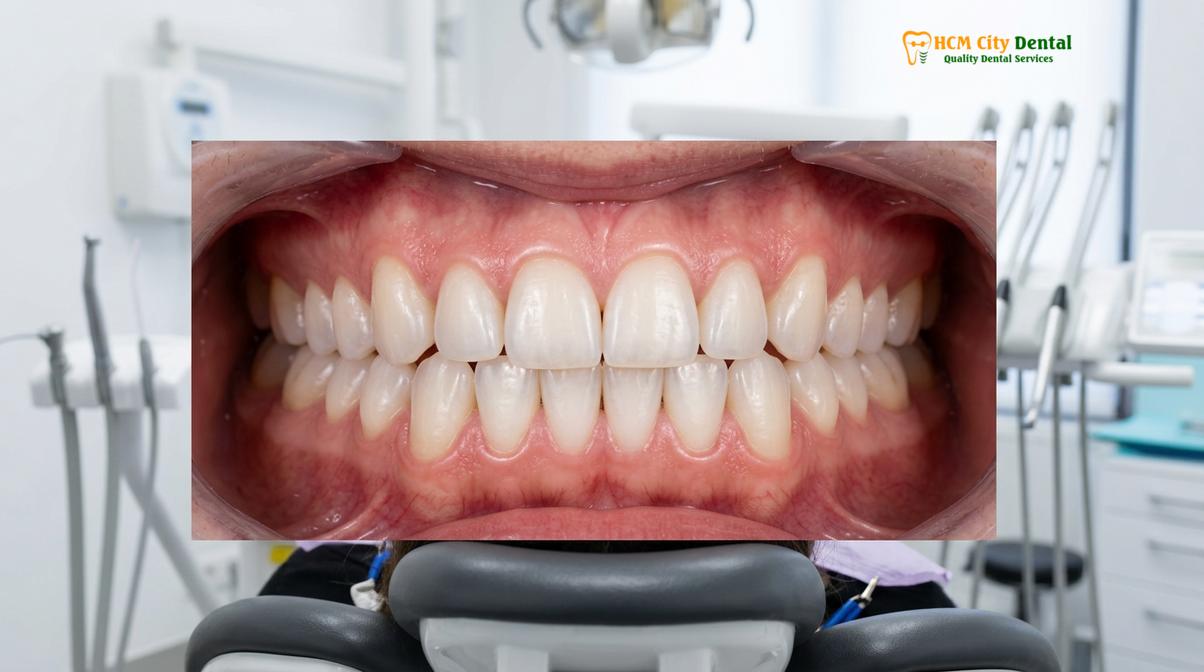
The timeline for relapse varies depending on how long you have been out of active treatment. For patients who recently had their braces removed, noticeable shifting can occur within 24 to 48 hours. The bone is still relatively soft, and the PDL is highly active. For patients who have been in the post-orthodontic retention phase for several years, the shifting may be slower, but it is still inevitable. The anterior teeth, particularly the lower incisors, are the most susceptible to rapid crowding due to their small root surface area and the continuous pressure from the tongue and lips.
“Orthodontic retention is not a temporary phase but a lifelong commitment. The periodontal ligaments exert continuous tension, and without a retainer, the natural physiological drift of teeth will inevitably compromise the clinical results achieved during active treatment.”
Immediate Steps to Take When Your Retainer is Missing
The most critical action is contacting your dental provider immediately to arrange for new digital impressions or physical molds before significant tooth movement occurs.
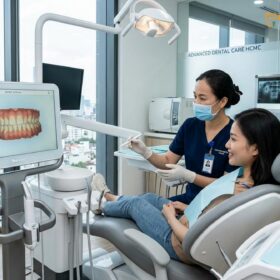
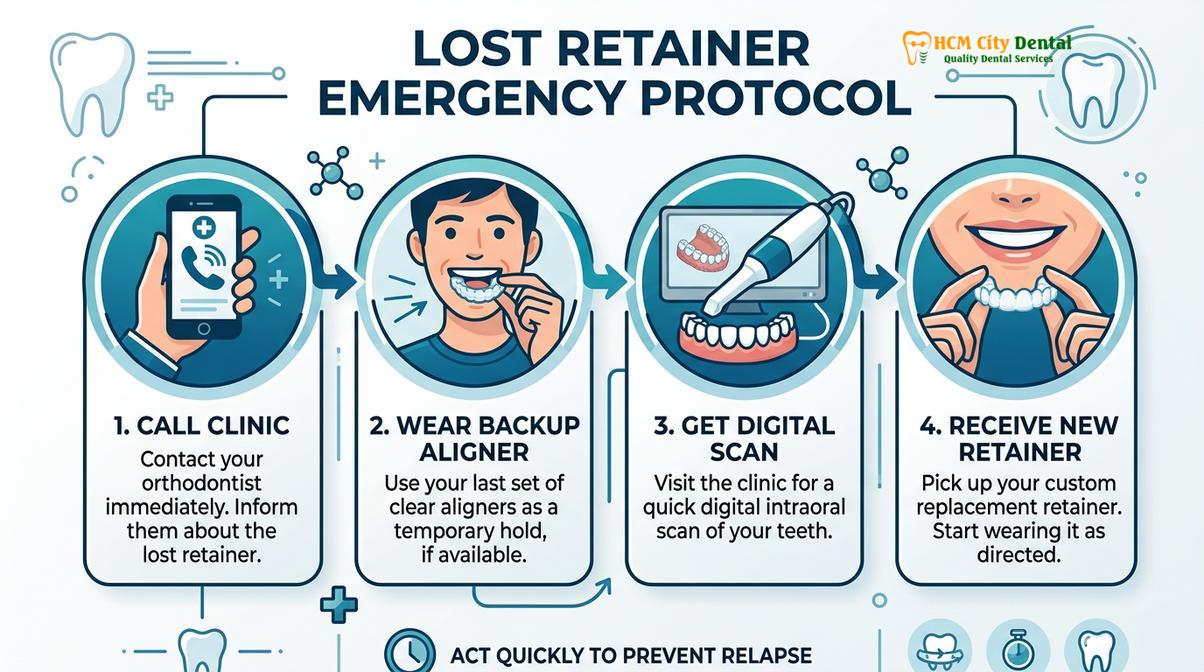
Discovering that you have misplaced your retainer can be stressful, but following a structured clinical protocol can mitigate the risk of relapse. The first and most crucial step is to contact your orthodontist or dental clinic. Inform them that you have lost your appliance and require an expedited appointment. Many modern clinics utilize digital dentistry, meaning they may still have your final post-treatment 3D scan on file, allowing them to 3D print a model and thermoform a new retainer without you even needing to visit the office immediately.
If you were treated with clear aligner therapy, you have a distinct advantage. A lost clear aligner retainer can often be temporarily mitigated by wearing your final active aligner tray. While an active aligner is slightly thinner and less durable than a dedicated retainer, it provides the exact spatial dimensions needed to hold your teeth in place. Clean the final tray thoroughly and wear it full-time until your replacement is ready.
Clinical Warning: Never attempt to use DIY retainer alternatives, boil-and-bite mouthguards, or a severely damaged old retainer. These items do not provide the precise, customized forces required and can actively push your teeth out of alignment, causing severe bite discrepancies and potential root damage.
If you do not have a backup aligner and your clinic cannot see you immediately, focus on maintaining excellent oral hygiene. Plaque accumulation can exacerbate gingival inflammation, which in turn can accelerate tooth mobility. Continue to brush and floss meticulously. If you are traveling and cannot reach your primary provider, seek out a local orthodontist who can provide an emergency replacement retainer to stabilize your bite until you return home[2].
Replacement Options and Fabrication Workflows
Orthodontists offer several replacement appliances, including clear thermoplastic trays, traditional wire-and-acrylic models, or bonded lingual wires, depending on your specific clinical needs.
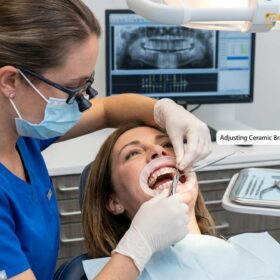
When you arrive at the clinic for your replacement, the dentist will first evaluate your current dental alignment to ensure no significant relapse has occurred. If the teeth are stable, they will proceed with capturing your dental anatomy. Historically, this involved messy alginate or PVS impressions. Today, most advanced practices utilize intraoral scanners to capture a highly accurate, micron-level 3D digital model of your arches.
Based on this digital model, you and your dentist will discuss immediate dental retainer options. The choice of material depends on your lifestyle, bruxism (teeth grinding) habits, and the original complexity of your orthodontic case. The three primary categories of retainers are Essix (clear thermoformed), Hawley (acrylic and wire), and Fixed (bonded lingual wire)[3].
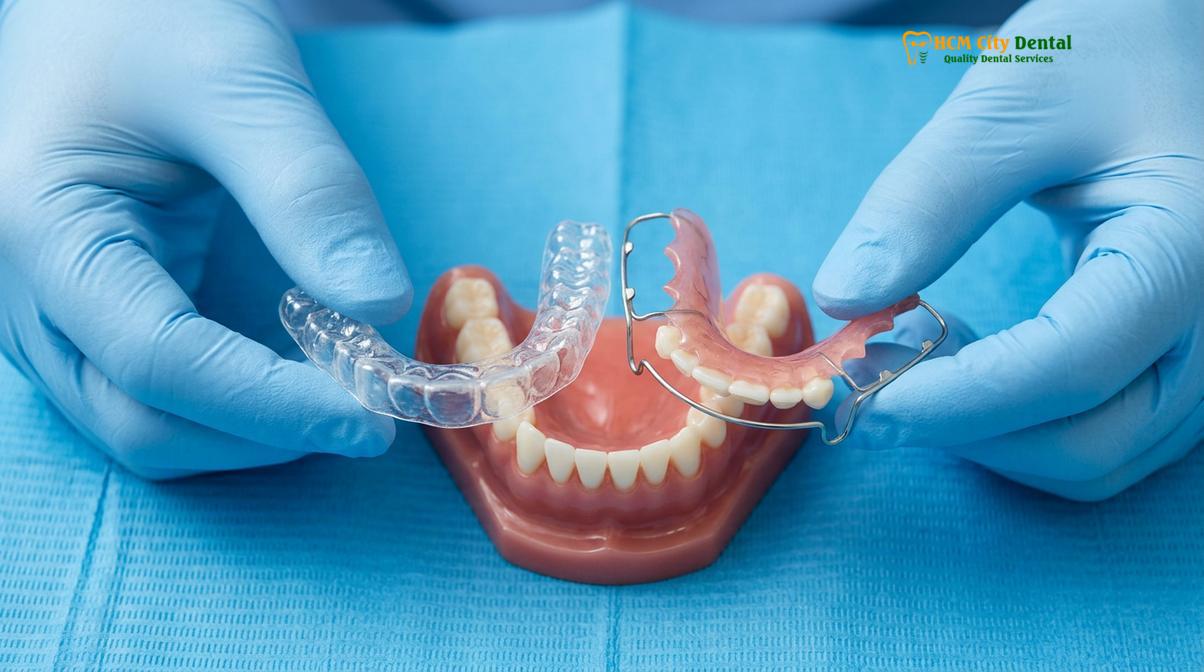
Clear thermoformed retainers, often referred to by brand names like Essix or Vivera, are the most popular choice due to their aesthetic appeal. They are fabricated by heating a sheet of polyurethane or PETG material and vacuum-forming it over a 3D-printed model of your teeth. They encapsulate the entire clinical crown, providing excellent control against rotational relapse.
| Retainer Type | Material Composition | Clinical Advantages | Durability & Maintenance |
|---|---|---|---|
| Essix (Clear) | Thermoformed Polyurethane / PETG | Highly aesthetic, encapsulates full crown, prevents rotation. | Moderate durability; prone to wear from bruxism; requires replacement periodically. |
| Hawley (Traditional) | PMMA Acrylic & Stainless Steel Wire | Adjustable by the dentist, allows natural occlusal settling. | High durability; can last for years; wire may require periodic tightening. |
| Fixed (Bonded) | Braided Stainless Steel Wire & Composite Resin | Zero compliance required; permanent passive retention. | Requires meticulous flossing; risk of calculus buildup if oral hygiene is poor. |
For patients who have a history of severe crowding or who struggle with compliance, a fixed lingual retainer may be recommended in conjunction with a removable clear retainer for nighttime use. This dual-retention strategy provides the highest level of security against relapse.
Managing Orthodontic Relapse Before Replacement
If a replacement is delayed and minor relapse occurs, your dentist may require a short phase of active aligner therapy to recapture the original post-treatment alignment.
In some scenarios, a patient may wait weeks or even months before seeking a replacement for their lost appliance. During this time, the teeth will inevitably shift. When the patient finally visits the clinic, a simple passive retainer will no longer suffice. Forcing a new retainer made from an old scan onto shifted teeth can cause severe pain, periodontal trauma, and even root resorption.
If the relapse is minor (less than 1-2 millimeters of movement), the orthodontist can often design an “active retainer.” This is a slightly modified clear tray designed to apply gentle pressure to guide the drifted teeth back into their correct positions. This process is essentially a miniature phase of clear aligner therapy. Once the teeth have settled back into alignment, a final passive retainer is fabricated to hold them there[4].
Clinical Case Study: Managing Relapse After Retainer Loss
A 24-year-old patient visited HCMC Dental Clinic in Ho Chi Minh City after losing her upper Essix retainer during an international trip. She had been without the appliance for six weeks. Clinical examination revealed a 1.5mm diastema (gap) reopening between her central incisors and mild rotation of the lateral incisors. Because the relapse was visible, fabricating a standard passive retainer would only freeze the teeth in their compromised state. The clinical team utilized an intraoral scanner and designed a sequence of three active clear aligners. Over the course of six weeks, the aligners gently closed the diastema and corrected the rotation. Once the original alignment was recaptured, a new set of durable Vivera retainers was issued to ensure long-term stability.
If the relapse is severe, particularly if the bite (occlusion) has shifted, comprehensive retreatment with traditional brackets or a full course of clear aligners may be necessary. This underscores the critical importance of acting quickly when an appliance is lost.
When to See a Doctor (Orthodontist)
While losing a retainer is an administrative inconvenience, the biological consequences require professional medical oversight. You should schedule an appointment with your orthodontist immediately upon realizing the appliance is lost. However, certain clinical signs indicate an urgent need for evaluation.
Dr. Nguyen Van Cuong advises that patients must seek immediate clinical assessment if they experience any changes in their bite, such as premature contacts where certain teeth hit before others when closing the jaw. This indicates that the posterior teeth may be shifting, which can lead to temporomandibular joint (TMJ) discomfort and uneven enamel wear.
Furthermore, if you attempt to wear an old backup retainer and it causes intense, throbbing pain rather than a mild pressure, remove it immediately and see your doctor. Forcing an ill-fitting appliance can strangulate the blood supply to the periodontal ligament, leading to localized tissue necrosis or gingival inflammation during treatment. A professional evaluation will determine whether your teeth need to be rescanned for a new baseline or if interceptive movement is required.
Long-Term Retention Strategies and Care
Protecting your orthodontic investment requires strict adherence to storage protocols, routine professional check-ups, and keeping a backup set of retainers on hand.
Once you have successfully navigated the replacement process, it is vital to implement strategies to prevent future loss. The most common environments where retainers are lost include restaurants (wrapped in napkins), hotels, and school cafeterias. The golden rule of retention is: “If it is not in your face, it belongs in its case.” Never place your retainer in a tissue or loose in a pocket, as it is highly susceptible to being discarded or crushed.
Dr. Nguyen Van Cuong frequently recommends that patients invest in multiple sets of retainers. Many modern clear retainer systems, such as Vivera, come with three to four identical sets precisely for this reason. Keeping one set at home, one in your travel bag, and one as a pristine backup ensures that you will never experience a lapse in retention, even if an accident occurs.
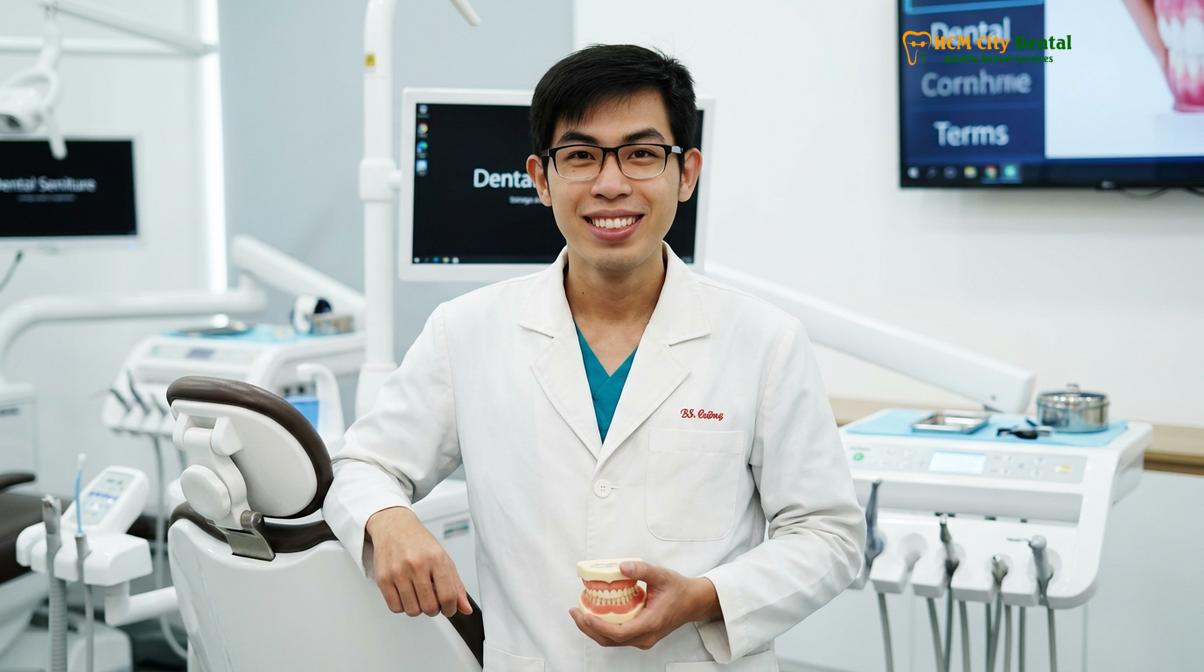
Proper maintenance also extends the lifespan of your appliance. Clean your retainer daily using a soft-bristled brush and non-abrasive liquid soap or specialized retainer cleaning tablets. Avoid using hot water, as it will warp the thermoplastic material, rendering it useless. Routine dental check-ups at a facility like HCMC Dental Clinic in Ho Chi Minh City allow your dentist to inspect the structural integrity of your retainer, checking for micro-cracks or signs of occlusal wear before the appliance fails completely[5].
“The most successful orthodontic patients are those who view their retainers as a permanent prescription for oral health. Investing in backup appliances and adhering to strict storage habits is the most effective insurance policy against the cost and frustration of orthodontic relapse.”
Understanding the duration of retention protocols and respecting the biological tendency of teeth to shift will empower you to maintain your perfect smile for a lifetime. If you are currently without your retainer, do not delay—reach out to your dental care provider today to secure your replacement.
Frequently Asked Questions
How long can I go without my retainer before my teeth shift?
Teeth can begin shifting within 24 to 48 hours after losing a retainer. The periodontal ligaments retain memory of their original positions, making immediate replacement crucial to prevent noticeable orthodontic relapse. The longer you wait, the more the teeth will drift, potentially requiring active retreatment.
Can I use my last clear aligner as a temporary retainer?
Yes, wearing your final clear aligner tray is an excellent temporary solution. It provides sufficient passive force to hold your teeth in their corrected positions while you wait for a permanent replacement. Ensure the tray is clean and wear it full-time until you see your dentist.
Will my orthodontist charge me for a replacement retainer?
Yes, replacement retainers typically incur an additional laboratory and clinical fee. The exact cost depends on the type of appliance required, such as a thermoformed clear tray or a traditional wire-and-acrylic model. Some clinics offer replacement programs or warranties, so it is best to inquire directly.
Can a general dentist make a replacement retainer, or must I see my orthodontist?
A general dentist equipped with an intraoral scanner can fabricate a replacement retainer. However, returning to your original orthodontist is often faster, as they may already have your final digital dental records on file, allowing them to fabricate the appliance without a new scan if no shifting has occurred.
What should I do if my new replacement retainer feels too tight?
If a new retainer feels excessively tight, wear it consistently for a few days to allow minor tooth realignment. If severe pain persists or the appliance does not seat fully, contact your dental provider immediately for an adjustment. Do not force an appliance that causes extreme discomfort.
References
- American Journal of Orthodontics and Dentofacial Orthopedics. Periodontal ligament memory and orthodontic relapse. (2019).
- Journal of Clinical Orthodontics. Digital workflows for emergency retainer fabrication. (2021).
- European Journal of Orthodontics. Comparative stability of Essix versus Hawley retainers. (2020).
- Angle Orthodontist. Patient compliance and long-term retention outcomes. (2018).
- Journal of Prosthodontic Research. Material degradation in thermoformed clear retainers. (2022).