Tooth with Crown Sensitive to Heat? Get Relief Now | Dr. Cuong

That sudden, sharp pain when a hot drink touches your crowned tooth can be unsettling and concerning. As a dental specialist, a common question I get...
That sudden, sharp pain when a hot drink touches your crowned tooth can be unsettling and concerning. As a dental specialist, a common question I get from patients is why this happens and what it means for their oral health. You’ve invested in a crown to protect your tooth, so experiencing sensitivity can be frustrating. This comprehensive guide, based on years of clinical experience and current dental science, will explain everything you need to know about a tooth with a crown that is sensitive to heat, what causes it, and what you can do about it.
A crowned tooth sensitive to heat is not something to ignore. While some initial sensitivity after a crown placement is normal, persistent or new sensitivity, especially to heat, often signals an underlying issue that requires professional attention. Read on to understand the potential causes and find clear, actionable solutions.
Why Is My Tooth with a Crown Sensitive to Heat? Uncovering the Root Causes
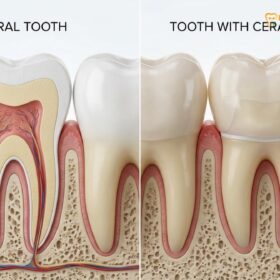
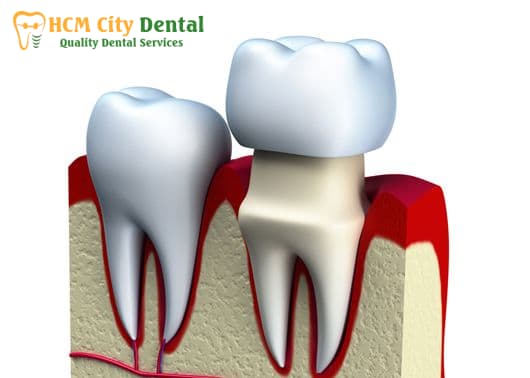
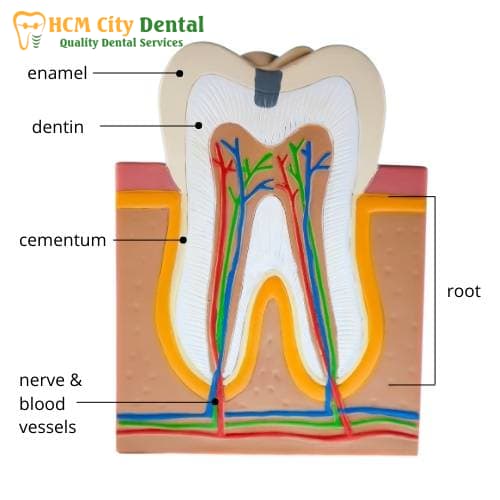
Understanding why your crowned tooth is reacting to heat is the first step toward finding relief. Physiologically speaking, the pain is usually related to the tooth’s pulp—the innermost part containing nerves and blood vessels. When the protective outer layers are compromised, heat can trigger a painful response from these nerves. Here are the most common reasons this occurs in a crowned tooth.
1. Pulpitis: Inflammation of the Tooth’s Nerve
Pulpitis, or inflammation of the pulp, is the most frequent culprit behind heat sensitivity in any tooth, including one with a crown. There are two types:
- Reversible Pulpitis: This is a mild inflammation of the pulp, often occurring right after the crown procedure. The process of preparing a tooth for a crown can irritate the nerve, leading to temporary sensitivity to cold, and sometimes heat, that typically resolves on its own within a few days to weeks as the nerve heals.
- Irreversible Pulpitis: This is a more severe condition where the pulp is significantly inflamed and cannot heal on its own. A key symptom of irreversible pulpitis is a lingering, throbbing pain in response to heat. The pain may even start spontaneously without any trigger. This often indicates that bacteria have reached the pulp, usually through decay under the crown or a fracture, leading to an infection.
In my clinical experience, when a patient reports that a crowned tooth has a dull ache that sharpens intensely with hot coffee and the pain lingers for minutes afterward, my primary suspicion is irreversible pulpitis. This is a clear signal that the nerve is in distress and requires immediate evaluation to prevent a more serious infection or abscess.
2. A Cracked Tooth Under the Crown
A dental crown does not make the underlying tooth indestructible. A crack or fracture can develop in the tooth structure beneath the crown due to trauma, biting on something hard, or from long-term stress like teeth grinding (bruxism). When a tooth is cracked, heat can cause the different parts of the tooth to expand at different rates, irritating the pulp and causing sharp pain. This sensitivity is a significant warning sign that the integrity of the tooth is compromised.
3. Receding Gums and Exposed Root Surfaces
Sometimes, the sensitivity isn’t from the crown itself but from the area where the crown meets the gumline. If your gums have receded, a portion of the tooth’s root may become exposed. Unlike the top of the tooth, the root is not covered by protective enamel. It’s covered by cementum, which can wear away, exposing the dentin layer beneath. This exposed dentin contains tiny tubules that lead directly to the nerve, making it highly sensitive to temperature changes, including heat.
4. Issues with the Crown’s Fit or Bite Alignment
An improperly fitted crown can also lead to sensitivity. If the crown is too high, it can create excessive pressure on the tooth when you bite down. This constant trauma can irritate the nerve over time, leading to inflammation and sensitivity. A common scenario at our clinic is a patient reporting discomfort a few weeks after a crown placement; a simple bite adjustment often resolves the issue completely. Furthermore, a crown with a poor marginal fit can leave a tiny gap between the crown and the tooth, allowing bacteria to leak underneath and cause decay, which eventually leads to pulp inflammation and pain.

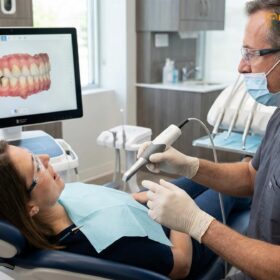
tooth with crown sensitive to heat
Is a Tooth with Crown Sensitive to Heat Dangerous?
While the sensitivity itself is a symptom, the underlying cause can be serious if left untreated. A crowned tooth sensitive to heat, particularly if the pain is lingering or severe, should be considered a dental warning sign.
- Risk of Infection: Irreversible pulpitis and cracks in the tooth can allow bacteria to cause a severe infection inside the tooth, leading to a painful abscess (a pocket of pus).
- Spreading Infection: An untreated abscess can spread to the surrounding bone and soft tissues, causing swelling, fever, and in rare cases, become a life-threatening condition.
- Tooth Loss: If a crack is too extensive or an infection has severely damaged the tooth and surrounding bone, the tooth may not be salvageable and could require extraction.
Therefore, it is crucial not to dismiss heat sensitivity. Prompt evaluation by a dentist is essential to diagnose the problem and prevent more severe complications.
Still have questions? Call our Hotline/WhatsApp now at +84853020003 for a direct, completely free consultation with Dr. Cuong!
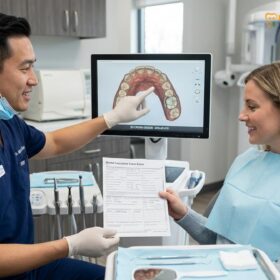
tooth with crown sensitive to heat
Solutions for a Heat-Sensitive Crowned Tooth: From Home Care to Professional Treatment
The appropriate treatment depends entirely on the underlying cause. After a thorough examination, which often includes X-rays, I can determine the best course of action.
At-Home Management (for Mild or Temporary Sensitivity)
If the sensitivity is mild and occurs shortly after the crown was placed, it may be temporary. These steps can help manage discomfort while the tooth heals:
- Avoid Temperature Extremes: Steer clear of very hot or very cold foods and drinks to avoid triggering the pain.
- Use Desensitizing Toothpaste: Toothpastes formulated for sensitive teeth can help block the transmission of pain signals from the tooth surface to the nerve.
- Practice Gentle Oral Hygiene: Use a soft-bristled toothbrush and be gentle around the gumline of the crowned tooth to prevent further irritation.
- Warm Saltwater Rinse: Rinsing with warm salt water can help soothe inflamed gums and reduce discomfort.
Professional Dental Treatments
When at-home care isn’t enough, or if the sensitivity is severe, professional intervention is necessary. Based on clinical observations, here are the most common solutions we provide at HCMCDental.com.
| Problem | Professional Solution | Description |
|---|---|---|
| Irreversible Pulpitis / Infection | Root Canal Therapy | This is the most common treatment for a dying or infected nerve. I will carefully remove the inflamed or infected pulp from within the tooth, clean and disinfect the canals, and then seal them. The crown can often be preserved or a new one made after the treatment is complete. |
| Cracked Tooth | Varies (Root Canal, New Crown, or Extraction) | Treatment depends on the location and severity of the crack. If the crack has affected the pulp, a root canal is needed. Often, a new crown will be required to hold the tooth together. If the crack extends deep below the gumline, the tooth may need to be extracted. |
| High Bite / Poor Fit | Bite Adjustment or Crown Replacement | If the crown is too high, I can easily reshape the surface to correct the bite and relieve the pressure. If the crown has a poor marginal fit, it may need to be replaced to prevent leakage and future decay. |
| Gum Recession | Fluoride Varnish or Gum Graft | For sensitivity from an exposed root, a professional application of fluoride varnish can help seal the dentin tubules. In more severe cases of recession, a gum graft procedure may be recommended to cover the exposed root surface. |
A common mistake I see patients make is waiting too long to address heat sensitivity, hoping it will just go away. While a crowned tooth sensitive to cold can sometimes be temporary, lingering sensitivity to heat almost always indicates a problem with the tooth’s nerve that will not resolve on its own. Early intervention is key to saving the tooth and avoiding more complex and costly procedures.
Don’t wait for the pain to become severe. Get a 10% discount on your first appointment! Book an appointment online at HCMCDental.com today for a definitive diagnosis and treatment plan.
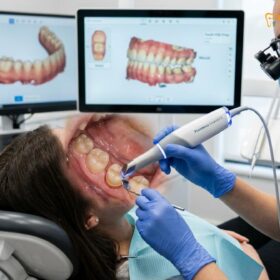
tooth with crown sensitive to heat
How to Prevent Tooth Sensitivity After Crown Placement
While not all sensitivity can be prevented, especially if a tooth is already compromised, these steps can minimize the risk and support the longevity of your crown:
- Choose an Experienced Dentist: The skill of the dentist in preparing the tooth and fitting the crown is paramount to minimizing nerve irritation and ensuring a perfect seal.
- Maintain Excellent Oral Hygiene: Brush and floss regularly, paying special attention to the gumline around the crown to prevent plaque buildup and decay.
- Attend Regular Check-ups: Routine dental visits allow me to monitor your crown, check for any early signs of problems like decay or wear, and ensure your bite remains balanced.
- Wear a Night Guard if You Grind: If you suffer from bruxism, a custom-fitted night guard is essential to protect your crowned tooth (and all your teeth) from the extreme forces of grinding.
tooth with crown sensitive to heat
Frequently Asked Questions (FAQ)
Why is my tooth with a crown sensitive to heat but not cold?
Sensitivity to heat that lingers is a classic sign of irreversible pulpitis, where the nerve inside the tooth is dying or infected. The gases produced by dying pulp tissue expand with heat, creating pressure and pain inside the tooth. In contrast, a crowned tooth sensitive to cold that disappears quickly is often due to temporary nerve irritation or exposed dentin, which is generally a less severe issue.
How long is it normal to have tooth sensitivity after a crown?
It is normal to experience some mild tooth sensitivity after a crown procedure for a few days up to a couple of weeks. This initial discomfort should gradually decrease as the tooth and gums heal. If the sensitivity persists for longer than a few weeks, worsens, or is severe, you should contact your dentist.
Can a cavity form under a crowned tooth?
Yes, absolutely. A crown protects the top of the tooth, but decay can still start at the margin where the crown meets the tooth, especially if there is a small gap or if oral hygiene is not optimal. This decay can progress under the crown and lead to infection and sensitivity.
What does a toothache under a crown feel like?
A toothache under a crown can vary. It might be a dull, constant ache, a sharp pain when you bite down, or severe, throbbing pain. Sensitivity to hot or cold temperatures is also a very common symptom. Any pain coming from a crowned tooth should be evaluated by a professional.
Will I need a root canal if my crowned tooth is sensitive to heat?
If the heat sensitivity is intense and lingers, a root canal is the most likely treatment. This indicates the tooth’s nerve is irreversibly damaged or infected, and a root canal is necessary to remove the source of the problem, relieve the pain, and save the tooth.
Is a crowned tooth sensitive to cold a serious problem?
A crowned tooth sensitive to cold can be less alarming than heat sensitivity, especially if the sensation is brief. It often points to temporary nerve irritation after the procedure or an exposed root surface. However, if the cold sensitivity is intense, lasts for more than 30 seconds, or is accompanied by other symptoms, it could signal a more serious issue like pulpitis and requires a dental check-up.
What should I do if my tooth sensitivity after crown placement doesn’t go away?
If your tooth sensitivity after crown placement persists for more than a few weeks or is severe, it is crucial to return to your dentist. This is not normal, and it indicates an underlying problem such as a high bite, an ill-fitting crown, or nerve inflammation that needs to be professionally addressed.
Your Next Step to a Pain-Free Smile
Experiencing heat sensitivity in a crowned tooth is a clear signal from your body that something needs attention. While it’s easy to hope the problem will resolve itself, the conditions that cause this specific symptom, like irreversible pulpitis or a cracked tooth, typically require professional treatment. Over my many years of practice, I have successfully diagnosed and treated thousands of patients with this exact issue, restoring their comfort and oral health.
Based on extensive clinical experience, the most important advice I can offer is not to delay. The sooner we can identify the root cause of your sensitivity, the more straightforward the solution is likely to be. Your comfort and health are our top priorities at HCMCDental.com.
Don’t let tooth pain disrupt your life. Take the first step towards relief today.
Still have questions? Call our Hotline/WhatsApp now at +84853020003 for a direct, completely free consultation with Dr. Cuong! Or, book your appointment online and get a 10% discount on your first visit.
This article was medically reviewed and written by Dr. Cuong.
Important Disclaimer
The information provided in this article is for educational and informational purposes only and is not intended as a substitute for professional dental advice, diagnosis, or treatment. Always seek the advice of your dentist or another qualified health provider with any questions you may have regarding a medical condition or dental symptom. Never disregard professional medical advice or delay in seeking it because of something you have read on this website.
Written and Medically Reviewed By
Dr. Cuong, Specialist in Odontostomatology
Dr. Cuong is a leading specialist in the field of Odontostomatology with over 15 years of dedicated clinical experience. He is the lead practitioner at HCMCDental.com, where he has successfully treated thousands of patients, specializing in complex restorative procedures, including dental crowns, root canal therapy, and implantology. Dr. Cuong is committed to providing patient-centric care, utilizing the latest evidence-based practices and technologies to ensure the highest standards of dental health and patient satisfaction. His expertise is founded on a deep understanding of dental science and a passion for helping patients achieve and maintain a healthy, confident smile.
For premium porcelain crowns, bridges, and advanced smile reconstructions, visit our Dental Crowns & Bridges service page at HCMC Dental Clinic in Ho Chi Minh City.