Why Does Your Tooth Crown Pain? [Expert Solutions] | Dr. Cuong

Experiencing tooth crown pain? Dr. Cuong, a specialist in Odontostomatology, reveals the hidden causes of a toothache after a crown and provides expert...
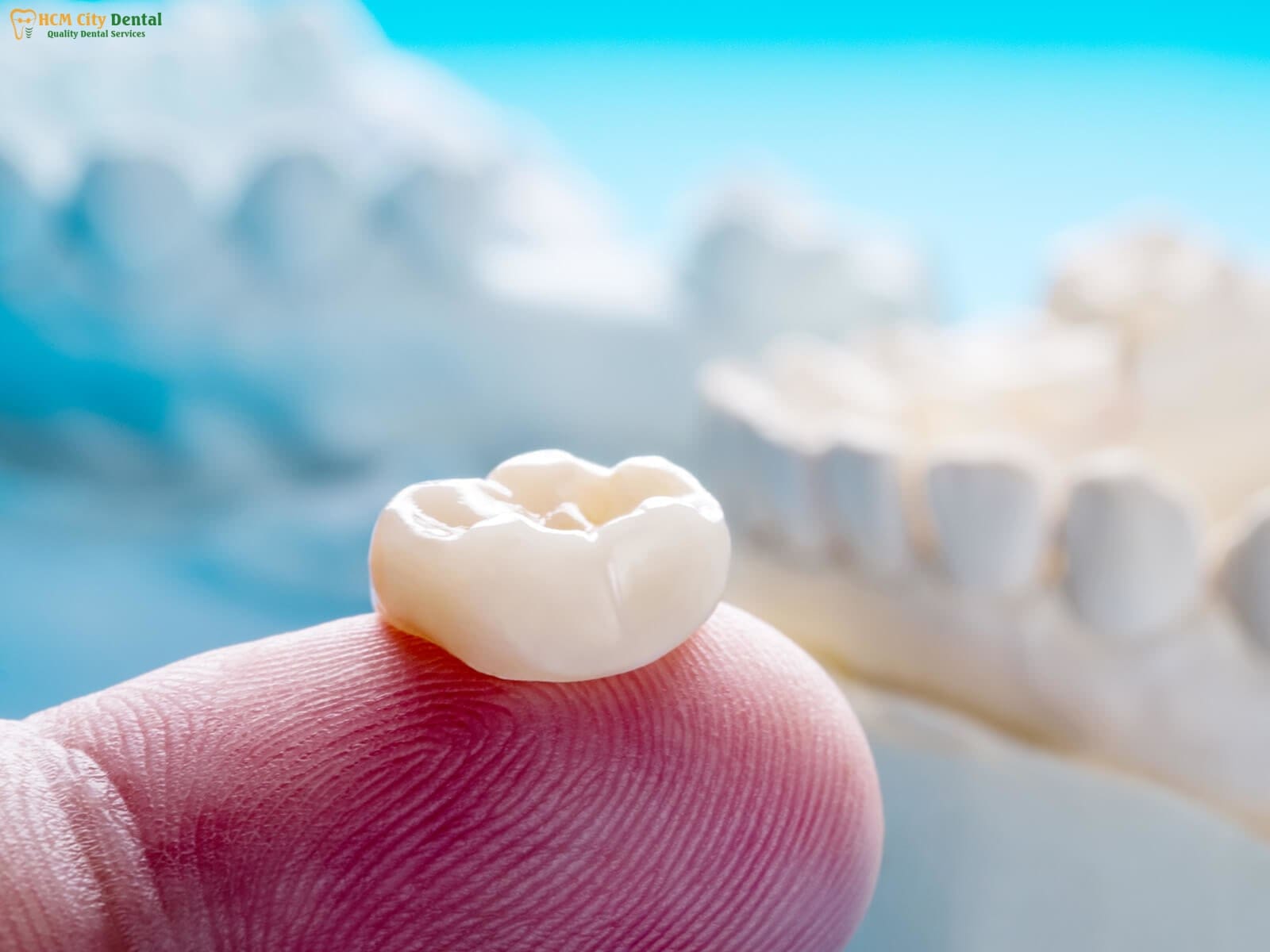
Experiencing discomfort or pain after a dental crown placement can be a source of significant concern for patients. While dental crowns are expertly designed to restore the strength, function, and aesthetics of a compromised tooth, the emergence of pain—ranging from a persistent dull ache to a sharp, acute sensation, whether immediately following the procedure or developing years later—can naturally be unsettling. It is vital to understand that such symptoms, while concerning, are frequently treatable. This comprehensive guide, grounded in extensive clinical experience and the latest dental research, aims to thoroughly demystify the causes of tooth crown pain. We will systematically explore the various reasons behind your discomfort, provide practical guidance for immediate relief, and clearly delineate the circumstances under which professional dental intervention is essential to accurately diagnose and effectively resolve the underlying issue, thereby restoring your comfort and overall oral health.
Why You’re Experiencing Tooth Pain After a Crown
Understanding the source of your discomfort is the first step toward finding a solution. The pain isn’t coming from the crown itself, which has no nerves, but from the underlying tooth, nerve, or surrounding gum tissue. The nature and timing of the pain can provide important clues.
Immediate Discomfort vs. Delayed Toothache After Crown
It’s crucial to distinguish between normal, temporary sensitivity and a persistent toothache after a crown, which signals an underlying problem.
- Normal Post-Procedure Sensitivity: It is common to experience some mild sensitivity to hot and cold or tenderness in the gums for a few days, or even up to two weeks, after a crown is placed. This is often due to the dental work irritating the tooth’s nerve or the surrounding tissues, and it should gradually fade on its own.
- Persistent or Delayed Pain: If the pain is severe, gets worse over time, or appears months or even years after the procedure, it is not normal. This type of toothache after a crown points to a specific issue that requires a professional diagnosis.
Common Culprits Behind Tooth Crown Pain
Based on clinical observations, several key issues are typically responsible for pain in a crowned tooth. Identifying the correct cause is critical for effective treatment.
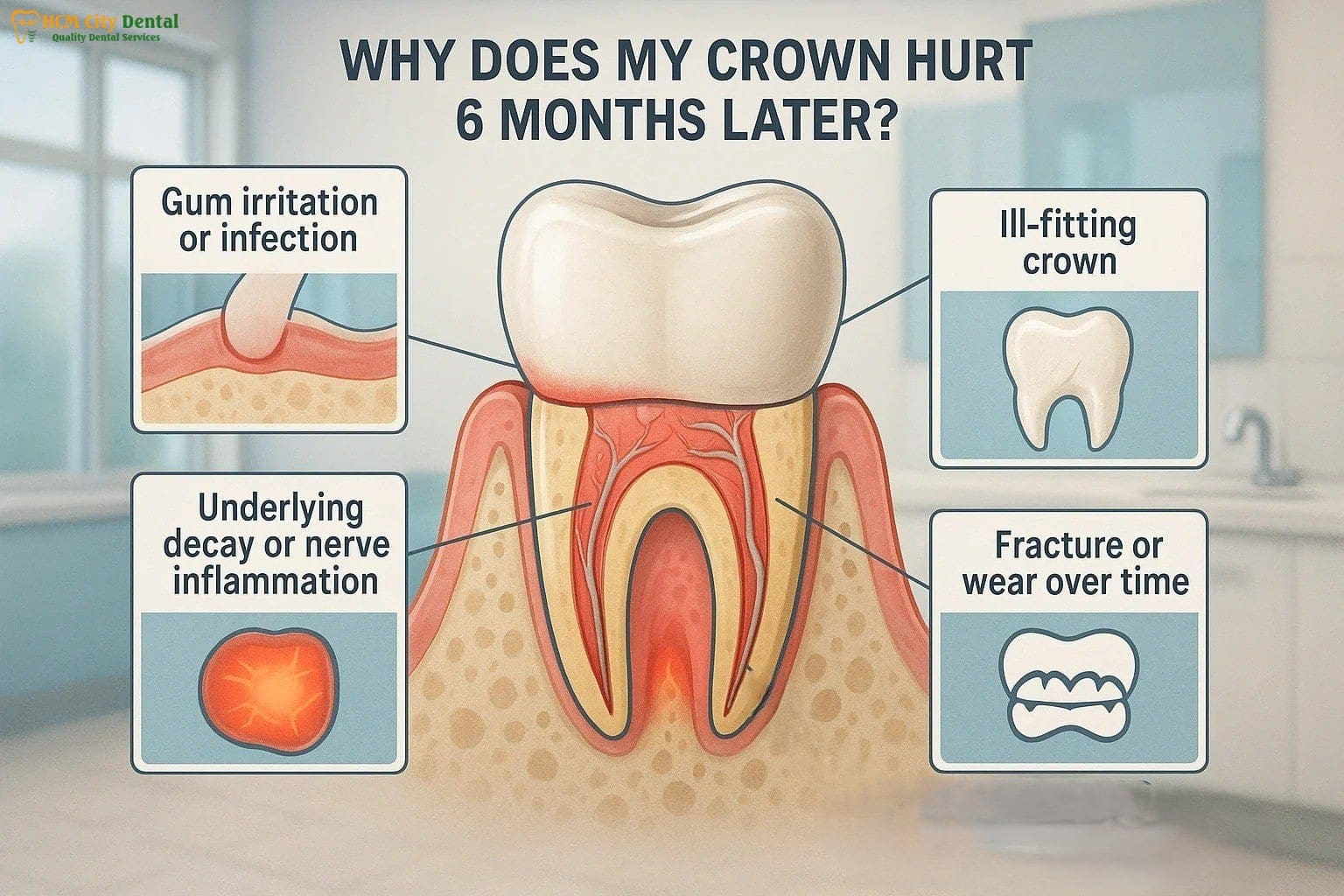
1. An Ill-Fitting Crown and “High Bite”
This is one of the most frequent causes of tooth pain after a crown is placed. If the crown is even a fraction of a millimeter too high, it disrupts the natural alignment of your bite. Every time you close your mouth or chew, this single tooth bears too much force, leading to pressure, soreness, and even jaw pain. In my experience, patients often describe this as a dull, constant ache that worsens when biting down. The fix is often straightforward: a simple adjustment in the clinic to reshape the crown’s surface so it meets the opposing tooth correctly.
2. Underlying Tooth Decay
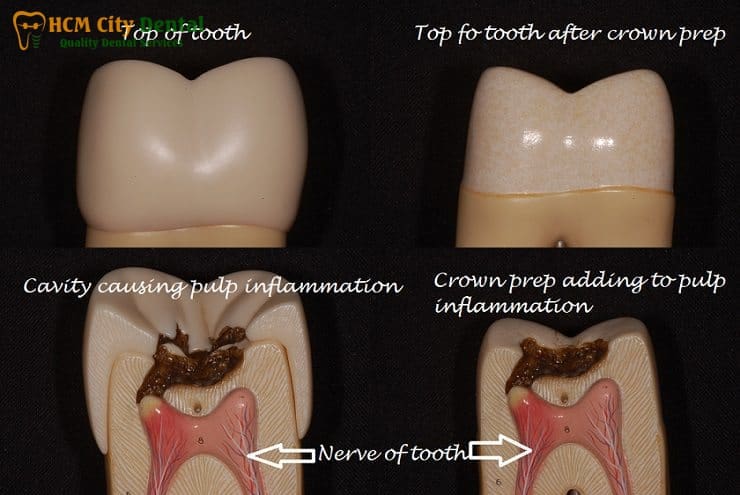
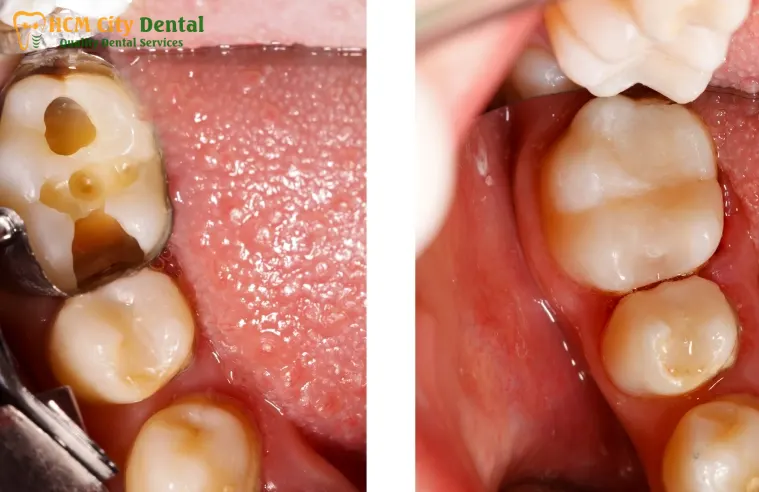
A crown provides excellent protection, but the natural tooth underneath is still vulnerable to decay, especially at the margin where the crown meets the tooth. If oral hygiene is not meticulous, bacteria can seep under the crown’s edge, causing a new cavity. This can lead to sensitivity to sweets, a persistent ache, or a bad taste in the mouth. Regular check-ups are vital to catch this early before the decay can reach the tooth’s nerve.
3. Nerve Issues or Infection
If the tooth did not have a root canal before the crown was placed, it still contains a live nerve. Sometimes, the trauma from the initial decay or the crown preparation procedure can cause the nerve to become inflamed and eventually infected. This can happen shortly after the procedure or years later. Signs of an infection include a severe, throbbing toothache, swelling of the gums, sensitivity to heat, or even a small pimple-like bump (abscess) on the gum. This condition requires urgent dental care, often in the form of a root canal treatment.
In my clinical experience, a throbbing toothache after a crown that wakes a patient up at night is a classic sign of irreversible nerve inflammation or infection. This is a clear signal that the tooth’s pulp is in distress and requires immediate professional evaluation to prevent the infection from spreading.
4. Gum Recession and Inflammation
The health of your gums is just as important as the tooth itself. If the gums around the crown become inflamed (gingivitis) or recede, the sensitive root surface of the tooth can become exposed. This often leads to sharp pain when consuming hot or cold foods and drinks. Gum recession can be caused by aggressive brushing, pre-existing gum disease, or a crown that doesn’t fit snugly against the gum line.
5. Teeth Grinding (Bruxism)
Many people are unaware they grind their teeth, especially during sleep. This condition, known as bruxism, exerts immense pressure on your teeth. A crowned tooth, particularly a molar, can become painful from this constant force, leading to a sore jaw upon waking, generalized tooth sensitivity, or even a fractured crown or tooth. A common scenario at our clinic is a patient reporting a vague ache around a crown with no obvious signs of decay or infection; an examination of their teeth often reveals wear patterns indicative of grinding.
6. A Cracked Tooth or Crown
While durable, both the underlying tooth and the crown itself can fracture. A crack in the tooth underneath the crown can expose the nerve and cause sharp pain when you bite down. A cracked crown can have sharp edges that irritate your tongue or cheek and may allow bacteria to leak underneath. These fractures can result from an injury, biting on something hard like ice, or from the long-term stress of bruxism.
tooth crown pain
How to Manage Tooth Crown Pain: At-Home Care and Professional Treatments
When you’re experiencing tooth crown pain, your first thought is likely about relief. While some measures can be taken at home for temporary comfort, it is essential to understand that these are not substitutes for professional care.
Immediate Relief: What You Can Do at Home (Temporarily)
These at-home remedies can help manage discomfort while you arrange to see a dentist. They address the symptoms, not the underlying cause.
- Saltwater Rinse: Rinsing your mouth with a solution of half a teaspoon of salt in a glass of warm water can help reduce gum inflammation and cleanse the area.
- Over-the-Counter Pain Relievers: Medications like ibuprofen can help reduce inflammation and alleviate pain temporarily. However, this should not be a long-term solution.
- Cold Compress: Applying a cold pack to the outside of your cheek for 15-minute intervals can help numb the area and reduce swelling.
- Avoid Trigger Foods: Steer clear of foods and drinks that are very hot, cold, sugary, or hard, as they can exacerbate sensitivity and pain.
A common mistake I see patients make is relying solely on painkillers to manage a toothache after a crown. While they provide temporary relief, they mask the symptoms of a potentially serious problem like an infection or a crack. Ignoring the pain can allow the issue to worsen, leading to more complex and costly treatments later.
When to See Your Dentist Immediately: Professional Solutions
Do not delay seeking professional help if you experience any of the following, as they can indicate a serious issue:
- Severe, throbbing, or persistent pain that lasts more than a few days.
- Pain when you bite down.
- Swelling, redness, or a pimple on the gum near the crown. – A bad taste or odor coming from the crowned tooth.
- The crown feels loose, has chipped, or has fallen off.
At HCMCDental.com, we have a clear and effective process for diagnosing and treating tooth crown pain. Based on the cause, here are the professional solutions we provide:
| Identified Problem | Professional Solution at HCMCDental.com | What to Expect |
|---|---|---|
| Ill-Fitting or “High” Crown | Bite Adjustment | A quick, painless procedure where I carefully reshape the crown’s surface to perfect your bite alignment. Relief is often immediate. |
| Infection / Nerve Damage | Root Canal Therapy | The infected nerve tissue is removed from within the tooth, the area is disinfected, and then sealed. This saves the natural tooth and eliminates the infection. |
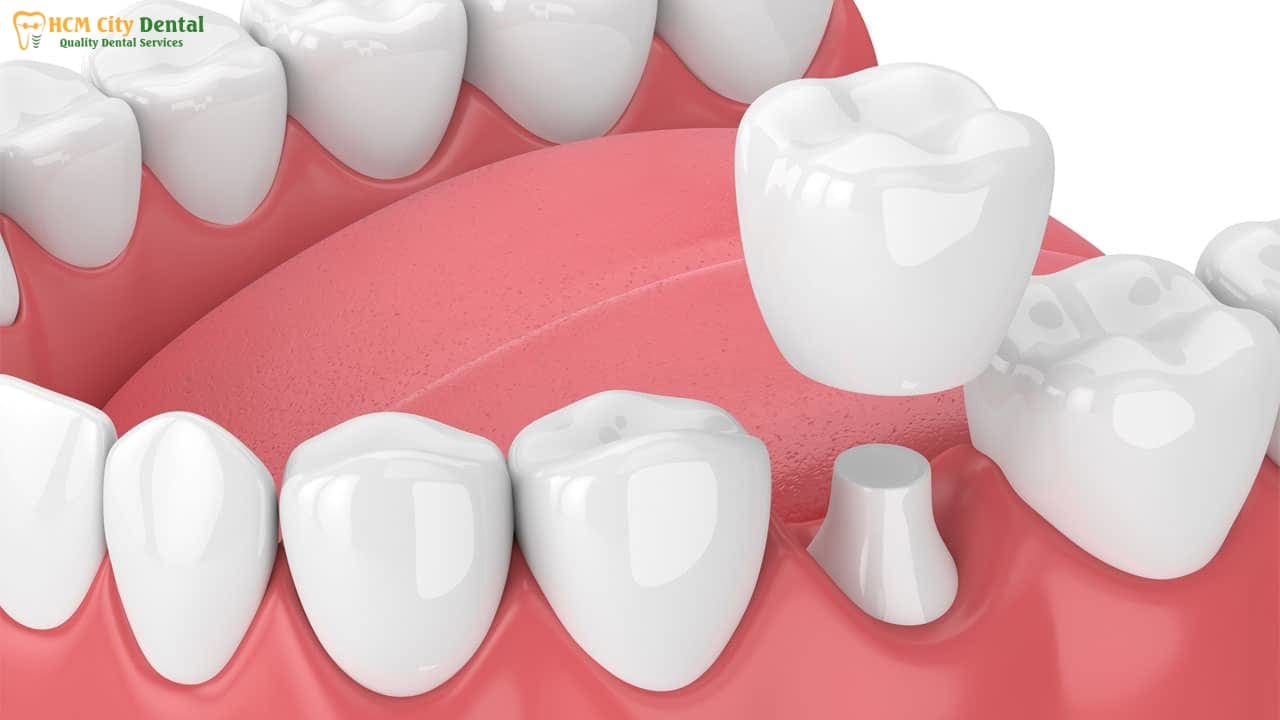
| Decay Under the Crown | Crown Removal & Cavity Treatment | The old crown is removed, the decay is cleaned out, and a new, perfectly sealed crown is created and placed to protect the tooth. |
| Gum Recession / Sensitivity | Desensitizing Treatments or Gum Grafting | Application of professional-grade desensitizing agents can help. In more advanced cases, a gum graft may be recommended to cover the exposed root. |
| Bruxism (Teeth Grinding) | Custom Night Guard | We create a custom-fitted oral appliance to be worn at night. It protects your crown and natural teeth from the damaging forces of grinding. |
| Cracked Tooth/Crown | Crown Replacement or Tooth Extraction | If the crown is cracked, a new one is needed. If the tooth root itself is fractured, extraction may be the only option to resolve the pain. |
Still have questions? Don’t endure the pain. A proper diagnosis is the key to relief. Call our Hotline/WhatsApp now at +84853020003 for a direct, completely free consultation with Dr. Cuong!
tooth crown pain
How to Prevent Future Tooth Crown Pain
Once your crown issue is resolved, the goal is to prevent it from happening again. Experience has shown that proactive care is the best defense.
- Impeccable Oral Hygiene: Brush twice a day and, most importantly, floss daily. Pay special attention to the area where the crown meets the gum to remove plaque.
- Regular Dental Check-ups: Visiting your dentist every six months allows for early detection of potential issues like micro-leakage or gum inflammation before they cause pain.
- Wear Your Night Guard: If you have been diagnosed with bruxism, wearing your night guard every night is non-negotiable. It is the single best way to protect your investment.
- Be Mindful of Your Diet: Avoid chewing on extremely hard items like ice, hard candy, or bones, which can fracture both natural teeth and crowns.
tooth crown pain
Frequently Asked Questions (FAQ)
How long is it normal to have tooth pain after a crown procedure?
It is normal to experience some mild sensitivity or discomfort for a few days up to two weeks after a crown is placed. This is typically from the tooth and gums adjusting. However, severe pain or pain that lasts longer than two weeks is not normal and requires a dental visit.
Can a tooth with a crown get infected?
Yes, absolutely. Bacteria can leak under a poorly fitted or damaged crown, or a pre-existing issue with the tooth’s nerve can flare up, leading to an infection. Symptoms often include a throbbing toothache after the crown, swelling, or a bad taste.
What does it mean if my toothache after a crown is a sharp, throbbing pain?
A severe, throbbing pain often indicates that the tooth’s nerve (pulp) is inflamed or infected (a condition called pulpitis). This is a sign that you need to see a dentist immediately, as you may need a root canal to resolve the infection and save the tooth.
Why does my tooth crown pain come and go?
Intermittent pain can be caused by several factors. It could be a cracked tooth that only hurts when you bite a certain way, an ill-fitting crown causing pressure, or early-stage nerve irritation. It’s important not to ignore this, as it’s often a warning sign of a developing problem.
My crown feels loose and hurts. What should I do?
A loose crown is a dental emergency. It means the cement has washed out, creating a space for bacteria to cause rapid decay. Contact your dentist immediately. Do not try to glue it back yourself. Your dentist may be able to re-cement it if the underlying tooth is healthy.
Is it expensive to fix tooth crown pain?
The cost depends entirely on the cause. A simple bite adjustment is a minor, inexpensive procedure. However, if the cause is an infection requiring a root canal or a new crown, the cost will be more significant. This is why addressing the pain early is so important—it can prevent the need for more complex and costly treatments.
Can gum recession around a crown cause pain?
Yes. When gums recede, they expose the tooth’s root, which is not covered by hard enamel. This exposed surface is very sensitive to temperature changes and can be a significant source of pain.
tooth crown pain
Your Partner in Oral Health
Dealing with tooth crown pain can be a frustrating and worrying experience. However, it’s a problem with clear solutions. From a simple bite adjustment to addressing an underlying infection, a precise diagnosis is the key to eliminating your discomfort and protecting your oral health for the long term.
At HCMCDental.com, we combine years of clinical experience with a patient-first approach to resolve your dental concerns effectively. Don’t let pain compromise your quality of life.
Ready to find a lasting solution for your tooth crown pain? Book an appointment online today and get a 10% discount on your first visit! Or call our Hotline/WhatsApp at +84853020003 for a free, no-obligation consultation directly with me.
This article was medically reviewed and written by Dr. Cuong.
Important Disclaimer
The information provided in this article is for educational and informational purposes only and is not intended as a substitute for professional dental advice, diagnosis, or treatment. Always seek the advice of your dentist or another qualified health provider with any questions you may have regarding a medical condition. Never disregard professional medical advice or delay in seeking it because of something you have read in this article.
Written and Medically Reviewed By
Dr. Cuong, Specialist in Odontostomatology, HCMCDental.com
Dr. Cuong is a leading specialist in the field of Odontostomatology with extensive experience in restorative and cosmetic dentistry. With a passion for leveraging the latest technology and techniques, he has successfully treated thousands of patients, focusing on providing durable, comfortable, and aesthetically pleasing outcomes. Dr. Cuong is dedicated to patient education and believes in empowering his patients with the knowledge to maintain optimal oral health. His work at HCMCDental.com is centered on a foundation of trust, expertise, and a deep commitment to the well-being of every patient.
tooth crown pain
tooth crown pain