Sensitive Teeth Treatment at Home: 5 Proven Remedies You Can Try | Dr. Cuong

A sudden, sharp pain when you enjoy a cold drink or a sweet dessert can be startling. As a dental specialist, I want you to know this is a common...
A sudden, sharp pain when you enjoy a cold drink or a sweet dessert can be startling. As a dental specialist, I want you to know this is a common issue, and you are not alone. This guide provides a comprehensive, expert-backed approach to sensitive teeth treatment at home, explaining not just the remedies but the science behind why they work. Find out how to manage discomfort effectively and when it’s crucial to seek professional care.
Understanding Why Your Teeth Are Sensitive
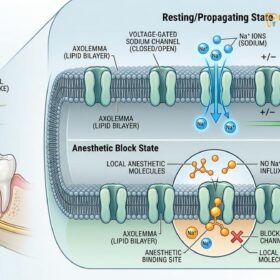
Before we explore solutions, it’s essential to understand the root cause of tooth sensitivity, medically known as dentin hypersensitivity. Your teeth have a protective outer layer called enamel. Beneath it lies a softer layer called dentin, which contains thousands of microscopic tubules leading directly to the tooth’s nerve center, the pulp. When the enamel wears down or the gums recede, these tubules become exposed. External triggers—like hot, cold, sweet, or acidic substances—can then travel through these tubules and stimulate the nerve, causing that familiar sharp, short pain.
In my years of practice, a common scenario I see is patients who believe vigorous brushing cleans better. Unfortunately, this is a primary cause of enamel wear and gum recession, leading directly to sensitivity.
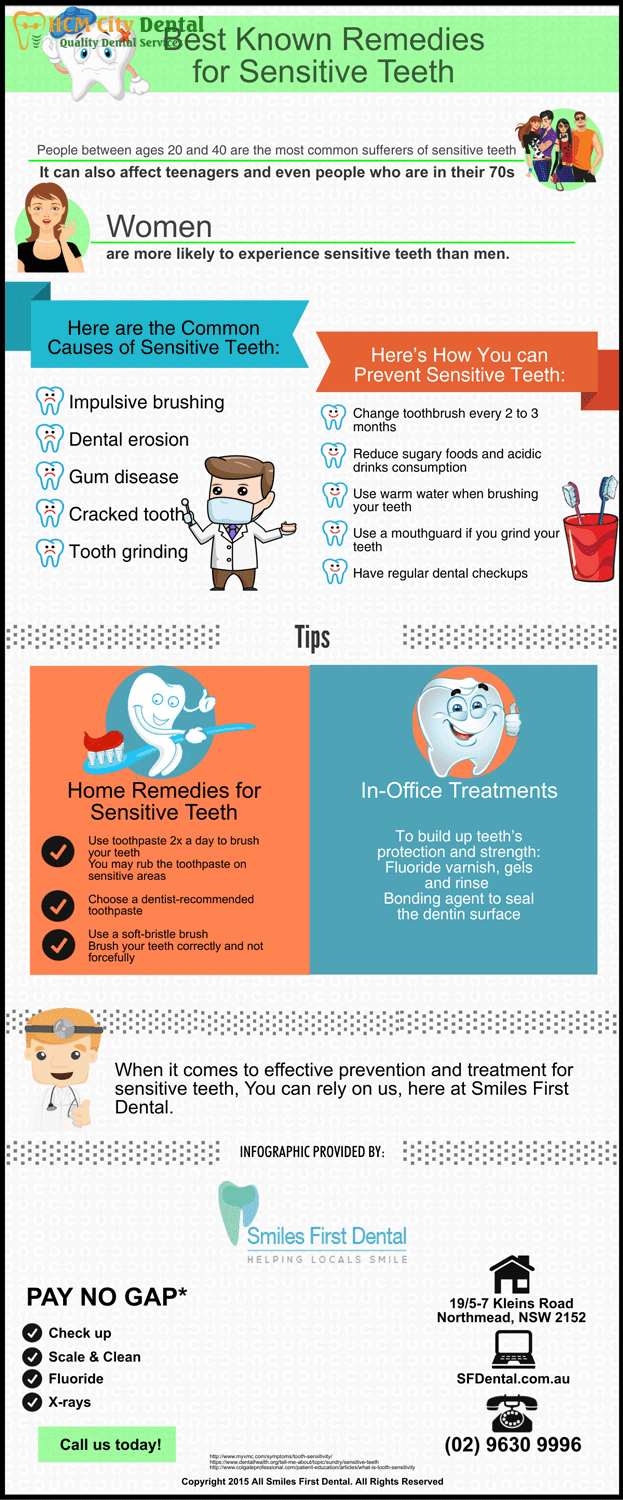
Common Culprits Behind Enamel Wear and Gum Recession
Several factors can contribute to the exposure of dentin and the onset of sensitivity:
- Aggressive Brushing: Using a hard-bristled toothbrush or brushing with excessive force can physically wear away enamel and cause gums to pull back.
- Acidic Diet: Frequent consumption of acidic foods and drinks like citrus fruits, sodas, and wine can erode tooth enamel over time.
- Gum Disease (Gingivitis): Inflamed and sore gums can recede, exposing the sensitive root surfaces of your teeth.
- Teeth Grinding (Bruxism): Clenching or grinding your teeth, often during sleep, can wear down enamel significantly.
- Cracked Teeth or Worn Fillings: Chips, cracks, or old fillings can allow irritants to reach the dentin.
- Recent Dental Procedures: It’s common to experience temporary sensitivity after procedures like cleanings, fillings, or teeth whitening.
Is Tooth Sensitivity a Sign of Something More Serious?
While often manageable, tooth sensitivity can sometimes be an early warning sign of a more significant dental issue. If your sensitivity is severe, persists for more than a few days, or is accompanied by other symptoms like swollen gums or pain when chewing, it’s a signal that you need to see a dentist. These could be signs of a cavity, a cracked tooth, or an infection that requires professional treatment to prevent further complications.
Dr. Cuong’s Clinical Advice: “A common question I get from patients is whether their sensitivity is ‘normal.’ While temporary sensitivity can be managed at home, persistent or severe pain is your body’s way of telling you something is wrong. Don’t ignore it. An early diagnosis can prevent a small issue from becoming a major problem.”
If you’re experiencing persistent pain, don’t wait. Still have questions? Call our Hotline/WhatsApp now at +84853020003 for a direct, completely free consultation with Dr. Cuong!
sensitive teeth treatment at home
Effective Sensitive Teeth Treatment at Home: A Dentist-Approved Guide
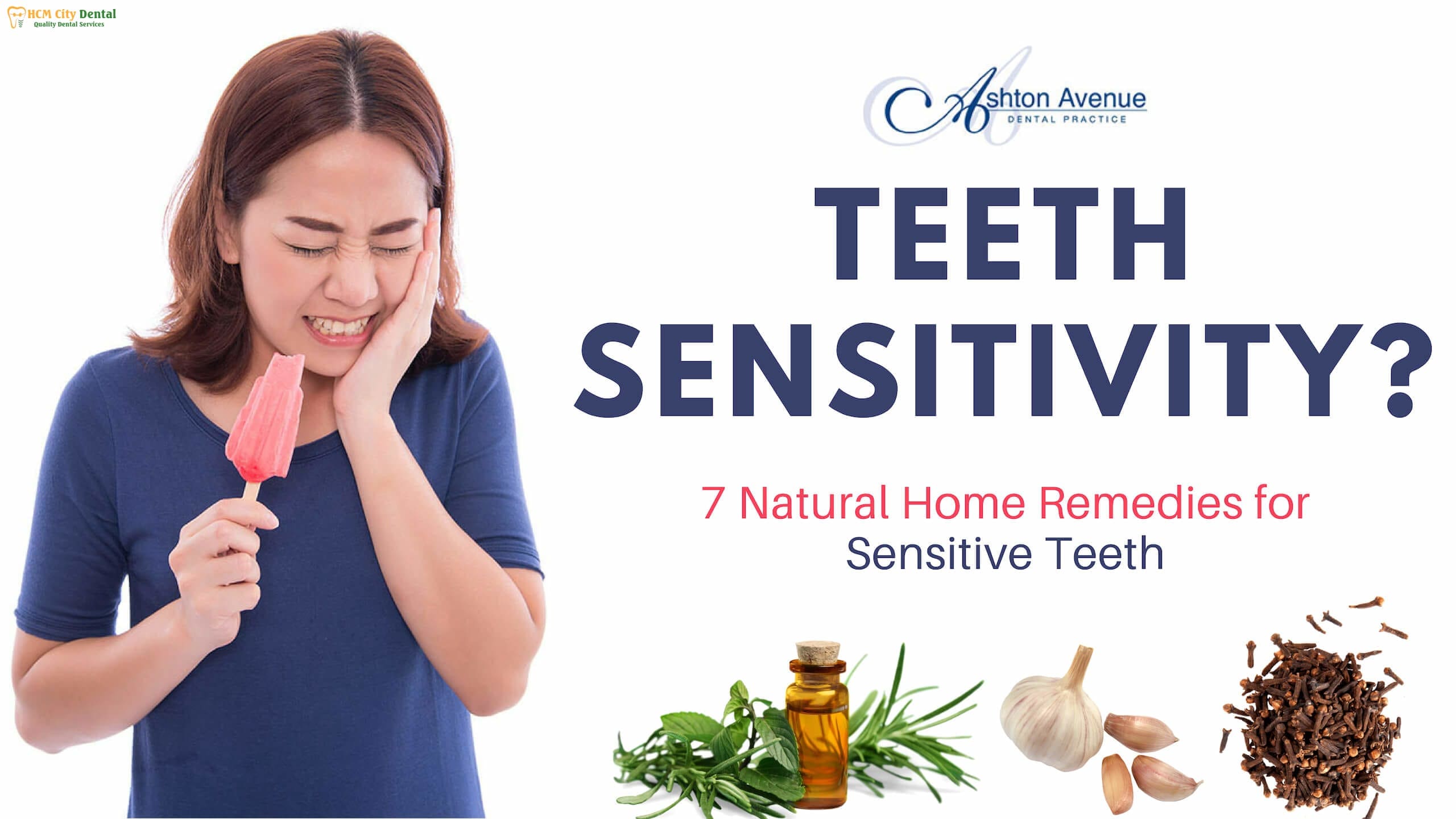
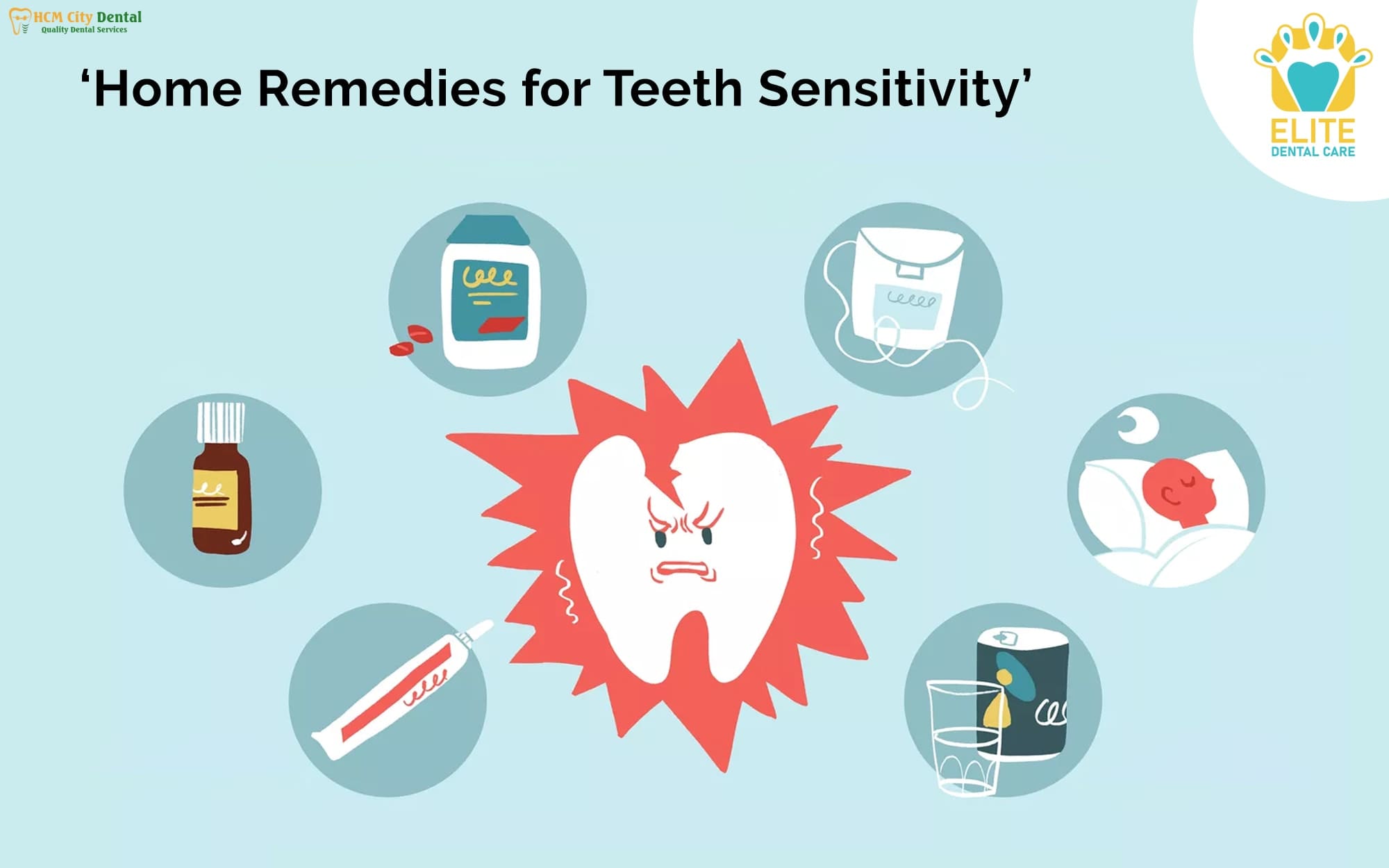
For mild to moderate sensitivity, several at-home strategies can provide significant relief. Here are the most effective methods, combining professional recommendations with safe, natural remedies for sensitive teeth.
1. Foundational Care: The Right Toothpaste and Brushing Technique
The first line of defense is your daily oral hygiene routine. This is non-negotiable for long-term relief.
- Use a Desensitizing Toothpaste: These are specifically formulated to help with sensitivity. Look for active ingredients like potassium nitrate, stannous fluoride, or strontium chloride. Potassium nitrate works by calming the tooth’s nerve, while stannous fluoride and strontium chloride block the microscopic tubules in the dentin. According to the American Dental Association, consistent use is necessary to see results.
- Switch to a Soft-Bristled Brush: A soft-bristled brush is essential to prevent further enamel abrasion and gum recession.
- Master Gentle Brushing: Hold your brush at a 45-degree angle to your gums and use gentle, circular motions rather than aggressive side-to-side scrubbing.
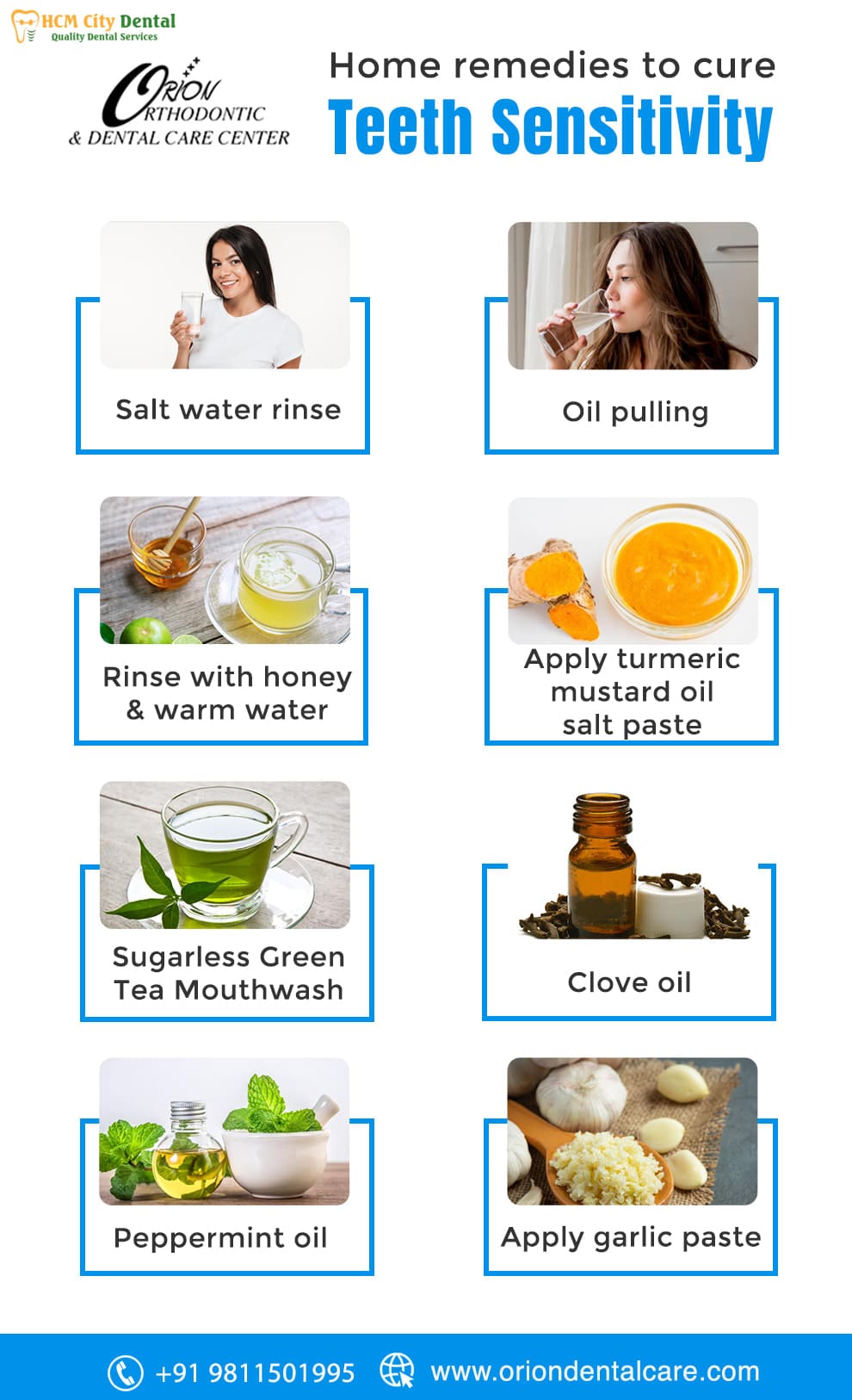
2. Proven Home Remedies for Sensitive Teeth
While not a cure, certain home remedies can offer temporary relief from the discomfort of sensitive teeth. Experience has shown that these can be effective complementary treatments.
| Home Remedy | How It Works | Instructions for Use |
|---|---|---|
| Saltwater Rinse | Salt is a natural antiseptic that can reduce inflammation in the gums, which may be contributing to sensitivity. | Dissolve ½ teaspoon of salt in a glass of warm water. Swish for 30 seconds, then spit out. Use twice daily. |
| Oil Pulling (Coconut Oil) | This ancient Ayurvedic practice may help reduce plaque and gingivitis, which can lead to gum recession. | Swish one tablespoon of coconut oil in your mouth for 10-15 minutes on an empty stomach. Spit it out (in the trash, not the sink) and rinse with water. |
| Clove Oil | Clove oil contains eugenol, a natural anesthetic and antiseptic that has been used in dentistry for centuries to numb pain. | Dilute a few drops of clove oil with a carrier oil (like coconut or olive oil). Apply a small amount to a cotton ball and dab gently on the sensitive tooth. |
| Green Tea Rinse | Green tea contains compounds that have anti-inflammatory and antioxidant properties, which can help support oral health and strengthen teeth. | Brew a cup of unsweetened green tea, let it cool, and use it as a mouthwash twice daily. |
3. Dietary Adjustments to Protect Your Enamel
What you eat and drink has a direct impact on your enamel. To prevent further erosion, it is wise to limit your intake of highly acidic foods and beverages. This includes carbonated drinks, citrus fruits, wine, and pickles. When you do consume them, rinse your mouth with water afterward to help neutralize the acids. Using a straw can also help minimize contact with your teeth.
Dr. Cuong’s Clinical Experience: “Over many years of practice, I’ve observed that patients who successfully manage their tooth sensitivity are those who adopt a holistic approach. It’s not just about using a special toothpaste; it’s about changing habits. Reducing acidic drink consumption and improving brushing technique often yield the most significant and lasting results.”
Understanding the right steps can make all the difference. For a personalized plan, book an appointment online and get a 10% discount on your first visit to HCMCDental.com!

sensitive teeth treatment at home
When Home Treatment Isn’t Enough: Professional Solutions
If at-home care doesn’t provide adequate relief, it’s time to consult a dental professional. A common scenario at our clinic is a patient who has tried every home remedy without success, only to discover an underlying issue like a micro-crack in a tooth or significant gum recession that requires professional intervention.
Based on a thorough examination, I might recommend one of the following treatments:
- Fluoride Varnish or Gel: A professional-grade fluoride application strengthens tooth enamel and can block the dentin tubules, providing significant relief.
- Dental Bonding or Sealants: For cases involving exposed root surfaces, a tooth-colored resin can be applied to cover and protect the sensitive area.
- Gum Graft: If sensitivity is due to significant gum recession, a surgical procedure can be performed to cover the exposed root with tissue from another part of the mouth.
- Mouthguard for Bruxism: If teeth grinding is the culprit, a custom-fitted mouthguard worn at night can protect your teeth from further wear.
- Root Canal Therapy: In severe, persistent cases where other treatments have failed, a root canal may be the most effective way to eliminate the pain by treating the tooth’s nerve.
sensitive teeth treatment at home
Frequently Asked Questions (FAQ)
How long does it take for desensitizing toothpaste to work?
In my experience, patients typically notice an improvement within a few days to two weeks of consistent, twice-daily use. The key is regular application to allow the active ingredients to build up a protective layer or calm the nerve endings.
Can a natural treatment for sensitive teeth be as effective as store-bought products?
Natural remedies like saltwater rinses or clove oil can provide temporary relief from symptoms, which is helpful. However, they do not address the underlying cause, such as enamel erosion. Desensitizing toothpastes with ingredients like potassium nitrate or stannous fluoride are scientifically proven to provide a more lasting solution by blocking pain signals or sealing dentin tubules.
What is the best teeth on edge cure?
That “teeth on edge” feeling is classic dentin hypersensitivity. The most reliable cure starts with using a soft-bristled brush and a desensitizing toothpaste daily. Avoiding acidic foods and drinks is also crucial. If the feeling persists, it’s a sign you need a dental check-up to rule out issues like cavities or cracks.
Why are my teeth suddenly sensitive when they weren’t before?
Sudden sensitivity can be triggered by several things. Common causes include starting a new teeth-whitening product, developing a new cavity, a cracked tooth, or even a sinus infection putting pressure on your dental nerves. If it’s a new and sudden problem, a dental visit is highly recommended to pinpoint the exact cause.
Are there any sensitive tooth remedies at home that provide immediate relief?
For very quick, temporary relief, dabbing a small amount of diluted clove oil on the affected area can help numb the sensation due to its natural anesthetic properties. A saltwater rinse can also soothe inflammation quickly. However, these are stopgap measures, not long-term solutions.
How can I relieve sensitive teeth pain quickly?
A combination of a warm saltwater rinse and avoiding any very hot, cold, or sweet foods can help calm a flare-up. Taking an over-the-counter anti-inflammatory medication can also reduce pain, but it’s essential to see a dentist to address the root cause of the severe pain.
Is it safe to use hydrogen peroxide for sensitive teeth?
While a diluted hydrogen peroxide rinse can help reduce bacteria, some commercial mouthwashes containing it can actually worsen sensitivity due to their acidic nature. If you choose to use it, ensure it is heavily diluted (e.g., one part 3% hydrogen peroxide to two parts water) and use it sparingly. A saltwater rinse is generally a safer alternative for soothing inflammation.
sensitive teeth treatment at home
Conclusion: Your Path to a Pain-Free Smile
Managing sensitive teeth is a partnership between effective at-home care and professional guidance. By adopting gentle oral hygiene practices, using the right products, and being mindful of your diet, you can significantly reduce or even eliminate the discomfort. These home remedies for sensitive teeth provide a strong foundation for daily management.
A Final Word from Dr. Cuong: “In my clinical experience, the most important step a patient can take is to be proactive. Don’t wait for the pain to become unbearable. The solutions are often straightforward, but they begin with understanding the cause. Your comfort and health are paramount, and a simple consultation can set you on the right path to lasting relief.”
Take control of your dental health today. For expert care and a personalized treatment plan, book an appointment online at HCMCDental.com and receive a 10% discount on your first visit, or call our Hotline/WhatsApp at +84853020003 for a free, no-obligation consultation.
This article was medically reviewed and written by Dr. Cuong.
Written and Medically Reviewed By
Dr. Cuong, Specialist in Odontostomatology
Dr. Cuong is a leading dental specialist with extensive clinical experience in diagnosing and treating a wide range of dental conditions, including dentin hypersensitivity. With a commitment to patient-centered care and evidence-based dentistry, Dr. Cuong has successfully treated thousands of patients at HCMCDental.com, helping them achieve optimal oral health and a pain-free smile. His approach combines deep diagnostic expertise with practical, actionable advice that empowers patients to manage their dental health effectively.
Important Disclaimer
The information provided in this article is for educational and informational purposes only and is not intended as a substitute for professional medical advice, diagnosis, or treatment. Always seek the advice of your dentist or another qualified health provider with any questions you may have regarding a medical condition. Never disregard professional medical advice or delay in seeking it because of something you have read in this article.
sensitive teeth treatment at home
sensitive teeth treatment at home