When international patients and dental tourists research before and after dental implants saigon, they are seeking more than just marketing promises; they are looking for verifiable, transparent clinical evidence. At HCMC Dental Clinic, located in the heart of Ho Chi Minh City, we understand that choosing to undergo complex restorative dentistry abroad is a significant decision. To provide absolute clarity and confidence, we have curated a comprehensive clinical gallery showcasing genuine patient transformations. From single-tooth replacements to complex full-arch rehabilitations and conservative cosmetic enhancements, our documentation reflects a steadfast commitment to ethical dentistry, precision engineering, and long-term biological success.
Clinical Summary:
This comprehensive clinical guide presents authentic, unretouched case studies from HCMC Dental Clinic, highlighting the expertise of Dr. Nguyen Van Cuong DDS. It details the clinical workflows, material selections, and long-term outcomes for various treatments, including All-on-4 implant rehabilitations, minimal-prep IPS e.max porcelain veneers, full mouth reconstructions, and clear aligner therapy. Emphasizing ethical, non-destructive dentistry, the article outlines our use of advanced 3D digital planning, same-day CAD/CAM technology, and premium materials with international warranties, providing prospective international patients with transparent, evidence-based insights into their potential treatment outcomes in Ho Chi Minh City.
Key Takeaways:
- Authentic Clinical Proof: All presented cases are genuine, unedited results treated exclusively by Dr. Cuong and his team, utilizing high-resolution macro photography for total transparency.
- Ethical Restorations: We strictly adhere to minimal-prep protocols, actively refusing destructive cosmetic trends to preserve natural enamel and long-term vitality.
- Premium Implantology: Full-arch and single implant cases utilize genuine, globally recognized fixtures, accompanied by verifiable international warranty passports.
- Advanced Digital Workflow: Treatments incorporate 3D CBCT imaging, intraoral scanning, and in-house CAD/CAM milling for precise, predictable, and highly efficient results.
- Comprehensive Care: From complex vertical dimension restorations to adult orthodontics with 3D thermoformed clear retainers, every treatment is customized to individual facial aesthetics.
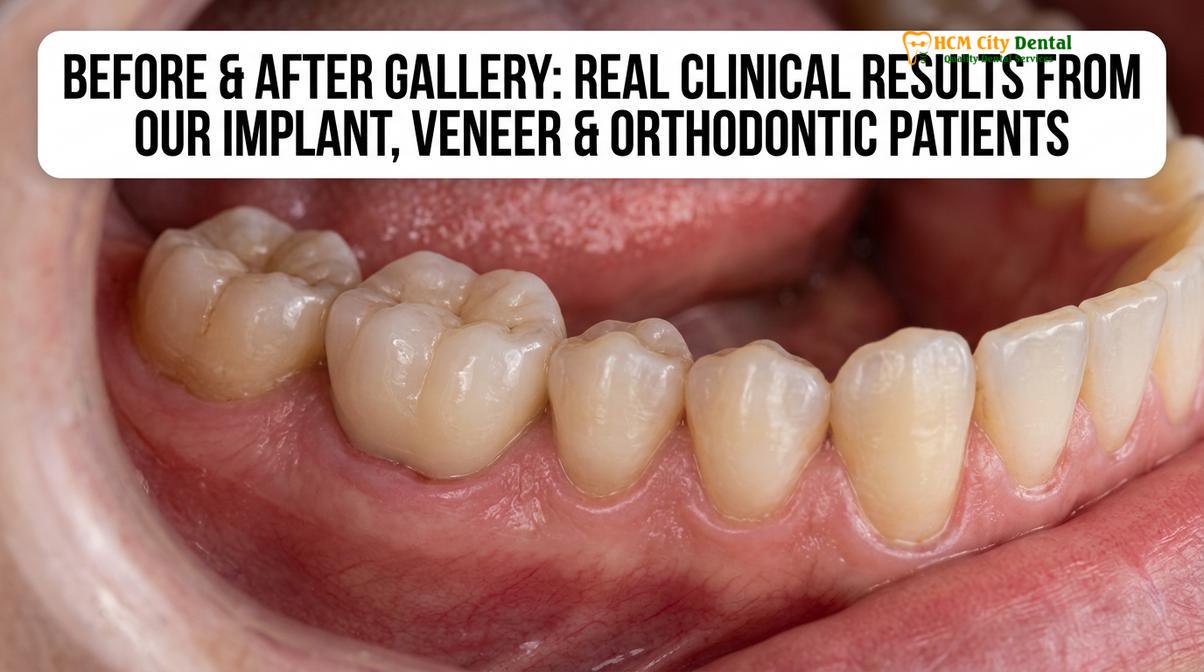
The Importance of High-Resolution, Non-Retouched Clinical Photography
In the modern era of digital marketing, the internet is saturated with heavily edited images and misleading dental transformations. For patients traveling to Vietnam for complex care, the authenticity of a clinic’s portfolio is paramount. Our approach to clinical documentation is rooted in medical transparency, aligning with international standards for dental tourism safety protocols and material traceability [4]. We utilize specialized dental photography equipment—including full-frame DSLR cameras, macro lenses, and twin-flash systems with cross-polarization filters—to capture the true reality of our work.
Transparency in Dental Tourism
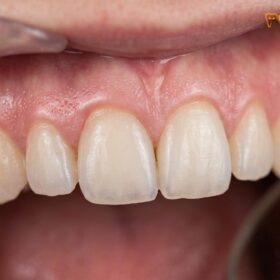
When evaluating a smile makeover transformation gallery, prospective patients must look beyond the initial brightness of the teeth. High-quality clinical photography allows you to examine the critical indicators of successful dentistry: the health of the pink gingival tissue, the seamless integration of the ceramic margin with the natural tooth, and the intricate surface texture that mimics natural enamel. By presenting unretouched images, we allow our patients to see the genuine tissue response and the true optical properties of our restorations, free from the deceptive smoothing effects of digital filters.
Ethical Dentistry vs. Destructive Cosmetic Trends
Our photographic evidence also serves as a testament to our conservative philosophy. We believe that the best dentistry is the least invasive dentistry possible. By documenting our cases step-by-step, we demonstrate our commitment to preserving healthy tooth structure, contrasting sharply with clinics that promote aggressive, irreversible tooth reduction for quick cosmetic gains.
“True aesthetic dentistry is not about creating the whitest, most uniform teeth possible. It is about harmonizing the restoration with the patient’s unique facial features while preserving the maximum amount of natural biology. A successful outcome is one that looks entirely natural and functions flawlessly for decades.”
— Dr. Nguyen Van Cuong DDS, Chief Clinical Director
Gallery 1: All-on-4 & Full Arch Dental Implant Transformations
For patients suffering from terminal dentition, severe periodontal disease, or total edentulism, full-arch implant rehabilitation offers a life-changing solution. Searching for all on 4 before and after photos saigon often leads patients to our clinic due to our extensive experience and documented success rates with these complex procedures.
Clinical Workflow for Full Arch Rehabilitation
The All-on-4 and All-on-6 protocols involve the strategic placement of titanium implants to support a fixed, full-arch prosthesis [2]. Our workflow begins with comprehensive 3D CBCT (Cone Beam Computed Tomography) imaging to assess bone volume, density, and vital anatomical structures. Using specialized software, Dr. Cuong digitally plans the exact angulation and depth of each implant, aiming for optimal biomechanical support and avoiding the need for extensive bone grafting.
We exclusively utilize premium, globally recognized implant systems. These systems are backed by extensive clinical research on implant survival rates in digital dentistry [1] and offer superior osseointegration properties. Following surgery, patients receive a verifiable international warranty passport, ensuring peace of mind and continuity of care regardless of where they live in the world.
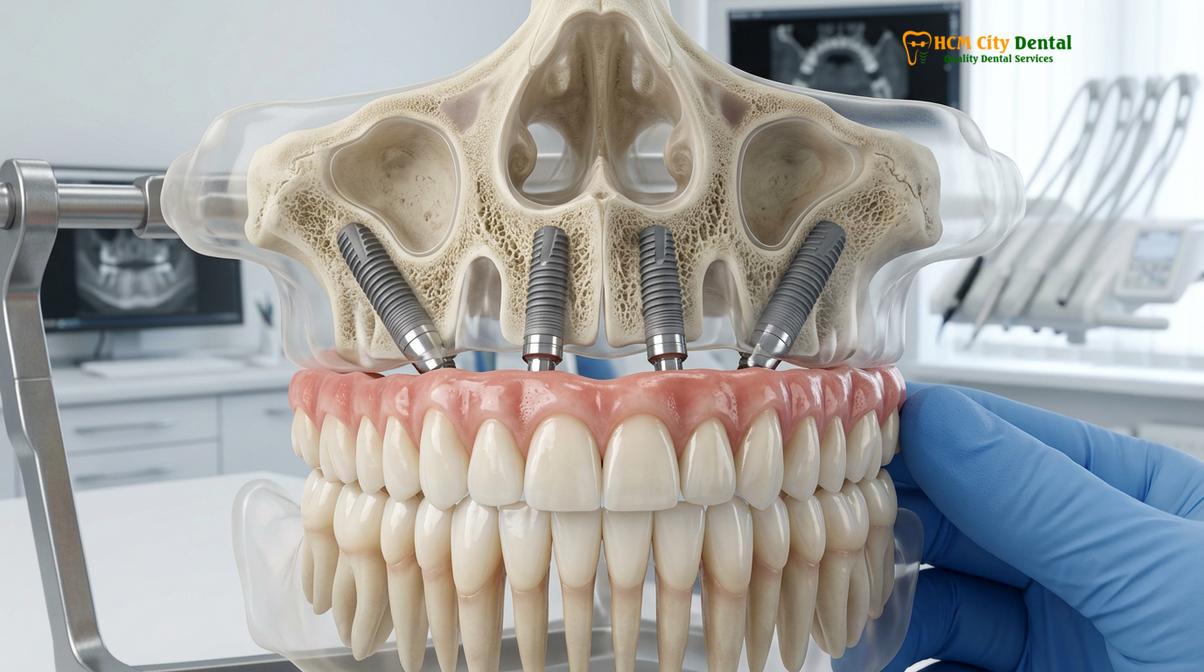
Clinical Case Study: Full Arch Rehabilitation for an International Patient
Patient Profile: A 58-year-old male teacher from Australia visiting HCMC Dental Clinic in Ho Chi Minh City.
Initial Symptoms: The patient presented with severe generalized periodontitis, multiple mobile teeth, recurrent abscesses, and a collapsed bite. He reported significant difficulty chewing and profound embarrassment regarding his smile, which affected his professional confidence.
3D Digital Planning: A comprehensive CBCT scan revealed severe horizontal and vertical bone loss in both the maxilla and mandible. Digital planning was utilized to design a dual-arch All-on-4 surgical guide, optimizing the use of available basal bone and avoiding the maxillary sinuses and inferior alveolar nerves.
Clinical Workflow: Under conscious sedation, the remaining hopeless teeth were extracted. Four active implants were placed in each arch with high primary stability. A high-density PMMA provisional bridge was fabricated and loaded, allowing the patient to leave the clinic with a fixed, functional smile.
Final Restoration: After an adequate osseointegration period, the patient returned for the final prosthetic phase. A precision-milled, titanium-reinforced Zirconia bridge with custom pink composite gingiva was delivered. The final restoration restored his vertical dimension of occlusion and provided exceptional aesthetics.
Extended Follow-Up: At the long-term review, clinical and radiographic examinations confirmed stable crestal bone levels, healthy peri-implant tissues, and excellent prosthetic integrity. The patient reported a complete restoration of chewing function and renewed self-esteem.
Gallery 2: Minimal Prep IPS E.max Porcelain Veneers
Cosmetic enhancements require a delicate balance between artistic vision and biological respect. When international patients review our porcelain veneers before and after vietnam portfolio, they frequently note the natural translucency, lifelike texture, and healthy gum tissues surrounding our restorations. For those planning a trip, our Dental Tourism Vietnam Veneers: Clinical Guide & Itinerary provides a comprehensive overview of the process.
Preserving Natural Enamel
Our approach to porcelain veneers is strictly conservative. We utilize minimal-prep or, when anatomically appropriate, no-prep techniques. By limiting enamel reduction to a mere fraction of a millimeter, we ensure that the veneer is bonded entirely to the enamel layer. Enamel bonding provides a significantly stronger and more predictable adhesive interface compared to dentin bonding, drastically reducing the risk of veneer debonding, microleakage, and post-operative sensitivity, which directly contributes to minimal prep porcelain veneer longevity [3].
Clinical Warning: Why We Refuse Destructive Crown Preparations
A destructive trend has emerged in dental tourism involving aggressively shaving down healthy, natural teeth into small pegs to fit thick, opaque zirconia crowns, often mislabeled as veneers. This aggressive preparation destroys the protective enamel, exposes the sensitive dentin, and frequently leads to nerve death, requiring root canal therapy and eventual tooth loss. At HCMC Dental Clinic, we categorically refuse to perform these biologically destructive procedures. We practice ethical, minimally invasive dentistry designed to protect your long-term oral health.
Same-Day CAD/CAM Technology
For select cases, we leverage our advanced in-house digital laboratory to provide expedited cosmetic treatments. Following a digital intraoral scan, the veneers are designed using CAD (Computer-Aided Design) software. The restorations are then precisely milled from high-strength lithium disilicate blocks (IPS e.max) using our 5-axis CAM milling machines. This technology allows us to deliver custom-characterized, highly aesthetic veneers with exceptional marginal adaptation, minimizing the need for temporary restorations.
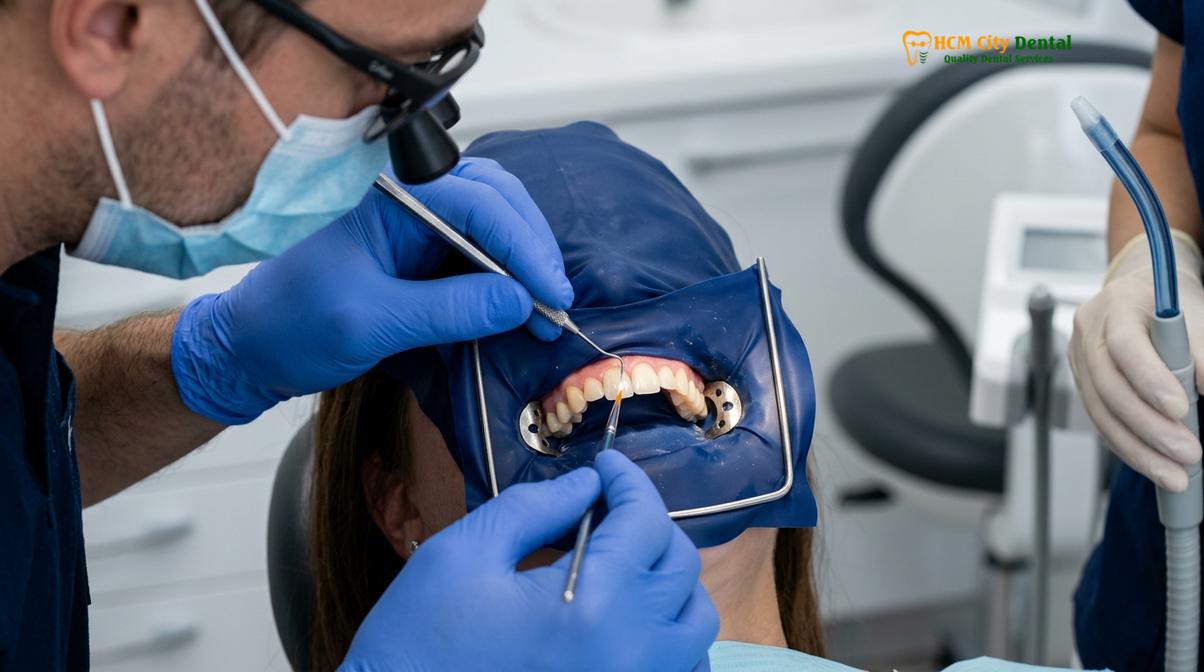
Gallery 3: Full Mouth Reconstruction for Severely Worn Teeth
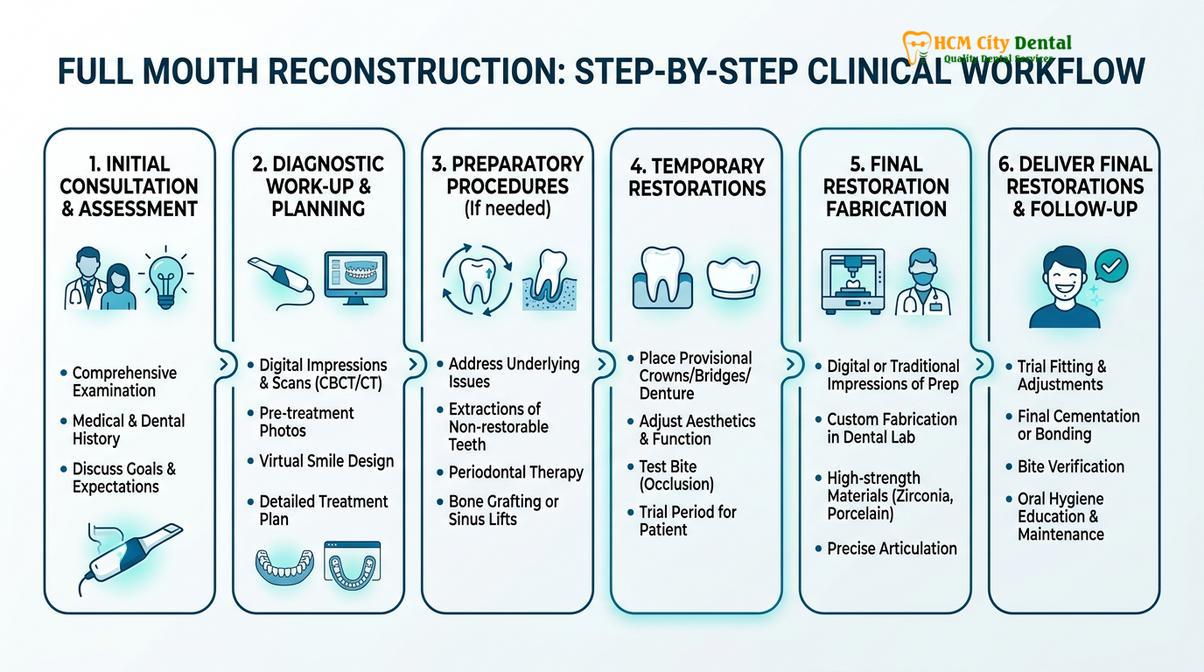
Severe tooth wear, often caused by chronic bruxism (teeth grinding), acid erosion, or a collapsed bite, requires a comprehensive, multidisciplinary approach. A full mouth reconstruction is not merely a cosmetic procedure; it is a complex functional rehabilitation designed to restore the harmonious relationship between the teeth, the temporomandibular joints (TMJ), and the masticatory muscles.
Addressing Vertical Dimension of Occlusion (VDO)
When teeth wear down significantly, the lower third of the face can appear collapsed, leading to deep wrinkles at the corners of the mouth and a prematurely aged appearance. Furthermore, this loss of Vertical Dimension of Occlusion (VDO) can cause TMJ pain, muscle fatigue, and chronic headaches. Our clinical workflow for these cases begins with a detailed functional analysis, including a diagnostic wax-up or digital mock-up, to determine the optimal new bite position.
By carefully raising the bite to its original, healthy dimension, we can alleviate joint stress, improve chewing efficiency, and provide a dramatic, natural “facelift” effect. This process is meticulously documented in our dr cuong clinical case photos, demonstrating the profound impact of functional restoration on overall facial aesthetics.
Material Selection and Longevity
The success of a full mouth reconstruction relies heavily on selecting the appropriate restorative materials. We often utilize a combination of monolithic Zirconia for posterior teeth, where maximum strength is required to withstand heavy chewing forces, and layered IPS e.max for anterior teeth, where aesthetic demands are highest. This strategic material selection ensures both long-term durability and exceptional visual appeal.
| Material Type | Primary Indication | Aesthetic Quality | Flexural Strength | Clinical Advantages |
|---|---|---|---|---|
| Monolithic Zirconia | Posterior Crowns & Bridges, Implant Prostheses | Good (Opaque, but improving with modern multi-layered discs) | Very High (900 – 1200 MPa) | Exceptional durability, highly resistant to fracture, ideal for heavy bruxers. |
| IPS e.max (Lithium Disilicate) | Anterior Crowns, Veneers, Inlays/Onlays | Excellent (High translucency, mimics natural enamel) | High (400 – 500 MPa) | Superior aesthetics, strong enamel bonding, excellent marginal integrity. |
| PFM (Porcelain Fused to Metal) | Traditional Bridges, Posterior Crowns | Moderate (Can show dark margins over time) | High (Metal substructure) | Proven long-term track record, cost-effective, but largely superseded by all-ceramic options. |
| Composite Resin | Direct Fillings, Minor Bonding, Provisional Restorations | Good (Highly customizable) | Moderate (Prone to wear over time) | Conservative, repairable, lower initial cost. See our General & Preventive Dentistry guide for details. |
Gallery 4: Adult Clear Aligner & Invisalign Smile Alignments
Orthodontic treatment is no longer restricted to traditional metal braces. For adult patients seeking a discreet, comfortable, and efficient way to straighten their teeth, clear aligner therapy offers an exceptional solution. Our gallery features numerous cases of complex crowding, spacing, and bite discrepancies successfully resolved through digital orthodontics, including Invisalign and custom clear aligner systems.
3D Digital Planning and Orthodontic Movement
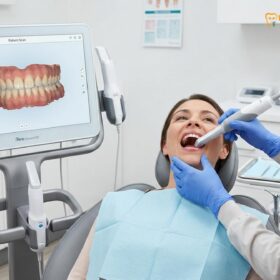
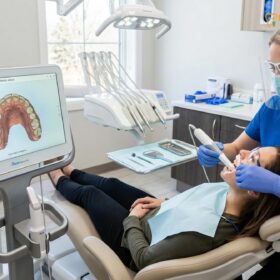
The foundation of successful clear aligner therapy is precise digital planning. We utilize advanced intraoral scanners to capture a highly accurate 3D model of your dentition. Using sophisticated software, Dr. Cuong plans the exact trajectory of every tooth movement, calculating the necessary forces and the optimal placement of composite attachments. This digital workflow allows patients to visualize their final result before treatment even begins, ensuring that expectations are aligned with clinical realities.
Clinical Leadership: Dr. Nguyen Van Cuong
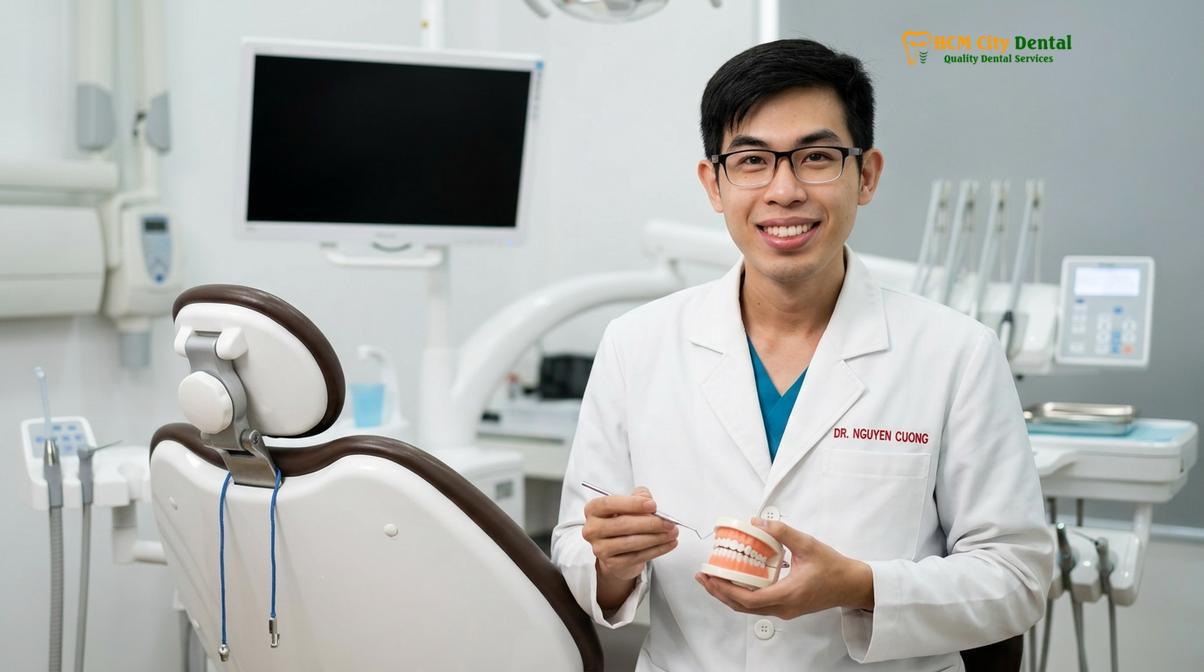
Dr. Nguyen Van Cuong DDS leads the clinical team at HCMC Dental Clinic, bringing decades of advanced restorative experience to every patient case. As a highly sought-after specialist, Dr. Cuong meticulously oversees all complex implant and cosmetic procedures to ensure optimal biological integration and aesthetic harmony. For more insights into his approach and expertise, you can explore our comprehensive guide on finding the Best Cosmetic Dentist in Ho Chi Minh City: Veneers & Smile Makeovers.
When to Consult a Dental Professional
While our clinical gallery highlights successful outcomes, it is crucial for patients to understand when immediate professional intervention is necessary. If you have previously received dental implants or veneers and experience persistent pain, swelling, bleeding gums, or notice a restoration becoming loose, you should seek a clinical evaluation promptly. Early detection of peri-implantitis or microleakage under a veneer can prevent catastrophic failure. At HCMC Dental Clinic, we strictly adhere to the highest safety standards, including guidelines on infection control and aerosol management in dental settings established by the Vietnam Ministry of Health (MOH) and the Vietnam Odonto-Stomatology Association (VOSA) [5], ensuring a safe environment for all diagnostic and corrective procedures.
How Dr. Cuong Customizes Every Smile to Facial Aesthetics
A truly successful dental restoration is one that seamlessly integrates with the patient’s unique facial features. A “one-size-fits-all” approach to cosmetic dentistry often results in artificial-looking, generic smiles. At HCMC Dental Clinic, we employ a comprehensive facial analysis protocol to ensure that every restoration enhances the patient’s natural beauty.
Digital Smile Design (DSD) Integration
We utilize Digital Smile Design (DSD) principles to plan our cosmetic and restorative cases. This involves analyzing dynamic video recordings and high-resolution photographs of the patient speaking, smiling, and resting. By evaluating the relationship between the teeth, the lips, and the gingival architecture in motion, we can design restorations that look natural in every situation, not just in a static photograph. For a deeper understanding of this process, you can review our Smile Makeover Vietnam: Clinical Costs, DSD & Veneer Packages.
“The integration of digital smile design allows us to move beyond guesswork. By mapping the patient’s facial midline, interpupillary line, and lip dynamics, we engineer a smile that is biologically sound and aesthetically customized to their unique identity.”
Frequently Asked Questions
Are all photos in your Before & After gallery genuine cases treated by Dr. Cuong?
Yes, every clinical photograph presented in our gallery represents a genuine patient treated exclusively by Dr. Nguyen Van Cuong and his specialized team at HCMC Dental Clinic.
Can I request specific case photos similar to my dental condition?
Absolutely. During your initial consultation, we can filter our extensive clinical database to show you cases that closely match your specific anatomical challenges and aesthetic goals.
How do you ensure natural tooth color and translucency in veneer photos?
We utilize cross-polarized clinical photography to eliminate flash glare, revealing the true internal characterization, translucency, and shade integration of our ceramic restorations.
Do you edit or use Photoshop filters on patient clinical images?
No. We adhere to strict ethical guidelines and never alter the anatomical results, tissue health, or ceramic aesthetics using digital manipulation software.
Can I see physical photo albums during my initial in-clinic consultation?
Yes, we maintain high-resolution, printed clinical portfolios in our consultation rooms, allowing you to examine the micro-texture and gingival integration of our work up close.
References
- Journal of the American Dental Association. Implant survival rates in digital dentistry. (2022).
- International Journal of Oral and Maxillofacial Implants. All-on-4 full arch rehabilitation. (2021).
- Journal of Esthetic and Restorative Dentistry. Minimal prep porcelain veneer longevity. (2020).
- British Dental Journal. Dental tourism safety protocols and material traceability. (2023).
- Vietnam Ministry of Health (MOH) / Vietnam Odonto-Stomatology Association (VOSA). Guidelines on infection control and aerosol management in dental settings. (2021).
If you are considering advanced restorative or cosmetic dentistry and wish to see how our clinical expertise can transform your smile, we invite you to schedule a comprehensive consultation. Contact HCMC Dental Clinic in Ho Chi Minh City today to begin your journey toward optimal oral health and lasting aesthetic confidence.