When searching for 24 hour dental care near me, immediate clinical intervention is crucial for severe pain, trauma, or uncontrolled bleeding. True dental emergencies require prompt diagnostic evaluation to preserve tooth vitality, manage acute odontogenic infections, and prevent systemic complications before definitive restorative treatment can begin.
Clinical Summary:
Emergency dental care focuses on the rapid triage, diagnosis, and stabilization of acute oral conditions that pose an immediate threat to a patient’s health or dentition. Clinical protocols prioritize the management of severe odontogenic infections, traumatic injuries such as tooth avulsion or luxation, and uncontrollable hemorrhage. Effective intervention relies on accurate diagnostic imaging, profound local anesthesia, and targeted treatments like emergency pulpectomy, incision and drainage, or rigid splinting. Understanding the distinction between true dental emergencies and urgent restorative needs is vital for appropriate patient routing, ensuring that life-threatening complications like airway compromise are directed to hospital emergency departments, while acute pulpal pain is managed by specialized dental professionals.
Key Takeaways:
- True dental emergencies include avulsed teeth, severe facial swelling, and uncontrolled oral hemorrhage requiring immediate intervention.
- An avulsed permanent tooth has the highest reimplantation success rate if repositioned within the first 60 minutes.
- Acute odontogenic infections can spread rapidly through fascial spaces, potentially compromising the airway if left untreated.
- Over-the-counter analgesics provide temporary symptomatic relief but cannot cure underlying pulpal necrosis or bacterial abscesses.
- Hospital emergency rooms manage systemic complications of dental infections but typically do not perform definitive dental procedures like root canals.
Understanding 24-Hour Dental Emergencies: Clinical Triage
Emergency dental triage categorizes oral conditions based on severity, prioritizing acute trauma, severe hemorrhage, and spreading infections over routine restorative needs to ensure optimal clinical outcomes.
The concept of emergency dentistry revolves around the rapid assessment and stabilization of acute oral and maxillofacial conditions. When patients experience sudden, excruciating pain or sustain trauma to the lower third of the face, the immediate clinical objective is to perform accurate triage. Triage in a dental setting involves differentiating between conditions that are life-threatening, those that threaten the vitality of the dentition, and those that are merely uncomfortable but structurally stable. This systematic approach ensures that resources are allocated efficiently and that patients receive the appropriate level of care without unnecessary delay.
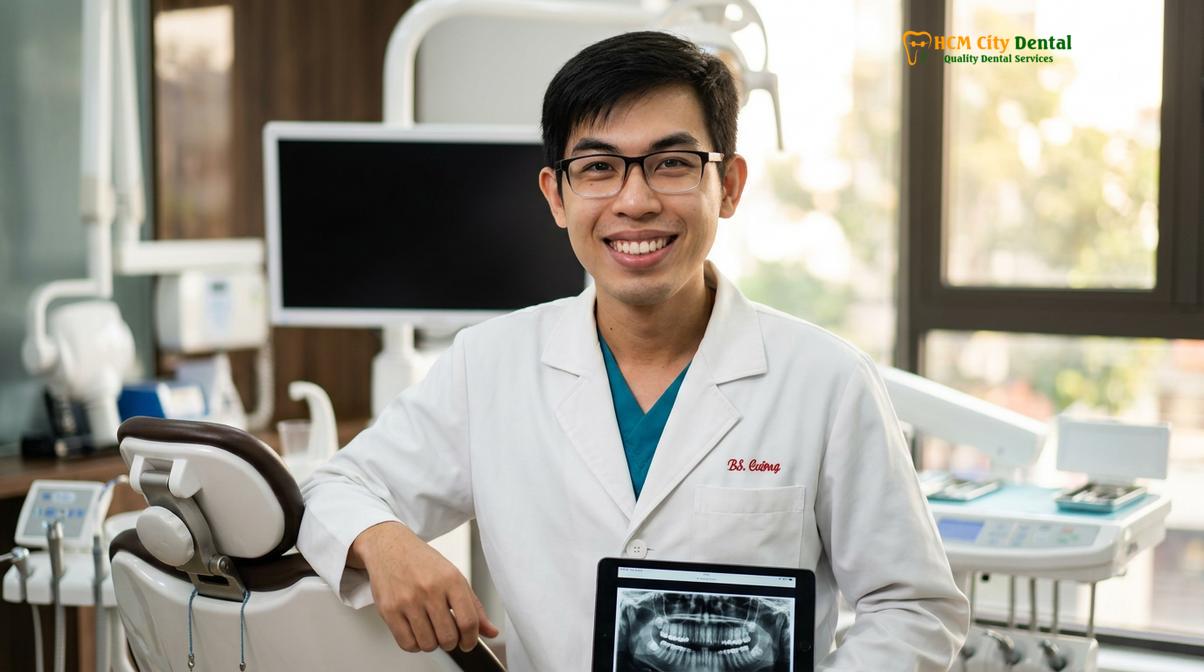
Dr. Nguyen Van Cuong, a leading specialist in acute oral care, emphasizes that patient education is a critical component of emergency triage. He notes that guiding patients through a structured series of diagnostic questions helps clinicians formulate a preliminary diagnosis before the patient even arrives at the clinic. This proactive approach is a cornerstone of comprehensive General Dentistry, ensuring that emergency slots are utilized effectively and patients receive timely, targeted interventions.

Evening & After-Hours Dental Care in Saigon
While most standard dental clinics in Ho Chi Minh City close by 8:00 PM, select specialized centers maintain on-call teams for nighttime emergencies, offering immediate pain relief and trauma stabilization.
Navigating late-night dental emergencies in Ho Chi Minh City requires understanding the difference between standard daytime operations and dedicated after-hours on-call services. In a genuine midnight emergency, the clinic is activated specifically for your case after a brief remote triage evaluation.
| Service Aspect | Standard Daytime Clinic (8 AM – 8 PM) | After-Hours Emergency Care (8 PM – 8 AM) |
|---|---|---|
| Appointment Type | Scheduled, walk-ins accepted | Strictly on-call, triage required prior to arrival |
| Primary Focus | Comprehensive care, cosmetics, routine exams | Acute pain relief, trauma stabilization, hemostasis |
| Staffing | Full team of specialists, hygienists, receptionists | Skeleton crew: On-call dentist and one assistant |
| Cost Structure | Standard fee schedule | Standard fees plus an after-hours activation surcharge |
| Treatment Scope | Definitive, long-term restorations | Palliative, temporary stabilization until daytime |
True Emergencies vs. Urgent Care
To navigate the complexities of urgent oral healthcare, it is essential to delineate the boundaries between true emergencies and urgent care scenarios. True emergencies demand immediate, drop-everything intervention. An avulsed (knocked-out) permanent tooth is a classic example. The periodontal ligament (PDL) cells attached to the root surface begin to undergo necrosis within minutes of being outside the oral cavity. The golden hour for reimplantation is strictly limited; success rates plummet if the tooth is dry for more than 60 minutes. Similarly, a rapidly expanding submandibular swelling requires immediate hospitalization and intravenous antibiotic therapy to prevent airway obstruction.
Urgent care, while still requiring swift attention, allows for a slightly wider window of intervention. A patient presenting with a fractured cusp that exposes the underlying dentin will experience significant thermal sensitivity and discomfort during mastication. However, as long as the dental pulp is not overtly exposed and there is no active infection, the tooth can typically be stabilized within 24 to 48 hours. Similarly, a dislodged crown or a broken orthodontic bracket, while highly inconvenient and potentially irritating to the soft tissues, does not constitute a true medical emergency.
“Effective management of dental emergencies relies on the clinician’s ability to rapidly synthesize patient history, clinical presentation, and radiographic findings to distinguish between localized dental pathology and potentially life-threatening systemic involvement.”
Clinical Protocols for Dental Trauma and Avulsions
Immediate reimplantation within 60 minutes is the gold standard for an avulsed permanent tooth, requiring careful handling of the periodontal ligament and flexible splinting to promote physiological healing.
Traumatic dental injuries are among the most distressing emergencies a patient can face, often resulting from sports injuries, falls, or motor vehicle accidents. The dentoalveolar complex is highly vascular and innervated, meaning that trauma not only causes significant structural damage but also profound pain and psychological distress. The clinical management of these injuries is dictated by the type and severity of the trauma, ranging from simple enamel infractions to complex alveolar bone fractures and complete tooth avulsions.
When a patient searches for emergency care following trauma, time is the most critical variable. The biological rationale for rapid intervention centers on the preservation of the periodontal ligament (PDL) and the neurovascular supply entering the apical foramen. In cases of luxation (displacement of the tooth within its socket), the tooth must be carefully repositioned and stabilized to allow the torn PDL fibers to reattach[2]. This process often requires the administration of profound local anesthesia, as the manipulation of traumatized bone and soft tissue is exquisitely painful.
For pediatric patients, the management of trauma is further complicated by the presence of developing permanent tooth buds beneath the primary dentition. Intrusive luxation of a primary incisor, where the tooth is driven upward into the alveolar bone, poses a significant risk of damaging the underlying permanent successor. In such cases, the clinical protocol often involves careful observation or extraction of the primary tooth, rather than attempting repositioning, to safeguard the developing permanent dentition. Detailed protocols for these specific scenarios are essential components of a comprehensive Dental Emergency Child Vietnam: Clinical Guide | HCMC Dental.
Managing a Knocked-Out Tooth (Avulsion)
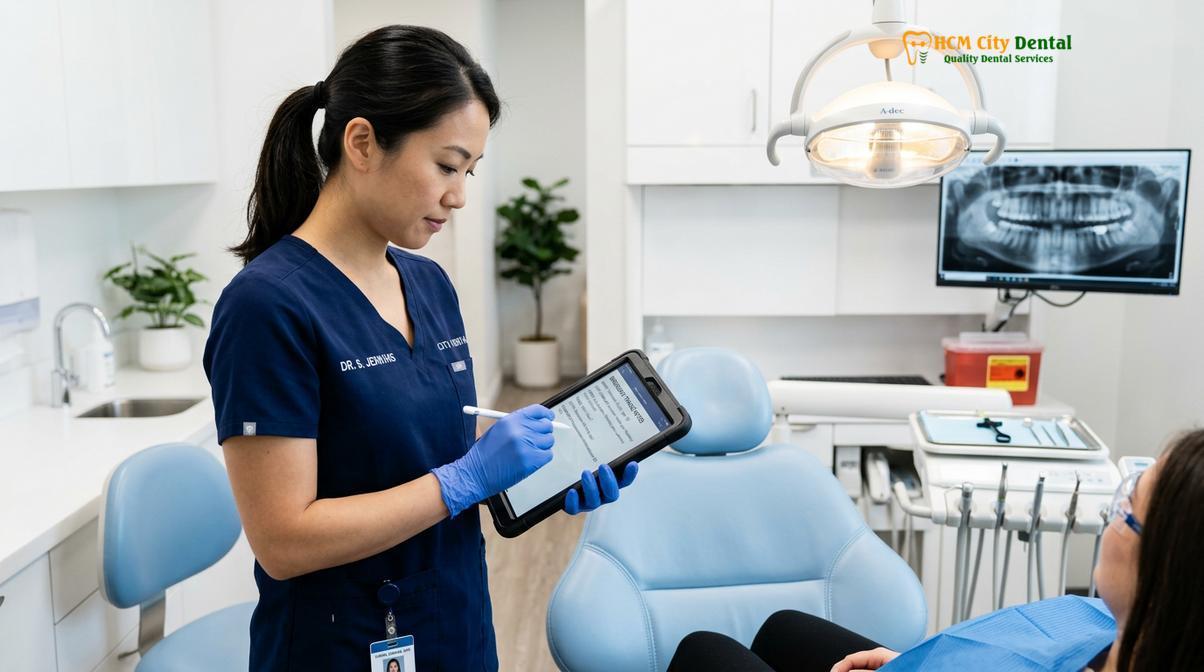
The complete avulsion of a permanent tooth is a true dental emergency that tests the rapid response capabilities of both the patient and the clinician. The immediate goal is to maintain the viability of the PDL cells remaining on the root surface. If these cells desiccate and die, the body will recognize the reimplanted tooth as a foreign object, leading to replacement resorption (ankylosis), where the tooth root is gradually replaced by bone, ultimately resulting in tooth loss.
The internationally recognized protocol for an avulsed tooth dictates that the tooth should be handled exclusively by the crown. The root surface must never be scrubbed, scraped, or handled, as this will mechanically strip the delicate PDL cells. If the tooth is visibly contaminated with dirt or debris, it should be gently rinsed with cold running water or saline for no more than 10 seconds. The ideal immediate action is for the patient or a bystander to reimplant the tooth back into its socket at the site of the accident. If immediate reimplantation is not feasible due to patient distress or severe associated injuries, the tooth must be placed in a physiological storage medium.
Fractures and Luxations
Beyond complete avulsions, dental trauma frequently presents as crown fractures or luxation injuries. A complicated crown fracture involves the loss of enamel and dentin with direct exposure of the dental pulp. This condition is acutely painful due to the exposure of nerve endings to the oral environment. Emergency treatment involves isolating the tooth, achieving hemostasis of the bleeding pulp, and placing a biocompatible material over the exposure site to promote the formation of a dentin bridge, followed by a temporary restorative seal.
Luxation injuries, where the tooth is displaced laterally, extruded, or intruded, require careful repositioning under local anesthesia. Once repositioned, the tooth must be stabilized using a flexible splint attached to the adjacent healthy teeth. Unlike rigid splinting used in orthopedic bone fractures, dental splinting must be flexible to allow for physiological micro-movement of the tooth during function. This micro-movement is essential for the regeneration of the PDL and the prevention of ankylosis.
Severe Odontogenic Infections and Acute Abscesses
Acute dental abscesses presenting with facial swelling or airway compromise demand immediate surgical drainage and targeted antimicrobial therapy to prevent life-threatening systemic spread.
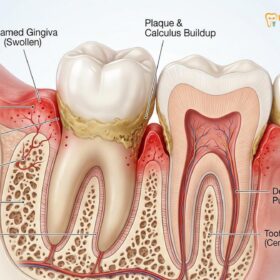
Odontogenic infections are among the most common reasons patients seek emergency dental care. These infections typically originate from necrotic pulpal tissue secondary to deep dental caries, severe periodontal disease, or failed endodontic treatments. When the bacterial load overwhelms the local immune response, the infection spreads beyond the apical foramen of the tooth root and into the surrounding periapical tissues, forming an acute apical abscess. This process is characterized by the rapid accumulation of purulent exudate (pus), leading to intense, throbbing pain and localized swelling.
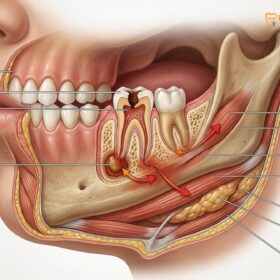
The pathophysiology of an acute dental abscess involves a complex interplay of anaerobic and aerobic bacteria. As the infection progresses, it seeks the path of least resistance through the alveolar bone. Once it breaches the cortical plate, the infection enters the adjacent soft tissues, leading to cellulitis—a diffuse, erythematous, and highly painful swelling of the facial tissues. The specific direction in which the infection spreads is dictated by the anatomical relationship between the apex of the infected tooth and the surrounding muscle attachments and fascial planes[3].
Managing these infections requires a dual approach: achieving source control and providing systemic support. Source control is the paramount objective and is achieved through surgical intervention—either by extracting the offending tooth or by initiating emergency root canal therapy to extirpate the necrotic tissue and drain the exudate. In cases where a fluctuant, localized swelling is present in the soft tissues, an incision and drainage (I&D) procedure is performed to decompress the area, immediately relieving pain and reducing the bacterial load. Understanding these protocols is vital, especially when managing Complications After Tooth Extraction: Clinical Guide | HCMC Dental, where postoperative infections can rapidly escalate.
Recognizing Life-Threatening Swelling
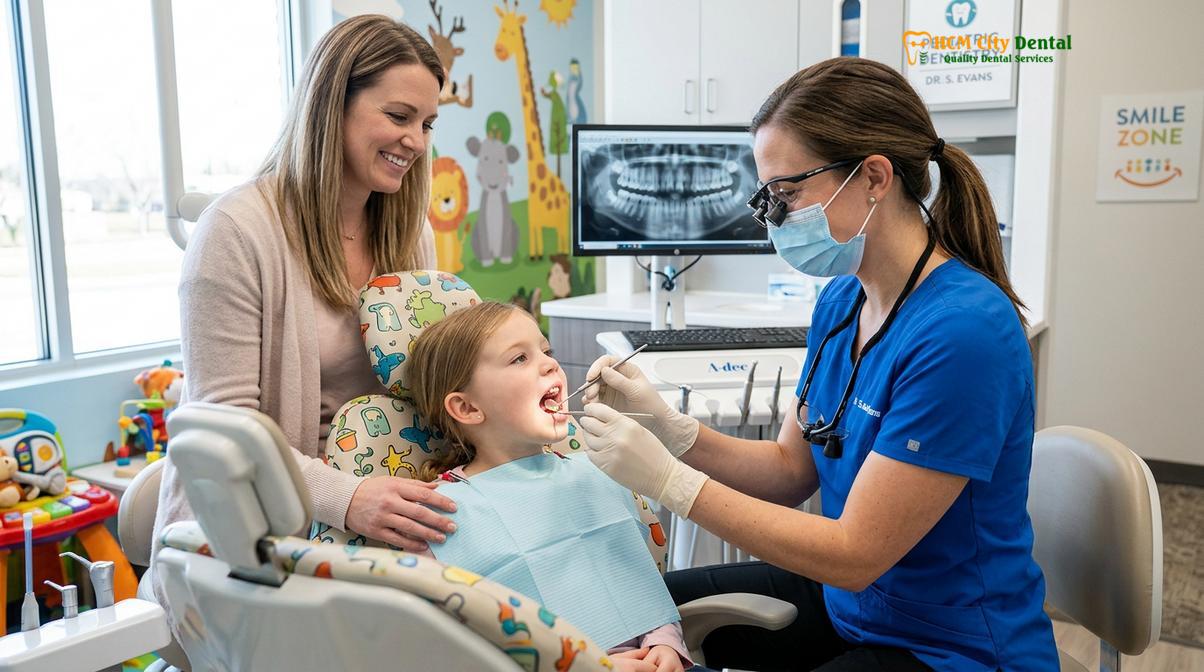
While many dental abscesses remain localized to the oral vestibule, certain clinical presentations indicate a dangerous progression into the deep fascial spaces of the head and neck. Clinicians and patients must be vigilant for “red flag” symptoms that signal systemic involvement. These include trismus (severe restriction in mouth opening due to muscle spasm), dysphagia (difficulty swallowing), odynophagia (painful swallowing), dyspnea (difficulty breathing), and a high-grade fever accompanied by malaise and lethargy.
Emergency Drainage and Antibiotic Therapy
The cornerstone of treating a severe odontogenic infection is the physical evacuation of pus. Antibiotics alone are insufficient to cure a dental abscess; they cannot penetrate the avascular environment of a necrotic root canal system or effectively sterilize a large, encapsulated collection of purulent material. Therefore, surgical drainage is non-negotiable. Once drainage is established, the patient’s symptoms typically improve dramatically within 24 hours.
Systemic antibiotics are prescribed as an adjunct to surgical treatment, specifically when there is evidence of spreading cellulitis, systemic involvement, or if the patient is immunocompromised. The empirical antibiotic of choice is typically a broad-spectrum penicillin, such as Amoxicillin, often combined with Clavulanate to overcome beta-lactamase-producing bacteria. The precise selection and dosing of antimicrobial agents are critical components of emergency pharmacological management.
Managing Acute Endodontic Pain and Pulpitis
Irreversible pulpitis causes spontaneous, severe radiating pain that typically requires emergency pulpectomy to remove the inflamed nerve tissue and provide immediate relief.
Acute pulpal pain is frequently described by patients as one of the most severe forms of pain they have ever experienced. This intense discomfort arises from irreversible pulpitis, a condition where the dental pulp becomes severely inflamed and cannot heal. Because the pulp is encased within the rigid walls of the dentin, the inflammatory exudate has nowhere to expand. This leads to a rapid increase in intrapulpal pressure, which compresses the nerve fibers and generates excruciating, throbbing pain that often radiates to the ear, temple, or jaw[1].
The clinical hallmark of irreversible pulpitis is spontaneous pain that occurs without any provocation and lingers long after a thermal stimulus (particularly cold or heat) is removed. Patients frequently report that the pain awakens them from sleep or worsens when they lie down, due to the increased hydrostatic pressure in the head. In these emergency scenarios, the definitive treatment is a pulpectomy—the complete removal of the inflamed pulpal tissue from the crown and root canals. This procedure immediately decompresses the tooth and eliminates the source of the pain, as detailed in our guide on Pain After Root Canal: Normal vs Emergency | HCMC Dental.
Pharmacological Pain Relief
While awaiting professional dental care, pharmacological management is often necessary to help patients cope with acute odontogenic pain. Over-the-counter analgesics are the first line of defense. Clinical studies consistently show that a combination of non-steroidal anti-inflammatory drugs (NSAIDs), such as ibuprofen, taken concurrently with paracetamol (acetaminophen), provides superior pain relief compared to either drug taken alone[4]. This combination targets both the peripheral inflammatory response and the central perception of pain.
It is crucial to understand that pharmacological interventions only mask the symptoms; they do not cure the underlying pathology. Patients must still seek definitive dental treatment to resolve the infection or pulpal inflammation. For a deeper understanding of medication protocols, refer to the Vietnam Pharmacy Dental Pain Guide: Clinical Relief | HCMC Dental.
| Condition | Clinical Presentation | Triage Category |
|---|---|---|
| Avulsed Permanent Tooth | Complete displacement of tooth from socket | True Emergency (Immediate) |
| Acute Apical Abscess | Severe swelling, systemic fever, trismus | True Emergency (Immediate) |
| Irreversible Pulpitis | Spontaneous, lingering thermal pain | Urgent (Within 24 hours) |
| Lost Restoration | Mild sensitivity without spontaneous pain | Non-Urgent (Routine scheduling) |
Cost Surcharges for Nighttime Dental Care
Operating a clinical facility in the middle of the night requires extra logistical overhead, including power system activation, off-schedule sterilization, and on-call staffing. Therefore, after-hours dental care typically incurs a flat emergency activation surcharge in addition to the standard treatment fees.
Financial Checklist: Always ask the triage coordinator to clarify the emergency activation fee during your initial phone call. If the emergency is due to accidental trauma (such as a motorcycle accident in Vietnam), ensure you retain all itemized receipts, clinical notes, and X-rays to claim reimbursement from your travel or health insurance provider.
How to Contact the On-Call Dentist
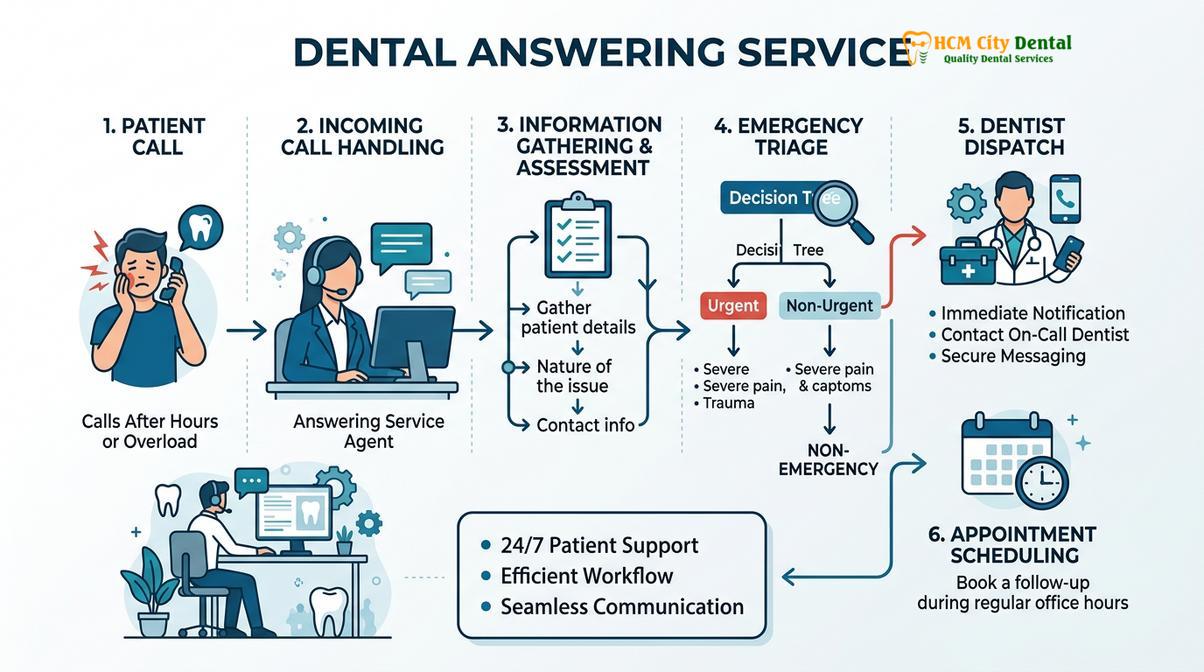
Do not show up unannounced at a clinic at midnight. You must call the clinic’s dedicated emergency hotline to undergo a brief triage screening, describing the nature of the pain, facial swelling, bleeding, or recent trauma, which allows the on-call team to prepare the necessary sterile trays before your arrival.
Clinical Case Study: Nocturnal Trauma Management
A 34-year-old expat contacted the HCMC Dental Clinic hotline at 11:30 PM after a fall resulted in a displaced upper incisor. The patient was instructed to bite down gently on gauze and avoid touching the root. The on-call team immediately met the patient, repositioned the tooth under local anesthesia, and applied a flexible composite splint. The prompt after-hours intervention successfully preserved the tooth’s vitality.
When to See a Doctor Immediately
Recognizing the signs of systemic involvement or severe structural damage is critical for determining when to bypass standard scheduling and seek immediate emergency intervention.
Not all dental discomfort requires a midnight trip to the clinic, but certain symptoms serve as clear indicators that immediate medical or dental intervention is necessary. According to the national guidelines on emergency odonto-stomatology and infection control established by the Vietnam Ministry of Health (MOH), patients must seek immediate evaluation if they experience uncontrolled oral hemorrhage, trauma affecting the maxillofacial skeleton, or signs of a spreading infection[5]. These guidelines are designed to prevent localized dental issues from escalating into life-threatening systemic conditions.
Patients should immediately contact an emergency dental provider or visit a hospital emergency department if they experience difficulty breathing or swallowing, swelling that extends to the eye or down the neck, or a high fever accompanied by confusion or lethargy. For international patients navigating these situations, understanding local healthcare infrastructure is vital, as outlined in the Expat Dental Emergency HCMC: Clinical Guide & Care | HCMC Dental.
“Delaying treatment for acute fascial space infections or severe dentoalveolar trauma can lead to irreversible structural loss and severe systemic complications.”
Clinical Case Study: Trauma Management
A real-world clinical scenario demonstrating the critical importance of rapid triage and appropriate splinting protocols following severe dentoalveolar trauma.
Patient Presentation: A 28-year-old patient arrived at HCMC Dental Clinic in Ho Chi Minh City after sustaining a sports-related injury resulting in the avulsion of the maxillary right central incisor.
Clinical Intervention: The tooth had been stored in milk for approximately 40 minutes. The clinical team immediately flushed the socket with saline, gently repositioned the tooth, and applied a flexible wire-composite splint to the adjacent teeth under local anesthesia.
Outcome: Following endodontic evaluation and a two-week splinting period, the tooth demonstrated favorable clinical stability and an absence of inflammatory resorption, highlighting the importance of rapid emergency response and proper storage media.
Frequently Asked Questions
What qualifies as a true dental emergency requiring immediate care?
A true dental emergency involves severe, uncontrolled bleeding, acute facial swelling compromising the airway, or a completely knocked-out permanent tooth. These conditions require immediate clinical intervention to prevent systemic complications, permanent tooth loss, or life-threatening infections spreading through the fascial spaces.
How should I handle a knocked-out tooth before reaching the clinic?
Handle the avulsed tooth only by the crown, avoiding any contact with the delicate root surface. Rinse it gently with saline or milk if visibly soiled, and attempt to reimplant it immediately; if impossible, store it in milk or Hank’s Balanced Salt Solution while seeking urgent care.
Can I go to a hospital emergency room for severe toothache?
Hospital emergency departments can administer systemic antibiotics and strong analgesics for severe infections, but they rarely have dentists on staff to perform extractions or root canals. You should visit an A&E for life-threatening swelling or trauma, but definitive dental treatment requires a specialized dental clinic.
What is the most effective over-the-counter pain relief for a toothache?
A combination of ibuprofen and paracetamol taken simultaneously often provides the most effective temporary relief for acute odontogenic pain. However, this pharmacological approach only masks the symptoms and does not resolve the underlying bacterial infection or pulpal inflammation requiring professional endodontic therapy.
Why does my tooth hurt more when I lie down at night?
Lying down increases blood flow and hydrostatic pressure in the head, which exacerbates the pressure within the confined space of an inflamed dental pulp. This physiological change often turns a dull ache into a severe, throbbing pain characteristic of irreversible pulpitis.
References
- Journal of Endodontics. Management of Acute Dental Pain and Pulpal Emergencies. (2021).
- Dental Traumatology. International Association of Dental Traumatology guidelines for the management of traumatic dental injuries. (2020).
- Journal of Oral and Maxillofacial Surgery. Odontogenic Infections and Fascial Space Involvement: Clinical Protocols. (2019).
- British Dental Journal. Pharmacological management of acute dental pain in emergency settings. (2022).
- Vietnam Ministry of Health (MOH). National Guidelines on Emergency Odonto-Stomatology and Infection Control. (2023).
For immediate assistance with acute oral pain or trauma, contact the emergency triage team at HCMC Dental Clinic. Our specialists in Ho Chi Minh City are equipped to handle severe dental emergencies, providing rapid diagnostics and definitive care. Learn more about our comprehensive approach to General Dentistry and urgent interventions.