While maintaining a bright smile is a common desire, professional teeth whitening is generally not recommended during pregnancy. Due to the lack of conclusive clinical trials on fetal safety, dental professionals strictly advise postponing elective cosmetic treatments involving peroxide-based bleaching agents until after childbirth and breastfeeding.
Clinical Summary:
The intersection of cosmetic dentistry and maternal health requires a strict adherence to the precautionary principle. Because the oxidation reaction of hydrogen peroxide and carbamide peroxide involves chemical breakdown that can lead to accidental ingestion, the safety of these agents during fetal development remains clinically unverified. Furthermore, the physiological changes during gestation—specifically elevated hormone levels—drastically increase the risk of gingival inflammation, making the oral cavity highly susceptible to chemical irritation. Rather than pursuing chemical bleaching, expectant mothers are encouraged to maintain their dental aesthetics through mechanical plaque removal and professional prophylaxis. Once the nursing period concludes, patients can safely resume advanced cosmetic protocols, utilizing state-of-the-art LED activation and desensitizing technologies to achieve optimal shade improvement without compromising systemic health.
Key Takeaways:
- Elective chemical bleaching is contraindicated during pregnancy due to unverified fetal safety data.
- Hormonal fluctuations significantly increase the risk of gum irritation from peroxide agents.
- Accidental ingestion of bleaching gels poses a theoretical risk of systemic chemical absorption.
- Professional scaling and polishing offer a safe, chemical-free alternative for stain removal.
- Advanced whitening treatments should be scheduled post-pregnancy and after breastfeeding concludes.
Evaluating Dental Cosmetics for Expectant Mothers
Elective dental cosmetics, including chemical teeth whitening, must be carefully evaluated during pregnancy to prioritize maternal and fetal safety over aesthetic enhancements.
Pregnancy is a transformative period marked by profound physiological changes and heightened awareness of maternal health. As expectant mothers prepare for milestones such as maternity photoshoots and baby showers, the desire to maintain a radiant, confident smile naturally increases. However, the realm of cosmetic dentistry requires a fundamental shift in priorities during gestation. The primary objective transitions from aesthetic enhancement to the rigorous preservation of oral health and the absolute protection of fetal development. Evaluating the safety of any dental procedure involves analyzing the biochemical interactions of the materials used and their potential systemic pathways.
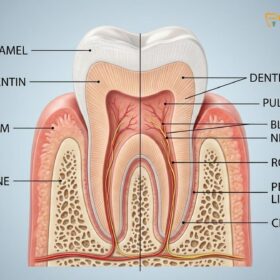
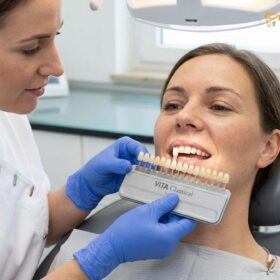
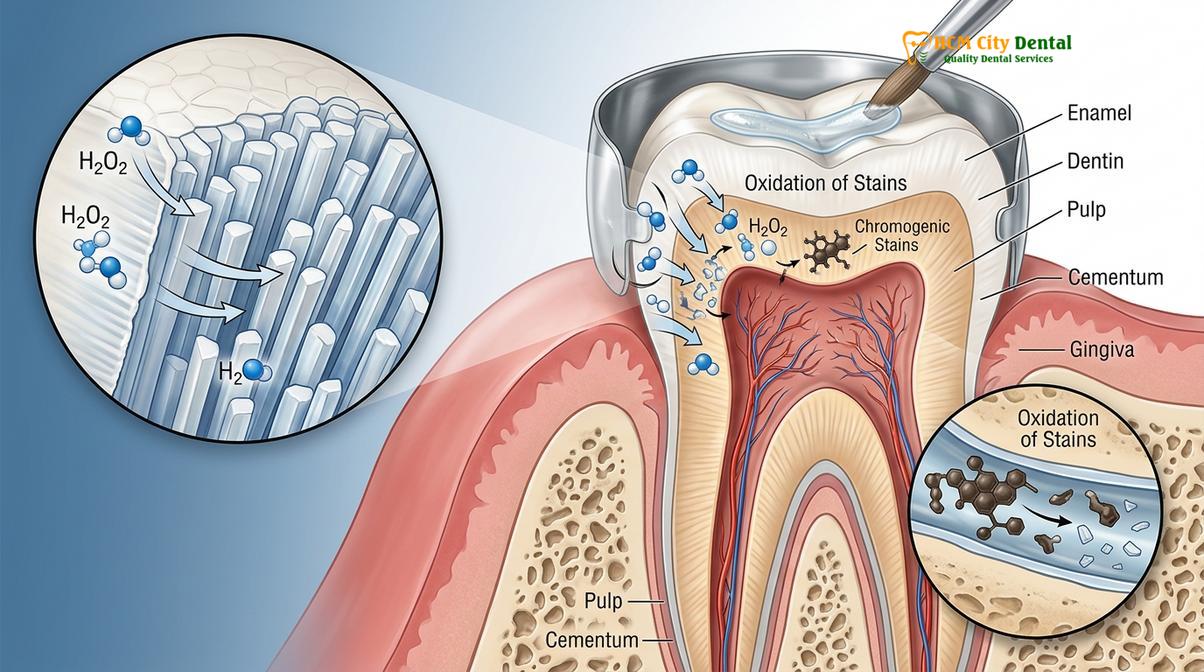
To understand why caution is paramount, one must examine the clinical mechanics of professional dental bleaching. The process relies on the oxidation reaction of active agents—primarily hydrogen peroxide or its precursor, carbamide peroxide. When applied to the tooth surface, these chemicals penetrate the microscopic enamel rod structure and enter the underlying dentin tubules. Inside the tooth, the peroxide molecules break down into highly reactive oxygen free radicals. These radicals target and dismantle the double carbon bonds of chromogenic (stain-causing) molecules, effectively rendering them colorless and elevating the tooth’s shade on the VITA Classical shade guide.[1]
While this oxidation process is highly controlled and safe for the general adult population under professional supervision, the variables introduced by pregnancy alter the clinical risk assessment. The primary concern is not the localized reaction within the enamel, but rather the peripheral exposure of the gingival tissues and the gastrointestinal tract to these potent chemical agents. Furthermore, the concept of cosmetic sequencing dictates that whitening must always be performed before the placement of any restorations (such as veneers or crowns), as bleaching agents only alter natural tooth structure. For an expectant mother, initiating a complex sequence of cosmetic treatments introduces unnecessary stress and potential chemical exposure during a critical developmental window.
ADA and FDA Guidelines on Pregnancy & Bleaching Gels
Leading health authorities classify teeth whitening products cautiously, recommending that pregnant women delay these elective procedures due to a lack of conclusive clinical safety trials.
In the field of evidence-based dentistry, clinical protocols are heavily guided by the directives of major health organizations. When it comes to the intersection of cosmetic treatments and maternal care, the american dental association ADA maintains a clear and conservative stance. The organization advises that because there is a distinct lack of randomized controlled trials testing the effects of bleaching agents on pregnant women, all elective whitening procedures should be deferred until after delivery. This recommendation is rooted in the ethical constraints of medical research; conducting chemical exposure trials on expectant mothers is universally prohibited, leaving a permanent gap in empirical safety data.[2]
“In the absence of definitive longitudinal studies confirming the absolute safety of peroxide-based compounds on fetal development, the standard of care in cosmetic dentistry mandates the deferral of all non-essential bleaching therapies until the postpartum period.”
Similarly, regulatory bodies such as the FDA evaluate dental materials based on their systemic absorption potential. While hydrogen peroxide is generally recognized as safe for topical oral use in the general population, it remains unclassified regarding pregnancy safety. The lack of a specific safety classification means that dental professionals must operate under the precautionary principle. This principle asserts that if an action or policy has a suspected risk of causing harm to the public or to the environment, in the absence of scientific consensus, the burden of proof that it is not harmful falls on those taking an action.
Therefore, any reputable dental practitioner will prioritize this conservative approach. The focus during prenatal dental visits shifts entirely toward disease prevention, periodontal maintenance, and patient education, ensuring that the oral environment remains healthy without introducing unverified chemical variables.
Potential Risks: Gum Sensitivity and Peroxide Ingestion
Hormonal changes increase the risk of pregnancy-induced gum inflammation, making the oral cavity highly susceptible to chemical irritation and potential systemic absorption from ingested bleaching agents.
The physiological adaptations required to sustain a pregnancy have profound effects on the oral cavity, primarily driven by surging levels of estrogen and progesterone. These hormonal fluctuations significantly alter the vascular permeability of the gingival tissues, leading to an exaggerated inflammatory response to even minimal amounts of dental plaque. This condition, clinically known as gingivitis of pregnancy, affects a substantial percentage of expectant mothers. The gums become hyperemic (engorged with blood), edematous (swollen), and highly prone to spontaneous bleeding.[3]
Introducing high-concentration bleaching gels into an oral cavity already compromised by gingivitis of pregnancy presents significant clinical risks. Even with the meticulous application of liquid rubber dams or custom-fabricated trays, trace amounts of the whitening agent can seep onto the gingival margins. In a non-pregnant patient, this might cause mild, transient blanching or irritation. However, in a pregnant patient with inflamed, highly vascularized gums, the chemical burn can be severe, leading to acute pain, tissue ulceration, and an increased risk of secondary bacterial infection.
Beyond localized tissue damage, the risk of hydrogen peroxide ingestion is a primary contraindication. During both in-office and take-home whitening procedures, it is virtually impossible to prevent the patient from swallowing microscopic amounts of the bleaching gel mixed with saliva. While the gastrointestinal tract rapidly breaks down peroxide into water and oxygen gas, the initial contact can cause gastric irritation, exacerbating pregnancy-related nausea and morning sickness.
Clinical Warning: Avoid DIY Whitening Remedies
Expectant mothers must strictly avoid DIY internet remedies such as brushing with baking soda, lemon juice, or activated charcoal. These substances are highly abrasive and highly acidic. Because pregnancy often induces frequent vomiting (morning sickness) which softens the enamel, applying abrasive DIY mixtures will cause irreversible enamel erosion, permanent sensitivity, and severe structural damage.
Furthermore, the concept of systemic absorption cannot be entirely ruled out. If the gingival tissues are ulcerated or bleeding, the chemical agents have a direct pathway into the maternal bloodstream. Although the concentration of peroxide that might reach the developing fetus is theoretically minuscule, the absolute lack of safety data makes any level of systemic absorption an unacceptable risk for an elective cosmetic procedure. Additionally, the transient pulpitis (temporary nerve inflammation) commonly associated with teeth whitening can cause significant discomfort, adding unnecessary physiological stress to the expectant mother.
Can You Do At-Home Whitening While Pregnant?
Although at-home whitening kits utilize lower concentrations of peroxide, they still pose significant risks of chemical ingestion and gum irritation, making them unsuitable for expectant mothers.
A common misconception among patients is that if in-office laser whitening is contraindicated, lower-concentration at-home kits might be a safe alternative. This assumption is clinically incorrect. Whether a patient is considering custom-fabricated bleaching trays provided by a dentist or over-the-counter (OTC) whitening strips, the active ingredient remains a peroxide-based chemical. The risks associated with chemical exposure, gingival irritation, and accidental ingestion persist regardless of the delivery method.
In a standard professional take-home protocol, dentists provide custom-fabricated bleaching trays loaded with genuine Opalescence gel (Ultradent, USA). These gels typically contain carbamide peroxide, which breaks down into hydrogen peroxide and urea. For example, a 10% carbamide peroxide gel yields approximately 3.5% hydrogen peroxide. While these formulas are enriched with potassium nitrate and sodium fluoride (the PF formula) to mitigate sensitivity, the fundamental oxidation process remains active. When patients search for solutions like bleaching teeth pregnant saigon, they must be educated that the sustained wear time of at-home trays (ranging from a few hours to overnight) actually increases the cumulative time the oral mucosa is exposed to the chemical agent, thereby increasing the likelihood of swallowing the gel.[4]
To clearly illustrate the clinical stance on various whitening modalities during pregnancy, consider the following comparative analysis:
| Whitening Modality | Active Chemical Agent | Application Method | Pregnancy Safety Status |
|---|---|---|---|
| In-Office LED Whitening | 25% – 40% Hydrogen Peroxide | Professional application with gingival barrier | Contraindicated (Delay) |
| Custom Take-Home Kits | 10% – 15% Carbamide Peroxide | Patient-applied via custom vacuum-formed trays | Contraindicated (Delay) |
| OTC Whitening Strips | 6% – 10% Hydrogen Peroxide | Adhesive strips (often poor marginal fit) | Contraindicated (Delay) |
| Whitening Toothpaste | Mechanical Abrasives (Silica) | Daily brushing | Generally Safe (Use with caution) |
Over-the-counter strips present an additional hazard: their non-custom fit often results in the bleaching gel overlapping the gum line. For a pregnant patient already battling swollen gums, this guarantees chemical irritation. Therefore, all forms of chemical bleaching, regardless of concentration or application method, should be paused until the postpartum period.
Safe Dental Alternatives During Pregnancy (Scaling & Polishing)
Expectant mothers can safely maintain a bright smile through professional preventative scaling and polishing, which effectively removes extrinsic surface stains without the use of chemical bleaching agents.
While chemical whitening is off the table, expectant mothers do not have to resign themselves to a dull or stained smile. The safest and most effective method for enhancing dental aesthetics during pregnancy is through rigorous mechanical cleaning. Professional preventative scaling and polishing serve a dual purpose: they are critical for managing pregnancy-induced periodontal issues and they yield significant cosmetic improvements by removing extrinsic stains.
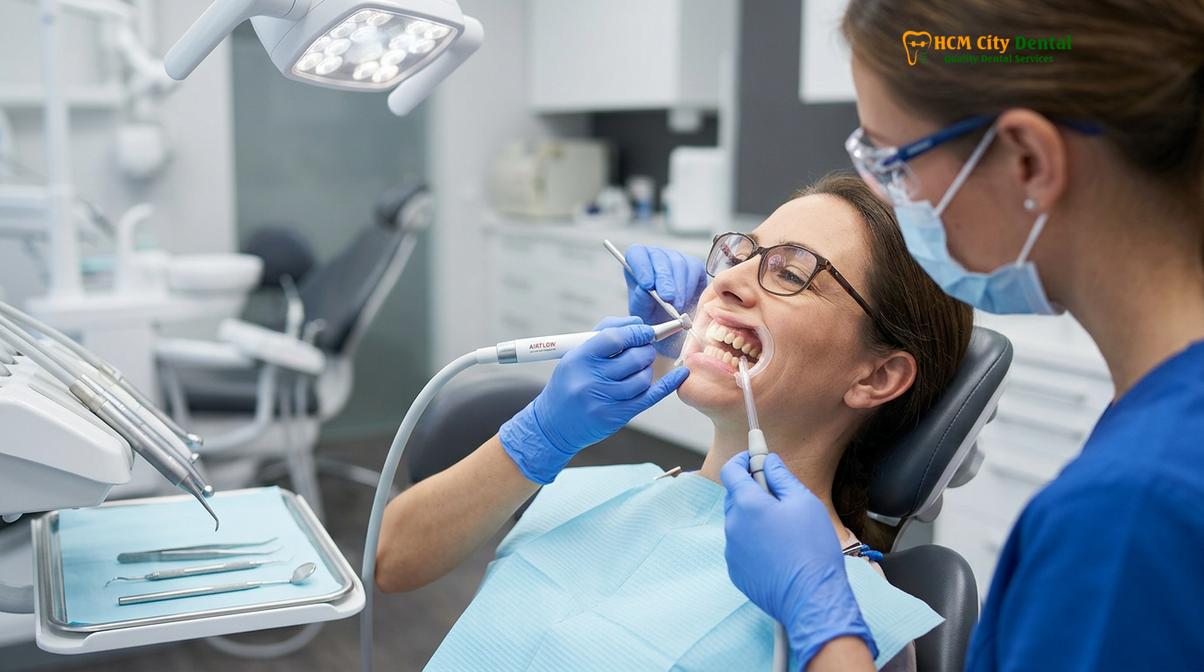
Extrinsic stains are discolorations that accumulate on the outer layer of the tooth, known as the enamel pellicle. These stains are primarily caused by chromogens and tannins found in everyday dietary items. During a professional hygiene appointment, a dental hygienist utilizes ultrasonic scalers. These devices use high-frequency vibrations and water cavitation to safely fracture and flush away hardened calculus (tartar) and heavy stain deposits without damaging the underlying enamel structure.
Following the ultrasonic scaling, the teeth are polished using a prophylactic paste or an advanced airflow polishing system. Airflow technology utilizes a precise mixture of compressed air, warm water, and fine powder (such as erythritol or sodium bicarbonate) to gently blast away residual biofilm and superficial stains. This process restores the natural luster and baseline shade of the teeth, often resulting in a noticeably brighter smile. Because this procedure relies entirely on mechanical action rather than chemical oxidation, it is the gold standard for safe dental cosmetics pregnancy.
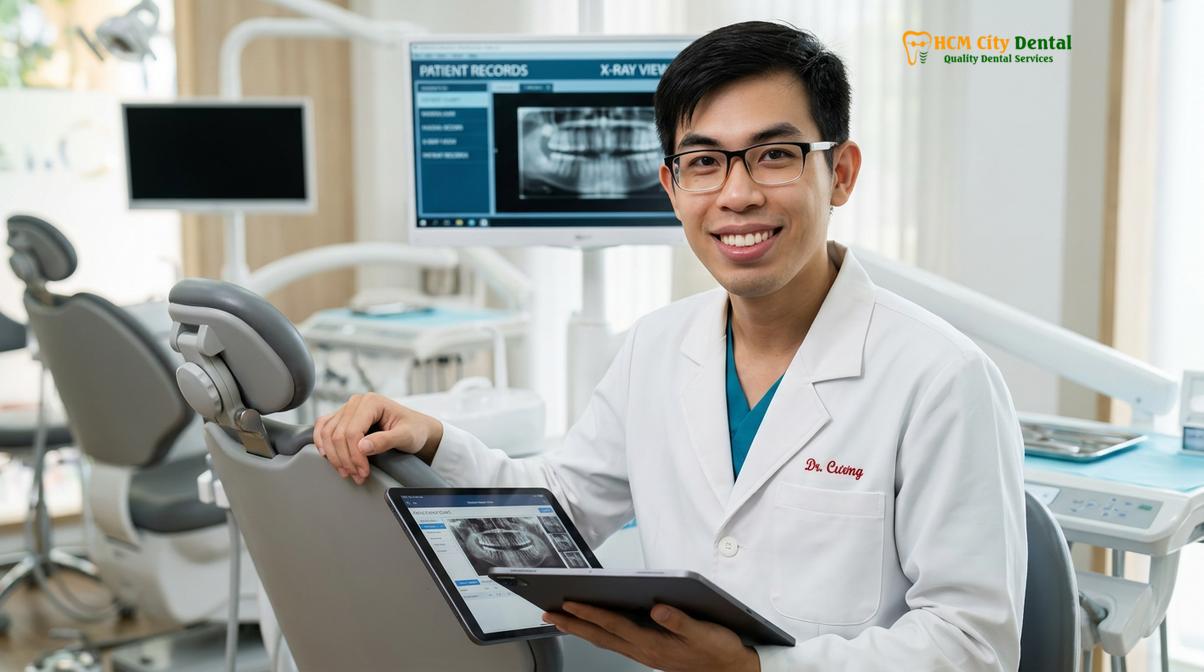
At HCMC Dental Clinic in Ho Chi Minh City, the clinical philosophy emphasizes proactive maternal oral care. Dr. Nguyen Van Cuong frequently advises expectant mothers that maintaining a pristine oral environment through regular scaling not only brightens the smile but also significantly reduces the systemic inflammatory burden caused by periodontal bacteria, thereby supporting overall fetal health.
Scheduling Your Whitening Treatment Post-Pregnancy
Once pregnancy and breastfeeding conclude, patients can safely undergo professional whitening using advanced LED technology and custom desensitizing protocols for optimal, long-lasting results.
As the pregnancy progresses, the focus remains on maintenance. Third trimester dental care should ideally be limited to routine check-ups and the management of acute emergencies, as reclining in the dental chair for extended periods can cause supine hypotensive syndrome (compression of the inferior vena cava). However, once the baby is born, mothers can begin planning their cosmetic dental journey.
A common clinical question revolves around breast milk safety. While the half-life of hydrogen peroxide in the body is extremely short, the prevailing medical consensus advises waiting until the nursing period is entirely complete before initiating chemical bleaching. For mothers inquiring about teeth whitening while breastfeeding vietnam, the recommendation remains conservative: delay the treatment to ensure zero risk of chemical transfer to the infant.
Clinical Case Review: Post-Partum Cosmetic Restoration
A 32-year-old patient visited HCMC Dental Clinic six months post-partum, having completed breastfeeding. She presented with generalized yellowing exacerbated by dietary habits during pregnancy. Dr. Nguyen Van Cuong prescribed the Bright Smile Combo. Following a thorough ultrasonic scaling to resolve mild residual gingivitis, the patient underwent a full Philips Zoom! WhiteSpeed session. The integration of ACP desensitizers ensured she experienced zero transient pulpitis, resulting in a brilliant, comfortable shade improvement of 6 VITA shades.
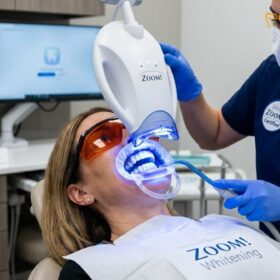
Once cleared for treatment, patients have access to the highest technology standard in cosmetic dentistry. For in-office procedures, the original Philips Zoom! WhiteSpeed blue LED technology and Beyond Polus Halogen/LED systems (made in USA) are utilized. The Philips Zoom! gel is activated by a specific wavelength of blue LED light, accelerating the oxidation process. Crucially, this system incorporates a proprietary Desensitizer Protocol using Amorphous Calcium Phosphate (ACP). As the peroxide breaks down stains, the ACP actively fills open dentinal tubules in real-time, rebuilding the enamel matrix, significantly reducing transient sensitivity, and adding a high-gloss luster to the teeth.[5]
“The integration of Amorphous Calcium Phosphate in modern bleaching gels has revolutionized post-partum cosmetic care, allowing us to achieve maximum shade elevation while actively remineralizing the enamel structure and ensuring total patient comfort.”
For patients preferring gradual results, custom-fabricated take-home kits loaded with genuine Opalescence (Ultradent, USA) gel are provided. The recommended concentrations are 10% for overnight wear (ideal for sensitive teeth) and 15% for daytime wear. Regardless of the method chosen, patients must strictly adhere to the “White Diet Post-Treatment.” During the crucial 48-hour recovery window after treatment, the protective enamel pellicle is reforming. Patients must strictly avoid staining pigments (chromogens and tannins found in coffee, red wine, tea, and soy sauce). If drinking colored beverages is absolutely necessary, using a straw is highly suggested to bypass the anterior teeth.
To accommodate international patients and those planning their post-pregnancy makeovers, the clinic offers a transparent pricing structure with a significant 40% pre-arrival discount for WhatsApp bookings:
- In-office Zoom Whitening: Walk-in: 4,666,667 VND (~$180) | WhatsApp booking discount: 2,800,000 VND ($108).
- Take-home Whitening Kit: Walk-in: 2,500,000 VND (~$96) | WhatsApp booking discount: 1,500,000 VND ($58).
- Perfect Smile Combo (In + Take): Walk-in: 7,166,667 VND (~$276) | WhatsApp booking discount: 4,300,000 VND ($166).
- Bright Smile Combo (Clean + Zoom): Walk-in: 5,333,333 VND (~$206) | WhatsApp booking discount: 3,200,000 VND ($123).
Every treatment is backed by complete peace of mind, featuring a global warranty and remote WhatsApp checkup support to monitor the stabilization of the new shade.
When to See a Doctor (Important Clinical Considerations)
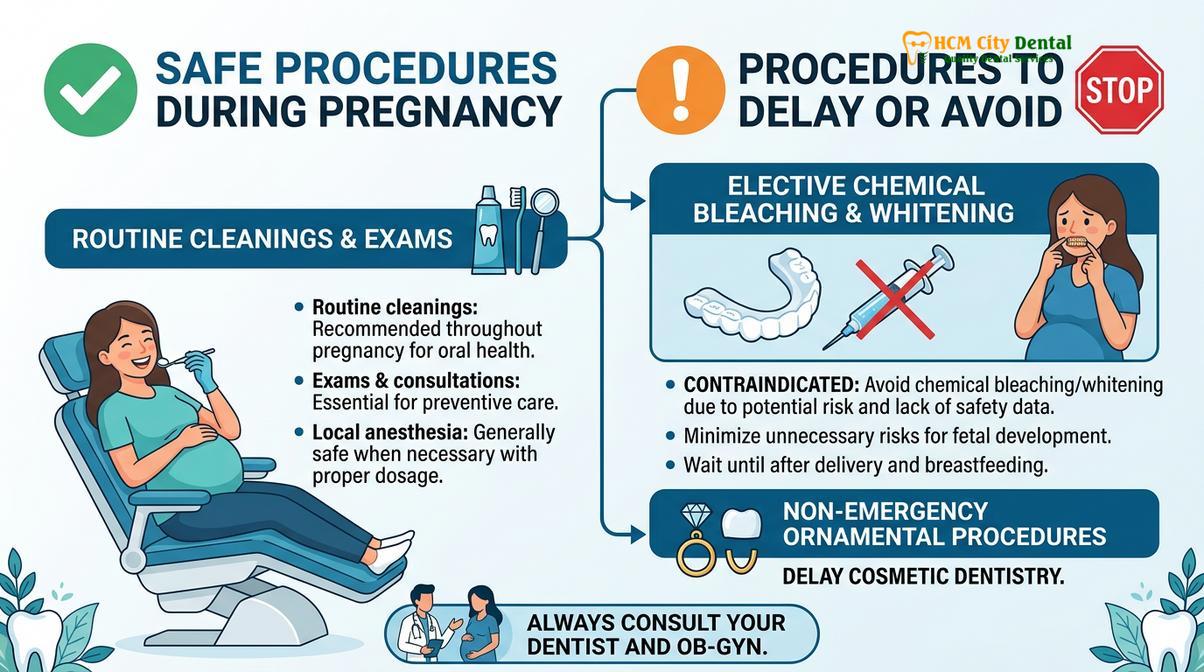
While elective cosmetic procedures like teeth whitening should be delayed, expectant mothers must not ignore pathological dental issues. Pregnancy can exacerbate existing dental conditions, and ignoring symptoms can lead to severe systemic infections that threaten both maternal and fetal health.
You should seek immediate clinical evaluation if you experience severe, throbbing tooth pain that disrupts sleep, as this is a primary indicator of irreversible pulpitis or an active root canal infection. Additionally, if you notice localized swelling in the gums, face, or lymph nodes, or if you experience a sudden discharge of pus (an abscess), emergency dental intervention is required. Profuse, uncontrollable bleeding from the gums that does not subside with gentle pressure also warrants a prompt visit to a dental professional.
Do not let the fear of dental treatment during pregnancy prevent you from seeking necessary care. Modern dental clinics are fully equipped to provide safe, effective treatments for acute infections during any trimester, utilizing pregnancy-safe local anesthetics and shielded digital radiography when absolutely necessary. Always inform your dentist of your pregnancy status and gestational week so that clinical protocols can be adjusted accordingly.
Frequently Asked Questions
Why is teeth whitening not recommended during pregnancy?
Teeth whitening is not recommended during pregnancy because there is insufficient clinical data regarding the safety of peroxide-based bleaching agents on fetal development. Dental professionals advise postponing all elective cosmetic procedures to eliminate any risk of chemical ingestion or systemic absorption. The ethical inability to conduct clinical trials on pregnant women means that the standard of care relies heavily on the precautionary principle, prioritizing the absolute safety of the developing baby over aesthetic enhancements.
Can I get my teeth bleached while breastfeeding?
It is generally advised to wait until you have finished breastfeeding before undergoing professional teeth bleaching. Although the risk of peroxide transferring into breast milk is considered low, the precautionary principle dictates avoiding unnecessary chemical exposure during the nursing period. Once weaning is complete, mothers can safely pursue in-office LED whitening or custom take-home kits without any concerns regarding chemical transmission to the infant.
Does teeth whitening gel enter the bloodstream?
Yes, trace amounts of teeth whitening gel can enter the bloodstream if the bleaching agent is accidentally swallowed or absorbed through inflamed gingival tissues. While the volume is minimal, this systemic absorption is the primary reason the procedure is contraindicated for expectant mothers. In a healthy, non-pregnant adult, this trace absorption is rapidly metabolized, but during pregnancy, any unverified chemical exposure is strictly avoided.
What dental treatments are safe during the second trimester?
During the second trimester, preventative scaling, routine polishing, cavity fillings, and essential root canal therapies are completely safe and highly recommended. This period is considered the most stable phase of pregnancy for undergoing necessary dental maintenance and treating active oral infections. The second trimester avoids the critical organ development phase of the first trimester and the physical discomfort of lying supine during the third trimester.
Is it safe to use whitening toothpaste during pregnancy?
Yes, most over-the-counter whitening toothpastes are safe during pregnancy because they rely on mild mechanical abrasives rather than high concentrations of chemical bleaching agents. However, patients with severe pregnancy gingivitis should use them cautiously to avoid exacerbating gum sensitivity. If brushing causes bleeding or discomfort, it is advisable to switch to a gentle, fluoride-based toothpaste designed specifically for sensitive gums until the inflammation resolves.
References
- American Dental Association (ADA). Clinical guidelines for professional teeth whitening and maternal safety. (2021).
- Journal of Clinical Periodontology. Hormonal influences on gingivitis of pregnancy and chemical sensitivity. (2020).
- Journal of Esthetic and Restorative Dentistry. Systemic absorption of hydrogen peroxide in dental bleaching. (2019).
- International Journal of Prosthodontics. Amorphous calcium phosphate re-mineralization protocols post-bleaching. (2022).
- Operative Dentistry. Staining susceptibility of bleached enamel and the 48-hour pellicle recovery window. (2018).