Night grinding onlay protection involves utilizing high-strength ceramic restorations to rebuild worn dentition while shielding teeth from severe bruxism forces. By restoring the vertical dimension of occlusion, custom overlays prevent further enamel loss and structural damage, ensuring long-term functional stability.
Clinical Summary:
Managing severe teeth wear in patients with chronic bruxism requires a delicate balance between structural reinforcement and tooth preservation. Dental inlays, dental onlays, and porcelain overlays serve as conservative alternatives to full crowns, preserving maximum healthy enamel while rebuilding the occlusal surface. The clinical success of night grinding onlay protection relies heavily on advanced material selection—specifically monolithic zirconia or lithium disilicate—paired with precise CAD/CAM digital milling for flawless marginal adaptation. Furthermore, restoring the vertical dimension of occlusion (VDO) must be followed by strict adherence to a post-treatment protocol, notably the nightly use of a custom hard acrylic nightguard to mitigate shear stress and prevent ceramic fracture.
Key Takeaways:
- Preservation Philosophy: Overlays preserve up to 70% more natural tooth structure compared to traditional 360-degree crown preparations.
- Material Superiority: Zirconia overlays offer exceptional fracture toughness, making them ideal for withstanding heavy nocturnal grinding forces.
- Digital Precision: iTero and Medit i700 scanners eliminate messy impressions, ensuring CAD/CAM restorations fit with microscopic accuracy.
- VDO Restoration: Rebuilding worn teeth re-establishes the correct vertical dimension, alleviating TMJ strain and muscle fatigue.
- Mandatory Protection: A custom-fitted nightguard is an absolute clinical requirement to protect ceramic restorations from shear stress.
The Impact of Bruxism on Tooth Wear and Vertical Dimension
Chronic teeth grinding generates excessive shear stress, leading to severe enamel attrition and a collapsed vertical dimension of occlusion (VDO). Restoring this lost height is critical for joint health and masticatory function.
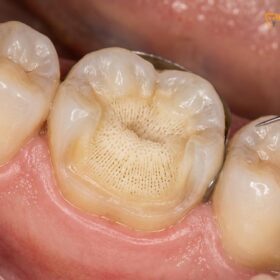
Bruxism is a parafunctional habit characterized by the involuntary clenching and grinding of teeth, most commonly occurring during sleep. Unlike normal chewing, which exerts intermittent and relatively low forces, nocturnal bruxism subjects the dentition to sustained, high-intensity loads. Over time, this relentless mechanical friction leads to profound teeth wear, stripping away the protective enamel layer and exposing the softer, highly sensitive underlying dentin. As the occlusal surfaces flatten, the patient gradually loses their vertical dimension of occlusion (VDO)—the natural distance between the upper and lower jaws when the teeth are in maximum intercuspation.[1]
The collapse of VDO has cascading effects on the entire stomatognathic system. Patients often present with a “sunken” facial appearance, deepening of the nasolabial folds, and chronic temporomandibular joint (TMJ) discomfort. The masticatory muscles, particularly the masseter and temporalis, remain in a state of hypertonicity, leading to morning headaches and facial fatigue. Furthermore, as the teeth wear down, the altered bite alignment changes the vector of forces applied to the roots, increasing the risk of abfraction lesions at the gum line and accelerating periodontal attachment loss.
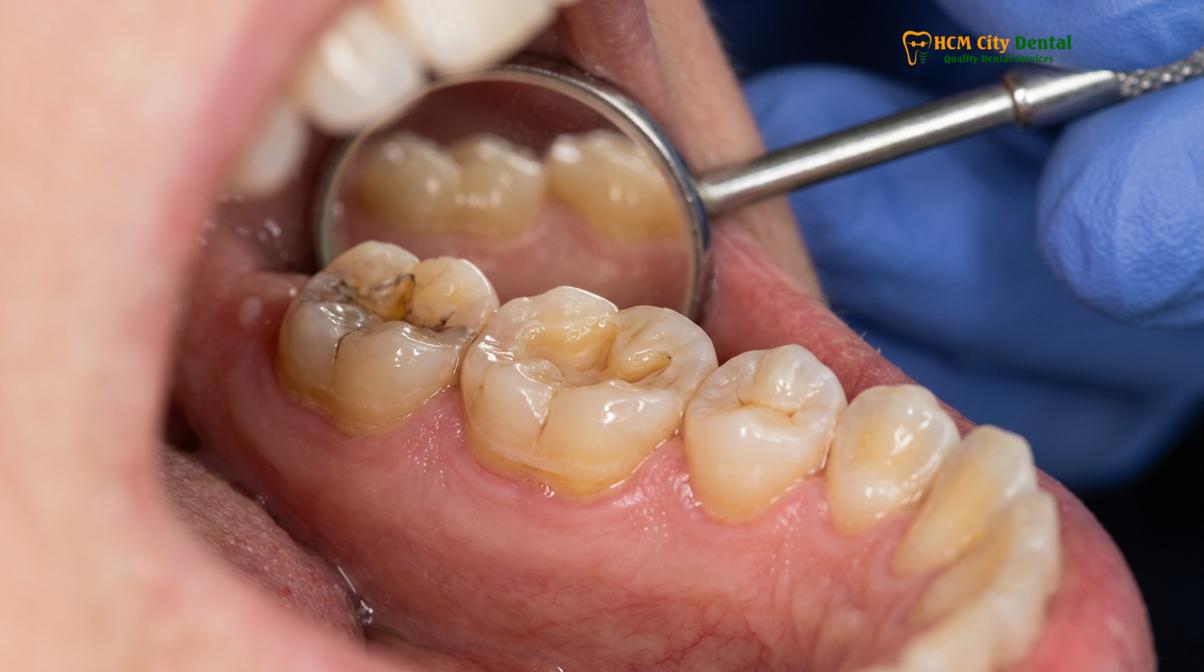
Addressing this complex clinical scenario requires more than just patching individual teeth; it demands a comprehensive approach to restoring worn down teeth onlays and overlays. By carefully calculating the lost vertical height, clinicians can design restorations that not only replace the missing tooth structure but also decompress the TMJ and relax the surrounding musculature. This full-mouth rehabilitation approach ensures that the newly established bite is harmonious, stable, and capable of distributing occlusal loads evenly across the dental arch.
Can Ceramic Overlays Withstand Grinding Forces?
Modern ceramic overlays are engineered to endure extreme occlusal forces, provided they are fabricated with adequate thickness and bonded using advanced adhesive protocols to prevent micro-movement.
Historically, dentists relied heavily on full-coverage dental crowns or large amalgam fillings to restore severely worn teeth. However, the modern Preservation Philosophy dictates that we must conserve as much natural, healthy tooth structure as possible. Dental inlays, dental onlays, and partial crowns offer a highly conservative alternative. Unlike a traditional crown, which requires aggressive 360-degree shaving of the tooth, an overlay only replaces the damaged or worn chewing surface. The critical question for patients with parafunctional habits is whether a bruxism teeth wear overlay restoration can truly survive the hostile environment of a grinding mouth.[2]
The answer lies in the biomechanics of modern dental ceramics and the science of adhesive dentistry. Ceramics are inherently strong under compression but vulnerable under tension and shear stress. When a patient grinds their teeth side-to-side, they generate massive shear forces. To counteract this, the overlay must be designed with specific geometric parameters. The cavity outline form must avoid sharp internal angles that concentrate stress, and the preparation must provide sufficient clearance (typically 1.5 to 2.0 millimeters) to ensure the ceramic material has the bulk necessary to resist fracture.
“The paradigm shift towards conservative restorations allows us to rebuild severely worn dentition without sacrificing the biomechanical integrity of the remaining tooth. When bonded correctly, a ceramic overlay acts as an artificial enamel replacement, seamlessly integrating with the natural dentin to distribute occlusal loads.”
Furthermore, the success of these conservative restorations is heavily dependent on the margin sealing and the bonding protocol. When an overlay is adhesively bonded to the enamel using dual-cure resin cements, it essentially becomes one with the tooth. This monoblock effect reinforces the remaining cusps, preventing the tooth from flexing under pressure. This is a significant upgrade from traditional silver filling replacement, where the metal merely sits inside the cavity, offering no structural reinforcement and often leading to vertical root fractures over time.
Why Zirconia Overlays are Preferred for Heavy Grinders
Zirconia overlays offer unparalleled flexural strength and fracture toughness, making them the premier choice for patients with severe nocturnal grinding habits who require maximum durability.
When selecting a material for night grinding onlay protection, the clinician must evaluate the patient’s bite force, aesthetic expectations, and the location of the tooth. For the posterior region (molars and premolars), where chewing forces are highest, material strength is the absolute priority. This is where high-end materials from Dentsply Sirona, specifically Cercon HT Zirconia, excel. Zirconia is a polycrystalline ceramic that possesses a unique property known as phase transformation toughening. When a microscopic crack begins to form in zirconia, the material undergoes a localized volumetric expansion, effectively squeezing the crack shut and stopping it from propagating.[3]
This remarkable fracture toughness makes monolithic zirconia the gold standard for heavy grinders. It can withstand bite forces exceeding 1,000 megapascals (MPa), far surpassing the strength of natural human enamel. Additionally, modern highly translucent zirconia is 100% metal-free, offering excellent biocompatibility. This prevents the gum line irritation, dark margins, and allergic reactions historically associated with porcelain-fused-to-metal (PFM) restorations, aligning perfectly with holistic dentistry principles.
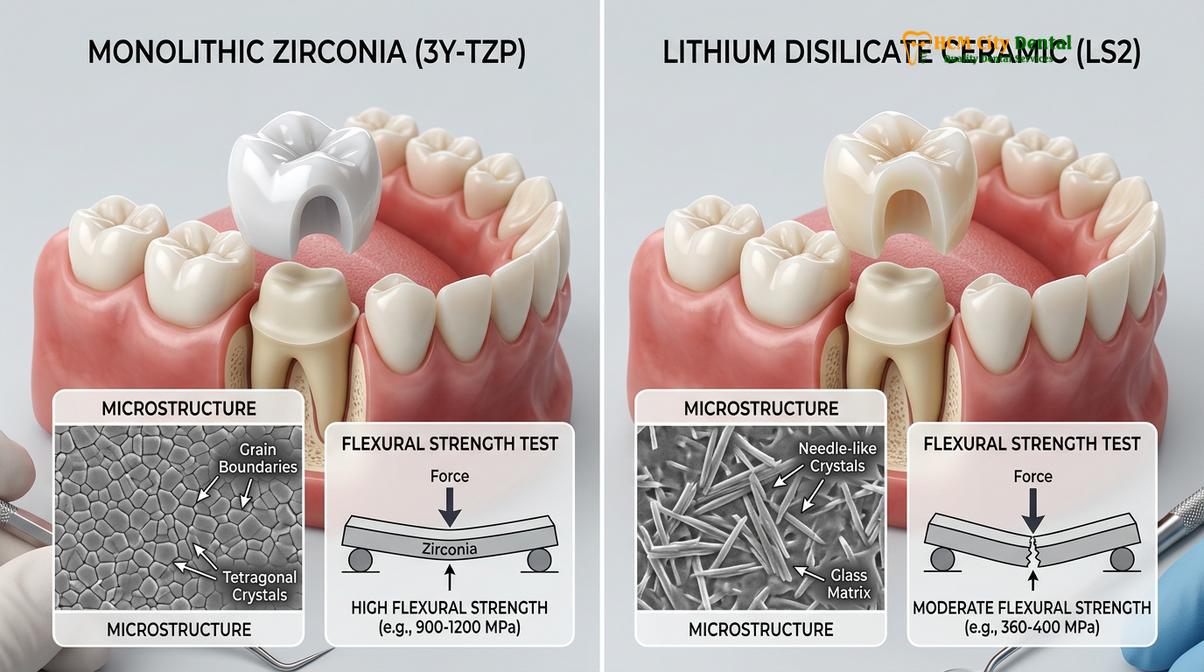
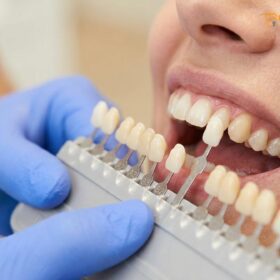
While zirconia is the champion of strength, Ivoclar IPS e.max (lithium disilicate) remains a vital tool in the clinician’s arsenal. E.max offers superior optical properties, mimicking the natural translucency and opalescence of human teeth more closely than zirconia. Therefore, in the anterior aesthetic zone or for patients with moderate wear who prioritize a flawless cosmetic outcome, e.max partial crowns are often the material of choice. The table below outlines the clinical differences between these two premium materials.
| Clinical Parameter | Monolithic Zirconia (e.g., Cercon HT) | Lithium Disilicate (e.g., IPS e.max) |
|---|---|---|
| Flexural Strength | Extremely High (900 – 1200+ MPa) | High (400 – 500 MPa) |
| Primary Indication | Heavy bruxism, posterior molars, severe wear | Aesthetic zone, premolars, moderate wear |
| Aesthetics / Translucency | Good (Highly improved in modern formulations) | Excellent (Mimics natural enamel perfectly) |
| Preparation Requirement | More conservative (can be milled very thin) | Requires slightly more thickness for strength |
| Bonding Mechanism | Chemical bonding via MDP primers | Micromechanical bonding via hydrofluoric acid etching |
Restoring Occlusal Anatomy and Bite Alignment
Utilizing digital intraoral scanners and CAD/CAM milling ensures precise marginal adaptation, which is essential for re-establishing proper bite alignment and preventing secondary decay.
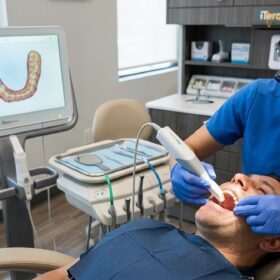
The precision required to restore a collapsed bite cannot be achieved through guesswork. The workflow for creating custom overlays relies heavily on advanced digital dentistry. At the forefront of this process are the iTero and Medit i700 intraoral scanners. These devices capture thousands of images per second, creating a highly accurate, full-color 3D model of the patient’s mouth. This digital scanning completely eliminates the need for uncomfortable, gag-inducing silicone impressions, significantly improving the patient experience while providing the dental laboratory with flawless data.
Once the digital impression is captured, the data is transmitted to a specialized dental laboratory. Through a direct lab partnership, skilled technicians use CAD/CAM (Computer-Aided Design and Computer-Aided Manufacturing) software to design the restorations. The software allows the technician to analyze the patient’s dynamic bite alignment, ensuring that the new overlays harmonize with the opposing teeth during all jaw movements. This meticulous design process is crucial for preventing premature contacts—tiny high spots on the restoration that can trigger muscle spasms and exacerbate grinding habits.[4]
Clinical Case Review: A 45-year-old patient presented to HCMC Dental Clinic in Ho Chi Minh City with severe generalized attrition and chronic TMJ pain due to decades of untreated bruxism. Dr. Nguyen Van Cuong utilized the Medit i700 scanner to map the collapsed vertical dimension. A full-arch rehabilitation was planned using conservative CAD/CAM zirconia overlays. By raising the bite by 2.5mm, Dr. Cuong successfully restored the patient’s facial profile, eliminated joint pain, and preserved the remaining healthy tooth structure without resorting to invasive full crowns.
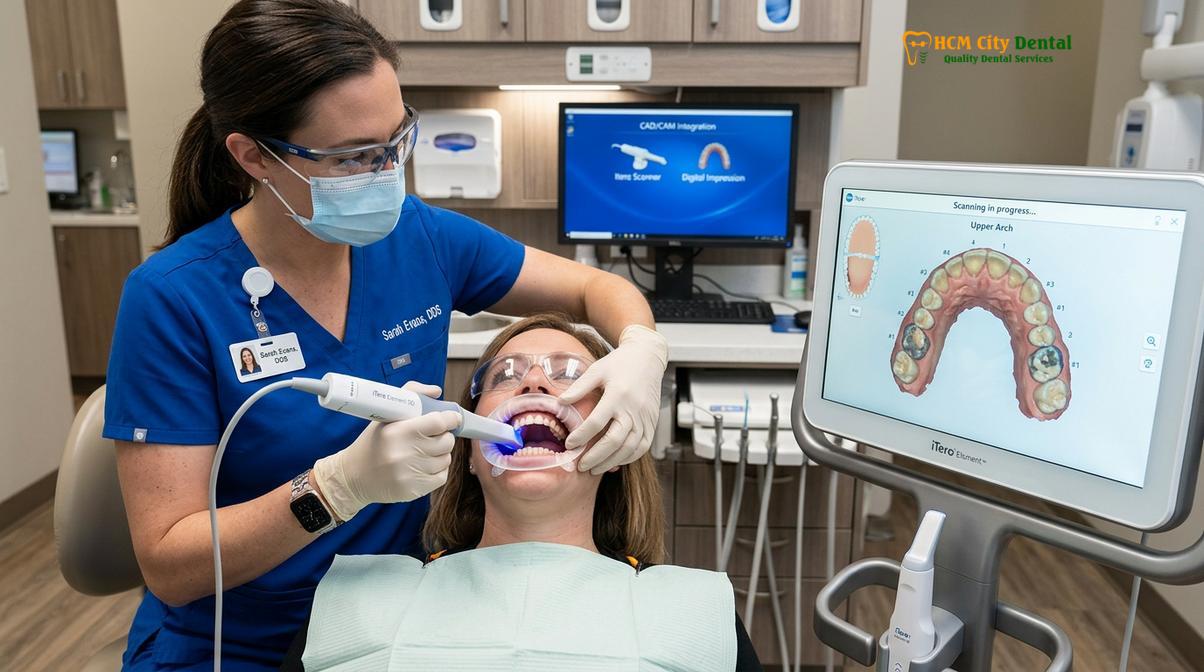
After the design is finalized, the CAD/CAM milling machine sculpts the overlay from a solid block of pre-sintered zirconia or lithium disilicate. This subtractive manufacturing process guarantees an exact marginal fit. A precise margin is the first line of defense against tooth decay, as it prevents microscopic gaps where cariogenic bacteria could infiltrate and cause secondary decay beneath the restoration.
The Mandatory Post-Treatment Protocol: Nightguards
Wearing a custom-fitted occlusal splint during sleep is an absolute requirement to protect ceramic restorations from the destructive shear forces of bruxism.
Rebuilding the teeth with high-strength ceramics is only half the battle; protecting that investment is equally critical. While zirconia and e.max are incredibly durable, they are not indestructible. If a patient continues to grind their teeth with the same intensity, the forces must go somewhere. Without protection, the stress will either cause ceramic fracture, damage the opposing natural teeth, or transfer the load directly into the TMJ, causing severe joint inflammation.
Therefore, implementing a strict nightguard protection protocol is non-negotiable. A custom-fabricated hard acrylic nightguard acts as a shock absorber. When the patient clenches, the acrylic material slightly yields, dissipating the bite force evenly across the entire dental arch rather than allowing it to concentrate on a single cusp or restoration. Furthermore, a properly adjusted nightguard provides a smooth, flat surface for the opposing teeth to glide against, effectively neutralizing the destructive shear stress that causes chipping.
Clinical Warning: Failure to wear a prescribed nightguard after dental overlays significantly increases the risk of catastrophic ceramic failure. Over-the-counter “boil-and-bite” guards are contraindicated for severe bruxers, as their soft, squishy texture can actually stimulate the masseter muscles to chew harder, worsening the condition. Only a custom, lab-milled hard splint provides adequate protection.
Patients must understand that bruxism is a central nervous system-driven disorder; dental restorations do not cure the habit, they only repair the damage. The nightguard is the definitive shield. Regular follow-up appointments are necessary to inspect the nightguard for wear patterns. Over time, the acrylic will show signs of grinding—which is exactly the goal. It is far easier, faster, and more economical to replace a worn acrylic splint than to replace multiple fractured ceramic overlays.[5]
Preventing Ceramic Chipping and Fracture
Meticulous cavity outline form, chamfer margins, and strict enamel bonding protocols are vital to distribute occlusal loads and prevent ceramic fracture.
The longevity of an overlay is dictated not just by the material, but by the execution of the clinical bonding protocol. When preparing a tooth for an overlay, the clinician must create smooth, flowing chamfer margins. Unlike sharp shoulder margins, a chamfer allows the ceramic to seamlessly blend into the tooth structure, reducing stress concentrations at the edges. All sharp internal line angles must be rounded off, as sharp corners act as stress risers where cracks can initiate under heavy biting forces.
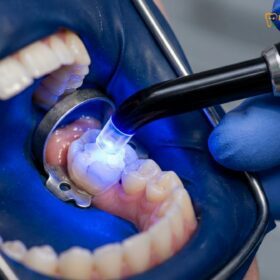
The cementation phase is arguably the most technique-sensitive step in the entire workflow. To prevent ceramic chipping, the restoration must be bonded, not merely cemented. This requires absolute isolation of the tooth, typically using a rubber dam, to prevent contamination from saliva or crevicular fluid. The internal surface of a lithium disilicate overlay is etched with hydrofluoric acid to create microscopic pores, followed by the application of a silane coupling agent. For zirconia, the surface is sandblasted and treated with an MDP (10-Methacryloyloxydecyl dihydrogen phosphate) primer, which creates a strong chemical bond to the ceramic oxide layer.
“The integrity of the hybrid layer during resin-adhesive cementation dictates the long-term survival of the overlay. By meticulously managing moisture and utilizing advanced MDP monomers, we achieve a seamless integration that resists microleakage and reinforces the entire tooth complex against parafunctional forces.”
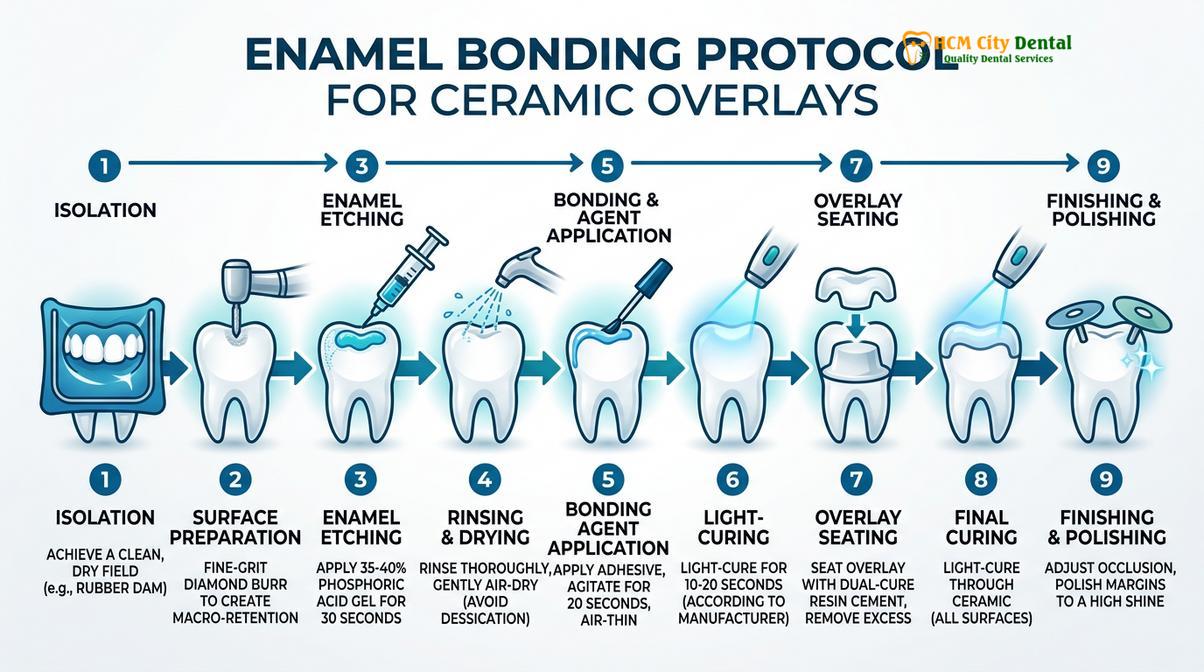
Simultaneously, the natural tooth enamel is etched with phosphoric acid, and a high-quality dentin bonding agent is applied. A dual-cure resin cement is then used to seat the restoration. This advanced adhesive protocol ensures that the overlay and the tooth function as a single biomechanical unit. It also mitigates the risks of preventing polymerization shrinkage of large fillings, a common issue with massive direct composite resins that can lead to post-operative sensitivity and marginal gap formation.
Pricing and Treatment Workflow at HCMC Dental Clinic
Advanced digital dentistry allows for highly accurate, conservative restorations with transparent pricing and comprehensive global warranty support for international patients.
For patients seeking comprehensive rehabilitation for worn dentition, understanding the investment and workflow is crucial. Dr. Nguyen Van Cuong and the team at HCMC Dental Clinic prioritize transparent, accessible care without compromising on premium materials. The clinic utilizes a streamlined digital workflow that minimizes chair time while maximizing precision.
The pricing structure is designed to be highly competitive, particularly for international patients planning their dental travel to Ho Chi Minh City. According to the clinic’s fee schedule, patients who utilize the WhatsApp pre-booking system receive a substantial 40% discount:
- Inlay / Onlay (Lab-made ceramic): Walk-in rate is ~$385 (10.0M VND). With the WhatsApp pre-booking discount, the cost is From $231 (6.0M VND).
- Overlay / Partial Crown: Walk-in rate is ~$446 (11.6M VND). With the WhatsApp pre-booking discount, the cost is From $269 (7.0M VND).
This investment includes the utilization of high-end Ivoclar and Dentsply Sirona materials, digital scanning, and expert CAD/CAM fabrication. Furthermore, patients receive complete peace of mind through a global warranty and remote WhatsApp checkup support. If a patient returns to their home country, the clinical team remains accessible for remote consultations, ensuring the long-term success of the restorations and monitoring the patient’s compliance with their nightguard protocol. For more detailed information on these conservative treatments, patients can explore the comprehensive guide on Inlays & Onlays.
When to See a Doctor
Identifying the early signs of bruxism can save patients from extensive and costly full-mouth reconstructions. You should schedule a clinical evaluation if you frequently wake up with a sore jaw, dull morning headaches, or unexplained facial tension. From a dental perspective, if you notice your teeth appearing shorter, flatter, or developing sharp, chipped edges, immediate intervention is required. Increased tooth sensitivity to hot and cold, often caused by the loss of protective enamel and exposed dentin, is another major red flag.
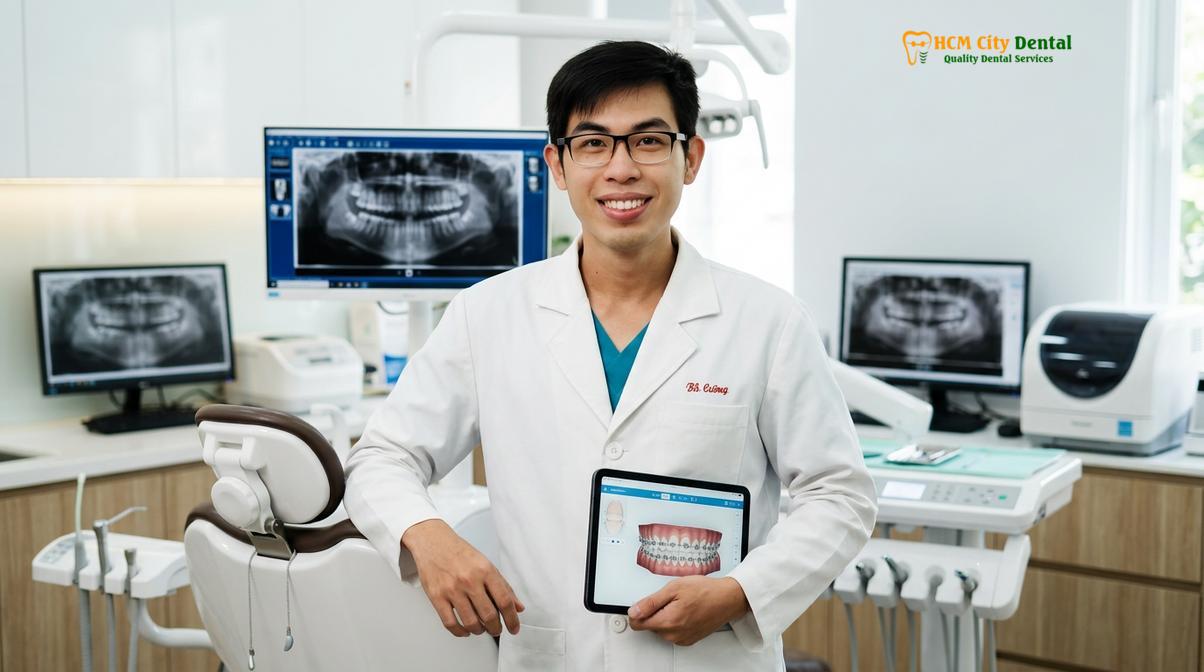
Do not wait until a tooth fractures or a filling falls out to seek care. A comprehensive diagnostic exam, including digital scanning and bite analysis, can determine the extent of the wear and whether conservative overlays are indicated. Early diagnosis allows the clinician to intercept the damage, stabilize the bite, and implement protective measures like a custom nightguard before irreversible structural loss occurs.
Frequently Asked Questions
Can I get overlays if I grind my teeth?
Yes, you can get overlays if you grind your teeth, provided they are fabricated from high-strength materials like zirconia and protected by a custom occlusal splint during sleep. Clinical evaluation is required to ensure proper bite alignment and material thickness. Overlays are actually preferred over large composite fillings for grinders because lab-milled ceramics offer significantly higher fracture resistance and structural stability under heavy occlusal loads.
Which material is best for grinders?
Monolithic zirconia is the best material for heavy grinders due to its exceptional flexural strength and fracture toughness. For patients with moderate bruxism requiring higher aesthetics in the smile zone, lithium disilicate (IPS e.max) may be utilized. Your dentist will evaluate your specific bite forces, the location of the worn teeth, and your cosmetic goals to recommend the optimal ceramic material for your unique clinical situation.
Why do I need a nightguard after getting overlays?
A nightguard is mandatory after getting overlays to absorb the extreme shear stress generated during nocturnal bruxism. This protective barrier prevents ceramic chipping, safeguards the underlying tooth structure, and ensures the longevity of your dental restorations. Without a custom hard acrylic splint, the relentless grinding forces will eventually compromise even the strongest zirconia restorations or cause damage to the opposing natural teeth.
Can overlays restore worn-down teeth?
Yes, overlays are highly effective at restoring worn-down teeth by rebuilding the lost vertical dimension of occlusion (VDO). They replace missing enamel conservatively, re-establishing proper anatomical contours and functional chewing surfaces without aggressive tooth shaving. By precisely mapping the bite with digital scanners, overlays can seamlessly integrate into the dental arch, improving both masticatory function and facial aesthetics.
How long do ceramic overlays last for patients with bruxism?
Ceramic overlays can last over a decade for patients with bruxism, provided strict clinical protocols are followed. Longevity depends heavily on precise adhesive bonding, excellent oral hygiene, and strict compliance with wearing a custom nightguard every night. Regular dental checkups are also essential to monitor the integrity of the margins, adjust the bite if necessary, and ensure the nightguard is functioning correctly.
References
- Journal of Prosthodontic Research. Biomechanical behavior of ceramic onlays under occlusal loading. (2021).
- International Journal of Prosthodontics. Vertical dimension of occlusion restoration in severe bruxism. (2020).
- Journal of Dentistry. Fracture resistance of monolithic zirconia vs lithium disilicate overlays. (2022).
- American Dental Association. Clinical guidelines for CAD/CAM conservative restorations. (2019).
- Journal of Esthetic and Restorative Dentistry. Efficacy of occlusal splints in protecting ceramic restorations. (2023).