The cost of composite veneers in Vietnam starts from $48 per tooth with pre-booking discounts, offering a highly affordable alternative to Western dental pricing. This direct-bonding technique provides immediate aesthetic improvements for chipped or discolored teeth without the higher laboratory fees associated with indirect porcelain restorations.
Clinical Summary:
Composite veneers represent a conservative, chair-side approach to cosmetic dentistry, utilizing bis-GMA resin to reshape and recolor anterior teeth. Unlike indirect porcelain restorations that require CAD/CAM milling and laboratory fabrication, composite bonding is performed directly on the tooth structure, significantly reducing both treatment time and overall expense. Clinical workflows prioritize enamel preservation, often requiring minimal to no tooth preparation (0.2mm – 0.3mm). While highly cost-effective, patients must weigh the immediate financial benefits against the material’s long-term maintenance requirements, as composite resins are more susceptible to micro-chipping and dietary staining over time compared to lithium disilicate (E.max) or zirconia alternatives. Advanced digital smile design and precise gingival contouring remain critical for achieving predictable, natural-looking outcomes.
Key Takeaways:
- Composite veneers start at $48 per tooth when utilizing the clinic’s WhatsApp pre-booking discount.
- Direct bonding requires minimal enamel preparation, preserving the natural tooth structure.
- Porcelain E.max options offer superior translucency, stain resistance, and long-term durability.
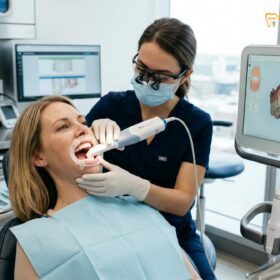
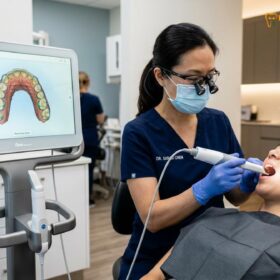
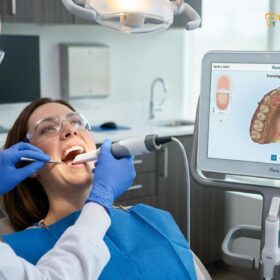
- Treatments integrate advanced iTero Element 5D and Medit i700 intraoral scanning for maximum precision.
- Flexible financial options include 0% interest international credit card installment plans.
Pricing Structures for Budget-Friendly Smile Makeovers
A budget smile design in Vietnam leverages lower operational overhead to deliver premium cosmetic dentistry at a fraction of international prices. Patients receive comprehensive care without compromising on clinical safety, diagnostic precision, or material quality.
The landscape of cosmetic dentistry has shifted globally, with Southeast Asia emerging as a premier destination for high-quality, cost-effective treatments. For patients seeking comprehensive veneer pricing in Vietnam, the financial advantages are substantial. The pricing structure is designed to be transparent, eliminating the hidden fees often encountered in Western dental practices. This affordability is not a reflection of compromised quality, but rather the result of lower domestic operational costs, favorable exchange rates, and highly efficient clinical workflows. Furthermore, top-tier facilities strictly adhere to the Vietnam Ministry of Health (MOH) national guidelines on infection control, ensuring patient safety matches global standards[6].
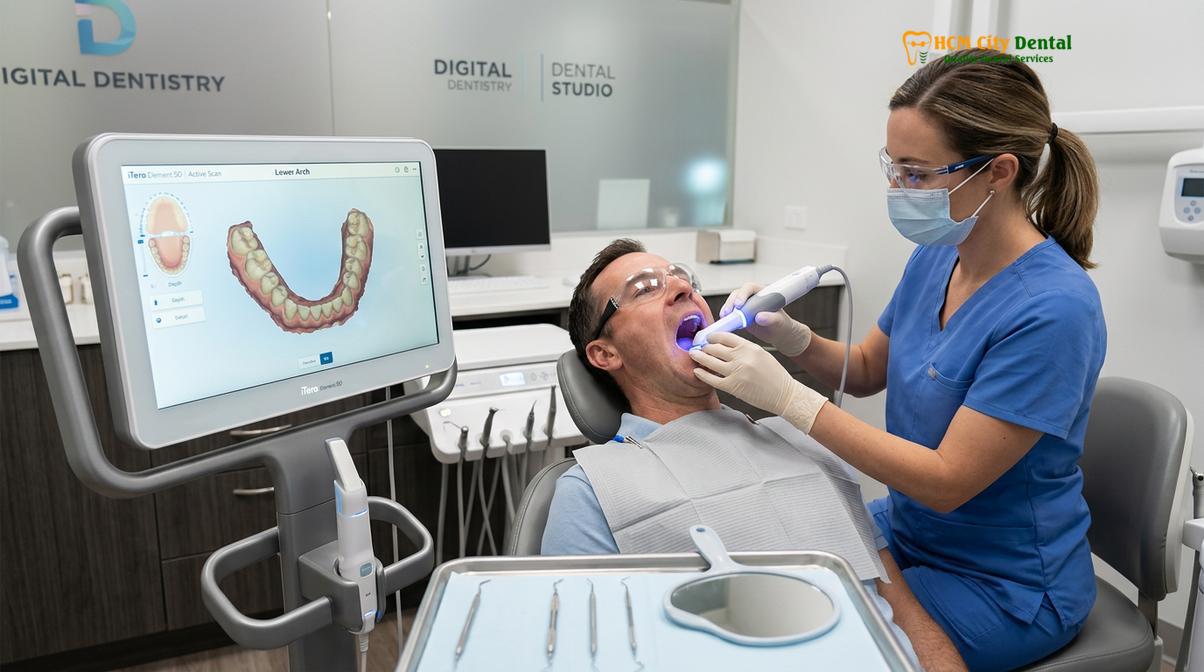
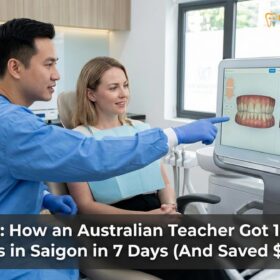
When planning a trip for dental tourism, international patients benefit from a streamlined process tailored to their specific needs. Clinics frequently utilize a cosmetic savings calculator during the initial digital consultation, allowing patients to estimate their total investment before booking flights. This transparency is crucial for building trust and ensuring that patients can make informed decisions regarding their oral health and aesthetic goals.
To further enhance the patient experience, comprehensive care packages often feature an all-inclusive quote. This quote typically encompasses the clinical procedures, digital diagnostics (such as 3D CBCT scans and intraoral scanning), and post-operative care. Furthermore, to alleviate the stress of navigating a new city, premium clinics provide complimentary airport pickup transfer services and can recommend convenient accommodations, particularly focusing on highly-rated hotels that offer easy access to the dental facility and local attractions.
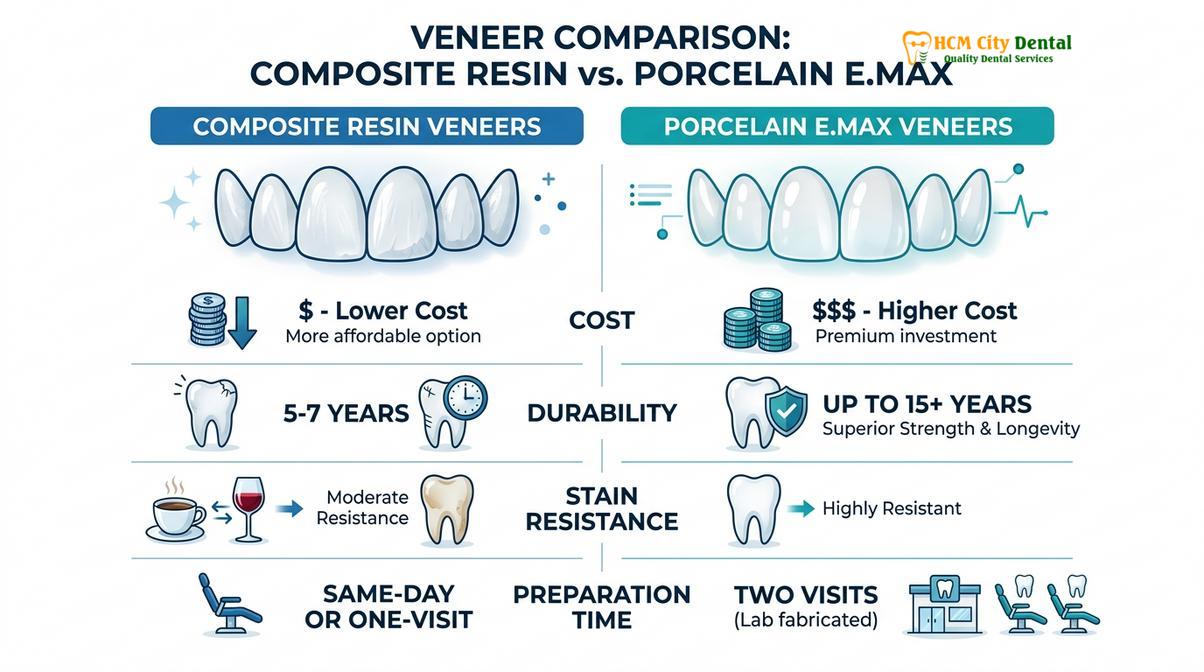
Per-Tooth Costs: Composite Direct Bonding vs. Porcelain E.max
Composite direct bonding offers an economical, same-day solution, whereas porcelain E.max requires a higher initial investment for unmatched durability and lifelike translucency. Both options follow strict biological width preservation protocols to ensure optimal gingival health.
Understanding the per-tooth cost requires a deep dive into the materials utilized and the clinical expertise required for application. Composite veneers are fabricated using advanced light-cured composite resins. Because the material is applied, sculpted, and polished directly on the tooth chair-side, the procedure bypasses the need for external laboratory fabrication. This direct approach is highly conservative, often requiring minimal-prep (0.3mm to 0.7mm) or even prep-less techniques, thereby maximizing enamel preservation and optimizing bond strength[2].
Conversely, Porcelain Veneers represent the gold standard in cosmetic restorations. Materials such as E.max (lithium disilicate from Ivoclar, Liechtenstein) provide outstanding lifelike aesthetics, exceptional shade mapping capabilities, and superior masking ability for underlying discolorations[1]. Zirconia HT (Cercon HT, Germany) is another premium option, specifically indicated for high-stress areas or patients with a history of bruxism. The fabrication of these indirect restorations relies heavily on state-of-the-art digital scanning technology, specifically the iTero Element 5D and Medit i700 intraoral scanners, which eliminate messy traditional silicone impressions and provide 3D precision.
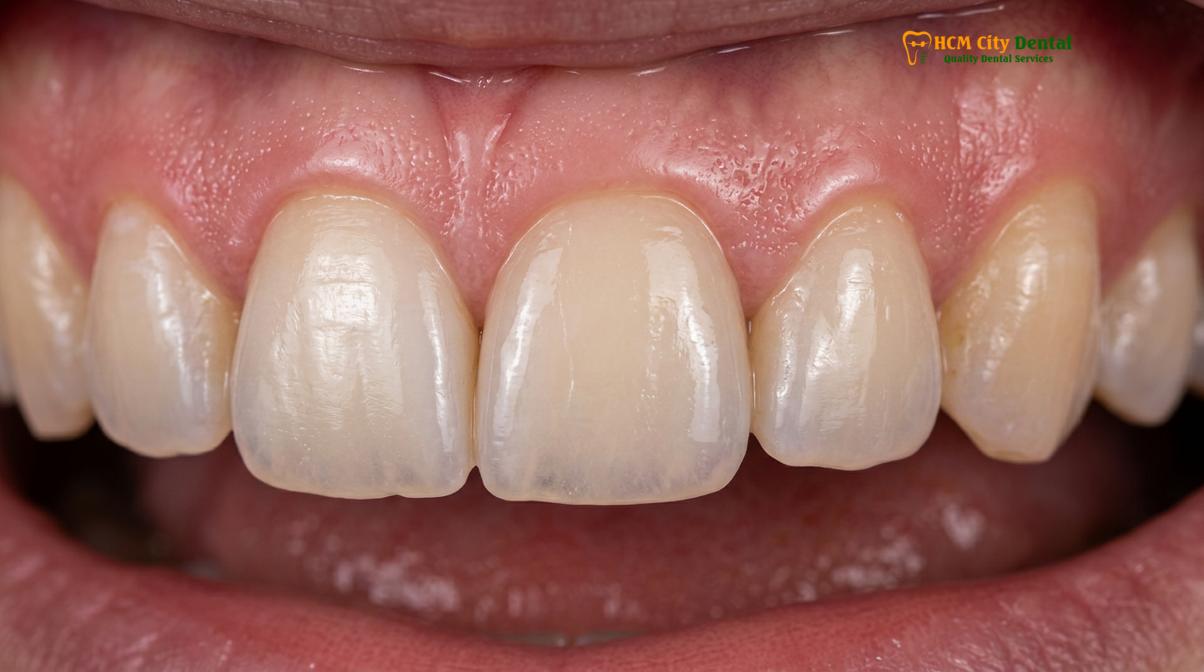
Below is a detailed clinical pricing comparison based on the latest clinic fee schedule, highlighting the significant reductions available through pre-arrival booking channels:
| Treatment / Material | Standard Walk-in Rate (Estimated) | WhatsApp Pre-Booking Discount (-40%) | Clinical Indication |
|---|---|---|---|
| Composite Veneer (Direct Bonding) | ~$80 (2.0M VND) | From $48 (1.2M VND) | Minor chips, diastema closure, budget smile design |
| Zirconia Veneer (Cercon HT, Germany) | ~$240 (6.0M VND) | From $144 (3.6M VND) | High-stress areas, heavy grinders, structural reinforcement |
| E.max Porcelain Veneer (Ivoclar) | ~$320 (8.0M VND) | From $192 (4.8M VND) | Maximum aesthetics, lifelike translucency, anterior teeth |
| Smile Design 3D Mock-up | ~$200 (5.0M VND) | From $120 (3.0M VND) (Free if treatment proceeds) | Pre-treatment visualization, DSD smile design planning |
| Laser Gum Contouring (Diode) | ~$160 (4.0M VND) | From $96 (2.4M VND) per arch | Gingival zenith calibration, gummy smile correction |
When planning your smile makeover, the choice between composite and porcelain extends beyond initial cost. The clinical workflow for porcelain involves a direct lab partnership with a leading laboratory. This collaboration enables complete quality control and an express turnaround tailored for dental tourists, allowing multiple veneers to be fabricated, characterized, and fitted within a single week.
Hidden Lab Fees: Why Composite Resin Restorations Cut Out Lab Cost
Composite veneers are sculpted directly onto the tooth chair-side, eliminating the need for external ceramic milling and significantly reducing overall treatment expenses. This direct approach translates to immediate financial savings for the patient while delivering rapid aesthetic results.
The primary financial differentiator between direct and indirect restorations lies in the laboratory phase. Indirect restorations (porcelain) require a multi-step process: digital impression taking, CAD/CAM designing, ceramic milling, hand-characterization by a master ceramist, and high-temperature glazing. Each of these steps incurs specific laboratory fees, which are factored into the final price of the veneer. Furthermore, porcelain materials inherently possess higher flexural strength and wear resistance compared to composite resins, justifying the increased laboratory investment[3].
Composite bonding circumvents this entire laboratory workflow. The dentist acts as both the clinician and the ceramist, applying the resin in incremental layers to mimic the natural dentin and enamel opacity. This elimination of third-party fabrication results in a substantial lab fee saving, making the procedure highly accessible. Consequently, the same day composite price is significantly lower than its porcelain counterpart.
“The true artistry in direct composite bonding lies in the clinician’s ability to manipulate light and texture chair-side. While the immediate cost savings are evident, the procedure demands an exceptional understanding of dental morphology and optical properties to achieve a restoration that seamlessly integrates with the natural dentition.”
Dr. Nguyen Van Cuong emphasizes that while the financial accessibility of composite is attractive, the clinical success of direct bonding relies heavily on the practitioner’s artistic skill in replicating natural gingival zenith calibration and enamel anatomy. When evaluating restorative options, patients should carefully consider whether a dental crown vs veneer is more appropriate for their specific structural needs. Dr. Cuong and the clinical team prioritize comprehensive diagnostics to ensure every restoration seamlessly integrates with the natural dentition, reflecting the clinician’s time and expertise rather than just material overhead.
The Maintenance Budget: Repairing, Polishing, and Replacement Costs
While initial costs are low, composite materials require periodic polishing and potential repairs due to their susceptibility to staining and micro-chipping over time. Proper maintenance and protective appliances ensure the longevity of your cosmetic investment.
A comprehensive financial assessment of cosmetic dentistry must account for long-term maintenance. Composite resins, being porous by nature, are more prone to absorbing dietary stains from coffee, tea, red wine, and tobacco compared to the highly glazed surface of porcelain E.max. Over time, composite veneers may lose their initial luster and require professional repolishing to restore their aesthetic vitality. In some cases, achieving the perfect smile frame requires diode laser gingival sculpting prior to veneer placement, which adds to the initial investment but ensures optimal aesthetic parameters[4].
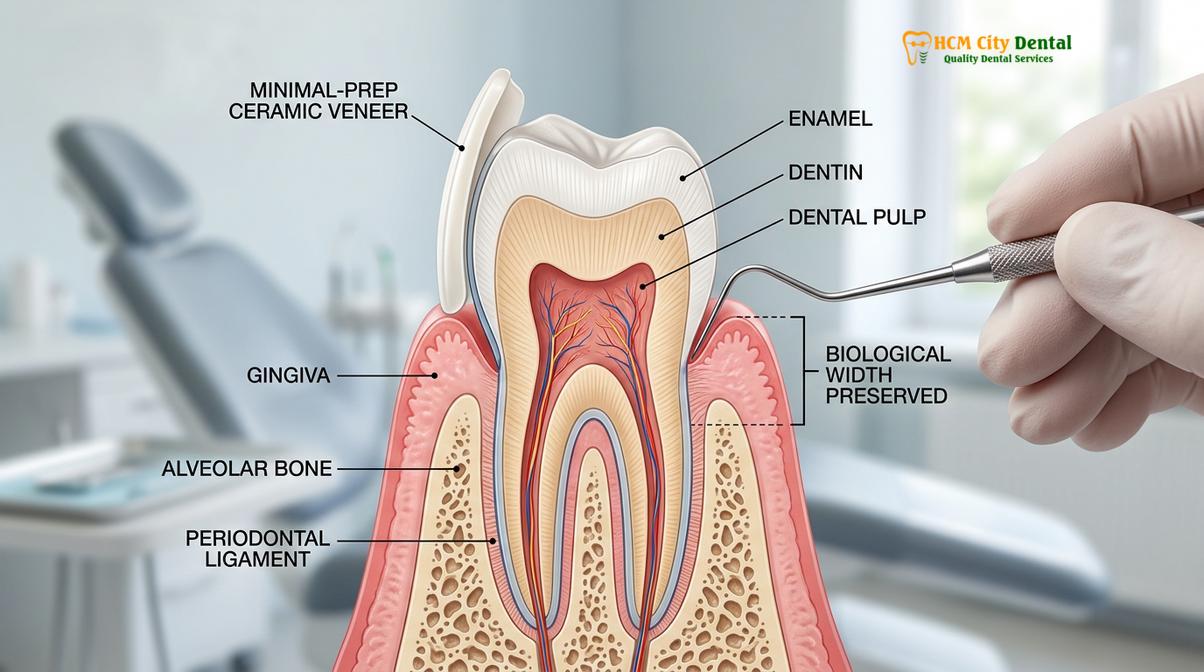
Furthermore, the flexural strength of composite is lower than that of lithium disilicate or zirconia. Patients with parafunctional habits, such as sleep bruxism (teeth grinding), are at a higher risk of fracturing or chipping their composite restorations. To mitigate this risk, the fabrication of a custom nightguard is strongly recommended as part of the post-operative protocol. This protective appliance absorbs occlusal forces, safeguarding the structural integrity of the veneers. Additionally, clinicians must ensure strict biological width preservation around anterior restorations to prevent chronic gingival inflammation, which can compromise the longevity of any cosmetic work[5].
“Long-term aesthetic stability is not solely dependent on the material chosen, but equally on the patient’s commitment to meticulous oral hygiene and routine professional maintenance. Even the most advanced restorations require a healthy periodontal foundation to thrive.”
Patient Case Study: Aesthetic Rehabilitation
A 28-year-old international patient visited HCMC Dental Clinic in Ho Chi Minh City seeking to close a prominent midline diastema and mask mild tetracycline stains. Due to budget constraints and a desire for immediate results, the patient opted for 6 maxillary composite veneers. Utilizing Digital Smile Design (DSD) and a minimal-prep protocol, the direct bonding was completed in a single 3-hour session. The patient achieved a highly aesthetic, natural-looking result at a fraction of the cost of porcelain, with instructions to return annually for professional polishing.
Getting the 40% WhatsApp Pre-Booking Discount at HCMC Dental
International patients can secure a 40% reduction on standard walk-in rates by pre-booking their treatment plan via WhatsApp prior to arrival. This streamlined digital process includes remote consultations and facilitates flexible payment options.
To accommodate the growing influx of medical tourists, forward-thinking dental practices have optimized their patient onboarding processes. By initiating contact through dedicated WhatsApp channels, patients can bypass traditional administrative bottlenecks and access exclusive pre-booking tariffs. This digital-first approach allows the clinical coordination team to gather preliminary data, such as intraoral photographs and existing dental records, before the patient even boards a flight.
The financial benefits of this system are substantial, effectively reducing the cost of a composite veneer from approximately $80 to just $48. Furthermore, to ease the financial burden of extensive smile makeovers, clinics offer international credit card installment plans, allowing patients to distribute the cost of their treatment over several months with 0% interest.
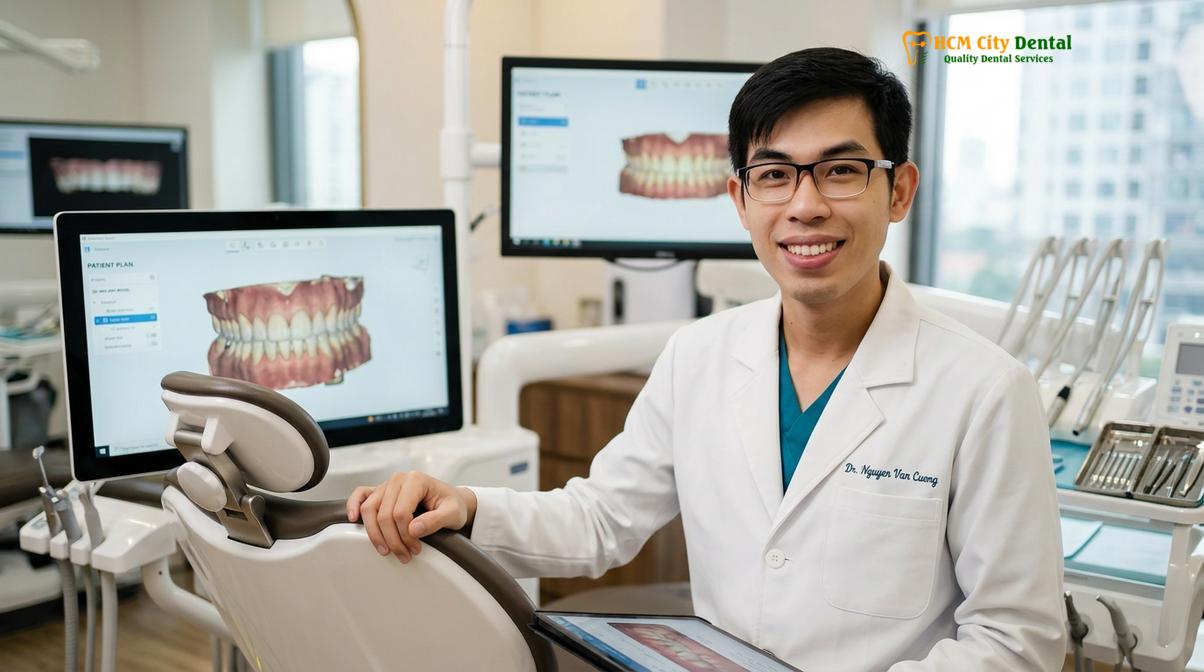
This pre-arrival digital workflow allows the clinical team to review cases in advance, ensuring that every patient receives an accurate, transparent quote. This meticulous planning extends beyond the initial procedure; it establishes a foundation for comprehensive global warranty remote support. Patients can easily communicate with their dental team post-treatment, utilizing photo and video assessment protocols to monitor healing and address any concerns promptly from their home country.
When to See a Doctor for Cosmetic Dental Consultation
While composite and porcelain veneers offer transformative aesthetic benefits, they are medical procedures that require careful clinical evaluation. You should schedule a comprehensive consultation with a qualified prosthodontist or cosmetic dentist if you experience any of the following:
- Severe Enamel Erosion: If your teeth have significant enamel loss due to acid reflux or aggressive brushing, traditional veneers may lack sufficient bonding surface. In such cases, structural tooth restoration options like full-coverage crowns may be clinically indicated.
- Active Periodontal Disease: Gums that are red, swollen, or bleed easily must be treated and stabilized before any cosmetic restorations are placed. Respecting the biological width is impossible in the presence of active gingival inflammation.
- Complex Malocclusion: Veneers can correct minor misalignments (often termed “instant orthodontics”), but severe crowding or bite discrepancies require orthodontic intervention (such as clear aligners) prior to restorative work to ensure long-term stability.
- Unexplained Tooth Pain: Any underlying endodontic issues, such as deep decay or pulpal infection, must be diagnosed via CBCT scanning and resolved before sealing the tooth with a veneer.
A personalized clinical examination is essential to determine your specific candidacy, rule out contraindications, and develop a treatment plan that prioritizes both aesthetics and long-term oral health.
Frequently Asked Questions
How much is a single composite veneer at HCMC Dental?
A single composite veneer at HCMC Dental starts from $48 (1.2M VND) when utilizing the 40% WhatsApp pre-booking discount. The standard walk-in rate is approximately $80 (2.0M VND) per tooth, depending on the complexity of the direct bonding required. This pricing includes the clinical assessment, minimal enamel preparation, and the chair-side sculpting of the bis-GMA resin.
Does the price of composite veneers include future repair?
No, the initial cost covers the consultation, preparation, and direct bonding procedure, but future repairs are billed separately. However, HCMC Dental provides a 1-year clinical guarantee for composite restorations, covering structural failures not caused by trauma or bruxism.
Is it worth paying more for porcelain veneers?
Yes, investing in porcelain veneers is highly recommended for long-term aesthetic stability. Porcelain materials like E.max offer superior stain resistance, lifelike translucency, and a lifespan of 10-15 years, making them more cost-effective over time compared to composite resin.
How long does the composite bonding procedure take?
The direct composite bonding procedure typically takes 30 to 60 minutes per tooth. Because the resin is sculpted and cured directly on the tooth chair-side, a complete smile makeover can often be completed in a single extended clinical visit.
Can I use an international credit card for payment?
Yes, international patients can conveniently use major credit cards for their treatments. HCMC Dental also offers 0% interest monthly credit card installment plans to help distribute the cost of comprehensive cosmetic dental procedures.
References
- Journal of Esthetic and Restorative Dentistry. Translucency and masking ability of lithium disilicate.
- International Journal of Prosthodontics. Enamel preservation and bond strength in direct restorations.
- The Journal of Prosthetic Dentistry. Flexural strength and wear resistance of porcelain vs composite.
- Clinical Oral Investigations. Diode laser gingival sculpting parameters for aesthetic dentistry.
- Journal of Clinical Periodontology. Biological width preservation around anterior restorations.
- Vietnam Ministry of Health (MOH). National Guidelines on Infection Control in Dental Settings.
Ready to transform your smile with world-class cosmetic dentistry? Contact HCMC Dental Clinic in Ho Chi Minh City today to schedule your digital consultation and explore our comprehensive porcelain veneers and composite bonding options tailored to your budget.