Gum contouring with veneers is a comprehensive cosmetic dental procedure that harmonizes the gingival architecture before bonding ultra-thin porcelain restorations. This combined approach corrects gummy smiles, establishes ideal tooth proportions, and ensures a balanced, aesthetically pleasing smile line with long-lasting clinical stability.
Clinical Summary:
Combining gum contouring with porcelain veneers provides a definitive solution for patients presenting with altered passive eruption or asymmetrical gingival margins. By utilizing advanced diode laser technology, prosthodontists can precisely sculpt the gum line, allowing for optimal veneer placement. This dual-phase treatment respects the biological width, preserves the dentin-enamel junction (DEJ), and maximizes the aesthetic outcome of custom ceramic restorations while ensuring predictable, long-term periodontal health.
Key Takeaways:
- Laser gum contouring safely removes excess tissue to reveal the natural crown length.
- A mandatory healing period is required before final veneer impressions to ensure margin stability.
- Minimally invasive preparation preserves vital enamel for superior adhesive bonding.
- Digital intraoral scanning eliminates traditional messy impressions for enhanced patient comfort.
- Combining these treatments effectively resolves gummy smiles and uneven gingival symmetry.
Understanding the Golden Ratio of Teeth and Gum Symmetry
Achieving the perfect smile requires precise mathematical proportions where the gingival zenith aligns harmoniously with the visible tooth structure. This golden ratio ensures that veneers look entirely natural rather than artificially bulky.
In the realm of cosmetic dentistry, the aesthetic success of a smile makeover is not solely dependent on the color and shape of the teeth, but equally on the framing provided by the gingival tissues. The concept of the “Golden Ratio” (approximately 1.618:1) is frequently applied to the apparent width of the maxillary anterior teeth. However, an equally critical metric is the width-to-length ratio of the central incisors, which ideally sits between 75% and 80%. When patients present with short, square-looking teeth, it is often not because the teeth themselves are small, but because excess gum tissue is masking the cervical portion of the anatomical crown.
To correct this, clinicians must evaluate the gingival zenith—the most apical point of the gingival tissue along the long axis of the tooth. For central incisors and canines, the zenith should ideally be positioned slightly distal to the vertical midline, while the lateral incisors should have a centered zenith that sits approximately 1mm lower than the adjacent teeth. Establishing this Gum Contouring & Gummy Smile architecture is a prerequisite before any ceramic work begins. If veneers are placed over a compromised gingival framework, the resulting restorations will appear disproportionate, leading to what is colloquially known as “Chiclet teeth.”
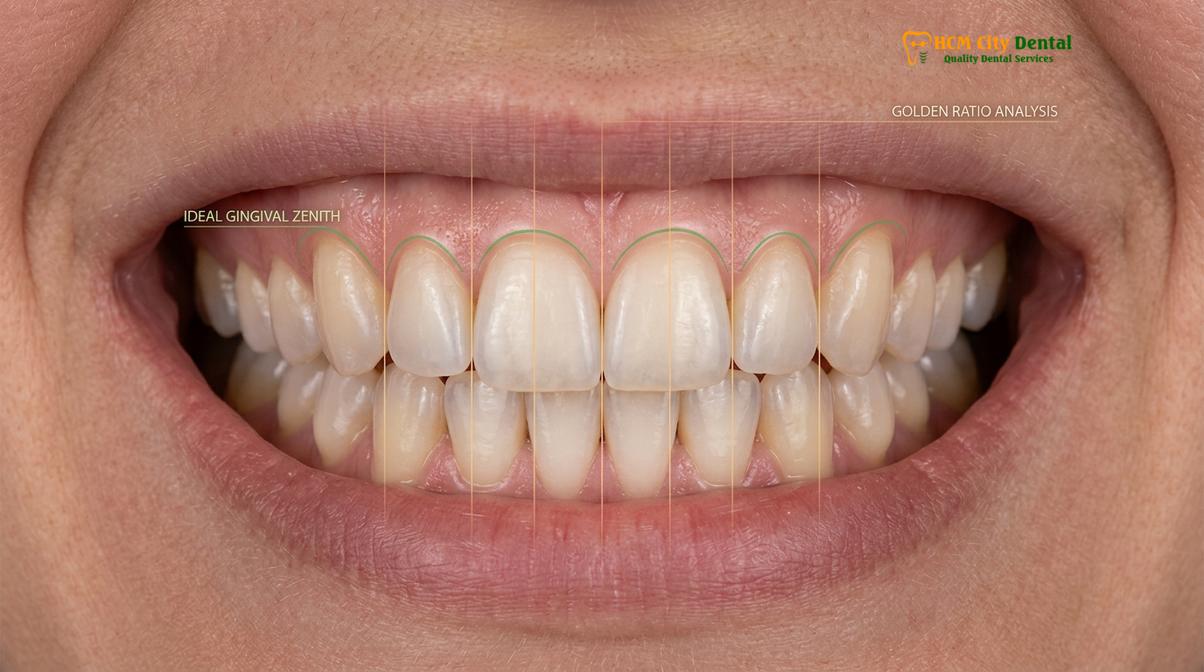
At HCMC Dental Clinic in Ho Chi Minh City, Dr. Nguyen Van Cuong emphasizes the importance of Digital Smile Design (DSD) in this planning phase. By utilizing advanced imaging software, the clinical team can map out the exact millimeter of tissue that needs to be removed to achieve optimal gingival symmetry. This digital blueprint also helps in determining whether the patient is a candidate for ultra-thin, prep-less options like contact lens veneers, which require pristine gingival health and precise margin placement to avoid plaque accumulation and subsequent periodontal inflammation[1].
Furthermore, any soft tissue modification must strictly respect the biological width—the natural dimension of soft tissue attached to the portion of the tooth above the alveolar bone. Violating this space during contouring or subsequent veneer placement can trigger chronic inflammation, unpredictable bone loss, and gingival recession. Therefore, a thorough periodontal probing and radiographic assessment are mandatory steps in the diagnostic workup.
For detailed steps on gum aesthetics, see our Diode laser gum reshaping guide.
How Diode Laser Contouring Reshapes Your Gingival Line Safely
Diode lasers provide a highly controlled, minimally invasive method to vaporize excess gingival tissue while simultaneously coagulating blood vessels. This modern approach minimizes trauma and accelerates the healing process.
The advent of laser dentistry has fundamentally transformed soft tissue management. For patients seeking gummy smile correction, the diode laser has become the gold standard instrument. Operating typically at wavelengths between 810 nm and 980 nm, diode lasers are highly absorbed by melanin and hemoglobin, making them exceptionally effective for cutting and coagulating oral soft tissues with pinpoint accuracy.
During the procedure, the dentist applies a profound local anesthetic to ensure complete patient comfort. The laser tip is then guided along the pre-planned gingival margins. As the laser energy vaporizes the targeted cells, it simultaneously seals the adjacent blood vessels and lymphatic endings. This dual-action capability results in a virtually bloodless surgical field, which is a significant clinical advantage. A dry, clear field allows the dentist to evaluate the newly established aesthetic gum line in real-time, ensuring perfect symmetry across the anterior sextant[2].
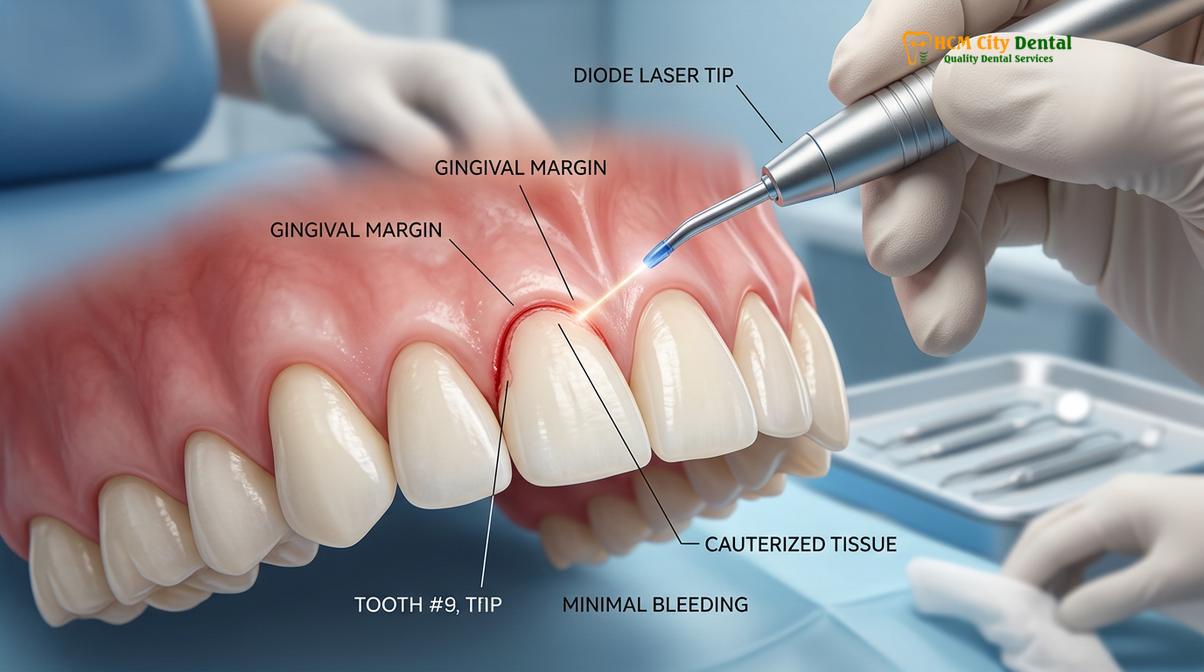
Beyond aesthetics, the diode laser offers profound biological benefits. The thermal energy sterilizes the surgical pocket, significantly reducing the bacterial load and minimizing the risk of postoperative infection. Furthermore, because the laser does not crush or tear tissue like a traditional scalpel, the inflammatory response is drastically reduced. Patients typically report minimal swelling and rarely require anything stronger than over-the-counter analgesics during the initial recovery phase.
It is important to note that laser contouring is primarily indicated for patients whose excess tissue is purely gingival (soft tissue). In cases where the underlying alveolar bone is too close to the cementoenamel junction (CEJ), a more complex osseous crown lengthening procedure may be required to prevent the tissue from rebounding. A comprehensive clinical examination will determine the exact nature of the gummy smile and dictate the appropriate surgical intervention.
Sequencing: Gum Contouring Healing Before Veneer Preparation
Proper clinical sequencing dictates that gingival tissues must fully heal and stabilize after contouring before any tooth preparation begins. Rushing this phase risks margin exposure and compromised aesthetic results.
One of the most critical aspects of combining these two treatments is respecting the biological timeline of tissue healing. A common error in cosmetic dentistry is rushing to prepare the teeth for veneers immediately after soft tissue surgery. While the gums may appear superficially healed within a few days, the underlying connective tissue requires significantly more time to mature and establish a stable position.
The standard clinical protocol requires a healing period of approximately 4 to 6 weeks following laser contouring. During this time, the gingival margins will undergo minor apical or coronal shifts as the tissue reorganizes. If a dentist takes the final digital impressions for the veneers before this stabilization occurs, the resulting ceramic restorations may have margins that end up either subgingival (causing inflammation) or supragingival (exposing the underlying tooth structure and creating an aesthetic defect)[3].
Once the gums have fully matured, the restorative phase begins. The dentist will utilize an enamel depth-cutter to ensure a minimally invasive preparation. The goal is to remove only 0.3mm to 0.7mm of the facial enamel, providing just enough space for the ceramic material without exposing the underlying dentin. Preserving the dentin-enamel junction (DEJ) is paramount, as the bond strength of dental adhesives to enamel is significantly stronger and more predictable than to dentin.
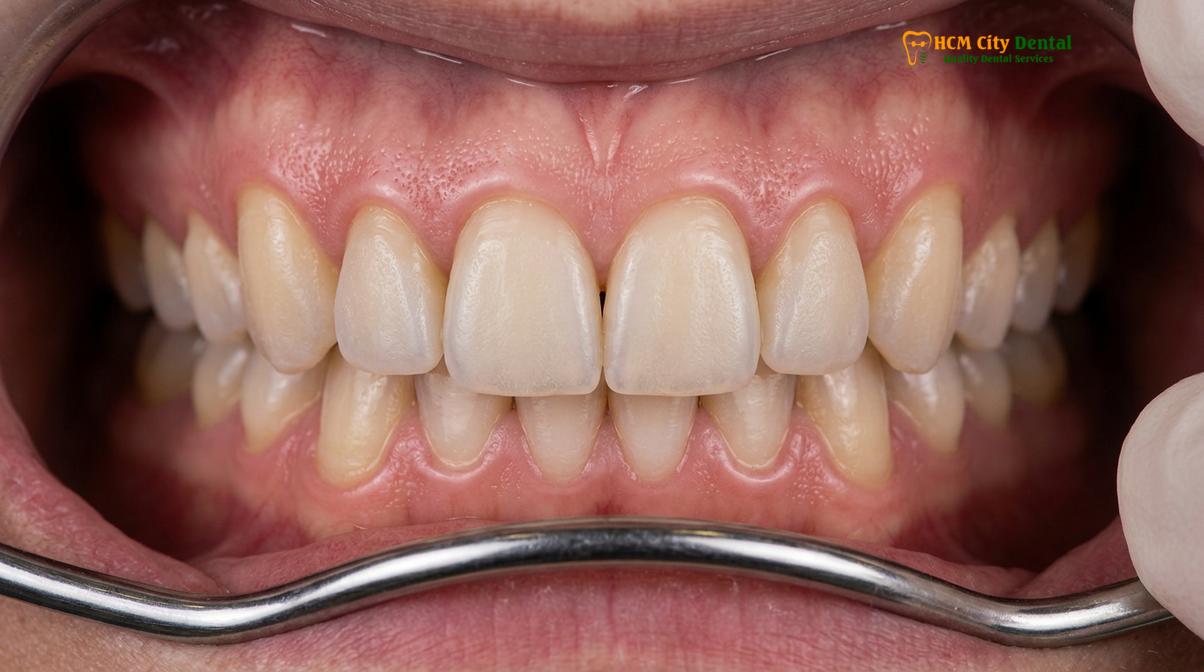
Following preparation, the patient is fitted with provisional restorations. These temporaries serve multiple vital functions: they protect the prepared teeth from sensitivity, they act as a trial smile for the patient to evaluate the new aesthetics, and they help to further shape and condition the newly healed gingival margins. The contours of the provisional veneers must be perfectly smooth and highly polished to prevent plaque accumulation, which could irritate the gums right before the final cementation.
Clinical Advantages of Laser Over Traditional Scalpel Gingivectomy
Compared to conventional scalpel surgery, laser contouring offers superior precision, immediate hemostasis, and significantly reduced postoperative discomfort. This technological shift has revolutionized cosmetic periodontal treatments.
Historically, reshaping the gum line required a traditional scalpel gingivectomy. While effective, this method involved cutting the tissue with a steel blade, which inevitably led to significant bleeding, the need for sutures, and a prolonged, uncomfortable recovery period. The introduction of the diode laser has rendered the scalpel largely obsolete for purely soft-tissue aesthetic contouring.
The primary advantage of the laser is hemostasis. Because the laser coagulates as it cuts, the surgical site remains completely dry. This is not just a matter of convenience; it is a clinical necessity when preparing for custom porcelain veneer design. Dental adhesives require a pristine, moisture-free environment to function correctly. Any seepage of blood or crevicular fluid during the bonding phase can catastrophically compromise the adhesion of the veneer, leading to microleakage, staining, or complete debonding.
“The integration of diode lasers in aesthetic dentistry has fundamentally shifted our approach to soft tissue management, offering a virtually bloodless field that is crucial for subsequent adhesive dentistry and immediate patient comfort.”
Furthermore, the precision of a laser fiber (often as thin as 400 microns) allows the clinician to sculpt the tissue with microscopic accuracy, creating delicate, natural-looking scalloped margins that are difficult to achieve with a scalpel blade. The laser also eliminates the need for periodontal dressings (gum bandages) and sutures, making the postoperative experience vastly more pleasant for the patient.
| Clinical Parameter | Diode Laser Contouring | Traditional Scalpel Gingivectomy |
|---|---|---|
| Bleeding Control | Excellent (Immediate cauterization) | Poor (Requires pressure/sutures) |
| Precision | Extremely high (Micro-sculpting) | Moderate (Dependent on blade size) |
| Post-Op Pain | Minimal to none | Moderate (Soreness for several days) |
| Sutures Required | No | Frequently required |
| Infection Risk | Very low (Laser sterilizes tissue) | Higher (Open wound) |
Comprehensive Treatment Workflow and Material Selection
A successful smile makeover relies on state-of-the-art digital scanning, premium ceramic materials, and a meticulous bonding protocol. These elements ensure both stunning aesthetics and long-term functional durability.
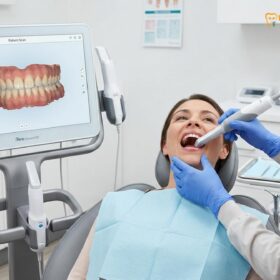
Modern cosmetic dentistry is heavily reliant on digital workflows and advanced material science. At HCMC Dental Clinic, the traditional, uncomfortable silicone impression materials have been entirely replaced by state-of-the-art digital scanning technology. Utilizing the iTero Element 5D and Medit i700 Intraoral Scanners, the clinical team captures highly accurate 3D models of the patient’s prepared teeth and healed gingival margins. This digital precision ensures a flawless marginal fit, which is critical for preventing recurrent decay and maintaining periodontal health.
Through a Direct Lab Partnership located right in Ho Chi Minh City, the clinic maintains strict quality control over the fabrication process. This close collaboration between the prosthodontist and the master ceramist allows for an Express 3-5 Day Turnaround. This accelerated timeline is specifically tailored for international patients and dental tourists, enabling them to complete a comprehensive smile makeover within a single week without compromising on quality.
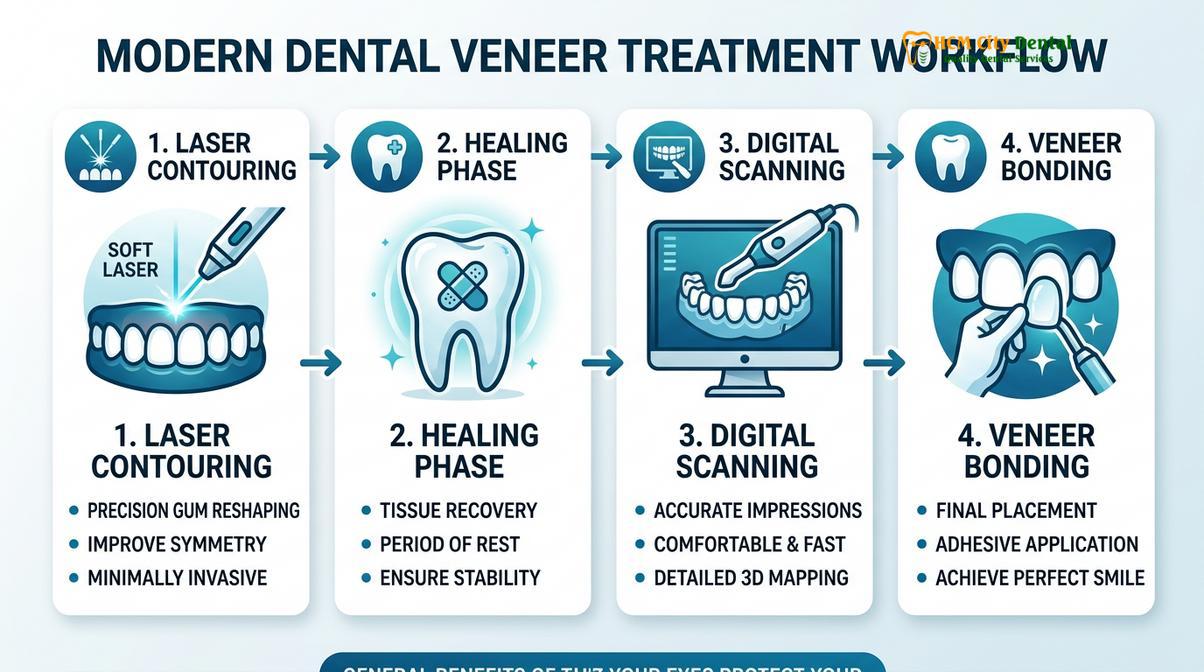
Material selection is paramount when choosing between porcelain and composite materials. The clinic utilizes only authentic, globally certified materials. For patients with heavy bite forces or a history of bruxism, Zirconia HT (Cercon HT, Germany) provides exceptional flexural strength. For the ultimate in lifelike aesthetics, E.max (Ivoclar, Liechtenstein) lithium disilicate is the material of choice. E.max offers unparalleled translucency, allowing the ceramist to perfectly mimic the optical properties of natural enamel, especially when utilizing highly sought-after shades like VITA BL1 for a bright, yet natural appearance.
The final, and arguably most critical, step is the adhesive bonding protocol. To ensure maximum bond strength and longevity, the veneers are cemented under strict rubber dam isolation. This technique prevents any contamination from saliva or respiratory moisture. The enamel is etched, a silane coupling agent is applied to the internal surface of the ceramic, and a light-cured resin cement is used to permanently fuse the veneer to the tooth structure[4].
Transparent Clinical Fee Schedule
Understanding the financial investment is a crucial part of treatment planning. HCMC Dental Clinic offers a transparent pricing structure, featuring a significant 40% pre-arrival discount for patients who book their consultations via WhatsApp. The clinic also provides 0% interest monthly credit card installment plans to make premium care accessible.
- Composite Veneer (Chair-side): Walk-in: ~$80 (2.0M VND) | WhatsApp discount: From $48 (1.2M VND)
- Zirconia Veneer (Cercon HT): Walk-in: ~$240 (6.0M VND) | WhatsApp discount: From $144 (3.6M VND)
- E.max Porcelain Veneer (Ivoclar): Walk-in: ~$320 (8.0M VND) | WhatsApp discount: From $192 (4.8M VND)
- Smile Design 3D Mock-up: Walk-in: ~$200 (5.0M VND) | WhatsApp discount: From $120 (3.0M VND) (Free if treatment is performed)
- Laser Gum Contouring (Diode): Walk-in: ~$160 (4.0M VND) | WhatsApp discount: From $96 (2.4M VND) per arch
- In-Office Teeth Whitening (Laser): Walk-in: ~$140 (3.5M VND) | WhatsApp discount: From $84 (2.1M VND)
To protect your investment, all E.max and Zirconia restorations come with global manufacturer warranty cards and a 3-year clinic bonding and fit guarantee. The clinic also provides comprehensive remote follow-up support via WhatsApp, utilizing photo and video assessment protocols to monitor your smile from anywhere in the world.
Recovery Timeline and Post-Op Laser Care
Post-operative recovery from laser contouring is typically swift, requiring only mild dietary adjustments and gentle oral hygiene practices. Adhering to these guidelines ensures optimal tissue maturation before veneer placement.
The recovery process following laser gum contouring is generally straightforward, provided the patient adheres to the prescribed post-operative instructions. During the first 24 to 72 hours, it is normal to experience mild tenderness and slight swelling along the gum line. Patients are advised to consume a soft diet, avoiding spicy, acidic, or excessively hot foods that could irritate the healing tissue. Gentle rinsing with a warm saltwater solution or a prescribed antimicrobial mouthwash helps keep the surgical site clean without disrupting the coagulation process.
By days 4 through 14, the superficial tissue will have largely healed, and patients can typically resume their normal dietary habits. However, aggressive brushing around the gingival margins should still be avoided. A soft-bristled toothbrush and non-abrasive toothpaste are recommended to protect the maturing tissue. It is during this phase that the final aesthetic gum line begins to take its permanent shape[5].
Once the final veneers are permanently cemented, long-term maintenance becomes the priority. To ensure the long-term durability of your veneers, patients must commit to excellent daily oral hygiene, including flossing, to prevent periodontal disease. Furthermore, for patients who exhibit signs of sleep bruxism (teeth grinding), the fabrication of a custom nightguard is absolutely essential. The nightguard absorbs occlusal forces, protecting the delicate ceramic from chipping or fracturing while you sleep.
“Patient compliance during the provisional phase and strict adherence to soft-tissue healing protocols are just as critical as the clinician’s technical execution in achieving a flawless, long-lasting smile makeover.”
When to See a Doctor
While complications from laser gum contouring and veneer placement are rare, it is important to monitor your oral health closely during the recovery and provisional phases. You should contact your dental provider immediately if you experience any of the following symptoms:
- Severe, throbbing pain that is not relieved by over-the-counter analgesics.
- Excessive or prolonged bleeding from the gum tissue that does not stop with gentle pressure.
- Signs of infection, such as localized swelling, purulent discharge (pus), or a persistent fever.
- A provisional veneer that becomes loose, chips, or falls off, as the underlying tooth structure must remain protected.
- An altered bite or sharp pain when chewing after the final veneers have been cemented, which may indicate the need for an occlusal adjustment.
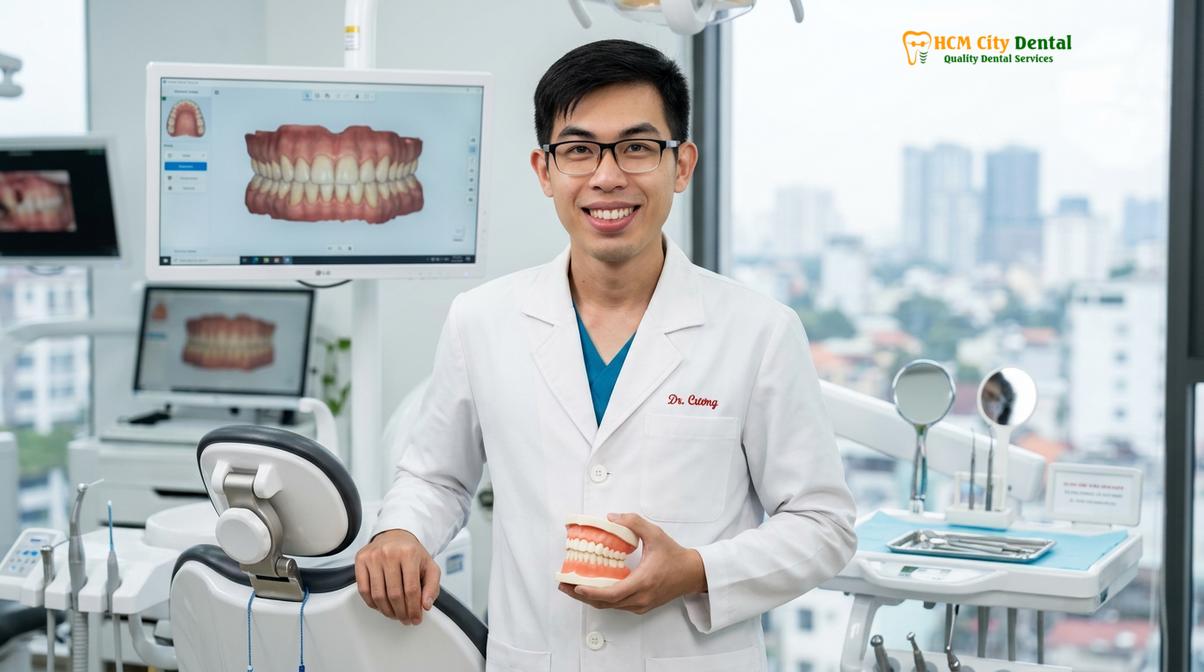
If you are considering a smile makeover and want to know if you are a candidate for this combined treatment, scheduling a comprehensive evaluation is the first step. Advanced diagnostics, including 3D scanning and periodontal mapping, will provide a clear roadmap for your unique clinical needs.
Frequently Asked Questions
Do I need gum contouring before getting veneers?
Not every patient requires gum contouring before receiving veneers. However, if you have a gummy smile, uneven gingival margins, or short clinical crowns, contouring is highly recommended to establish proper tooth proportions and ensure a symmetrical, natural-looking aesthetic outcome. Your dentist will evaluate your biological width and smile line during the initial consultation to determine if soft tissue modification is necessary.
Does laser gum contouring hurt?
Laser gum contouring is generally associated with minimal discomfort. Because the procedure is performed under local anesthesia and the diode laser simultaneously cauterizes nerve endings and blood vessels, most patients experience little to no pain during the treatment and only mild soreness afterward. Over-the-counter pain relievers are usually sufficient to manage any post-operative tenderness.
How long does it take for gums to heal before veneers?
Initial soft tissue healing typically takes 7 to 14 days, but complete gingival maturation requires 4 to 6 weeks. Dentists must wait for this full stabilization period before taking final impressions to ensure the veneer margins align perfectly with the healed gum line. Rushing this process can result in exposed margins or chronic gum inflammation.
Can I get composite veneers instead of porcelain after contouring?
Yes, composite resin can be applied after the gums have healed. While composite is a more cost-effective and chair-side option, porcelain offers superior durability, stain resistance, and lifelike translucency, making it the preferred choice for comprehensive smile makeovers. Porcelain materials like E.max also interact more favorably with gingival tissues, promoting better long-term periodontal health.
Will my gums grow back after the laser procedure?
When performed correctly by respecting the biological width and underlying bone architecture, laser gum contouring provides permanent results. The removed excess tissue does not typically grow back, ensuring your new gingival contours remain stable for the long term. However, if the underlying bone is too close to the new gum line, an osseous contouring procedure may be required to prevent tissue rebound.
References
- Journal of Esthetic and Restorative Dentistry. Biological width and gingival aesthetics in restorative dentistry. (2021).
- Clinical Oral Investigations. Efficacy of diode lasers in soft tissue management and hemostasis. (2022).
- International Journal of Periodontics & Restorative Dentistry. Healing dynamics of gingival tissues following laser contouring. (2020).
- The Journal of Prosthetic Dentistry. Adhesion strategies and enamel preservation in ceramic veneers. (2019).
- Journal of Clinical Periodontology. Long-term stability of aesthetic crown lengthening procedures. (2018).