When choosing between emax vs zirconia veneers, the decision hinges on balancing aesthetics with structural durability. E.max offers unmatched lifelike translucency for front teeth, while zirconia provides superior strength for heavy bites or masking severe discoloration. Both require precise clinical evaluation for optimal results.
Clinical Summary:
E.max and zirconia represent the pinnacle of modern ceramic restoration aesthetics. E.max (lithium disilicate) is celebrated for its lifelike light transmission, making it the gold standard for anterior smile makeovers. Conversely, zirconia (zirconium dioxide) delivers exceptional fracture toughness, ideal for masking dark underlying dentin or withstanding bruxism. Successful outcomes depend on meticulous enamel preservation, digital smile design, and strict adhesive cementation protocols tailored to the patient’s unique biomechanical needs.
Key Takeaways:
- E.max veneers utilize lithium disilicate for superior light reflection, closely mimicking natural enamel.
- Zirconia veneers offer exceptional flexural strength, making them highly resistant to chipping and cracking.
- Minimal-prep techniques preserve crucial enamel, requiring only a fraction of a millimeter of reduction.
- Advanced intraoral scanners ensure precise marginal fit without messy traditional impressions.
- Proper material selection depends on the patient’s bite force, aesthetic goals, and underlying tooth shade.
Material Science: Lithium Disilicate vs. Zirconium Dioxide
Understanding the fundamental structural differences between these two premium ceramics is essential for predicting long-term clinical success and aesthetic integration.
The evolution of cosmetic dentistry has moved far beyond traditional metal-based restorations and older, fragile materials like feldspathic porcelain. Today, the debate regarding Porcelain Veneers primarily centers on two advanced materials: lithium disilicate and zirconium dioxide. Each possesses distinct microstructural properties that dictate its clinical application.
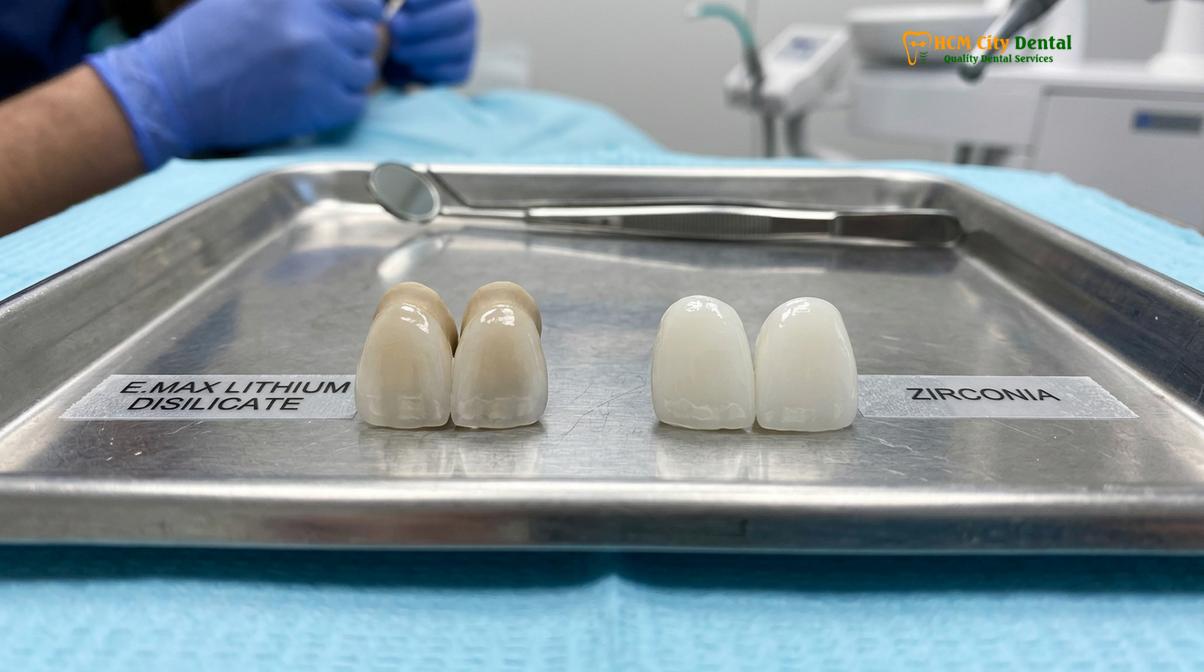
E.max is the leading brand name for lithium disilicate, a highly specialized glass-ceramic. It is fabricated either by pressing a heated ceramic ingot into a mold or through precise CAD/CAM milling. The glass matrix of lithium disilicate allows it to be etched with hydrofluoric acid, creating microscopic retentive features that form an incredibly strong micromechanical bond with the underlying tooth structure[1].
Dr. Nguyen Van Cuong, a leading prosthodontist, emphasizes that this chemical bondability makes E.max exceptionally reliable for ultra-thin restorations where retention relies entirely on adhesion rather than mechanical friction. For patients navigating complex restorative choices, Dr. Cuong explores these biomechanical principles extensively in his clinical guide on Dental Crown vs Veneer, helping individuals understand how material selection impacts long-term tooth vitality.
Conversely, zirconia is composed of zirconium dioxide, a polycrystalline ceramic that is technically a metal oxide. It is renowned for its extreme toughness and phase-transformation toughening—a unique property where the material can actively resist the propagation of micro-cracks. Unlike E.max, zirconia lacks a glass phase, meaning it cannot be etched with acid. Instead, it requires surface roughening via air abrasion (sandblasting) and the use of specialized primers containing MDP monomers to achieve adequate bond strength.
Optical Translucency: Why E.max Mimics Natural Enamel Best
E.max restorations excel in the aesthetic zone because their glass-ceramic matrix allows light to scatter and reflect exactly like natural human enamel.
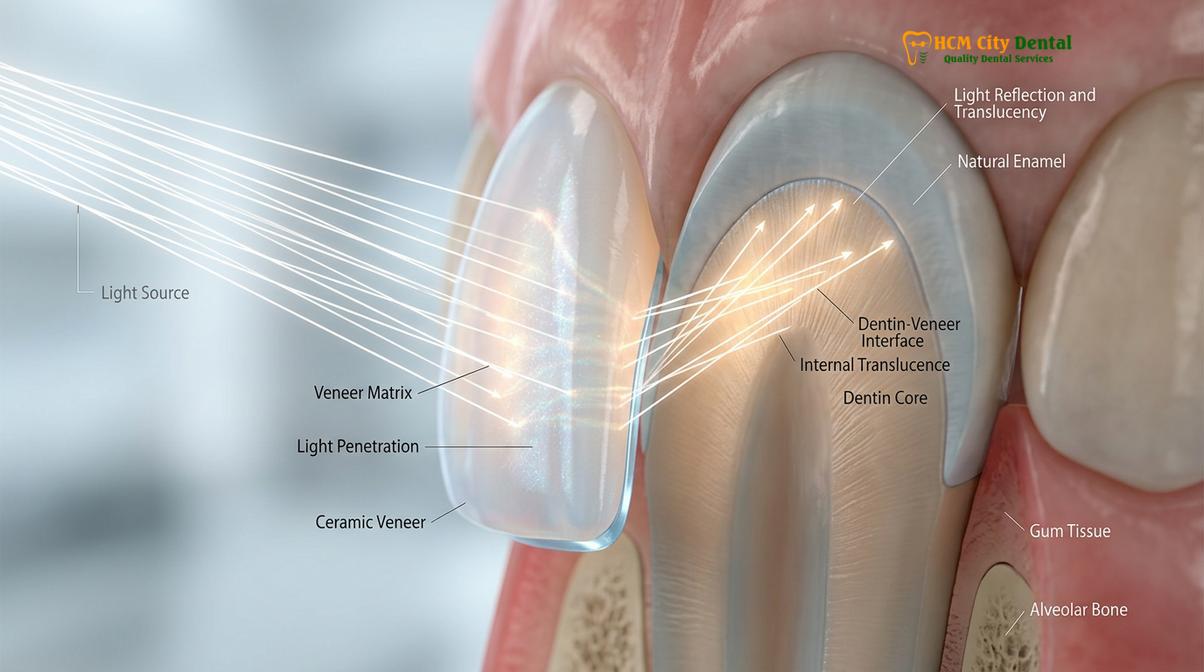
When evaluating ceramic restoration aesthetics, the primary goal is to replicate the complex optical properties of natural teeth. Human enamel is not opaque; it is highly translucent, allowing light to penetrate its surface, scatter within the dentin, and reflect back out. This interplay of light gives natural teeth their vitality and depth.
Lithium disilicate possesses an inherent optical translucency that closely mirrors this natural phenomenon. Because it is a glass-ceramic, light passes through an E.max veneer much like it does through a natural incisor. This makes it the undisputed material of choice for anterior (front) teeth, where aesthetic demands are highest. Ceramists can layer E.max to create subtle characterizations, such as a translucent incisal edge or a specific shade gradient, perfectly matching custom shades like VITA BL1 (bleach shade) or a natural B1.
n”The true artistry in prosthodontics lies not just in shaping a tooth, but in mastering the physics of light transmission through ceramic layers to achieve imperceptible integration.”n
While modern high-translucency (HT) zirconia has vastly improved over the chalky, opaque versions of the past, it still scatters light differently than glass-ceramics. Zirconia tends to have a higher refractive index, which can sometimes result in a slightly lower value (brightness) or a marginally more opaque appearance compared to E.max. However, this opacity becomes a distinct clinical advantage when the goal is to mask severely discolored underlying teeth, such as those affected by tetracycline staining or darkened by previous root canal therapy[2].
Flexural Strength: Zirconia’s Superiority for High-Stress Bites
For patients exhibiting heavy occlusal forces or parafunctional habits, zirconia provides an unparalleled structural framework that resists catastrophic fracture.
While aesthetics are crucial, the biomechanical survival of the restoration is equally important. The oral cavity is a hostile environment, subjecting teeth to immense pressure during mastication (chewing) and parafunctional habits like clenching or grinding (bruxism). This is where the concept of flexural strength MPa (megapascals) becomes a critical deciding factor.
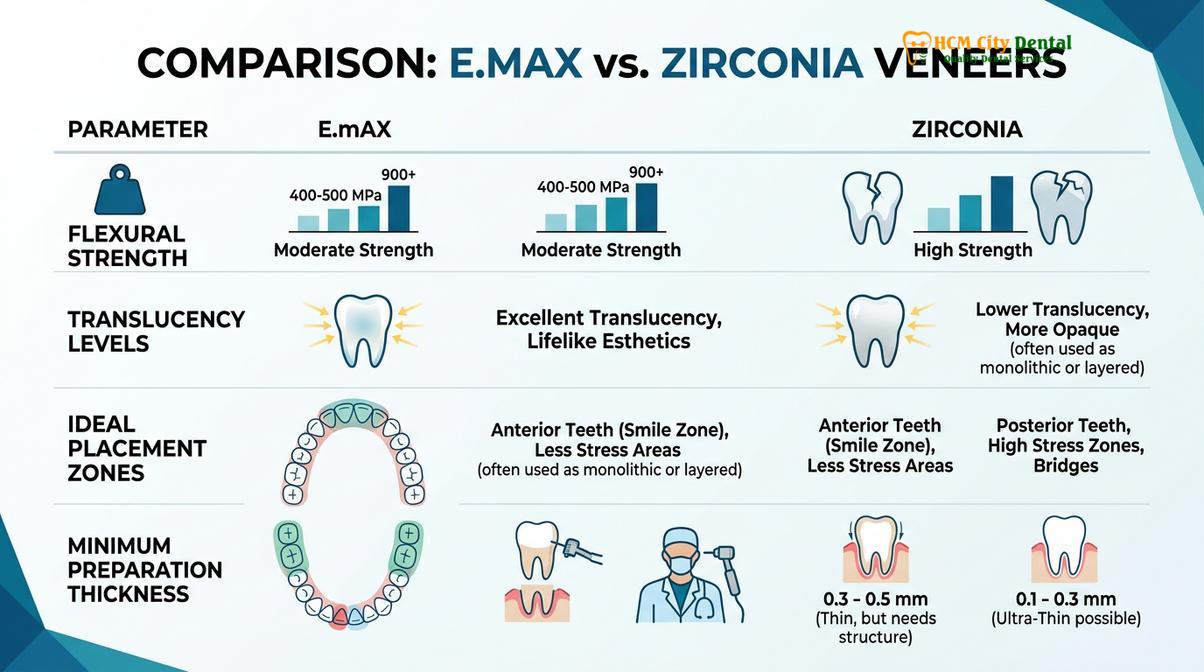
E.max lithium disilicate boasts a highly respectable flexural strength of approximately 400 to 500 MPa. When properly bonded to healthy enamel, an E.max veneer gains significant structural support from the underlying tooth, making it highly durable for normal function. However, it can still be susceptible to chipping if subjected to extreme, concentrated forces.
Zirconium dioxide, particularly structural grades like Cercon HT (Germany), is significantly stronger, often exhibiting flexural strengths ranging from 900 to over 1200 MPa. This makes zirconia virtually indestructible under normal physiological loads. For patients with a history of severe bruxism, or those requiring restorations on posterior teeth (premolars and molars) where bite forces are maximized, zirconia offers a superior safety margin against fracture[3].
Regardless of the material chosen, patients with diagnosed sleep bruxism are strongly advised to wear a custom nightguard to protect their investment and prevent excessive wear on both the ceramics and opposing natural teeth. Understanding these durability factors is essential when researching How Long Do Porcelain Veneers Last?
| Feature | E.max (Lithium Disilicate) | Zirconia (Zirconium Dioxide) |
|---|---|---|
| Primary Composition | Glass-ceramic | Polycrystalline metal oxide |
| Flexural Strength | ~400 – 500 MPa | ~900 – 1200+ MPa |
| Optical Translucency | Very High (Lifelike) | Moderate to High (Slightly opaque) |
| Ideal Clinical Zone | Anterior (Front teeth) | Posterior, or masking dark stains |
| Bonding Mechanism | Chemical etching & micromechanical | Air abrasion & chemical primers |
Thickness Comparison: Prep Requirements for Each Material
Preserving the biological integrity of the tooth is paramount; therefore, understanding the minimum thickness requirements for each material dictates the preparation design.
The longevity of any veneer is heavily dependent on the quality of the substrate it is bonded to. Dental enamel provides a vastly superior bonding surface compared to the underlying dentin. Therefore, modern prosthodontic protocols emphasize minimal-prep techniques to maximize enamel preservation[4].
Because E.max relies heavily on its adhesive bond for strength, it can be fabricated in ultra-thin layers. A standard E.max veneer typically requires only a minimal amount of facial enamel reduction. In highly specific cases involving additive smile designs (where teeth are being built outward), prep-less options can be achieved with lithium disilicate.
Zirconia, while stronger in bulk, can be brittle at extremely thin margins. Therefore, zirconia veneers often require a slightly deeper preparation to ensure the material has sufficient bulk to resist marginal chipping during the milling process and clinical function. Furthermore, if zirconia is being used specifically to mask a dark tooth, additional thickness is required to block out the underlying discoloration effectively.
Clinical Warning: Over-Preparation Risks
Aggressive tooth preparation that removes the entire enamel layer and exposes deep dentin significantly compromises the long-term success of the restoration. Dentin bonding is inherently weaker and degrades faster over time, increasing the risk of veneer debonding, microleakage, and pulpal trauma. Always seek a clinician trained in biomimetic, minimal-prep protocols.
Clinical Recommendations: Which Material is Best for Your Smile Zone?
Selecting the optimal veneer material requires a comprehensive analysis of the patient’s smile line, occlusal dynamics, and underlying tooth discoloration.
There is no universal “best” material; the choice between emax veneers vs zirconia is entirely case-dependent. A thorough clinical assessment must evaluate the biological width, gingival zenith calibration, and the specific functional requirements of the patient’s bite.
For patients seeking a Hollywood-level smile makeover focused on the upper anterior teeth (incisors and canines), E.max is almost always the preferred choice. Its ability to mimic tooth translucency ensures that the restorations do not look artificial or “chiclet-like” under different lighting conditions. It is also highly effective for minor morphological corrections, such as diastema closure (closing gaps) or lengthening worn incisal edges.
Zirconia is clinically indicated when structural demands outweigh absolute aesthetic perfection. If a patient requires a combination of crowns and veneers, zirconia provides a unified material choice that can withstand heavy posterior chewing forces while still delivering excellent aesthetics. Additionally, for patients with severe intrinsic staining that E.max cannot adequately mask, zirconia acts as an excellent opaque shield.
Clinical Case Study: Combination Therapy
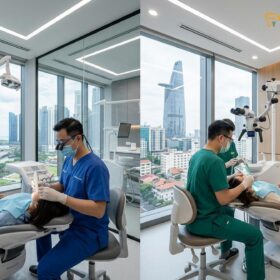
A 34-year-old patient presented to HCMC Dental Clinic in Ho Chi Minh City with severe enamel wear on the anterior incisors and heavy discoloration on the premolars. Following a comprehensive Digital Smile Design (DSD) analysis, the clinical team prescribed a hybrid approach. Ultra-translucent E.max veneers were bonded to the six anterior teeth to maximize lifelike aesthetics, while high-strength zirconia restorations were utilized on the premolars to mask the deep stains and support the patient’s heavy bite forces. The result was a structurally sound, visually seamless smile makeover.
The Digital Workflow and Cementation Protocol
Modern cosmetic dentistry relies on high-precision digital scanning and rigorous adhesive protocols to ensure restorations remain securely bonded for decades.
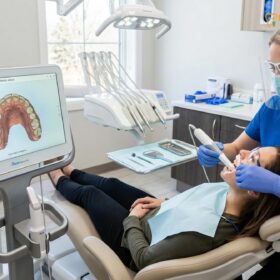
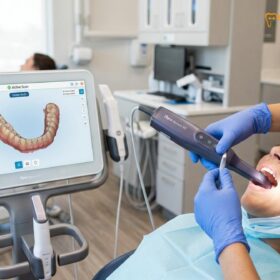
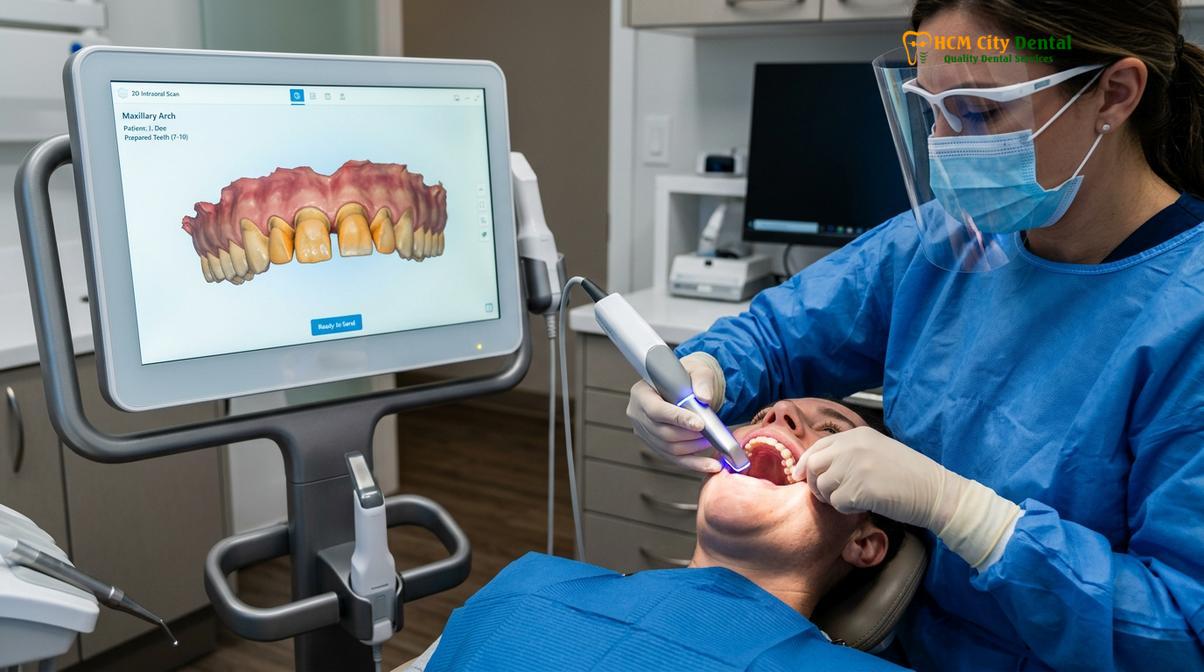
The fabrication and placement of premium ceramic veneers have been revolutionized by digital dentistry. At leading facilities, the messy, uncomfortable traditional silicone impressions have been entirely replaced by state-of-the-art intraoral scanners. These devices capture the exact micro-topography of the prepared teeth in real-time 3D, ensuring a marginal fit that is accurate to the micron level.
This digital data is instantly transmitted to a direct lab partnership, allowing for seamless collaboration between the prosthodontist and the master ceramist. For international patients and dental tourists visiting Ho Chi Minh City, this streamlined digital workflow enables an express turnaround. Within a short timeframe, a complete smile makeover can be digitally designed, milled, custom-characterized, and permanently fitted.
The final, and arguably most critical, step is the adhesive cementation protocol. Unlike traditional crowns that can be cemented with conventional luting agents, ceramic veneers require strict isolation and advanced bonding techniques. The enamel is etched, primed, and bonded using light-cured resin cements that ensure color stability, a virtually impenetrable seal against bacterial microleakage, and optimal gingival health[5].
n”A flawless ceramic restoration is only as reliable as the adhesive protocol used to bond it to the enamel substrate. Meticulous isolation and moisture control are non-negotiable.”n
For patients seeking a more immediate or budget-friendly alternative, chairside composite veneers utilizing a nano-hybrid composite resin can be sculpted directly onto the teeth. While they do not offer the same longevity or stain resistance as porcelain, they serve as an excellent transitional option. You can explore the differences in our guide on Porcelain Veneers vs Composite Veneers.
When to See a Doctor (Important Clinical Considerations)
While ceramic veneers offer transformative aesthetic results, they are medical devices that require careful clinical indication and professional oversight.
You should schedule a professional consultation if you experience severe tooth discoloration that does not respond to traditional whitening, noticeable enamel wear, chipped incisal edges, or mild to moderate spacing issues. A qualified prosthodontist can evaluate your bite mechanics and determine if E.max or zirconia is the appropriate material for your specific anatomical needs.
However, veneers are not suitable for everyone. Contraindications include active periodontal (gum) disease, severe untreated tooth decay, or insufficient remaining enamel to support a reliable adhesive bond. According to guidelines from the Vietnam Odonto-Stomatology Association (VOSA), establishing a foundation of excellent periodontal health is a mandatory prerequisite before any aesthetic ceramic restorations are placed[6]. Placing veneers over inflamed gums can lead to chronic bleeding, marginal leakage, and eventual failure of the restoration.
If you experience persistent sensitivity, pain upon biting, or notice a shift in your bite after receiving veneers, it is crucial to contact your dental provider immediately. These symptoms may indicate occlusal trauma or a compromised bond that requires prompt clinical adjustment.
Pricing, Warranty, and Financial Considerations
Transparent pricing, comprehensive warranties, and flexible financial plans ensure that premium cosmetic dental care remains accessible without compromising clinical quality.
Understanding the financial investment is a crucial part of treatment planning. The cost of veneers varies based on the material selected, the complexity of the case, and the technology utilized. HCMC Dental Clinic offers a transparent pricing structure, utilizing only authentic, certified materials from leading global manufacturers.
In addition to the restorations, comprehensive smile makeovers may require preparatory treatments. A Digital Smile Design 3D Mock-up is often utilized to preview the final result. If the gingival margins are uneven, Diode Laser Gum Contouring may be recommended to achieve perfect symmetry. For patients wishing to brighten their natural teeth before matching the veneer shade, In-Office Laser Teeth Whitening is a highly effective preliminary step.
To protect your investment, premium E.max and Zirconia restorations typically come with global manufacturer warranty cards and a clinic bonding guarantee. International patients also benefit from remote follow-up support, utilizing specific photo and video assessment protocols to ensure long-term success.
If you are ready to transform your smile with world-class ceramic restorations, contact HCMC Dental Clinic in Ho Chi Minh City today to schedule your comprehensive digital consultation and discover which material is perfectly suited for your aesthetic goals.
References
- Journal of Esthetic and Restorative Dentistry. Translucency of lithium disilicate and its clinical applications.
- International Journal of Prosthodontics. Enamel preservation and bond strength in ceramic restorations.
- The Journal of Prosthetic Dentistry. Flexural strength of porcelain restorations and zirconia frameworks.
- Clinical Oral Investigations. Diode laser gingival sculpting parameters for aesthetic dentistry.
- Journal of Clinical Periodontology. Biological width around restorations and gingival health.
- Vietnam Odonto-Stomatology Association (VOSA). Guidelines on aesthetic ceramic restorations and periodontal health.