Gold crowns for back teeth offer unparalleled durability, precise marginal fit, and exceptional biocompatibility. Because molars endure immense chewing forces, high-noble gold alloys provide a fracture-resistant, long-lasting restoration that wears at the same rate as natural enamel, making them an ideal functional choice for posterior teeth.
Clinical Summary:
While tooth-colored ceramics dominate modern aesthetic dentistry, gold crowns remain a premier clinical choice for posterior molars due to their superior mechanical and metallurgical properties. Gold alloys require minimal tooth preparation, preserving vital tooth structure, and offer excellent marginal adaptation to prevent recurrent bacterial microleakage. They are highly biocompatible and particularly beneficial for patients with severe bruxism, as gold does not abrade opposing natural teeth. Modern clinical workflows seamlessly combine traditional gold casting techniques with advanced digital intraoral scanning to ensure a flawless fit, optimal occlusal harmony, and lifelong functional performance in the posterior region.
Key Takeaways:
- Gold crowns require significantly less removal of healthy tooth structure compared to porcelain or zirconia restorations.
- High-noble gold alloys possess a wear coefficient similar to natural enamel, protecting opposing teeth from abrasion.
- They offer exceptional marginal integrity, drastically reducing the risk of recurrent decay and bacterial microleakage.
- Gold is highly biocompatible, minimizing gingival inflammation and the risk of allergic reactions.
- They are the ideal functional choice for patients with heavy bite forces, nocturnal bruxism, or a history of fractured ceramics.
Why Gold Alloys Remain the Gold Standard
Despite the rapid advancement of aesthetic ceramics, gold alloys are still considered the gold standard for posterior restorations due to their unmatched strength, longevity, and minimal invasiveness.
In the evolving landscape of restorative dentistry, the introduction of high-strength ceramics has shifted patient preferences toward tooth-colored options. However, from a strictly clinical and biomechanical perspective, gold alloy dental restorations continue to hold a prestigious position, particularly for the posterior molars. The posterior region of the mouth is subjected to immense occlusal (chewing) forces, often exceeding 200 pounds of pressure per square inch. Materials placed in this high-stress environment must possess exceptional compressive strength, fracture toughness, and fatigue resistance.
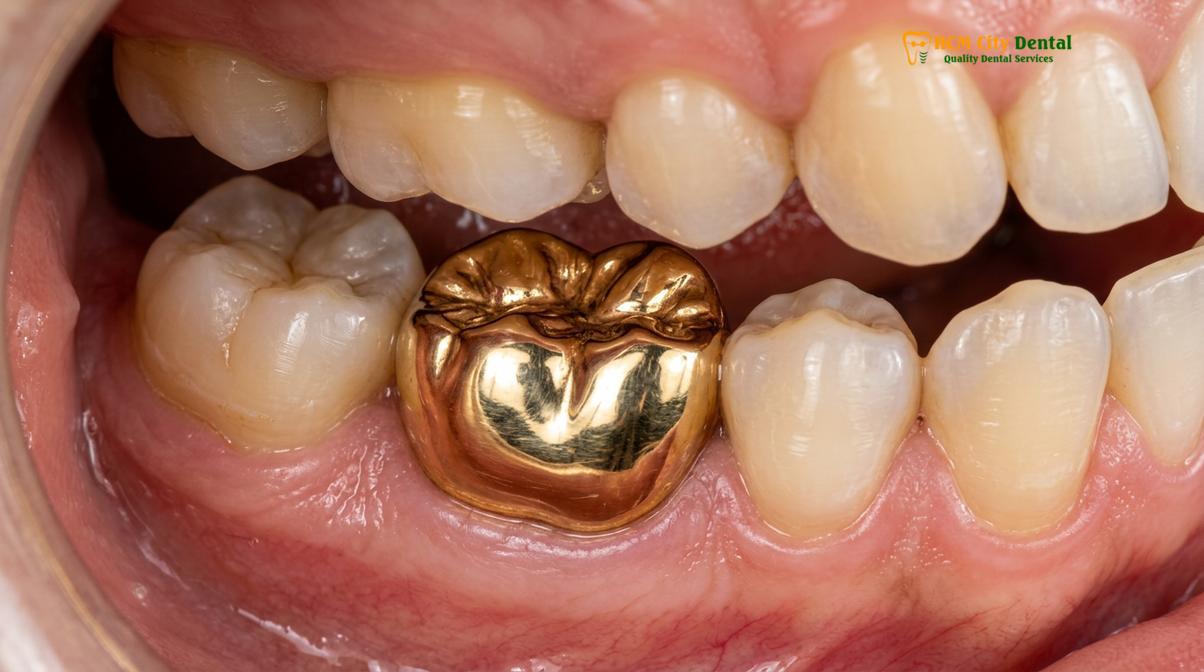
Gold, when alloyed with other noble metals such as platinum, palladium, and silver, creates a restorative material that is virtually indestructible under normal physiological conditions. Unlike ceramics, which are brittle and prone to catastrophic fracture or micro-chipping under sudden impact, gold alloys are ductile. This ductility allows the metal to absorb and distribute occlusal stress without cracking. When a patient bites down on a hard object, a gold crown may slightly burnish (smooth out) over time, but it will rarely fracture. This unique physical property is why many prosthodontists advocate for gold when restoring second and third molars, where aesthetics are of secondary concern to structural integrity [1].
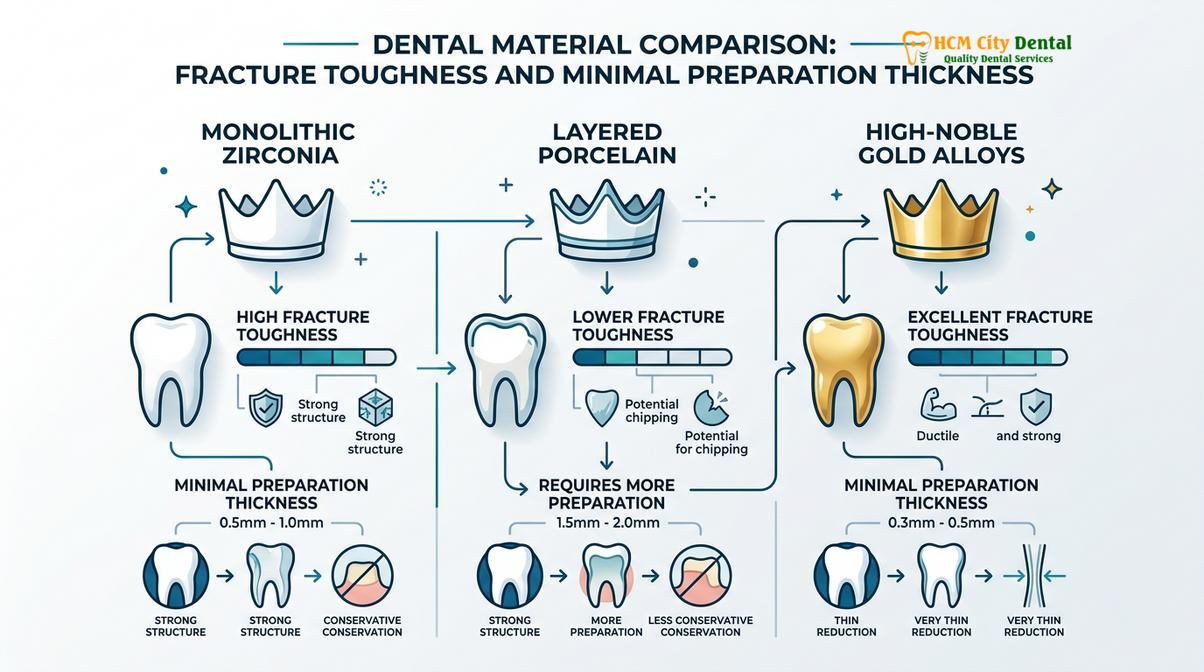
Furthermore, the preparation of a tooth for a gold crown is highly conservative. Because gold possesses immense tensile strength even in very thin sections, a dentist only needs to reduce the tooth structure by approximately 0.5 to 1.0 millimeters. In contrast, a traditional PFM crown or a layered ceramic crown requires a reduction of 1.5 to 2.0 millimeters to accommodate the thickness of the restorative materials without compromising strength. This conservative approach preserves the tooth’s natural dentin core, reduces the risk of pulpal trauma (nerve damage) during preparation, and leaves more robust tooth structure to support the restoration.
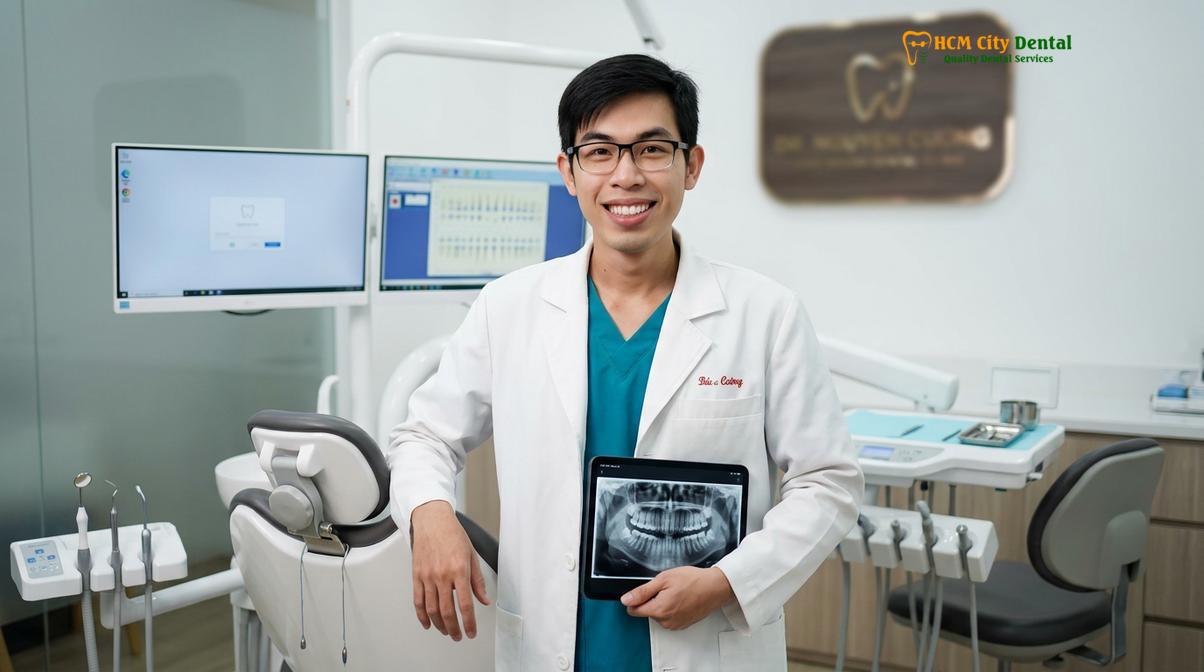
Dr. Nguyen Van Cuong, a leading expert in prosthodontics, frequently emphasizes the clinical perspective on cosmetic material selection versus functional longevity. While acknowledging the high demand for seamless, white smiles, Dr. Cuong advises patients with heavy bites or a history of clenching to strongly consider gold for their furthest back teeth. The preservation of natural tooth structure combined with the indestructible nature of the material often results in a restoration that outlives the patient’s natural dentition.
Biocompatibility and Margin Adaptation
Gold crowns provide exceptional marginal adaptation, sealing the tooth tightly against bacteria, while their high biocompatibility ensures healthy, inflammation-free surrounding gum tissue.
One of the most critical factors in the long-term success of any comprehensive dental crowns and bridges treatment is the integrity of the margin—the exact line where the restorative material meets the natural tooth structure. If this margin is bulky, open, or poorly adapted, it creates a microscopic ledge where plaque and cariogenic bacteria can accumulate. Over time, this microleakage leads to recurrent decay beneath the crown, which is the leading cause of crown failure across all material types.
Gold alloys excel in marginal adaptation. During the fabrication process, whether through traditional lost-wax casting or modern CAD/CAM milling, gold can be finished to a feather edge. A skilled dentist can burnish the margins of a gold crown during the cementation process, essentially adapting the thin edge of the metal seamlessly against the tooth structure. This creates a microscopic seal that is virtually impenetrable to bacteria, significantly reducing the incidence of secondary caries [2].
“The marginal integrity achievable with a cast gold restoration remains the benchmark against which all modern ceramic materials are measured. A well-burnished gold margin provides a biological seal that profoundly enhances the longevity of the underlying tooth.”
Beyond the mechanical fit, the biocompatibility of gold crowns is a paramount clinical advantage. High-noble alloys (containing at least 60% noble metals, of which at least 40% is gold) are highly inert in the oral environment. They do not oxidize, corrode, or release metallic ions into the surrounding gingival tissues or saliva. This chemical stability means that the gingiva (gums) responds exceptionally well to gold margins. Patients rarely experience the chronic gingival inflammation, dark tissue discoloration, or allergic reactions that are sometimes associated with base-metal alloys found in lower-quality PFM crowns.
The smooth, highly polished surface of a gold crown also resists plaque accumulation better than many composite or rough ceramic surfaces. This promotes optimal periodontal health around the restored tooth, ensuring that the biologic width—the natural distance between the base of the gum pocket and the underlying bone—is respected and maintained without chronic irritation.
Wear Patterns: Protecting Opposing Natural Teeth
Unlike rigid ceramics that can grind down opposing enamel, gold alloys possess a wear coefficient nearly identical to natural teeth, making them perfect for heavy chewers.
The tribology of dental materials—how they interact, create friction, and wear against each other—is a crucial consideration in restorative dentistry. When a crown is placed, it must function harmoniously with the opposing natural teeth in the opposite arch. If a restorative material is significantly harder than human enamel, it can act like sandpaper, aggressively wearing away the opposing healthy tooth structure over time.
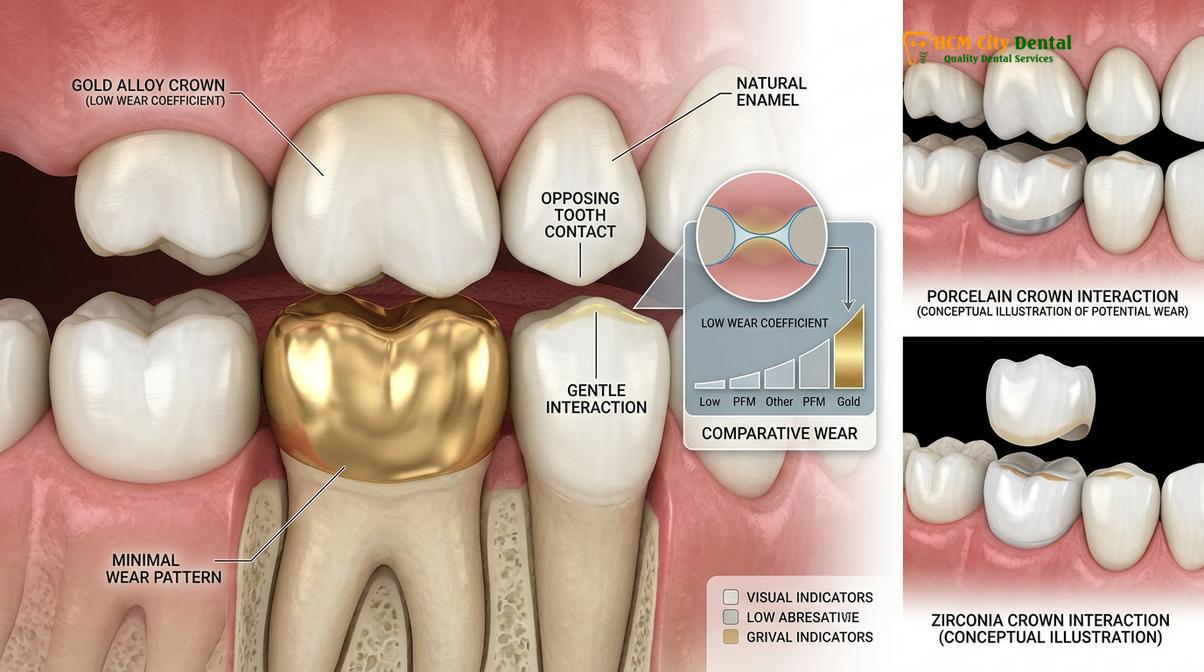
This is a notable concern with certain high-strength ceramics, such as traditional layered porcelain or unpolished zirconia. If the glaze on a ceramic crown wears off, the underlying rough ceramic can cause severe attrition (wear) on the opposing natural teeth. For patients who suffer from bruxism (involuntary teeth grinding or clenching), this abrasive effect is exponentially accelerated, leading to flattened, sensitive, and structurally compromised opposing teeth.
Gold crown wear resistance is unique because it perfectly balances durability with kindness to the opposing dentition. The Vickers hardness of high-noble gold alloys is remarkably similar to that of natural human enamel. As a result, when a gold crown functions against a natural tooth, both surfaces wear at a slow, physiological, and equal rate. The gold will not aggressively abrade the opposing enamel, preserving the patient’s overall occlusal vertical dimension and preventing the need for future restorative work on the opposing arch [3].
For patients diagnosed with severe bruxism, a gold crown is often the most responsible clinical recommendation. While a custom nightguard is always recommended to protect the entire dentition from grinding forces, the inherent properties of gold ensure that even during unprotected functional chewing, the opposing teeth remain safe. The metal’s ability to slightly yield and adapt to occlusal forces helps maintain a stable and comfortable bite over decades of use.
Longevity and Performance in the Molar Region
With proper oral hygiene and routine care, gold crowns placed on posterior molars can last decades, boasting the highest survival rate among all dental restorative materials.
When evaluating the posterior molar crown material, longevity is often the primary metric of success. Numerous longitudinal clinical studies have consistently demonstrated that cast gold restorations exhibit the highest long-term survival rates in dentistry. It is not uncommon for prosthodontists to observe gold crowns that have been functioning flawlessly in a patient’s mouth for 30, 40, or even 50 years.
The exceptional longevity of gold is attributed to a combination of factors previously discussed: fracture resistance, precise marginal adaptation preventing recurrent decay, and favorable wear characteristics. Unlike porcelain, which can chip or delaminate from its substructure, a full cast gold crown is a single, monolithic entity. There is no veneer to fracture off, and the material does not degrade or weaken over time in the wet, acidic environment of the oral cavity.
Clinical Case Review: A 55-year-old male patient presented to HCMC Dental Clinic in Ho Chi Minh City with a history of fracturing multiple ceramic crowns on his lower second molars due to severe nocturnal bruxism. After a comprehensive occlusal analysis, the clinical team recommended replacing the failed ceramics with high-noble cast gold crowns. Five years post-placement, the gold restorations show zero signs of wear or deformation, the opposing natural enamel remains completely intact, and the patient reports absolute comfort during mastication, highlighting the functional superiority of gold in high-stress scenarios.
Gold is also an excellent choice for restoring teeth that have undergone endodontic therapy (a root canal). A posterior tooth with a root canal becomes brittle and is highly susceptible to vertical root fractures. Following a proper post and core buildup, a gold crown provides a strong, ferrule-effect encasement that binds the remaining tooth structure together, distributing forces evenly down the long axis of the root and preventing catastrophic splitting [4].
Aesthetic vs. Functional Considerations
While gold lacks the natural tooth color of ceramics, its functional benefits in the non-visible posterior region often outweigh aesthetic concerns for many pragmatic patients.
The primary, and arguably the only, significant disadvantage of a gold crown is its appearance. In an era where patients highly value a seamless, natural-looking smile, the metallic appearance of gold is often viewed as a drawback. For anterior (front) teeth or premolars that are highly visible during smiling or speaking, materials like emax (lithium disilicate) or highly translucent zirconia are undoubtedly the materials of choice due to their outstanding lifelike aesthetics and shade matching capabilities.
However, for the first, second, and especially third molars (wisdom teeth, if retained and functional), visibility is minimal. These teeth are located deep within the oral cavity and are rarely seen during normal social interaction. For these specific teeth, the functional advantages of gold—strength, minimal preparation, and kindness to opposing teeth—often present a compelling case that overrides aesthetic concerns.
To assist patients in making an informed decision, clinical teams often present a comparative analysis of the available materials based on specific clinical parameters:
| Material Type | Aesthetics | Fracture Resistance | Tooth Preparation Required | Wear on Opposing Teeth |
|---|---|---|---|---|
| High-Noble Gold Alloy | Low (Metallic) | Exceptional (Ductile) | Minimal (0.5 – 1.0mm) | Very Low (Similar to Enamel) |
| Monolithic Zirconia | Good (Opaque White) | Very High (Rigid) | Moderate (1.0 – 1.5mm) | Moderate (Requires High Polish) |
| E.max (Lithium Disilicate) | Exceptional (Lifelike) | Moderate | Moderate to High (1.5 – 2.0mm) | Low to Moderate |
| PFM Crown (Porcelain Fused to Metal) | Moderate (Can show metal margin) | Moderate (Porcelain can chip) | High (1.5 – 2.0mm) | High (If porcelain is rough) |
Ultimately, the choice of material is a shared decision between the patient and the prosthodontist. The clinician must evaluate the patient’s occlusal scheme, parafunctional habits (like clenching), aesthetic desires, and the specific location of the tooth to recommend the most appropriate restorative solution.
Modern Clinical Workflow and Digital Precision
Advanced digital dentistry, including intraoral scanners and CAD/CAM technology, has revolutionized the precision and comfort of designing both gold and ceramic crowns.
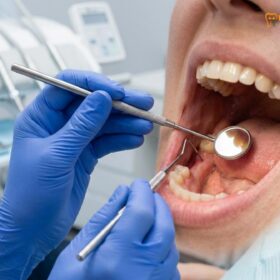
The workflow for fabricating a gold crown has evolved significantly, integrating traditional metallurgical artistry with cutting-edge digital technology. The process begins with a comprehensive clinical examination, including digital radiographs, to assess the health of the tooth roots and surrounding bone. If the tooth is deemed a suitable candidate, the dentist administers local anesthesia to ensure a completely comfortable experience.
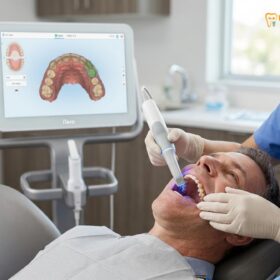
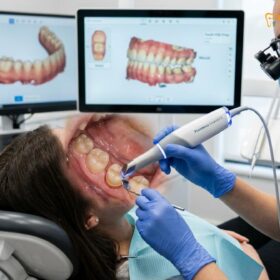
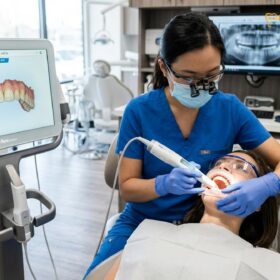
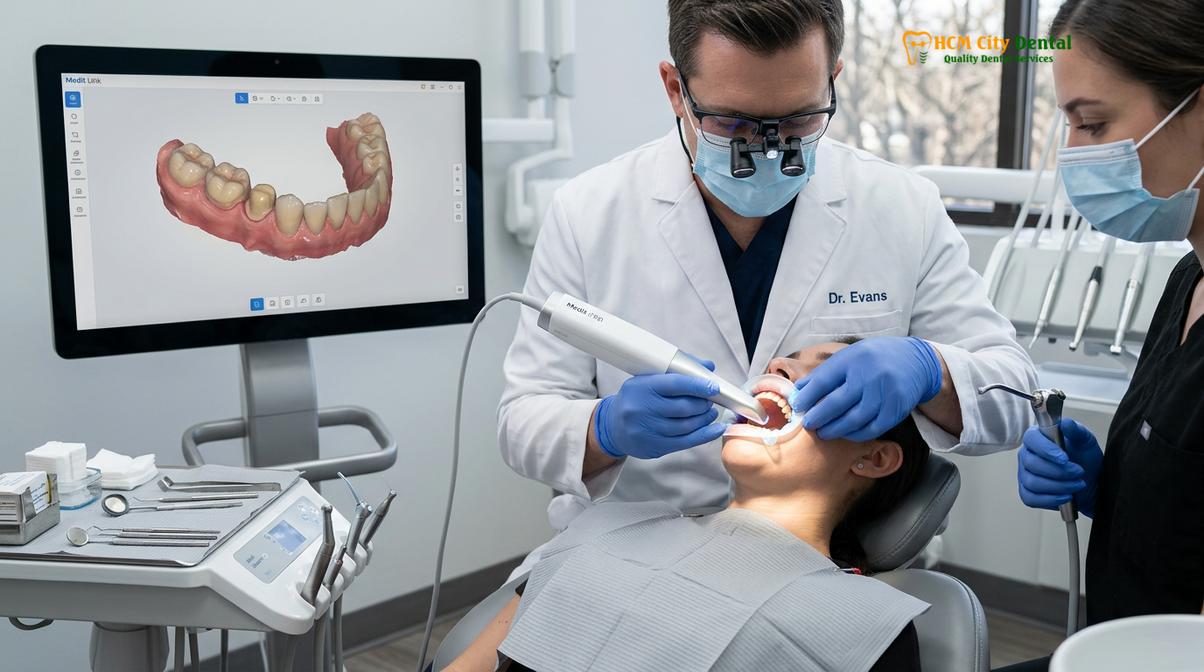
The tooth preparation phase for a gold crown is meticulous. The dentist carefully removes any existing decay or old filling material and shapes the tooth, creating a precise chamfer margin. Because gold requires minimal thickness, the preparation is highly conservative. Once the tooth is prepared, modern clinics utilize state-of-the-art digital scanning technology, such as the iTero scanner or the Medit i700. These intraoral scanners capture highly accurate, 3D digital impressions of the prepared tooth and the surrounding dentition, completely eliminating the need for messy, uncomfortable traditional silicone impression materials.
The digital impression is instantly transmitted to the dental laboratory. Through a Direct Lab Partnership, the prosthodontist and the master ceramist or metallurgist collaborate closely on the crown’s design. While zirconia and emax crowns are typically fabricated using CAD/CAM milling technology, gold crowns are often designed digitally, 3D printed in wax, and then cast using the traditional lost-wax technique to ensure the highest density and marginal accuracy.
While the permanent crown is being fabricated, a custom temporary crown is placed over the prepared tooth to protect it from sensitivity and maintain the space. Thanks to an Express 3-5 Day Turnaround, which is particularly tailored for dental tourism patients and busy expatriates, the final gold crown is ready for placement within a single week.
During the final cementation appointment, the temporary crown is removed, and the tooth is thoroughly cleaned. The gold crown is tried in to verify the marginal fit, interproximal contacts, and occlusal harmony. Dr. Nguyen Van Cuong emphasizes that a crucial step in this phase is the bite adjustment; the gold crown must contact the opposing teeth evenly without creating any premature interferences. Once the fit is verified as perfect, the crown is permanently bonded using a high-strength luting cement, such as a resin-modified glass ionomer, providing a secure and long-lasting restoration [5].
Pricing Structure and Material Options at HCMC Dental Clinic
We offer a transparent, tiered pricing structure for various crown materials, featuring exclusive discounts for international patients who pre-book their treatment.
Understanding the financial investment required for dental restorations is a crucial part of the treatment planning process. At HCMC Dental Clinic, we prioritize absolute transparency in our pricing structure, ensuring patients receive world-class care using certified materials without hidden fees. We utilize only authentic, globally recognized materials, including Zirconia HT (Cercon HT, Germany) for ultimate strength and E.max (Ivoclar, Liechtenstein) for outstanding lifelike aesthetics.
For international patients, dental tourists, and expatriates, we offer a highly advantageous financial program. By utilizing our WhatsApp pre-booking system prior to arrival, patients can secure a substantial 40% discount on their restorative treatments. This initiative is designed to make premium dental care highly accessible while maintaining the highest clinical standards.
According to the latest clinic fee schedule, the pricing structure (incorporating the 40% pre-arrival discount for WhatsApp bookings) is as follows:
- PFM Crown: Walk-in: ~$140 (3.5M VND) | WhatsApp pre-booking discount: From $84 (2.1M VND) (-40%).
- Zirconia Crown (Cercon): Walk-in: ~$200 (5.0M VND) | WhatsApp pre-booking discount: From $120 (3.0M VND) (-40%).
- Zirconia HT Crown (Cercon HT): Walk-in: ~$260 (6.5M VND) | WhatsApp pre-booking discount: From $156 (3.9M VND) (-40%).
- E.max Crown (Ivoclar): Walk-in: ~$280 (7.0M VND) | WhatsApp pre-booking discount: From $168 (4.2M VND) (-40%).
- 3-Unit Bridge (Zirconia HT): Walk-in: ~$480 (12.0M VND) | WhatsApp pre-booking discount: From $288 (7.2M VND) (-40%).
- 4-Unit Bridge (Zirconia HT): Walk-in: ~$640 (16.0M VND) | WhatsApp pre-booking discount: From $384 (9.6M VND) (-40%).
- Inlay / Onlay (Sứ Lab): Walk-in: ~$180 (4.5M VND) | WhatsApp pre-booking discount: From $108 (2.7M VND) (-40%).
While gold alloy pricing fluctuates based on the current global market value of precious metals and the specific weight of the crown required, our clinical team provides exact, transparent quotations following the initial digital scan. All our premium restorations come with a comprehensive Global Warranty policy. We provide continuous remote follow-up support via WhatsApp, utilizing photo and video assessment protocols to ensure your peace of mind long after you have returned home. Additionally, for local residents and qualifying expats, we offer 0% interest monthly credit card installment plans to facilitate comprehensive smile makeovers.
“Our commitment is to provide uncompromising clinical excellence. By combining certified German and Liechtenstein materials with our direct lab partnership, we deliver restorations that meet the highest international standards at a fraction of the cost found in Western countries.”
When to See a Doctor
Prompt clinical evaluation is necessary if you experience pain, sensitivity, or notice damage to an existing crown to prevent further complications.
While dental crowns, particularly gold ones, are highly durable, they are not entirely immune to complications, especially if the underlying tooth structure becomes compromised. It is crucial to schedule a clinical examination if you experience any of the following symptoms:
- Localized Pain or Sensitivity: Sharp pain when biting down or lingering sensitivity to hot or cold temperatures can indicate that the nerve inside the tooth is inflamed or that decay has developed beneath the crown margin.
- A Loose or Dislodged Crown: If a crown feels mobile or completely falls out, it requires immediate attention. Do not attempt to glue it back yourself. A dentist must evaluate the underlying tooth, clean the area, and perform an emergency loose crown recementation or replacement.
- Gingival Inflammation: Persistent redness, swelling, or bleeding of the gums around a specific crowned tooth may indicate a violation of the biologic width, an allergic reaction (rare with high-noble gold), or localized periodontal disease. In some cases, a functional crown lengthening procedure may be required to expose more healthy tooth structure and restore periodontal health.
- Visible Damage: While gold rarely fractures, ceramic crowns (like PFM or standard zirconia) can chip. If you notice a sharp edge or a visible crack, the crown should be evaluated to determine if it can be polished or if it requires replacement.
Important Clinical Consideration: Ignoring symptoms of a failing restoration can lead to severe endodontic infections or catastrophic root fractures. If a tooth becomes non-restorable due to delayed treatment, extraction followed by a dental implant may become the only viable option. Early diagnostic intervention is key to preserving your natural teeth.
Frequently Asked Questions
Why do dentists still use gold crowns?
Dentists continue to recommend gold crowns because they offer unparalleled durability, require minimal tooth preparation, and provide exceptional marginal adaptation. Their unique mechanical properties make them highly resistant to fracture, ensuring long-term functional success, particularly in the high-stress posterior molar regions where aesthetic concerns are minimal.
Do gold crowns damage opposing teeth?
No, gold crowns do not damage opposing natural teeth. High-noble gold alloys possess a wear coefficient that closely mimics natural human enamel, meaning they wear down at a similar rate and protect opposing teeth from the severe abrasion often caused by harder ceramic materials, making them ideal for patients with bruxism.
How long do gold dental crowns last?
With meticulous oral hygiene and regular professional dental check-ups, gold dental crowns can last several decades, and in many cases, a lifetime. They boast the highest long-term survival rate among all restorative materials due to their resistance to chipping, corrosion, and marginal degradation.
Can a gold crown be placed over a tooth with a root canal?
Yes, a gold crown is an excellent restoration for an endodontically treated posterior tooth. Following a root canal and a proper post and core buildup, a gold crown provides the necessary structural reinforcement to protect the brittle, non-vital tooth from vertical root fractures and occlusal trauma.
Is the tooth preparation different for a gold crown compared to zirconia?
Yes, tooth preparation for a gold crown is significantly more conservative than for zirconia or porcelain. Because gold can be cast into extremely thin yet strong layers (often requiring only 0.5 to 1.0mm of reduction), the dentist needs to remove much less healthy tooth structure, preserving the tooth’s natural core strength and vitality.
References
- Journal of Prosthetic Dentistry. Long-term survival rates of cast gold restorations. (2020).
- International Journal of Prosthodontics. Wear characteristics of dental ceramics versus gold alloys. (2019).
- American Dental Association. Clinical guidelines on posterior crown material selection. (2021).
- Journal of Esthetic and Restorative Dentistry. Marginal adaptation and microleakage in cast restorations. (2018).
- Journal of Dentistry. Biocompatibility of high-noble dental alloys in prosthodontics. (2022).