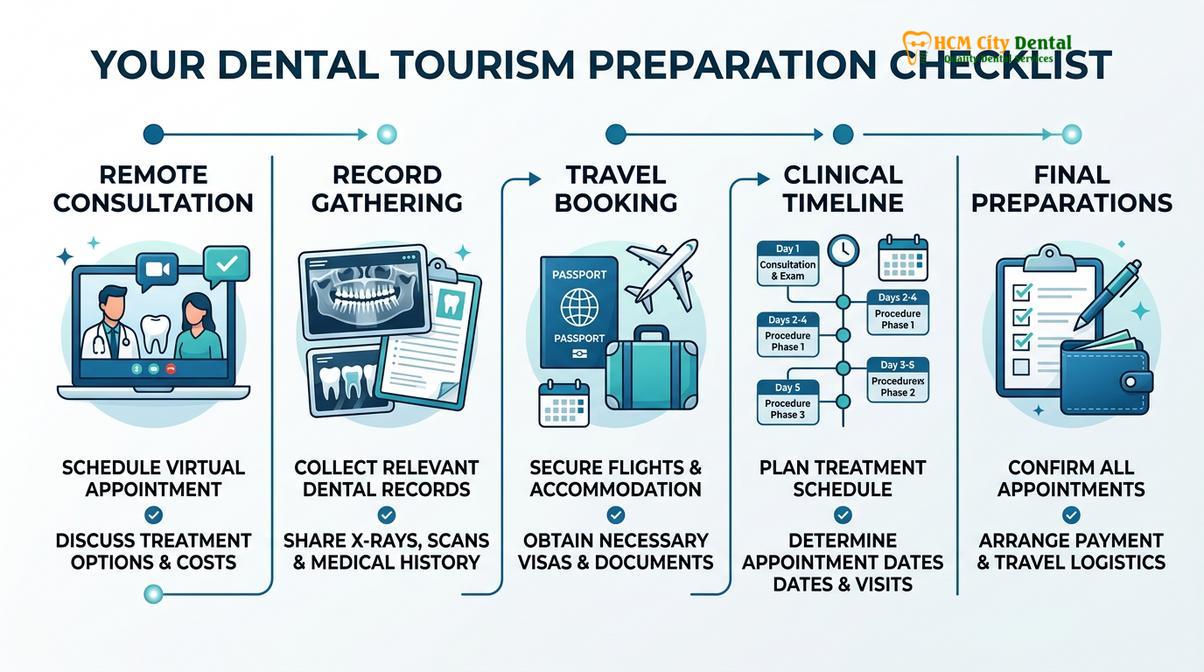
Preparing for dental crowns travel requires securing a remote clinical consultation, gathering current panoramic X-rays, and arranging a 3-to-5-day itinerary. By coordinating treatment plans and travel logistics in advance, international patients can ensure a seamless, predictable restorative dentistry experience upon arrival.
Clinical Summary:
Traveling abroad for restorative dentistry demands careful clinical and logistical preparation. A successful outcome relies on a thorough pre-arrival consultation, where digital radiographs are assessed to determine the viability of the underlying tooth structure. Modern clinics utilize advanced CAD/CAM technology, such as iTero and Medit i700 intraoral scanners, to eliminate traditional impressions and expedite the fabrication process. Patients must coordinate their travel itinerary with the clinic’s express 3-5 day turnaround time, ensuring sufficient time for tooth preparation, temporary crown placement, and final cementation. Understanding material options—from high-strength Zirconia HT to highly aesthetic E.max lithium disilicate—along with transparent pricing and global warranty support, empowers patients to make informed decisions for their oral health while minimizing the stress of international medical travel.
Key Takeaways:
- Initiate a remote consultation with recent X-rays to receive an accurate clinical assessment and financial estimate.
- Understand the specific materials recommended for your case, such as Zirconia for posterior strength or E.max for anterior aesthetics.
- Align your flight and visa arrangements with the clinic’s express 3-5 day fabrication timeline.
- Select accommodations near the dental facility to minimize transit stress during the recovery and fitting phases.
- Take advantage of pre-booking discounts and direct billing partnerships to optimize your financial planning.
Getting a Pre-Arrival Consultation and Estimate
Initiating a remote consultation allows prosthodontists to evaluate your case, select appropriate ceramic materials, and provide a transparent financial estimate before you book flights.
The foundation of a successful medical trip begins long before you board an airplane. For international patients, the first critical step is engaging in a remote pre-consultation. This remote evaluation bridges the geographical gap, allowing the clinical team to assess your chief complaints, review your dental history, and formulate a preliminary treatment plan. During this phase, patients are encouraged to provide clear, well-lit photographs of their teeth and any existing dental records.
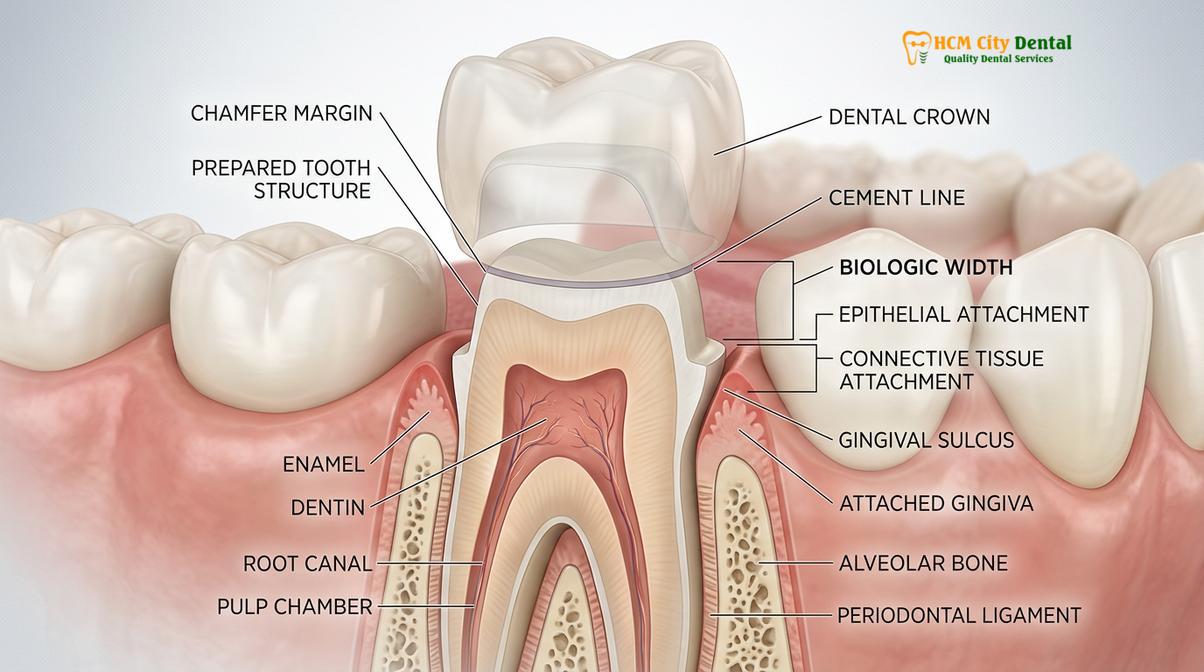
A comprehensive pre-arrival assessment is vital for setting realistic clinical expectations. By analyzing the provided data, the prosthodontist can determine whether a simple crown replacement is sufficient or if adjunctive procedures—such as crown lengthening, root canal post/core buildup, or the management of biologic width—are necessary prior to final restoration [1]. This meticulous planning prevents unexpected clinical surprises upon your arrival.
Financial transparency is a cornerstone of reputable international dental care. Clinics catering to dental tourists offer structured, predictable pricing. By utilizing communication platforms like WhatsApp for pre-booking, patients can often access significant reductions in treatment costs. The following table outlines the standard pricing structure and the substantial savings available through advance digital booking:
| Restoration Type / Material | Standard Walk-in Fee (Estimated) | WhatsApp Pre-Booking (-40%) |
|---|---|---|
| PFM Crown (Porcelain-Fused-to-Metal) | ~$140 (3.5M VND) | From $84 (2.1M VND) |
| Zirconia Crown (Cercon, Germany) | ~$200 (5.0M VND) | From $120 (3.0M VND) |
| Zirconia HT Crown (Cercon HT) | ~$260 (6.5M VND) | From $156 (3.9M VND) |
| E.max Crown (Ivoclar, Liechtenstein) | ~$280 (7.0M VND) | From $168 (4.2M VND) |
| 3-Unit Bridge (Zirconia HT) | ~$480 (12.0M VND) | From $288 (7.2M VND) |
| 4-Unit Bridge (Zirconia HT) | ~$640 (16.0M VND) | From $384 (9.6M VND) |
| Inlay / Onlay (Ceramic Lab) | ~$180 (4.5M VND) | From $108 (2.7M VND) |
This transparent approach ensures that patients can accurately budget for their advanced restorative procedures without the anxiety of hidden fees. Furthermore, understanding the distinction between materials—such as the ultimate strength of Zirconia HT for molars versus the lifelike translucency of E.max lithium disilicate for front teeth—allows patients to actively participate in their treatment decisions [2].
Gathering Your Medical and Dental Records
Compiling recent panoramic radiographs and a comprehensive medical history ensures your overseas dental team can accurately assess bone levels, root canal health, and biologic width.
A crucial component of your dental tourism prep checklist is the aggregation of your current medical and dental records. While clinical photographs provide excellent visual context regarding aesthetics and visible decay, they cannot reveal the structural integrity of the tooth roots or the surrounding alveolar bone. Therefore, obtaining a recent Orthopantomogram (OPG) or periapical (PA) X-rays from your local dentist is highly recommended.
These radiographs are indispensable for diagnosing asymptomatic periapical infections, evaluating the quality of previous root canal treatments, and assessing the bone support for potential abutment teeth if a 3-unit or 4-unit dental bridge is required. If an existing tooth is deemed non-restorable, the radiographs will also help the clinical team determine if an extraction followed by a screw-retained or cement-retained implant crown is a more viable long-term solution.
“Accurate pre-operative radiographic assessment is the cornerstone of predictable prosthodontics. It allows the clinician to evaluate the periodontal ligament space, detect hidden caries at the crown margin, and plan for necessary core buildups before the patient ever sits in the dental chair.”
In addition to dental records, a thorough medical history must be communicated. Conditions such as uncontrolled diabetes, autoimmune disorders, or the use of bisphosphonates can influence healing times and treatment protocols. Patients should also inform the clinic of any allergies to local anesthetics or specific dental materials. For expatriates and international patients, verifying coverage with direct billing partners—such as Allianz, Bupa, or Cigna—can significantly streamline the administrative process, especially for those employed by international schools or multinational corporations.
Visa Requirements and Flight Booking for HCMC
Securing the correct entry visa and aligning flight schedules with the clinic’s express turnaround time is critical for a stress-free medical trip.
Once the clinical plan and financial estimates are established, the next phase involves logistical execution. Navigating entry visa requirements is generally straightforward, as many nationalities are eligible for an electronic visa (e-Visa) that permits a sufficient length of stay for comprehensive dental treatments. It is imperative to apply for the visa well in advance of your intended travel dates to account for any processing delays.
When booking flights, timing is everything. Modern dental facilities catering to international patients operate with an express 3-5 day turnaround. This rapid fabrication is made possible through a direct lab partnership with leading laboratories, enabling complete quality control and direct collaboration between the prosthodontist and the master ceramist. However, patients must factor in arrival times, potential jet lag, and the required clinical appointments.
Travel Planning Warning: Do not finalize non-refundable flight bookings until your preliminary treatment plan and initial consultation dates have been explicitly confirmed by the clinic’s coordination team. Ensure your itinerary includes a buffer of at least 1-2 days after the final cementation for any necessary bite adjustments.
A typical itinerary involves arriving on Day 1, undergoing the initial examination, tooth preparation, and digital scanning on Day 2, resting while the lab fabricates the crowns on Days 3 and 4, and returning for the final fitting and cementation on Day 5. This streamlined workflow is tailored specifically for dental tourists and expats, allowing complete smile makeovers to be completed within a single week without compromising clinical excellence.
Choosing the Right Accommodation Near the Clinic
Selecting a hotel in close proximity to your dental provider minimizes transit stress and provides a comfortable environment for post-preparation recovery.
The physical environment where you recover between appointments plays a significant role in your overall experience. Researching travel accommodations should focus on proximity, comfort, and access to necessary amenities. Ho Chi Minh City is a bustling metropolis, and navigating heavy traffic immediately after a lengthy dental procedure can be exhausting. Therefore, selecting a hotel or serviced apartment within a short walking distance or a brief taxi ride from the clinic is highly advisable.
When staying near your chosen facility, patients benefit from the convenience of returning quickly to their rooms to rest while the local anesthesia wears off. After the initial tooth preparation, you will be fitted with a temporary crown. While these temporaries protect the prepared dentin and maintain gingival contours, they are not as robust as the final ceramic restorations. Having accommodation nearby allows you to easily manage your diet, opting for room service or local restaurants that offer soft, easy-to-chew foods like soups, smoothies, and soft noodles.
Furthermore, a comfortable recovery space equipped with reliable Wi-Fi is essential for patients who are combining their dental trip with remote work, or for those who simply wish to relax and stream entertainment while waiting for their permanent restorations to be milled and characterized by the ceramist.
Packing List and Financial Preparation
Packing appropriate soft foods and understanding international payment options, including zero-interest installment plans, ensures a smooth clinical and financial experience.
Preparing your luggage for a dental trip requires a slightly different approach than a standard vacation. While you will want comfortable clothing for exploring the city, your packing list should also account for your post-operative needs. Consider packing over-the-counter pain relievers (such as ibuprofen or paracetamol) that you are accustomed to, although the clinic will provide necessary medications. A travel-sized soft-bristled toothbrush and a gentle, non-alcoholic mouthwash are also recommended to maintain oral hygiene around the temporary crowns without causing irritation to the gingival margins.
Financial preparation is equally critical. While the pre-arrival estimate provides a clear baseline, it is prudent to inform your bank of your travel plans to prevent credit card blocks during international transactions. Many top-tier clinics offer flexible financial solutions, including 0% interest monthly credit card installment plans, which can help distribute the cost of extensive treatments like multiple Zirconia crowns or a 4-unit bridge over time.
Additionally, having a small amount of local currency (Vietnamese Dong) is useful for minor expenses, such as taxi fares or purchasing soft foods from local vendors, though major credit cards are widely accepted in established commercial areas.
The Clinical Workflow: What to Expect Upon Arrival
Advanced digital dentistry utilizing intraoral scanners and direct laboratory partnerships allows for precise tooth preparation, optimal shade matching, and rapid crown fabrication.
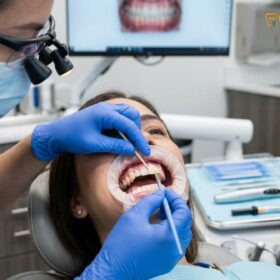
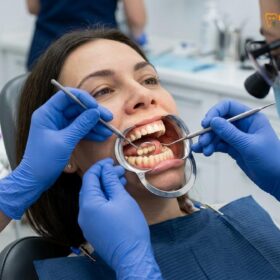
Understanding the clinical workflow alleviates anxiety and prepares you for the physical realities of the procedure. Upon arrival at the clinic, the process begins with a comprehensive clinical examination, often supplemented by 3D CBCT imaging if complex anatomical structures need to be evaluated. The prosthodontist will assess the biologic width—the natural dimension of the gingival tissues attached to the tooth—to ensure that the margins of the new crown will not impinge on this critical zone, which could cause chronic inflammation.
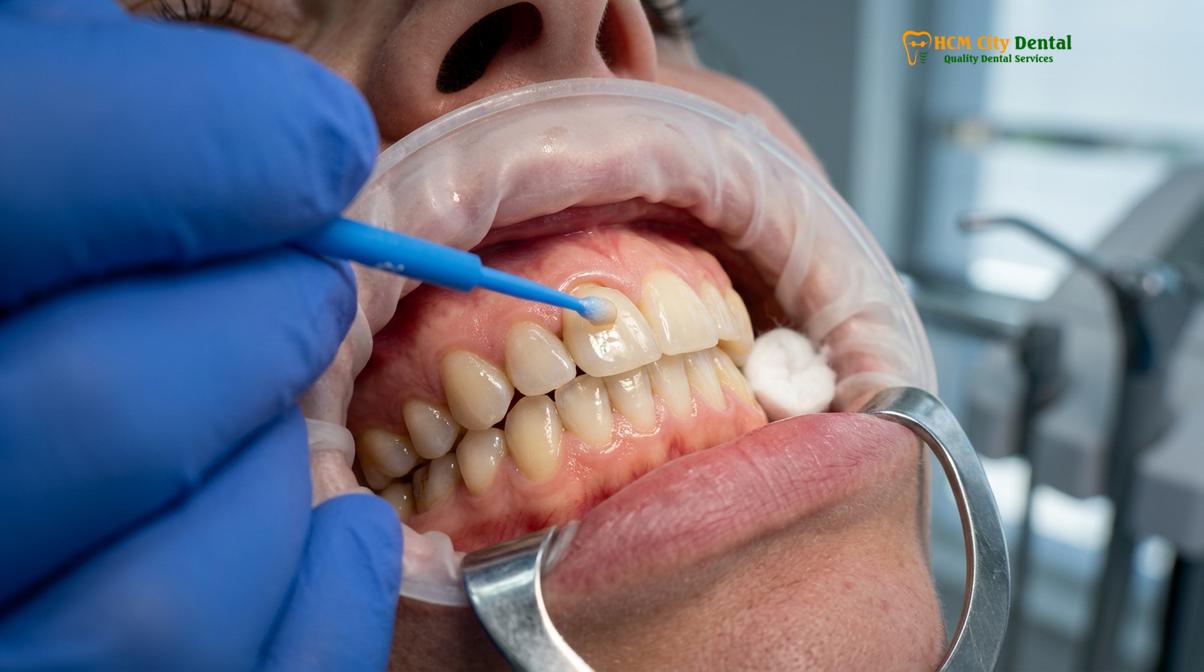
The tooth preparation phase involves carefully reshaping the enamel and dentin to create space for the restorative material. Depending on the chosen material, the dentist will utilize specific margin designs, such as a chamfer or a shoulder preparation, to ensure optimal structural support and a seamless seal against bacterial microleakage. Precise margin placement is critical for the long-term success of both PFM and all-ceramic restorations, ensuring that the transition between the tooth and the crown is virtually undetectable and adheres to established clinical guidelines for preparation and cementation [5].
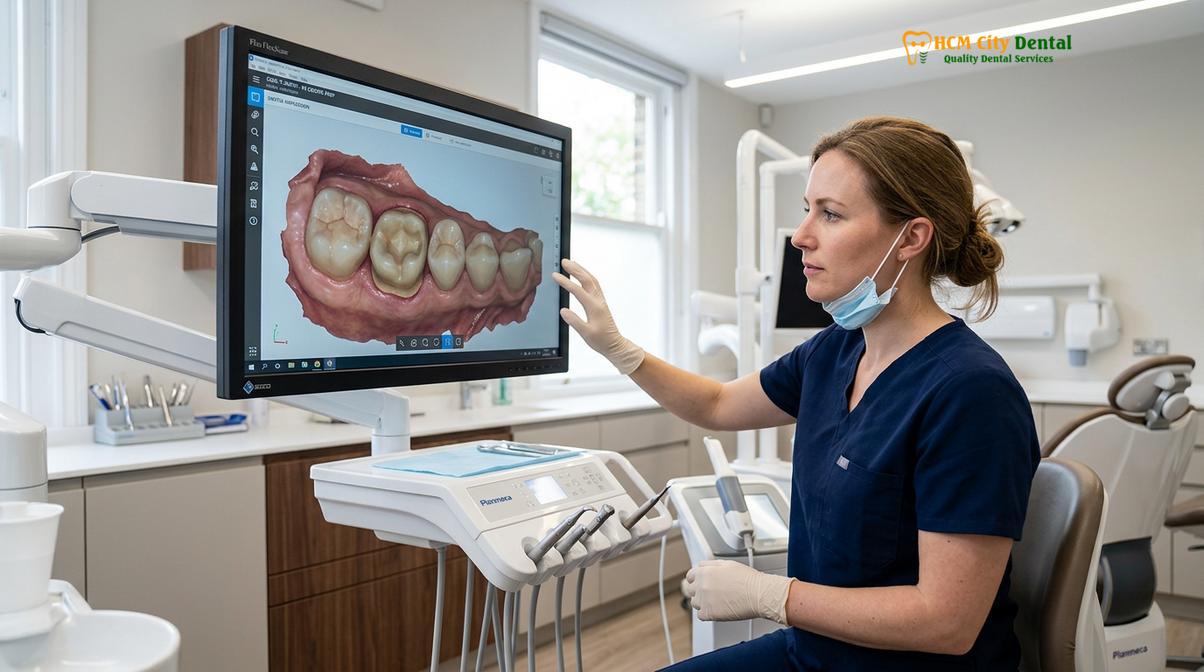
Following preparation, the clinic employs state-of-the-art digital scanning technology, specifically the iTero and Medit i700 Intraoral Scanners. This technology eliminates the need for messy, uncomfortable traditional silicone impressions. The digital scanner captures highly accurate 3D images of the prepared teeth, the adjacent dentition, and the opposing bite [3]. This digital file is instantly transmitted to the laboratory, significantly reducing the margin of error and ensuring maximum patient comfort.
“The integration of the Medit i700 intraoral scanner has revolutionized our workflow. It not only provides a more comfortable experience for the patient by eliminating gag-inducing impression materials, but it also delivers micron-level accuracy to the CAD/CAM milling machine, resulting in crowns that require minimal to no bite adjustment upon delivery.”
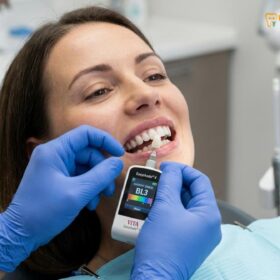
While the permanent crown is being fabricated, a temporary crown is cemented using a provisional adhesive. This temporary restoration protects the tooth from thermal sensitivity and prevents the adjacent and opposing teeth from shifting. During the 3-5 day waiting period, the master ceramist utilizes certified materials—such as Zirconia HT (Cercon HT, Germany) or E.max (Ivoclar, Liechtenstein)—to mill and custom-stain the final restoration, ensuring perfect shade matching with your natural dentition [4]. Throughout this entire process, the clinical team strictly adheres to national guidelines on infection control in dental establishments to guarantee patient safety [6].
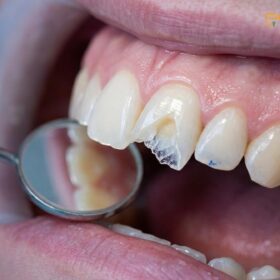
Clinical Case Example: A 45-year-old expatriate visited HCMC Dental Clinic in Ho Chi Minh City presenting with a fractured upper premolar and severe discoloration on the adjacent incisor. Following a digital scan, the clinical team designed a treatment plan utilizing a high-strength Zirconia HT crown for the premolar to withstand masticatory forces, and a highly translucent E.max lithium disilicate crown for the incisor to achieve superior lifelike aesthetics. The entire process, from preparation to final cementation, was completed in 4 days, restoring both function and a natural smile.
When to Seek Immediate Dental Attention
Recognizing the difference between normal post-operative sensitivity and signs of clinical complications ensures timely intervention and protects your restorative investment.
While dental crown procedures have a high success rate and complications are rare, it is important to recognize signs that require professional attention. Mild thermal sensitivity is normal for a few days following the final cementation as the dentin and pulpal tissues recover from the preparation process. However, if you experience severe, throbbing pain that radiates to the jaw or ear, this may indicate irreversible pulpitis, necessitating a root canal evaluation.
Additionally, if the crown feels “high” when you bite down, or if you experience a premature contact during chewing, you must return to the clinic for a bite adjustment. An unbalanced occlusion can lead to localized pain, damage to the opposing teeth, or even fracture of the ceramic material. Promptly addressing these issues with your clinical team ensures the longevity and comfort of your new restorations.
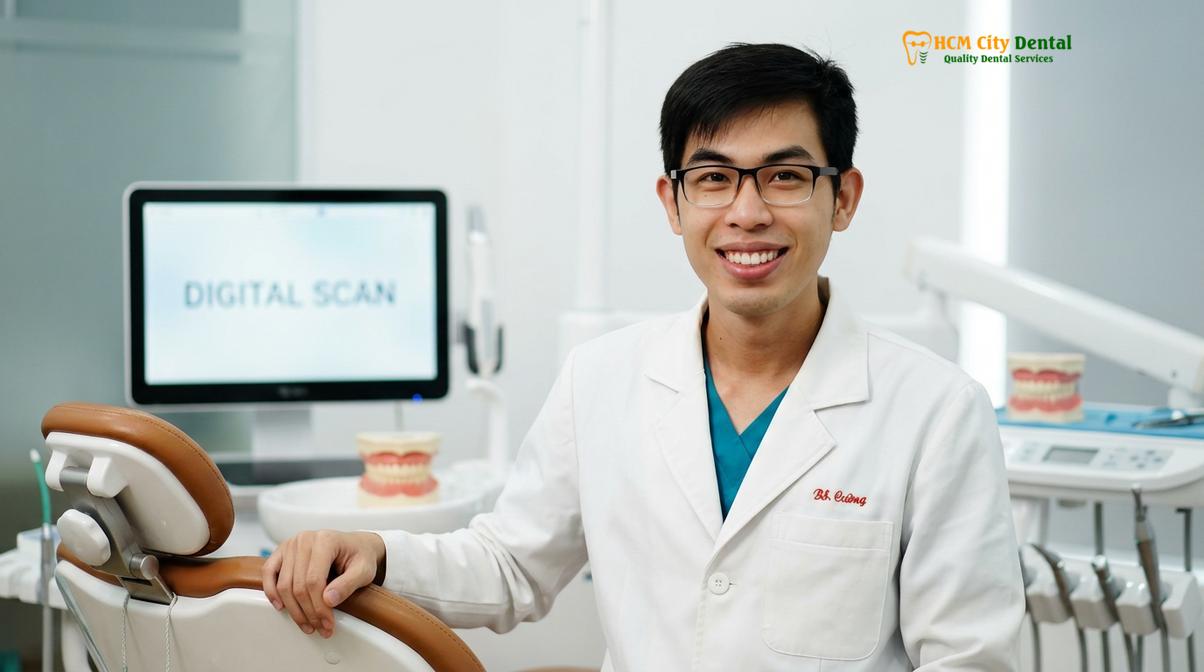
Dr. Nguyen Van Cuong, a leading prosthodontist at HCMC Dental Clinic, oversees all complex restorative cases to ensure international standards are met. With extensive experience in digital dentistry and full-mouth rehabilitation, Dr. Cuong and his clinical team provide personalized care tailored to the unique needs of traveling patients, ensuring every step of the journey is handled with precision and empathy.
References
- Journal of Prosthodontic Research. Clinical evaluation of monolithic zirconia crowns.
- Journal of Esthetic and Restorative Dentistry. Translucency and mechanical properties of lithium disilicate.
- International Journal of Prosthodontics. Digital vs conventional impressions in fixed prosthodontics.
- Journal of Dentistry. Accuracy of CAD/CAM milling systems for dental restorations.
- American Dental Association. Clinical guidelines for the preparation and cementation of dental crowns and bridges.
- Vietnam Ministry of Health (MOH). National guidelines on infection control in dental establishments.
Ready to restore your smile? Contact HCMC Dental Clinic in Ho Chi Minh City today to schedule your remote consultation and learn more about our Dental Crowns & Bridges services. Let our expert team guide you through a seamless, stress-free dental travel experience.