When choosing between monolithic zirconia vs layered crowns, the primary distinction lies in their construction. Monolithic crowns are milled from a single zirconia block for maximum strength, whereas layered crowns feature a durable core covered with translucent porcelain for superior front-tooth aesthetics and lifelike integration.
Clinical Summary:
Monolithic zirconia restorations offer unparalleled fracture resistance, making them the gold standard for posterior molars and patients with heavy bite forces. Conversely, layered zirconia crowns combine a high-strength core with hand-stacked porcelain, delivering the lifelike translucency required for anterior cosmetic cases. The selection process depends on occlusal clearance, aesthetic demands, and the specific tooth location, guided by precise digital scanning and CAD/CAM fabrication to ensure optimal marginal adaptation and long-term clinical success.
Key Takeaways:
- Monolithic crowns are milled from a single block, offering exceptional durability and minimal wear on opposing teeth.
- Layered crowns utilize a strong core with a porcelain overlay to mimic natural enamel translucency.
- Posterior restorations generally benefit from solid zirconia due to higher masticatory forces.
- Anterior teeth often require layered ceramics or lithium disilicate for optimal cosmetic integration.
- Modern digital workflows ensure precise marginal fit and minimal tooth reduction for both materials.
Structural Comparison of Monolithic and Layered Crowns
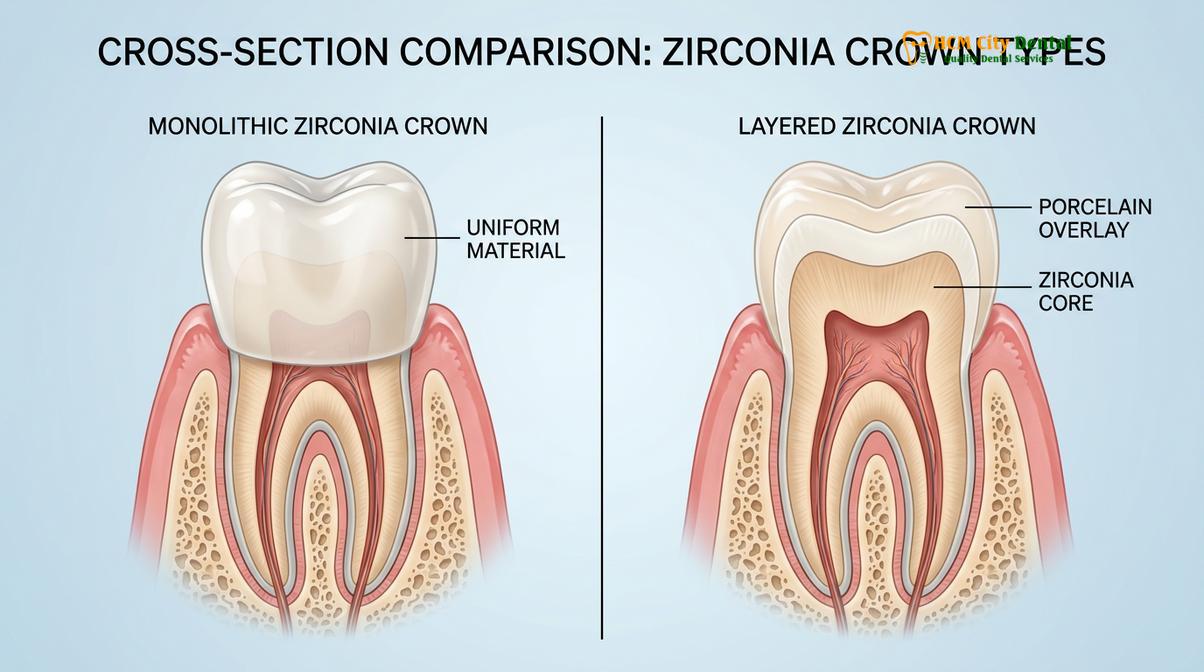
Monolithic crowns consist of a uniform block of zirconium dioxide, while layered crowns feature a high-strength core veneered with aesthetic porcelain. This structural difference dictates their respective clinical indications and fabrication workflows.
The fundamental difference between these two premium restorative options lies in their manufacturing architecture. Monolithic zirconia is fabricated from a single, homogenous puck of yttria-stabilized tetragonal zirconia polycrystal (Y-TZP). Using advanced CAD/CAM milling technology, the entire restoration is carved out of this solid block. Because there are no secondary materials added to the exterior, the structural integrity is uniform throughout the entire crown. This single-unit construction eliminates the weakest link found in traditional restorations: the interface between two different materials.
In contrast, layered zirconia crowns are fabricated using a bi-layered approach. The dental laboratory first mills a high-strength zirconia coping (the core), which provides the structural foundation. A skilled ceramist then meticulously hand-layers or “stacks” feldspathic porcelain over this core, firing it in a specialized kiln. This layering process allows the technician to build internal characterizations, mamelons, and varying degrees of translucency that closely mimic the complex optical properties of natural human enamel. However, this bi-layered structure introduces a junction between the zirconia core and the veneering porcelain, which requires careful occlusal management.
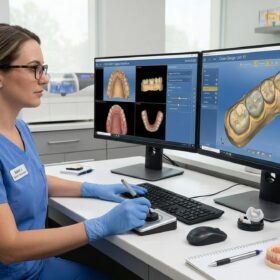
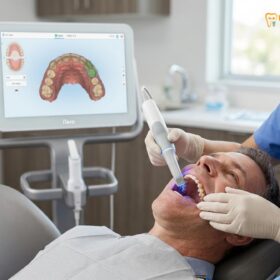
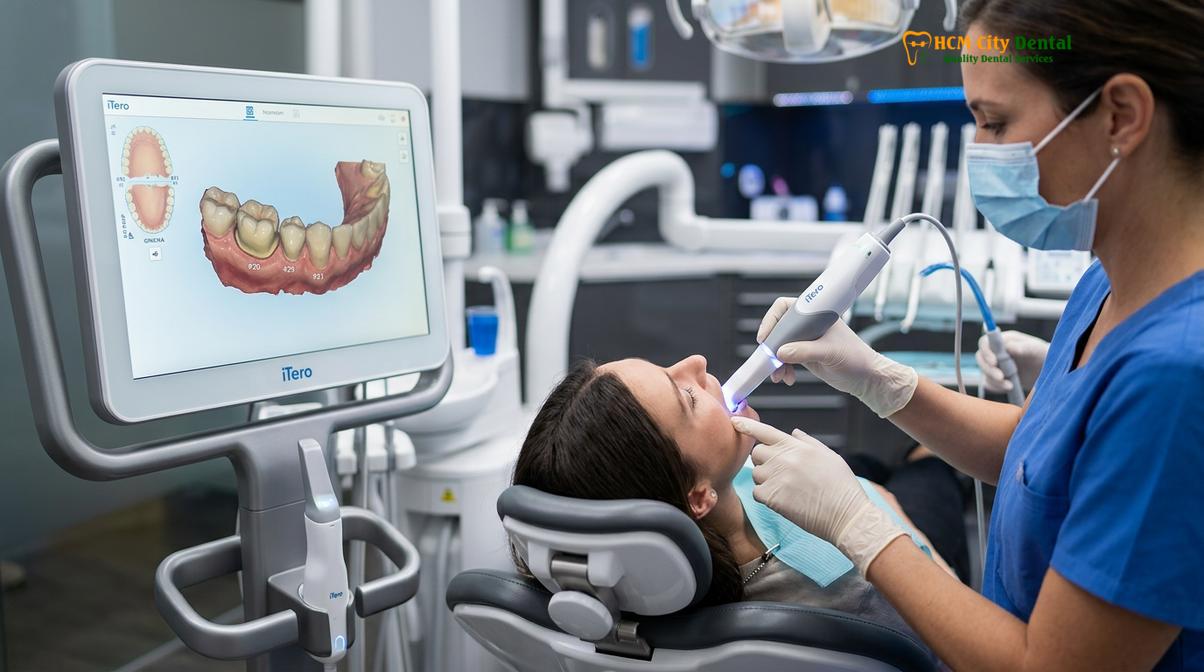
The precision of both structures relies heavily on the initial data capture. State-of-the-art digital scanning technology, utilizing devices such as the iTero and Medit i700 intraoral scanners, has revolutionized this phase. These scanners eliminate the need for messy traditional silicone impressions, providing maximum patient comfort and capturing 3D topographical data with micron-level accuracy. This digital file is then transmitted to the laboratory, ensuring that whether a patient receives a monolithic or a layered restoration, the marginal fit is virtually seamless [1].
Aesthetic Differences in Dental Ceramics
Layered crowns provide superior optical properties by mimicking the depth and translucency of natural enamel, whereas monolithic options, though improving in aesthetics, remain slightly more opaque and are better suited for areas where strength is prioritized over perfect light transmission.
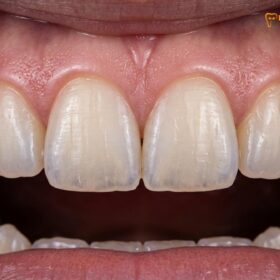
Aesthetics in restorative dentistry are governed by how a material interacts with light—specifically its translucency, opalescence, and fluorescence. Natural teeth are not monochromatic; they feature an opaque dentin layer covered by highly translucent enamel. Layered zirconia crowns excel in replicating this dynamic. By utilizing a strong, slightly opaque core to mask underlying tooth discoloration and layering translucent porcelain on top, ceramists can achieve a restoration that is virtually indistinguishable from adjacent natural teeth.
For patients seeking the ultimate in lifelike aesthetics, especially for front teeth, material selection is critical. We utilize only authentic, certified materials to ensure optimal outcomes. For instance, E.max (Ivoclar, Liechtenstein) lithium disilicate is renowned for its outstanding lifelike aesthetics and is frequently chosen for anterior single units or veneers. When a stronger foundation is needed, Zirconia HT (Cercon HT, Germany) provides ultimate strength combined with high translucency, serving as an excellent core for layered restorations [2].
“The true artistry in prosthodontics lies not just in restoring function, but in manipulating light through ceramics so that the restoration disappears seamlessly into the patient’s natural smile.”
While monolithic zirconia was historically criticized for its chalky, opaque appearance, significant advancements in material science have led to the development of highly translucent (HT) monolithic blocks. These modern materials incorporate varying amounts of yttria to increase light transmission. While they may not possess the intricate depth of hand-layered porcelain, modern monolithic restorations offer excellent shade matching capabilities and are more than aesthetically pleasing enough for the posterior segments of the mouth.
Strength, Chipping, and Fracture Resistance
Solid zirconia delivers flexural strength exceeding 1000 MPa, virtually eliminating fracture risks, whereas the veneering porcelain on layered crowns presents a higher susceptibility to chipping under heavy occlusal loads.
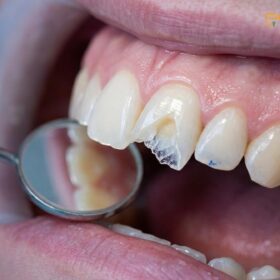
When evaluating the mechanical properties of dental ceramics, flexural strength—measured in megapascals (MPa)—is a primary indicator of durability. Monolithic zirconia is one of the strongest tooth-colored materials available in dentistry today. Depending on the specific formulation, a solid zirconia molar can exhibit a flexural strength ranging from 900 MPa to over 1200 MPa. This immense strength allows it to easily withstand the heavy compressive and shear forces generated during mastication and bruxism (teeth grinding) [3].
Layered restorations, while strong at their core, present a different mechanical profile. The underlying zirconia coping retains a high flexural strength, but the veneering porcelain layered on top typically has a strength of only 90 to 120 MPa. Consequently, the primary mode of failure for these restorations is not the fracture of the core, but rather the chipping or delamination of the porcelain layer. This porcelain chipping risk is a significant clinical consideration, particularly for patients with parafunctional habits or those lacking proper canine guidance during lateral jaw movements.
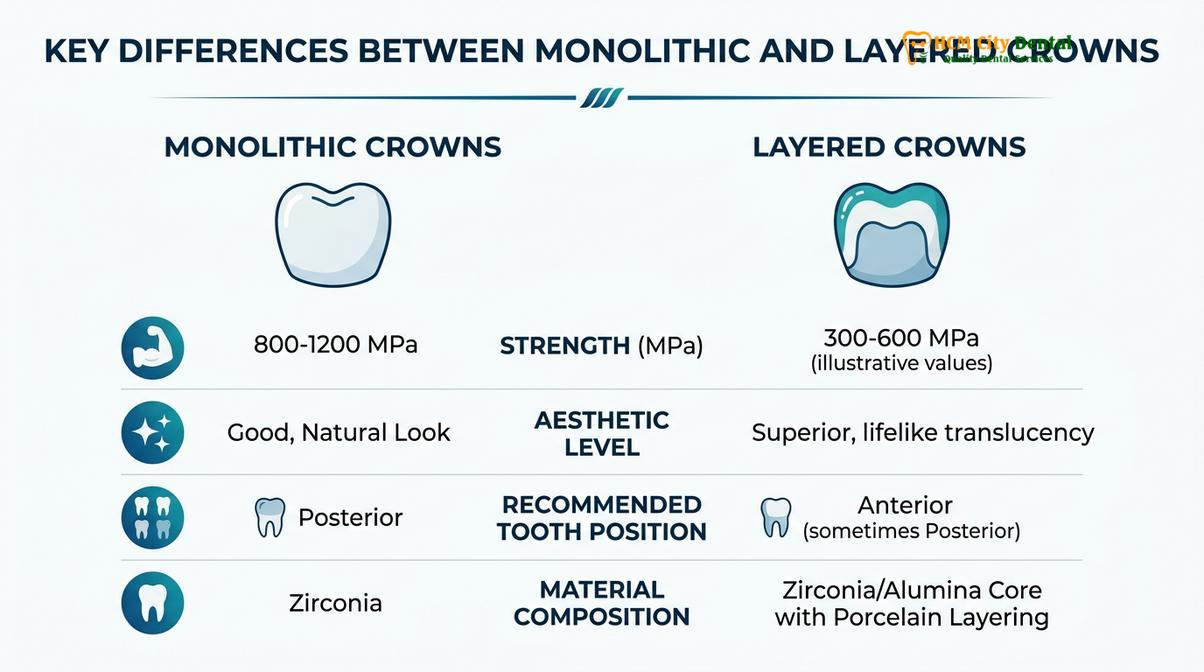
| Clinical Property | Monolithic Zirconia | Layered Zirconia |
|---|---|---|
| Flexural Strength | Very High (900 – 1200+ MPa) | Core: High / Veneer: Low (~100 MPa) |
| Aesthetic Quality | Good (Improving with HT materials) | Excellent (Highly lifelike) |
| Chipping Risk | Extremely Low | Moderate (Veneer susceptibility) |
| Tooth Reduction | Conservative (0.6mm – 1.0mm) | Moderate to High (1.2mm – 1.5mm) |
| Primary Indication | Posterior molars, heavy bruxers | Anterior incisors, cosmetic zones |
To mitigate these risks, precise bite adjustment and occlusal equilibration are mandatory before final cementation. The clinician must ensure that the restoration does not introduce premature contacts that could concentrate stress on a small area of the ceramic.
Preparation and Tooth Reduction Requirements
Monolithic restorations require conservative tooth reduction due to their inherent strength, whereas layered crowns demand deeper preparation to accommodate both the core and the veneering porcelain without creating bulky, over-contoured margins.
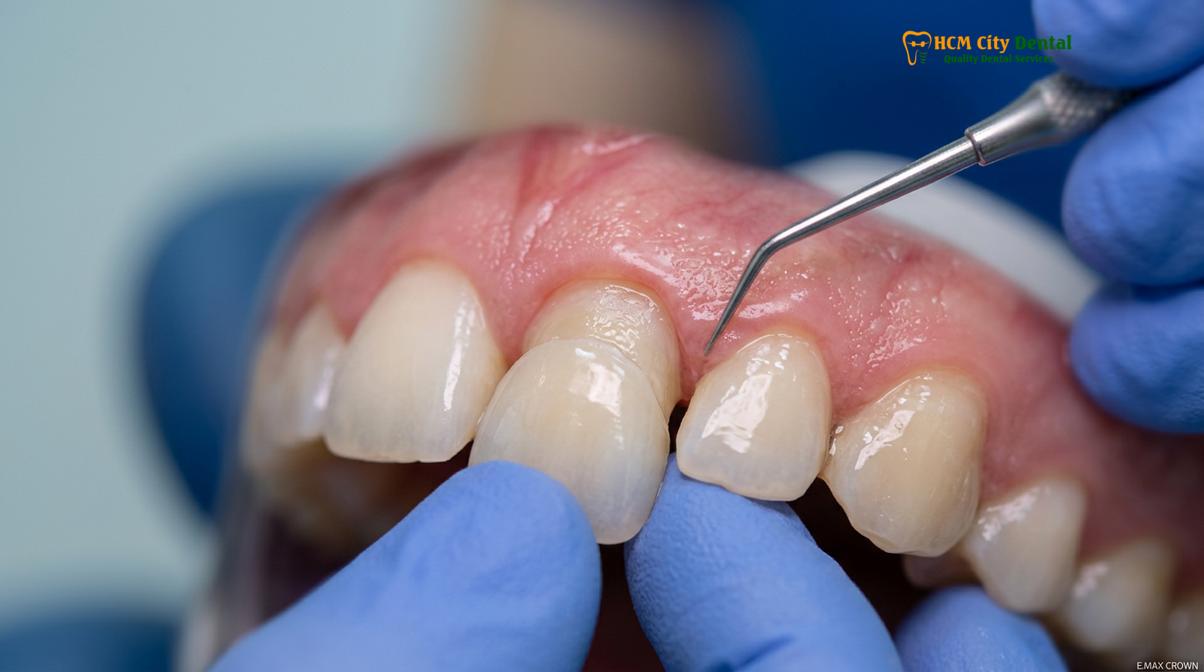
The principles of tooth preparation vary significantly depending on the chosen material. Because monolithic zirconia is incredibly strong even in thin sections, it allows for highly conservative tooth preparation. A clinician can often achieve successful outcomes with as little as 0.6mm to 1.0mm of axial and occlusal reduction. The preferred margin design for monolithic restorations is typically a light to heavy chamfer, which provides a distinct finish line for the digital scanner while preserving maximum healthy tooth structure [4].
Conversely, layered restorations require more aggressive tooth reduction. To achieve optimal aesthetics and provide sufficient space for both the opaque zirconia core and the translucent porcelain veneer, the clinician must reduce the tooth by approximately 1.2mm to 1.5mm. A modified shoulder margin is often preferred to provide adequate bulk for the ceramic at the cervical third of the tooth, preventing the underlying core from shining through and ensuring a natural emergence profile.
Clinical Warning: Inadequate tooth reduction for a layered crown often forces the laboratory to over-contour the restoration to fit the porcelain. Over-contoured crowns can violate the biologic width, leading to chronic gingival inflammation, plaque retention, and eventual periodontal attachment loss.
In cases where the clinical crown is too short to provide adequate retention, or if decay extends subgingivally, a functional or esthetic crown lengthening procedure may be required prior to final impression. This minor surgical intervention recontours the gingiva and underlying bone to expose more sound tooth structure, ensuring that the final restoration respects the biologic width and achieves a predictable long-term seal.
Clinical Recommendations for Molars vs. Front Teeth
Posterior teeth require the robust durability of monolithic zirconia to withstand chewing forces, while anterior teeth benefit from the nuanced aesthetics of layered ceramics or lithium disilicate to achieve a natural smile.
The decision between monolithic zirconia vs layered crowns is fundamentally driven by the anatomical location of the tooth and the patient’s specific functional requirements. For posterior teeth (premolars and molars), aesthetics are generally secondary to mechanical durability. The posterior segments bear the brunt of masticatory forces. Therefore, a solid zirconia molar is almost always the treatment of choice. It provides peace of mind against fractures, requires less removal of healthy enamel, and is highly biocompatible with the surrounding gingival tissues.
For anterior teeth (incisors and canines), the paradigm shifts. These teeth are highly visible during speech and smiling, making aesthetic integration the paramount concern. Biting forces are also significantly lower in the anterior region compared to the posterior. Consequently, layered zirconia crowns or monolithic E.max (lithium disilicate) restorations are the preferred molar dental crown options for the front of the mouth. The ceramist’s ability to hand-layer porcelain allows for the replication of subtle incisal halos, mamelon structures, and surface textures that make the crown look entirely natural.
Clinical Case Study: Comprehensive Smile Makeover
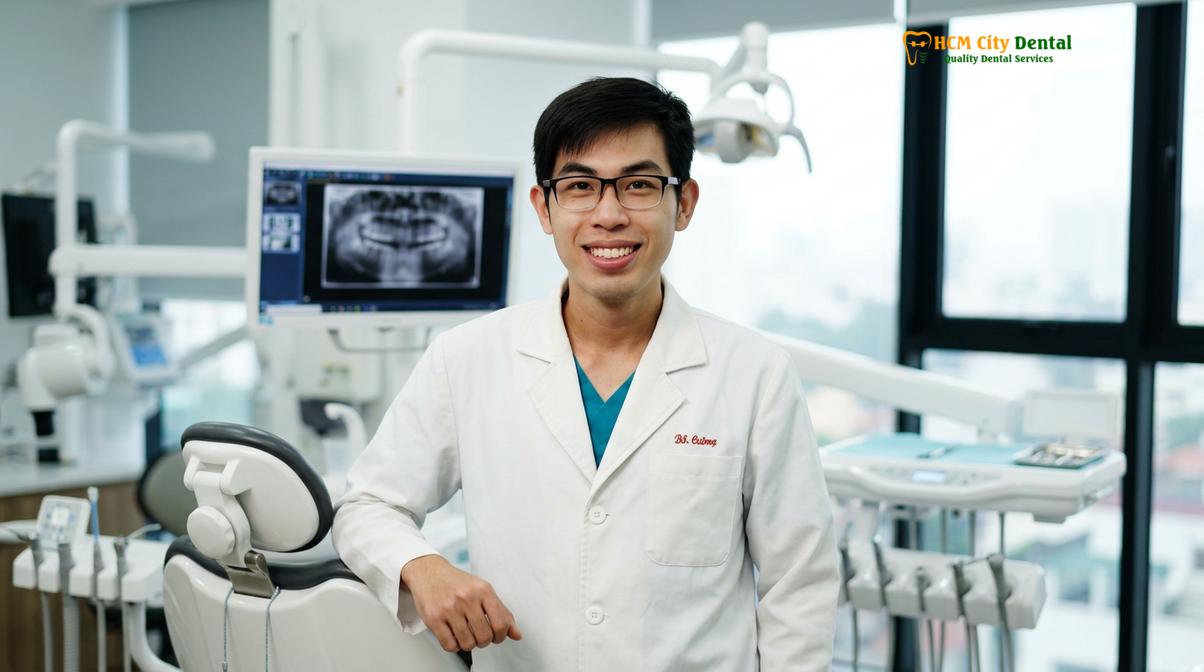
A 45-year-old patient visited HCMC Dental Clinic in Ho Chi Minh City presenting with severe generalized attrition and failing old restorations. Dr. Nguyen Van Cuong conducted a comprehensive digital analysis and proposed a hybrid restorative approach. To restore vertical dimension and withstand the patient’s heavy bite, monolithic Zirconia HT crowns were placed on all posterior molars. For the aesthetic zone (upper six anterior teeth), layered E.max crowns were utilized to deliver a vibrant, lifelike translucency. The combination maximized both functional longevity and cosmetic excellence, demonstrating the importance of material-specific treatment planning.
Advanced Clinical Workflows and Treatment Logistics
Utilizing state-of-the-art digital dentistry and direct laboratory collaboration allows for rapid, precise fabrication of both monolithic and layered restorations, optimizing the patient experience and treatment affordability.
The fabrication of high-quality custom dental crowns and bridges relies on a seamless integration between the clinical operatory and the dental laboratory. We partner directly with a leading laboratory in Ho Chi Minh City, enabling complete quality control and direct collaboration between the prosthodontist and the master ceramist. This synergy is particularly beneficial for complex cases requiring precise shade matching or the fabrication of multi-unit prostheses, such as a 3-unit or 4-unit bridge.
For international patients and expats engaging in dental tourism, time is often of the essence. Our digital workflow facilitates an Express 3-5 Day Turnaround. This accelerated timeline allows for complete smile makeovers or the fitting of multiple crowns and bridges within a single week, without compromising on the meticulous standards required for long-term success. During the fabrication period, patients are fitted with a custom-milled temporary crown to protect the prepared tooth, maintain gingival health, and allow for a preview of the final aesthetic contours.
Understanding the financial investment is a crucial part of treatment planning. According to the latest clinic fee schedule, we offer a transparent pricing structure that incorporates a highly beneficial 40% pre-arrival discount for WhatsApp bookings:
- PFM Crown: Walk-in: ~$140 (3.5M VND) | WhatsApp pre-booking discount: From $84 (2.1M VND).
- Zirconia Crown (Cercon): Walk-in: ~$200 (5.0M VND) | WhatsApp pre-booking discount: From $120 (3.0M VND).
- Zirconia HT Crown (Cercon HT): Walk-in: ~$260 (6.5M VND) | WhatsApp pre-booking discount: From $156 (3.9M VND).
- E.max Crown (Ivoclar): Walk-in: ~$280 (7.0M VND) | WhatsApp pre-booking discount: From $168 (4.2M VND).
- 3-Unit Bridge (Zirconia HT): Walk-in: ~$480 (12.0M VND) | WhatsApp pre-booking discount: From $288 (7.2M VND).
- 4-Unit Bridge (Zirconia HT): Walk-in: ~$640 (16.0M VND) | WhatsApp pre-booking discount: From $384 (9.6M VND).
- Inlay / Onlay (Sứ Lab): Walk-in: ~$180 (4.5M VND) | WhatsApp pre-booking discount: From $108 (2.7M VND).
To further support our patients, we provide a global warranty policy with remote follow-up support via WhatsApp, utilizing strict photo and video assessment protocols. Additionally, 0% interest monthly credit card installment plans are available to ensure that premium dental care remains accessible.
When to Consult a Prosthodontist
While modern dental ceramics boast exceptionally high success rates, clinical complications can occasionally arise, necessitating professional intervention. Patients should seek immediate evaluation if they experience an emergency loose crown. Prompt recementation is critical to prevent bacterial microleakage, which can lead to secondary decay beneath the restoration. If a crown completely dislodges, keep it safe and bring it to the clinic; in many cases, if the underlying tooth structure is intact, the crown can be successfully rebonded.
Furthermore, teeth that have undergone extensive trauma or decay may require a root canal treatment followed by a post and core buildup before a crown can be placed. This foundational step ensures that there is sufficient structural volume to retain the final restoration. For patients missing teeth entirely, dental implant solutions offer the most robust replacement. A clinical consultation will determine the appropriate restorative connection—whether a screw-retained or cement-retained implant crown is best suited for the specific anatomical site and occlusal scheme [5].
“Proactive clinical evaluation is the cornerstone of restorative longevity. Addressing minor occlusal discrepancies or marginal wear early can prevent catastrophic material failure and preserve the underlying biological structures.”
If you are experiencing discomfort, noticing aesthetic changes in your current restorations, or considering a transition to high-strength zirconia, a comprehensive diagnostic evaluation is recommended. Dr. Nguyen Van Cuong and the dedicated team at HCMC Dental Clinic are equipped with the advanced digital tools necessary to assess your unique clinical presentation and recommend the most appropriate, evidence-based treatment pathway.
Frequently Asked Questions
What is monolithic zirconia?
Monolithic zirconia is a dental restoration milled entirely from a single, solid block of zirconium dioxide without any porcelain overlay. This uniform construction provides exceptional flexural strength and durability, making it highly resistant to fractures and ideal for posterior teeth that endure heavy chewing forces. Because it lacks a veneering layer, it requires less tooth reduction during preparation.
Does layered porcelain chip easily?
Layered porcelain has a higher susceptibility to chipping compared to solid zirconia, particularly under excessive occlusal stress. While the underlying zirconia core is incredibly strong, the hand-stacked feldspathic porcelain veneered on top is more brittle, meaning patients with severe bruxism may face an elevated porcelain chipping risk if their bite is not properly adjusted.
Which is better for back teeth monolithic or layered?
Monolithic zirconia is generally the superior choice for back teeth due to its unparalleled strength and fracture resistance. Because molars bear the brunt of masticatory forces, a solid zirconia molar provides long-lasting durability while requiring less tooth reduction than a layered alternative, minimizing the risk of mechanical failure.
How long does it take to fabricate a zirconia crown?
With modern digital workflows and direct laboratory partnerships, a custom zirconia crown can typically be fabricated and fitted within 3 to 5 days. This express turnaround is highly advantageous for dental tourists seeking comprehensive restorative care or full smile makeovers within a single week, utilizing precise CAD/CAM milling for an exact fit.
Can a chipped layered crown be repaired?
Minor chips in the porcelain layer can sometimes be polished or repaired chairside using specialized composite resins, but major fractures usually require complete replacement. A clinical evaluation is necessary to determine if the structural integrity of the underlying zirconia core has been compromised and to assess the occlusal forces that caused the failure.
References
- Journal of Prosthodontic Research. Flexural strength and fracture toughness of monolithic zirconia. (2021).
- Journal of Esthetic and Restorative Dentistry. Optical properties and translucency of lithium disilicate vs zirconia. (2020).
- International Journal of Prosthodontics. Clinical outcomes of screw-retained versus cement-retained implant crowns. (2019).
- Journal of Dentistry. Accuracy of CAD/CAM milling and intraoral scanning in fixed prosthodontics. (2022).
- American Dental Association. Clinical guidelines for the preparation and cementation of dental bridges. (2018).