How often should a child see a dentist? The global clinical standard dictates that children should see a pediatric dentist every six months, beginning when their first tooth erupts or by their first birthday. High-risk children with enamel defects or active decay require more frequent three-month visits.
Clinical Summary:
Pediatric dental visits are fundamentally preventive, focusing on early caries detection, airway assessment, and interceptive orthodontics. While a biannual schedule suits most children, customized risk assessments dictate the exact frequency. Utilizing behavioral management techniques like Tell-Show-Do ensures patient comfort, while treatments like Silver Diamine Fluoride (SDF) and Glass Ionomer Cements (GIC) provide non-invasive, fluoride-releasing solutions for early decay. Establishing a dental home early prevents severe oral health complications and fosters lifelong positive dental habits.
Key Takeaways:
- The first dental visit should occur by age one or upon the eruption of the first primary tooth.
- Standard risk patients require 6-month intervals, while high-risk patients need 3-month recalls.
- Early interceptive orthodontics and airway assessments can prevent severe crowding and facial growth alterations.
- Fluoride varnish and fissure sealants significantly reduce the risk of early childhood caries.
- Behavioral management strategies like Tell-Show-Do minimize dental anxiety and improve treatment outcomes.
Standard 6-Month Recalls vs. High-Risk Schedules
A standard six-month recall is sufficient for children with optimal oral hygiene and no active decay, whereas high-risk patients require three-month intervals to arrest early demineralization.
The foundation of Children & Pediatric Dentistry relies heavily on preventive care and early intervention. For the vast majority of pediatric patients, a biannual (six-month) recall schedule is the established clinical standard. This interval aligns with the biological timeline of plaque maturation, calculus formation, and the early stages of enamel demineralization. By examining the child every six months, pediatric dentists can identify microscopic changes in the enamel before they progress into cavitated lesions requiring restorative treatment.
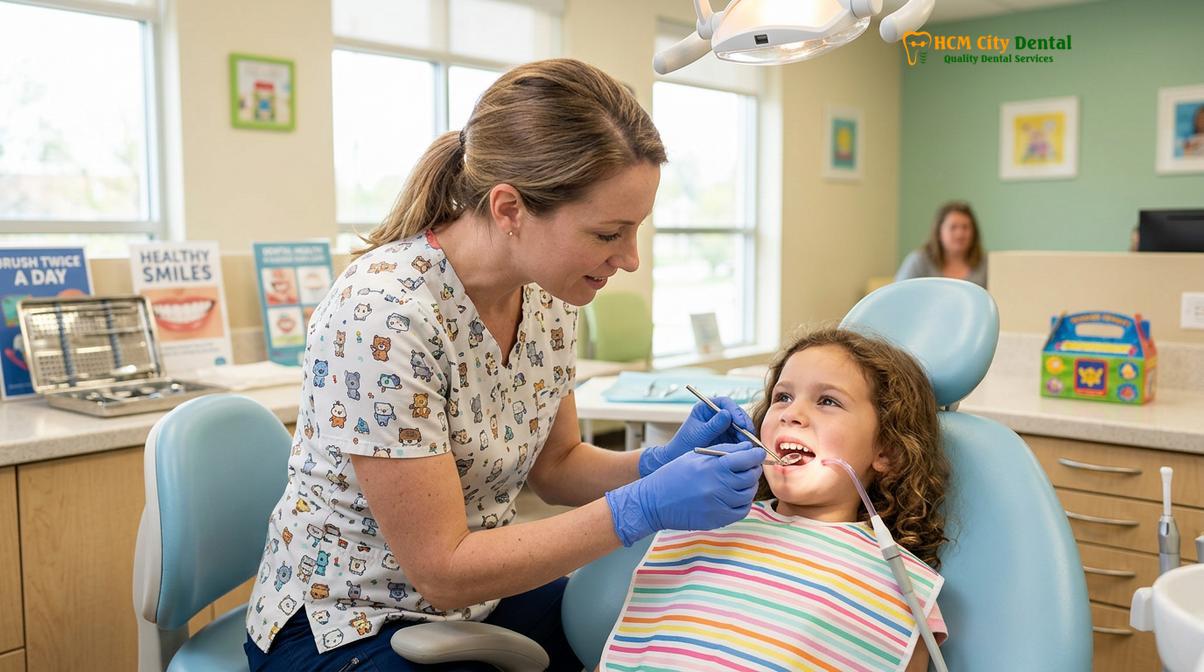
Establishing a consistent toddler teeth examination schedule is critical not only for disease prevention but also for behavioral acclimatization. Children who visit the dentist regularly from a young age are significantly less likely to develop dental phobias. During these standard visits, the clinical team focuses on anticipatory guidance—educating parents on upcoming developmental milestones, teething timelines, and transitioning from bottle to cup. According to the American Academy of Pediatric Dentistry, establishing a “dental home” by age one provides a comprehensive, continuously accessible, and family-centered approach to oral health care [1].
However, the six-month rule is not universal. The frequency of visits must be tailored to the individual patient’s biological and environmental risk factors. A child with a history of extensive decay, poor dietary habits, or specific medical conditions will be placed on a high-risk schedule, necessitating visits every three to four months. This accelerated schedule allows for more frequent application of professional fluoride varnishes, closer monitoring of oral hygiene efficacy, and the timely application of non-invasive therapies to halt the progression of early childhood caries.
Risk Factors: Diet, Saliva Flow, MIH Enamel Defects
Evaluating a child’s cavity risk involves analyzing dietary sugar frequency, salivary buffering capacity, and the presence of structural anomalies like Molar Incisor Hypomineralization (MIH).
A comprehensive child cavity risk assessment goes far beyond simply looking for holes in the teeth. It involves a deep clinical evaluation of the biological environment of the oral cavity. One of the primary risk factors is the frequency of fermentable carbohydrate consumption. It is not merely the total amount of sugar consumed, but the frequency of exposure that dictates caries risk. Every time a child consumes sugary snacks or drinks, the oral pH drops below the critical threshold of 5.5, initiating enamel demineralization. Frequent snacking prevents the saliva from neutralizing these acids, leading to a continuous state of mineral loss.
Saliva plays a paramount role in pediatric oral health. It acts as the mouth’s natural defense mechanism, providing a buffering system (primarily via bicarbonate) that neutralizes bacterial acids. Furthermore, saliva is supersaturated with calcium and phosphate ions, which are essential for the remineralization of early enamel lesions. Children with reduced salivary flow—often due to mouth breathing, certain medications, or systemic conditions—are at a profoundly elevated risk for rapid and rampant tooth decay.
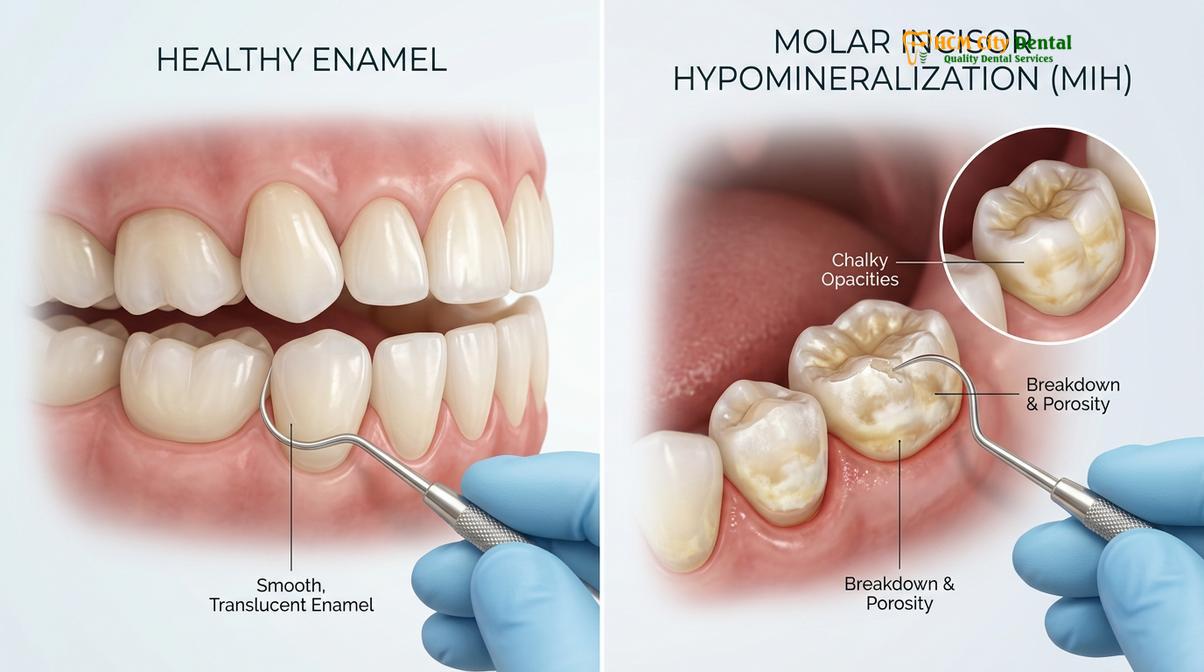
Another critical, yet often overlooked, risk factor is Molar Incisor Hypomineralization (MIH). MIH is a developmental defect of the enamel affecting one or more first permanent molars, and frequently the permanent incisors. The enamel in these teeth is hypomineralized, meaning it has a lower mineral content and higher protein/water content, presenting clinically as creamy, yellow, or brown opacities. These teeth are structurally weak, highly prone to rapid post-eruptive breakdown, and notoriously hypersensitive to temperature changes and even toothbrushing [2]. Children diagnosed with MIH require an aggressive preventive protocol, including frequent fluoride applications, placement of glass ionomer sealants, and a strict three-month recall schedule to manage the condition before the teeth suffer catastrophic failure.
Customized Brushing & Flossing Protocols
Effective home care requires age-appropriate fluoride toothpaste dosing, parental supervision until age eight, and the introduction of flossing as soon as adjacent teeth touch.
Maintaining optimal oral hygiene at home is the most critical component of a child’s dental health. However, the protocols must evolve as the child grows and their dentition changes. A standardized pediatric dental hygiene recall focuses heavily on educating both the child and the parent on proper mechanical plaque removal techniques. For infants and toddlers, parents should begin cleaning the gums with a soft, damp cloth even before teeth erupt. Once the first tooth appears, brushing should commence twice daily using a soft-bristled pediatric toothbrush.
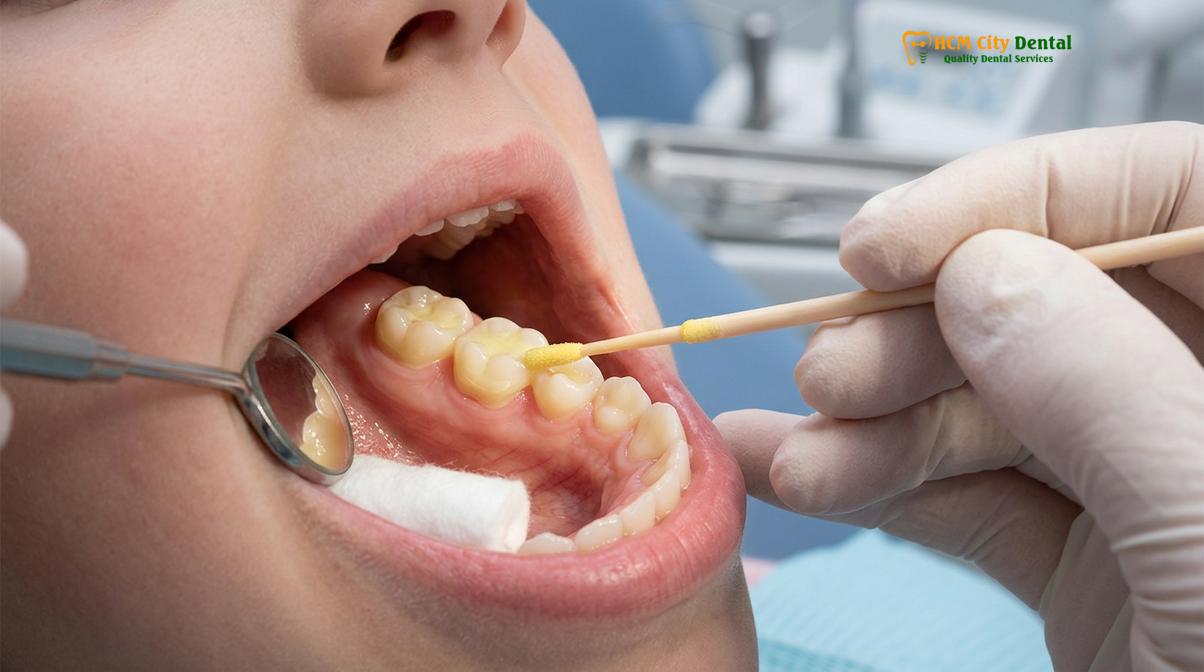
The dosing of fluoride toothpaste is a critical clinical parameter. For children under the age of three, a mere “smear” (the size of a grain of rice) of fluoride toothpaste containing 1000ppm fluoride is recommended. This provides the topical benefits of fluoride while minimizing the risk of fluorosis if the child swallows the paste. For children aged three to six, the amount should be increased to a “pea-sized” dollop. It is clinically imperative that parents supervise brushing until the child possesses the manual dexterity to tie their own shoelaces—typically around age seven or eight. The modified Bass technique, which involves angling the bristles at 45 degrees toward the gumline and using small circular motions, is generally recommended for effective plaque disruption.
“The topical application of fluoride through daily brushing is the single most effective public health measure for preventing early childhood caries. However, its efficacy is entirely dependent on consistent parental supervision and correct dosing to balance caries prevention with the risk of fluorosis.”
Flossing is frequently neglected in pediatric oral care, yet it is essential for preventing interproximal (between the teeth) cavities. As soon as two adjacent teeth touch—which often occurs in the posterior primary molars around age two or three—flossing must be incorporated into the daily routine. Plaque accumulation in these tight contact areas cannot be removed by toothbrush bristles alone, making interproximal decay one of the most common diagnoses during routine pediatric examinations [3].
When to Switch to 3-Month Checks
Children exhibiting active early childhood caries, poor plaque control, or undergoing interceptive orthodontic therapy must transition to a three-month recall schedule for intensive preventive intervention.
Transitioning a patient from a standard six-month recall to a three-month schedule is a clinical decision based on active disease indicators. Early Childhood Caries (ECC) is an aggressive, transmissible infectious disease that can destroy primary dentition rapidly. If a child presents with new carious lesions at consecutive visits, exhibits thick, mature plaque biofilm along the gingival margins, or has a diet high in fermentable carbohydrates, a three-month interval is mandatory to disrupt the disease process.
During these frequent visits, pediatric dentists utilize advanced, non-invasive therapies to manage decay. One of the most revolutionary treatments is the application of Silver Diamine Fluoride (SDF). SDF is a topical liquid that provides profound cavity arrest. The silver ions act as a powerful antimicrobial agent, destroying the bacteria causing the decay, while the high concentration of fluoride promotes deep remineralization of the affected dentin. SDF is completely painless and requires no drilling, making it an exceptional option for young, anxious, or uncooperative children. However, parents must be thoroughly informed that SDF will permanently stain the active decay black, though healthy enamel remains unaffected.
Clinical Warning: Signs of Severe Early Childhood Caries
Parents should immediately seek a pediatric dental consultation if they notice chalky white bands near the gumline, brown or black spots on the chewing surfaces, or if the child complains of pain when consuming sweet, hot, or cold foods. Delaying treatment can lead to pulpal infection, facial swelling, and the premature loss of primary teeth.
When restorative intervention is necessary, the choice of material is critical. In pediatric dentistry, there is a distinct clinical preference for Glass Ionomer Cements (GIC) over traditional composite resins for primary teeth. GIC offers several unique advantages: it chemically bonds to the dentin, it is highly tolerant of moisture (crucial when working with a crying or salivating child), and most importantly, it continuously releases fluoride into the surrounding tooth structure. Furthermore, GIC acts as a “fluoride reservoir,” capable of recharging its fluoride levels when exposed to fluoridated toothpaste, providing long-term protection against recurrent decay. Composite resins, while offering superior aesthetics and strength, require absolute isolation and a completely dry field, which is often clinically impractical in young pediatric patients.
Diagnostic Indicators for Parents
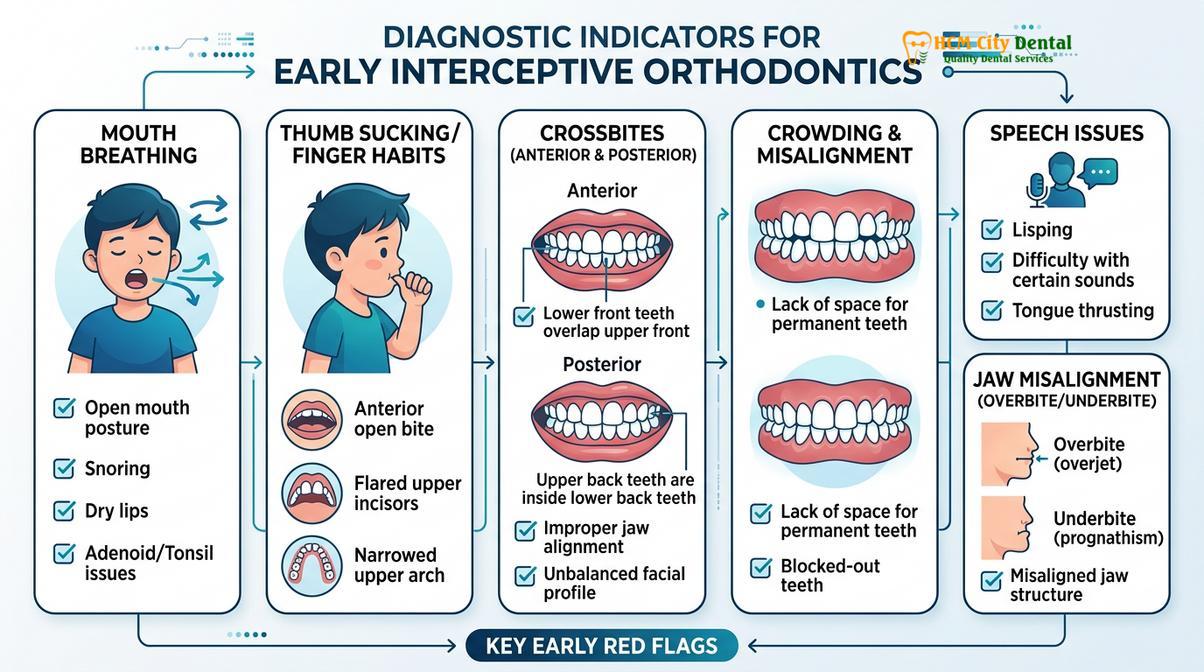
Parents should monitor for mouth breathing, thumb-sucking habits, and delayed tooth eruption, as these indicate the need for early interceptive orthodontics or airway evaluation.
Pediatric dentistry extends far beyond cavity prevention; it encompasses the holistic evaluation of craniofacial growth and airway development. Parents play a crucial role in identifying early diagnostic indicators at home. One of the most significant red flags is chronic mouth breathing. Children who habitually breathe through their mouths—often due to enlarged adenoids, tonsils, or chronic allergies—are at risk of developing “adenoid facies” or long-face syndrome. This physiological adaptation alters the resting posture of the tongue, preventing it from naturally expanding the upper jaw. Consequently, the maxilla becomes narrow, leading to severe dental crowding, crossbites, and a high palatal vault. Early intervention, often involving myofunctional therapy for kids and palatal expansion, is critical to redirecting facial growth [4].
Another critical diagnostic indicator is the presence of a tongue-tie (ankyloglossia). A restricted lingual frenulum can impair breastfeeding in infants, cause speech articulation issues in toddlers, and restrict the natural sweeping motion of the tongue needed for oral clearance. Modern pediatric dentistry addresses this via a tongue tie release using a diode laser. This laser frenectomy is virtually bloodless, highly precise, and promotes rapid healing with minimal discomfort.
Clinical Case Review: Early Interceptive Orthodontics
A 6-year-old patient presented to Dr. Nguyen Van Cuong at HCMC Dental Clinic in Ho Chi Minh City with a severe anterior crossbite and a history of prolonged thumb-sucking. Recognizing the potential for abnormal skeletal growth, Dr. Cuong initiated early interceptive orthodontics using a customized habit-breaking appliance and a palatal expander. Within eight months, the crossbite was corrected, the anterior teeth were properly aligned, and the child’s nasal breathing significantly improved, demonstrating the profound impact of timely pediatric intervention.
Parents must also monitor the eruption and shedding timelines of primary teeth. If a baby tooth is lost prematurely due to decay or trauma, the adjacent teeth will rapidly drift into the empty space, blocking the eruption path of the underlying permanent tooth. In such cases, the placement of space maintainers (such as a fixed band-and-loop) is clinically mandated to preserve the arch length and prevent complex orthodontic impactions in the future.
Pediatric Dental Treatments & Pricing Structure
Transparent pricing and comprehensive treatment options, from fluoride varnishes to baby root canals, ensure parents can make informed decisions regarding their child’s oral healthcare.
Providing high-quality pediatric dental care requires a specialized approach to patient management. At HCMC Dental Clinic, our clinical team, led by experts like Dr. Nguyen Van Cuong, employs the “Tell-Show-Do” behavioral management technique. This psychological approach is designed to desensitize the child to the dental environment. First, we Tell the child what will happen using non-threatening, child-friendly terminology (e.g., calling the local anesthetic “sleepy juice” or the suction a “water vacuum”). Next, we Show them the instrument and demonstrate how it works on their finger. Finally, we Do the procedure, utilizing a “stop on request” protocol where the child can raise their hand if they feel overwhelmed. This empowers the child, builds trust, and significantly reduces clinical anxiety.

“The Tell-Show-Do technique is the cornerstone of pediatric behavioral management. By demystifying the clinical instruments and providing the child with a sense of control, we transform a potentially traumatic experience into a cooperative and positive healthcare interaction.”
Understanding the financial aspect of pediatric dental care is essential for families. Below is the current pricing structure for standard pediatric procedures. Please note that prices may vary based on the complexity of the clinical presentation.
| Pediatric Dental Procedure | Standard Walk-in Price (VND) | Estimated USD |
|---|---|---|
| Kids Consultation & Diagnostic Check-up | 500,000 – 800,000 VND | ~$20 – $32 |
| Fluoride Varnish Application | 500,000 – 800,000 VND | ~$20 – $32 |
| Fissure Sealant (per tooth) | 700,000 – 1,000,000 VND | ~$28 – $40 |
| Pediatric Glass Ionomer Filling (GIC) | 700,000 – 1,000,000 VND | ~$28 – $40 |
| Pediatric Composite Filling | 800,000 – 1,300,000 VND | ~$32 – $52 |
| Baby Root Canal (Pulpotomy) | 1,600,000 – 2,500,000 VND | ~$64 – $100 |
| Space Maintainer (fixed, per unit) | 3,300,000 – 5,000,000 VND | ~$132 – $200 |
| Custom Pediatric Sports Mouthguard | 2,500,000 – 3,500,000 VND | ~$100 – $140 |
For international families residing in Ho Chi Minh City, navigating healthcare costs is a priority. HCMC Dental Clinic partners with major international insurance providers, including Allianz, Bupa, and Cigna, offering direct billing services for eligible pediatric treatments. Furthermore, patients who book their appointments directly via WhatsApp can access a specialized -40% discount on select preventive and restorative procedures, making high-quality pediatric care highly accessible.
Advanced procedures, such as managing pulpotomy pain in kids (baby root canals) or fabricating a custom sports mouthguard for active children, are handled with the utmost clinical precision to ensure the preservation of the primary dentition until natural exfoliation occurs.
When to See a Doctor
While routine checkups form the basis of pediatric dental care, certain clinical presentations require immediate, unscheduled intervention. Parents should seek emergency dental care if a child experiences acute dental trauma, such as a luxation (displacement) or avulsion (complete knock-out) of a tooth. In the event of an avulsed permanent tooth, time is of the essence; the tooth should be placed in milk or saline and brought to the clinic immediately to maximize the chances of successful reimplantation.
Additionally, if a child develops a visible swelling on the gums (a fistula or “gum boil”), experiences severe, throbbing pain that disrupts sleep, or presents with facial swelling extending to the eye or neck, immediate medical attention is required. These are signs of an acute bacterial infection originating from a necrotic dental pulp, which can rapidly spread and compromise the child’s systemic health and airway [5]. Never ignore persistent dental pain in a child, as primary teeth have large pulp chambers and thin enamel, allowing decay to progress to the nerve at an alarming rate.
Frequently Asked Questions
Why do some kids need dental cleanings every 3 months?
Children need dental cleanings every three months if they exhibit high cavity risk, active early childhood caries, or enamel defects like MIH. This accelerated schedule allows the pediatric dentist to apply professional fluoride varnishes, monitor plaque control, and arrest early demineralization before invasive treatments are required. It is a proactive, rather than reactive, approach to disease management.
At what age does a child need a regular checkup schedule?
A child needs a regular checkup schedule starting by their first birthday or within six months of their first tooth erupting. Establishing this routine early ensures proper monitoring of jaw development, early detection of decay, and acclimatization to the dental environment to prevent future anxiety. Early visits focus heavily on parental education and anticipatory guidance.
How do I assess my child’s cavity risk level at home?
You can assess your child’s cavity risk at home by monitoring their dietary sugar intake, observing plaque buildup along the gumline, and checking for chalky white spots on the teeth. However, a definitive child cavity risk assessment must be performed clinically by a pediatric dentist, who will evaluate salivary flow, enamel integrity, and bacterial load.
Is Silver Diamine Fluoride (SDF) safe for baby teeth?
Yes, Silver Diamine Fluoride (SDF) is a highly safe, non-invasive treatment for arresting active decay in baby teeth. While it effectively halts the progression of cavities without drilling or local anesthesia, parents should be aware that it leaves a permanent black stain exclusively on the decayed portion of the tooth, making it an excellent option for posterior (back) teeth.
What is the difference between GIC and composite fillings for kids?
Glass Ionomer Cement (GIC) chemically bonds to the tooth, tolerates moisture well, and continuously releases fluoride to prevent recurrent decay, making it ideal for baby teeth. Composite resin offers superior strength and aesthetics but requires a completely dry environment, which can be challenging for young, uncooperative patients. The choice depends on the tooth’s location and the child’s behavior.
References
- American Academy of Pediatric Dentistry. Periodicity of Examination, Preventive Dental Services, Anticipatory Guidance/Counseling, and Oral Treatment for Infants, Children, and Adolescents. (2022).
- International Journal of Paediatric Dentistry. Molar Incisor Hypomineralisation (MIH): Clinical presentation, aetiology and management. (2021).
- Journal of the American Dental Association. Evidence-based clinical practice guideline on nonrestorative treatments for carious lesions. (2018).
- Pediatric Dentistry. Behavior Guidance for the Pediatric Dental Patient. (2020).
- World Health Organization. Early Childhood Caries: A global review. (2019).