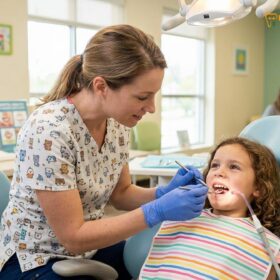
Finding a trusted kids dentist phu my hung requires balancing clinical expertise with a child-friendly environment. HCMC Dental Clinic offers specialized pediatric dentistry, utilizing advanced behavioral management and international clinical standards to ensure stress-free, pain-free treatments for children in District 7.
Clinical Summary:
Pediatric dental care in Phu My Hung integrates Tell-Show-Do behavioral techniques, non-invasive cavity arrest using Silver Diamine Fluoride (SDF), and early interceptive orthodontics. Treatments prioritize fluoride-releasing glass ionomer cements for primary teeth and comprehensive airway assessments to prevent long-term craniofacial developmental issues, ensuring optimal oral health from infancy through adolescence.
Key Takeaways:
- Tell-Show-Do protocols minimize pediatric dental anxiety without forced restraints.
- Fluoride-releasing Glass Ionomer Cement (GIC) is prioritized for primary tooth restorations.
- Early airway assessments detect mouth breathing and tongue-ties to prevent “adenoid facies.”
- Direct billing is available for major international insurance providers like Allianz, Bupa, and Cigna.
- Exclusive -40% discount applies to pediatric treatments booked via WhatsApp.
Serving the Expat Community in District 7
Our clinic provides specialized pediatric dental care tailored to the diverse expat community in District 7, ensuring seamless communication and international clinical protocols.
Finding a reliable phu my hung expat family dentist means looking for a practice that understands the unique needs of international families living in Ho Chi Minh City. At HCMC Dental Clinic, we bridge the language and cultural gap by offering comprehensive Children & Pediatric Dentistry services. Our clinical approach focuses on early childhood caries prevention, respecting the natural eruption and shedding timelines of baby teeth. We understand that treating a child is fundamentally different from treating an adult; the primary dentition has thinner enamel, larger pulp chambers, and requires highly specific restorative techniques to prevent premature tooth loss.
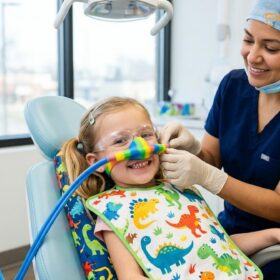
We utilize conscious sedation and nitrous oxide when clinically indicated for severe anxiety or extensive full-mouth rehabilitation, though our primary approach relies heavily on behavioral desensitization. By establishing a dental home early, we help children acclimate to the clinical environment, transforming routine check-ups into positive, educational experiences rather than fearful medical encounters.[1]
Korean and Western Family Dental Standards
We strictly adhere to Korean and Western pediatric dental standards, utilizing biocompatible materials and evidence-based behavioral management to ensure optimal clinical outcomes.
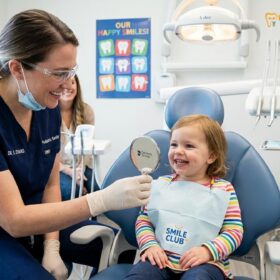
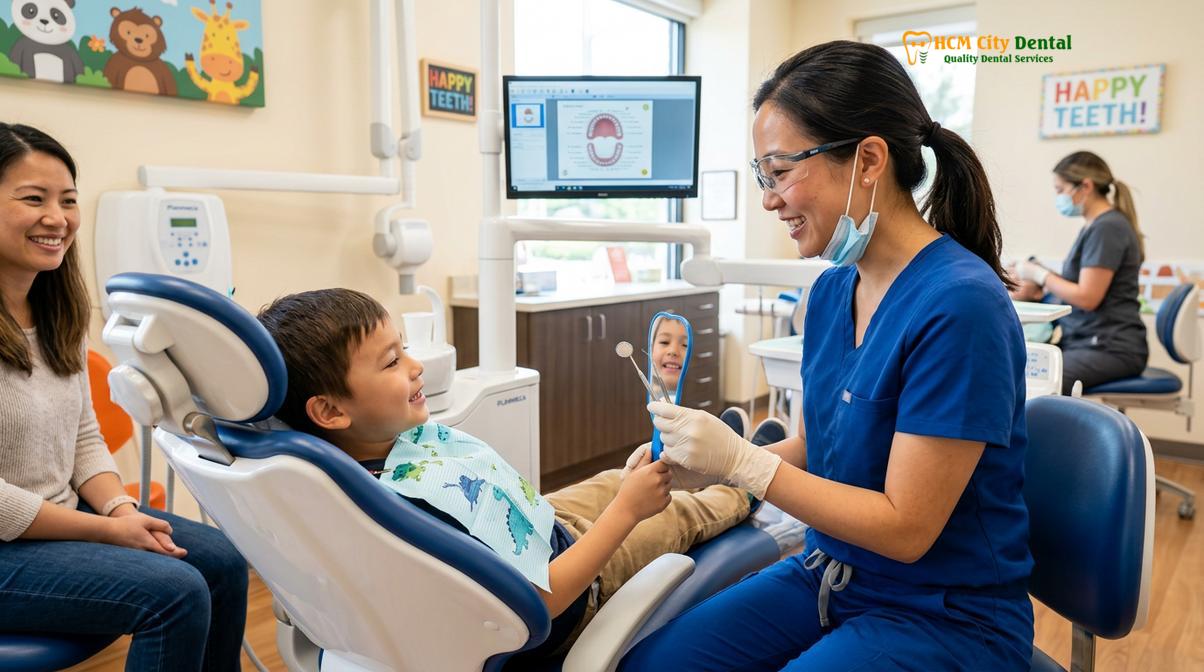
As a leading english speaking children dental pmh provider, we implement the “Tell-Show-Do” behavioral management technique. This foundational protocol involves explaining the procedure using child-friendly terminology—such as calling local anesthesia “sleepy juice,” a rubber dam a “tooth raincoat,” or the ultrasonic scaler a “water whistle.” We then demonstrate the instrument on their finger to remove the fear of the unknown, and proceed with the treatment only when the child is comfortable. We also empower the child by utilizing a “stop on request” protocol, where they can raise their hand if they need a break.[2]
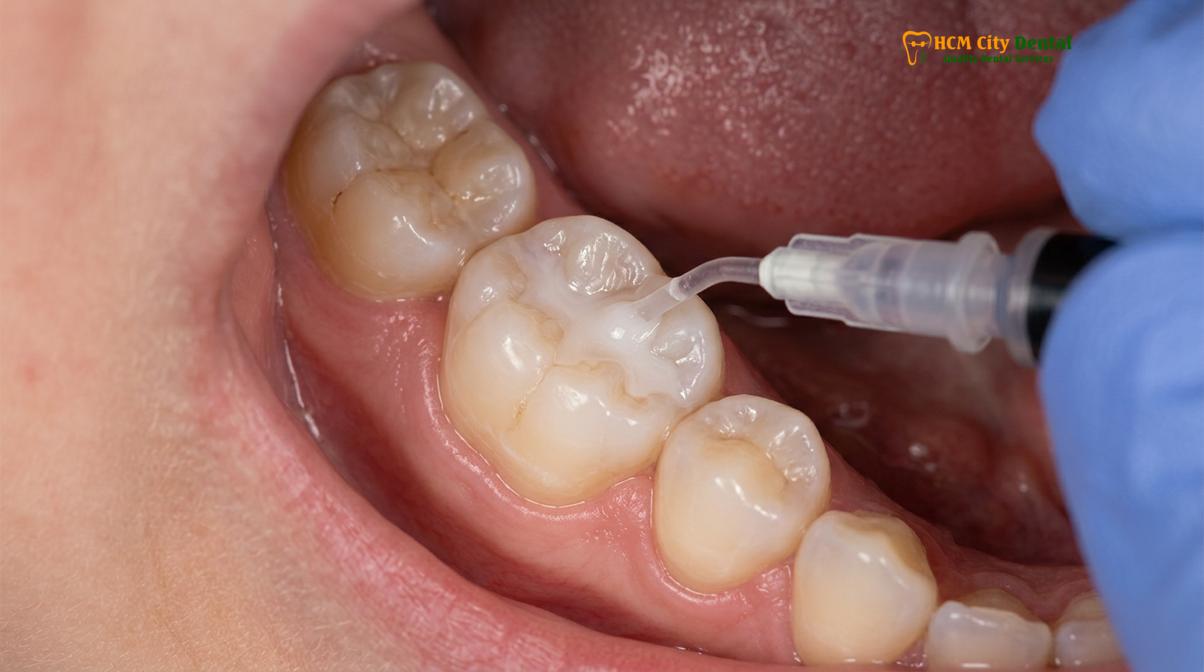
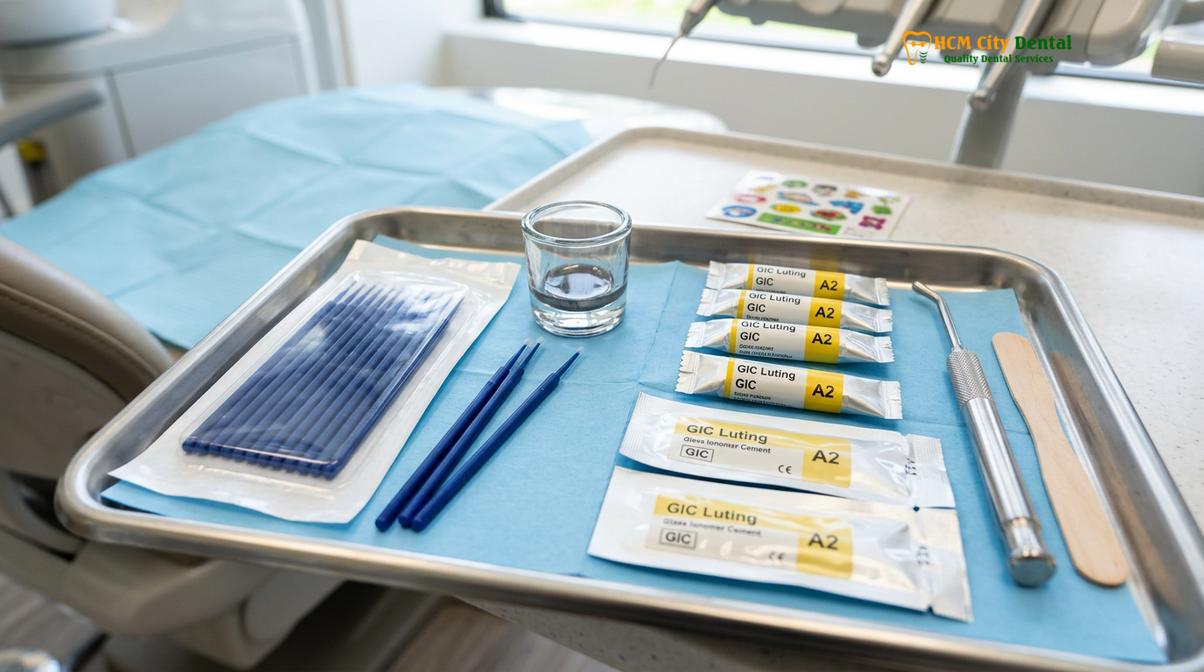
For restorative work, we carefully evaluate the use of Glass Ionomer Fillings (GIC) vs. Composite resins. We prioritize fluoride-releasing GIC for baby teeth due to its chemical bonding properties, moisture tolerance during placement, and its unique ability for continuous fluoride recharge. This means the filling absorbs fluoride from daily toothpaste use and releases it into the surrounding tooth structure, actively preventing recurrent decay. Composite resins are reserved for scenarios requiring higher tensile strength and perfect aesthetics, such as anterior tooth restorations.
Furthermore, we offer Silver Diamine Fluoride (SDF) for non-invasive cavity arrest. SDF halts active decay without drilling or pain, making it an excellent option for very young or uncooperative children. The silver acts as a powerful antimicrobial agent, while the fluoride remineralizes the enamel. Parents are thoroughly counseled prior to application, as SDF leaves a localized black stain exclusively on the decayed area.[3]
“Effective pediatric dentistry relies not just on clinical precision, but on establishing a foundation of trust. The Tell-Show-Do method transforms a potentially traumatic medical visit into an educational, empowering experience for the child.”
Clinical Pediatric Treatments & Pricing Structure
Our transparent pricing structure covers everything from diagnostic check-ups to complex pediatric root canals, with significant discounts available for direct bookings.
Providing top-tier pediatric care requires transparent financial parameters. We believe parents should have a clear understanding of treatment costs before any procedure begins. Below is the estimated cost for standard pediatric procedures at our facility. Patients booking their appointments directly via WhatsApp receive a -40% discount on these standard walk-in rates.
| Pediatric Procedure | Standard Walk-in Price (VND) | Discounted Price (VND) | USD Equivalent |
|---|---|---|---|
| Kids Consultation & Diagnostic Check-up | 500,000 – 800,000 | 300,000 – 500,000 | ~$12 – $20 |
| Fissure Sealant (per tooth) | 700,000 – 1,000,000 | 400,000 – 600,000 | ~$16 – $24 |
| Fluoride Varnish Application | 500,000 – 800,000 | 300,000 – 500,000 | ~$12 – $20 |
| Pediatric Composite Filling (per tooth) | 800,000 – 1,300,000 | 500,000 – 800,000 | ~$20 – $32 |
| Glass Ionomer Filling (GIC, per tooth) | 700,000 – 1,000,000 | 400,000 – 600,000 | ~$16 – $24 |
| Baby Root Canal (Pulpotomy, per tooth) | 1,600,000 – 2,500,000 | 1,000,000 – 1,500,000 | ~$40 – $60 |
| Space Maintainer (fixed, band-and-loop) | 3,300,000 – 5,000,000 | 2,000,000 – 3,000,000 | ~$80 – $120 |
| Custom Pediatric Sports Mouthguard | 2,500,000 – 3,500,000 | 1,500,000 – 2,500,000 | ~$60 – $100 |
For children involved in contact sports, we highly recommend investing in a Custom Sports Mouthguard for Kids: Clinical Guide & Cost to prevent severe dental trauma. In cases where deep decay has reached the nerve of a primary tooth, we perform precise pulpotomies to save the tooth and maintain arch space. Parents can learn more about this procedure in our Pulpotomy Pain in Kids: Clinical Guide to Baby Root Canals.
Interceptive Orthodontics & Airway Assessment
Early evaluation of jaw development and airway patency allows us to correct functional issues like mouth breathing and tongue-ties before they cause permanent skeletal changes.
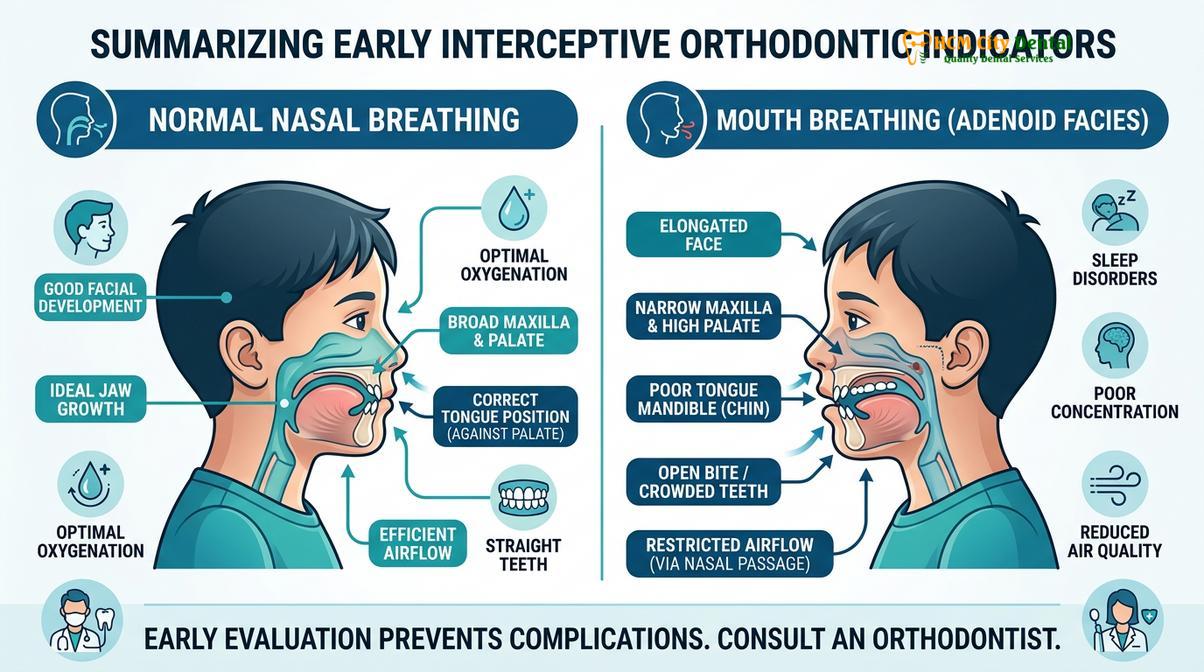
Dr. Nguyen Van Cuong emphasizes that modern pediatric dentistry extends far beyond simple cavity prevention; it encompasses the entire craniofacial development of the growing child. We conduct thorough airway assessments to identify chronic mouth breathing. If left untreated, mouth breathing alters the resting posture of the tongue, depriving the upper jaw of the lateral pressure needed for proper expansion. This often leads to a high palatal vault, a narrow maxillary arch, and a skeletal growth pattern known as “adenoid facies” or long-face syndrome.[4]
Our interceptive orthodontic protocols evaluate early jaw development and harmful habits like prolonged thumb-sucking or pacifier use. If a child loses a primary molar prematurely due to decay or trauma, the adjacent teeth will rapidly drift into the empty space, blocking the eruption of the permanent tooth. To prevent this severe orthodontic crowding, we utilize Types of Space Maintainers for Kids: A Clinical Guide, such as fixed band-and-loop appliances, to hold the space open.
Furthermore, we routinely diagnose restrictive lingual frenulums (tongue-ties). A severe tongue-tie restricts tongue mobility, impairing speech articulation, swallowing mechanics, and natural jaw expansion. This condition is treated painlessly with diode laser frenectomies, which offer minimal bleeding and rapid healing. For a deeper understanding, parents can review our Tongue Tie Release for Kids: Clinical Guide to Laser Frenectomy. Following a release, we often integrate Myofunctional Therapy for Kids: Clinical Guide & Exercises to retrain the oral musculature and establish proper nasal breathing.
Clinical Case Study: Interceptive Airway Management
Patient Profile: A 7-year-old male presented at HCMC Dental Clinic with chronic mouth breathing, a narrow maxillary arch, and early signs of anterior crowding.
Diagnosis: Pediatric sleep-disordered breathing secondary to a restricted airway and low tongue posture. (For more on this pathology, read How Mouth Breathing Changes Kids’ Face Shape: Clinical Guide).
Treatment Protocol: Dr. Nguyen Van Cuong initiated early interceptive palatal expansion combined with targeted myofunctional therapy to elevate tongue resting posture.
Outcome: Within eight months, the patient exhibited normalized nasal breathing, improved sleep quality, and sufficient arch space for the natural eruption of the permanent incisors, avoiding the need for complex jaw surgery in the future.
Stress-Free Parking and Child-Friendly Layout
Our clinic is designed to minimize sensory overload, featuring a welcoming environment and convenient parking to ensure a smooth visit for both parents and children.
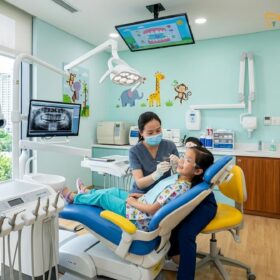
Navigating a kids dental clinic pmh should not add to a parent’s stress. Our facility in Ho Chi Minh City features stress-free parking and a child-friendly layout specifically designed to reduce clinical anxiety. The waiting areas and treatment rooms are optimized to avoid the sterile, intimidating atmosphere of traditional hospitals. By controlling auditory and visual stimuli—such as hiding sharp instruments from plain view and using quiet handpieces—we create a safe space where children feel relaxed. This environmental control makes our behavioral management techniques significantly more effective, allowing for smoother, faster treatments.
Saturday Appointments for Busy Parents
We offer flexible weekend scheduling and same-day emergency slots to accommodate the demanding routines of working parents and school-aged children.
Finding a children dentist district 7 that fits into a hectic family schedule is crucial for maintaining consistent oral health. We provide dedicated Saturday appointments, allowing children to receive comprehensive dental care without missing valuable school hours. Additionally, our clinic maintains reserved slots for same-day emergency scheduling. Whether a child experiences acute dental trauma on the playground, an avulsed (knocked-out) tooth, or severe pulpitis requiring immediate pain relief, our team is prepared to provide urgent, compassionate intervention.
Direct Billing for International Schools
Our clinic partners with major global insurance networks to provide seamless direct billing services for families attending international schools in the area.
Expatriate families often require streamlined administrative processes when managing healthcare abroad. HCMC Dental Clinic offers direct billing partnerships with leading international insurance providers, including Allianz, Bupa, and Cigna. This ensures that routine preventive care, such as fissure sealants and fluoride varnish applications, as well as more complex restorative treatments, are processed efficiently. Our administrative team handles the paperwork directly with the insurance companies, allowing parents to focus entirely on their child’s health without the burden of managing cumbersome out-of-pocket reimbursement claims.
When to See a Pediatric Dentist (Important Clinical Considerations)
While routine check-ups should occur every six months starting from the eruption of the first tooth, certain clinical signs warrant immediate professional attention. Delaying treatment for pediatric dental infections can lead to systemic complications and permanent damage to the developing adult teeth beneath the gums.[5]
Urgent Clinical Red Flags:
Seek immediate pediatric dental care if your child exhibits any of the following symptoms:
- Severe, spontaneous tooth pain that disrupts sleep (highly indicative of irreversible pulpitis).
- Facial swelling, asymmetry, or a visible pimple-like abscess on the gums (requires urgent antibiotic therapy and source control).
- Dental trauma resulting in a fractured, displaced, or completely avulsed tooth.
- Prolonged bleeding from the gums or extreme sensitivity to hot and cold stimuli.
“Preserving the primary dentition is not merely about aesthetics; baby teeth act as critical biological space maintainers for the permanent successors. Premature loss without clinical intervention inevitably leads to complex orthodontic malocclusions.”
Frequently Asked Questions
Do your Phu My Hung dentists speak English and Korean?
Yes, our pediatric dentists and clinical staff are fully fluent in both English and Korean. We understand that clear communication is vital for medical consent and behavioral management. By eliminating language barriers, we ensure that both the child and the parents fully comprehend the diagnosis, treatment options, and post-operative care instructions, providing a comfortable experience for the expat community.
Are you open on Saturdays for children’s dental appointments?
Yes, our clinic is open on Saturdays to accommodate the busy schedules of working parents and school-aged children. We offer a full range of pediatric services on weekends, including routine check-ups, fissure sealants, and interceptive orthodontic evaluations. We also reserve specific time slots for same-day pediatric dental emergencies to ensure prompt care when accidents happen.
Is there easy parking at your District 7 dental clinic?
Yes, we provide stress-free, dedicated parking directly at our District 7 clinic location. We recognize that traveling with young children can be challenging, so our facility is designed for easy access. Parents can park securely and transition smoothly into our child-friendly waiting area without the hassle of navigating crowded street parking in Phu My Hung.
What is the difference between GIC and composite fillings for baby teeth?
Glass Ionomer Cement (GIC) releases fluoride and bonds chemically to the tooth, making it ideal for preventing further decay in baby teeth, whereas composite offers higher strength and aesthetics. For pediatric patients, we often prioritize GIC because of its moisture tolerance during placement and its ability to recharge fluoride from toothpaste, which actively protects the surrounding enamel from secondary caries.
How does Silver Diamine Fluoride (SDF) work for cavities?
SDF is a non-invasive liquid treatment that halts active tooth decay without the need for drilling or local anesthesia. The silver acts as an antimicrobial agent to kill decay-causing bacteria, while the fluoride remineralizes the tooth structure. While highly effective and painless, parents should note that SDF permanently turns the decayed portion of the tooth black, making it best suited for posterior baby teeth.
References
- American Academy of Pediatric Dentistry. Behavior guidance for the pediatric dental patient. (2021).
- Journal of Dentistry for Children. Efficacy of Tell-Show-Do in reducing pediatric dental anxiety. (2020).
- International Journal of Paediatric Dentistry. Clinical applications of Silver Diamine Fluoride. (2019).
- Journal of the American Dental Association. Craniofacial impacts of pediatric mouth breathing. (2018).
- World Health Organization. Early childhood caries manual and preventive protocols. (2022).