The hidden costs dental implants often stem from incomplete initial quotes that exclude essential components like the abutment and crown, or preparatory surgeries such as bone grafting and extractions. Understanding these variables ensures patients receive transparent, all-inclusive pricing before beginning their restorative treatment.
Clinical Summary:
Dental implant therapy is a multi-stage surgical and prosthetic process. Advertised prices frequently represent only the titanium fixture, omitting critical elements like 3D diagnostics, custom abutments, final restorations, and necessary site preparation. Comprehensive clinical evaluation is required to generate an accurate, all-inclusive treatment plan, protecting patients from unexpected financial burdens during their restorative journey. A thorough understanding of anatomical requirements, material science, and surgical overheads empowers patients to navigate complex fee structures effectively.
Key Takeaways:
- Advertised base prices often exclude the abutment and final crown, representing only the surgical root placement.
- Diagnostic imaging, specifically 3D CBCT scans, is a mandatory surgical prerequisite that may be billed separately.
- Preparatory procedures like extractions and bone grafting significantly impact the total financial investment.
- Surgical overheads, including anesthesia, specialized suturing, and facility fees, contribute to the final cost.
- Requesting a comprehensive, itemized written quotation prevents financial surprises and ensures clinical transparency.
Sourcing Honest Dental Quotes: The Bait-and-Switch Problem
Uncovering the true financial scope of implant therapy requires distinguishing between a comprehensive treatment plan and a fragmented base quote designed primarily for marketing purposes.
Navigating the financial landscape of restorative dentistry can be a daunting experience for patients seeking to replace missing teeth. One of the most pervasive issues in the industry is the prevalence of misleading advertising. Many clinics promote an exceptionally low price for a “dental implant,” leading patients to believe this figure represents the total cost of a fully functional, visible tooth. However, in clinical terminology, the word “implant” refers strictly to the titanium screw surgically embedded into the jawbone. It does not inherently include the connecting pieces or the final porcelain tooth that the patient actually uses to chew and smile[1].
This discrepancy between patient expectation and clinical terminology creates a fertile ground for bait and switch dental pricing. A patient may be drawn into a clinic by an advertisement promising an implant for a fraction of the regional average. Once the consultation begins, the treatment coordinator reveals that the advertised price only covers the surgical phase. The abutment, the crown, the surgical facility fees, and the diagnostic imaging are subsequently added as separate line items, causing the final bill to inflate dramatically. This practice not only breaches patient trust but also complicates the process of comparing comprehensive implant pricing in Vietnam across different providers.
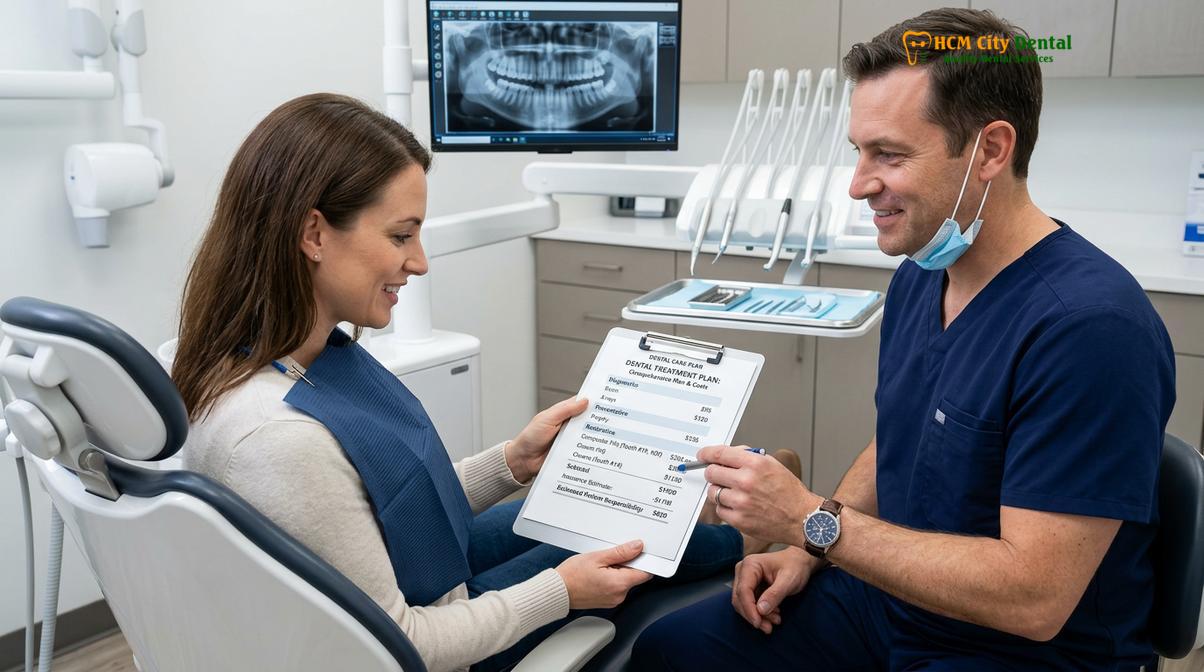
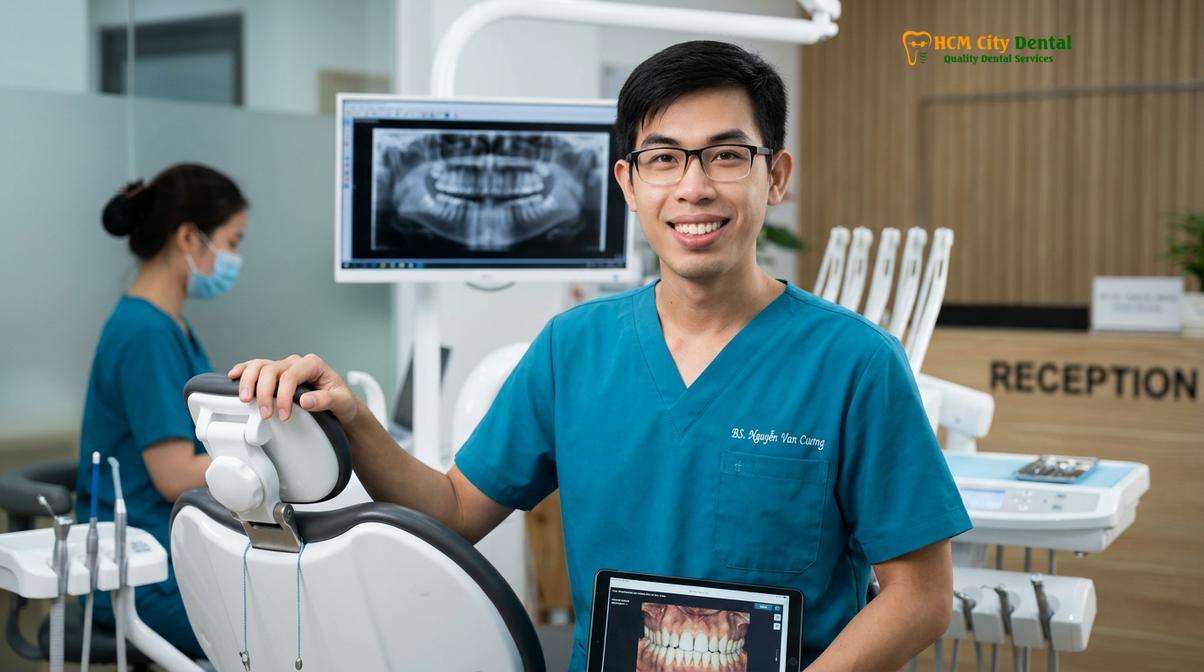
Dr. Nguyen Van Cuong, a leading implantologist, frequently emphasizes the ethical obligation of dental professionals to provide absolute financial clarity prior to any surgical intervention. When a patient is evaluating their options, it is critical to ask direct questions about what is included in the base fee. An ethical practitioner will always provide a detailed breakdown that encompasses the entire journey, from the initial incision to the final prosthetic delivery. The psychological impact of unexpected medical bills can severely detract from the patient’s overall experience and satisfaction with their restorative outcome.
“True clinical excellence extends beyond surgical precision; it encompasses the integrity of the consultation process. Patients deserve to understand the complete financial commitment of their treatment plan before a single diagnostic scan is taken. Transparency is the foundation of the doctor-patient relationship.”
To protect themselves, patients must demand an itemized breakdown. This document should clearly delineate the surgical fees, the prosthetic fees, the laboratory costs, and any anticipated preparatory procedures. By understanding the distinct phases of implant therapy, individuals can accurately assess whether a quoted price is genuinely competitive or merely a fragmented estimate designed to secure an initial commitment.
Component Pricing: Screw, Custom Abutment, and Crown Lines
A functional implant restoration consists of three distinct parts: the titanium fixture, the connecting abutment, and the final prosthetic crown, each carrying its own specific material and laboratory costs.
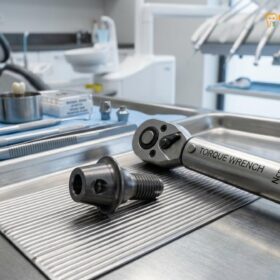
To fully grasp the financial mechanics of this treatment, one must understand the anatomy of the restoration. The components of dental implant therapy are not a single monolithic unit; they are a sophisticated assembly of precision-engineered parts. The first component is the implant fixture itself. This is the biocompatible post, typically fabricated from Grade 4 or Grade 5 titanium alloy, which is surgically placed into the osteotomy (the prepared site in the jawbone). The cost of the fixture varies significantly based on the manufacturer, the surface topography designed to enhance osseointegration, and the extensive research and development backing the specific implant system[2].
The second critical component is the abutment. This is the transitional connector that passes through the gingival tissue, linking the submerged implant fixture to the visible crown. Abutments can be prefabricated (stock) or custom-milled. Stock abutments are mass-produced and generally less expensive, but they may not provide optimal soft tissue support or ideal emergence profiles, particularly in the highly aesthetic anterior (front) regions of the mouth. Custom implant abutments, often milled from titanium or tooth-colored zirconia, are designed specifically for the individual patient’s anatomical contours. While they incur higher laboratory fees, they offer superior aesthetic outcomes and better long-term gingival health.
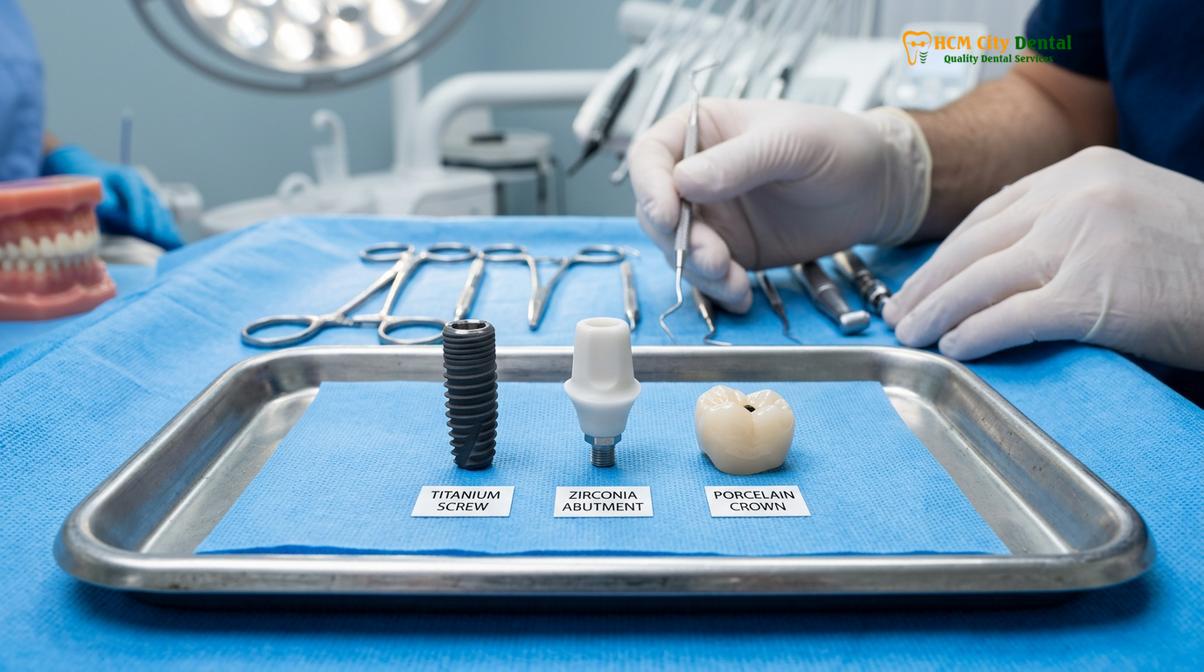
The final component is the prosthetic crown. This is the visible portion of the restoration that replicates the form, function, and appearance of a natural tooth. The cost of the crown is heavily dependent on the materials selected and the skill of the dental laboratory technician. Options range from porcelain-fused-to-metal (PFM) crowns, which offer durability at a moderate price point, to highly aesthetic monolithic zirconia or lithium disilicate (E.max) crowns. Premium materials require advanced CAD/CAM milling technology and meticulous hand-layering by master ceramists to achieve lifelike translucency and color matching.
| Component | Clinical Function | Primary Cost Variables |
|---|---|---|
| Implant Fixture | Acts as the artificial tooth root, integrating with the jawbone. | Brand reputation, titanium grade, surface treatment technology. |
| Abutment | Connects the submerged fixture to the visible prosthetic crown. | Stock vs. custom fabrication, material (titanium vs. zirconia). |
| Prosthetic Crown | Restores chewing function and aesthetic appearance. | Material selection (PFM, Zirconia), laboratory craftsmanship. |
| Provisional Crown | Provides temporary aesthetics and tissue shaping during healing. | Acrylic vs. composite materials, chairside vs. lab-fabricated. |
Furthermore, patients exploring immediate loading protocols must account for the cost of provisional (temporary) restorations. In these scenarios, a temporary crown is placed on the same day as the surgery to provide immediate aesthetics and guide the healing of the gum tissue. This provisional phase requires additional clinical time and specialized temporary components, which are often excluded from basic promotional pricing.
Surgical Overhead Fees: 3D CBCT Scans, Anaesthesia, and Sutures
Safe implant placement relies on advanced diagnostics and sterile surgical protocols, which often incur separate facility, technology, and anesthetic fees.
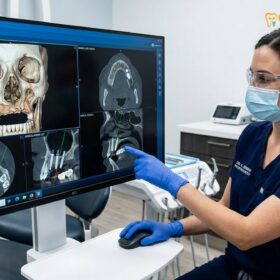
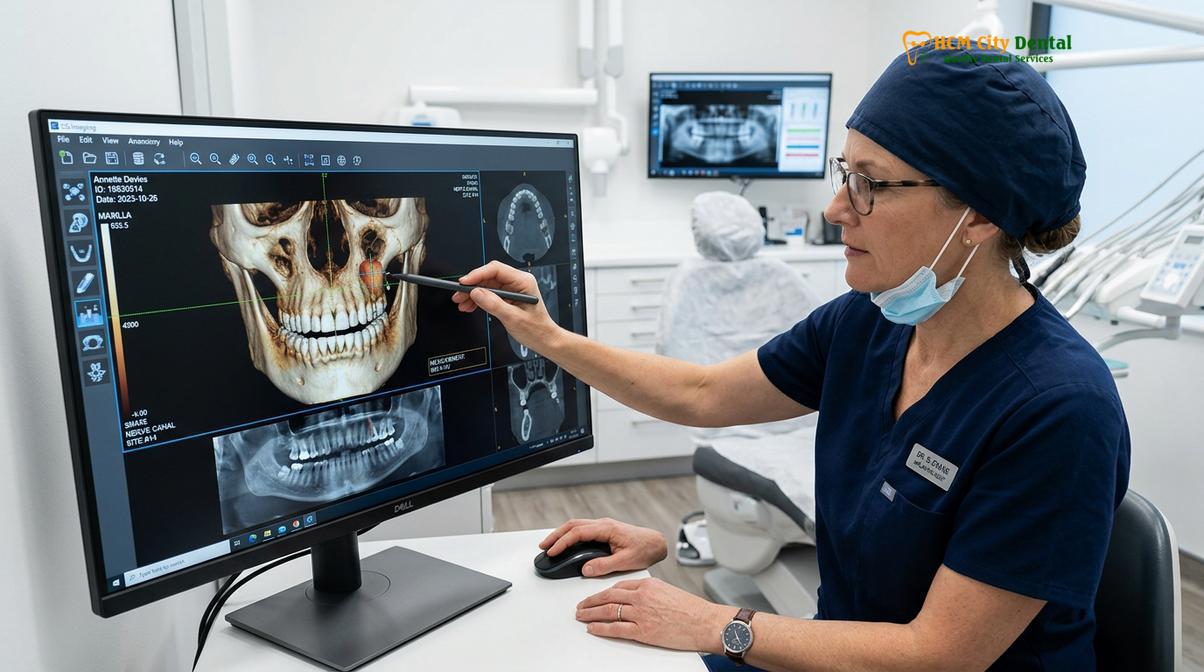
Beyond the tangible hardware of the implant itself, the surgical process involves significant overhead costs that are essential for patient safety and clinical success. The most critical of these is diagnostic imaging. Historically, dentists relied on two-dimensional panoramic X-rays to plan implant placement. However, modern standards of care dictate the use of Cone Beam Computed Tomography (CBCT). A CBCT scan provides a high-resolution, three-dimensional rendering of the patient’s maxillofacial anatomy. This allows the surgeon to precisely measure bone volume, locate vital structures such as the inferior alveolar nerve and the maxillary sinus, and virtually plan the exact trajectory of the implant[3].
The cbct scanning fee is a common hidden cost that surprises many patients. Because the equipment requires a substantial capital investment and specialized software for interpretation, clinics typically bill this as a separate diagnostic procedure. Attempting to place implants without 3D imaging significantly increases the risk of surgical complications, including nerve damage or sinus perforation. Therefore, while it adds to the initial cost, the CBCT scan is an indispensable investment in the safety and predictability of the treatment.
Another factor influencing surgical overhead is the use of advanced surgical instrumentation. For example, many top-tier clinics now utilize piezoelectric surgery units for bone preparation. Ultrasonic surgical techniques use micro-vibrations to cut bone with extreme precision while preserving adjacent soft tissues, nerves, and blood vessels. While this technology reduces postoperative swelling and accelerates healing, the specialized sterile tips and equipment maintenance contribute to the overall facility fee.
“The integration of 3D CBCT imaging and computer-guided surgical templates has revolutionized implantology. These technologies shift the paradigm from reactive surgery to proactive, restorative-driven planning, ensuring that the implant is placed in the optimal position for long-term biomechanical stability.”
Anesthesia and sedation also play a major role in the final quotation. While a single implant can often be placed under local anesthesia with minimal discomfort, patients undergoing multiple placements or complex grafting procedures may opt for intravenous (IV) sedation or general anesthesia. These modalities require the presence of a specialized anesthesiologist, advanced monitoring equipment, and extended recovery time in the clinic, all of which generate substantial additional fees. Even basic surgical consumables, such as specialized resorbable sutures, sterile draping, and customized surgical guides (stereolithographic templates used to direct the drill), are factored into the comprehensive surgical overhead.
Auxiliary Procedures: Bone Grafting, Sinus Lift, and Extractions
Adequate bone volume is a strict prerequisite for implant success, frequently necessitating additional grafting, sinus elevation, or extraction procedures prior to placement.
One of the most significant variables in implant pricing is the condition of the patient’s existing oral anatomy. Dental implants require a specific volume and density of healthy jawbone to achieve primary stability and long-term osseointegration. When a tooth is lost, the surrounding alveolar bone rapidly begins to resorb (shrink) due to the lack of biomechanical stimulation. If a patient has been missing a tooth for an extended period, or if the tooth was lost due to severe periodontal disease or trauma, there is a high probability that the remaining bone is insufficient to house an implant[4].
In these cases, bone augmentation is mandatory. The bone augmentation cost varies widely depending on the extent of the defect and the type of grafting material utilized. Surgeons may use autogenous bone (harvested from the patient), allografts (human donor bone), xenografts (animal-derived, typically bovine), or alloplasts (synthetic materials). Bone grafting procedures can range from minor socket preservation at the time of extraction to extensive ridge augmentation requiring titanium meshes and specialized barrier membranes. Each level of complexity adds surgical time, material costs, and healing months to the treatment plan.
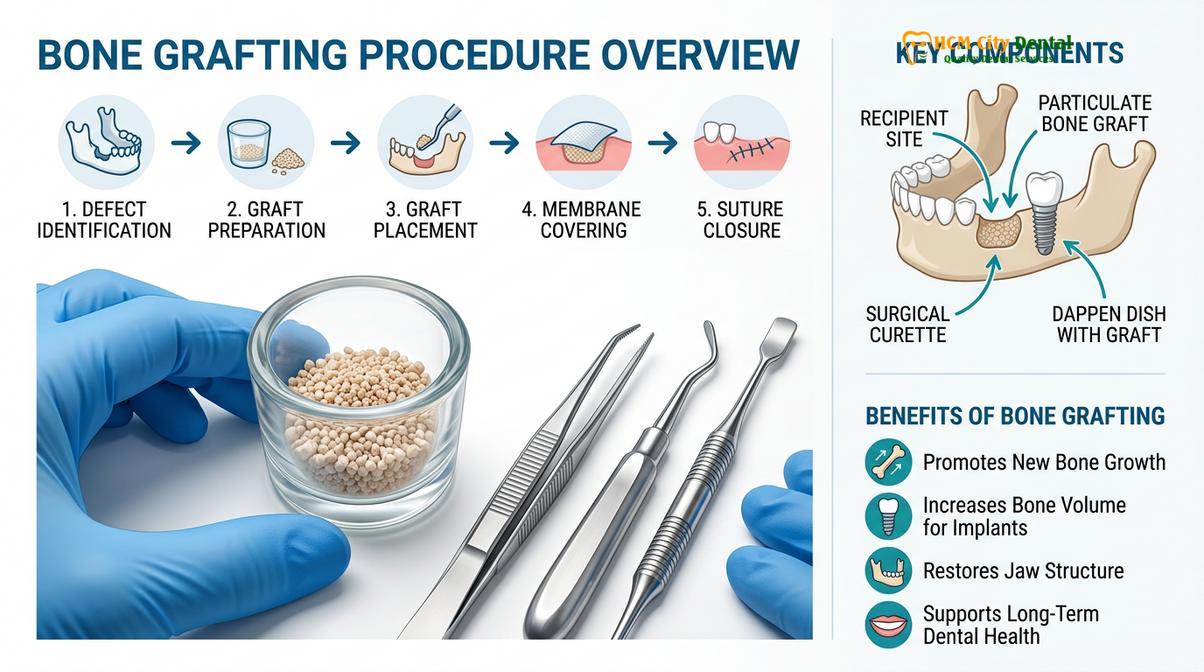
For implants placed in the posterior maxilla (upper back jaw), the proximity of the maxillary sinus presents a unique anatomical challenge. As the upper jawbone resorbs, the sinus cavity often expands downwards (pneumatization), leaving a paper-thin layer of bone that cannot support an implant. To resolve this, a sinus elevation surgery is required. This delicate procedure involves lifting the Schneiderian membrane and packing bone graft material beneath it to create a vertical column of bone. Sinus lifts are highly specialized procedures that significantly increase both the cost and the duration of the implant journey.
Clinical Warning: Proceeding with implant placement in areas of compromised bone density without adequate grafting severely increases the risk of early implant failure, peri-implantitis, and aesthetic deformities. Never compromise on necessary foundational surgeries to reduce initial costs.
Finally, if the implant is replacing a failing tooth that is still present in the mouth, the cost of the extraction must be factored in. Surgical extractions, particularly of multi-rooted molars or impacted teeth, require careful sectioning and atraumatic techniques to preserve the surrounding bone for the future implant. The fees for these extractions, along with any necessary immediate socket grafting, are critical components of the comprehensive treatment estimate.
How HCMC Dental Guarantees All-Inclusive Written Quotes
Transparent clinical workflows ensure that patients receive a finalized, itemized treatment plan before any surgical intervention begins, eliminating the stress of hidden fees.
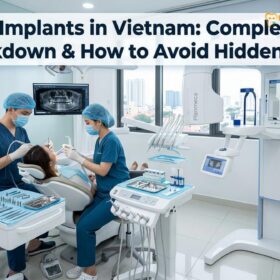
Addressing the anxiety surrounding the hidden costs of dental implants requires a systemic commitment to transparency. At HCMC Dental Clinic in Ho Chi Minh City, the clinical protocol is designed to eliminate financial ambiguity from the very first interaction. The process begins with a comprehensive diagnostic phase. Rather than providing a generic estimate over the phone, the clinical team insists on a thorough in-person evaluation, complete with 3D CBCT imaging and digital intraoral scanning. This allows the specialists to assess the exact anatomical realities of the patient’s mouth.
Once the diagnostics are complete, Dr. Nguyen Van Cuong and the restorative team collaborate to develop a customized treatment plan. This plan accounts for every necessary step, from potential extractions and grafting to the specific brand of the implant fixture and the material of the final crown. The clinic’s treatment coordinators then sit down with the patient to write initial quotation documents that are exhaustively itemized. Every fee—including facility charges, temporary prosthetics, and postoperative medications—is clearly listed. This ensures that the patient understands exactly what their financial commitment will be before they consent to treatment[5].
Patient Case Study: Transparent Full-Arch Restoration
A 62-year-old patient visited HCMC Dental Clinic in Ho Chi Minh City seeking a solution for a failing lower denture. Previous clinics had quoted a low base price for implants but vaguely mentioned “additional fees” for extractions and bone leveling. Dr. Cuong performed a CBCT scan and provided a comprehensive, all-inclusive quote for implant-supported overdentures. The written plan detailed the cost of four titanium fixtures, the locator abutments, the surgical guide, and the final reinforced acrylic prosthesis. The patient proceeded with confidence, knowing the exact final cost matched the initial written agreement, with zero hidden surcharges.
This commitment to all-inclusive pricing is particularly crucial for international patients traveling for dental care. By providing guaranteed, transparent quotes, clinics build a foundation of trust. Patients can budget accurately, knowing that their investment covers the highest standard of clinical care, premium materials, and comprehensive postoperative support without the fear of escalating costs mid-treatment.
When to See a Doctor for an Implant Consultation
A professional clinical evaluation is essential to determine your candidacy for implant therapy and to identify any underlying conditions that may complicate the surgical process.
Determining whether dental implants are the appropriate restorative solution requires a personalized assessment by a qualified dental professional. You should schedule a consultation if you are missing one or more teeth and are experiencing difficulty chewing, speaking, or feeling self-conscious about your smile. Additionally, if you currently wear removable dentures that are loose, uncomfortable, or cause sore spots on your gums, implant-supported solutions can offer a life-changing improvement in stability and function.
However, not everyone is an immediate candidate for surgery. It is crucial to see a doctor to evaluate potential contraindications. Patients with uncontrolled systemic conditions, such as severe diabetes or autoimmune disorders, may experience impaired healing and a higher risk of implant failure. Similarly, individuals with active periodontal (gum) disease must undergo comprehensive periodontal therapy to eradicate the infection before any implants can be safely placed. Heavy smoking is also a significant risk factor that compromises blood flow to the surgical site and impedes osseointegration.
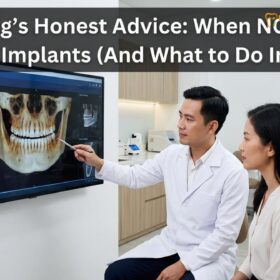
During your consultation, the clinician will review your complete medical history, perform a thorough oral examination, and utilize advanced imaging to assess your bone density. This diagnostic process is the only way to receive an accurate, individualized treatment plan and a transparent breakdown of the associated costs. If you are considering restoring your smile, seeking an expert opinion is the critical first step toward achieving a predictable and long-lasting result.
Frequently Asked Questions
Does the implant quote include the crown?
No, many advertised base quotes only cover the surgical placement of the titanium root, excluding the final crown. Patients must explicitly ask if the quotation covers the abutment and the final prosthetic restoration to avoid unexpected final billing. The crown itself involves significant laboratory fees and material costs, particularly if premium options like monolithic zirconia or custom-layered porcelain are selected for optimal aesthetics.
Will my quotation change after the CBCT scan?
Yes, a quotation can change if the 3D CBCT scan reveals insufficient bone density requiring unexpected grafting. The scan provides a three-dimensional view of your anatomy, allowing the surgeon to identify necessary preparatory procedures not visible on standard X-rays. If the scan shows that the sinus cavity is too low or the jawbone is too narrow, the addition of sinus lifts or ridge augmentation will increase the total cost of the treatment plan.
How can I identify a bait-and-switch quote?
You can identify misleading quotes by checking if the price explicitly lists the fixture, abutment, crown, and surgical fees. If an advertisement promotes an unusually low price for a ‘complete tooth,’ it likely omits critical restorative components or facility fees. Always request a written, itemized treatment plan during your consultation, and be wary of clinics that refuse to provide a comprehensive breakdown before asking for a financial commitment.
Are temporary teeth included in the standard implant cost?
Temporary prosthetics are typically billed as a separate line item unless explicitly stated in an all-inclusive package. If you require an immediate temporary crown for aesthetic purposes during the healing phase, this will incur additional laboratory and clinical fees. The fabrication of a functional and aesthetic provisional restoration requires specialized acrylics and chairside time, which are distinct from the costs of the final permanent crown.
Does dental insurance cover the hidden costs of implants?
Dental insurance rarely covers the entire procedure, though it may partially reimburse preparatory steps like extractions or basic imaging. Most policies classify the implant fixture itself as an elective or cosmetic upgrade, leaving the patient responsible for the majority of the surgical fees. It is essential to have the clinic’s financial coordinator submit a pre-treatment estimate to your insurance provider to clarify exactly which components and auxiliary procedures will be covered.
References
- Journal of Oral Implantology. Transparency in dental implant pricing and patient informed consent. (2021).
- International Journal of Oral and Maxillofacial Implants. The economic impact of auxiliary procedures in implant dentistry. (2020).
- Clinical Implant Dentistry and Related Research. Component failure rates and the cost of prosthetic maintenance. (2019).
- Journal of Clinical Periodontology. Bone augmentation techniques and associated clinical overheads. (2022).
- American Academy of Implant Dentistry. Guidelines for comprehensive treatment planning and fee presentation. (2018).
For personalized pricing, booking, and a free digital 3D CBCT scan, visit our Dental Implants service page or check our comprehensive Dental Implant Cost in Vietnam guide.