Securing high-quality braces for expat children involves navigating clinical options, international school schedules, and specialized pediatric orthodontic care. Early intervention and tailored treatment plans aim to support optimal dental development while accommodating the unique lifestyle of expatriate families living in Vietnam. At HCMC Dental Clinic in Ho Chi Minh City, comprehensive orthodontic protocols are designed to meet rigorous international standards.
For families relocating to or residing in Southeast Asia, managing a child’s long-term healthcare needs requires strategic planning and access to modern medical facilities. Pediatric orthodontics is a multi-year commitment that demands consistent clinical oversight, advanced biomechanical interventions, and a deep understanding of craniofacial growth. By leveraging the expertise available at an Expat Dental Clinic Ho Chi Minh City: Clinical Guide | HCMC Dental, parents can provide their children with structured dental care that aligns seamlessly with their educational and extracurricular lives.
Clinical Summary:
Pediatric orthodontics for expatriate families in Vietnam requires a comprehensive approach that balances advanced clinical biomechanics with logistical flexibility. Initiating evaluations by age seven allows for Phase 1 interceptive treatments, such as palatal expansion, which aim to correct skeletal discrepancies before permanent dentition fully establishes. For adolescents, the choice between traditional fixed appliances and clear aligner therapy depends on clinical severity, patient compliance, and lifestyle factors prevalent in international school environments. Treatment protocols at leading facilities adhere to stringent international sterilization standards, prioritizing patient safety. Furthermore, structured financial plans and strategic appointment scheduling around academic calendars make long-term orthodontic care highly accessible and manageable for international residents seeking optimal dental development for their children.
Key Takeaways:
- Initial orthodontic assessments should occur by age seven to evaluate skeletal growth and intercept developing malocclusions.
- Phase 1 treatments utilize appliances like palatal expanders to address structural jaw issues, potentially reducing the need for future extractions.
- Clear aligner systems offer an aesthetic, removable alternative to traditional braces, highly suited for active teenagers.
- Orthodontic workflows can be strategically synchronized with international school holidays to minimize academic disruption.
- Flexible installment plans and diverse payment modalities help ensure comprehensive care remains financially predictable for expat families.
Why Early Orthodontic Assessment Matters (Age 7 Guidelines)
The American Association of Orthodontists recommends an initial evaluation by age seven to detect skeletal discrepancies and malocclusions early, allowing for interceptive treatments that guide proper jaw growth.
The developmental window between the ages of six and eight is a critical period in pediatric dentistry, characterized by the transition from primary (baby) teeth to permanent dentition. This phase, known clinically as mixed dentition, provides orthodontists with a unique opportunity to evaluate the foundational architecture of the maxilla (upper jaw) and mandible (lower jaw). An early orthodontic assessment is not necessarily a precursor to the immediate application of brackets and wires; rather, it is a proactive diagnostic measure designed to monitor craniofacial growth and identify potential anomalies before they manifest into complex structural issues.
By the age of seven, the first permanent molars typically erupt, establishing the posterior occlusion (the way the back teeth bite together). This milestone allows the clinician to evaluate the anterior-posterior and transverse relationships of the jaws. Identifying conditions such as crossbites, severe crowding, open bites, or disproportionate jaw growth at this stage enables the implementation of growth modification techniques. These techniques harness the child’s natural developmental spurts to guide the facial bones into a more favorable alignment, a process that becomes significantly more challenging once skeletal maturity is reached[1].
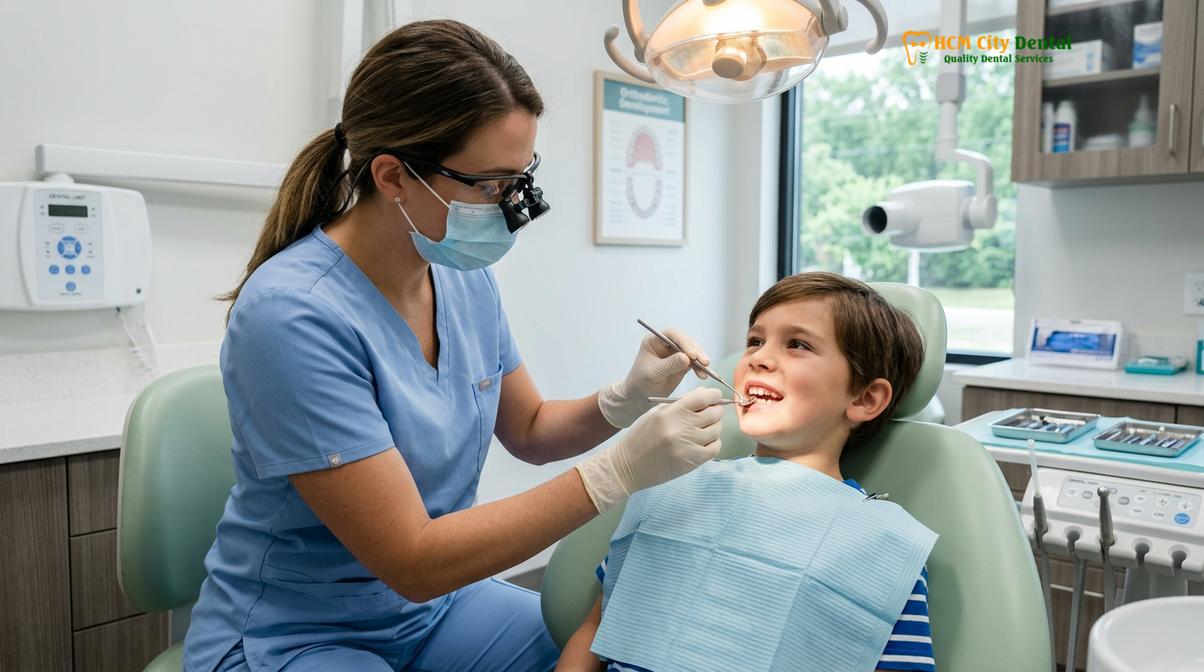
Early diagnostic imaging, including panoramic and cephalometric radiographs, is essential for visualizing the position of unerupted permanent teeth. This imaging helps detect potential impactions, particularly of the maxillary canines, which are prone to ectopic eruption (erupting in the wrong position). If an impaction is anticipated, interceptive measures, such as the strategic extraction of specific primary teeth, can be employed to create a natural pathway for the permanent tooth, thereby avoiding the need for complex surgical exposure and orthodontic traction in the future.
“Early orthodontic screening is a cornerstone of preventive dental medicine. By identifying skeletal disharmonies during the mixed dentition phase, clinicians can utilize the child’s active growth to address foundational issues, often reducing the complexity and duration of comprehensive Phase 2 treatments in adolescence.”
Furthermore, early assessment addresses detrimental oral habits that can severely impact dental and facial development. Prolonged thumb or digit sucking, tongue thrusting, and chronic mouth breathing can alter the resting posture of the oral musculature, leading to a narrowed maxillary arch and an anterior open bite. A specialized pediatric orthodontist can prescribe habit-breaking appliances or recommend myofunctional therapy to correct these functional issues, ensuring that the muscular environment supports healthy dental alignment.
Phase 1 Interceptive Orthodontics: Palatal Expanders and Spacers
Phase 1 orthodontics utilizes appliances like palatal expanders and space maintainers to correct structural jaw issues before all permanent teeth erupt, helping to prevent severe crowding.
When an early assessment reveals significant skeletal discrepancies, a two-phase treatment protocol is often recommended. Phase 1, or interceptive orthodontics, is initiated while the child still has a mix of primary and permanent teeth. The primary objective of this phase is not to achieve perfect alignment of the teeth, but rather to create an optimal physiological environment for the remaining permanent teeth to erupt safely and to harmonize the relationship between the upper and lower jaws.
One of the most common and effective interventions during Phase 1 is the use of a rapid palatal expander (RPE). A palatal expander is a custom-fabricated orthopedic device designed to widen a narrow maxilla. The maxilla is composed of two halves joined by the midpalatal suture, a band of cartilage that remains unfused during childhood. The RPE is bonded to the upper molars and features a central expansion screw. By turning this screw incrementally, gentle, continuous lateral pressure is applied to the two halves of the maxilla, stimulating bone deposition at the suture and effectively widening the upper jaw[2].
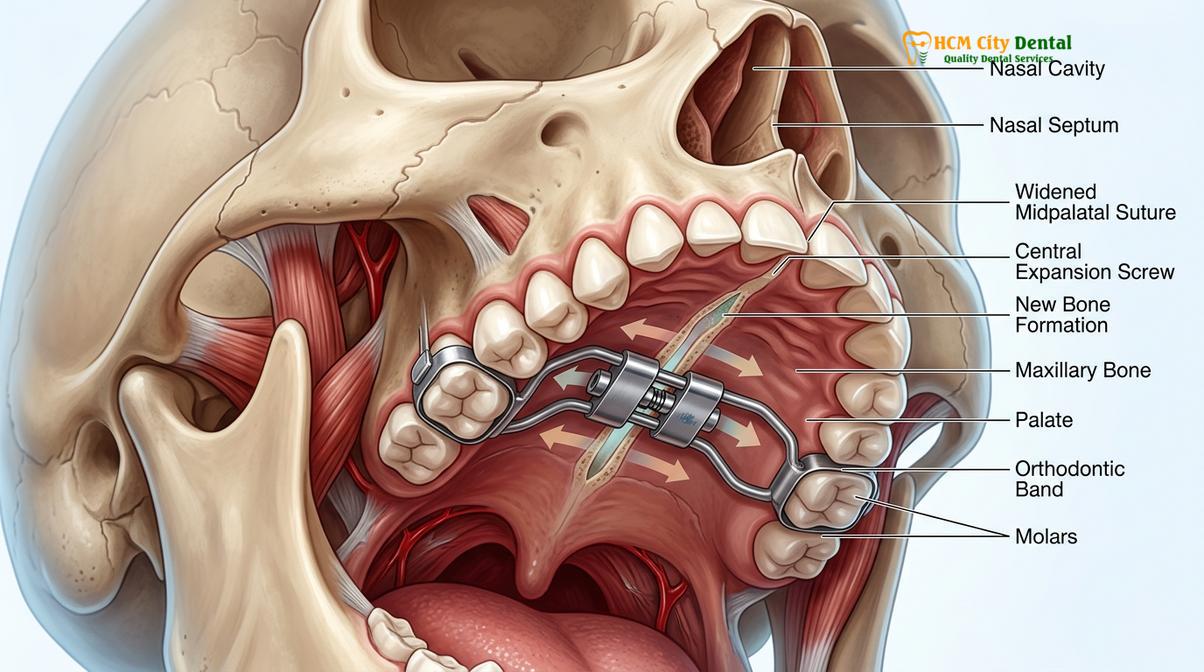
This expansion is crucial for correcting posterior crossbites, where the upper teeth bite inside the lower teeth, a condition that can lead to asymmetrical jaw growth and temporomandibular joint (TMJ) dysfunction if left untreated. Additionally, widening the arch creates essential space to alleviate severe crowding, often eliminating the need for the extraction of healthy permanent premolars during Phase 2 treatment. Parents may notice a temporary diastema (a gap between the upper front teeth) developing during the active expansion phase; this is a positive clinical sign indicating that the skeletal suture is successfully opening.
Another vital component of Phase 1 treatment involves space management. When a primary tooth is lost prematurely due to severe decay or trauma, the adjacent teeth tend to drift or tip into the vacant space. This migration blocks the eruption pathway for the underlying permanent tooth, leading to impaction or severe misalignment. To prevent this, space maintainers are utilized. These passive devices hold the space open until the permanent tooth is ready to emerge, preserving the arch length and preventing complex spatial complications.
Choosing Braces vs. Invisalign Teen for Children in International Schools
Selecting between traditional fixed braces and clear aligners depends on the child’s clinical malocclusion severity, compliance levels, and lifestyle factors within the international school environment.
As children transition into adolescence and all permanent teeth have erupted, Phase 2 (comprehensive orthodontics) begins. For expatriate families, choosing the right modality—traditional fixed braces or clear aligner therapy—requires balancing clinical efficacy with the psychosocial dynamics of teenage life. The environment of an international school is highly active, involving rigorous academics, competitive sports, and diverse extracurricular activities, all of which influence the choice of orthodontic appliance.
Traditional fixed braces, available in high-grade stainless steel or aesthetic ceramic options, remain a highly reliable method for treating complex, multi-dimensional malocclusions. These systems utilize brackets bonded directly to the enamel and archwires that apply continuous, precise biomechanical forces to move teeth into their ideal positions. Fixed appliances are highly efficient for correcting severe rotations, significant vertical discrepancies (such as deep bites or open bites), and complex root movements. Because they are permanently attached during the treatment duration, they eliminate the variable of patient compliance regarding wear time, ensuring continuous therapeutic progress.
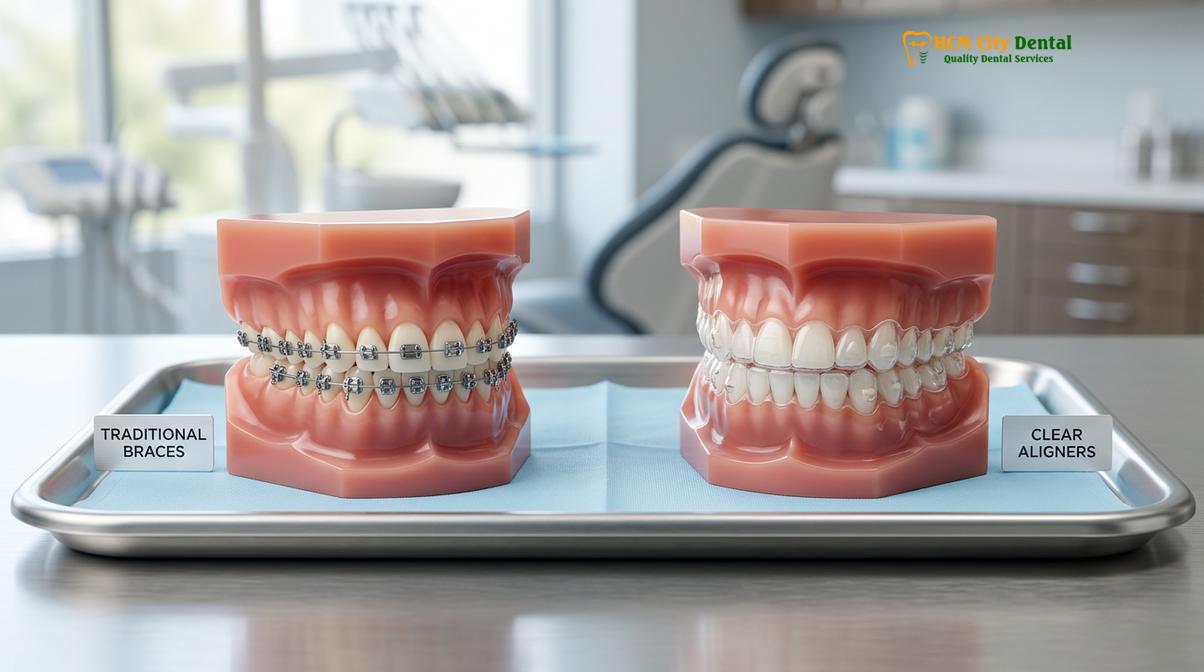
Conversely, clear aligner therapy has revolutionized adolescent orthodontics. A clear aligner treatment plan utilizes a series of custom-manufactured, transparent thermoplastic trays that incrementally reposition the teeth. This system is highly appealing due to its aesthetic discretion, allowing teenagers to undergo treatment without the self-consciousness often associated with metal brackets[3]. The psychosocial benefits are significant, as maintaining self-esteem during the formative adolescent years is a primary concern for many parents and clinicians alike, a sentiment echoed by global dental federations regarding the impact of malocclusion on youth wellbeing[5].
Beyond aesthetics, clear aligners offer substantial functional advantages. Because the trays are removable, patients can maintain their normal dietary habits without the restrictions imposed by fixed braces. More importantly, oral hygiene is vastly simplified. Teenagers can brush and floss normally without navigating around brackets and wires, significantly reducing the risk of decalcification (white spot lesions) and gingival inflammation. For students involved in contact sports or playing wind instruments, the ability to remove the aligners provides unparalleled convenience and safety.
| Feature | Traditional Fixed Braces | Clear Aligner Therapy (Teen) |
|---|---|---|
| Aesthetics | Highly visible (metal) or moderately visible (ceramic). | Virtually invisible, highly discreet. |
| Compliance | Requires no patient compliance for wear time (fixed). | Requires strict compliance (20-22 hours of wear per day). |
| Dietary Restrictions | Must avoid hard, sticky, and crunchy foods to prevent breakages. | No restrictions; aligners are removed during meals. |
| Oral Hygiene | Requires specialized tools (interdental brushes, water flossers). | Standard brushing and flossing; easy to maintain. |
| Clinical Scope | Effective for all types of malocclusions, including severe cases. | Highly effective for mild to moderate cases; advancing for complex cases. |
Syncing Appointments with International School Holidays
Coordinating orthodontic adjustments with international school calendars minimizes academic disruption, utilizing term breaks for major appliance installations and routine checkups.
One of the primary logistical challenges for expatriate families is managing ongoing medical treatments alongside demanding academic schedules and frequent international travel. Orthodontic treatment requires consistent monitoring, typically involving adjustment appointments every four to eight weeks, depending on the modality used. To accommodate this, specialized clinics have developed highly flexible scheduling protocols designed to synchronize with the standard international school calendar.
Major clinical milestones, such as the initial comprehensive diagnostic records, the bonding of brackets, or the delivery of the first set of clear aligners, require longer chair time. These extended appointments are strategically planned to coincide with significant academic breaks, such as the extended summer holiday, the October mid-term break, the Christmas recess, or the local Tet (Lunar New Year) holidays. By utilizing these windows, students avoid missing crucial classroom instruction, and parents are relieved of the stress of coordinating mid-day school pickups.
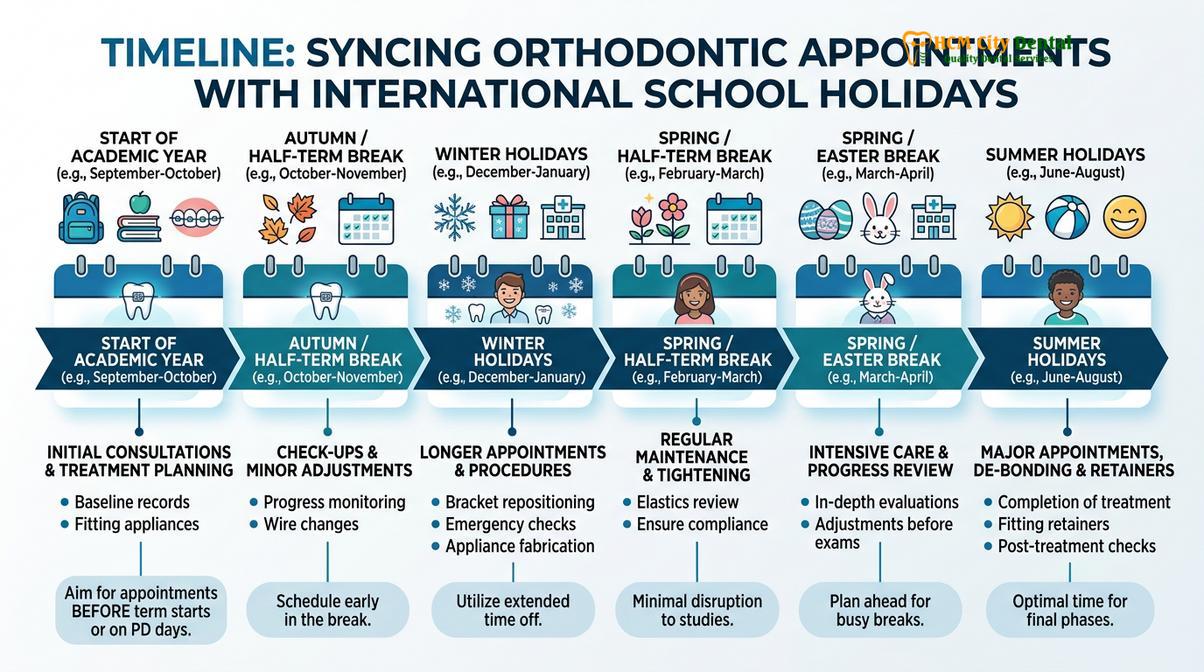
Routine adjustment appointments, which involve changing archwires, replacing elastomeric ligatures, or delivering the next sequence of aligners, are generally brief. These are accommodated through extended clinic hours, offering late afternoon, evening, or weekend slots. This flexibility ensures that the treatment momentum is maintained without compromising the student’s educational or extracurricular commitments. For families traveling from outside the immediate metropolitan area, such as those utilizing Dental Tourism Vietnam vs Thailand | HCMC Dental comparisons to choose Vietnam over other hubs, consolidated appointment structures can be arranged to maximize clinical efficiency during short visits.
Affordable Payment Plans and Installments for Expat Families
Orthodontic care is a significant investment, but flexible payment structures and insurance support make comprehensive treatment highly accessible for expatriates in Vietnam.
Understanding the financial commitment of pediatric orthodontics is essential for expatriate families planning long-term care. The cost of braces or clear aligners varies based on the complexity of the malocclusion, the chosen modality, and the anticipated duration of treatment. However, compared to Western countries, receiving high-quality orthodontic care in Vietnam offers substantial financial advantages without compromising on clinical standards or materials.
To ease the financial burden, many modern dental facilities offer structured, interest-free installment plans. These plans typically involve an initial deposit covering the diagnostic records and appliance fabrication, followed by manageable monthly or quarterly payments spread across the active treatment phase. This approach allows families to budget effectively while ensuring their child receives uninterrupted care. For those looking to understand the broader financial picture of dental care in the region, resources like Calculate Total Cost Dental Vacation Vietnam | HCMC Dental provide valuable insights into treatment economics.
“Transparent financial planning is integral to a stress-free orthodontic journey. By offering flexible payment modalities and assisting with international insurance documentation, clinics empower expat families to prioritize their children’s dental health without unexpected financial strain.”
Furthermore, navigating international health insurance can be complex. Many expatriate insurance policies include provisions for pediatric orthodontics, particularly if the treatment is deemed medically necessary to correct severe functional impairments. Clinics accustomed to serving the expat community provide comprehensive support in generating the required clinical documentation, including detailed treatment plans, diagnostic radiographs, and itemized invoices. Families are encouraged to review guides such as Claim Dental Work Overseas: Bupa, Allianz & Insurance Guide | HCMC Dental to maximize their eligible reimbursements.
Infection Control and Clinical Safety Standards
Adherence to rigorous international sterilization protocols ensures a safe, hygienic environment for pediatric patients undergoing long-term orthodontic care.
When selecting a facility for a child’s orthodontic treatment, clinical safety and infection control are paramount. Expatriate families expect standards of care that mirror or exceed those in their home countries. Leading dental centers implement comprehensive sterilization workflows, utilizing Class B autoclaves for the sterilization of all critical and semi-critical instruments, including orthodontic pliers, mirrors, and handpieces.
All clinical procedures strictly adhere to the infection prevention guidelines established by the World Health Organization (WHO) Vietnam, ensuring a sterile and safe environment for every pediatric patient[4]. Single-use barriers, high-volume evacuation systems, and rigorous surface disinfection protocols are standard practice in every operatory. Maintaining excellent oral hygiene during orthodontics is also critical; integrating a Dental Cleaning Scaling Expat Package | HCMC Dental into the child’s routine care helps prevent decalcification and gingivitis while wearing appliances.
When to Consult an Orthodontist: Important Clinical Notes
Recognizing the early signs of malocclusion and knowing how to handle orthodontic emergencies are critical components of a successful pediatric treatment journey.
Parents play a vital role in identifying early indicators that a child may benefit from an orthodontic evaluation. While the age of seven is the standard guideline for an initial screening, certain clinical signs warrant immediate professional attention regardless of age. Observing a child’s oral habits, chewing patterns, and facial symmetry can provide valuable clues about their developing dentition.
Clinical Warning Signs Requiring Orthodontic Evaluation:
- Early or Late Loss of Baby Teeth: Premature loss can cause adjacent teeth to shift, blocking permanent teeth.
- Difficulty Chewing or Biting: Indicates potential functional issues with the jaw alignment.
- Mouth Breathing: Often linked to narrow dental arches and altered facial growth.
- Prolonged Thumb Sucking: Can lead to an anterior open bite and protruding upper incisors.
- Crowded, Misplaced, or Blocked-Out Teeth: Visible signs of insufficient arch space.
- Jaws that Shift or Make Sounds: May indicate temporomandibular joint (TMJ) discrepancies.
In the event of an orthodontic emergency—such as a broken bracket, a poking archwire, or a lost aligner—prompt communication with the clinical team is essential. Most minor issues can be temporarily managed at home using orthodontic wax to cover sharp edges, preventing soft tissue irritation. However, a follow-up appointment should be scheduled promptly to repair the appliance and ensure the treatment mechanics remain on track.
Case Study: Interceptive Orthodontics for an Expat Child
A clinical look at how early intervention and tailored treatment planning successfully corrected a severe crossbite for an expatriate pediatric patient.
To illustrate the impact of timely orthodontic care, consider the case of an eight-year-old patient whose family recently relocated to Vietnam. During a routine pediatric checkup, the attending dentist noted a significant posterior crossbite and severe crowding in the maxillary arch. The family was referred for a comprehensive orthodontic evaluation to address these developing skeletal discrepancies before they worsened.
Patient Profile: 8-year-old male, mixed dentition phase.
Clinical Presentation: Unilateral posterior crossbite, narrow maxilla, and insufficient space for erupting permanent lateral incisors.
Treatment Plan (Phase 1): The clinical team recommended a Rapid Palatal Expander (RPE) to widen the upper jaw, correct the crossbite, and create necessary arch length. The appliance was custom-fabricated and bonded to the primary molars.
Outcome: After four months of active expansion and a subsequent retention period, the crossbite was fully corrected. The newly created space allowed the permanent incisors to erupt naturally without the need for extractions. The patient is now in a monitoring phase, with Phase 2 treatment expected to be significantly shorter and less complex.
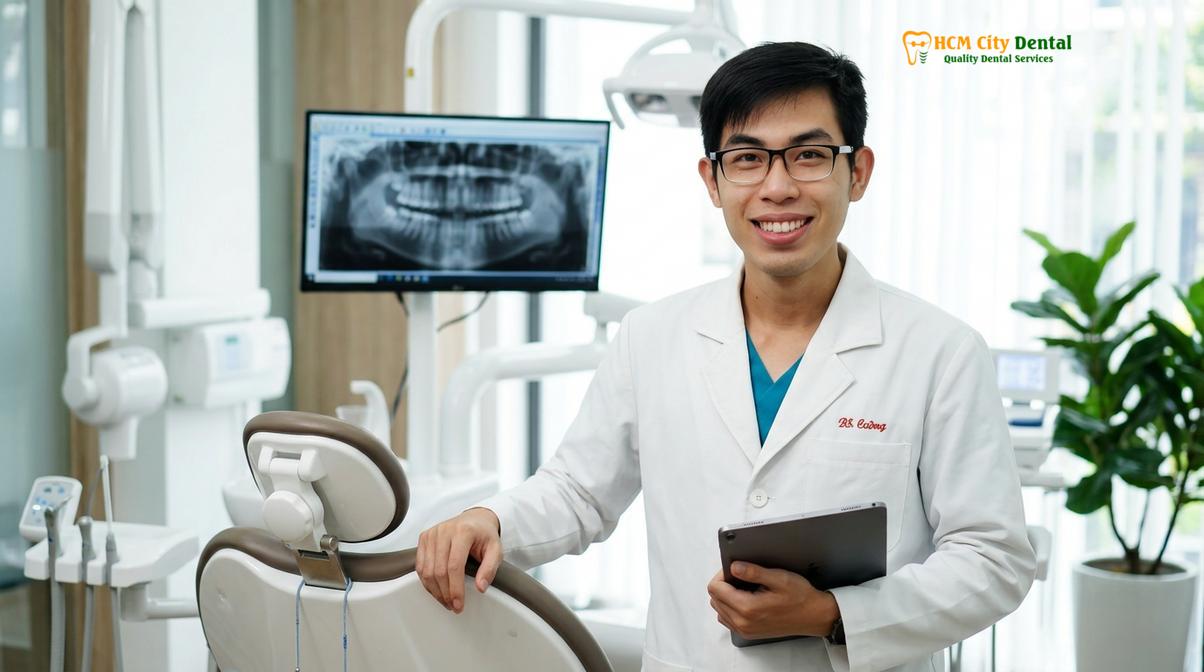
Dr. Nguyen Van Cuong emphasizes that early intervention can drastically reduce the complexity of teenage orthodontics. Under the guidance of Dr. Cuong, the clinical team meticulously plans each phase of treatment to align with the child’s natural growth spurts. For families concerned about the financial investment, exploring the Braces in Vietnam Price: Save Thousands! [Full Guide] | Dr. Cuong provides transparent insights into affordable, world-class care.
Families seeking comprehensive Orthodontics tại HCMC Dental Clinic can expect a structured, patient-centric approach that prioritizes both clinical excellence and logistical convenience. By addressing foundational issues early and utilizing advanced modalities like clear aligners during adolescence, expatriate children can achieve healthy, functional, and confident smiles. To schedule an initial pediatric assessment, contact HCMC Dental Clinic in Ho Chi Minh City today.
Frequently Asked Questions
What is the best age to take my child for their first braces checkup?
The optimal age for an initial orthodontic evaluation is seven years old. At this developmental stage, the first permanent molars have typically erupted, establishing the posterior occlusion and allowing orthodontists to evaluate anterior-posterior and transverse relationships. Early assessment provides a baseline to monitor skeletal growth and dental development, ensuring that any necessary interceptive measures are timed perfectly with the child’s natural growth spurts.
Can expat children get Invisalign at HCMC Dental Clinic?
Yes, comprehensive clear aligner therapy, including specialized teen systems, is fully available for expatriate pediatric patients. These systems utilize advanced thermoplastic materials and customized attachments to execute complex tooth movements. The treatment is particularly popular among students in international schools due to its aesthetic discretion and the ability to remove the aligners for sports, musical instruments, and meals.
Are orthodontic adjustments flexible around school schedules?
Orthodontic adjustment appointments are highly adaptable and strategically planned around international school academic calendars. Clinical workflows are designed to utilize major term breaks, such as summer holidays or winter recesses, for longer procedures like initial bonding or appliance delivery. Routine adjustments can be scheduled during after-school hours or minor term breaks, minimizing any disruption to the student’s educational commitments.
How do we handle orthodontic emergencies if an appliance breaks?
In the event of an orthodontic emergency, such as a broken bracket or a protruding archwire, immediate clinical support is accessible. Patients are advised to use orthodontic wax to cover any sharp components temporarily and contact the clinic’s dedicated communication channels. Priority appointments are arranged to resolve the mechanical failure, alleviate discomfort, and ensure the treatment trajectory remains uninterrupted.
What payment methods are accepted for pediatric orthodontic treatments?
A wide array of secure payment modalities is accepted to accommodate the diverse financial preferences of expatriate families. These include major international credit networks, direct international bank transfers, and cash payments. Additionally, modern digital transactions are fully supported, often integrated with structured, interest-free installment plans to distribute the investment over the treatment duration.
References
- American Association of Orthodontists (AAO). Clinical Guidelines for Early Orthodontic Interventions.
- Journal of Clinical Orthodontics. Biomechanics of Rapid Maxillary Expansion in Pediatric Patients.
- International Journal of Paediatric Dentistry. Compliance and Efficacy of Clear Aligners in Adolescents.
- World Health Organization (WHO) Vietnam. Global Standards for Infection Prevention and Control in Dental Settings.
- FDI World Dental Federation. The Impact of Malocclusion on Psychosocial Wellbeing in Adolescents.
For professional children’s dental care, preventive sealants, or to schedule a check-up, visit our Children & Pediatric Dentistry service page at HCMC Dental Clinic in Ho Chi Minh City.