Airflow prophylaxis is an advanced dental cleaning technology utilizing a controlled, pressurized stream of warm water, compressed air, and micro-fine powder to eradicate bacterial biofilm and surface stains. This minimally invasive protocol offers a highly effective, comfortable alternative to traditional scraping for maintaining optimal oral hygiene and periodontal health.
Clinical Summary:
Airflow Prophylaxis Stain Removal in Vietnam represents a paradigm shift in preventive dentistry, moving away from abrasive mechanical scraping toward Guided Biofilm Therapy (GBT). By utilizing low-abrasion powders such as erythritol or glycine, the Airflow system effectively disrupts the sticky bacterial matrix (biofilm) and eliminates extrinsic chromogenic stains caused by coffee, tea, and tobacco. This non-contact method preserves the integrity of natural enamel, delicate cementum, and complex dental restorations like implants and orthodontic brackets. Furthermore, the integration of temperature-controlled water significantly mitigates dentinal hypersensitivity, ensuring a comfortable patient experience while achieving superior clinical cleanliness.
Key Takeaways:
- Airflow technology uses kinetic energy, warm water, and fine powder to remove plaque without metal scraping.
- Erythritol powder (14 microns) is safe for enamel, dentin, soft tissues, and titanium implants.
- The system effectively eradicates stubborn extrinsic stains from coffee, tea, red wine, and tobacco.
- Water heated to 40°C prevents the activation of pain receptors, making it ideal for sensitive teeth.
- It is a core component of Guided Biofilm Therapy (GBT), offering a superior standard of preventive care.
What is Air-Flow Prophylaxis? The Powder-Jet Cleaning Technology
Air-Flow prophylaxis is a modern dental hygiene treatment that projects a pressurized mix of air, warm water, and micro-fine powder to safely wash away plaque, early calculus, and pigmentation.
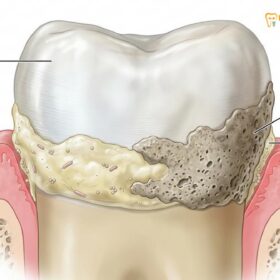
The foundation of modern preventive dentistry relies on the effective management of dental plaque, clinically referred to as biofilm. Biofilm is a complex, three-dimensional matrix of bacteria that adheres tightly to the tooth surface, restorations, and prosthetic appliances. If left undisturbed, this bacterial colony matures, calcifies into tartar (calculus), and triggers an inflammatory immune response leading to gingivitis and periodontitis. Traditional methods of biofilm removal have historically relied on mechanical debridement using sharp metal hand instruments and ultrasonic scalers. However, the introduction of Air-Flow prophylaxis has revolutionized this approach by utilizing fluid dynamics and kinetic energy rather than mechanical friction.
Air-Flow technology operates on a highly sophisticated mechanism. A specialized handpiece accelerates a precisely calibrated mixture of compressed air, temperature-controlled water, and specialized prophylaxis powder through a nozzle. When this pressurized stream impacts the tooth surface, the kinetic energy of the powder particles disrupts the sticky biofilm matrix, instantly detaching the bacteria and flushing them away. This process is entirely non-contact regarding rigid instruments; only the fluid and powder interact with the tooth structure, making it a highly conservative and tissue-preserving procedure[1].
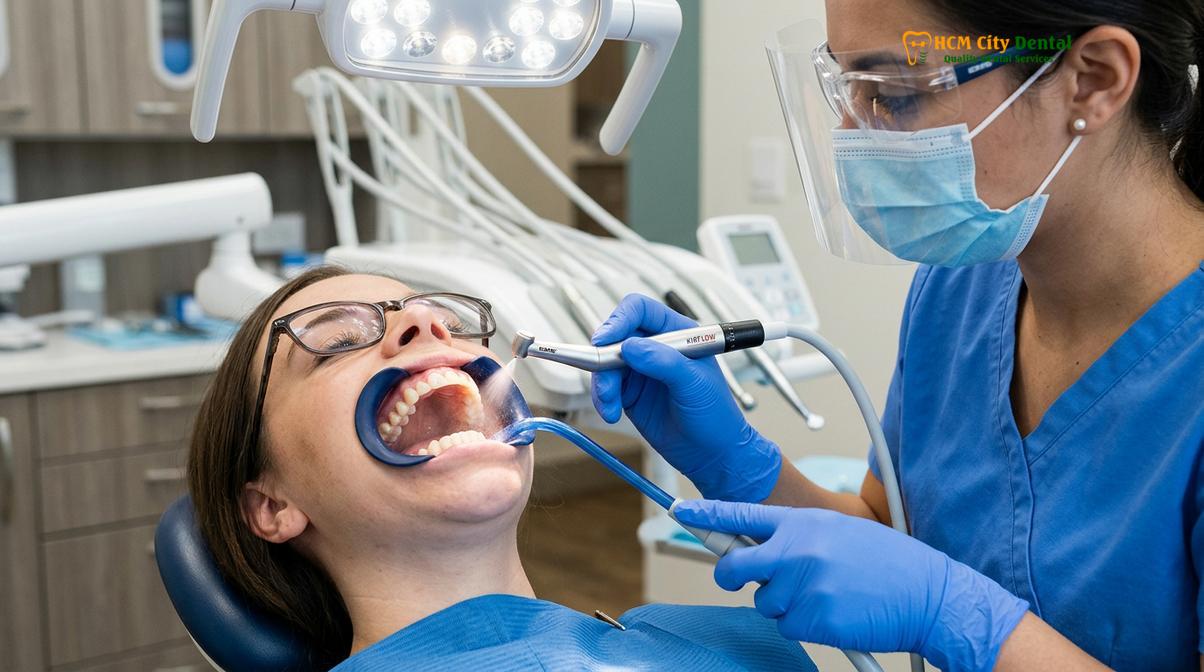
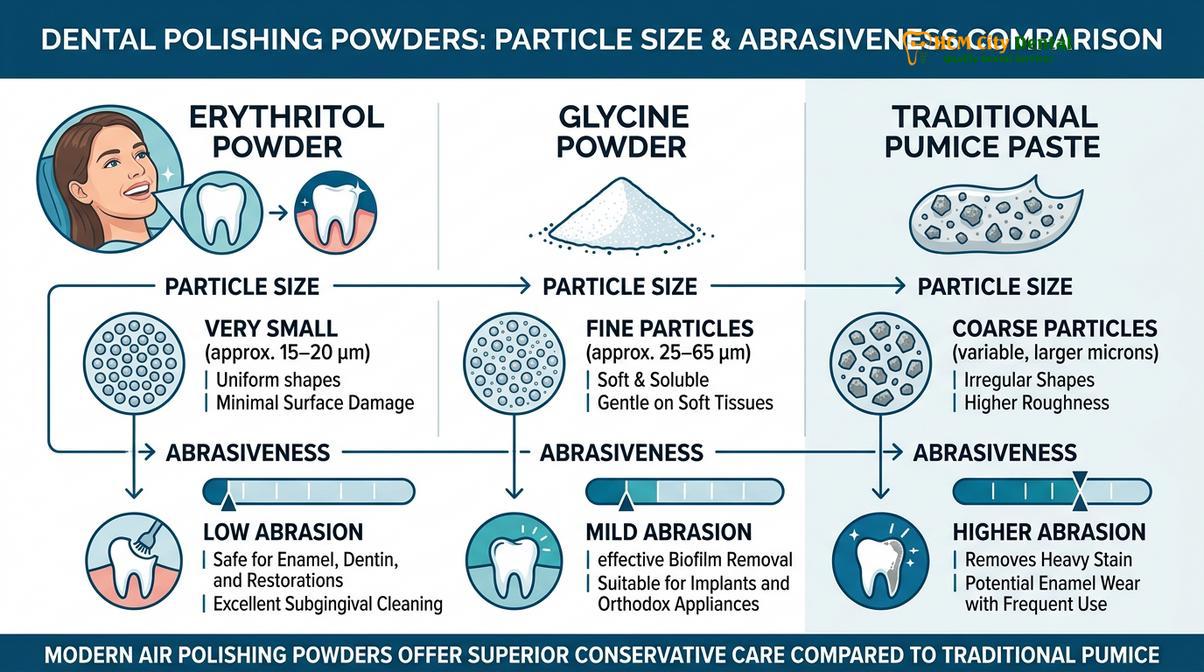
The efficacy and safety of the Air-Flow system are heavily dependent on the type of powder utilized. Historically, sodium bicarbonate (baking soda) with a particle size of around 40 to 65 microns was the standard. While effective for heavy stain removal on intact enamel, its larger particle size and angular shape made it too abrasive for exposed root surfaces (dentin and cementum) or delicate gingival tissues. Today, modern clinics employ advanced, ultra-fine powders. Glycine powder, an amino acid with a particle size of approximately 25 microns, offers a significantly softer approach, allowing for safe subgingival (below the gumline) cleaning. However, the current gold standard in Air-Flow prophylaxis is the erythritol powder jet. Erythritol is a sugar alcohol with an incredibly fine particle size of just 14 microns. It is minimally abrasive, highly water-soluble, and possesses mild antimicrobial properties, making it universally safe for all oral surfaces, including enamel, dentin, soft tissues, and restorative materials.
Dr. Nguyen Van Cuong, a leading advocate for minimally invasive dentistry, emphasizes the importance of this technological shift. “The transition from mechanical scraping to kinetic biofilm disruption allows us to preserve the microscopic integrity of the tooth surface. Every time we use an abrasive paste or a metal curette, we risk creating micro-scratches that actually encourage faster plaque accumulation in the future. Air-Flow with erythritol powder leaves the surface perfectly smooth and biologically clean,” notes Dr. Cuong. This advanced approach to General Dentistry ensures that patients receive the highest standard of preventive care without compromising their natural tooth structure.
Comparing Air-Flow vs. Traditional Scraping and Polishing Paste
Unlike traditional scaling that uses sharp metal instruments and abrasive pastes, Air-Flow utilizes a non-contact powder jet to clean teeth without scratching the enamel or irritating the gums.
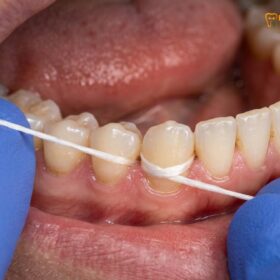
To fully appreciate the clinical advantages of Air-Flow prophylaxis, it is essential to compare it directly with the traditional prophylaxis workflow. The conventional dental cleaning process typically involves two distinct phases: scaling and polishing. Scaling is performed using ultrasonic devices that vibrate at high frequencies to shatter hard calculus, followed by hand curettes (metal hooks) to scrape away remaining plaque and tartar from the tooth surface and root planes. Following scaling, the teeth are polished using a rotating rubber cup filled with a gritty prophylaxis paste (often containing pumice) to remove surface stains and smooth the enamel.
While this traditional method is effective at removing bulk deposits, it presents several clinical drawbacks. The mechanical scraping of metal against the tooth can inadvertently remove microscopic layers of enamel and cementum over time. Furthermore, the abrasive nature of traditional polishing pastes (which often have a high Relative Dentin Abrasivity, or RDA, score) can leave micro-striations on the tooth surface. These microscopic scratches increase the surface roughness of the tooth, creating an ideal retentive environment for new biofilm to adhere to, essentially accelerating the rate at which plaque and stains return[2].
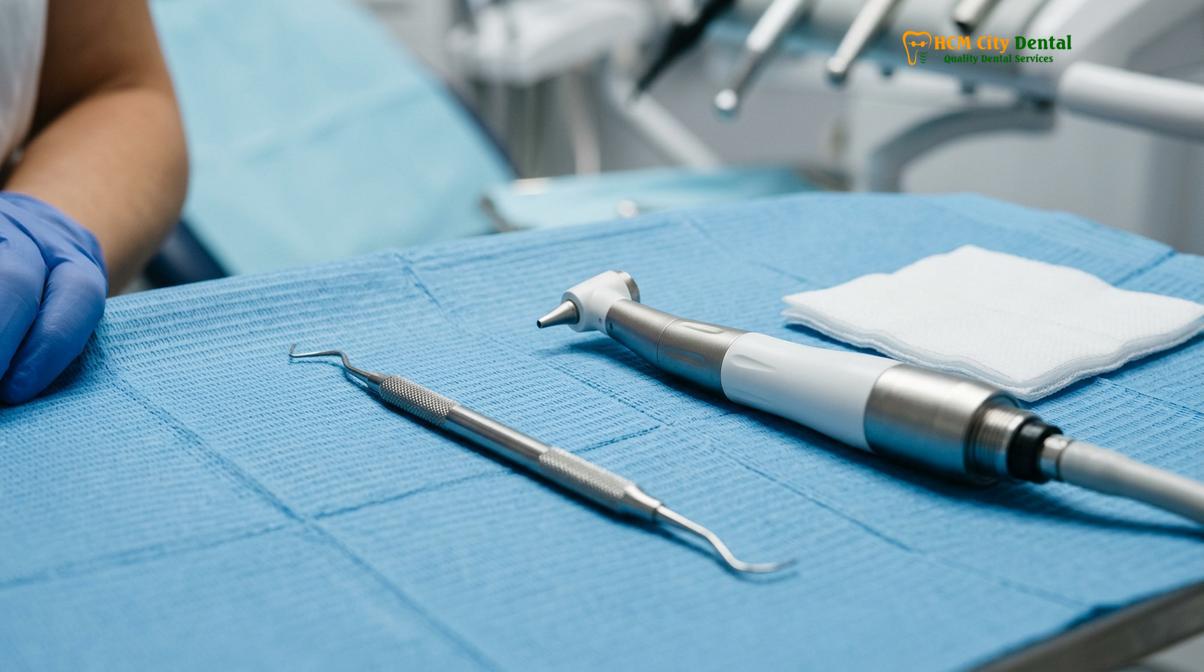
In contrast, Air-Flow prophylaxis operates on the principle of Guided Biofilm Therapy (GBT). The Air-Flow handpiece replaces both the hand scaling of soft plaque and the rubber cup polishing. Because the erythritol powder is softer than both enamel and dentin (measuring lower on the Mohs hardness scale), it is physically impossible for the powder to scratch the tooth structure. The kinetic spray reaches into deep anatomical grooves, fissures, and interproximal spaces (between the teeth) that a bulky rubber cup simply cannot access. This makes it a highly sought-after painless scaling alternative for patients seeking comprehensive oral hygiene.
| Clinical Parameter | Traditional Scaling & Polishing | Air-Flow Prophylaxis (Erythritol) |
|---|---|---|
| Mechanism of Action | Mechanical friction and scraping | Kinetic energy and fluid dynamics |
| Abrasiveness | High (risk of micro-scratches) | Extremely Low (preserves tooth structure) |
| Access to Deep Fissures | Poor (rubber cup cannot penetrate) | Excellent (powder spray reaches all areas) |
| Patient Comfort | Often uncomfortable, vibration, scraping sounds | Highly comfortable, quiet, warm water |
| Safety on Implants | Metal tools can scratch titanium | 100% safe for titanium and zirconia |
Furthermore, the traditional polishing process generates significant friction, which can heat the tooth and cause discomfort, whereas the Air-Flow system continuously cools the tooth with its water spray. By eliminating the need for abrasive pastes and reducing the reliance on metal hand instruments for soft plaque removal, Air-Flow preserves the natural gloss of the enamel and maintains the structural integrity of the teeth, representing a significant advancement in routine dental care.
Removing Stubborn Stains: Coffee, Tea, Red Wine, and Tobacco
The kinetic energy of the powder jet effectively breaks down and removes extrinsic chromogenic stains from dietary habits and smoking, restoring the natural brightness of the teeth.
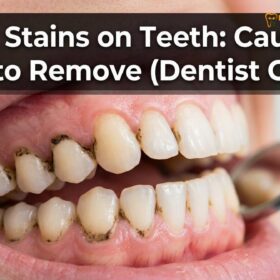
One of the most visually dramatic benefits of Air-Flow prophylaxis is its unparalleled ability to eradicate stubborn extrinsic stains. Extrinsic staining occurs when chromogenic (color-producing) compounds from food, beverages, and lifestyle habits bind to the acquired pellicle—a thin protein layer that naturally forms over the enamel. Common culprits include tannins found in tea and red wine, melanoidins produced during the roasting of coffee beans, and tar from tobacco smoke. Over time, these compounds penetrate the microscopic pores of the enamel and accumulate in the developmental grooves and pits of the teeth, leading to a yellow, brown, or even black discoloration.
Traditional stain removal methods often struggle with severe discoloration. A rubber polishing cup can only clean the flat, accessible surfaces of the teeth. When stains are deeply embedded in the occlusal fissures (the biting surfaces of molars) or tightly packed between crowded teeth, the rubber cup cannot reach them. Dentists are sometimes forced to use aggressive hand scaling to scrape the stains away, which is tedious, uncomfortable, and risks damaging the enamel. For patients frequently searching for a coffee stains dentist, this traditional approach often yields incomplete results.
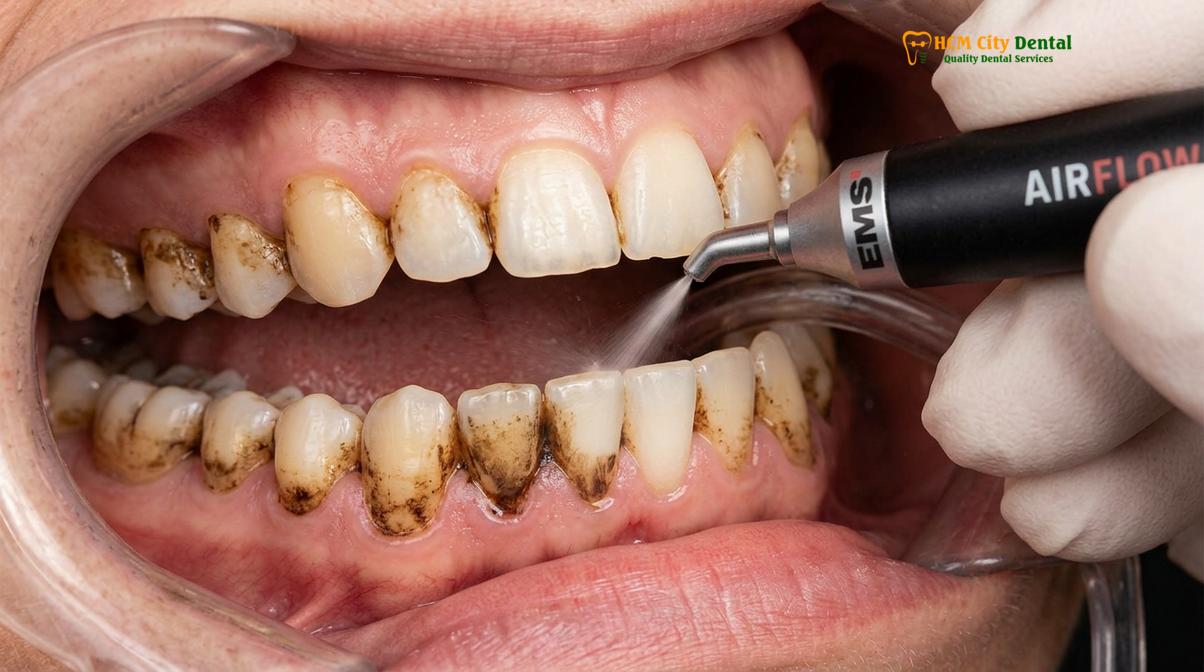
Air-Flow technology resolves this issue through the precise application of kinetic energy. The pressurized spray of water and micro-fine powder acts like a miniature, highly controlled pressure washer. The particles are small enough to penetrate the deepest pits, fissures, and interdental spaces, physically breaking the chemical bonds between the chromogens and the pellicle layer. The stains are instantly blasted away and flushed out of the mouth by the water stream, revealing the true, natural color of the underlying enamel without the use of harsh chemical bleaching agents[3].
Clinical Case Study: Extrinsic Stain Management
A 42-year-old patient visited HCMC Dental Clinic in Ho Chi Minh City presenting with severe dark brown extrinsic staining on the lingual (tongue-facing) surfaces of the lower incisors, attributed to a decade of heavy espresso consumption and occasional pipe smoking. Traditional polishing during previous visits at other clinics had failed to remove the stains lodged in the interproximal spaces. Utilizing the Air-Flow system with erythritol powder, the clinical team successfully eradicated 100% of the visible staining in a single 15-minute session. The patient reported zero discomfort and was highly satisfied with the immediate restoration of their natural tooth shade, highlighting the efficacy of advanced dental stain removal HCMC protocols.
This rapid and highly effective stain removal is particularly beneficial for patients preparing for cosmetic dental procedures. By completely removing all surface barriers, Air-Flow ensures that chemical teeth whitening gels can penetrate the enamel evenly, and it provides a perfectly clean substrate for the bonding of composite resins or porcelain veneers. It has become an indispensable tool in the realm of Saigon cosmetic dentistry.
Clinical Benefits: Cleaning Biofilm from Implants and Orthodontic Brackets
Air-Flow is the gold standard for cleaning complex dental work, as the fine powder safely penetrates around orthodontic brackets and delicate implant surfaces without causing micro-scratches.
While Air-Flow is exceptional for natural teeth, its clinical value is perhaps most pronounced when managing patients with complex dental restorations, particularly dental implants and orthodontic appliances. The maintenance of dental implants requires meticulous care. The surface of a titanium implant is intentionally manufactured with a micro-rough texture (such as SLA – Sandblasted, Large-grit, Acid-etched) to promote osseointegration (bone bonding). However, if the gums recede and this rough surface becomes exposed to the oral cavity, it acts as a magnet for bacterial biofilm.
Cleaning an exposed implant surface is a significant clinical challenge. Traditional metal scalers are strictly contraindicated for use on titanium, as the harder metal of the scaler will gouge and scratch the softer titanium. These scratches create new microscopic niches where bacteria can hide and multiply, accelerating the progression of peri-implant mucositis (inflammation of the gums around the implant) into peri-implantitis (bone loss around the implant), which can ultimately lead to implant failure. Plastic or carbon fiber curettes are often used as an alternative, but they are bulky and struggle to effectively debride the complex thread geometry of the implant.
“The application of low-abrasive air-polishing powders, specifically erythritol and glycine, represents the most effective and surface-preserving modality for the decontamination of titanium implant surfaces and the prevention of peri-implant diseases.”
Air-Flow prophylaxis, utilizing the erythritol powder jet, is universally recognized as the safest and most effective method for implant maintenance. The 14-micron powder particles easily navigate the intricate threads and micro-roughness of the titanium surface, thoroughly disrupting the biofilm without altering the surface topography of the implant[4]. This ensures the longevity of the restoration and the health of the surrounding peri-implant tissues, making it a critical component of preventive dental treatments.
Similarly, patients undergoing orthodontic treatment with traditional braces face immense challenges in maintaining oral hygiene. The brackets, wires, and elastic ligatures create countless retention areas for plaque and food debris. Toothbrushes and interdental brushes often fail to clean the critical areas immediately adjacent to the brackets. If biofilm is allowed to stagnate in these areas, the bacteria produce lactic acid that demineralizes the enamel, resulting in permanent, chalky-white scars known as White Spot Lesions (WSLs) once the braces are removed. The Air-Flow spray effortlessly penetrates the complex architecture of the braces, flushing away biofilm from around the brackets and beneath the wires, significantly reducing the risk of demineralization and gingival hyperplasia (gum overgrowth) during orthodontic therapy.
Patient Comfort: The Gentle Solution for Sensitive Gums
By utilizing temperature-controlled water and eliminating the vibration of metal tools, Air-Flow provides a virtually painless cleaning experience, ideal for patients with dentin hypersensitivity.
Dental anxiety is a prevalent barrier to regular preventive care, and much of this anxiety stems from the anticipated pain and discomfort of the traditional scaling process. The high-pitched whine of the ultrasonic scaler, the sharp scraping sensation of hand curettes, and the jarring shock of cold water on sensitive teeth can make a routine hygiene appointment a highly stressful experience. Air-Flow technology addresses these sensory triggers directly, transforming the prophylaxis experience into a comfortable, spa-like treatment.
The primary source of discomfort during a dental cleaning is dentin hypersensitivity. According to the hydrodynamic theory of pain, the dentin layer of the tooth contains thousands of microscopic fluid-filled channels (dentinal tubules) that connect directly to the dental pulp (the nerve center of the tooth). When these tubules are exposed—due to gum recession or enamel wear—external stimuli such as cold water or physical scraping cause the fluid inside the tubules to shift rapidly. This fluid movement triggers the nerve endings, resulting in a sharp, sudden pain[5].
Air-Flow mitigates this pain response through precise temperature control. Modern Air-Flow units feature integrated water heaters that warm the irrigation fluid to exactly 40°C (104°F), which is slightly above normal body temperature. When this warm water contacts the exposed dentin, it prevents the rapid fluid shifts within the tubules, effectively neutralizing the pain response. Patients who previously required local anesthesia for routine cleanings due to severe sensitivity often find that they can tolerate Airflow teeth polishing with zero discomfort.
Clinical Contraindications
While Air-Flow is exceptionally safe for the vast majority of patients, the creation of aerosols during the procedure means it should be used with caution or avoided in patients with severe, uncontrolled respiratory conditions (such as chronic obstructive pulmonary disease (COPD) or severe asthma), active communicable respiratory infections, or those requiring strict droplet precautions. A thorough medical history review is mandatory prior to treatment.
Furthermore, the elimination of mechanical vibration and scraping sounds significantly reduces psychological stress. The procedure is characterized by a gentle, quiet “whooshing” sound and a soft, massaging sensation on the gums. Dr. Nguyen Van Cuong frequently observes the positive impact this has on patient compliance. “When we remove the fear of pain from the hygiene appointment, patients are far more likely to adhere to their recommended recall schedules. Air-Flow doesn’t just clean teeth better; it fundamentally changes the patient’s relationship with dental care,” he explains. This focus on patient comfort is a hallmark of the comprehensive oral examination and hygiene protocols at modern clinics.
When to Consult a Dental Professional
While Air-Flow prophylaxis is a highly advanced and effective modality for biofilm management and stain removal, it is crucial to understand its clinical scope and limitations. Air-Flow is primarily designed for supragingival (above the gumline) and shallow subgingival (up to 4-5mm below the gumline) debridement of soft plaque and early, uncalcified deposits. It is a preventive and maintenance tool, not a cure for advanced periodontal disease.
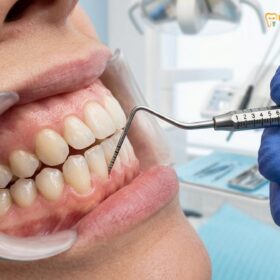
Patients must consult a dental professional for a comprehensive periodontal evaluation before assuming that Air-Flow alone will resolve their oral health issues. During a clinical examination, the dentist or hygienist will use a periodontal probe to measure the depth of the pockets between the gums and the teeth. Healthy pockets typically measure between 1 to 3 millimeters. If a patient presents with deep periodontal pockets (measuring 5 millimeters or greater) accompanied by bleeding on probing and radiographic evidence of bone loss, they are suffering from periodontitis.
“Accurate periodontal probing and radiographic assessment are prerequisite diagnostics; Air-Flow therapy is highly effective for maintenance, but deep subgingival calculus requires definitive mechanical root planing.”
In cases of active periodontitis, the bacterial biofilm has calcified into hard, tenacious subgingival calculus (tartar) that adheres tightly to the root surfaces deep beneath the gums. The kinetic energy of the Air-Flow powder jet, while excellent for soft biofilm, is not sufficient to fracture and remove mature, rock-hard calculus. These patients will require a more intensive therapeutic procedure known as Scaling and Root Planing (SRP), which necessitates the use of specialized ultrasonic scalers and hand curettes under local anesthesia to physically debride the root surfaces. Once the active disease is controlled and the calculus is removed, Air-Flow becomes the ideal maintenance therapy to prevent the biofilm from re-establishing itself. Always rely on the diagnostic expertise of your clinical team at HCMC Dental Clinic to determine the appropriate sequence of therapies for your specific periodontal condition.
Frequently Asked Questions
Does Air-Flow whiten teeth?
Air-Flow does not chemically whiten teeth, but it effectively removes extrinsic surface stains, restoring your teeth to their natural, brighter shade. For intrinsic color changes, professional chemical bleaching is required following the prophylaxis session. By removing the pellicle and stain barrier, Air-Flow actually improves the efficacy of subsequent whitening treatments by allowing the bleaching gel to penetrate the enamel more uniformly.
Is Air-Flow stain removal safe for crowns and veneers?
Yes, Air-Flow is exceptionally safe for all dental restorations, including porcelain crowns, veneers, and composite bondings. The micro-fine powder cleans the surfaces without causing the micro-scratches often associated with traditional abrasive polishing pastes. Traditional scaling tools can easily scratch the highly polished glaze of a porcelain veneer, which can lead to rapid re-staining; Air-Flow preserves this delicate glaze completely.
How much does Air-Flow cleaning cost in Saigon?
The cost of Air-Flow cleaning in Saigon varies depending on the clinic’s technology and the complexity of the biofilm removal required. Currently, it is competitively priced as a premium hygiene service compared to standard scaling. While it may carry a slight premium over a basic scrape-and-polish, the clinical benefits, enhanced comfort, and superior results make it a highly cost-effective investment in long-term oral health.
How often should I get an Air-Flow cleaning?
For most patients with healthy gums, an Air-Flow prophylaxis session is recommended every six months. Patients with orthodontic appliances, dental implants, or a history of periodontal disease may benefit from visits every three to four months. Your dentist will evaluate your specific rate of plaque accumulation, dietary habits, and overall periodontal stability to recommend a personalized recall schedule that ensures optimal maintenance.
Can Air-Flow remove hard tartar (calculus)?
Air-Flow is designed to remove soft biofilm, early calculus, and surface stains. For hardened, mature calculus (tartar), the dentist will use a specialized ultrasonic scaler in conjunction with the Air-Flow system for complete removal. The Guided Biofilm Therapy protocol dictates that Air-Flow is used first to remove the biofilm and stains, making any remaining hard calculus highly visible and easier to remove with targeted, minimal ultrasonic scaling.
References
- Journal of Clinical Periodontology. Efficacy of air-polishing in biofilm removal and periodontal maintenance. (2021).
- International Journal of Dental Hygiene. Erythritol powder air-polishing vs. traditional scaling: A clinical trial. (2020).
- Clinical Oral Implants Research. Surface alterations of titanium implants following various cleaning protocols. (2019).
- Journal of the American Dental Association. Hydrodynamic theory and the management of dentin hypersensitivity during prophylaxis. (2022).
- British Dental Journal. The role of Guided Biofilm Therapy in modern preventive dentistry. (2018).
To experience the highest standard of preventive care and painless biofilm management, schedule your comprehensive evaluation and Air-Flow prophylaxis session with the expert team at HCMC Dental Clinic today.
For professional dental cleaning pricing, GBT prophylaxis, or to book an appointment, visit our Dental Cleaning & Preventive Care service page at HCMC Dental Clinic in Ho Chi Minh City.