What Age Do Babies Start Teething? [Exact Answers] | Dr. Cuong

Wondering what age do babies start teething? As a dental specialist, this is one of the most common questions I hear from new parents. Dr. Cuong here,...
The emergence of a baby’s first teeth is a significant developmental milestone, often accompanied by questions and concerns from new parents. Understanding the typical timeline and recognizing the early signs of teething can help alleviate anxiety and prepare caregivers for this phase. This comprehensive guide, informed by extensive clinical experience in pediatric oral health, is meticulously designed to be a trustworthy resource for parents.
We will address the most common inquiries regarding when babies typically begin teething, delve into what to expect during this period, and provide actionable strategies to effectively manage any discomfort your child may experience. Our objective is to demystify the teething process, offering practical, evidence-based advice to ensure a smooth transition for both baby and parents. By empowering you with expert knowledge and confidence, we aim to support healthy oral development from the earliest stages of life.
What Age Do Babies Start Teething? Understanding the Normal Timeline
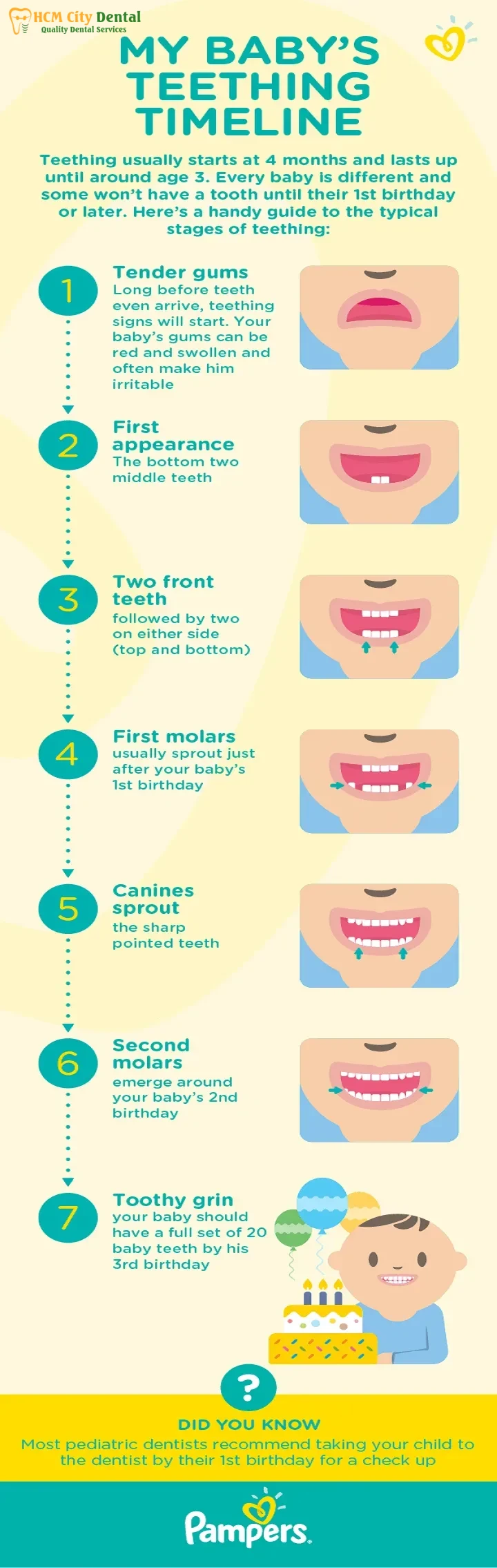
One of the first things I tell parents is that there is a wide range of what’s considered “normal” when it comes to teething. While most babies get their first tooth between 6 and 12 months of age, it’s not uncommon for the process to start earlier or later. Some infants may show their first pearly white as early as 4 months, while others may not have any until after their first birthday. This variation is perfectly normal and is often influenced by genetics; if you or your partner were late teethers, your child might be too.
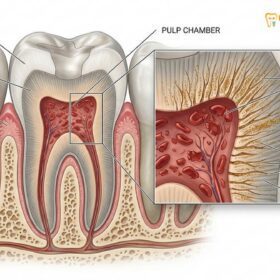
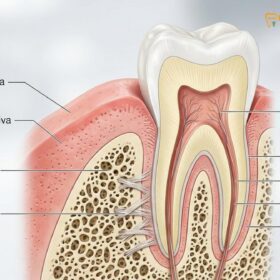
All 20 primary (baby) teeth are already formed below the gumline at birth. The process we call “teething” is simply these teeth making their way through the gums. By age 3, most children will have their full set of 20 primary teeth.
In my clinical experience, I’ve seen healthy, thriving babies get their first tooth at 4 months, and others celebrate their first birthday with a completely gummy smile. The key is to look at the overall development of your child. As long as they are growing and meeting other milestones, a slight deviation from the average teething timeline is rarely a cause for alarm. A common question I get from patients is about the timing, and I always reassure them that this variability is a normal part of development.
what age do babies start teething
The First Signs: When Teething Starts, What Should You Expect?
While the timing can vary, the signs that teething is beginning are often quite consistent. Recognizing these symptoms can help you understand what your baby is experiencing and how to provide comfort. The most common signs include increased drooling, a desire to chew on everything, and some irritability.
Normal Teething Symptoms vs. When to Be Concerned
It’s crucial to distinguish between normal teething discomfort and signs of illness that require a pediatrician’s attention. Teething can be uncomfortable, but it does not cause serious medical issues.
Common, Normal Teething Symptoms:
- Excessive Drooling: Saliva production often increases significantly, which can sometimes lead to a mild rash on the chin or neck from the constant moisture.
- Chewing and Gnawing: Babies will try to relieve the pressure on their gums by chewing on their hands, toys, or anything they can get into their mouths.
- Irritability and Fussiness: Discomfort from sore gums can make your baby cranky and prone to crying spells.
- Swollen, Tender Gums: The area where a tooth is about to erupt may look red and swollen.
- Slight Rise in Temperature: Some babies may experience a very slight increase in body temperature. However, teething does not cause a high fever.
- Changes in Sleep or Eating: The discomfort might disrupt sleep patterns or cause a temporary refusal to eat due to sore gums.
Symptoms That Are NOT Caused by Teething:
A common misconception is that teething causes high fevers, diarrhea, or colds. This is a dangerous myth. During the same period that teething starts (around 6-12 months), a baby’s immunity from their mother is decreasing, and they are exploring the world by putting objects in their mouth, increasing their exposure to germs. Blaming these symptoms on teething can delay diagnosis and treatment for a real illness.
See your pediatrician if your baby has:
- A fever over 100.4°F (38°C).
- Diarrhea or vomiting.
- A runny nose, cough, or other cold-like symptoms.
- A widespread rash on the body.
- Seems unusually sick or inconsolable.
A Common Scenario at Our Clinic: The Worried Parent
A frequent situation at HCMCDental Clinic involves a parent bringing in their 8-month-old, concerned about teething. They report the baby is extremely fussy, has a high fever, and isn’t eating. While the baby’s gums are slightly swollen, experience has shown that these more severe symptoms are almost always unrelated to the teeth. In these cases, I always advise an immediate consultation with their pediatrician. Often, it turns out to be an ear infection or another common childhood illness that requires medical treatment. This illustrates why it’s so vital to understand the true signs of teething and not attribute everything to it.
what age do babies start teething
Baby’s First Teeth: A Typical Eruption Schedule
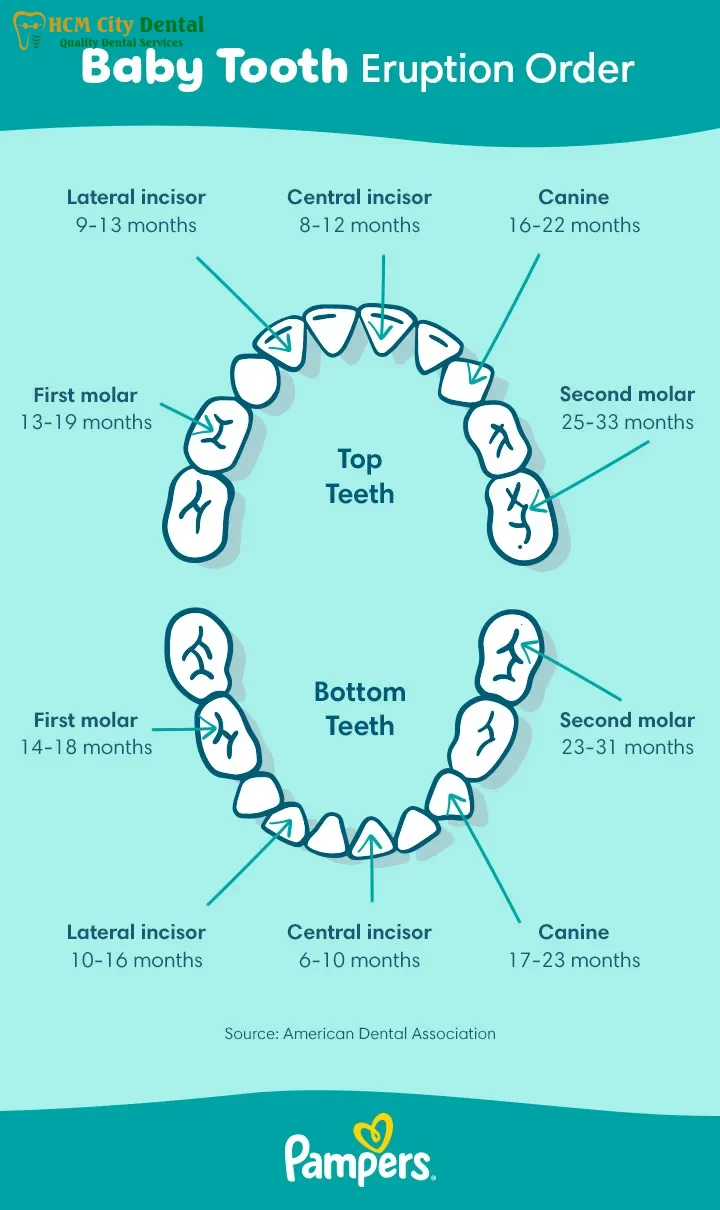
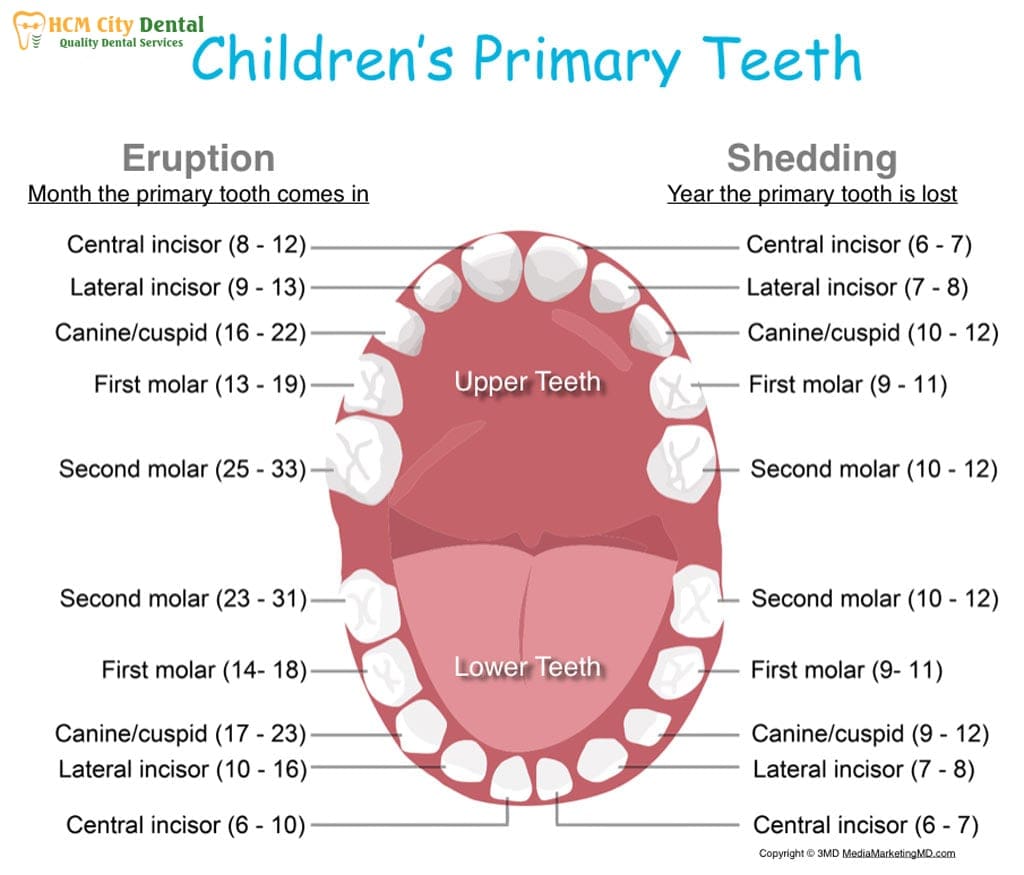
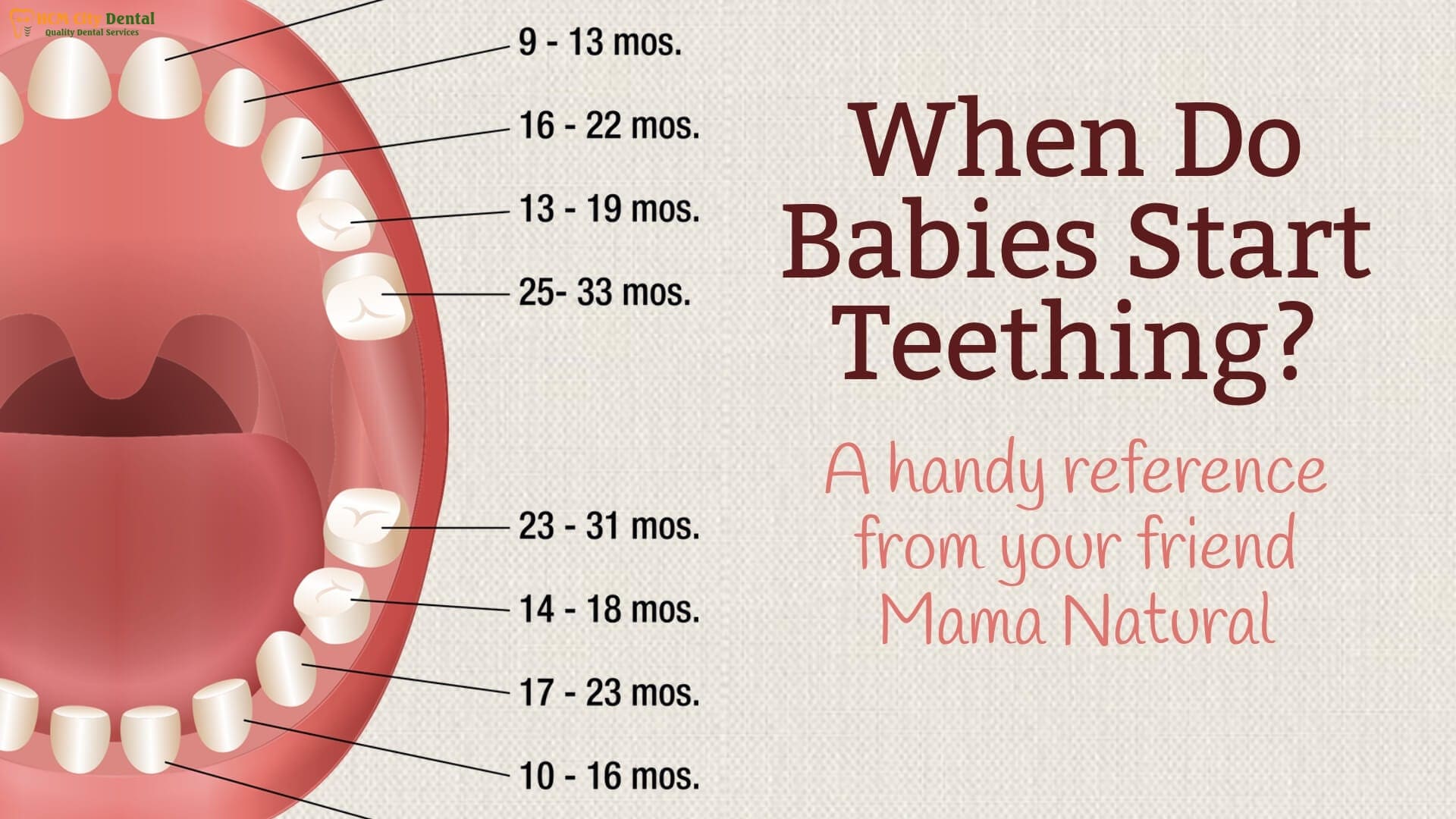
While the age can vary, the order in which teeth appear is generally more predictable. This chart outlines the typical timeline for when each pair of baby teeth erupts. Remember, these are averages, and your child’s schedule may be different.
| Tooth Name | Location | Typical Upper Eruption Age | Typical Lower Eruption Age |
|---|---|---|---|
| Central Incisors | Front middle teeth | 8-12 months | 6-10 months |
| Lateral Incisors | Next to front middle teeth | 9-13 months | 10-16 months |
| First Molars | Back grinding teeth | 13-19 months | 14-18 months |
| Canines (Cuspids) | Pointy teeth | 16-22 months | 17-23 months |
| Second Molars | Furthest back teeth | 25-33 months | 23-31 months |
Source: Based on data from the American Dental Association and other pediatric dental resources.

what age do babies start teething
Safe and Effective Teething Remedies: A Dentist’s Recommendation
As a dental specialist, my primary focus is on safe and effective relief. Many parents are tempted to try various products, but not all are safe. The best approach is often the simplest.
Soothing Your Baby at Home: Tried-and-True Methods
Based on clinical experience and recommendations from the American Academy of Pediatrics (AAP), these methods are both safe and effective:
- Gentle Gum Massage: Using a clean finger or a moist gauze pad, gently rub your baby’s gums. The counter-pressure can provide significant relief.
- Chilled Teething Rings: A solid rubber teething ring chilled in the refrigerator (not the freezer) is excellent. A frozen ring can be too hard and may damage your baby’s sensitive gums.
- A Cold Washcloth: A clean, wet washcloth chilled in the fridge for your baby to chew on can be very soothing.
- Pain Relievers (with caution): For times when your baby is particularly uncomfortable, especially at night, consult your pediatrician about using a weight-appropriate dose of acetaminophen (for babies of any age) or ibuprofen (for babies over 6 months). Use these medications only when necessary.
A common mistake I see parents make is reaching for over-the-counter numbing gels. The U.S. Food and Drug Administration (FDA) has issued strong warnings against using topical pain relievers containing benzocaine for infants. These products provide little to no benefit because they wash out of the mouth quickly and can cause a rare but serious condition called methemoglobinemia, which reduces oxygen in the blood. It is simply not worth the risk.
Still have questions? The world of teething remedies can be confusing. Call our Hotline/WhatsApp now at +84853020003 for a direct, completely free consultation with Dr. Cuong! We can help you choose the safest options for your child.
What to Avoid: Dangerous Teething “Cures”
It is critical to avoid certain products that are marketed for teething but pose significant dangers:
- Topical Numbing Gels (Benzocaine/Lidocaine): As mentioned, these are not recommended by the FDA for children under 2 due to serious health risks.
- Homeopathic Teething Tablets: The FDA has warned against these products due to inconsistent ingredient amounts and reports of serious side effects, including seizures, from ingredients like belladonna.
- Amber Teething Necklaces: These pose a serious strangulation and choking hazard and have not been scientifically proven to work. Never put anything around a baby’s neck.
what age do babies start teething
Caring for New Teeth: The Foundation of Lifelong Oral Health
The moment that first tooth appears, dental care begins. Primary teeth are incredibly important; they help your child chew properly, speak clearly, and hold space for the permanent teeth to come in correctly.
- Cleaning the First Teeth: As soon as the first tooth erupts, start cleaning it twice a day. Use a soft-bristled infant toothbrush or a clean, damp cloth with a tiny smear of fluoride toothpaste (the size of a grain of rice).
- Avoid Baby Bottle Tooth Decay: Never put your baby to bed with a bottle of milk, formula, or juice. The sugars can pool in the mouth and cause rapid decay.
- Schedule the First Dental Visit: The American Dental Association (ADA) and the American Academy of Pediatric Dentistry (AAPD) recommend scheduling your baby’s first dental visit within six months of the first tooth erupting, or by their first birthday, whichever comes first.
This first visit is a “well-baby checkup” for the teeth. It allows us to ensure everything is developing correctly and gives you a chance to ask questions. Ready to establish a great foundation for your child’s dental health? Get a 10% discount on your first appointment! Book an appointment online today at HCMCDental.com.
what age do babies start teething
Frequently Asked Questions (FAQ) by Dr. Cuong
Can a baby be born with teeth?
Yes, this is a rare condition known as natal teeth. It occurs in about 1 in 2,000 births. These teeth are often loose and may need to be removed to prevent issues with feeding or the risk of being inhaled. If you notice this, a dental consultation is important.
When do babies start teething if they are premature?
Premature or low birth weight babies may experience delays in several developmental milestones, including teething. It’s common for their teeth to erupt later than the average timeline, which is generally not a cause for concern unless the delay is significant.
Does teething cause a fever or diarrhea?
No. While teething may cause a slight rise in temperature, it does not cause a true fever (100.4°F / 38°C or higher), diarrhea, or a runny nose. These are signs of an illness, and you should contact your pediatrician.
How long does the teething process last for each tooth?
The discomfort of teething is not constant. It typically flares up for a few days as the tooth actively breaks through the gum. Once the tooth has erupted, the pain in that specific area usually subsides until the next tooth begins its journey.
What are the signs of late teething and when should I worry?
Late teething is generally defined as a baby not having any teeth by 15-18 months. While often due to hereditary factors, it can sometimes be linked to nutritional deficiencies or other medical conditions. If your child has no teeth by 15 months, it’s a good idea to schedule a dental visit to rule out any underlying issues.
Is it normal for my baby’s teeth to come in crooked?
Yes, it’s very common for baby teeth to appear slightly crooked or have gaps between them. They don’t always erupt in a perfectly straight line. This is usually not a problem, as the alignment can change as more teeth come in and the jaw develops.
When should I schedule my baby’s first dental visit?
The consensus among dental professionals is to schedule the first visit within six months of the first tooth’s appearance, or by the first birthday at the latest. This early visit is key for prevention and education.

what age do babies start teething
A Final Word of Advice from Dr. Cuong
Navigating the teething phase is a rite of passage for every parent. Remember that it’s a normal, natural process. Your main role is to provide safe comfort and distinguish teething symptoms from signs of illness. By focusing on proven remedies like gum massage and chilled teethers, and avoiding unsafe products, you can help your baby through this milestone effectively.
Most importantly, start oral hygiene practices the moment that first tooth arrives and establish a dental home for your child by their first birthday. These early steps are the cornerstone of a lifetime of healthy smiles.
If you ever feel uncertain or overwhelmed, professional guidance is just a call away. We are here to support you and your child on this journey.
Don’t guess when it comes to your child’s health. For personalized advice, book your appointment with a 10% discount or call our Hotline/WhatsApp at +84853020003 for a free, expert consultation.
This article was medically reviewed and written by Dr. Cuong.
Important Disclaimer
The information provided in this article is for educational and informational purposes only and is not intended as a substitute for professional medical advice, diagnosis, or treatment. Always seek the advice of your dentist, physician, or other qualified health provider with any questions you may have regarding a medical condition. Never disregard professional medical advice or delay in seeking it because of something you have read in this article.
Written and Medically Reviewed By
Dr. Cuong, Specialist in Odontostomatology, HCMCDental.com
Dr. Cuong is a leading dental specialist with extensive experience in pediatric and general dentistry. With a passion for patient education and a commitment to providing the highest standard of care, Dr. Cuong has treated thousands of patients over many years of practice. His expertise focuses on creating positive dental experiences and promoting lifelong oral health from the earliest age. He is dedicated to providing trustworthy, evidence-based information to help families make informed decisions about their dental health.