Root Canal vs Tooth Removal: Which is Right for You? | Dr. Cuong

Deciding between a root canal and a tooth extraction can be a stressful experience. As a specialist in Odontostomatology, I want to provide you with a...
When confronted with a severely infected or damaged tooth, patients often face a critical decision between preserving the natural tooth via a root canal procedure or opting for a complete tooth extraction. This choice carries significant implications for long-term oral health, function, and aesthetics. While tooth removal can offer immediate resolution to discomfort, it is essential to understand the broader consequences of losing a natural tooth and the potential benefits of restorative treatment.
This comprehensive guide is designed to provide clarity on both root canal therapy and tooth extraction. We will thoroughly examine the clinical indications, procedural details, and expected outcomes for each, enabling patients to make an informed decision alongside their dental provider. The most appropriate course of action is determined by a careful evaluation of the tooth’s salvageability, the extent of pathology, the patient’s overall periodontal health, and their personal long-term dental goals. Understanding these fundamental differences is key to selecting the treatment path that best secures your enduring oral well-being.
What is a Root Canal? A Tooth-Saving Procedure
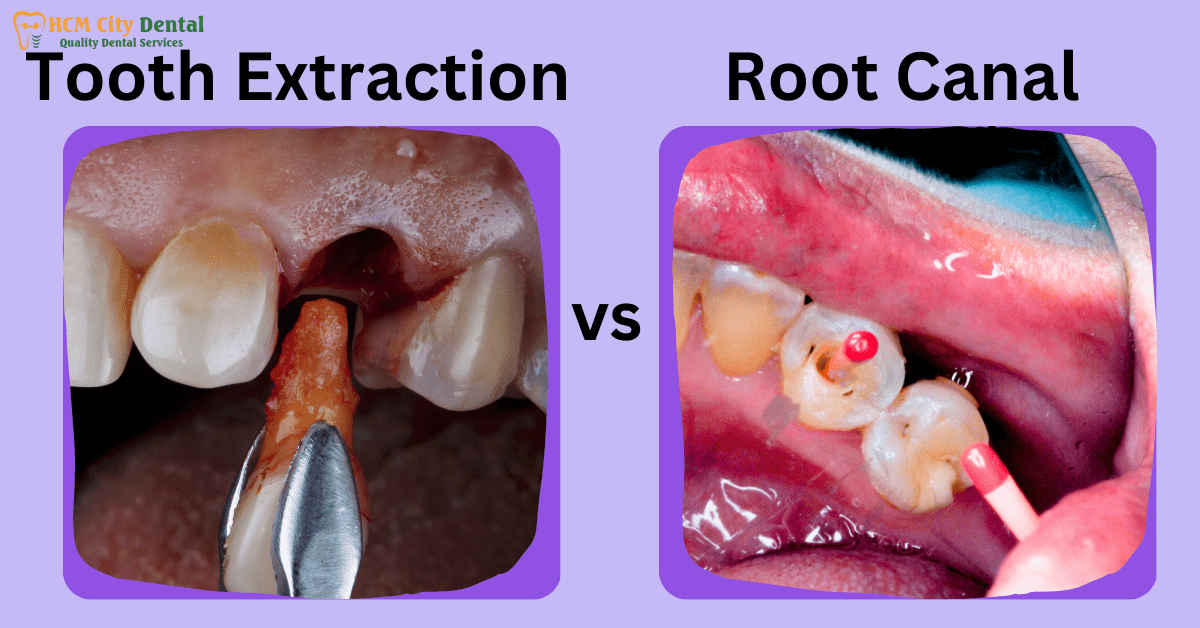
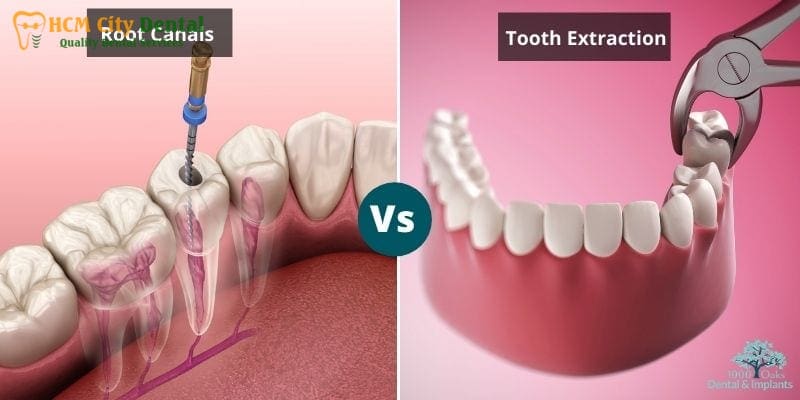
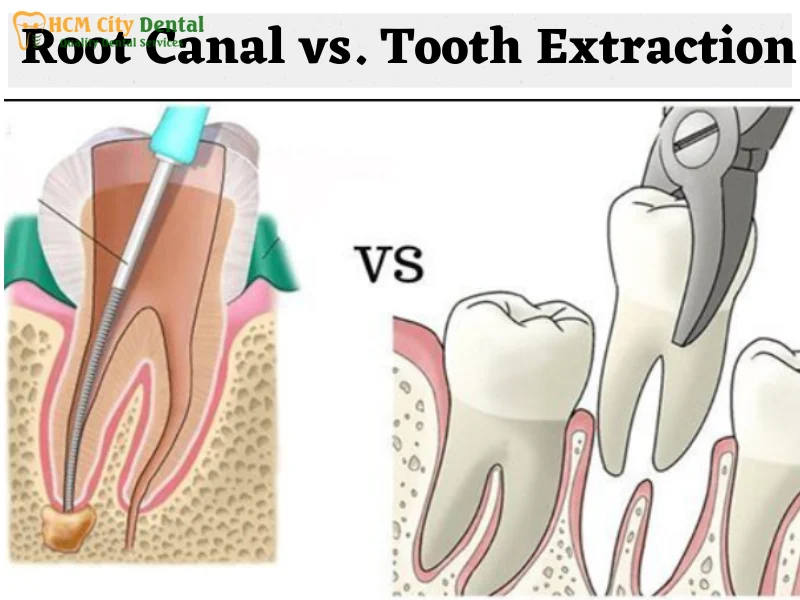
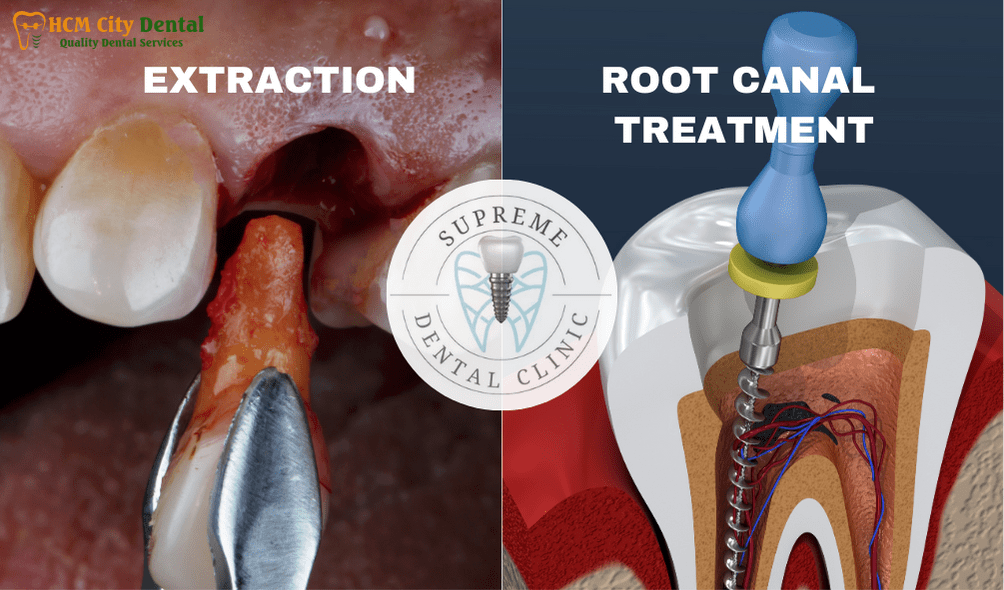
A root canal, or endodontic therapy, is a procedure designed to save a natural tooth that has become severely infected or decayed. Physiologically speaking, the goal is to remove the inflamed or infected pulp—the soft tissue inside your tooth containing nerves and blood vessels—clean and disinfect the inner chamber, and then seal it to prevent future infection. The tooth is then typically restored with a crown to protect it and restore its full function.
Based on clinical observations, a root canal is recommended when:
- The tooth has deep decay but its structure is still largely intact.
- A tooth is cracked or fractured, but the crack does not extend below the gum line.
- You’re experiencing severe sensitivity or pain, indicating nerve damage that can be resolved by removing the pulp.
- An abscess (a pocket of pus) has formed at the root of the tooth, but the infection can be cleared without removing the tooth itself.
What is a Tooth Extraction? When Removal is Necessary
A tooth extraction is the complete removal of a tooth from its socket in the jawbone. This procedure is generally considered when a tooth is too damaged to be saved. A common scenario at our clinic is when a patient presents with a tooth that has a very large cavity or a severe fracture extending deep below the gumline, leaving insufficient structure for a crown.
An extraction instead of a root canal might be the only viable option in cases of:
- Severe Decay: The cavity is so extensive that it has compromised the majority of the tooth’s structure.
- Advanced Gum Disease: Periodontal disease has destroyed the bone and tissues supporting the tooth, making it loose.
- Severe Fracture: The tooth is broken in a way that makes restoration impossible.
- Failed Root Canal: In some instances, a previous root canal may not heal as expected, and an extraction becomes the next step.
In my experience treating thousands of patients, the guiding principle is always to preserve the natural tooth whenever possible. Nothing functions as well as your own healthy tooth. However, when a tooth is beyond saving, a timely extraction is critical to prevent the infection from spreading and to protect your overall health.
Are you facing this difficult choice? Don’t wait for the pain to worsen. Call our Hotline/WhatsApp now at +84853020003 for a direct, completely free consultation with me, Dr. Cuong!
root canal vs tooth removal
Comparing the Two: A Head-to-Head Analysis
To make an informed decision, it’s essential to compare these two procedures across several key factors. The choice between a tooth extraction versus a root canal involves looking at everything from pain and recovery to long-term costs and health implications.
Procedure and Pain Level
A common myth is that root canals are extremely painful. However, with modern anesthesia and techniques, the procedure itself is often described as being no more uncomfortable than getting a standard filling. The American Association of Endodontists notes that patients who choose a root canal are six times more likely to describe it as painless than those who opt for an extraction. Post-procedure soreness is typically mild and manageable with over-the-counter pain relievers.
An extraction is also performed under local anesthesia, so the procedure is painless. However, post-operative discomfort can be more significant than with a root canal as the site heals. Managing pain and following aftercare instructions carefully is crucial.
Recovery Time and Aftercare
Recovery after a root canal is generally quick, with most patients returning to their normal activities within a day or two. The tooth might feel sensitive for a few days, but there should be little to no bleeding or swelling.
Tooth extraction recovery is more involved. Healing of the socket can take one to two weeks, and complete bone regeneration may take several months. Patients must follow specific aftercare instructions, such as eating soft foods and avoiding straws, to prevent complications like a dry socket.
Long-Term Oral Health and Consequences
This is where the debate of root canal vs extraction becomes most critical. Saving your natural tooth with a root canal helps maintain the natural structure of your jawbone and prevents other teeth from shifting out of place. It preserves your bite and the overall harmony of your mouth.
Conversely, removing a tooth leaves a gap. This can lead to several long-term problems:
- Shifting Teeth: Neighboring teeth can drift into the empty space, causing bite problems and misalignment.
- Bone Loss: The jawbone in the area of the missing tooth will begin to deteriorate over time due to lack of stimulation. This can affect your facial structure.
- Functional Issues: The loss of a tooth, especially a molar, can impact your ability to chew properly.
Experience has shown that in cases where a tooth is extracted and not replaced, the long-term consequences for the patient’s bite and jaw health can be significant. This is why if an extraction is necessary, we almost always discuss replacement options like dental implants immediately.
Cost Comparison: Root Canal vs Extraction
At first glance, a tooth extraction is the less expensive option upfront. However, this initial cost is misleading. When you factor in the necessary cost of replacing the extracted tooth with a dental implant, bridge, or partial denture to avoid long-term complications, the total expense often exceeds that of a root canal and crown. Therefore, a root canal is frequently the more cost-effective solution in the long run.

root canal vs tooth removal
Decision-Making Table: Root Canal vs. Tooth Removal
To simplify your decision, here is a table summarizing the key differences between a root canal and a tooth extraction.
| Feature | Root Canal Treatment | Tooth Extraction (Tooth Removal) |
|---|---|---|
| Primary Goal | Save the natural tooth by removing infection. | Remove the entire tooth from the jawbone. |
| Best For | Teeth that are infected but structurally sound. | Teeth that are too damaged or decayed to be repaired. |
| Recovery Time | Quick, typically 1-3 days for any sensitivity to subside. | Longer, with initial healing taking 1-2 weeks. |
| Long-Term Outcome | Preserves natural tooth, maintains jawbone, prevents teeth from shifting. | Creates a gap, can lead to bone loss and shifting teeth if not replaced. |
| Initial Cost | Higher than a simple extraction. | Lower than a root canal. |
| Overall Cost | Often more cost-effective in the long run. | Can become more expensive after factoring in tooth replacement (implant/bridge). |
root canal vs tooth removal
The Importance of Tooth Replacement After Extraction
If after careful consideration, the best course of action is a tooth extraction versus root canal, it is imperative to plan for tooth replacement. Leaving a gap is not a viable long-term solution. The primary options for replacement are:
- Dental Implants: This is the gold standard. An implant is a titanium post that is surgically placed into the jawbone, acting as an artificial tooth root. It provides the best stability, prevents bone loss, and functions just like a natural tooth.
- Dental Bridge: A bridge uses the adjacent teeth as anchors to hold a false tooth in the empty space. This requires crowning the neighboring teeth.
- Partial Denture: A removable appliance that fills the gap. This is generally considered a less permanent and less stable solution.
A common mistake I see patients make is choosing extraction for its lower initial cost without planning for replacement. This often leads to more complex and expensive problems down the road. A dental implant, while a significant investment, is the best way to protect your oral health after a necessary extraction.
Ready to find the right solution for you? Book an appointment online today and get a 10% discount on your first appointment!
root canal vs tooth removal
Frequently Asked Questions (FAQ)
Is it better to get an extraction instead of a root canal?
In most cases, it is better to save your natural tooth with a root canal if possible. Preserving your tooth is the best option for your long-term oral health, preventing issues like bone loss and shifting teeth. An extraction is only better when the tooth is too damaged to be saved.
Which is more painful, a root canal or a tooth extraction?
Modern dental techniques make both procedures relatively painless during the treatment itself. However, the recovery from a tooth extraction typically involves more post-procedure discomfort and swelling compared to a root canal.
What are the long-term effects of choosing a root canal vs extraction?
A successful root canal allows your tooth to last for many years, potentially a lifetime, preserving your natural bite and jaw structure. An extraction leads to a missing tooth, which can cause surrounding teeth to shift and the jawbone to shrink over time if the gap is not filled.
Can I just pull a tooth and not replace it?
This is strongly discouraged. While it might seem like the cheapest and easiest option, not replacing a pulled tooth can lead to significant dental problems, including difficulty chewing, misalignment of your other teeth, and changes to your facial structure.
Is a root canal safe?
Yes, a root canal is a safe and effective procedure. According to the American Association of Endodontists, there is no valid scientific evidence linking root canals to other health problems in the body. In fact, studies have shown that endodontic treatment can even reduce the risk of certain cancers.
What is the cost difference in a tooth extraction versus root canal?
Initially, an extraction is cheaper. However, a root canal is often the more economical choice over the long term because it avoids the need for costly tooth replacement procedures like a dental implant or bridge.

root canal vs tooth removal
Conclusion: Your Health, Your Decision
The decision between a root canal vs tooth removal is significant, but it doesn’t have to be overwhelming. The primary goal is always to preserve your natural teeth whenever feasible. A root canal saves your tooth, protects your jawbone, and is often the most cost-effective solution in the long run. An extraction is a necessary procedure when a tooth is beyond repair, but it should almost always be followed by a tooth replacement to maintain your oral health.
Over many years of practice, I have seen the immense long-term benefits patients receive from choosing to save a tooth. I encourage you to discuss your specific situation in detail with a qualified dental professional. A thorough examination and X-rays are essential to determine the health of your tooth and recommend the best path forward.
Don’t let fear or uncertainty guide your decision. Take the first step towards a healthy, pain-free smile.
Still have questions? Call our Hotline/WhatsApp now at +84853020003 for a direct, completely free consultation with Dr. Cuong!
This article was medically reviewed and written by Dr. Cuong.
Important Disclaimer
The information provided in this article is for educational purposes only and is not intended to be a substitute for professional medical advice, diagnosis, or treatment. Always seek the advice of your dentist or other qualified health provider with any questions you may have regarding a medical condition. Never disregard professional medical advice or delay in seeking it because of something you have read in this article.
Written and Medically Reviewed By
Dr. Cuong is a leading specialist in Odontostomatology with over 15 years of clinical experience in restorative and endodontic dentistry. He is dedicated to providing patient-centered care at HCMCDental.com, utilizing the latest technology and evidence-based practices to ensure the best possible outcomes for his patients. His expertise focuses on complex dental restorations, endodontics, and cosmetic dentistry, with a commitment to preserving natural teeth and promoting lifelong oral health.
root canal vs tooth removal