Comparing the night guard cost Vietnam vs UK reveals significant financial and logistical differences for patients seeking relief from teeth grinding. While UK private clinics charge premium rates and NHS wait times remain lengthy, Vietnam offers custom-fitted, international-standard bruxism guards at a fraction of the price with virtually no waiting period.
Clinical Summary:
Bruxism (involuntary teeth grinding and clenching) requires timely intervention with a custom occlusal splint to prevent severe enamel attrition, tooth fractures, and temporomandibular joint (TMJ) disorders. The clinical workflow for fabricating these devices has shifted globally toward digital dentistry, utilizing intraoral scanners and CAD/CAM milling. While the clinical standards and biocompatible materials used in the UK and Vietnam are virtually identical, the economic models differ drastically. Patients analyzing the night guard cost Vietnam vs UK will find that Southeast Asian clinics offer rapid turnaround times and premium materials (such as milled PMMA or dual-laminate) at highly accessible price points, bypassing the triage delays of the NHS and the high overhead costs of British private practices.
Key Takeaways:
- Custom night guards in Vietnam cost significantly less than private UK dental fees while utilizing identical biocompatible materials.
- NHS night guards require a Band 3 co-payment, but patients often face long waitlists due to strict clinical triage protocols.
- Vietnamese clinics leverage in-house CAD/CAM technology, allowing for the delivery of custom splints in just 2 to 3 days.
- Private UK clinics offer excellent care but pass high laboratory and operational overhead costs directly to the patient.
- Digital intraoral scanning has replaced messy traditional impressions in top-tier clinics across both regions, ensuring superior fit and comfort.
Night Guard Pricing in Vietnam
Custom night guards in Vietnam are highly affordable, offering patients premium, digitally fabricated occlusal splints at a fraction of Western prices without compromising on clinical quality or material safety.
When evaluating the night guard Vietnam vs UK dynamic, the financial accessibility of Southeast Asian dental care is a primary factor for international patients and expatriates. In Vietnam, the pricing structure for dental appliances is highly transparent and significantly lower than in Western nations. This cost-efficiency is not a result of inferior materials or outdated techniques; rather, it reflects the lower operational overhead, reduced laboratory labor costs, and favorable exchange rates inherent to the region’s healthcare economy.
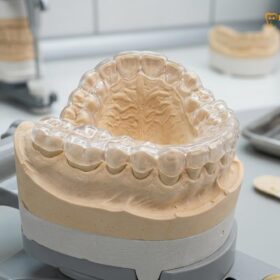
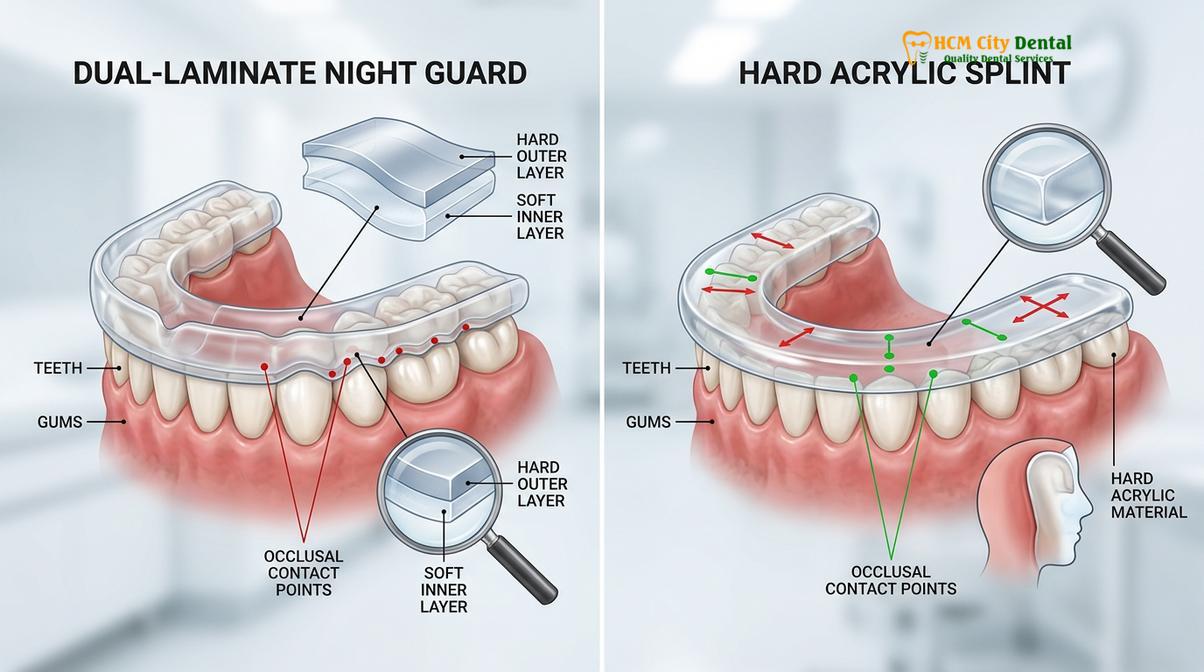
The clinical journey for acquiring a night guard in Vietnam typically begins with a comprehensive oral examination. Unlike many Western clinics where the initial consultation and diagnostic imaging are billed separately at high rates, top-tier clinics in Vietnam often include panoramic X-rays and the initial specialist consultation as part of a complimentary or low-cost diagnostic package. During this phase, the dentist evaluates the extent of occlusal wear, checks for signs of temporomandibular joint (TMJ) dysfunction, and determines the appropriate type of splint—whether a soft silicone guard for mild clenching, a hard acrylic splint for severe bruxism, or a dual-laminate guard offering a hard outer shell with a comfortable soft inner lining [1].
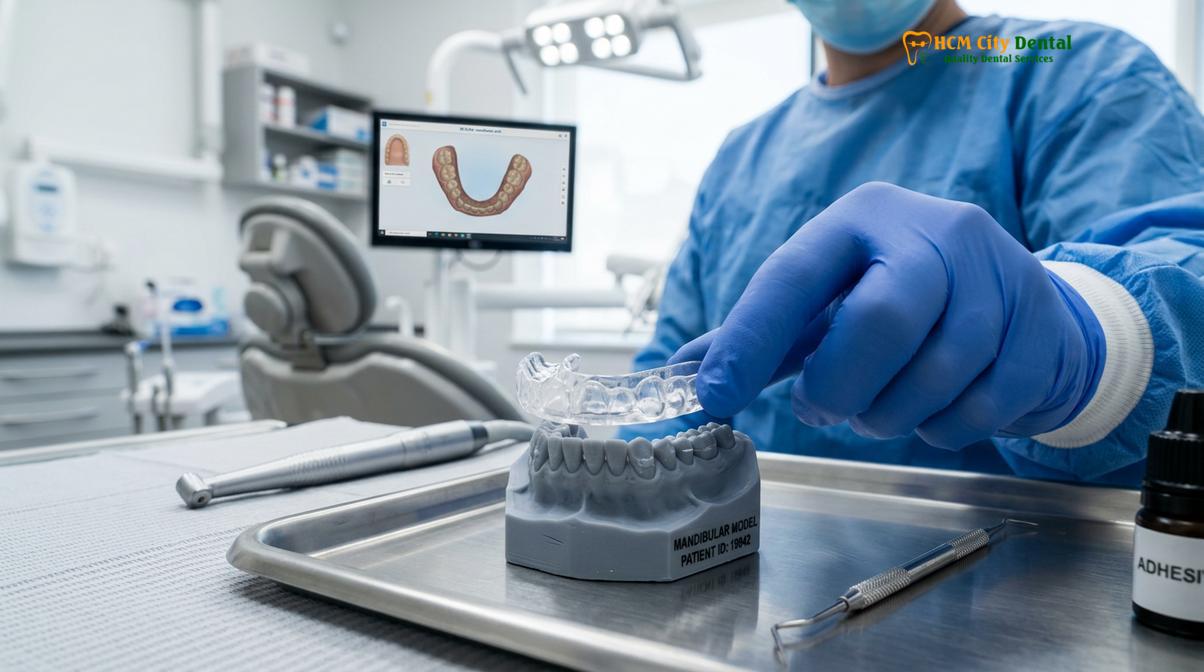
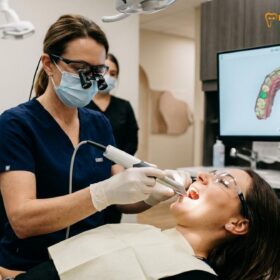
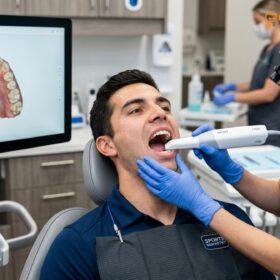
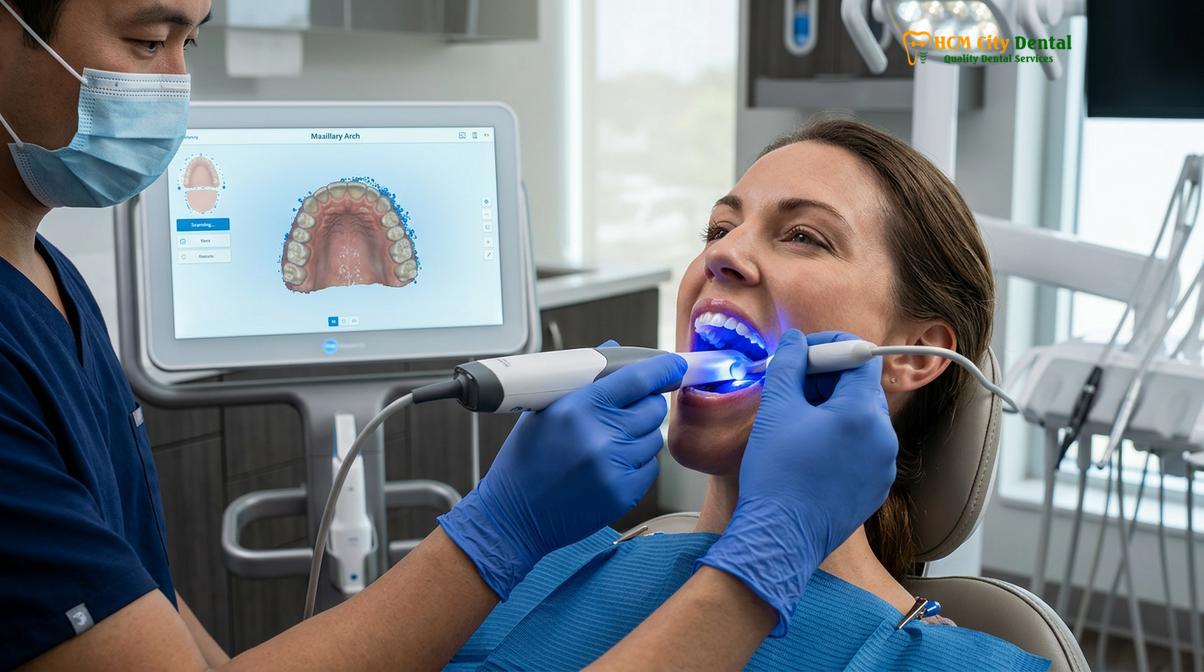
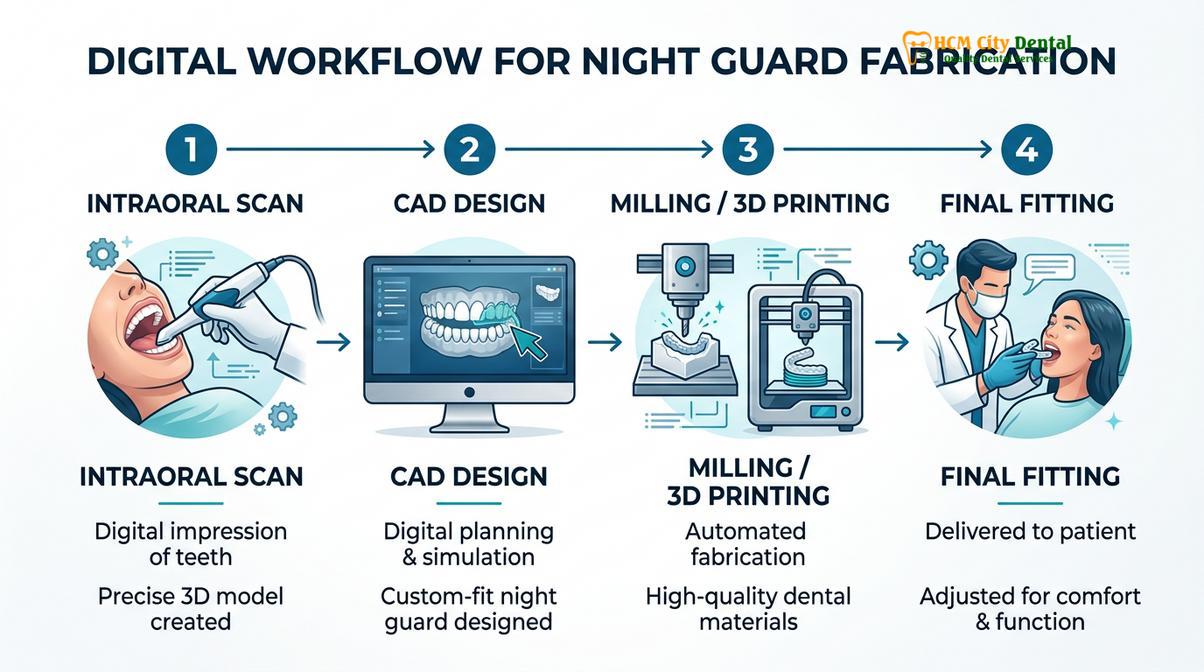
Once the treatment plan is established, the fabrication process utilizes state-of-the-art digital dentistry. Traditional alginate or polyvinyl siloxane (PVS) impressions, which can be uncomfortable and trigger the gag reflex, have been largely replaced by digital intraoral scanners. Devices such as the 3Shape TRIOS or iTero capture highly accurate 3D topographies of the patient’s dentition in minutes. This digital file is then sent to an in-house or local specialized dental laboratory, where the night guard is designed using CAD (Computer-Aided Design) software and either 3D printed or milled from a solid block of biocompatible resin (CAM). This streamlined workflow drastically reduces the turnaround time, allowing patients to receive their final, custom-fitted appliance in as little as 48 to 72 hours.
“The integration of CAD/CAM technology in modern Vietnamese dental laboratories allows us to achieve occlusal precision that matches or exceeds global standards, ensuring the night guard protects the dentition while maintaining optimal neuromuscular balance.”
Furthermore, the cost of the appliance itself is highly competitive. Patients can expect to pay a straightforward fee that encompasses the digital scan, the laboratory fabrication, and the final fitting and adjustment appointment. There are rarely hidden fees or unexpected surcharges. For dental tourists or business travelers on a tight schedule, this combination of rapid delivery, transparent pricing, and high clinical standards makes Vietnam an exceptionally attractive destination for restorative and preventive dental care.
Night Guard Pricing in UK (NHS vs Private)
UK patients face a stark choice between heavily subsidized but delayed NHS treatments and immediate but costly private dental care for the management of sleep bruxism.
Understanding the bruxism guard UK cost requires navigating the dual-tiered nature of the British dental system. Patients residing in the United Kingdom generally have two pathways for obtaining a custom occlusal splint: the National Health Service (NHS) or the private dental sector. Each pathway presents distinct advantages and significant drawbacks regarding cost, wait times, and material choices.
Under the NHS, a night guard is classified as a Band 3 treatment. This is the highest charging band within the NHS dental fee structure, encompassing complex procedures such as crowns, dentures, and custom laboratory-made appliances. While the Band 3 fee is heavily subsidized by the government and represents a fixed co-payment for the patient, accessing this treatment is not always straightforward. NHS dentistry operates on a strict clinical necessity basis. A dentist must clinically justify the provision of a night guard, typically requiring evidence of severe, rapid tooth wear or debilitating TMJ pain. Mild to moderate bruxism may not qualify for NHS funding, leaving patients to seek private alternatives [2].
Conversely, the private dental sector in the UK offers immediate access and a wider array of premium materials, but at a substantially higher financial cost. When opting for private care, the patient is responsible for the full economic burden of the treatment. The total cost is usually itemized and can accumulate quickly. It typically includes the initial consultation fee, the cost of traditional or digital impressions, the external laboratory fee for fabricating the appliance, and the dentist’s time for the final fitting and occlusal adjustment.
Private UK clinics often outsource their laboratory work to highly specialized domestic labs, which carry their own significant overhead costs. While the clinical quality and material safety (using CE-marked biocompatible plastics) are impeccable, the final price tag reflects the high cost of living and operating a medical business in the UK. For patients requiring complex, hard-milled acrylic splints with precise anterior guidance ramps for severe TMJ disorders, the private fees can be prohibitively expensive, prompting many to explore cross-border healthcare options.
Cost Comparison Table
A direct financial analysis demonstrates that patients can save considerably by opting for custom occlusal splints in Vietnam compared to British private dental sectors.
To fully grasp the economic disparity, it is helpful to look at a direct comparison of the dental guard price Britain versus the fees in Southeast Asia. The following table outlines the typical cost structures, highlighting the financial advantages of seeking preventive dental care abroad. Please note that while NHS fees are fixed by the government, private UK fees and Vietnamese clinic fees can vary based on the specific location, the expertise of the clinician, and the exact materials utilized.
🇬🇧 Cost Comparison: Vietnam vs United Kingdom (Per Arch)
Save up to 70% - 80% on high-quality custom dental night guards. Below is a detailed cost breakdown comparing local rates in United Kingdom with HCMC Dental Clinic.
| Night Guard Type | United Kingdom Avg. Cost | HCMC Dental Cost | Your Savings |
|---|---|---|---|
| Soft Night Guard (EVA) | £150 - £250 GBP | $85 USD (~£67 GBP) | Save ~75% |
| Dual-Laminate (Hard/Soft) | £250 - £500 GBP | $120 USD (~£94 GBP) | Save ~70% |
| Hard Acrylic Night Guard | £300 - £600 GBP | $150 USD (~£118 GBP) | Save ~80% |
As the data illustrates, the savings extend beyond the appliance itself. The diagnostic phases, including specialist consultations and radiographic imaging, are significantly more accessible in Vietnam. For a patient requiring a premium dual-laminate or hard-milled splint, the total out-of-pocket expenditure in a private UK clinic can be three to four times higher than the equivalent treatment in a top-tier Vietnamese facility. These savings are particularly impactful for patients who may need replacement guards every few years due to heavy grinding forces.
NHS Availability and Wait Times
Securing a custom occlusal splint through the NHS often involves prolonged waiting periods due to high demand and strict clinical eligibility criteria.
While the NHS provides a vital safety net for dental care, its capacity to deliver timely restorative and preventive treatments is currently under immense strain. For patients suffering from bruxism, the wait times for an NHS night guard can be a source of significant frustration and clinical concern. The delay is not merely an inconvenience; untreated severe bruxism can lead to irreversible enamel loss, vertical dimension collapse, and the fracturing of existing dental restorations.
The journey to obtaining an NHS night guard begins with securing an appointment with an NHS-registered dentist—a hurdle in itself, as many practices across the UK are currently not accepting new NHS patients. Once an appointment is secured, the dentist must perform an assessment to determine if the patient meets the strict criteria for Band 3 funding. Because NHS resources are prioritized for acute infections, trauma, and basic disease control (like fillings and extractions), preventive appliances for bruxism are often placed lower on the triage hierarchy.
Clinical Warning: Delaying treatment for severe bruxism while waiting for public healthcare availability can result in micro-fractures in the enamel, increased tooth sensitivity, and irreversible damage to the temporomandibular joint. If you experience chronic morning headaches or jaw locking, immediate intervention is strongly advised.
If approved, the patient then enters the laboratory queue. NHS dental laboratories handle a massive volume of cases, from dentures to orthodontic retainers. Consequently, the turnaround time for a custom night guard can range from several weeks to over a month. During this waiting period, the patient’s dentition remains unprotected against the immense nocturnal forces of grinding, which can exceed 250 pounds of force per square inch. This logistical bottleneck is a primary driver pushing UK residents toward the private sector or international dental tourism, where rapid digital workflows ensure the dentition is protected within days rather than months.
Quality Standards Comparison
Both regions utilize identical biocompatible materials and digital CAD/CAM workflows, ensuring that lower costs in Southeast Asia do not equate to inferior clinical outcomes.
A common and understandable concern among international patients is whether the lower night guard cost UK patients find in Vietnam implies a compromise in medical quality. From a clinical and material science perspective, the answer is unequivocally no. The globalization of dental technology means that top-tier clinics in Ho Chi Minh City utilize the exact same equipment, software, and raw materials as elite practices in London’s Harley Street.
According to Dr. Nguyen Van Cuong, a leading specialist in restorative dentistry, the efficacy of a night guard relies on two critical factors: the accuracy of the impression and the biocompatibility of the material. “In modern practice, we rely entirely on digital intraoral scanners to capture the exact topography of the teeth,” Dr. Cuong explains. “This eliminates the dimensional distortion inherent in traditional impression materials. The digital file is then used to mill the splint from a solid block of polymethyl methacrylate (PMMA) or to thermoform a dual-laminate material, ensuring a passive, comfortable fit that does not place unwanted orthodontic forces on the teeth.” [3]
“The true value of a custom occlusal splint lies in the precise calibration of the occlusal contacts. A poorly adjusted guard can exacerbate muscle tension, whereas a digitally designed, perfectly balanced splint allows the masticatory muscles to relax completely during sleep.”
The materials used in reputable Vietnamese clinics are imported from global dental manufacturers in Germany, Switzerland, and the United States. These materials are ISO-certified and CE-marked, guaranteeing they are free from harmful chemicals like BPA and are safe for prolonged intraoral use. Furthermore, the clinical protocols for fitting the guard—which involve using articulating paper to check for premature contacts and adjusting the acrylic to ensure even force distribution across the arch—are universally standardized. Therefore, the cost differential is purely a reflection of regional economic factors, not a disparity in clinical excellence or material safety [4].
British Expats in Vietnam
Expatriates and dental tourists frequently leverage local clinical expertise to manage bruxism, combining routine dental care with high-quality appliance fabrication.
For the large community of British expatriates living and working in Southeast Asia, navigating local healthcare is a crucial aspect of their residency. When it comes to dental care, expats quickly discover that they can access premium, private-level dentistry at costs that are often lower than NHS Band 3 charges back home. This realization makes routine maintenance and preventive care highly accessible.
Many expats in Ho Chi Minh City integrate their dental visits into their regular schedules without the need for extensive planning or long waitlists. A professional experiencing stress-induced bruxism—a common ailment in high-paced corporate environments—can schedule a consultation during a lunch break, undergo a quick 5-minute digital scan, and return two days later to have their custom night guard fitted. This level of convenience and rapid service delivery is a stark contrast to the logistical hurdles often faced in the UK public health system.
Patient Experience: A British expat residing in Ho Chi Minh City presented with severe enamel attrition and morning jaw fatigue. After a comprehensive digital scan at HCMC Dental Clinic, a dual-laminate night guard was fabricated using CAD/CAM technology. The appliance was delivered within 48 hours. The patient reported immediate relief from TMJ discomfort and noted that the total out-of-pocket cost was significantly less than their previous private dental quotes in the UK.
Furthermore, clinics catering to international patients place a strong emphasis on communication and patient education. Consultations are conducted in fluent English, ensuring that expats fully understand their diagnosis, the biomechanics of their bruxism, and the care instructions for their new appliance. This seamless, patient-centric approach not only resolves the immediate clinical issue but also builds long-term trust, encouraging expats to maintain their regular dental check-ups and cleanings while living abroad.
When to See a Doctor
While a custom night guard is a highly effective tool for managing the symptoms and preventing the dental damage associated with bruxism, it is important to recognize that it is a management strategy, not a cure for underlying medical conditions. Patients should seek a comprehensive clinical evaluation if they experience any of the following red-flag symptoms:
- Severe Jaw Pain or Locking: If you experience sharp pain in the temporomandibular joint, or if your jaw frequently clicks, pops, or locks in an open or closed position, you may require specialized TMJ therapy beyond a simple occlusal splint.
- Chronic Headaches: Morning headaches radiating from the temples are a classic sign of nocturnal clenching. However, persistent headaches should be evaluated to rule out other neurological or vascular issues.
- Signs of Sleep Apnea: Bruxism is frequently linked to Obstructive Sleep Apnea (OSA). If your teeth grinding is accompanied by loud snoring, gasping for air during sleep, or severe daytime fatigue, a referral to a sleep medicine specialist is critical. A standard night guard can sometimes worsen sleep apnea by altering the position of the jaw and airway.
- Fractured Teeth or Restorations: If you notice sharp edges on your teeth, or if your fillings, crowns, or veneers are chipping or debonding, immediate dental intervention is required to restore the structural integrity of the teeth before a guard is fabricated [5].
Always consult with a qualified dental professional for an individualized diagnostic assessment before initiating any treatment for bruxism.
Getting Started at HCMC Dental
Initiating bruxism treatment at our facility involves a comprehensive clinical evaluation, digital impressions, and rapid fabrication of your custom appliance.
If you are experiencing the destructive effects of teeth grinding and are looking for a high-quality, cost-effective solution, HCMC Dental Clinic offers a streamlined, patient-focused workflow. Our clinical team understands the urgency of protecting your dentition and alleviating TMJ discomfort, which is why we prioritize rapid, precise digital fabrication.
During your initial visit, Dr. Nguyen Van Cuong or one of our restorative specialists will conduct a thorough examination of your bite, jaw musculature, and enamel wear patterns. We utilize advanced intraoral scanners to capture a highly detailed, comfortable 3D impression of your teeth—completely eliminating the need for messy traditional putty. This digital data is instantly transferred to our laboratory, where your custom splint is designed to provide optimal occlusal balance and maximum protection.
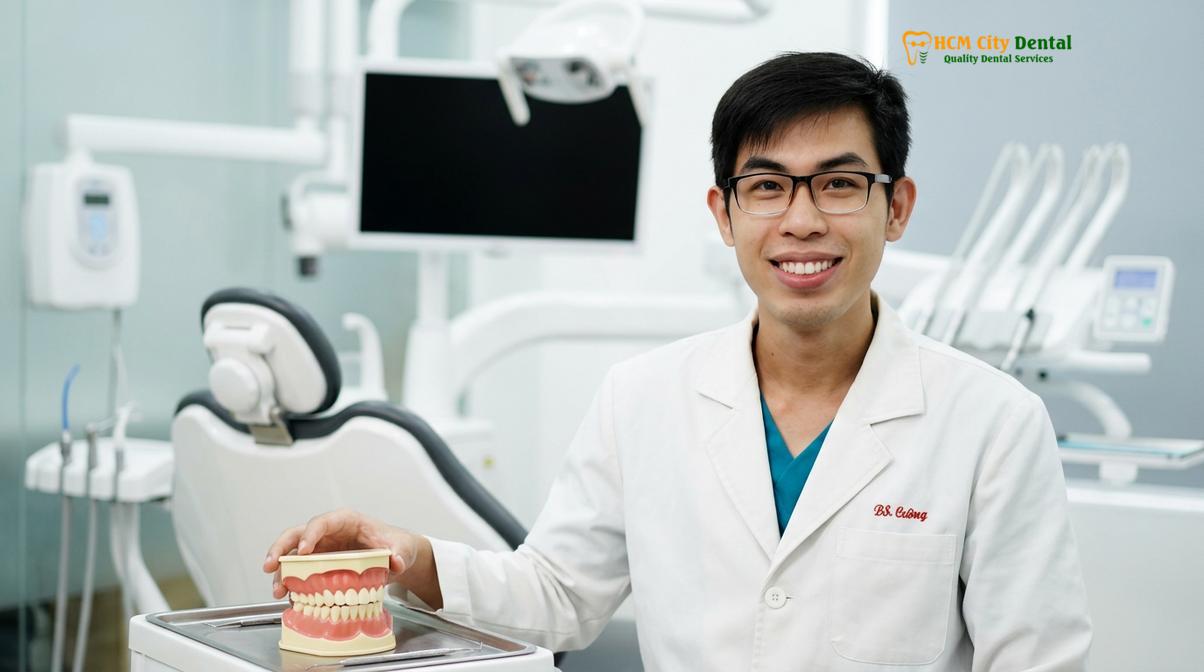
Whether you are a local resident, an expatriate, or a dental tourist visiting Ho Chi Minh City, our team is dedicated to providing international-standard care. We invite you to explore our comprehensive guide on custom night guards to learn more about our materials, digital workflows, and how we can help you achieve a pain-free, protected smile. Contact our international patient coordination team today to schedule your consultation and take the first step toward preserving your dental health.
Frequently Asked Questions
How much is a night guard on the NHS?
A night guard on the NHS falls under the Band 3 treatment charge, which requires a fixed co-payment from the patient. However, securing this treatment requires a clear clinical diagnosis of severe bruxism or temporomandibular joint dysfunction, and wait times can be extensive due to high demand for specialist restorative services. Mild cases of grinding are often not eligible for NHS funding.
Is private night guard worth it in UK?
A private night guard in the UK is worth the investment if you require immediate intervention to prevent severe enamel attrition or tooth fracture. Private clinics offer faster fabrication, premium materials like dual-laminate or milled acrylic, and highly personalized occlusal adjustments, though the financial outlay is significantly higher than NHS options. It is ideal for patients who cannot afford to wait on public health lists.
Can I get a guard faster in Vietnam?
Yes, you can typically receive a custom-fitted night guard in Vietnam within two to three days. Advanced dental clinics utilize in-house digital intraoral scanners and CAD/CAM milling machines, bypassing the lengthy external laboratory delays commonly experienced in Western public healthcare systems. This rapid turnaround is perfect for travelers and busy professionals.
Do UK dentists accept Vietnam dental records?
Most UK dentists readily accept digital dental records, including 3D intraoral scans and CBCT imaging, provided by internationally accredited clinics in Vietnam. It is highly recommended to request your clinical files in standard formats (such as STL files for scans and DICOM for X-rays) to ensure seamless continuity of care upon your return to the United Kingdom.
How to get a refund from UK insurance?
To claim a refund from a UK private health insurance provider for dental work done abroad, you must submit a detailed, itemized invoice translated into English, along with pre- and post-treatment clinical notes. Coverage depends entirely on your specific policy’s international dental benefits, so pre-authorization and checking your policy limits before traveling is strongly advised.
References
- Journal of Oral Rehabilitation. Efficacy of occlusal splints in the management of bruxism. (2021).
- British Dental Journal. NHS dental service provision and patient wait times for restorative care. (2022).
- International Journal of Prosthodontics. CAD/CAM fabrication of occlusal devices: A clinical review. (2020).
- Journal of Clinical Sleep Medicine. Sleep bruxism: Diagnostic and treatment protocols. (2019).
- Dental Materials. Wear resistance of 3D printed versus milled occlusal splint materials. (2023).