Clinical Summary:
For patients suffering from sleep bruxism and temporomandibular joint (TMJ) disorders, custom-fabricated night guards are essential to prevent enamel attrition and alleviate muscular tension. Comparing the night guard cost Vietnam vs Canada highlights a substantial financial advantage for dental tourists and expatriates. Vietnamese dental clinics utilize the same digital intraoral scanning technology, CAD/CAM milling, and biocompatible acrylics found in North American practices. By eliminating high domestic laboratory and operational overhead, patients receive premium occlusal splints at a fraction of the Canadian price, without compromising clinical efficacy, fit, or long-term safety.
Key Takeaways:
- Custom night guards in Canada average $500–$1,000 CAD, compared to $100–$200 CAD in Vietnam.
- Both countries utilize identical biocompatible materials, including hard acrylic and dual-laminate resins.
- Digital intraoral scanning and CAD/CAM fabrication ensure precise occlusal fit in top Vietnamese clinics.
- Many Canadian dental insurance plans offer partial reimbursement for international preventative treatments.
- Combining custom bruxism appliance fabrication with routine dental care maximizes travel savings.
Night Guard Pricing in Vietnam
In Vietnam, a custom-fitted night guard typically costs between $100 and $200 CAD, depending on the specific material and clinical complexity. This price includes the initial consultation, digital impressions, and the final appliance fitting.
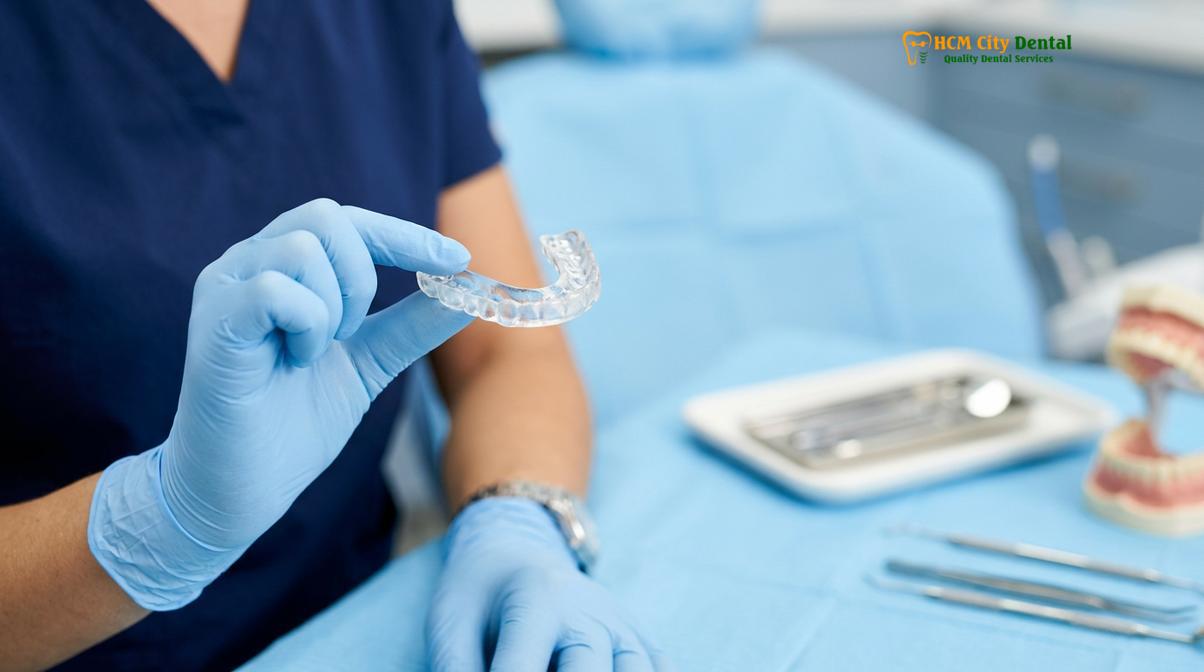
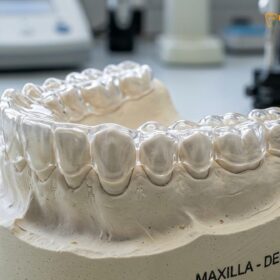
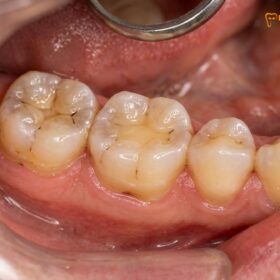
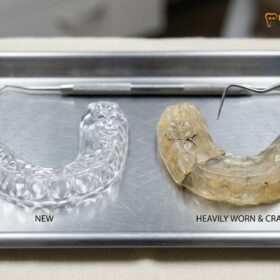
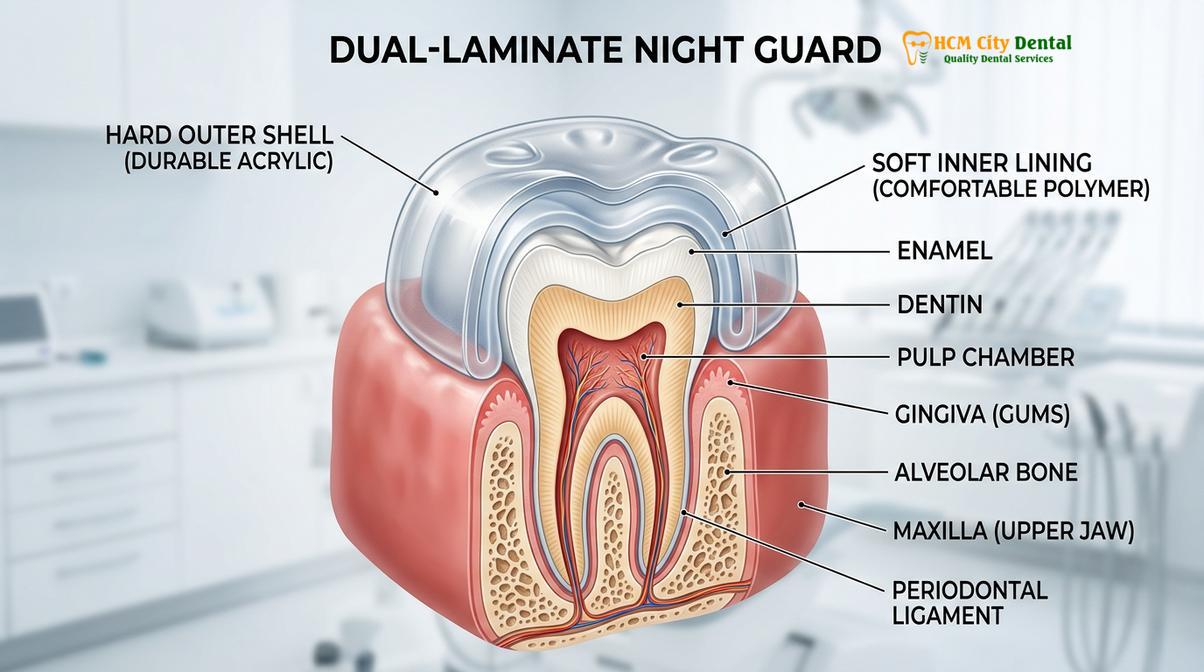
When evaluating the night guard Vietnam vs Canada landscape, the primary driver of cost reduction is the lower operational overhead and in-house laboratory integration found in Southeast Asia. At HCMC Dental Clinic in Ho Chi Minh City, the fabrication of a custom occlusal splint follows strict international protocols. Patients presenting with signs of occlusal trauma, such as flattened cusps, abfraction lesions, or masseter hypertrophy, undergo a comprehensive examination of the temporomandibular joint and masticatory muscles. The affordability of dental care in Vietnam is not a reflection of compromised quality, but rather the economic structure of the region. Clinic rental costs, administrative salaries, and domestic laboratory fees are significantly lower than in North America. Furthermore, many premium clinics in Vietnam have invested heavily in on-site digital laboratories. By keeping the design and milling process in-house, clinics bypass the steep markups typically charged by third-party commercial dental labs. [1]There are several types of occlusal splints available, and the specific material chosen will slightly influence the final price. Hard acrylic guards (polymethyl methacrylate or milled PMMA) are highly durable and ideal for severe bruxers. Soft guards, made from flexible materials like ethylene vinyl acetate (EVA), are generally more affordable but are usually only recommended for mild clenching, as they can sometimes stimulate a chewing reflex in heavy grinders. Dual-laminate guards, featuring a hard outer shell for durability and a soft inner lining for comfort, represent the premium tier of bruxism appliances.
“The integration of in-house CAD/CAM technology allows international clinics to deliver precision-milled occlusal splints rapidly, drastically reducing the cost burden on the patient while maintaining microscopic accuracy in the fit.”
For international patients, the streamlined workflow means that a custom guard can often be fabricated within 24 to 48 hours. This rapid turnaround is particularly beneficial for dental tourists who have limited time in the country. The clinical team ensures that the appliance is meticulously adjusted during the delivery appointment, verifying that the patient’s bite is even and that the temporomandibular joint is in a relaxed, stable position.
Night Guard Pricing in Canada
The average dental guard price Canada ranges from $500 to $1,000 CAD, largely driven by high third-party laboratory fees and domestic clinical overhead. Complex TMJ splints may exceed these estimates.
Patients exploring the night guard cost Canada often experience sticker shock when presented with their treatment plan. The high fees are a culmination of several factors: the dentist’s chair time for impressions and adjustments, the diagnostic consultation fee, and most significantly, the external dental laboratory costs. In Canada, most general dental practices do not have the expensive CAD/CAM milling machines required to fabricate hard acrylic splints in-house. Consequently, the dentist must take an impression (either physical or digital) and send it to a specialized commercial laboratory. The laboratory charges a substantial fee for the fabrication of the appliance, which is then passed on to the patient. Additionally, the cost of running a dental practice in major Canadian cities—including rent, staff wages, and strict regulatory compliance—necessitates higher profit margins on individual procedures to maintain business viability. [2]Furthermore, the clinical workflow in Canada often requires multiple appointments spread over several weeks. The initial visit involves the examination and impressions. The patient must then wait one to three weeks for the laboratory to manufacture the guard and return it to the clinic. A second appointment is required for the fitting and occlusal adjustment. If the fit is not perfect, the guard may need to be sent back to the lab, resulting in further delays and potential additional chair time costs.For patients without comprehensive dental insurance, this out-of-pocket expense can be prohibitive, leading many to delay necessary treatment. Unfortunately, postponing the use of a bruxism guard can result in severe dental complications, including fractured teeth, the need for root canal therapy, or the development of chronic temporomandibular joint disorders, all of which require far more expensive interventions in the future.
Cost Comparison Table
A direct financial analysis demonstrates that patients can save up to 80% on custom occlusal appliances by choosing treatment in Vietnam over Canada. These savings apply across all material types.
🇨🇦 Cost Comparison: Vietnam vs Canada (Per Arch)
Save up to 70% - 80% on high-quality custom dental night guards. Below is a detailed cost breakdown comparing local rates in Canada with HCMC Dental Clinic.
| Night Guard Type | Canada Avg. Cost | HCMC Dental Cost | Your Savings |
|---|---|---|---|
| Soft Night Guard (EVA) | $250 - $400 CAD | $85 USD (~$115 CAD) | Save ~75% |
| Dual-Laminate (Hard/Soft) | $400 - $700 CAD | $120 USD (~$165 CAD) | Save ~70% |
| Hard Acrylic Night Guard | $500 - $800 CAD | $150 USD (~$205 CAD) | Save ~80% |
When calculating the exact bruxism guard CAD expenses, the disparity becomes evident. The table above outlines the estimated fees for various types of occlusal splints. It is important to note that while the upfront cost in Vietnam is drastically lower, the materials used—such as Erkodent, ProForm, or high-grade milled PMMA—are identical to those utilized by Canadian laboratories. The financial advantage becomes even more compelling when patients require multiple dental procedures. For instance, an expatriate or dental tourist who needs a routine cleaning, a few composite restorations, and a custom night guard can easily save enough money to cover the cost of their flight and accommodation in Southeast Asia. This economic reality has fueled the rapid growth of dental tourism, transforming preventative care from a financial burden into an accessible component of international travel.
Canadian Dental Insurance Coverage
Many Canadian insurance providers allow policyholders to submit claims for dental work performed internationally, provided the clinic supplies detailed invoices and standardized treatment codes.
A common concern for patients seeking care abroad is the forfeiture of their domestic insurance benefits. However, many major Canadian dental insurance plans offer out-of-network coverage that extends to international providers. Because a night guard is considered a preventative and therapeutic appliance rather than a cosmetic enhancement, it is frequently covered under standard dental policies, often at 50% to 80% of the total cost up to an annual maximum.To successfully claim reimbursement for a night guard fabricated in Vietnam, patients must be proactive in their documentation. Canadian insurance companies require an itemized receipt detailing the specific procedures performed, translated into English. Furthermore, the clinic must provide the equivalent international dental codes (or a clear clinical description) that correspond to the Canadian Uniform System of Dentistry codes for occlusal appliances. [3]
“Patients are advised to contact their insurance provider prior to travel to confirm out-of-country coverage limits and request the specific documentation required for a seamless reimbursement process.”
At clinics accustomed to treating international patients, the administrative staff is well-versed in preparing these documents. They can provide comprehensive medical dossiers, including pre- and post-treatment intraoral photographs, digital X-rays, and signed clinical notes, ensuring that the patient has all the necessary evidence to support their insurance claim upon returning to Canada.
Quality and Material Standards
Top-tier Vietnamese clinics utilize the exact same FDA-approved and CE-marked dental materials, such as dual-laminate acrylics and CAD/CAM milled resins, as their Canadian counterparts.
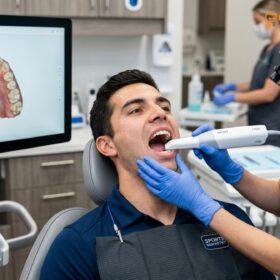
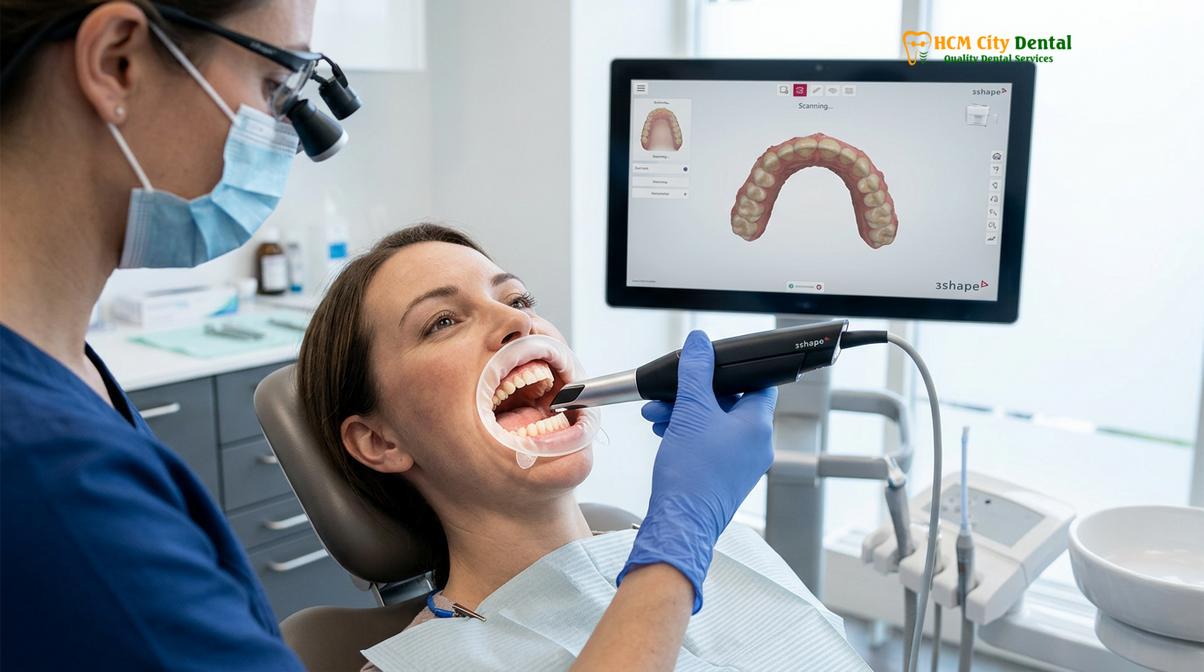
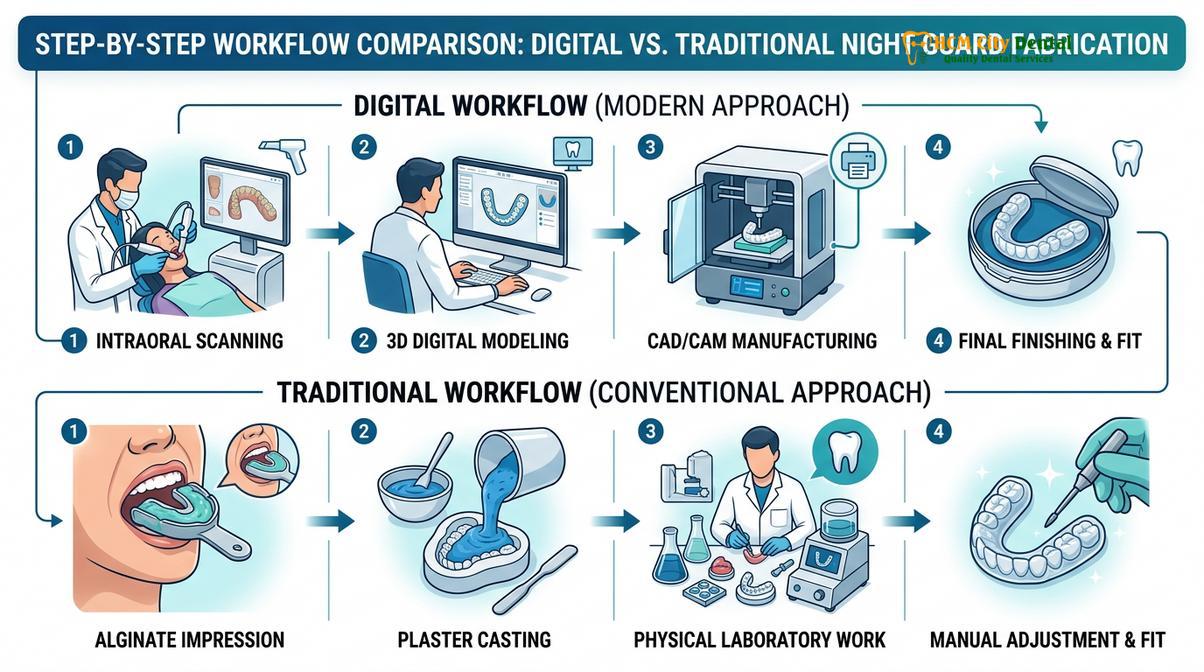
The most critical factor in the success of a night guard is not where it is made, but the precision of its fit and the quality of the materials used. Dr. Nguyen Van Cuong emphasizes that the clinical efficacy of a night guard relies entirely on its precise adaptation to the patient’s dentition. “A poorly fitted appliance can exacerbate TMJ dysfunction, induce unwanted orthodontic movement, and cause localized periodontal trauma,” notes Dr. Cuong. Therefore, modern clinics in Vietnam have transitioned away from traditional alginate or PVS impressions, which are prone to distortion, shrinkage, and patient discomfort. Instead, they employ advanced digital intraoral scanners (such as 3Shape Trios or iTero). These devices capture a highly accurate, three-dimensional topographical map of the teeth and gingiva in a matter of minutes. The digital file is then exported to CAD software, where the dentist or technician designs the splint to ensure optimal occlusal contacts and proper anterior guidance. [4]Once the design is finalized, the appliance is either 3D printed using biocompatible resins or milled from a solid puck of PMMA using a 5-axis CAM milling machine. This digital workflow eliminates human error associated with traditional plaster models and manual waxing, resulting in a night guard that fits passively and comfortably from the moment of insertion.
Clinical Warning: Over-the-counter “boil-and-bite” mouthguards are not a substitute for a custom-fabricated occlusal splint. These generic appliances often lack proper occlusal support, can inadvertently increase muscle activity (clenching), and may lead to irreversible changes in your bite if used long-term for sleep bruxism.
The materials utilized in these advanced workflows are imported directly from leading dental manufacturers in Germany, Switzerland, and the United States. Whether a patient requires a rigid acrylic splint for heavy bruxism or a dual-laminate guard for enhanced comfort, the chemical composition and safety profile of the appliance are identical to those provided by a premium Canadian dental laboratory.
Canadian Expats in HCMC
For Canadian expatriates living in Ho Chi Minh City, accessing premium dental care locally eliminates the need to delay preventative treatments until returning home.
Ho Chi Minh City is home to a vibrant and growing community of Canadian expatriates, many of whom work in education, technology, and international business. For these individuals, navigating healthcare in a foreign country can initially seem daunting. However, the standard of private dental care in HCMC has evolved to meet and often exceed the expectations of Western patients.Expatriates benefit immensely from the convenience of local, high-quality dental clinics. Rather than waiting for an annual trip back to Vancouver or Toronto to address dental concerns, they can receive immediate, cost-effective care. This is particularly crucial for conditions like bruxism, where delaying treatment can lead to rapid enamel wear and escalating jaw pain.
Patient Experience: A Canadian teacher residing in Ho Chi Minh City presented to HCMC Dental Clinic with severe morning headaches and visible attrition on her anterior teeth. After a comprehensive TMJ evaluation, she was fitted with a custom CAD/CAM milled dual-laminate night guard. The entire process, from digital scanning to final delivery, was completed in 48 hours at a fraction of the cost she would have paid in Ontario, resulting in immediate relief of her myofascial pain.
Furthermore, local clinics that cater to the expat community offer seamless communication, with fluent English-speaking dentists and support staff. This ensures that complex medical terminology, treatment options, and post-operative care instructions are clearly understood, fostering a trusting and transparent doctor-patient relationship.
When to See a Doctor
While occasional teeth grinding during periods of high stress is common, chronic sleep bruxism requires professional medical intervention. It is crucial to schedule a clinical evaluation if you experience any of the following symptoms:* Chronic Jaw Pain: Persistent aching or stiffness in the jaw muscles, particularly upon waking in the morning.* Tooth Damage: Noticeable flattening, chipping, or fracturing of the teeth, or increased dental sensitivity to hot and cold temperatures.* TMJ Symptoms: Clicking, popping, or grating sounds in the temporomandibular joint when opening or closing the mouth, or limited jaw mobility (lockjaw).* Headaches and Earaches: Frequent tension headaches originating from the temples, or pain that mimics an earache without an actual ear infection.* Soft Tissue Trauma: Unexplained damage or indentations on the inside of your cheeks or the lateral borders of your tongue.A qualified dental professional can perform a comprehensive occlusal analysis, evaluate the health of your temporomandibular joints, and determine if a custom night guard is the appropriate therapeutic intervention to protect your dentition and alleviate muscular strain. [5]
Booking Your Appointment
Scheduling a consultation for a custom night guard at HCMC Dental Clinic is a streamlined process designed to accommodate the tight schedules of international travelers and expats.
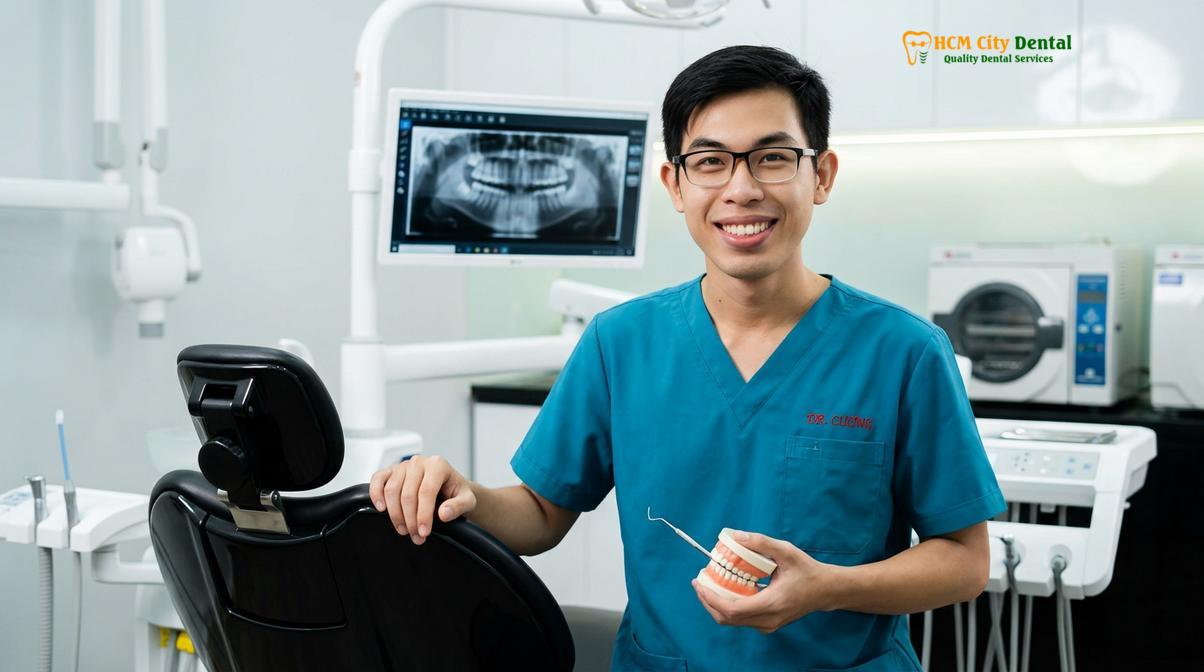
Initiating your treatment journey in Vietnam is highly straightforward. Dr. Nguyen Van Cuong and the dedicated international coordination team at HCMC Dental Clinic ensure that overseas patients receive expedited laboratory services without compromising clinical quality. Prior to your arrival, you can engage in a virtual consultation, allowing the team to review any existing dental records or symptoms and provide a transparent, itemized cost estimate.Upon arriving at the clinic, the clinical workflow is optimized for efficiency. The initial consultation and digital intraoral scanning take less than an hour. Because the clinic utilizes advanced CAD/CAM technology, your custom appliance can often be fabricated and ready for fitting within a few days, leaving you ample time to enjoy your stay in the city. For more detailed information on the types of appliances available and the clinical protocols utilized to treat bruxism, patients are encouraged to review the comprehensive guide on Nightguards. Taking proactive steps to protect your teeth from parafunctional habits is an investment in your long-term oral health, and modern dental tourism makes this essential care more accessible than ever before.
Frequently Asked Questions
How much is a night guard in Canada?
A custom night guard in Canada typically costs between $500 and $1,000 CAD, depending on the clinic and laboratory fees. Complex dual-laminate or hard acrylic splints designed for severe temporomandibular joint disorders often fall at the higher end of this pricing spectrum due to extensive chair time and external fabrication costs.
Does Canadian dental insurance cover night guards?
Yes, many Canadian dental insurance plans cover a portion of the cost for custom night guards if deemed medically necessary for bruxism. Coverage usually ranges from 50% to 80% up to an annual maximum, though patients must verify their specific policy details regarding out-of-network or international claims.
Is it safe to get dental work in Vietnam?
Receiving dental care in Vietnam is highly safe when choosing internationally accredited clinics that follow strict sterilization protocols. Top facilities utilize the same FDA-approved materials, digital imaging technologies, and cross-infection control standards as North American practices, ensuring predictable and secure clinical outcomes.
Can I claim Vietnam dental costs in Canada?
Many Canadian insurance providers allow policyholders to claim international dental expenses, provided the treatment is covered under their plan. Patients must request an itemized invoice, treatment records, and standardized dental codes translated into English from their Vietnamese clinic to submit alongside their standard claim forms.
How to send records to HCMC Dental?
Patients can securely email their digital X-rays, intraoral scans, and previous dental records directly to the international coordination team at HCMC Dental Clinic. Providing these diagnostic files in advance allows the clinical team to formulate a preliminary treatment plan and cost estimate prior to your arrival.
References
- Journal of Prosthetic Dentistry. Clinical evaluation of CAD/CAM milled occlusal splints. (2021).
- Canadian Dental Association. Economic analysis of preventative dental appliances. (2020).
- International Journal of Prosthodontics. Material wear in hard vs soft bruxism guards. (2019).
- Journal of Clinical Medicine. Digital workflows in modern prosthodontics and splint therapy. (2022).
- American Academy of Sleep Medicine. Management of sleep-related bruxism and TMJ disorders. (2018).