For international patients and dental tourists visiting Ho Chi Minh City, coordinating complex oral surgery with international flight schedules requires meticulous clinical planning. One of the most critical inquiries we receive at our District 1 practice is regarding the safety and timing of flying after wisdom tooth extraction. Boarding a commercial aircraft too soon after dentoalveolar surgery exposes the healing extraction site to significant barometric pressure fluctuations, severely dry cabin air, and the physiological stress of travel. These factors can exponentially increase the risk of postoperative hemorrhage, severe barodontalgia (altitude-induced dental pain), and the highly painful condition known as alveolar osteitis, or dry socket.
At HCMC Dental Clinic, located in the heart of Ho Chi Minh City, we specialize in aviation dentistry protocols tailored for expatriates and international travelers. Under the clinical direction of Dr. Nguyen Van Cuong (Dr. Cuong), DDS, our practice implements strict, evidence-based guidelines to help ensure your recovery is uneventful and your journey home is safe. Whether you are undergoing a routine simple extraction or a complex surgical removal of impacted third molars using advanced Piezotome technology, understanding the exact timeline for medical clearance is paramount to your overall health and surgical success.
Clinical Summary:
Flying after wisdom tooth extraction requires strict adherence to aviation medicine protocols to prevent altitude-induced complications. Commercial aircraft cabins are pressurized to an equivalent altitude of 6,000–8,000 feet, creating a hypobaric environment that can destabilize fragile blood clots. At HCMC Dental Clinic, the safe-to-fly timeline dictates that patients should wait 24–48 hours after a simple extraction, and a minimum of 72–96 hours after the surgical removal of impacted wisdom teeth. Adhering to these guidelines, alongside proper hydration and avoiding negative oral pressure, supports a safe, pain-free return flight from Tan Son Nhat International Airport.
Key Takeaways:
- Simple Extractions: Patients are advised to wait 24 to 48 hours before flying to allow initial blood clot stabilization.
- Surgical Impacted Extractions: A waiting period of 72 to 96 hours is highly recommended to mitigate the risks of severe swelling, bleeding, and dry socket.
- Cabin Pressure Risks: Hypobaric environments (565 mmHg) can cause trapped gases to expand, leading to barotrauma and potential clot dislodgement.
- Maxillary Sinus Precautions: Upper wisdom tooth extractions carry a risk of oroantral communication; specific sinus precautions are required during flight.
- Fit-to-Fly Certification: Dr. Nguyen Van Cuong, DDS provides official medical clearance and stamped prescription letters for seamless airport customs processing.
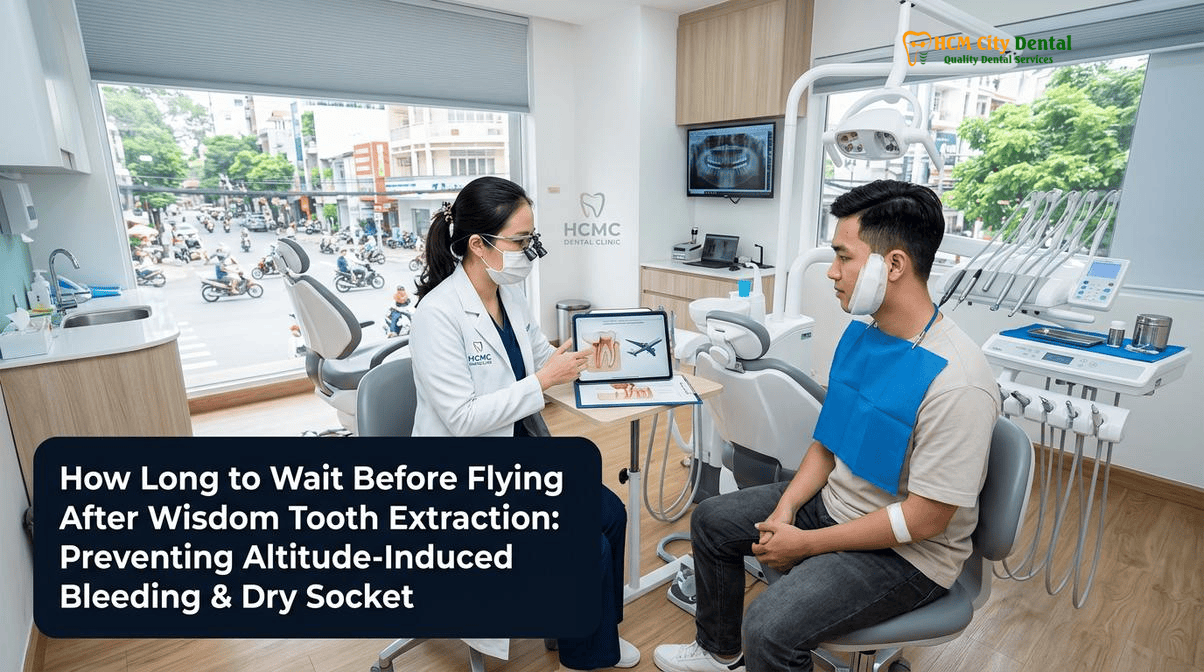
Medical Clearance & Risk Stratification Matrix for Flying After Wisdom Tooth Extraction
The decision to clear a patient for air travel following oral surgery is not arbitrary; it is based on a rigorous risk stratification matrix that evaluates the complexity of the surgical intervention, the patient’s systemic health, and the specific anatomical structures involved. When considering Flying After Wisdom Tooth Extraction: Flight Safety Rules, the primary objective is to protect the integrity of the blood clot that forms within the alveolar socket immediately after the tooth is removed. This clot serves as a biological dressing, protecting exposed bone and nerve endings while providing the foundational matrix for osteogenesis and mucosal epithelialization.
At HCMC Dental Clinic, Dr. Nguyen Van Cuong (Dr. Cuong), DDS (MOH License 0003265/BL-CCHN) categorizes extractions into distinct risk tiers to determine the appropriate safe-to-fly timeline. A simple extraction—where the tooth is fully erupted and removed with minimal trauma using elevators and forceps—presents a lower risk profile. In these cases, the periodontal ligament is severed cleanly, and the surrounding alveolar bone remains intact. Patients in this category are generally cleared to fly within 24 to 48 hours, provided hemostasis is achieved and there are no signs of excessive inflammation. The principles of precise surgical planning, much like those used to ensure high survival rates in 3D guided implantology, are applied here to minimize tissue trauma [1].
Conversely, the surgical removal of impacted wisdom teeth represents a significantly higher risk tier. Impacted third molars, particularly those in a mesioangular or horizontal position, often require the reflection of a mucoperiosteal flap, osteotomy (bone removal), and odontotomy (sectioning of the tooth). This level of surgical trauma induces a robust inflammatory response, peaking at 48 to 72 hours post-operatively. Furthermore, if adjacent teeth require restorative work, ensuring the stability of the entire quadrant is essential before subjecting the patient to altitude changes [2]. Therefore, the HCMC Dental Clinic medical clearance guide advises that patients wait 24–48 hours after simple extraction and 72–96 hours after surgical impacted wisdom tooth removal. Flying during the peak inflammatory phase not only exacerbates facial edema but also places the patient at a high risk for postoperative hemorrhage if the cabin pressure fluctuates rapidly during ascent or descent.
“The biological imperative following any dentoalveolar surgery is the preservation of the primary blood clot. When international patients ask about flying after wisdom tooth extraction, I emphasize that the hypobaric environment of a commercial aircraft is inherently hostile to early wound healing. Waiting the recommended 72 to 96 hours for surgical cases is a critical clinical step to help prevent the debilitating pain of alveolar osteitis.”
— Dr. Nguyen Van Cuong (Dr. Cuong), DDS
Pathophysiology, Aviation Pressure & Clinical Safety Thresholds
To fully comprehend the risks associated with air travel post-surgery, one must understand the pathophysiology of wound healing in the context of aviation medicine. Commercial aircraft cruise at altitudes between 30,000 and 40,000 feet. To sustain human life, the cabin is artificially pressurized; however, it is not pressurized to sea level (760 mmHg). Instead, cabin pressure is maintained at an equivalent altitude of 6,000 to 8,000 feet, resulting in a barometric pressure of approximately 565 mmHg. According to Boyle’s Law, as ambient pressure decreases, the volume of a gas increases. This physical principle is the primary driver of barodontalgia and barotrauma in dental patients. Additionally, patients on specific medication regimens, such as anticoagulants, face compounded risks during these pressure shifts, requiring careful perioperative management [3].
When a patient flies shortly after an extraction, any microscopic gas pockets trapped within the healing tissues or beneath a sutured flap will expand as the aircraft ascends. This expansion exerts mechanical pressure on the highly innervated periosteum and surrounding nociceptors, triggering acute, throbbing pain. Furthermore, the expansion of gases can physically disrupt the fragile fibrin network of the newly formed blood clot. If the clot is dislodged or prematurely lysed, the underlying alveolar bone is exposed to the oral environment, resulting in alveolar osteitis (dry socket)—a condition characterized by severe, radiating pain and delayed healing [4].
Another critical factor is the proximity of the maxillary (upper) wisdom teeth to the maxillary sinus floor. The roots of upper third molars often protrude into or sit immediately adjacent to the sinus cavity. Extraction of these teeth can thin the Schneiderian membrane or create a microscopic oroantral communication. During flight, the rapid pressure changes can force air from the nasal cavity through the sinus and into the extraction socket, severely traumatizing the site and potentially causing a sinus infection or a permanent oroantral fistula. For patients seeking the Best Oral Surgeon for Wisdom Tooth Extraction in Saigon | HCMC Dental, our protocol includes specific sinus precautions: patients must avoid blowing their nose, suppress sneezes (or sneeze with the mouth open), and utilize saline nasal sprays to maintain sinus patency during their flight.
Finally, the environmental conditions inside the aircraft cabin contribute to the risk profile. Cabin air is heavily filtered and exceptionally dry, with humidity levels frequently dropping below 20%. This arid environment rapidly desiccates the oral mucosa. Dehydration compromises salivary flow, reducing the mouth’s natural buffering capacity and antimicrobial defenses, thereby increasing the risk of secondary infection at the surgical site. Continuous hydration with non-carbonated water is a mandatory clinical directive for all our traveling patients.
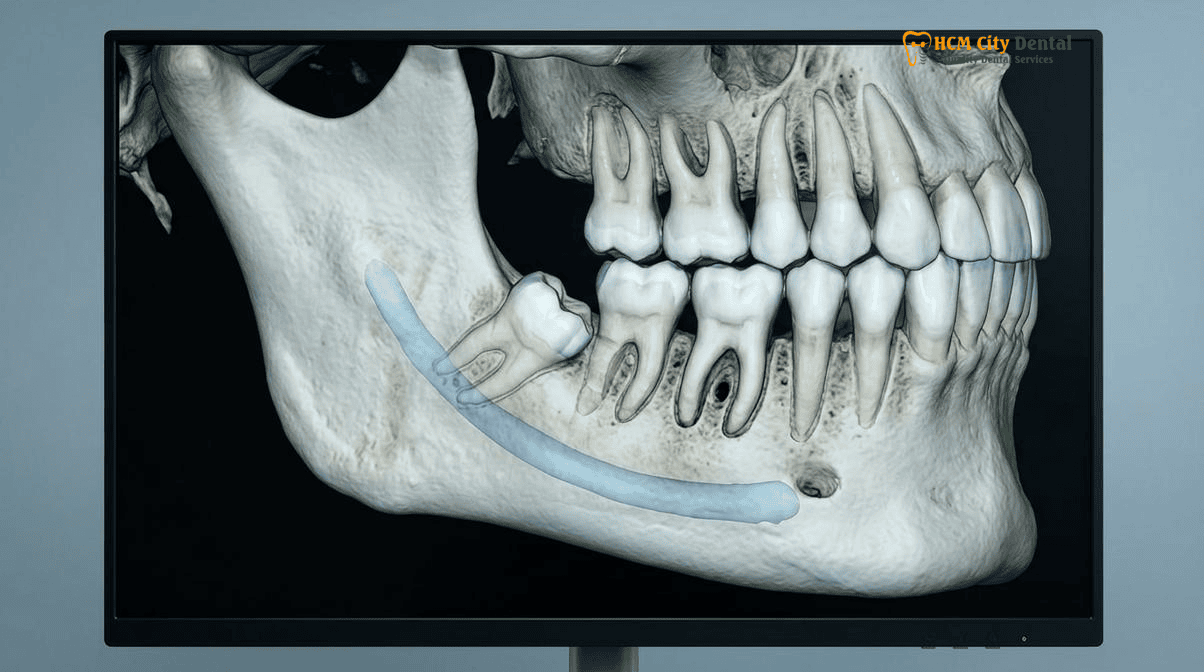
Step-by-Step Pre-Op, Chairside & Post-Op Safety Protocol in District 1, Ho Chi Minh City
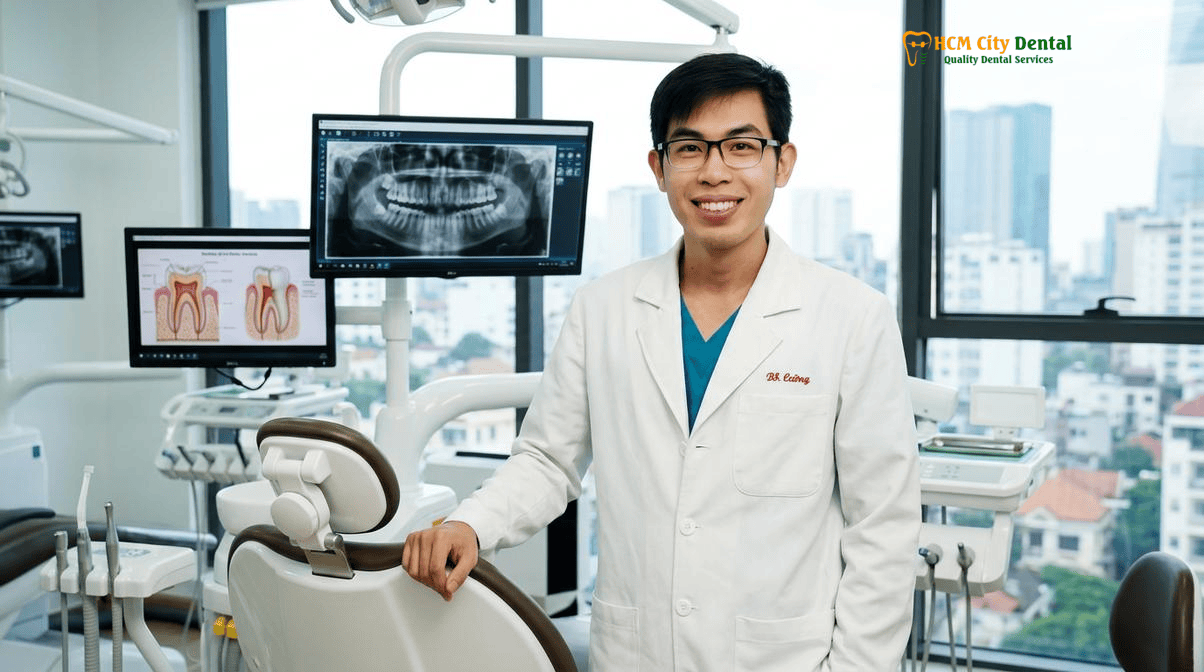
As the Clinical Director of HCMC Dental Clinic, Dr. Nguyen Van Cuong, DDS (MOH License 0003265/BL-CCHN) oversees all complex surgical extractions and aviation dentistry clearances. With extensive experience managing international patients in Ho Chi Minh City, Dr. Cuong ensures that every procedure adheres to the highest global safety standards. His meticulous approach to risk stratification minimizes post-operative complications, allowing patients to travel home safely and comfortably.
At our facility located in District 1, Ho Chi Minh City, we have engineered a comprehensive, end-to-end clinical pathway specifically designed for international dental travelers. Our protocol ensures that every phase of your treatment—from initial diagnostics to your final departure from Tan Son Nhat International Airport—is optimized for safety, predictability, and rapid recovery.
Phase 1: Advanced Diagnostics and Pre-Operative Planning
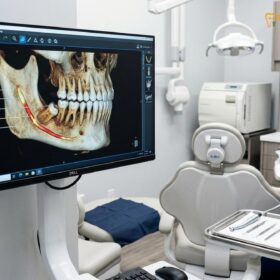
The foundation of a safe extraction and subsequent flight is precise diagnostic imaging. Upon arrival at our District 1 clinic, every surgical patient undergoes a high-resolution 3D CBCT (Cone Beam Computed Tomography) scan. This imaging modality allows Dr. Cuong to visualize the exact three-dimensional anatomy of the impacted wisdom teeth, mapping their proximity to the inferior alveolar nerve canal and the maxillary sinus floor. By understanding the precise anatomical landscape, we can plan a minimally invasive surgical approach that reduces bone trauma, minimizes post-operative swelling, and accelerates the timeline for safe air travel.
Phase 2: Minimally Invasive Chairside Execution
To mitigate the inflammatory response, HCMC Dental Clinic utilizes advanced Piezotome ultrasonic surgery for bone removal and tooth sectioning. Unlike traditional rotary burs that generate significant heat and mechanical trauma, the Piezotome uses high-frequency ultrasonic micro-vibrations to cut bone with extreme precision while preserving adjacent soft tissues, nerves, and blood vessels. This technology drastically reduces post-operative edema and ecchymosis (bruising). Following the extraction, we frequently utilize PRF (Platelet-Rich Fibrin) therapy. By drawing a small amount of the patient’s blood and centrifuging it, we create a concentrated matrix of growth factors and leukocytes that is placed directly into the extraction socket. PRF accelerates soft tissue healing, stabilizes the blood clot, and significantly reduces the incidence of dry socket, making it an invaluable tool for patients planning to fly shortly after surgery.
Phase 3: Post-Operative Recovery in District 1
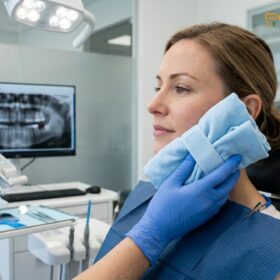
Following the procedure, patients are provided with a comprehensive post-operative care package and detailed instructions. Because our clinic is strategically located just minutes from major international hotels, patients can immediately return to a comfortable environment to begin their recovery. We prescribe a tailored regimen of broad-spectrum antibiotics, potent anti-inflammatory medications, and Chlorhexidine 0.12% antimicrobial mouthwash. Patients are instructed to apply ice packs continuously for the first 24 hours to control swelling and to adhere to a strict soft-food diet. For a detailed guide on managing the initial healing phase, patients are encouraged to review our Recover After Wisdom Tooth Extraction: Clinical Guide | HCMC Dental.
Clinical Case Study: International Patient Recovery & Flight Clearance
Patient Profile: 28-year-old male expatriate from Melbourne, Australia, visiting Ho Chi Minh City for a 10-day business trip.
Clinical Presentation: Acute pericoronitis and severe pain originating from bilateral mesioangular impacted lower third molars (teeth 38 and 48).
Intervention: The patient presented to HCMC Dental Clinic in District 1, Ho Chi Minh City. Following a 3D CBCT scan, Dr. Nguyen Van Cuong, DDS performed a bilateral surgical extraction utilizing Piezotome technology and PRF placement. The procedure was completed under profound local anesthesia in 45 minutes.
Post-Op & Flight Clearance: The patient recovered at a nearby hotel in District 1. On day 3 (72 hours post-op), he returned for a follow-up evaluation. The surgical sites showed excellent primary closure with stable clot formation and minimal facial edema. Dr. Cuong issued a Fit-to-Fly medical certificate and a stamped prescription letter. The patient successfully boarded his 8.5-hour long-haul flight back to Melbourne on day 4 (96 hours post-op) with zero instances of barodontalgia or bleeding.
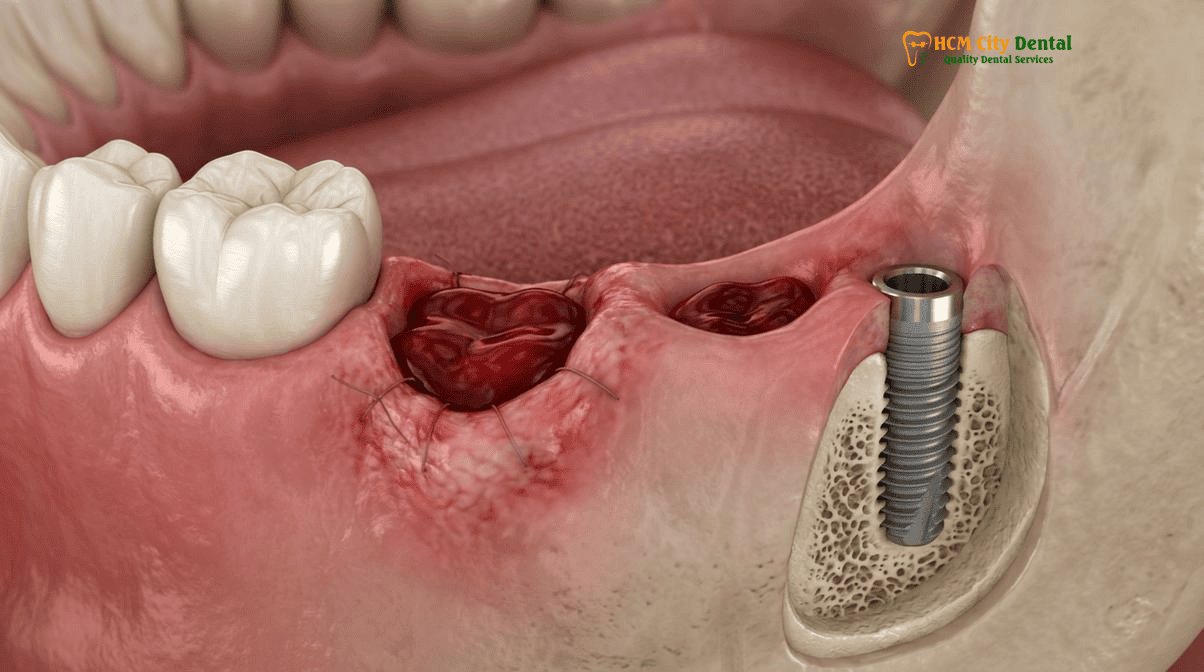
Clinical Decision Matrix Table: Safe Timelines, Thresholds & Red Flags
To provide absolute clarity for our international patients, we have developed a comprehensive clinical decision matrix. This table outlines the recommended waiting periods, specific aviation risks, and the associated costs based on our Official Dental Fee Schedule. Understanding these timelines is crucial for coordinating your travel itinerary and ensuring compliance with our medical safety protocols.
| Dental Procedure | Recommended Wait Time Before Flying | Primary Aviation Risks & Barotrauma Concerns |
|---|---|---|
| Simple Tooth Extraction | 24 – 48 Hours | Minor risk of clot dislodgement due to pressure changes. Low risk of bleeding if instructions are followed. |
| Surgical Impacted Wisdom Tooth (Lower) | 72 – 96 Hours (Minimum) | High risk of alveolar osteitis (dry socket), severe barodontalgia, and altitude-induced swelling. |
| Surgical Impacted Wisdom Tooth (Upper/Sinus Proximity) | 5 – 7 Days | Risk of oroantral communication, sinus barotrauma, and severe pain during ascent/descent. |
| Complex Extraction with Bone Grafting | 7 – 10 Days | Risk of graft displacement, severe edema, and compromised vascularization due to cabin pressure. |
When to Seek Immediate Medical Attention (Red Flags)
While our protocols are designed to minimize complications, it is vital for patients to recognize the signs of abnormal healing before they board an aircraft. Ignoring these symptoms and flying can lead to severe in-flight medical emergencies where professional dental care is entirely inaccessible. At HCMC Dental Clinic, we adhere strictly to the highest infection control standards, ensuring that all instruments are sterilized using Class B autoclaves to prevent cross-contamination and post-operative infections [5].
If you experience any of the following symptoms while recovering at your hotel in Ho Chi Minh City, you must contact our clinic immediately and delay your flight:
- Uncontrolled Bleeding: While slight oozing is normal for the first 24 hours, active, bright red bleeding that does not stop after 45 minutes of firm biting pressure on a gauze pad is a medical red flag. For more information, read our Bleeding After Wisdom Tooth Removal: Clinical Guide | HCMC Dental.
- Severe, Radiating Pain: Pain that worsens after 48 hours, radiates to the ear or neck, and is unresponsive to prescribed analgesics is a classic symptom of dry socket.
- Fever and Chills: A body temperature exceeding 38°C (100.4°F) accompanied by chills or malaise indicates a systemic infection requiring immediate antibiotic intervention.
- Progressive Swelling: Swelling that continues to increase after 72 hours, or swelling that begins to compromise your airway or ability to swallow, requires emergency evaluation.
“Patient education is just as important as surgical precision. I always instruct my international patients to monitor their symptoms closely. If you experience uncontrolled bleeding or escalating pain, boarding a flight is the worst possible decision. We are here in Ho Chi Minh City to manage these complications safely on the ground.”
— Dr. Nguyen Van Cuong (Dr. Cuong), DDS
Conclusion & Fit-to-Fly Certification
Navigating the complexities of flying after wisdom tooth extraction requires a partnership between the patient and a highly skilled clinical team. By understanding the physiological impacts of cabin pressure and adhering to the strict 72 to 96-hour waiting period for surgical extractions, you can protect your healing tissues and ensure a comfortable journey home. At HCMC Dental Clinic, our commitment to aviation dentistry protocols means you never have to compromise your safety for the sake of your travel schedule.
If you are planning a trip to Vietnam and require expert oral surgery, trust the specialists at HCMC Dental Clinic. Located in District 1, Ho Chi Minh City, Dr. Nguyen Van Cuong, DDS and our dedicated team are ready to provide world-class care and comprehensive travel clearance. For more detailed information on preparing for your procedure and ensuring a safe flight, please explore our International Patient Medical Safety & Post-Op Recovery Guides.
References
- International Journal of Oral & Maxillofacial Implants. Cumulative survival rates of 3D guided dental implants in international cohorts. (2024).
- Journal of Prosthetic Dentistry. Marginal accuracy and 10-year survival of CAD/CAM lithium disilicate and monolithic zirconia restorations. (2023).
- Journal of the American Dental Association (JADA). Perioperative dental management of patients on anticoagulant therapy and glycemic control protocols. (2023).
- Aerospace Medicine and Human Performance. Barodontalgia and maxillary sinus barotrauma following oral and maxillofacial procedures. (2022).
- Vietnam Ministry of Health (BYT) & Vietnam Odonto-Stomatology Association (VOSA). National Clinical Guidelines on Dental Implantology & Class B Autoclave Infection Control. (2024).