Digital smile design full mouth rehabilitation is a comprehensive clinical workflow that utilizes advanced 3D imaging and CAD/CAM technology to restore both the functional bite and aesthetic harmony of the entire dentition. This predictable approach corrects bite collapse while ensuring optimal jaw alignment and long-term structural stability.
Clinical Summary:
Digital Smile Design (DSD) in full mouth rehabilitation transcends cosmetic enhancements by integrating functional diagnostics, neuromuscular dentistry, and precise 3D imaging. By establishing the correct vertical dimension of occlusion (VDO) and utilizing diagnostic splints, clinicians can predictably restore collapsed bites. The workflow incorporates intraoral 3D scans, CAD/CAM precision, and biocompatible monolithic zirconia to ensure optimal chewing guidance and speech preservation. Advanced protocols, including IV conscious sedation and PRF healing, provide a safe, pain-free experience. This evidence-based approach aims to ensure that the final restorations are biomechanically sound and harmonized with the patient’s unique facial dynamics.
Key Takeaways:
- DSD utilizes 3D facial and intraoral scanning to plan full arch restorations with millimeter precision.
- Restoring the vertical dimension of occlusion (VDO) is critical for correcting bite collapse and alleviating jaw muscle fatigue.
- Patients can “test drive” their new smile using a 3D digital smile mockup before any irreversible tooth preparation occurs.
- Biocompatible monolithic zirconia ensures superior margin fit, durability, and natural aesthetics for full mouth crowns or implant-supported bridges.
- Pre-booking via WhatsApp offers significant financial advantages, including up to 40% off premium implant fixtures and full arch packages.
Beyond Aesthetics: The Functional Integrity of Digital Smile Design
Digital smile design serves as a comprehensive diagnostic blueprint, ensuring that full mouth restorations establish proper occlusal vertical dimension and biomechanical stability rather than just cosmetic improvements.
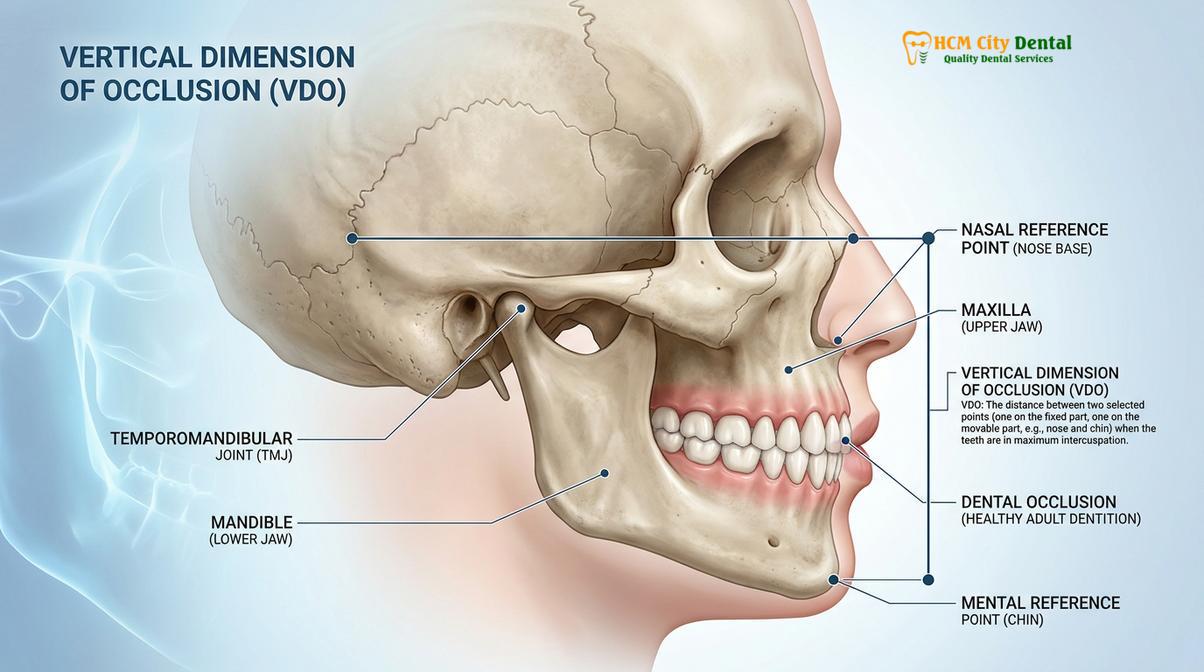
The concept of Full Mouth Rehabilitation extends far beyond the superficial alignment and whitening of teeth. At its core, it is a complex biomechanical and physiological reconstruction of the stomatognathic system. When a patient suffers from severe attrition, erosion, or the loss of multiple posterior teeth, the natural consequence is a condition known as bite collapse. This pathological state leads to a reduced vertical dimension of occlusion (VDO), which is the spatial relationship between the maxilla and the mandible when the teeth are in maximum intercuspation[1].
A compromised VDO forces the mandible to over-close, placing immense stress on the temporomandibular joints (TMJ) and the surrounding musculature. Patients often present with chronic headaches, neck pain, and severe jaw muscle fatigue. To address this, modern restorative protocols heavily rely on the principles of neuromuscular dentistry. The primary objective is to locate the patient’s physiologic rest jaw position—a state where the masticatory muscles are at their lowest level of electrical activity and tension.
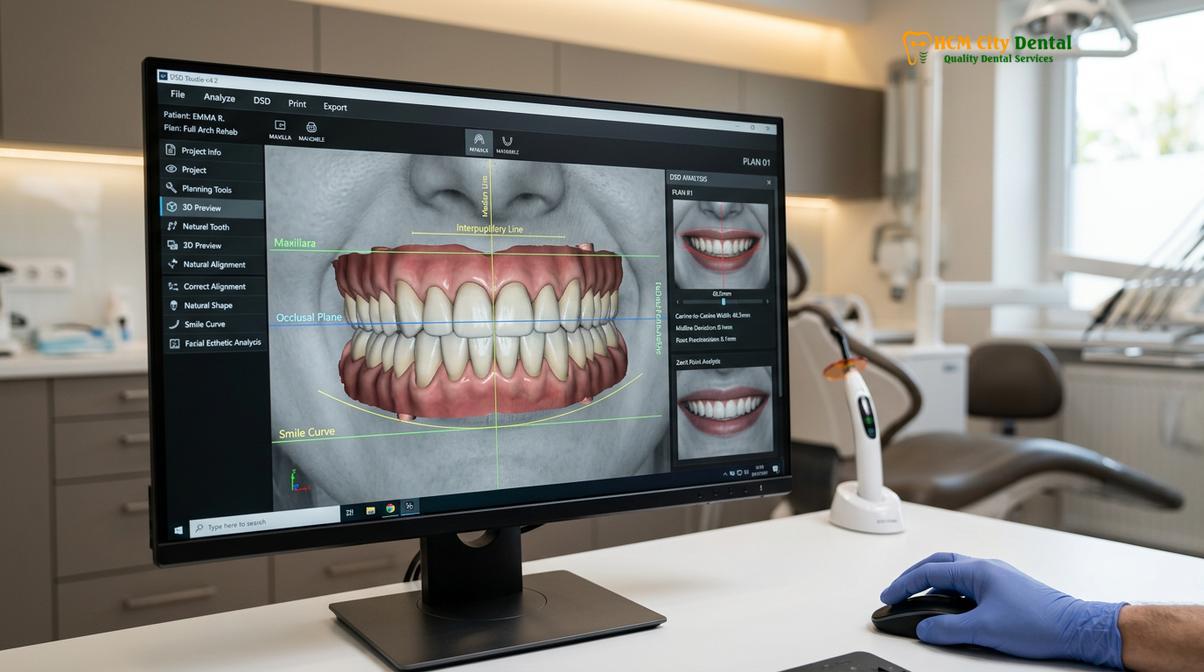
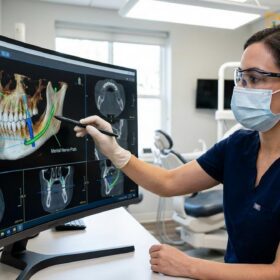
Digital smile design plays a pivotal role in this functional restoration. By utilizing advanced software, clinicians can digitally simulate the opening of the bite to its optimal vertical height. This digital blueprint allows for the precise calculation of the required restorative space. Before committing to permanent restorations, a diagnostic splint is often fabricated based on these digital measurements. The patient wears this splint to test the new vertical dimension, allowing the neuromuscular system to adapt and ensuring complete jaw muscle relaxation. Only when the patient is entirely asymptomatic and comfortable does the clinician proceed with the permanent bite collapse restoration.
The Photo and Video Protocol for Full Arch Structural Analysis
High-resolution dynamic imaging and intraoral 3D scans capture the patient’s facial movements, providing essential data for aligning the dental midline and occlusal plane.
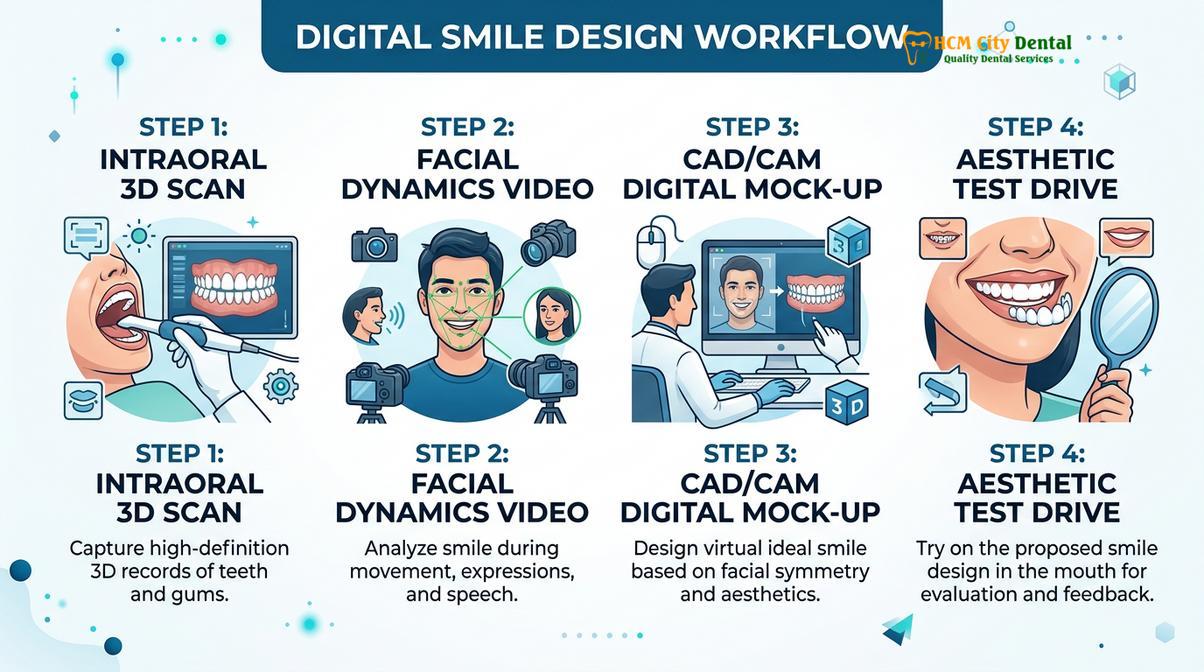
The foundation of any highly successful digital smile design full mouth case lies in the meticulous collection of patient data. Traditional dentistry often relied on static photographs and uncomfortable alginate impressions, which provided a limited, single-dimensional view of the patient’s oral environment. Today, the diagnostic protocol has been revolutionized by dynamic digital capture techniques.
The process begins with an intraoral 3D scan, typically utilizing state-of-the-art equipment such as the Medit i700. This optical scanner captures thousands of images per second, stitching them together to create a highly accurate, full-color 3D topographical map of the teeth and soft tissues. This eliminates the gag reflex associated with traditional putty impressions and provides a digital file that can be instantly imported into CAD/CAM software for analysis[2].
However, teeth do not exist in a vacuum; they are framed by the lips and face in constant motion. Therefore, the photo and video protocol is equally critical. Clinicians record high-definition video of the patient speaking, smiling naturally, and laughing. This dynamic structural analysis allows the dental team to evaluate the mobility of the upper lip, the display of the gingival architecture (to diagnose a gummy smile), and the relationship of the incisal edges to the lower lip during phonetics. By superimposing the intraoral 3D scan onto the dynamic facial video, the clinician can design a smile that is perfectly parallel to the interpupillary line and harmonious with the facial midline.
Creating the 3D Digital Mock-Up (Dental Wax-Up)
Utilizing CAD/CAM precision, clinicians translate diagnostic data into a 3D digital mock-up, allowing for meticulous planning of tooth morphology and occlusal contacts.
Once the functional parameters and facial dynamics have been thoroughly analyzed, the data is transferred to the digital laboratory phase. Here, the artistry of dentistry meets the exactitude of engineering. The clinician and the master ceramist collaborate using specialized software to create the 3D digital mock-up, traditionally referred to as a dental wax up.
In the digital realm, each tooth is individually selected from a vast library of natural tooth morphologies. The software allows for the manipulation of tooth length, width, line angles, and embrasure spaces with micron-level accuracy. This CAD/CAM precision ensures that the proposed restorations respect the biological width of the gingiva and maintain a healthy emergence profile. Furthermore, the software acts as a virtual articulator, simulating the patient’s chewing motions to ensure that the new occlusal scheme distributes forces evenly across the arch, preventing premature contacts that could lead to ceramic fractures or implant overload.
“The transition from analog waxing to digital 3D mock-ups has fundamentally shifted full mouth rehabilitation from a reactive, trial-and-error process to a proactive, highly predictable clinical science.”
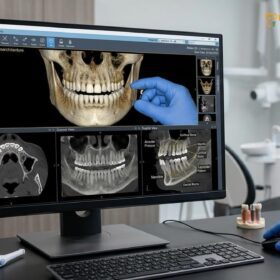
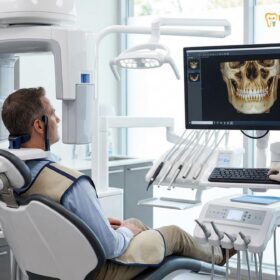
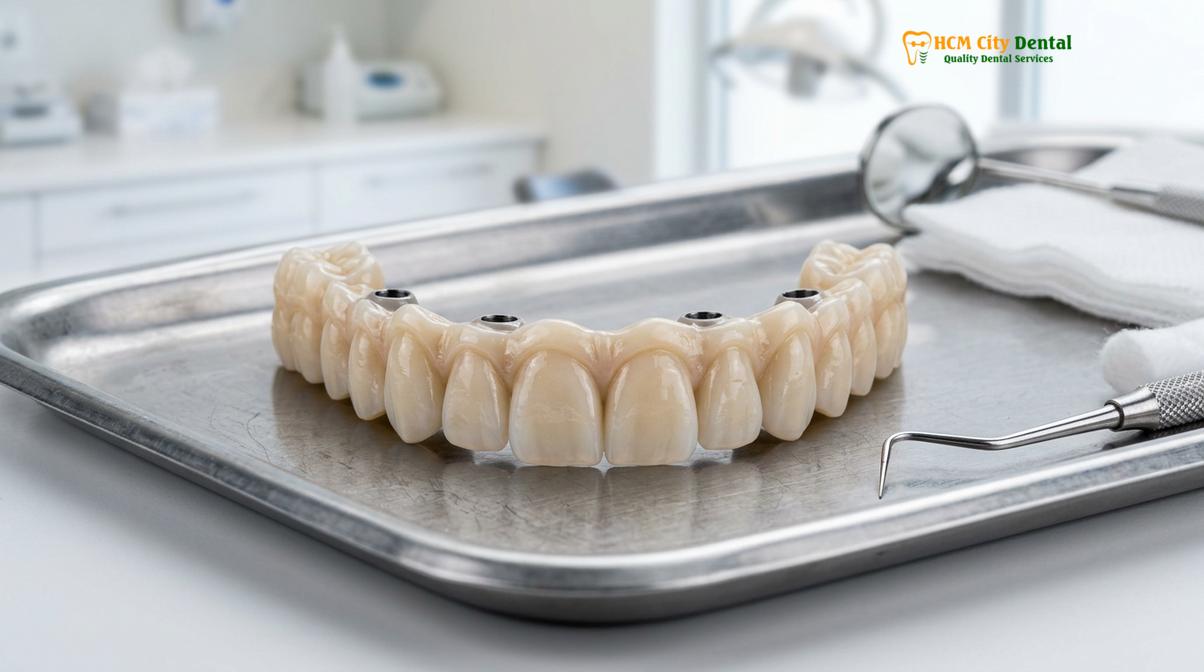
For patients requiring implant-supported restorations, such as an All-on-4 or All-on-6 structural biomechanics framework, this digital mock-up is integrated with Cone Beam Computed Tomography (CBCT) 3D bone diagnostics. This dual-scan protocol allows the surgeon to plan the exact trajectory and depth of the dental implants so that they emerge perfectly within the envelope of the planned prosthetic teeth. This top-down, prosthetically driven approach is the hallmark of contemporary implantology[3].
The Aesthetic “Test Drive”: Trying On Your Restorations Before Preparation
A temporary diagnostic transfer allows patients to physically wear the proposed design, validating phonetic function and aesthetic harmony before any clinical tooth preparation begins.
One of the most profound advantages of the digital workflow is the ability to perform an aesthetic “test drive.” In traditional dentistry, patients often had to wait until the final delivery of their crowns or veneers to see the result, leading to potential anxiety and mismatched expectations. The digital smile design protocol eliminates this uncertainty through a process known as the 3D digital smile mockup.
Using a 3D-printed model of the digital design, the clinician creates a silicone matrix. This matrix is filled with a temporary bis-acryl resin and placed over the patient’s unprepared natural teeth. Within minutes, the resin hardens, and the matrix is removed, leaving the patient with a highly accurate, temporary physical representation of their new smile. This step is entirely reversible and requires no drilling or anesthesia.
Clinical Case Review: Complex Bite Restoration
A 55-year-old expatriate presented to HCMC Dental Clinic in Ho Chi Minh City with severe enamel erosion and a collapsed bite due to decades of bruxism. Dr. Nguyen Van Cuong utilized the DSD protocol to digitally increase the patient’s VDO by 3.5mm. During the mockup phase, the patient was able to visually confirm the restoration of their facial lower third and experience immediate relief from TMJ tension. The functional aesthetics were validated over a two-week trial period using a diagnostic splint before Dr. Cuong proceeded with the final monolithic zirconia restorations, ensuring a predictable and highly successful outcome.
During this trial phase, the patient can evaluate the functional aesthetics in real-time. They can look in the mirror, take photographs, and show their family members. More importantly, the clinician can evaluate the integration of the proposed teeth with the patient’s face. Adjustments to the length, shape, or cant of the teeth can be made directly on the resin mockup chairside. Once the patient and the doctor are completely satisfied, the mockup is scanned, and this approved design becomes the exact blueprint for the final ceramic restorations.
How DSD Prevents Speech Difficulties and Chewing Incompatibility
By analyzing dynamic lip support and anterior guidance, the digital workflow ensures that the final restorations preserve natural speech patterns and facilitate efficient mastication.
A beautiful smile that impairs a patient’s ability to speak clearly or chew efficiently is a clinical failure. The stomatognathic system is highly sensitive to even millimeter changes in tooth position. The digital smile design protocol incorporates specific phonetic and functional tests to guarantee speech preservation and chewing compatibility.
Phonetics are heavily reliant on the position of the maxillary central incisors. For example, the “F” and “V” sounds (fricatives) require the incisal edges of the upper front teeth to lightly touch the wet-dry line of the lower lip. If the digital design makes the teeth too long, these sounds will be muffled; if too short, the patient will lisp. Similarly, the “S” sounds (sibilants) require a precise gap between the upper and lower incisors. By utilizing the 3D digital smile mockup, the clinician can have the patient read a phonetic script, allowing for real-time adjustments to the incisal edge position before the final ceramics are milled[4].
Regarding mastication, the digital software simulates the envelope of function—the 3D space in which the mandible moves during chewing. The goal is to establish mutually protected occlusion. This means that the posterior teeth protect the anterior teeth by absorbing the heavy vertical forces of chewing, while the anterior teeth protect the posterior teeth by discluding (separating) them during lateral and protrusive jaw movements. By meticulously designing the anterior guidance and canine rise in the CAD software, the clinician prevents chewing incompatibility and protects the new restorations from destructive lateral forces.
Clinical Workflows and Advanced Modalities in Full Mouth Rehabilitation
Integrating IV conscious sedation, PRF tissue regeneration, and premium monolithic zirconia ensures a painless, biologically sound, and highly durable full mouth reconstruction.
Executing a full mouth rehabilitation requires a symphony of advanced clinical modalities to ensure patient comfort, rapid healing, and long-lasting results. For extensive procedures involving multiple extractions, bone grafting, or full arch implant placement, patient anxiety and pain management are paramount. This is where IV Conscious Sedation becomes an invaluable tool.
Administered under the strict supervision of a board-certified anesthesiologist, IV sedation utilizes a precise pharmacological protocol, often combining Midazolam for its potent amnesic properties and Propofol for deep relaxation. Patients are placed in a twilight state—breathing on their own and able to respond to verbal cues, yet entirely free of pain and anxiety. Continuous EKG, pulse oximetry, and blood pressure monitoring ensure the highest safety standards throughout the procedure.
To accelerate the biological healing process, particularly in cases requiring guided bone regeneration or sinus lifts, clinicians frequently employ Platelet-Rich Fibrin (PRF) therapy. A small sample of the patient’s own blood is drawn and centrifuged to isolate a concentrated matrix of platelets, leukocytes, and autologous growth factors. When this PRF membrane is applied to surgical sites, it significantly reduces post-operative inflammation, accelerates soft tissue closure, and enhances the integration of bone grafts[5].
Important Clinical Consideration
While full mouth rehabilitation offers life-changing functional and aesthetic benefits, it requires a healthy biological foundation. Patients presenting with active, untreated periodontal disease or uncontrolled systemic conditions (such as severe diabetes) must undergo comprehensive disease control and stabilization before any definitive restorative or implant procedures can commence.
The choice of restorative material is the final critical component. Modern full mouth reconstructions heavily favor biocompatible monolithic zirconia. Sourced from premium Swiss and German manufacturers, this metal-free, bio-inert material is milled from a single solid block using 5-axis CAD/CAM machines. Monolithic zirconia exhibits extraordinary flexural strength, making it highly resistant to chipping or fracture, even in patients with a history of bruxism. Furthermore, the digital milling process achieves a margin fit of under 50 micrometers, preventing bacterial microleakage and ensuring long-term periodontal health.
Transparent Pricing and Global Warranty Structures
Comprehensive full mouth rehabilitation offers tiered pricing options, with substantial pre-arrival discounts and global warranties ensuring long-term investment security for international patients.
Understanding the financial investment required for a full mouth rehabilitation is a crucial step in the patient journey. Dr. Cuong emphasizes that transparent financial planning is just as important as the clinical blueprint. To accommodate varying budgets while maintaining uncompromised clinical standards, treatments are structured into tiered packages based on the implant system and restorative materials chosen.
For international patients and dental tourists visiting Ho Chi Minh City, utilizing the WhatsApp pre-booking system unlocks significant financial advantages, offering up to a 40% discount compared to standard walk-in rates. Furthermore, all premium implant fixtures come with global manufacturer warranty cards, ranging from 10 years to a lifetime guarantee, supported by remote post-operative checkups via WhatsApp.
| Treatment / Implant System | Standard Walk-In Price (Estimated) | WhatsApp Pre-Booking Price (-40%) |
|---|---|---|
| Single Implant (Fixture & Abutment) Economy (Dentis/Neo Biotech) |
~$770 (20M VND) | From $460 (12M VND) |
| Single Implant (Fixture & Abutment) Standard (Dentium Superline / IBS) |
~$1,090 (28.3M VND) | From $655 (17M VND) |
| Single Implant (Fixture & Abutment) Premium Plus (Straumann BLT-SLA) |
~$1,795 (46.6M VND) | From $1,080 (28.0M VND) |
| Single Implant (Fixture & Abutment) High-End (Straumann Active) |
~$2,250 (58.3M VND) | From $1,350 (35M VND) |
| Crown on Implant Per Tooth |
~$260 – $385 | From $155 – $230 |
| Full Arch Zirconia Bridge on Implants All-on-4 / All-on-6 (Per Arch) |
~$12,000 – $22,000 | From $7,200 – $13,200 |
| Snap-On Overdenture Implant-Supported (Per Arch) |
~$5,000 – $8,000 | From $3,000 – $4,800 |
| Full Mouth Crowns 14 Zirconia HT Crowns (Per Arch) |
~$3,640 | From $2,184 |
In addition to these transparent pricing structures, the clinic supports international billing requirements and provides necessary documentation for tax offsets (such as NMETO/IRS deductions) where applicable. Flexible 0% interest monthly installment plans are also available for qualifying patients, ensuring that world-class dental care remains accessible.
When to See a Doctor for Full Mouth Rehabilitation
Determining the need for a full mouth rehabilitation requires a professional clinical assessment. You should seek a consultation with a prosthodontist or a restorative specialist if you experience multiple, compounding dental issues that affect your daily quality of life. Primary indications include generalized severe tooth wear (attrition or erosion) that has visibly shortened your teeth, the loss of multiple posterior teeth leading to a collapsed bite, or chronic temporomandibular joint (TMJ) pain accompanied by frequent jaw muscle fatigue.
Additionally, if you have failing older restorations, such as large amalgam fillings or traditional PFM crowns that are fracturing or causing recurrent decay, a comprehensive digital smile design evaluation is highly recommended. It is important to note that full mouth rehabilitation is a highly personalized medical procedure. During your initial consultation, the doctor will perform a thorough CBCT scan and periodontal charting to determine your specific candidacy. Patients with active, uncontrolled periodontal disease or severe systemic health issues may require preliminary stabilizing treatments before embarking on a full reconstructive journey.
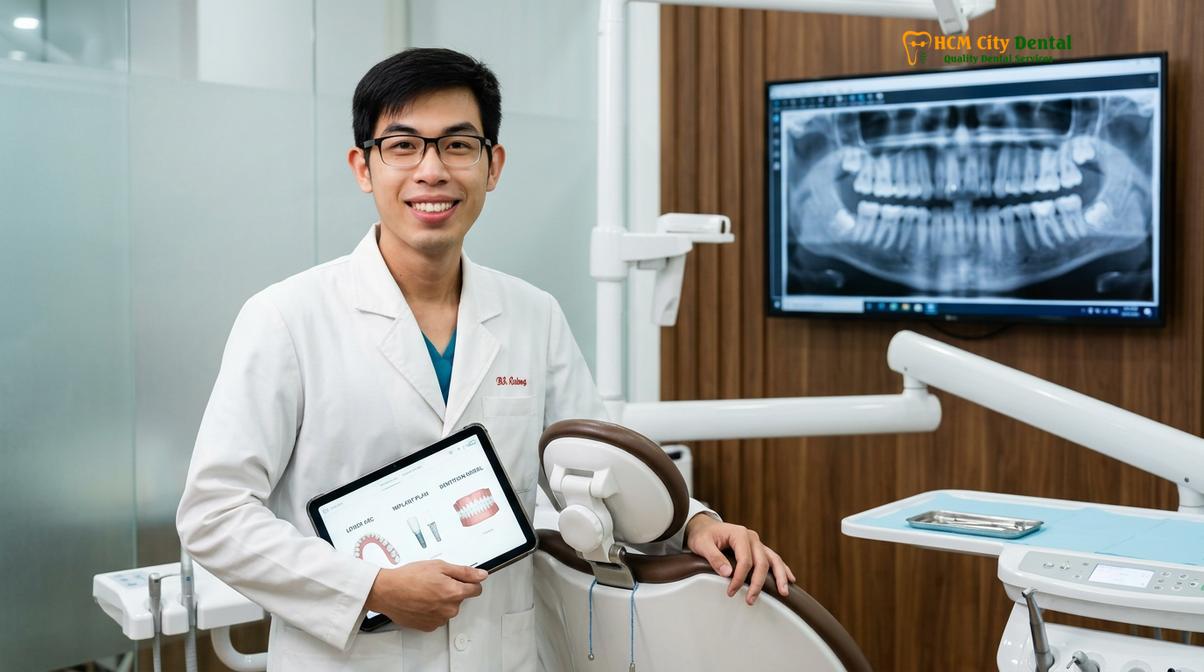
Frequently Asked Questions
What is Digital Smile Design in full mouth reconstruction?
Digital Smile Design (DSD) is an advanced diagnostic and planning protocol that utilizes 3D imaging and CAD/CAM software to blueprint a patient’s ideal dental restoration. In full mouth reconstruction, it allows clinicians to analyze facial dynamics, restore the vertical dimension of occlusion, and predictably plan the precise placement of implants and crowns before any physical treatment begins. This ensures that the final result is both biomechanically sound and aesthetically harmonious with the patient’s face.
Can I preview my full mouth restoration before clinic prep?
Yes, patients can physically preview their proposed restorations through a temporary bis-acryl resin transfer known as a 3D digital smile mockup. This non-invasive trial allows you to evaluate the aesthetic appearance, phonetic compatibility, and overall comfort of the new design before any irreversible tooth preparation or surgical intervention takes place. Adjustments can be made chairside to ensure complete satisfaction.
How does DSD prevent bite problems?
DSD prevents occlusal issues by digitally mapping the patient’s jaw movements and establishing the correct vertical dimension of occlusion. By simulating the bite in a virtual articulator, clinicians can ensure mutually protected occlusion and proper anterior guidance. This meticulous digital planning prevents premature wear on the new restorations, eliminates chewing incompatibility, and significantly alleviates jaw muscle fatigue associated with bite collapse.
Is IV conscious sedation safe for full mouth rehabilitation?
IV conscious sedation is a highly safe and effective modality when administered by a board-certified anesthesiologist with continuous EKG and vitals monitoring. It utilizes precise pharmacological protocols, such as Midazolam and Propofol, to induce a deep state of relaxation. This ensures that complex, multi-hour full mouth procedures—such as implant placement and bone grafting—are completed comfortably, painlessly, and without anxiety.
Why is monolithic zirconia preferred for full arch restorations?
Monolithic zirconia is favored due to its exceptional flexural strength, superior biocompatibility, and highly natural translucency. Because it is milled from a single block of bio-inert material using CAD/CAM technology, it eliminates the risk of porcelain chipping seen in traditional PFM crowns. Furthermore, it achieves a microscopic margin fit of under 50 micrometers, which promotes optimal gingival health and long-term structural stability.
References
- The Journal of Prosthetic Dentistry. Vertical dimension of occlusion restoration parameters. (2021).
- International Journal of Prosthodontics. Biomechanical load distribution in All-on-4 restorations. (2020).
- Journal of Esthetic and Restorative Dentistry. Digital smile design functional protocols. (2018).
- Journal of Clinical Periodontology. Biocompatible dental materials and soft tissue response. (2019).
- Clinical Oral Implants Research. Platelet-rich fibrin in guided bone regeneration. (2022).
For customized treatment planning, transparent cost estimates, and direct consultation with Dr. Cuong, visit our comprehensive Full Mouth Rehabilitation service page or message our team directly via WhatsApp to receive an instant assessment.