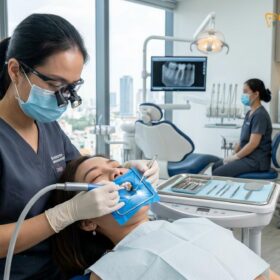
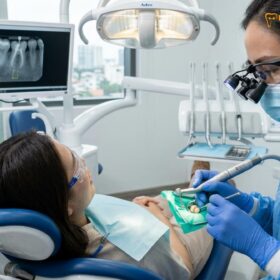
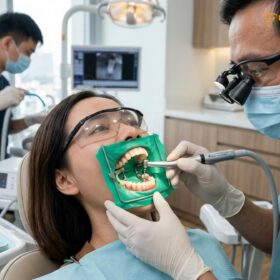
When deciding between a root canal and tooth extraction, preserving your natural tooth through endodontic therapy is almost always the superior clinical choice. Extraction should only be considered when a tooth is fractured below the gumline or suffers from catastrophic structural decay that makes restoration impossible.
Clinical Summary:
Root canal therapy eliminates internal infection while preserving the natural root structure, maintaining jawbone density and normal chewing biomechanics. Conversely, tooth extraction creates an immediate gap that requires costly prosthetic replacements like dental implants or bridges to prevent adjacent teeth from shifting. Modern endodontics utilizes advanced anesthesia, making root canals virtually painless and highly predictable. Extraction is reserved strictly for non-restorable teeth, severe root fractures, or advanced periodontal disease where the supporting bone is compromised.
Key Takeaways:
- Root canals save the natural tooth structure, preventing irreversible jawbone resorption.
- Extracting a tooth without replacement leads to bite misalignment and facial sagging over time.
- Modern endodontic procedures are highly comfortable and often completed in one to two visits.
- The long-term financial investment of an extraction plus an implant far exceeds the cost of a root canal.
- Clinical diagnostics, including 3D CBCT imaging, definitively determine if a tooth is restorable.
The Biological Value of Keeping Your Natural Tooth
Preserving your natural tooth maintains the periodontal ligament, which provides essential sensory feedback during chewing and stimulates the surrounding jawbone to prevent structural loss.
The human dentition is a highly complex, interconnected system where each tooth plays a vital role in maintaining overall oral harmony. When faced with severe dental decay or irreversible pulpitis, the primary goal of modern dentistry is preservation. Opting for a root canal allows you to retain your natural tooth root, which is biologically superior to any artificial replacement currently available in medical science.
One of the most critical components of a natural tooth is the periodontal ligament (PDL). This specialized connective tissue attaches the tooth root to the surrounding alveolar bone. The PDL is rich in mechanoreceptors—sensory nerve endings that provide proprioceptive feedback to your brain. This feedback tells your jaw muscles exactly how hard to bite down, preventing occlusal overload and protecting both your teeth and your temporomandibular joint (TMJ) from excessive force[1]. Artificial implants, while excellent, lack this natural shock-absorbing ligament and sensory feedback mechanism.
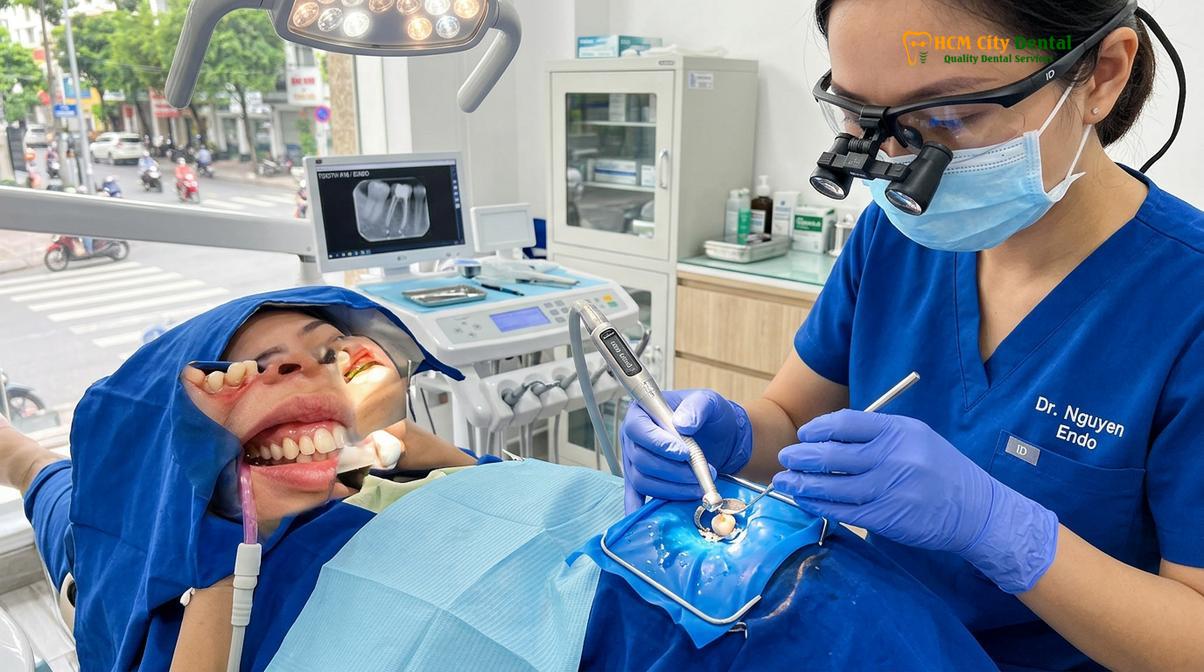
Furthermore, the presence of the natural tooth root continuously stimulates the alveolar bone through the forces of mastication (chewing). This mechanical stimulation signals the body to maintain bone density in that specific area. According to Dr. Nguyen Van Cuong, a leading specialist at HCMC Dental Clinic, extracting a tooth removes this vital stimulation, triggering a biological process where the body begins to resorb or melt away the unused jawbone. By choosing endodontic therapy, you halt the infection while keeping the biological foundation of your smile completely intact.
The True Cost of Tooth Extraction: Hidden Long-Term Expenses
While pulling a tooth seems cheaper initially, the subsequent need for gap replacement options and potential bone grafting makes extraction significantly more expensive over time.
A common misconception among patients is that tooth extraction is the most economical solution for dental pain. While the upfront fee for a simple extraction is undeniably lower than the cost of endodontic therapy and a subsequent dental crown, this narrow view fails to account for the cascading financial and biological consequences of losing a tooth.
Once a tooth is removed, the empty space cannot simply be ignored. To maintain oral function and prevent the shifting of adjacent teeth, patients must invest in gap replacement options. These prosthetics—whether they are fixed dental bridges or titanium implants—require significant financial investment, multiple clinical visits, and ongoing maintenance. When you calculate the lifetime cost of an extraction followed by an implant, compared to saving the tooth with a root canal, the preservation route is vastly more cost-effective[2].
| Treatment Pathway | Initial Procedure | Required Follow-up Treatment | Long-Term Biological Cost | Overall Financial Investment |
|---|---|---|---|---|
| Root Canal Therapy | Endodontic treatment + Core build-up | Placement of a protective dental crown | Preserves natural bone and periodontal ligament | Moderate (One-time major investment) |
| Tooth Extraction | Surgical removal of the tooth | Implant placement, abutment, and crown (or bridge) | Irreversible loss of natural tooth and potential bone grafting | High (Extraction + Prosthetic replacement costs) |
Additionally, if a patient delays replacing the extracted tooth, the surrounding bone will atrophy. When they eventually decide to pursue an implant, they may first require expensive and invasive bone grafting procedures to rebuild the lost foundation. Therefore, the true cost of an extraction is rarely just the price of the removal; it is the beginning of a complex and costly restorative journey.
Understanding Gap Replacement Options: Dental Implants vs. Bridges
If a tooth must be removed, filling the space with a dental implant or a fixed bridge is clinically necessary to prevent adjacent teeth from drifting and altering your bite.
When a tooth is deemed non-restorable and extraction is unavoidable, understanding your gap replacement options is the next critical step in your treatment plan. The two gold-standard solutions in modern restorative dentistry are dental implants and fixed dental bridges. Each modality has distinct clinical indications, benefits, and drawbacks.
A dental implant is widely considered the premier replacement option because it mimics the structure of a natural tooth. A biocompatible titanium post is surgically inserted into the jawbone, acting as an artificial root. Over several months, the bone fuses to the titanium through a process called osseointegration. Once healed, a custom crown is attached. While the dental implant cost HCMC clinics offer is highly competitive globally, it still represents a significant investment compared to preserving the natural tooth. Implants provide excellent longevity and prevent bone resorption, but they require adequate bone volume and a longer treatment timeline[3].
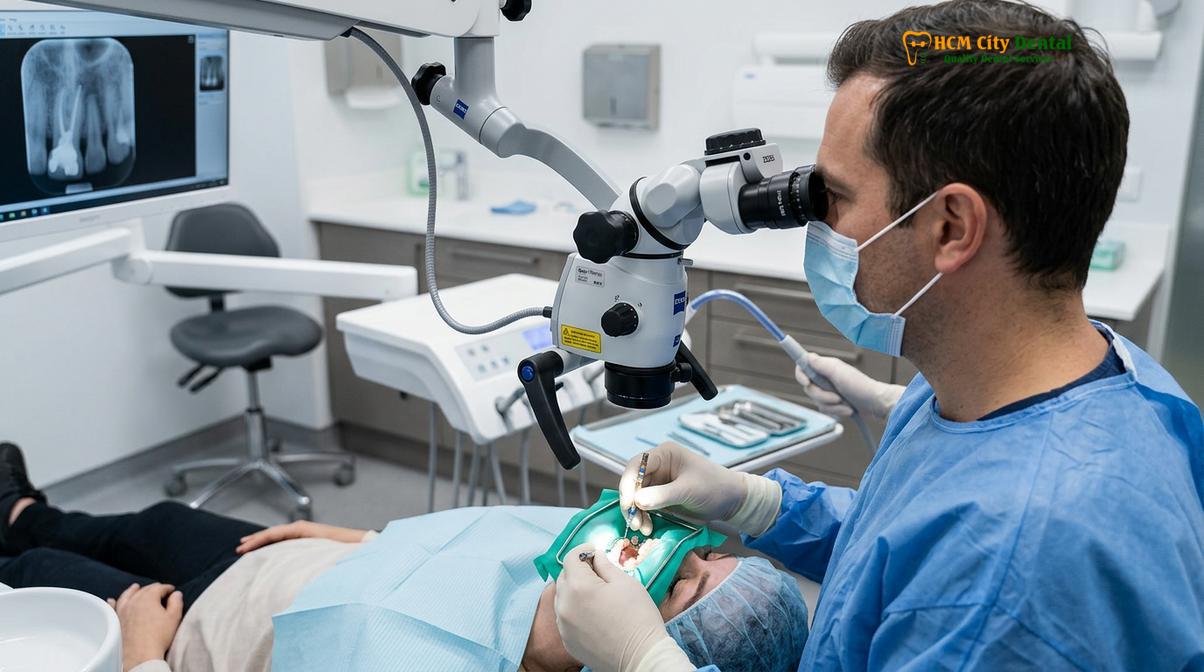
Alternatively, a fixed dental bridge spans the gap by anchoring a prosthetic tooth (pontic) to the adjacent healthy teeth (abutments). While a bridge is typically faster to complete than an implant and avoids surgery, it requires the irreversible reduction of healthy enamel on the neighboring teeth to accommodate the supporting crowns. Furthermore, because a bridge sits above the gumline, it does not stimulate the underlying bone, meaning localized bone loss will still occur beneath the pontic over time. For these reasons, endodontic preservation is always prioritized before considering either of these replacement strategies.
How Root Canal Therapy Restores Mechanical Chewing Force
By removing infected pulp and reinforcing the tooth with a biocompatible core and custom crown, root canal therapy fully restores your natural biting strength and mechanical function.
The primary objective of a root canal is not merely to eliminate pain, but to restore the tooth to its full mechanical capacity. When the internal pulp tissue becomes infected due to deep decay or trauma, the structural integrity of the tooth is often severely compromised. Endodontic therapy addresses both the biological infection and the mechanical weakness.
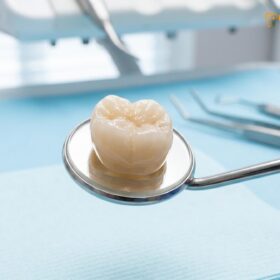
During the procedure, the endodontist meticulously cleans and shapes the hollow canals inside the roots, removing all necrotic tissue and bacteria. The canals are then sealed with a biocompatible material called gutta-percha, which prevents reinfection. However, the treatment does not end there. Because a tooth without a blood supply can become brittle over time, it requires structural reinforcement. This is typically achieved by placing a post and core build-up, followed by a full-coverage dental crown.
“A successful root canal is a masterclass in biomechanical engineering. By meticulously disinfecting the root system and capping the tooth with a high-strength ceramic crown, we return the tooth to its maximum load-bearing capacity, allowing patients to chew with absolute confidence.”
The final crown—often milled from ultra-durable materials like zirconia or lithium disilicate—acts as a protective helmet for the treated tooth. It binds the remaining natural tooth structure together, evenly distributing the heavy occlusal forces generated during chewing. This comprehensive restorative approach ensures that the treated tooth can withstand the same mechanical stresses as a completely healthy, untouched tooth[4].
Bone Loss and Facial Aesthetics: What Happens After Extraction
Removing a tooth halts the mechanical stimulation of the alveolar bone, leading to rapid bone resorption that can cause facial sagging and premature aging.
The consequences of tooth extraction extend far beyond the visible gap in your smile; they profoundly impact the underlying skeletal architecture of your face. The alveolar bone—the portion of the jawbone that houses the tooth sockets—relies entirely on the mechanical stimulation of chewing to maintain its volume and density. This biological principle, known as Wolff’s Law, dictates that bone grows and remodels in response to the forces placed upon it.
When a tooth is extracted and not immediately replaced with an implant, the body senses that the bone in that area is no longer needed. Osteoclasts (bone-resorbing cells) begin to break down the alveolar ridge. This bone loss is most rapid in the first six months following the extraction but continues gradually for life. As the bone melts away, the overlying gum tissue also recedes.

If multiple teeth are lost, this skeletal degradation becomes visible externally. The loss of vertical dimension in the jaw can lead to a collapsed facial profile, deepening of the nasolabial folds, and the appearance of premature aging. Preserving the natural roots through endodontic therapy is the most effective way to maintain your facial aesthetics and structural integrity. Even during the tooth extraction recovery phase, patients must be educated on these long-term aesthetic risks so they can make informed decisions about immediate replacement.
Clinical Scenarios: When Extraction is the Only Safe Option
Extraction becomes medically necessary when a tooth exhibits vertical root fractures, profound periodontal bone loss, or decay extending deeply beneath the crestal bone level.
Despite the overwhelming benefits of saving a natural tooth, there are specific clinical scenarios where endodontic therapy is contraindicated, and extraction becomes the only safe and predictable medical option. A thorough diagnostic evaluation, often utilizing 3D Cone Beam Computed Tomography (CBCT), is essential to determine the exact prognosis of a compromised tooth.
One of the most definitive indications for extraction is a vertical root fracture. Unlike a crack in the crown of the tooth, a vertical root fracture extends longitudinally down the root beneath the gumline. These fractures harbor bacteria that cannot be eradicated by endodontic cleaning, leading to chronic bone infection. In such cases, attempting a root canal will inevitably result in failure, and the tooth must be removed to protect the surrounding bone[5].
Other scenarios necessitating extraction include advanced periodontal disease where the supporting bone has been so severely destroyed that the tooth is highly mobile. Additionally, if dental caries (decay) extends profoundly below the crestal bone level, it may be impossible to establish a proper seal or “ferrule” for a future crown. In these non-restorable situations, a controlled extraction followed by a planned prosthetic replacement is the most responsible clinical pathway.
Making the Decision: Life Expectancy of a Treated Tooth vs. Implant
A properly restored root-canaled tooth can last a lifetime with good hygiene, while a dental implant offers a highly durable, albeit artificial, alternative with survival rates exceeding decades.
When patients are weighing the decision between saving a tooth and extracting it for an implant, the question of longevity is paramount. Both modern endodontic therapy and implantology boast exceptionally high success rates, often exceeding 95% when performed by skilled specialists under proper clinical conditions.
A tooth that has undergone a successful root canal and has been properly restored with a high-quality crown can easily last a lifetime. Because the tooth retains its natural periodontal ligament, it continues to function seamlessly within the stomatognathic system. The primary risk to a root-canaled tooth over the decades is not the failure of the root canal itself, but rather the potential for new decay at the crown margin or mechanical fracture if the patient suffers from severe bruxism (teeth grinding).
“The ultimate goal of dentistry is the preservation of natural biology. While implants are a miraculous solution for missing teeth, they are a replacement for no tooth, not a replacement for a salvageable tooth.”
Conversely, dental implants are impervious to dental decay, making them an excellent option for patients with a high caries risk. However, implants are not without their own long-term vulnerabilities. They can be susceptible to peri-implantitis—an inflammatory condition affecting the gum and bone around the implant—which can lead to implant failure if oral hygiene is neglected. Ultimately, the decision should be guided by a comprehensive clinical assessment, prioritizing natural tooth retention whenever biologically feasible.
When to See a Doctor
Dental pain should never be ignored, as it is often the first indicator of an underlying infection that could threaten the viability of your tooth. You should schedule an immediate clinical evaluation if you experience spontaneous, throbbing pain that wakes you up at night, or if you notice prolonged sensitivity to hot or cold temperatures that lingers long after the stimulus is removed. Swelling in the gums, face, or neck, accompanied by a fever or a foul taste in the mouth, are signs of an active dental abscess requiring urgent medical intervention.
At HCMC Dental Clinic, our specialists utilize advanced diagnostic imaging to accurately assess the health of your dental pulp and surrounding bone. Early intervention dramatically increases the chances of saving your tooth with a conservative root canal, preventing the need for a complex extraction. If you are experiencing any of these symptoms, do not rely on temporary pain relief; seek professional diagnostic advice to secure the long-term health of your smile.
Frequently Asked Questions
Is a root canal more painful than pulling a tooth?
No, a root canal is not more painful than pulling a tooth; modern endodontics uses advanced local anesthesia to make the procedure virtually painless. In fact, tooth extraction recovery often involves more postoperative discomfort, swelling, and bleeding than a standard root canal. Patients typically report immediate relief from their severe toothache once the infected pulp is removed during the endodontic procedure.
Is it cheaper to extract a tooth or get a root canal in Vietnam?
Initially, extracting a tooth is cheaper than a root canal, but the long-term costs are significantly higher. Leaving a gap requires expensive gap replacement options like dental implants or bridges to prevent bone loss and bite misalignment. When factoring in the cost of the extraction, bone grafting, and the final prosthetic, saving the tooth with a root canal and crown is the more financially prudent choice.
How long does a root-canaled tooth last compared to a dental implant?
A properly restored root-canaled tooth can last a lifetime with excellent oral hygiene, similar to the longevity of a high-quality dental implant. Both treatments boast success rates exceeding 95% when performed by experienced dental specialists. The key to longevity for a treated tooth is the timely placement of a protective dental crown to prevent mechanical fracture.
Can I just leave a gap after a tooth extraction?
Leaving a gap after an extraction is highly discouraged because it leads to rapid jawbone resorption and causes adjacent teeth to shift. This shifting alters your bite mechanics, increases the risk of TMJ disorders, and complicates future restorative treatments. If an extraction is necessary, planning for an immediate or delayed implant is crucial to maintain oral harmony.
What is the typical tooth extraction recovery time?
Initial tooth extraction recovery takes about three to seven days for the soft tissue to close, while complete bone healing takes several months. Following strict postoperative care guidelines is essential to prevent complications like dry socket or secondary infections. During this recovery phase, patients must avoid smoking, using straws, and consuming hard foods that could disrupt the blood clot.
References
- Journal of Endodontics. Outcomes of root canal treatment and restoration longevity. (2020).
- International Endodontic Journal. Biofilms in endodontics and disinfection strategies. (2021).
- Journal of the American Dental Association. Microscope-assisted endodontics and missed canals. (2019).
- Clinical Oral Investigations. Biocompatibility of bioceramic root canal sealers. (2022).
- British Dental Journal. Pain management and dental anxiety in endodontics. (2018).