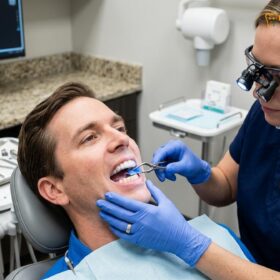
A bite adjustment for TMJ in Vietnam, clinically known as occlusal equilibration, involves precisely reshaping the biting surfaces of teeth to eliminate premature contacts. This procedure relieves abnormal stress on the temporomandibular joint, reduces masticatory muscle tension, and restores harmonious jaw function for long-term pain relief.
Clinical Summary:
Occlusal equilibration (bite adjustment) is a highly precise dental intervention designed to correct malocclusion contributing to Temporomandibular Joint Disorders (TMD). By selectively reshaping microscopic amounts of enamel, clinicians eliminate destructive interferences that trigger muscle spasms and joint inflammation. Advanced diagnostics, such as computerized occlusal analysis, ensure that the reshaping process is conservative, predictable, and strictly limited to non-functional enamel interferences. When performed by a qualified specialist, this irreversible procedure safely establishes a stable, balanced bite, significantly reducing chronic jaw pain and preventing further joint degradation.
Key Takeaways:
- Bite adjustment selectively removes microscopic enamel to balance chewing forces and stabilize the jaw.
- It is indicated for patients whose malocclusion directly causes or exacerbates temporomandibular joint pain.
- Computerized occlusal analysis maps bite forces dynamically to guide highly precise, conservative adjustments.
- The procedure is minimally invasive, strictly targets the outer enamel, and typically does not require local anesthesia.
- Proper equilibration protects teeth from excessive wear, reduces muscle hyperactivity, and promotes long-term joint health.
What is Occlusal Equilibration? Spot Grinding Explained
Occlusal equilibration is a therapeutic dental procedure that modifies the biting surfaces of teeth to create a stable, stress-free relationship between the upper and lower jaws.
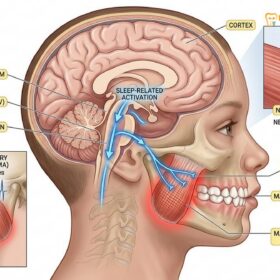
To understand the necessity of a bite adjustment, one must first examine the intricate biomechanics of the human masticatory system. The temporomandibular joint (TMJ) is a complex hinge-and-sliding joint that connects the mandible (lower jaw) to the temporal bone of the skull. For this joint to function optimally, the teeth must come together in a synchronized, even manner. When teeth do not meet correctly—a condition known as malocclusion—the jaw muscles are forced to work overtime to maneuver the mandible into a functional position. This constant neurological feedback and muscular compensation lead to micro-trauma, muscle fatigue, spasms, and eventual temporomandibular joint dysfunction.[1]
The periodontal ligament (PDL), which surrounds the roots of the teeth, is rich in mechanoreceptors. These highly sensitive nerve endings detect pressure variations as minute as a few microns. If a single tooth hits prematurely during closure, the PDL sends an immediate reflex signal to the trigeminal nerve, commanding the jaw muscles to shift the mandible to avoid the high spot. This continuous avoidance pattern prevents the jaw from resting in its natural, physiologically relaxed position known as Centric Relation (CR). Over time, this muscular hyperactivity manifests as tension headaches, neck pain, and severe jaw aching.
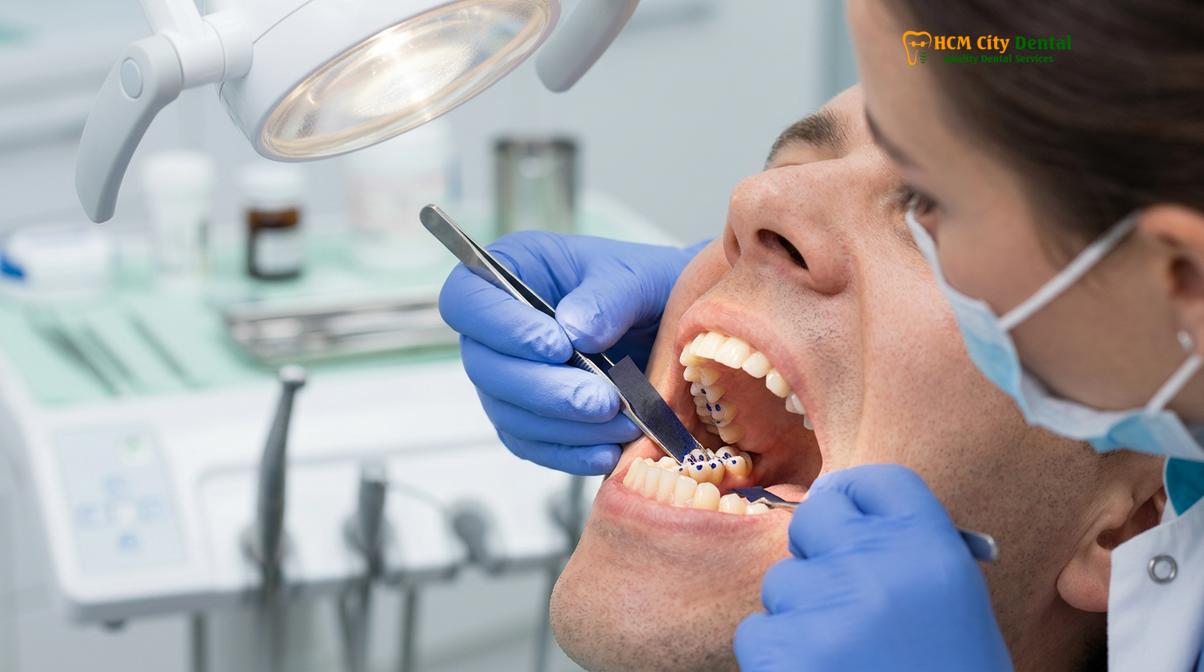
The clinical process of correcting this discrepancy is often referred to as spot grinding enamel. Despite the somewhat aggressive-sounding terminology, it is an exceptionally delicate and conservative procedure. A skilled clinician utilizes fine-grit diamond burs to remove microscopic interferences on the cusps and inclines of specific teeth. By eliminating these high spots, the teeth can interlock seamlessly without forcing the condyle (the ball of the jaw joint) out of its proper alignment within the articular fossa. This precise reshaping allows the neuromuscular system to reset, breaking the cycle of chronic muscle tension and joint inflammation.
When is a Bite Adjustment Recommended for TMD?
Bite adjustment is recommended when clinical diagnostics confirm that premature tooth contacts are the primary trigger for masticatory muscle hyperactivity and temporomandibular joint inflammation.
It is a fundamental principle in modern dentistry that not all temporomandibular joint disorders require irreversible occlusal changes. The etiology of TMD is multifactorial, encompassing stress, trauma, systemic arthritis, and anatomical discrepancies. Therefore, a meticulous differential diagnosis is mandatory before any enamel is altered. Dr. Nguyen Van Cuong, a leading specialist in restorative dentistry, emphasizes that clinicians must differentiate between myogenous TMD (muscle-origin pain) and arthrogenous TMD (joint-origin pain) to determine the appropriate course of action.
If a patient’s TMD is primarily muscular, driven by stress-induced bruxism (teeth grinding) without significant bite discrepancies, reversible therapies are always the first line of defense. In such cases, fabricating custom nightguards provides a protective barrier and an artificial even bite plane, allowing the muscles to relax during sleep. However, if a patient exhibits a clear, measurable discrepancy between their Centric Relation (the natural resting position of the jaw joint) and their Maximum Intercuspation (how the teeth fit together), an occlusal adjustment becomes highly beneficial.[2]
“The goal of occlusal therapy is not merely to make the teeth fit together, but to ensure the teeth, muscles, and temporomandibular joints function in absolute physiological harmony without destructive interference.”
Specific clinical indications for a bite adjustment include:
- A significant “slide in centric”: When the jaw closes into its natural joint position, but the teeth hit unevenly, forcing the jaw to slide forward or sideways to achieve a full bite.
- Fremitus: Visible or palpable movement of a tooth when the patient bites down, indicating excessive occlusal trauma on that specific tooth.
- Severe localized wear facets: Flat, shiny areas on the enamel that indicate isolated areas of heavy grinding due to interferences.
- Post-orthodontic settling: Minor adjustments needed after braces or clear aligners to finalize the bite and prevent relapse or joint strain.
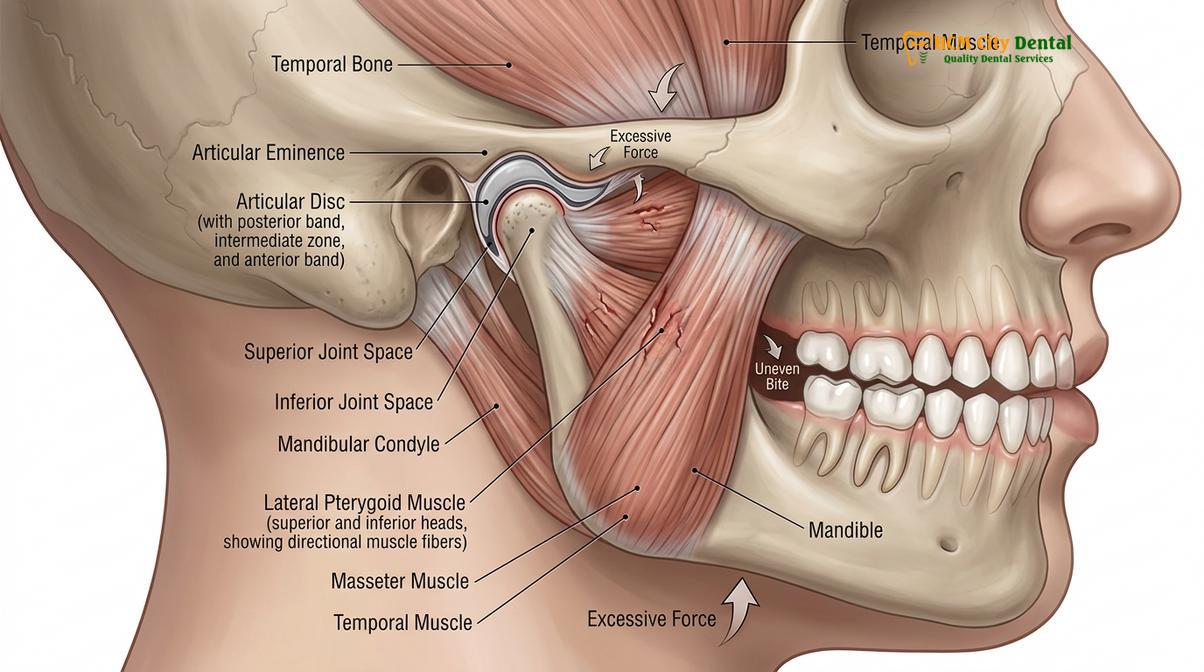
Before proceeding with any permanent changes, a specialist will often utilize a deprogrammer or an occlusal splint for several weeks. This reversible appliance temporarily disengages the teeth, allowing the inflamed lateral pterygoid muscles to relax and the jaw joint to seat fully into its socket. Once the true, uncompensated jaw position is revealed, the dentist can accurately assess whether a bite adjustment will provide definitive relief.
Step-by-Step Occlusal Reshaping Process
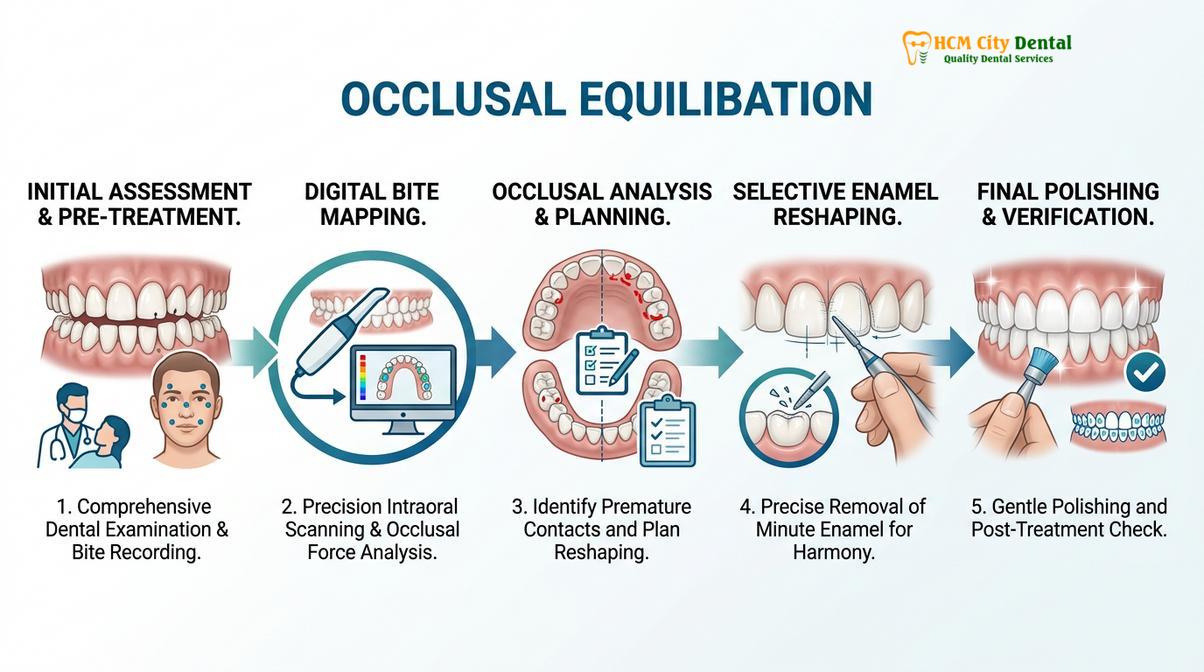
The occlusal reshaping process involves comprehensive digital bite mapping, precise marking of premature contacts, selective enamel reduction, and meticulous polishing to achieve a balanced bite.
Executing a successful bite adjustment requires a systematic, evidence-based approach. Guesswork has no place in occlusal equilibration. At advanced facilities, the workflow integrates both traditional articulation techniques and modern digital analytics to ensure absolute precision.
The procedure generally follows a strict clinical protocol:
1. Comprehensive Occlusal Analysis
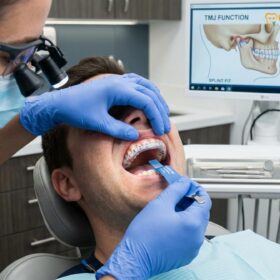
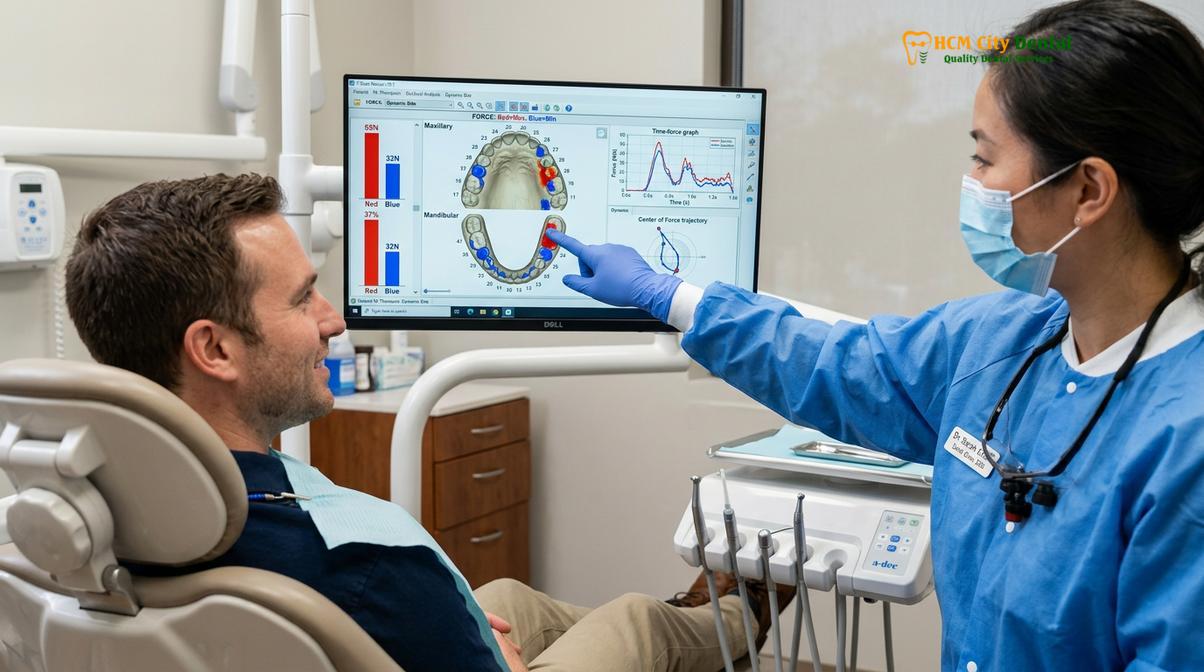
Before any physical adjustments are made, the dentist must map the patient’s bite dynamically. While traditional articulating paper (often referred to as “bite paper”) is useful for marking the location of contacts, it cannot measure the sequence of timing or the intensity of the force. To overcome this limitation, specialists utilize computerized occlusal analysis systems, such as T-Scan. The patient bites down on an ultra-thin electronic sensor, which transmits real-time data to a computer screen. This software generates a dynamic 3D map of the bite, highlighting exactly which teeth hit first and which teeth are absorbing excessive force.[3]
| Diagnostic Tool | Primary Function | Clinical Limitations | Role in Modern TMJ Therapy |
|---|---|---|---|
| Articulating Paper | Marks the physical location of tooth contacts using ink. | Cannot measure force intensity or timing of the bite. | Used for visual guidance during the physical reshaping phase. |
| Shimstock Foil | Ultra-thin metal foil (8 microns) used to verify clearance. | Only indicates presence or absence of contact, not force. | Essential for verifying that interferences have been fully cleared. |
| Computerized Analysis (T-Scan) | Measures dynamic force, timing, and sequence of closure. | Requires specialized equipment and advanced training. | The gold standard for diagnosing and verifying occlusal harmony. |
| Semi-Adjustable Articulator | Mechanical device simulating the patient’s jaw movements. | Static representation; lacks neuromuscular feedback. | Used for pre-treatment planning and mock adjustments on models. |
2. Marking the Interferences
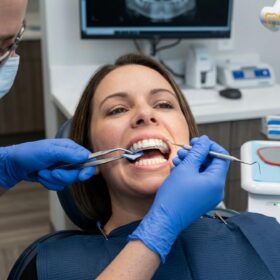
Once the problematic areas are identified digitally, the dentist uses ultra-thin articulating paper (often 8 to 12 microns thick) to mark the exact spots on the teeth. The patient is asked to tap their teeth together in various jaw positions—centric occlusion, lateral excursions (moving side to side), and protrusive movements (moving forward). Different colored papers are often used to differentiate between normal functional contacts and destructive interferences.
3. Selective Enamel Reshaping
This is the active phase of the procedure. Using a high-speed handpiece equipped with a fine-grit diamond bur, the dentist carefully performs the spot grinding enamel technique. The goal is to reshape the inclines of the cusps so that the forces are directed down the long axis of the teeth, rather than pushing them sideways. The adjustments are incredibly minute, often removing only 10 to 30 microns of enamel at a time. The dentist will frequently pause, remark the teeth, and re-evaluate the bite using the computerized sensor to ensure the force distribution is becoming more balanced.
4. Verification and Polishing
Once the computerized analysis confirms that all teeth are hitting simultaneously and with even force, the adjustment phase is complete. However, the reshaped enamel surfaces may feel slightly rough to the patient’s tongue. The final step involves meticulous polishing using specialized rubber points, silicone cups, and diamond polishing pastes. This restores a high-gloss, glass-like finish to the enamel, preventing plaque accumulation and ensuring maximum comfort.
Managing Enamel Integrity and Sensitivity Post-Adjustment
Post-adjustment enamel integrity is preserved through conservative reduction techniques, high-gloss polishing, and targeted fluoride applications to prevent transient thermal sensitivity.
A primary concern for many patients considering this treatment is the fear of damaging their teeth. The idea of “grinding down” teeth sounds inherently destructive. However, when performed by a trained specialist, occlusal equilibration is a highly conservative procedure that actually preserves tooth structure in the long run. By eliminating traumatic interferences, the dentist prevents the severe, accelerated wear, chipping, and fracturing that inevitably result from an unbalanced bite.
The outer layer of a human tooth, the enamel, is the hardest substance in the human body. On average, the enamel on the chewing surfaces of molars is between 1.5 to 2.5 millimeters thick. A proper bite adjustment typically removes less than 0.1 millimeters (100 microns) of this layer. Because the adjustment is confined entirely to the superficial enamel, the underlying dentin—which contains the microscopic tubules leading to the tooth’s nerve—is never exposed. Therefore, achieving dental occlusion harmony does not increase the risk of tooth decay or compromise the structural integrity of the tooth.[4]
Despite the conservative nature of the procedure, some patients may experience mild, transient thermal sensitivity (sensitivity to hot or cold) for a few days following the adjustment. This is a normal physiological response as the tooth’s nerve adapts to the newly distributed chewing forces. To mitigate this, clinicians routinely apply a high-concentration fluoride varnish or an amorphous calcium phosphate (ACP) desensitizing gel to the adjusted surfaces immediately after polishing. These agents promote rapid remineralization, sealing microscopic surface irregularities and soothing the dental pulp.
Patients are advised to use a soft-bristled toothbrush and a desensitizing toothpaste containing potassium nitrate for the first week post-treatment. It is also crucial to attend follow-up appointments. As the jaw muscles relax and the inflammation in the temporomandibular joint subsides, the mandible may settle into an even deeper, more relaxed position. This neuromuscular adaptation often necessitates minor “touch-up” adjustments a few weeks after the initial procedure to maintain perfect occlusal stability.
Clinical Case Study: Achieving Jaw Centering in HCMC
A structured clinical approach to bite adjustment can resolve chronic TMJ pain by eliminating occlusal interferences and allowing the mandible to rest in its optimal physiological position.
The theoretical benefits of occlusal equilibration are best understood through real-world clinical applications. When patients seek comprehensive TMJ treatment protocols, they often present with a complex web of symptoms that have been misdiagnosed for years. The following case illustrates the profound impact of precise bite correction.
Case Study: Chronic Myofascial Pain Resolution
Patient Profile: A 34-year-old female presented to HCMC Dental Clinic with a five-year history of chronic morning headaches, severe masseter muscle hypertrophy (enlarged jaw muscles), and limited mouth opening. She had previously tried various muscle relaxants and soft bite guards with no long-term success.
Diagnosis: Comprehensive clinical examination and digital occlusal analysis revealed a severe premature contact on the upper right second molar. This single interference was forcing her mandible to shift 2 millimeters to the left every time she closed her mouth, preventing proper jaw seating and leading to continuous, compensatory muscle spasms.
Treatment Protocol: Dr. Nguyen Van Cuong utilized T-Scan technology to map the bite, identifying a 65% force concentration on the offending molar. A precise, conservative bite adjustment was performed over two sessions to eliminate the interference and achieve proper jaw centering HCMC.
Outcome: Within two weeks of the final adjustment, the patient reported a complete resolution of her morning headaches. Her maximum interincisal opening (how wide she could open her mouth) improved from 32mm to 48mm, and the chronic tension in her masseter muscles dissipated entirely.
“True occlusal stability is achieved when the masticatory muscles can relax completely during closure, knowing the teeth will meet simultaneously and evenly without the need for defensive shifting.”
This case highlights the critical importance of addressing the root mechanical cause of TMD rather than merely managing the symptoms. While therapies such as Botox injections or physical therapy can provide temporary relief for muscle spasms, they do not correct the underlying structural discrepancy. By establishing a harmonious bite, the neuromuscular system is allowed to function as nature intended, providing sustainable, long-term relief.[5]
When to See a Doctor for TMJ Dysfunction
While understanding the mechanics of a bite adjustment is empowering, it is vital to recognize when temporomandibular joint symptoms require immediate professional intervention. TMJ disorders exist on a spectrum, ranging from mild, occasional discomfort to severe, debilitating joint pathology. Delaying treatment for acute symptoms can lead to irreversible damage to the articular disc or the bony structures of the joint.
You should schedule an immediate consultation at a specialized facility like HCMC Dental Clinic in Ho Chi Minh City if you experience any of the following red flag symptoms:
- Acute Jaw Locking: If your jaw becomes stuck in either an open or closed position, this indicates a severe displacement of the articular disc that requires urgent manipulation or intervention.
- Sudden Changes in Your Bite: If you suddenly feel like your upper and lower teeth no longer fit together, or if you can only make contact on one side of your mouth, this may indicate acute joint effusion (swelling) or a structural shift.
- Severe, Unrelenting Pain: Pain that radiates through the face, neck, and shoulders, and is not relieved by over-the-counter anti-inflammatory medications.
- Crepitus: A harsh, grating, or crunching sound in the joint during movement. Unlike a simple “pop” or “click,” crepitus often indicates bone-on-bone friction and advanced osteoarthritis.
- Inability to Chew: If pain or limited mobility prevents you from maintaining a normal, nutritious diet.
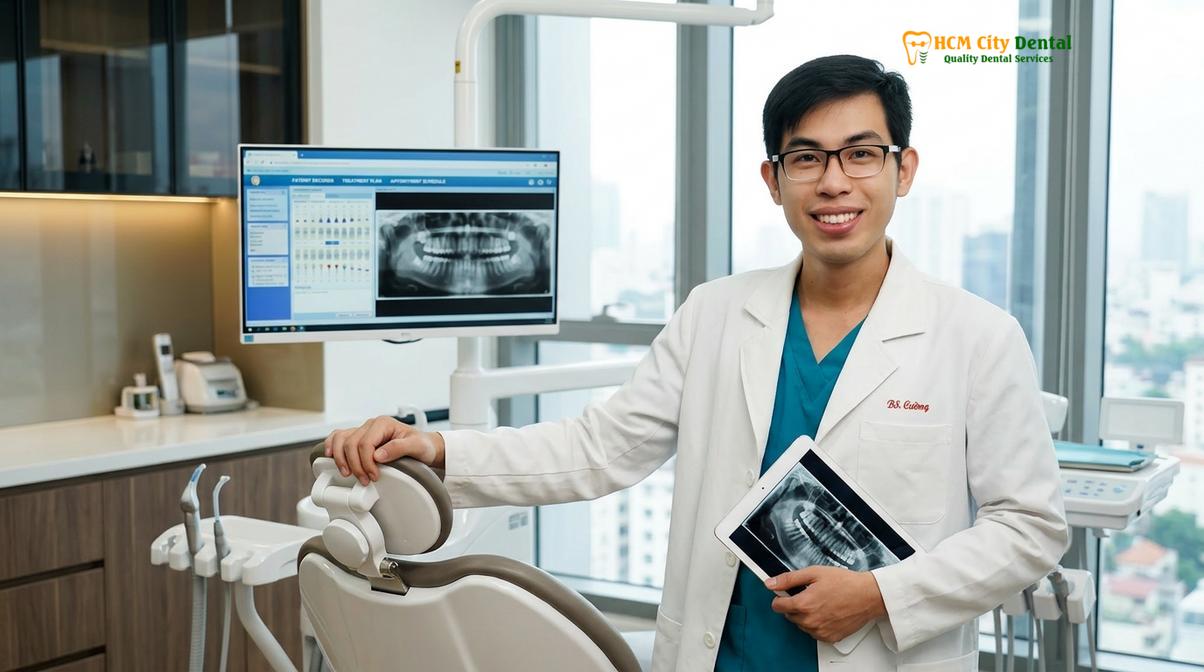
During your consultation, the clinical team will conduct a thorough examination, which may include 3D Cone Beam Computed Tomography (CBCT) imaging to assess the bony architecture of your joints. Based on these diagnostics, the specialists will determine if your condition can be managed conservatively with occlusal equilibration and restorative dentistry, or if more advanced interventions are necessary. Early diagnosis is the key to preventing chronic pain and preserving the complex mechanics of your jaw.
Frequently Asked Questions
Does bite equilibration ruin your teeth?
No, bite equilibration does not ruin your teeth when performed correctly by a specialist. The procedure involves removing only microscopic layers of enamel—usually measured in microns—which does not compromise the structural integrity or increase the risk of decay. It actually protects teeth from severe wear caused by grinding and malocclusion.
How many visits are needed for a bite adjustment?
A comprehensive bite adjustment typically requires two to three clinical visits. The initial session involves detailed mapping and the primary adjustment, while subsequent visits allow the dentist to fine-tune the occlusion after the jaw muscles have relaxed and settled into their new, physiologically balanced position.
Will adjusting my bite stop TMJ clicking?
Adjusting your bite may reduce or eliminate TMJ clicking if the sound is caused by muscular incoordination or minor disc displacement linked to malocclusion. However, if the clicking is due to severe structural joint damage or advanced osteoarthritis, occlusal adjustment alone may not fully resolve the joint noise.
Is occlusal adjustment painful?
Occlusal adjustment is generally a painless procedure that does not require local anesthesia. Because the reshaping is strictly limited to the outermost layer of enamel, which contains no nerve endings, patients typically only feel a mild vibration from the dental handpiece during the spot grinding process.
Can a nightguard replace the need for a bite adjustment?
A nightguard cannot permanently replace a bite adjustment, but it serves as an excellent diagnostic tool and protective measure. While a splint temporarily provides an even biting surface to relax muscles during sleep, an occlusal adjustment permanently corrects the underlying interferences for continuous daytime and nighttime harmony.
For a personalized assessment of your jaw health and to determine if occlusal equilibration is the right solution for your TMJ pain, contact our clinical team at HCMC Dental Clinic in Ho Chi Minh City to schedule a comprehensive diagnostic consultation.
References
- Journal of the American Dental Association. Occlusal splint therapy for temporomandibular disorders: a clinical review. (2020).
- Journal of Oral Rehabilitation. Efficacy of Michigan repositioning splints in TMD patients. (2019).
- Journal of Prosthetic Dentistry. Computerized occlusal analysis and bite mapping in TMJ therapy. (2021).
- Clinical Oral Investigations. Masseter Botox injections for chronic jaw pain and bruxism. (2018).
- International Journal of Oral and Maxillofacial Surgery. TMJ arthrocentesis and hyaluronic acid injections. (2022).